Green Canada Discovers Anomalous Radioactivity on First Drillhole at Marshall Project, Athabasca Basin
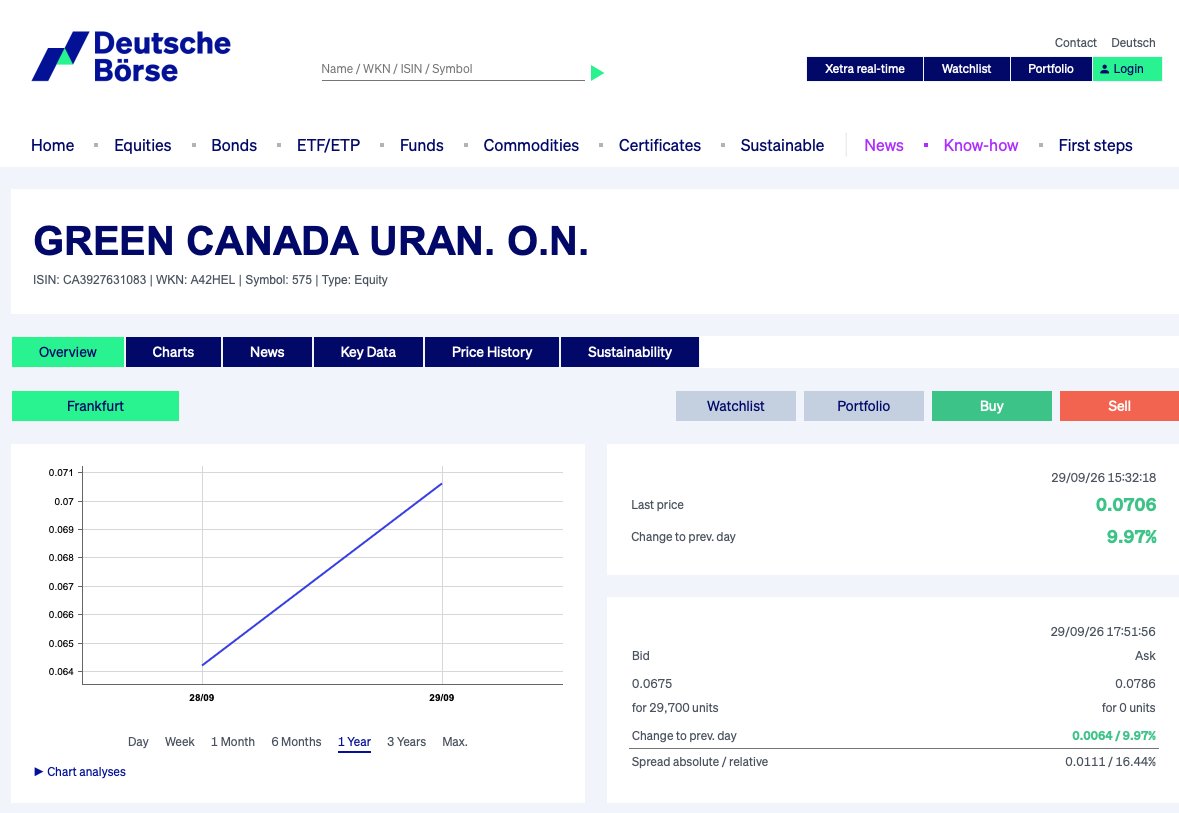
Uranium AthabascaBasin ⚛️⛏️ ☢️ U3O8 mining exploration energy $GCUC.V
https://t.co/vToAzPwcSN
Green Canada Discovers Anomalous Radioactivity on First Drillhole at Marshall Project, Athabasca Basin
Uranium AthabascaBasin ⚛️⛏️ ☢️ U3O8 mining exploration energy $GCUC.V
https://t.co/vToAzPwcSN
The uncomfortable part of the nuclear buildout is becoming obvious:
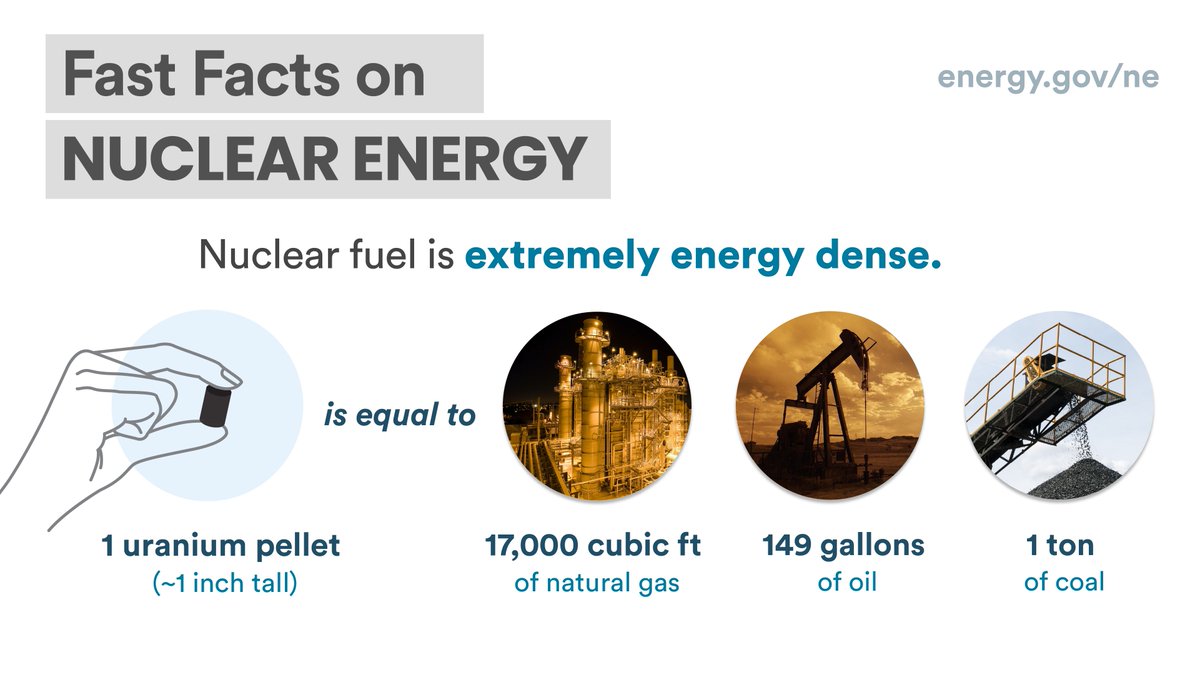
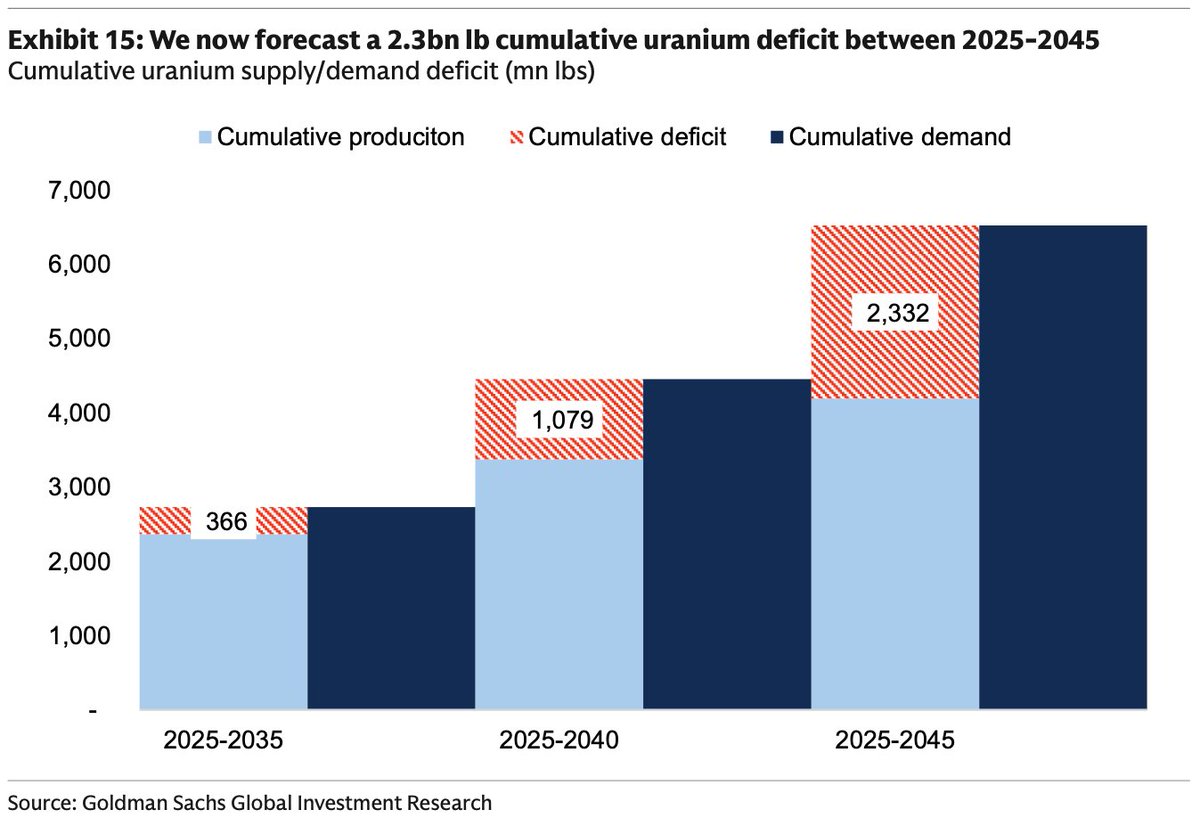
We may be able to build reactors faster than we can build the uranium mines needed to fuel them.
Sprott just came back from the World Nuclear Symposium in London, and their latest podcast had some fascinating numbers.
The uranium industry currently produces roughly 175M lbs a year.
Reactors consume around 200M lbs.
Longer term, Sprott sees demand potentially moving toward 350M lbs.
That means the industry eventually needs something close to twice today's mine production, while some existing mines will be running out along the way.
And uranium mines are painfully slow to build.
Some projects approaching production today were discovered during the last uranium cycle and have spent roughly 15 years sitting in the ground.
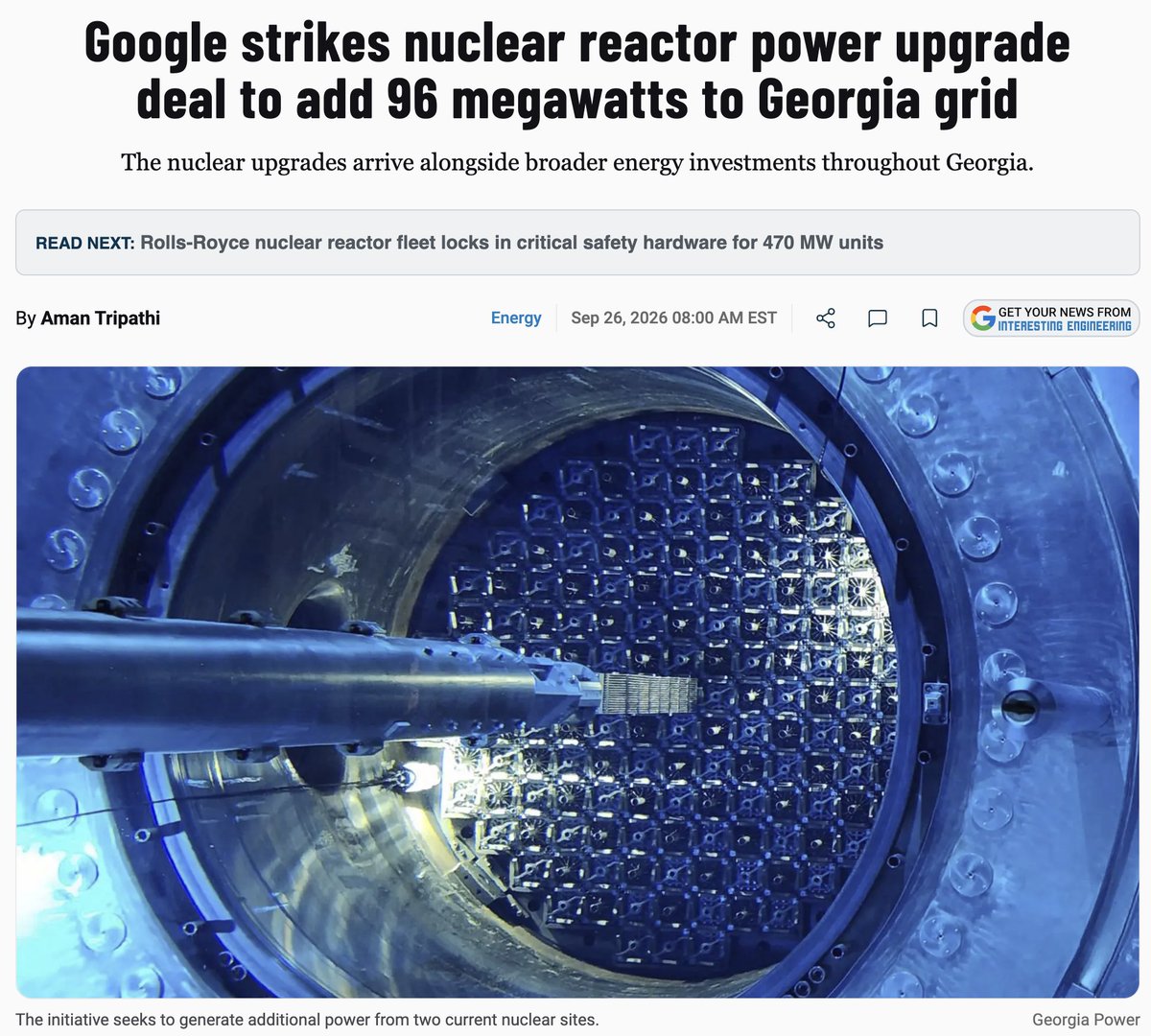
China can build a reactor in around 5–6 years.
Think about that for a second.
The reactor may be easier to build than the mine feeding it.
The US numbers are just as interesting.
US uranium production could reach roughly 4M lbs this year.
The existing US reactor fleet consumes close to 50M lbs annually.
And now the US government is asking domestic producers whether they could supply another roughly 4M lbs per year of US-origin uranium from around 2030 into the 2040s for government needs.
This isn't a signed 40M lb purchase contract yet. It's an RFI asking industry what it could supply.
Still, 4M lbs per year would be enormous compared with current US production.
Meanwhile China isn't waiting around.
Sprott says China added roughly 68.2M lbs U₃O₈ equivalent to its strategic inventories over the past two years.
India is becoming a more aggressive buyer too.
Utilities are active as well. According to Per Jander, some have so much uranium, conversion and enrichment procurement to work through that they are pushing parts of their tenders further out.
And producing the uranium isn't getting cheaper.
Diesel. Sulphuric acid. Labour. Taxes. Royalties.
All are pushing mining costs higher.
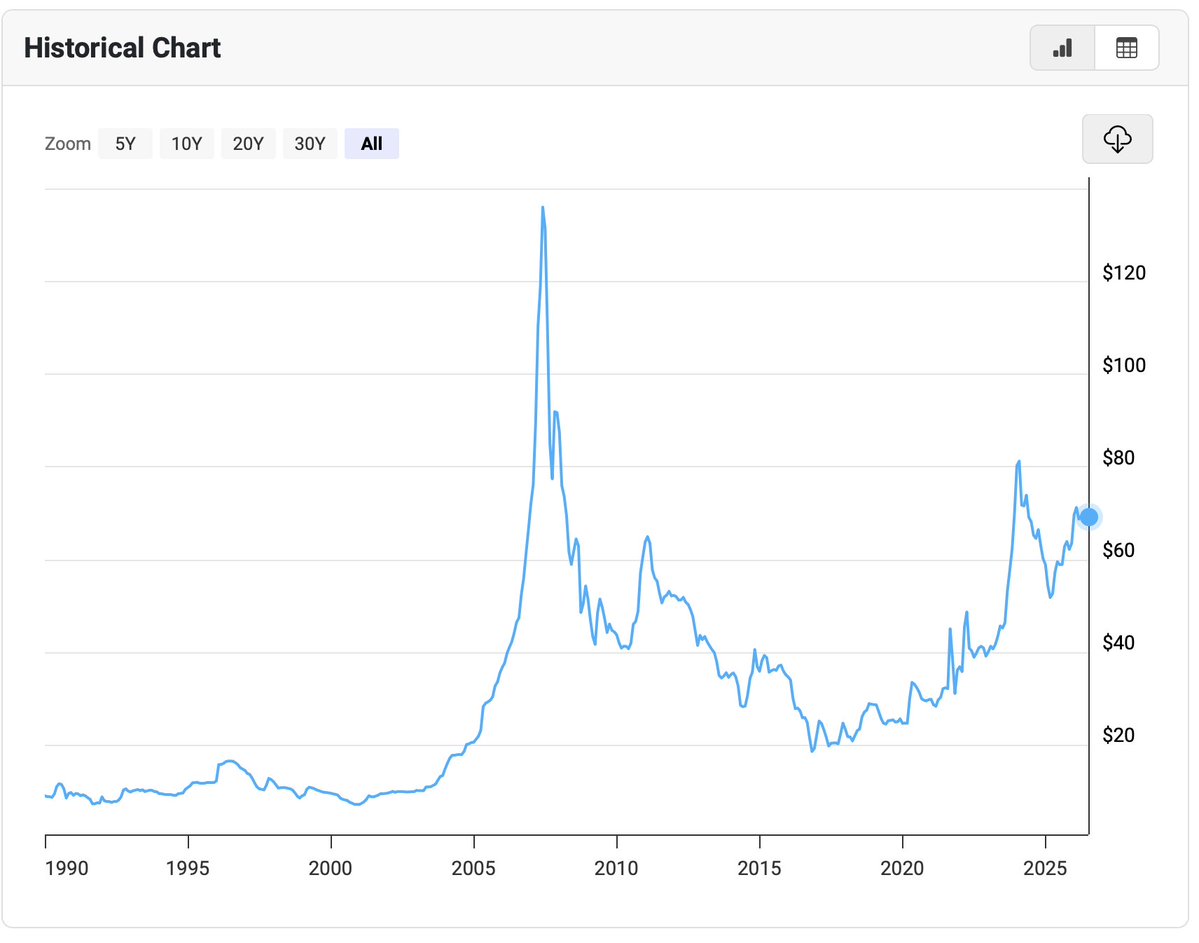
This is important for investors because higher uranium prices alone won't save a bad mine. A marginal deposit can still be a marginal deposit at $100 uranium if its costs keep chasing the price higher.
There was another interesting signal from London.
A few years ago Sprott was running from office to office trying to convince investors to look at uranium.
This year banks were hosting rooms with 60–100 investors.
Generalist capital is showing up.
Sprott estimates roughly $14.35B has flowed into uranium and nuclear equity ETFs since 2021, plus another roughly $4.6B into vehicles holding physical uranium.
Almost $19B sounds huge.
Compared with the amount of capital required to actually double uranium production, it isn't.
That's why I thought this podcast was worth listening to.
It goes much deeper than “nuclear is growing, therefore uranium goes up.” They discuss what utilities are actually doing, the new US government demand, China stockpiling uranium, rising mining costs and the awkward question hanging over the entire nuclear buildout:
Where are all the additional pounds going to come from?
Worth listening to the full Sprott Radio episode.
@sprott #uranium
https://t.co/dXk5A7QNaZ
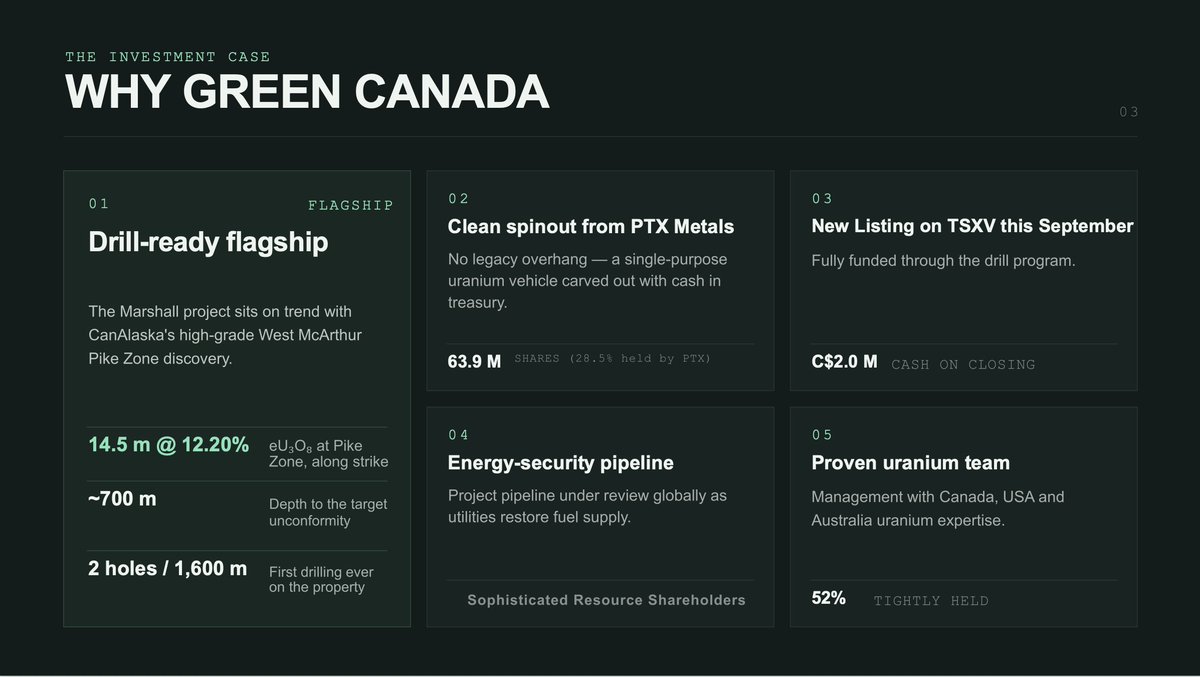
Our company is now quoted (Sept.9) and we just open X account a few days ago.
Follow us to see our next developments and drill results
Athabasca Uranium Mining Exploration Green energy U3O8
Green Canada Discovers Anomalous Radioactivity on First Drillhole at Marshall Project, Athabasca Basin
Uranium AthabascaBasin ⚛️⛏️ ☢️ U3O8 mining exploration energy $GCUC.V
https://t.co/vToAzPwcSN
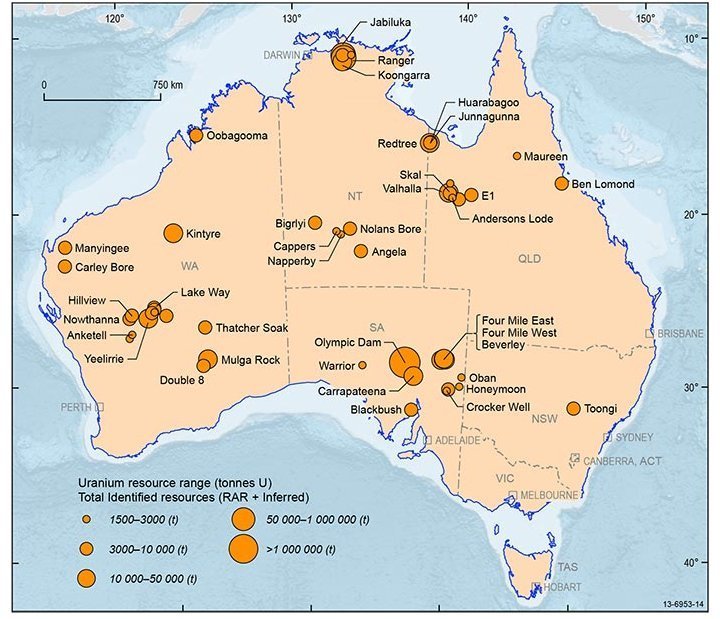
Australia holds 30% of the world's uranium reserves. It is the Saudi Arabia of the Southern Hemisphere, yet it refuses to lift mining prohibitions in key regions, refuses to recognise U as a critical mineral, and refuses to lift the ban on nuclear energy.
Mind-blowing stupidity
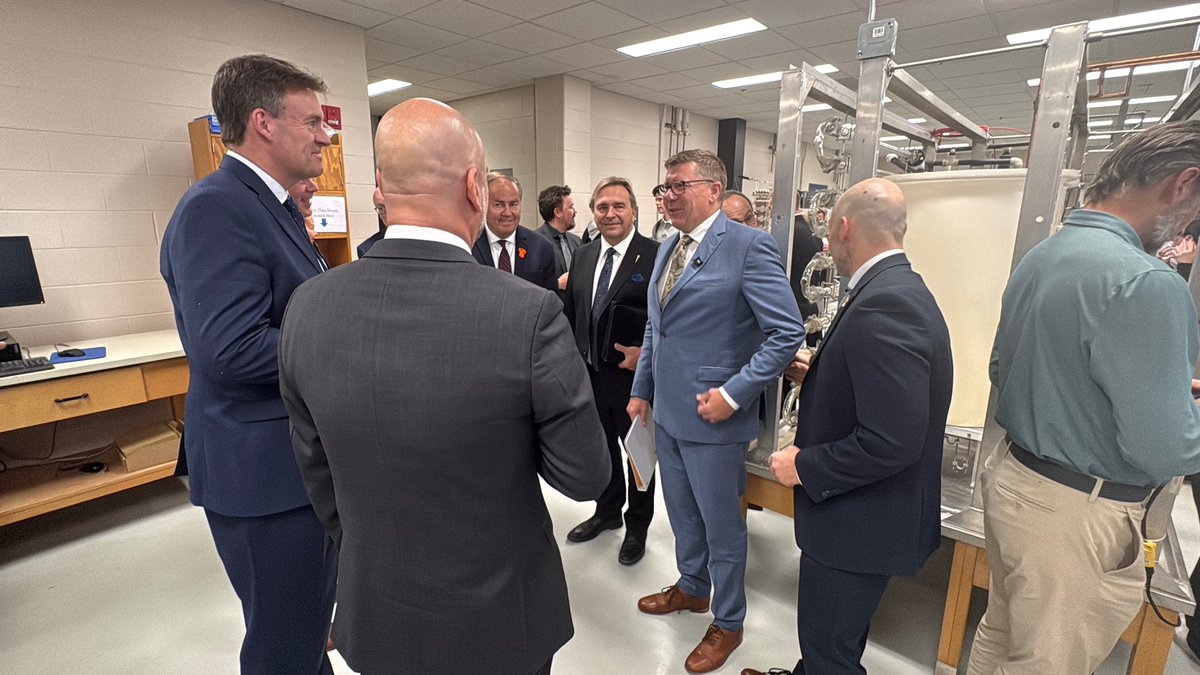
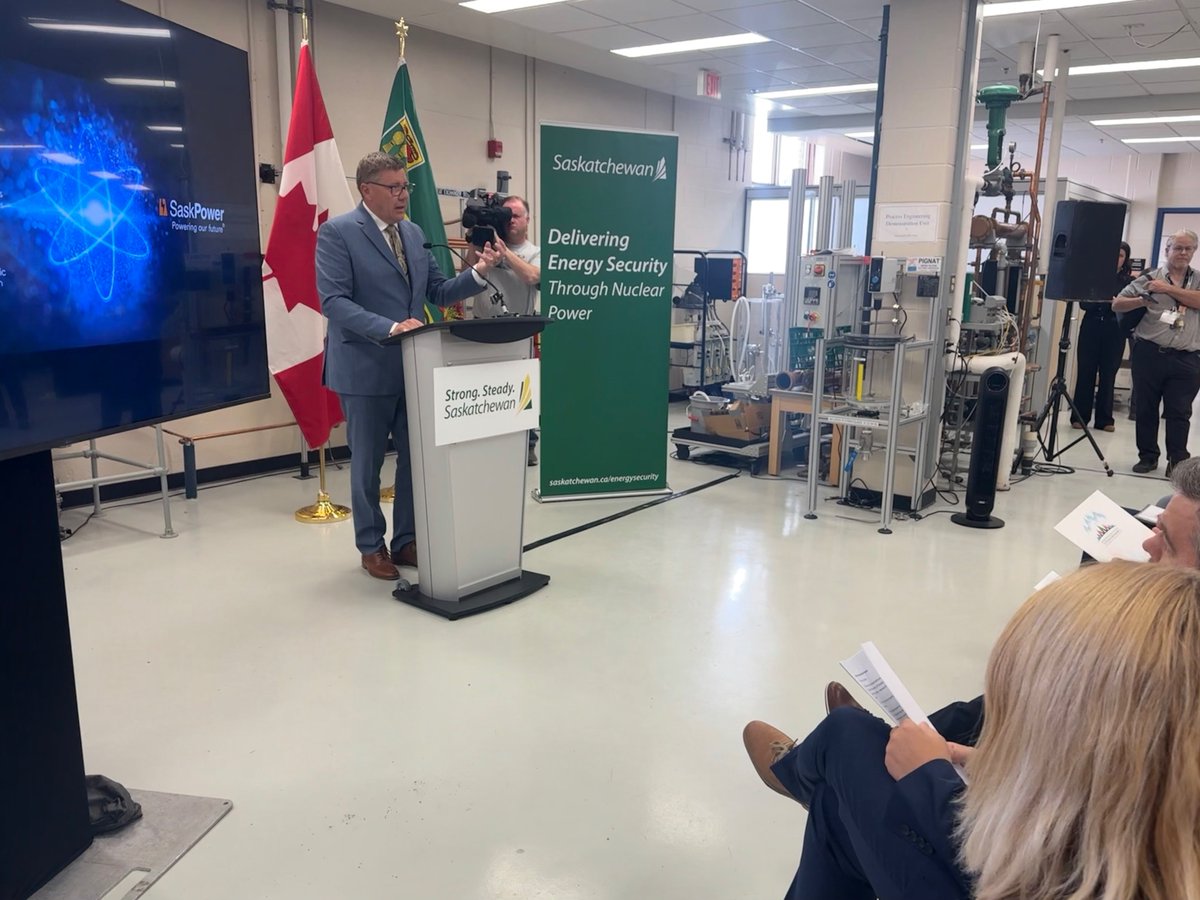
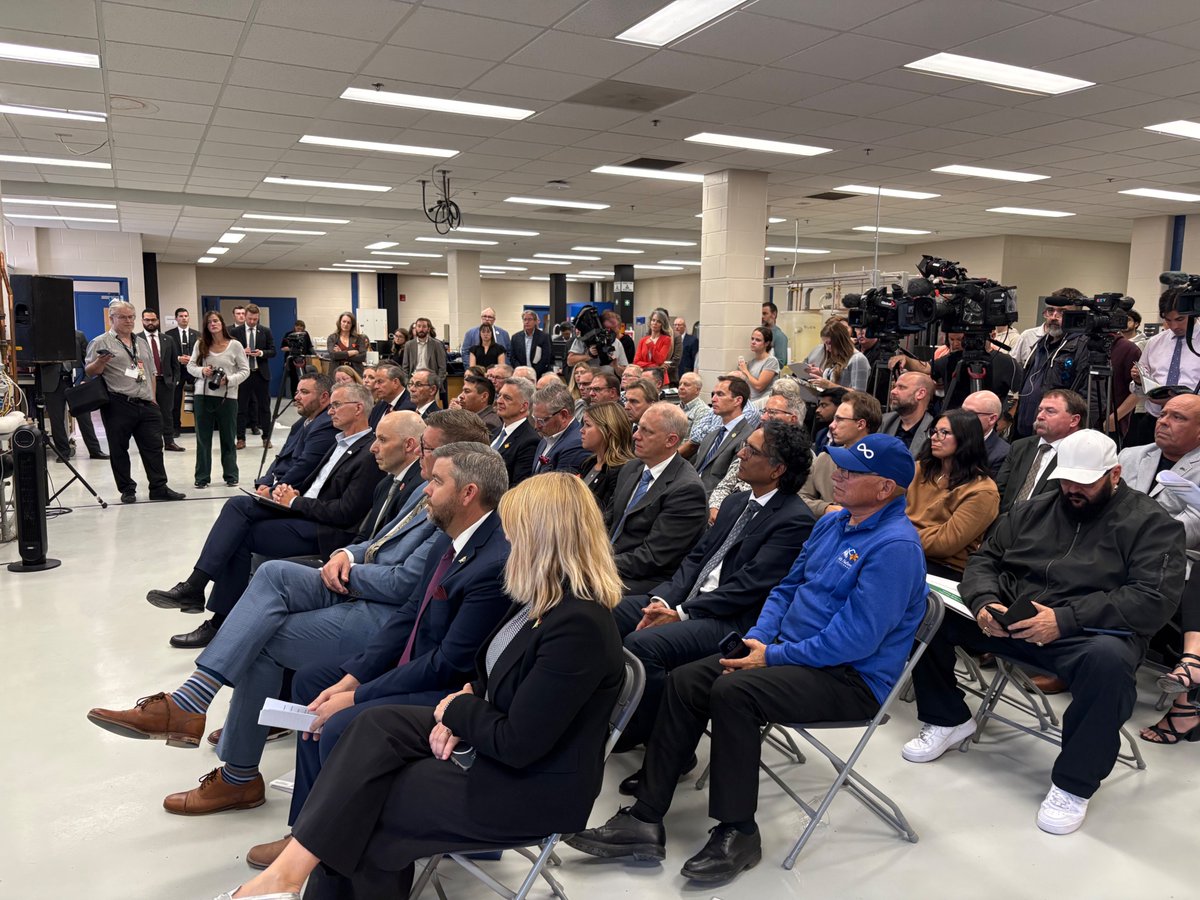
We took another major step toward securing Saskatchewan’s nuclear energy future today, with our plan to have 2,600 MW of nuclear power by 2050.
Reliable, affordable power is essential for Saskatchewan families to thrive and for businesses and communities to grow.
We're building on our world-class uranium resources, skilled workforce and growing nuclear expertise to strengthen energy security, attract investment and support long-term growth across our province.
Green Canada Discovers Anomalous Radioactivity on First Drillhole at Marshall Project, Athabasca Basin
Uranium AthabascaBasin ⚛️⛏️ ☢️ U3O8 mining exploration energy $GCUC.V
https://t.co/vToAzPwcSN
Our company is now quoted (Sept.9) and we just open X account a few days ago.
Follow us to see our next developments and drill results
Athabasca Uranium Mining Exploration Green energy U3O8