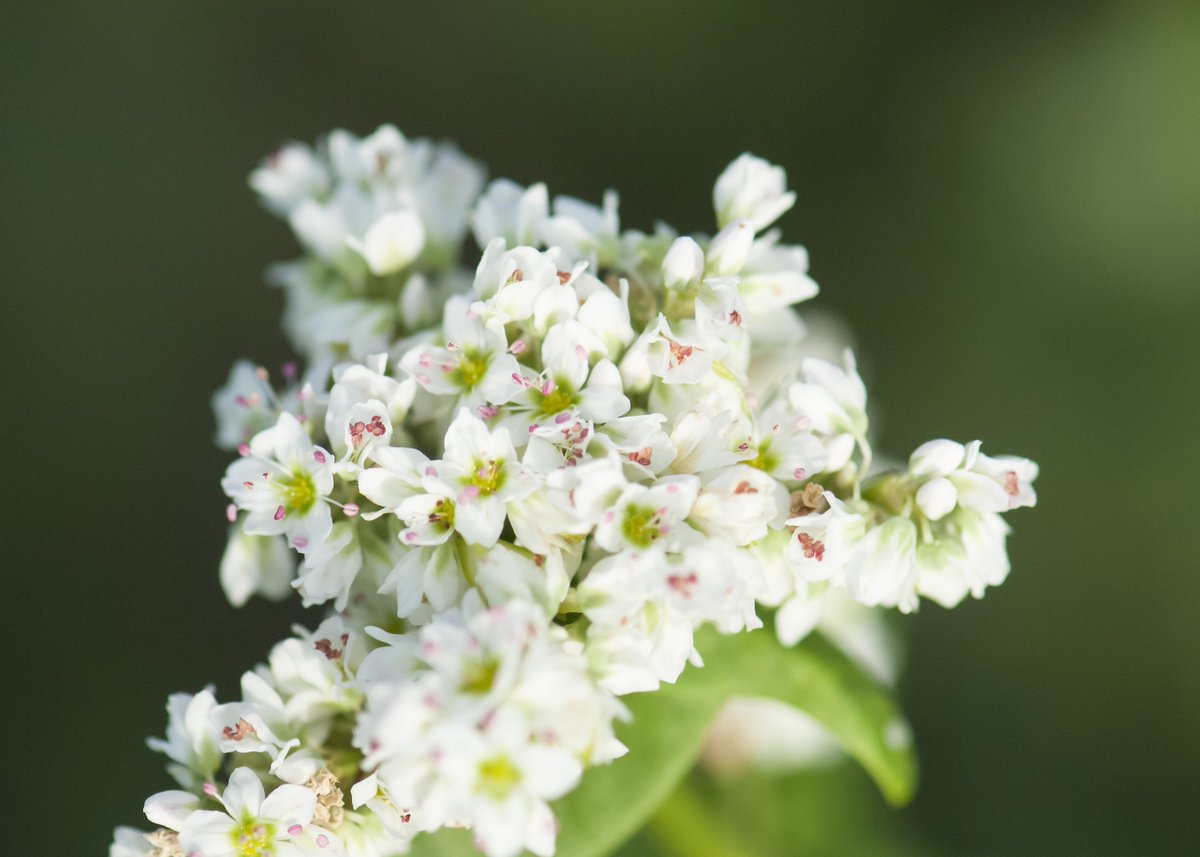
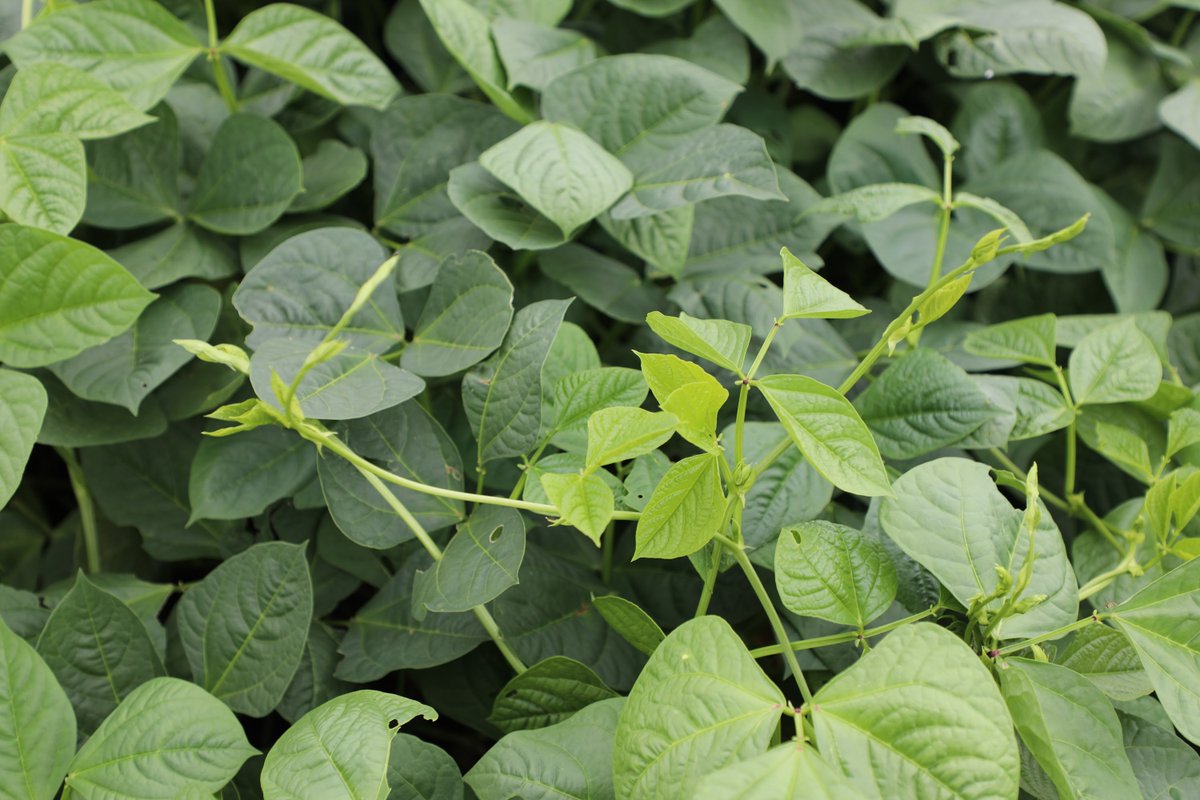
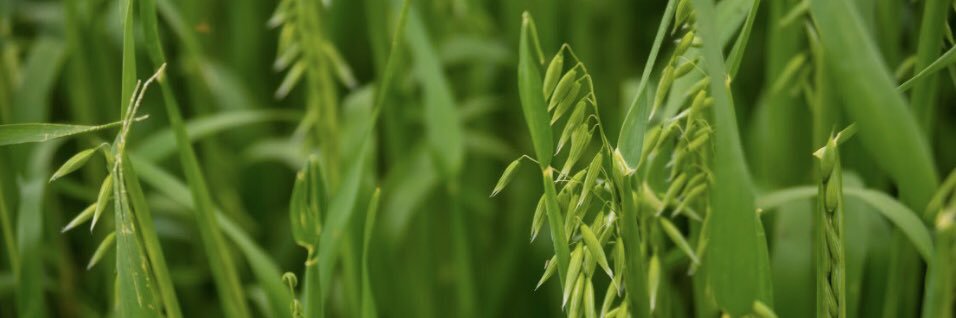
"I've been wanting to grow sorghum sudan grass for 20 years. Just never done it."
One of our team members heard that from a Montana rancher this past weekend.
We've all got that idea.
The one that's been sitting on the shelf so long it's started collecting dust. On a ranch or farm, there's always something more urgent until suddenly another season slips by.
But here's the question worth sitting with: what if that one thing you keep putting off is exactly what your grazing strategy has been missing?
Summer is a finite window. Long, hot days and fast growth. The forage potential is real but only if you plant.
If there's an idea you keep meaning to pull the trigger on, call us. We'll talk through varieties, help you figure out what fits your operation, and get you set up with something you can actually put in the ground this season.
📞 402-469-6784
First two photos courtesy of Diane Hesterberg, third photo courtesy of Trey Archer
#SummerForage #Grazing #SoilHealth #RegenerativeAgriculture #CoverCropping
Our Warm Season Soil Builder Mix includes over 14 different species designed for improving organic matter and controlling weeds.
This diverse blend of legumes, grasses, brassicas, and broadleaves all work in synergy to build soil.
This combination leaves no room for weeds to grow, keeping your fields clear for your next crop. If you want to improve the quality of your soil, this mix if for you!
Shop the mix directly on our website: https://t.co/qDMknVHRBK
#CoverCrops #SoilHealth #RegenerativeAgriculture #CoverCropping
Diverse mixes are not only better for the soil, they're also better for animal performance.
A grazing mix containing grasses, legumes, brassicas and broadleaves provides both energy and protein for grazing animals. Plus, each plant offers unique nutrients and minerals that greatly benefit animal health.
Have you seen your animals make better gains on diverse mixes compared to monocultures?
Watch the full Green Cover podcast episode with Mark Thomas on our YouTube channel, Spotify or Apple Podcasts.
YouTube: https://t.co/cSvvTW9TVM
#CoverCrops #SoilHealth #Grazing #GrassFed #grassfedandfinished #regenerativeagriculture
Early last week we got our corn interseeding plots planted on the farm in Bladen, Nebraska.
This particular mix is the Family Matters mix. Designed to maximize diversity, this mix features plants from 10 different plant families!
Our team planted the mix into wide rows as an experiment to see how it'll perform amongst the growing corn crop.
Stay tuned for more updates from our test plots! And let us know if you have any particular questions about corn interseeding.
#CornInterseeding #CoverCrops #Soilhealth #RegenerativeAgriculture
It’s no secret that rotational grazing takes extra work.
Anybody who’s ever set up polywire, taken down polywire, hauled water, and moved mineral tubs knows it’s a completely different ball game than the “set and forget” method.
Rotational grazing mimics how animals naturally move across the land. Done right, it rebuilds your soils, breaks up pest pressure, and squeezes more production out of your forage acres. With the right mix, you can get several grazings out of a single summer planting.
Ready to get your summer forage mix dialed in? Shop our summer grazing mixes online or call us at 402-469-6784 to get your order placed.
Photo courtesy of Macauley Kincaid
#Soilhealth #RegenerativeAgriculture #CoverCrops #CoverCropping
Buckwheat earns its spot in almost every pre-made mix we offer and for good reason.
It establishes fast, builds soil health, and works well alongside just about any other species. That versatility is why it shows up consistently across our lineup.
One thing worth knowing before you plant: buckwheat moves quick. It can produce viable seed in as little as 45 days, which means if you let it go too long, volunteer plants can become a headache in future crops.
Check out our line-up of warm season mixes: https://t.co/fLot8WCUdk
#Buckwheat #CoverCrops #SoilHealth #CoverCropMix #GreenCoverSeed #RegenerativeAg #SoilBiology #CoverCropManagement
Cowpeas thrive in the heat.
This warm season legume is built for summer, it's drought tolerant, fast growing, and loaded with N-fixing potential. That makes it a natural fit in a post-wheat or pre-corn rotation, putting fertility back into the soil before the next cash crop goes in.
The high protein content earns it a spot in grazing mixes too. And whether you're working with sandy loam or something less forgiving, cowpeas adapt and produce.
When temperatures climb and other species tap out, cowpeas keep working.
Consider adding them to this year's warm season mix using our SmartMix Calculator: https://t.co/FP2byMD58Y or give us a call at 402-469-6784 to place your order.
#Cowpeas #CoverCrops #SoilHealth #NitrogenFixing #GrazingMix #SummerCoverCrop #CornRotation #GreenCoverSeed #RegenerativeAg
Looking for high quality summer grazing?
Our Cattle Cover sorghum sudangrass might be a good fit for you!
This male sterile variety brings in the tonnage without risk of volunteers.
You can shop Cattle Cover on our website: https://t.co/bjSHBSuqMj or consider having your sales rep add it to your mix 402-469-6784
#CoverCrops #Soilhealth #CoverCropping #Grazing #ForageProduction #Grassfedandfinished
Your garden beds work hard all season and some of them might need a breather.
If you've got a bed resting between cool season crops or perhaps taking a full year off, the Garden Summer Rest Mix keeps it covered, alive, and ready for the next planting.
Cowpeas, sunn hemp, buckwheat, sunflower, and more go to work during the peak growing months to...
✅ Feed the biology in your soil
✅ Smother weeds before they get a foothold
✅ Keep pollinators fed all summer long
Intensive gardening takes a toll on soil, this mix puts fertility back in. Check it out on our website: https://t.co/sA3lmQcsa9
#GardenCoverCrop #SoilHealth #RegenerativeGardening #Gardening #Homesteading #Pollinators
While too much thistle may feel like a problem, a bit of it may come in handy now and then.
Kipp Hinrichs of Nebraska shared this video of his cows happily munching down on some thistle while grazing a cool season cover crop.
Thistles are known for accumulating minerals and animals are sensitive to this. They will self-select what their body needs and sometimes that means going straight for the thistle.
It's a good reminder that a diverse pasture isn't just about the species you plant. What's already growing has something to offer too.
What specific minerals or nutrients do you think the cows might be after here?
#Diversity #Soilhealth #RegenerativeAgriculture
What happens when we manage our pastures like golf courses?
We eliminate biodiversity, remove organic matter and our animal's nutrition suffers because of it.
Alison Lepanto at Aterak Feed works with equine owners in the southeast to design diverse cover crop blends that bring vitality and life back to horses who have suffered from monoculture pastures.
Listen to the full podcast to learn more: https://t.co/LaqiTaakzO
#Soilhealth #CoverCropping #CoverCrops #RegenerativeAgriculture #EquineNutrition #EquineHealth
Why would you want to include unpalatable species in your grazing mix?
Seems pretty counterintuitive but there's a strong reason here.
By adding species like flax and certain brassicas to your grazing mixes, you ensure that some biomass is being left behind after the livestock move through the paddock.
Those plants continue to run through their life cycle, pumping carbon into the soil which feeds microbial life. As your below ground life improves, the quality of your next forage crop will improve as well.
It's important to select a well-rounded mix that'll meet your grazing needs. Check out our SmartMix Calculator to customize your very own cover crop mix: https://t.co/oqdNEka2N7
Photo courtesy of Macauley Kincaid
#Soilhealth #CoverCrops #RegenerativeAgriculture #CoverCropping
Sunflower is well known for its bright blooms and pollinator appeal, but the real work happens underground. That deep taproot and extensive root system scavenges nutrients and hosts mycorrhizal fungi, setting up the crops that follow for success.
Above ground, those blooms pull in beneficial insects that tend to stick around long after the sunflowers are gone. And if you're running livestock, sunflower can produce significant biomass in a short growing season, making it a solid option for forage or silage.
Give us a call if you want to talk through how sunflower might fit your operation. 402-469-6784
Image #4 courtesy of Alyssa Glaser, image #5 courtesy of Ian Gould.
#covercropping #covercrops #regenerativeagriculture #soilhealth
When summer heat rolls in, nothing builds biomass like sorghum.
Whether you need single-cut, high-tonnage forage or a multi-graze workhorse, there's a sorghum product built for your operation. You just have to know what to look for.
Forage sorghum thrives in stockpile grazing mixes and single-cutting situations. Sorghum sudan is the better fit when you're planning multiple cuts or grazes across the season.
Beyond that, the traits get more specific: BMR (brown mid-rib) varieties are worth seeking out if you're feeding livestock. PPS (photoperiod sensitive) types shine in long-season situations. And if volunteer sorghum is a concern, a male sterile (MS) variety keeps things clean.
Not sure where to start? Our team is happy to help, give us a call and together we'll find the right fit. 402-469-6784
#CoverCrops #SoilHealth #regenerativeagriculture #covercropping
Submit your photos for the chance to win $300 and be featured on our next Soil Health Resource Guide!
The Soil Health Resource Guide is a free, annual publication designed to spread knowledge and resources for people looking to improve their soil health.
We need your help finding the perfect photo for our next edition.
We want to see your perspective from your farm or ranch as you're working to regenerate your soils. Send in photos of cover crops, soil, insects, livestock or anything that inspires you about regenerative ag!
Submit your photos here: https://t.co/coJCNVKhuN
Photo courtesy of Lynnae King
#CoverCrops #Soilhealth
Does local food taste better?
We sure think so. That's why our team works hard to source local, regeneratively raised and organic ingredients for the home-cooked meals we serve at our on-farm events.
If you're joining us at Nexus in the Field Nexus next week, you'll get to try some of this delicious food over conversation with like-minded producers.
Our menu this year features local grass-fed beef, pastured chicken, local pork, homemade sourdough, regenerative rice, local honey, fresh veg from a market garden just one county over and much more! 90% of the menu is made from scratch by our team of young chefs.
Attendees tell us every year that the taste difference is real. The food is fresher, more nutrient dense and sourcing locally has a direct impact on the success of local farmers and the health of our soils.
If you're not signed up yet, there's still time to join us at Nexus in the Field on June 3rd and 4th. Walk-ins are welcome. Learn more here: https://t.co/cxwwQibEt4
#Soilhealth #RegenerativeAgriculture #LocalFood
A customer shared this photo of her young Milpa garden that will soon become a highly productive garden!
Our Milpa Garden mix is inspired by the Maya Milpa technique where corn, squash and beans are planted together to create symbiosis and abundant harvest.
Also known as the three sisters, corn, squash and beans work together in biologically complimentary roles. Corn provides a tall structure for bean vines to climb, beans fix atmospheric nitrogen into the soil through root bacteria, feeding both the corn and squash, while squash spreads low along the ground with large leaves that shade out weeds and retain soil moisture.
Our mix contains 20 different edible species from squashes to okra, radish, sunflower, green beans and much in between!
We encourage our customers to plant corn ahead of the mix to ensure that it's growth is not stunted.
You can purchase our Milpa Garden mix on our website: https://t.co/Y8SJRh2ElQ
#Soilhealth #RegenerativeAgriculture #CoverCropping
Cover crops bring great benefits to orchards and vineyards that would typically have bare inter-rows.
A diverse mix pumps liquid carbon into the soil, feeds the soil food web, and builds the kind of biology that makes vines and trees more resilient and less dependent on interventions for pests and disease.
If weeds are a concern, a fast establishing cover crop mix can help to suppress unwanted weed species.
If you're curious about cover cropping in your orchard or vineyard, give our team a call at 402-469-6784 or check out our SmartMix Calculator: https://t.co/SuvQNnzA27
#CoverCrops #SoilHealth #RegenerativeAgriculture #OrganicVineyard #OrganicViticulture
One conversation at Regenerative Nexus turned into a real partnership.
Greg Thoren and Bob Recker are now running corn interseeding experiments across row spacings, plant populations, and virtual fencing for grazing. Hear Greg's full story on the podcast 🎙️ https://t.co/e8zX7I0kSQ
Want to make connections like this? Join us June 3–4 for Nexus in the Field in Bladen, Nebraska: https://t.co/vQQ818KpA9
#CoverCrops #SoilHealth #RegenerativeAgriculture #CoverCropping
Mung beans are an excellent addition to a summer cover crop mix.
Their remarkable heat and drought resistance combined with rapid establishment make them a great bang for your buck!
To learn more about mung beans and other warm season cover crop species, join our live Ask Me Anything webinar with Zach and Nathan on Wednesday, May 27th at 12:00pm CST.
Bring your questions and a pen to take notes because this will be a jam packed session!
Register: https://t.co/bxoVg1NR7T
#SoilHealth #CoverCrops #CoverCropping #RegenerativeAgriculture