Would be nice if you actually addressed the arguments, but instead you just started screeching and flinging personal attacks like rabid sewer cockroach that just realized'We Wuz Kangz' LARP got unplugged. Don't project your untreated trauma on me like I'm your unpaid therapist.
@Thekausikeyas@GreyWare0 I am not @Greyware0. Secondly, there is no consensus between historians/scholars themselves about subcaste of Tulsidas. I also doubt that Sarayupareens themselves would accept this reasoning as a basis for claiming Tulsidas Maharaj. It simply doesn't make sense.
👇👇
Not really. Tulsidas was a Kanyakubja Brahmin, as mentioned in earliest of the sources. i.e. Bhaktamal by Tulsiram Agrawal(1856) and Frederic Growse(1882).
Ramchandra Shukla is no authority here.
Let's debunk Saryupareen claim briefly. 👇
Remembering Major Somnath Sharma, India's first Param Vir Chakra awardee, on his martyrdom day. Born into a Saraswat Brahmin family in Himachal Pradesh, he is remembered as the saviour of Kashmir
Shungas were The Conquerors of these Superhumans who had brought to end the glorious Achaemenid empire of Darius the great and had been dominating the Central Asia for centuries.
The Harivaṃśa states that Kshatriyas would cease performing the Aśvamedha, which Brahmanas would revive in the Kali age. It identifies the restorer as a dvija senānī of the Kāśyapa lineage—a description strongly associated with Pushyamitra Śuṅga.
Only True Kshatriyas with pure blood can paise Bhagwan Parshurama
Vikramaditya VI came to the throne on the 26th of February 1077A.D. The Chalukya-Vikrama Era commenced from that date. This shows his power and His SUDI INSCRIPTION Shows Greatness of Bhargav Parasurama.
First of all, I had already read this commentary before you, 8 failed. I posted the Jaiminī Brāhmaṇa, and you’re showing that mantra from the Śatapatha Brāhmaṇa, idiot. The same mantra occurs in both the Śāḍviṃśa and Śatapatha Brāhmaṇas, but in the one I posted, Viśvāmitra is also being discussed.
I already knew before you that Indra goes there assuming Gautama’s form, which appears in the very next mantra. You don’t even know that Brāhmaṇas contain mantras, not ślokas. Here Sāyaṇa says that a Brahmana was born in the Kuśika gotra, which means Indra was a Brahmana. And don’t try to use the logic that Indra was called a Brahmana because he assumed Gautama’s form. That would actually contradict Sāyaṇa.
The second interpretation is that the son of the Kuśika Brahmana Indra assumed the form of Gautama. Either way, my point is proven, whether you take it as “born in the Kuśika gotra” or “the son of the Kuśika Brahmana.” Both support my argument, idiot.
kauśikaḥ kuśikagotrotpannaḥ kaścid brāhmaṇaḥ enām prakrtām ahalyām upanyeti sma ha || gatau iti parokse lit upanīti) upasargeņa upayann upagacchann) upayeme kilety arthaḥ || tasyā jāraḥ san tadbhartrsthāne tişthatīti kauśika brāhmaṇety upacārād amantryate ||
gautama iti ha bruvānaḥ yad vā gotamarūpeņa caran gautama iti janair ucyamāne gautama bruvānaḥ || bruvateḥ kartari vyatyayena karmani śānac | tasya sam-bodhanam gautama bruvāneti || tad vyācaşte ||
devāsurā ha devāś cāsurāś ca | kim | samyattāḥ paras-param yoddhum udyuktā ) āsan babhūvuḥ || tän anta-rena teşām madhye antarāntareņayukta iti dvitīyā | gotamo nāma rşiḥ śaśrāma śramam upāviśat || tam gotamam upetyopagamyendrah evam uvāca | asurā bha-vantam bādheran ata ihaiva smākam spa-śaś) caro bhūtvā bhavān caratv iti || evam uktavan-tam indram rşir aha aham eva) cārarūpeņa vartitum notsahe utsäham na karomīti || atha gautamavacanānan-taram indro bravīti | aham bhavato rūpeņa spaśaḥ san carānīti | tad anumanyate bhavān iti || punar gotamo bravīti he indra tvam yathā yena prakāreņa caritum manyase tathā careti || paścād indras tathaivācarad iti śeṣaḥ || sa indras tat tadānīm gotamo 'ham iti svayam vadan gautamarūpeņa gautama iti janair ucyamāno và cacareti || yat tad evācaraņam āha gautametiti | gautama bruvāņeti padasyaikadeśaḥ ekadeśopādānapratīteh || nigadaśeşam upādatte ||
Shoutout to the Prashar Gotra Brahmins
Mahan Singh Bali -founder of the city of Mansehra in Khyber Pakhtunkhwa
Colonel Vikrant Prashar
Lt Commander Suraj Prashar
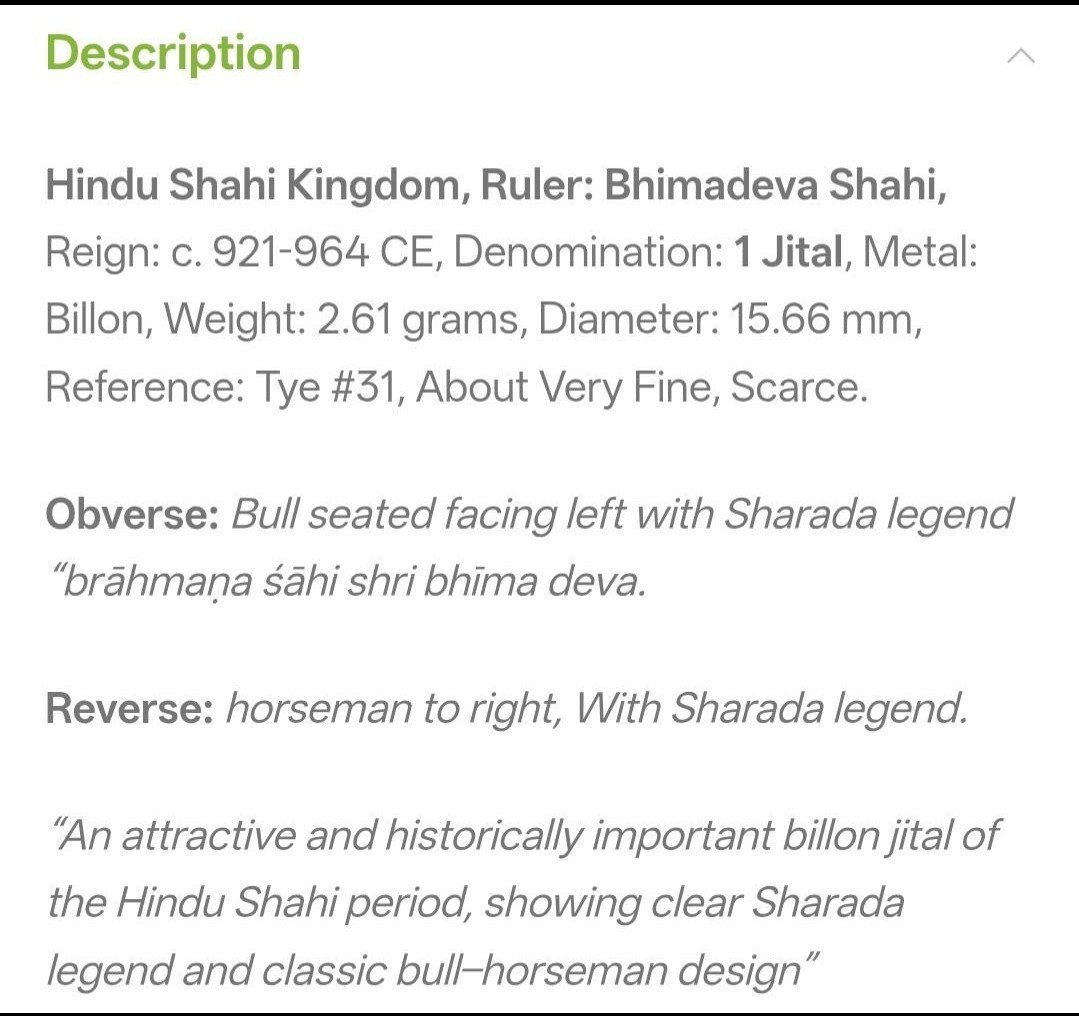
Bro spammed an unnecessary thread. No contemporary sources call them Rajputs. Even Al-Biruni calls Kallar a Brahmin
However, there is another coin of the Shahis on which "Brahman Shahis" is again written. Why would a Rajput king have his dynasty called the Brahman Shahis?
The Valor and Glory of Maharaja Trilochanpala shāhi.
Yet even after that, the Shahi army continued to move across the battlefield, slaughtering and fighting fiercely. After some time, however, the Shahi forces themselves began to give way. Then three heroes Jayasimha, Shrivardhana, and Vibhramarka, a descendant of Sangramadāmara came to the forefront, shining in the battle through their valor.
Charging into that terrible cavalry force and striking at the enemy, these three warriors saved the honor of their land from being destroyed on the battlefield.
Who can adequately describe the greatness of the courage displayed at that time by the Shahi king Trilochanapala? Even those countless enemies were unable to defeat that king in battle.
As he caused a rain of blood to fall upon the battlefield, King Trilochana appeared magnificent, like the (त्रि���ेत्र three-eyed) Lord Shiva (Trilochana), who scatters dreadful flames at the end of time.
Thus, after making millions of armored warriors fight for a long time upon the field of war, that hero succeeded in overcoming the peril of the battle.
When King Trilochana, having achieved his immediate objective, had moved some distance away, the entire earth there was suddenly covered by a fierce horde of Chandalas, like a vast swarm of locusts.
Witnessing the superhuman valor of King Trilochanapala, the Turkic commander, though victorious, found no satisfaction; again and again he heaved long, deep sighs.
Meanwhile, although deprived of his kingdom, King Trilochanapala shāhi (Túrujāipala) remained determined to win back victory with the support of his elephant corps.
But fortune did not favor him. After some time, not even the name of the Shāhi kingdom remained in the world.
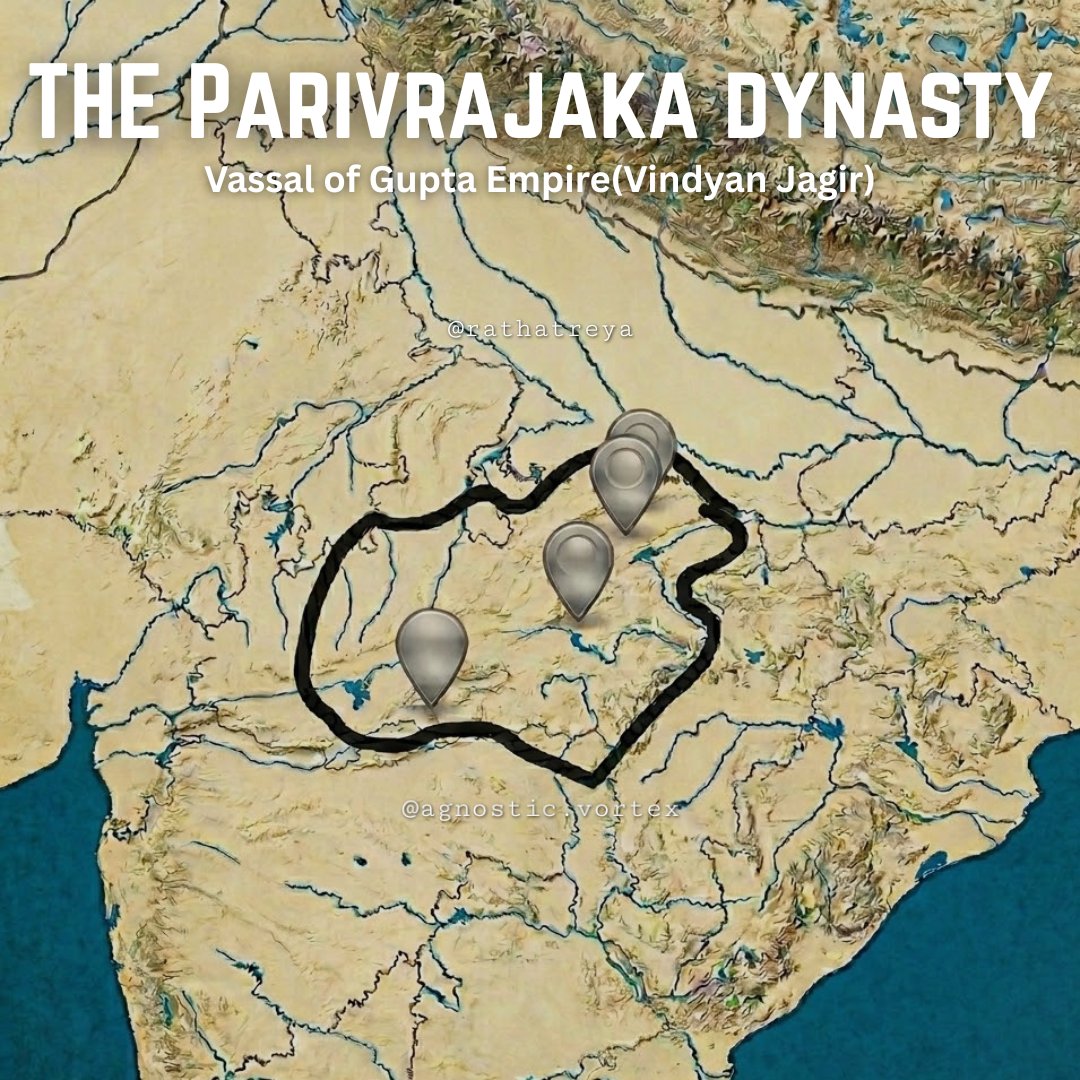
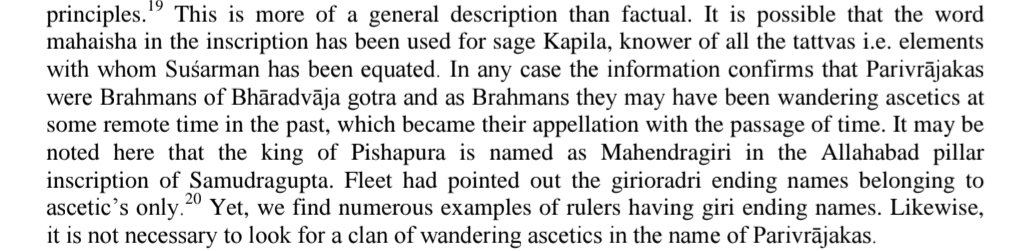
The Guptas entrusted the Parivrajaka dynasty with one of the largest and most strategic Bhuktis of the Gupta Empire the Vindhyan region. They were from present-day Bundelkhand & Baghelkhand, they governed it as loyal Gupta feudatories despite constant Vakataka pressure.
[1/2]
SNITCHES R n't BITCHES
When a person lacks the intellect to reason, he starts distorting the meaning of words. Here, the meaning of Brahma is Brahmin, but by calling it Parambrahma and saying that the Brahmin is an incarnation of Brahma, what exactly has been proven? They themselves don't know what they want to say. I've already shown earlier that this person only does copypasting and nothing else.
sāma gāyasi brahmaputra iva savaneṣu śaṃsasi || RV 2.43.2
Someone who doesn't even know how to read the Matsya Purana will explain the Vedas? The word Kshatra appears alongside Brahma which shows that Brahma means the Brahmin, and Kshatra means the Kshatriya caste, as Sayanacharya has written in his commentary that Kshatra originated from Brahma and Kshatra manifested in the form of the Kshatriya caste. But the origin of the Brahmin is not mentioned here. Kshatran is indeed the Kshatriya caste, but how can Brahma not be Brahmin?
brahmakshatre anu dvayyaḥ prajā asrijyanta hutādas cāhutādas ca, brahmaivānu hutādah kshatram anv ahutāda. etā vai prajā hutādo yad brähmaņā, athaitā ahutādo yad rājanyo vaisyaḥ sūdras 2 tā-bhyo yajña udakrāmat, tam brahmakshatre. Aitareya Brahmana panchika 7.18.20
brahmā vā ṛtvijām bhiṣaktamastadya evartvijām bhiṣaktamastenaivainametadyajñam bhiṣajyati. Sathpatha brahmana.14.2.2.19
pūrvapakṣāparapakṣayorāptimatimucyata iti brahmaṇartvijā manasā candreṇa mano vai yajñasya brahmā tadyadidam manaḥ so'sau candraḥ sa brahmā sā muktiḥ sātimuktiḥ. Sathpatha brahmana.14.6.1.7.
kṣatriyasya | udeṣām bāhū atiramudvarco atho balam kṣiṇomi brahmaṇāmitrānunnayāmi svāṃ ahamiti yathaiva kṣiṇuyādamitrānunnayetsvānevametadāhobhetvevaite ādadhyādayaṃ vā agnirbrahma ca kṣatraṃ cemamevaitadagnimetābhyāmubhābhyāṃ saminddhe brahmaṇā ca kṣatreṇa ca. Sathpatha brahmana Verse. 6.6.3.15
sa kṣatraṃ varuṇaḥ | brahma mitramupamantrayāṃ cakra upa māvartasva saṃsṛjāvahai purastvā karavai tvatprasūtaḥ karma karavā iti tatheti tau samasṛjetāṃ tata eṣa maitrāvaruṇo graho'bhavat. Sathpatha brahmana Verse.4.1.4.4
Sayana has written that Brahma appeared in the form of a Brahmin even then Sayana is establishing that Brahma in its subtle form is the Brahmin, and its power Kshatra originates from Brahma which is repeatedly seen in the Vedas.
etāvadevoktvā sādayedetāvadvā idaṃ sarvaṃ yāvadbrahma kṣatraṃ viḍindrāgnī vā idaṃ sarvaṃ tasmādetāvadevoktvā sādayediti
Sathpatha brahmana Verse. 4.2.2.14
nāmetyāyuvānā iva hi marīcayaḥ plavante sa na idam brahma kṣatram pātviti tasyokto bandhuḥ
Sathpatha brahmana Verse 9.4.1.8
In the Vedas, the meaning of Brahma is Brahmin, therefore wherever there is mention of the four varnas there is Brahma Brahmin, then Kshatra and Vish. I have many such mantras.
Brāhma vāi brāhmanāh Śathpatha brāhmaṇa. 13.1.5.3
Samānartha vetau Brahmaṇ sabdo Brāhmaṇa sabdo cha. Pāninī Vyākaraṇa.5.1.1
Now coming to the Atharvaveda: in the Atharvaveda, the word Brahma is used for the Brahmin varna.
यथा॒ ब्रह्म॑ च क्ष॒त्रं च॒ न बि॑भी॒तो न
रिष्य॑तः। ए॒वा मे॑ प्राण॒ मा बि॑भेः ॥
Atharaveda 2.15.4
अतो॒ वै ब्रह्म॑च क्ष॒त्रं चोद॑तिष्ठतां॒ ते अ॑ब्रूतां॒ कं प्र वि॑शा॒वेति॑ ॥ Atharaveda 15.10.3
बृह॒स्पति॑म् । ��॒व । ब्रह्म॑ । प्र । वि॒श॒तु । इन्द्र॑म् । क्ष॒त्रम् । तथा॑ । वै । इति॑ ॥ Atharaveda 15.10.4
They could not refute the Shatapatha and Brihadaranyaka, so again they have tried to distort its meaning from Sayana’s commentary itself.
tasyāmāghārayati | siṃhyasi svāhetyathāparayoruttarasyāṃ siṃhyasyādityavaniḥ svāhetyathāparayordakṣiṇasyāṃ siṃhyasi brahmavaniḥ kṣatravaniḥ svāheti bahvī vai yajuḥṣvāśīstadbrahma ca kṣatraṃ cāśāsta ubhe vīrye Śathpatha brāhmaṇa verse.3.5.2.11
adbhyo'gnirbrahmataḥ kṣatramaśmano lohamutthitam |
teṣāṃ sarvatragaṃ tejaḥ svāsu yoniṣu śāmyati. Manusmriti verse 9.321.
adbhyo'gnirbrahmataḥ kṣatramaśmano lohamutthitam |
teṣāṃ sarvatragaṃ tejaḥ svāsu yoniṣu śāmyati ||
MBH.Verse 12.56.24 - 5.15.34
HIUEN-TSIANG a Chinese Buddhist monk, scholar, traveller, and translator who visited india in 7th century had said India as "The Country Of The Brahmins"
The fear of Lord Parasurama was so great that the queens would guard the king naked.
परिवार्य रक्षितस्ततस्तं नारीकवचमुदाहरन्ति ॥
When this earth was being devoid of Kshatriyas by Parasurama, he was protected by naked women surrounding him; hence he is also called Nari Kavacha.
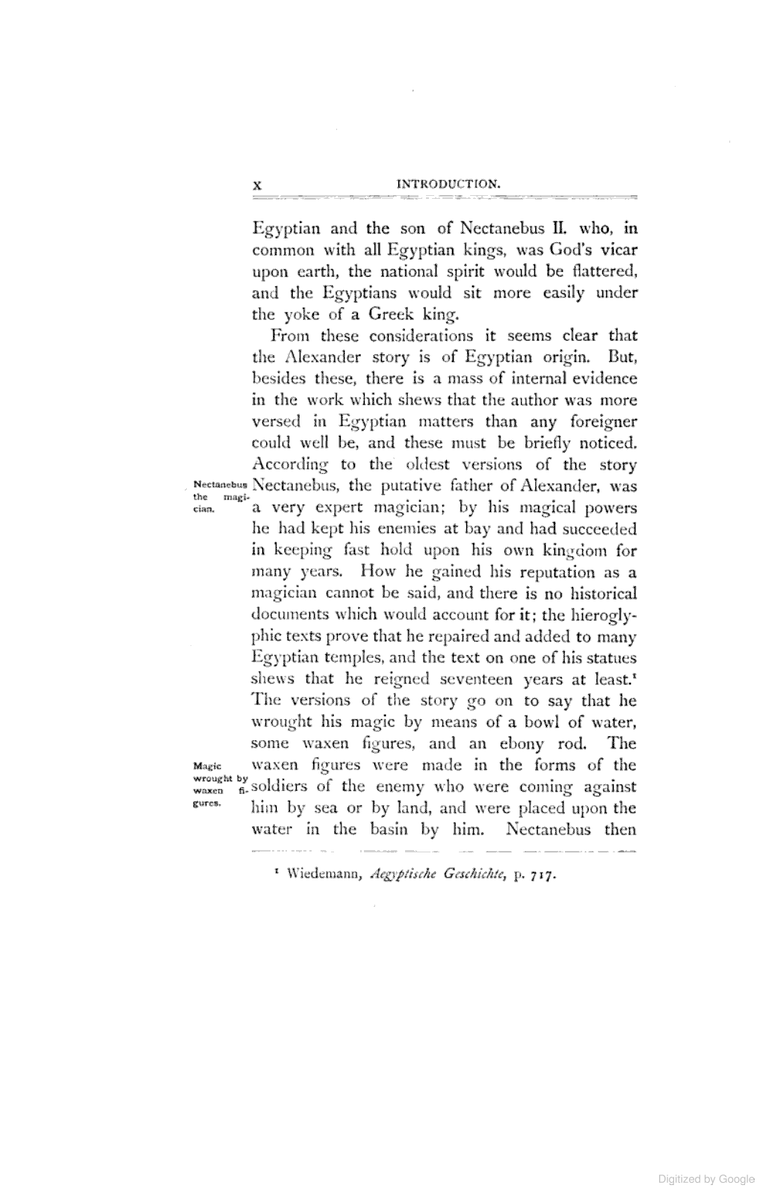
According to Egyptian mythology, Nectanebo II was the real father of King Alexander. Nectanebo belonged to the Magi priest clan, who were kings as well as magicians. We find a reference to this story in the Alexander Romance. The word magician is a derivative of the word Magi Mag