An update on our token vesting.
Earlier this year, two of our vesting schedules reached completion: Apex AI R&D (14%) and D-Day Operations (~7%).
Rather than leave these tokens unlocked, we've placed both wallets into new vesting contracts.
Our Treasury allocation (6%) remains on its original 365-day linear schedule.
For transparency: 2% of the original D-Day Operations allocation was deployed to our Vibe Trading partnership prior to the relock.
Our focus remains on long-term development, and our token structure reflects that.
https://t.co/KD1Pwhq8S7
https://t.co/ndulm7FQXK
Not all medical AI is created equal.
Most diagnostic AI can only tell you "normal" or "abnormal." That's Level 1.
Level 2 can flag suspicious areas but can't tell you what they are or how serious.
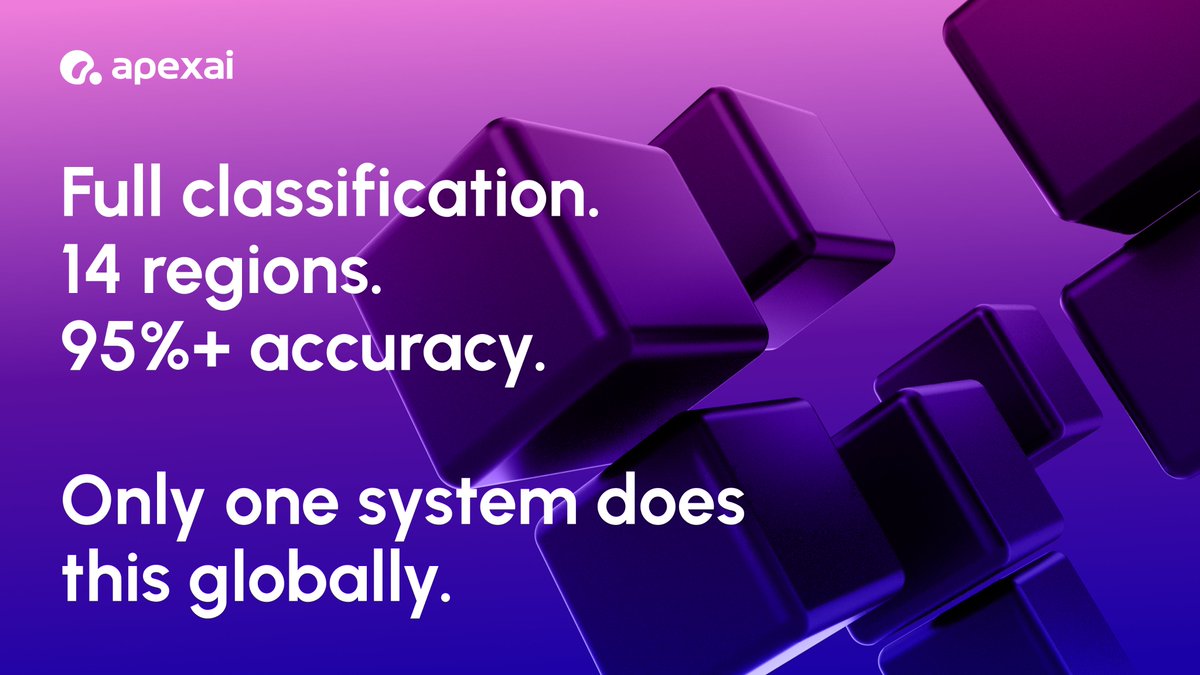
Level 3 is different. It classifies the full disease progression: inflammation, ulcers, polyps, early cancer, advanced cancer. It maps exactly where in the GI tract. It tracks how lesions evolve over time.
Only one AI system in the world does this for both stomach and colorectal cancer.
We built it.
Happy New Year from Apex AI.
We've spent years building relationships with leading hospitals in Korea. Through our iKooB partnership, we now have access to over 1,000 medical clinics. We built this infrastructure for our AI cancer detection platform.
Now we're thinking much bigger.
Distribution is the hardest problem in med tech. Brilliant companies build breakthrough technology, then spend years convincing hospitals one by one. Navigating procurement. Building trust from scratch.
We've already done that work.
Apex AI is becoming the platform layer for medical AI. One integration point. Thousands of clinical endpoints. A distribution network that turns hospital access into a solved problem.
We're laying the groundwork. New partnerships are being formed. The architecture is being built with this future in mind.
The Amazon of AI med tech solutions. That's where we're headed.
Welcome to 2026.
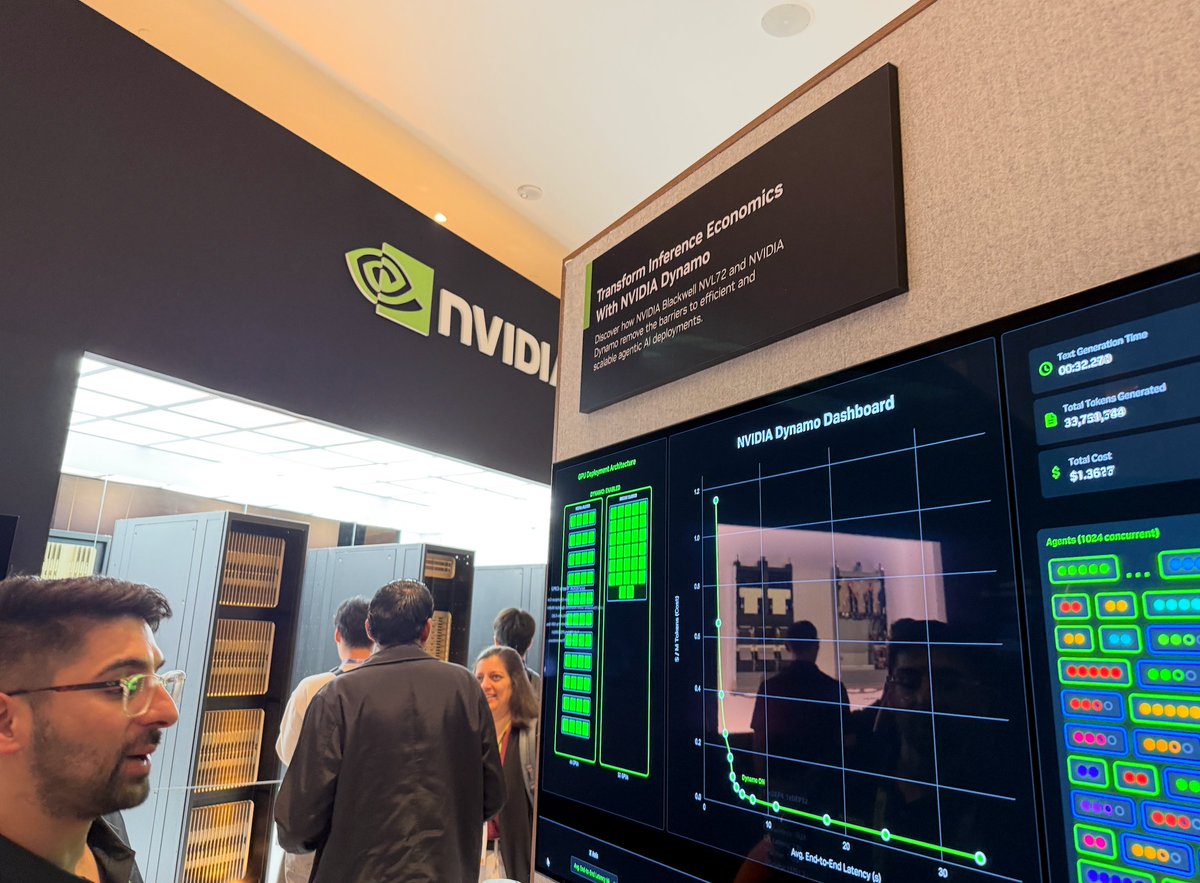
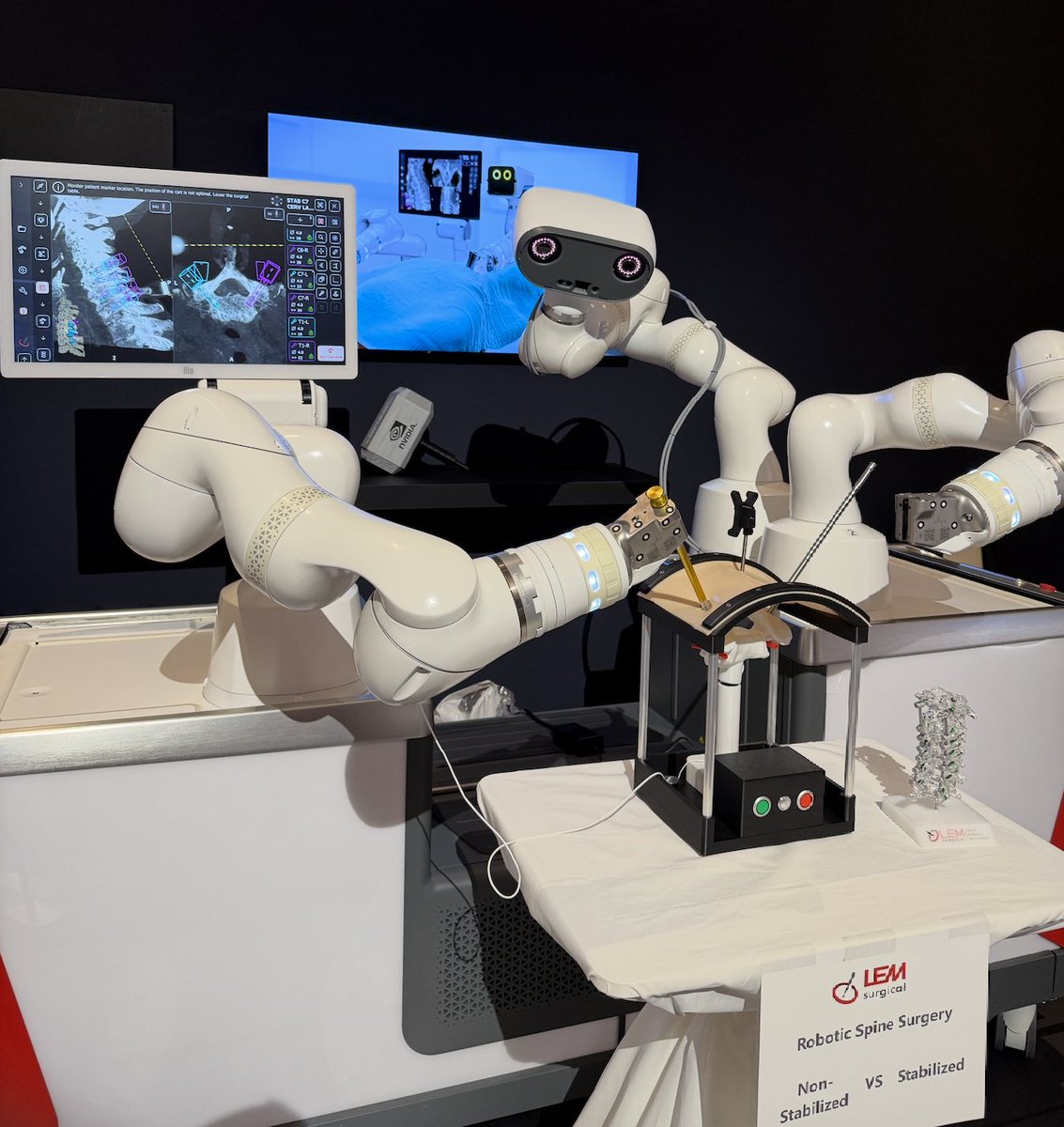
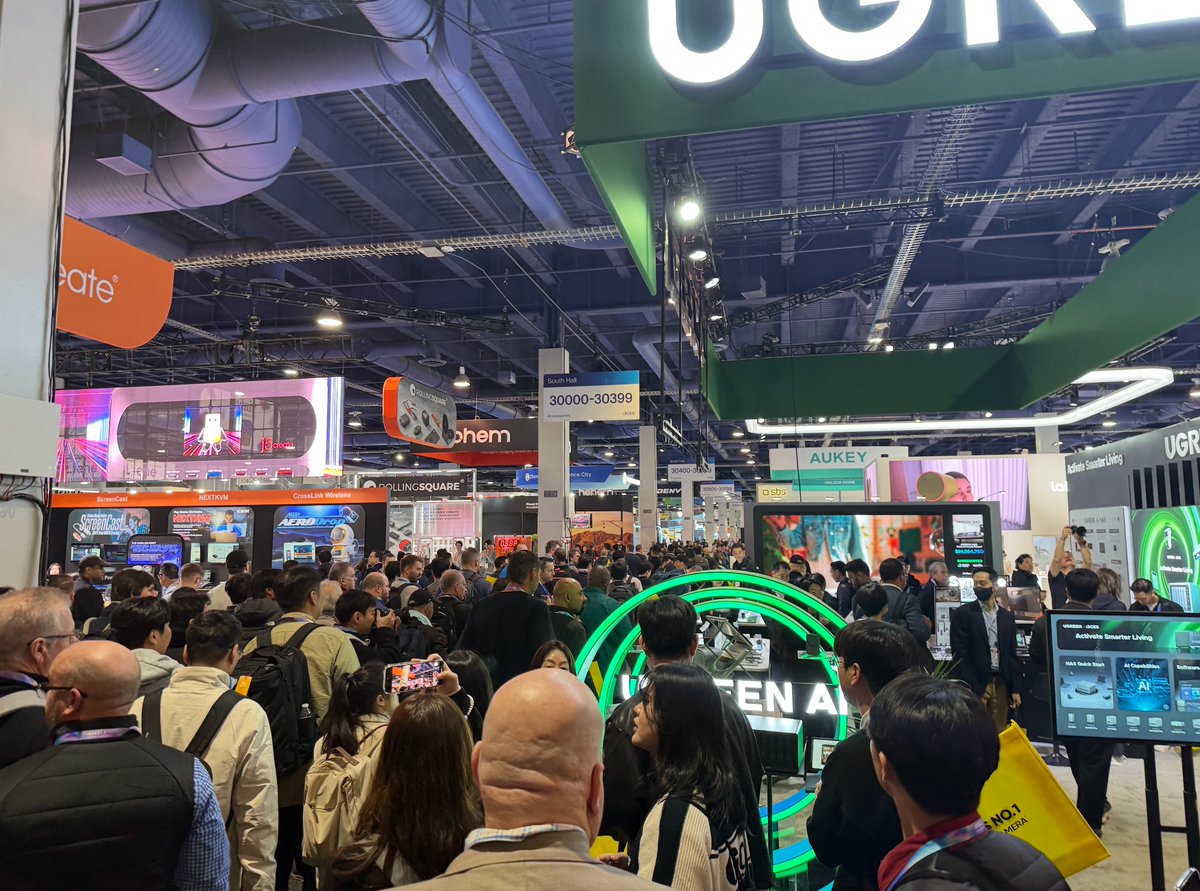
The Apex AI team is at CES in Las Vegas this week.
The world's largest tech event. 140,000+ attendees. The biggest names in AI, medtech, and enterprise technology all in one place.
We're meeting with leaders across the AI and med tech space. We're seeing firsthand how fast the intersection of AI and healthcare is evolving.
The future of medical AI is being built in rooms like these, with partners who understand both the technology and the stakes.
The gift of more time with the people you love. That's what 95% early detection survival rates mean. That's what we're building.
Early detection: 95% survival rate. Late detection: 20% survival rate.
The difference between those two numbers is everything. More holidays together. More moments that matter. Futures that don't get cut short.
AI-powered screening is about giving people the chance to be there for what matters most.
From everyone at Apex AI: Wishing you a Merry Christmas 🎄
Cancer screening is shifting from reactive detection to proactive prevention. AI makes this possible.
The traditional model: wait for symptoms, perform endoscopy, hope you catch it early enough. This approach leaves cancer undetected for up to 10 years.
The AI-powered model changes everything.
Real-time analysis during endoscopy. 95%+ accuracy in identifying precancerous lesions years before they develop into cancer. Continuous monitoring that tracks lesion evolution across multiple screenings.
AI identifies high-risk patients before symptoms appear. It maps the entire gastrointestinal tract across 14 anatomical regions. It detects the subtle patterns that signal trouble ahead (i.e. atrophic gastritis, intestinal metaplasia, early polyp formation.)
The numbers validate the approach:
- Early detection: 95% survival rate
- Late detection: 20% survival rate
- Current misdiagnosis rate: 33.6%
We're not just finding cancer earlier. We're stopping it before it starts.
This is the future of cancer screening.
Your gastroenterologist isn't missing early-stage cancer because of negligence, but because the human eye has limitations.
The numbers tell the story:
33.6% misdiagnosis rate in GI endoscopic evaluations.
One in three cases.
Early-stage lesions are incredibly subtle. They hide in complex tissue patterns. They mimic normal inflammation. A single endoscopy generates thousands of frames to analyze in real-time.
Even the most experienced specialists average 67% accuracy in cancer risk prediction.
But Apex AI changes the equation entirely:
- 95% accuracy for stomach cancer detection
- 98% accuracy for colorectal cancer detection
- Trained on 1M+ endoscopic images
- Real-time analysis of every frame
Doctors bring clinical judgment and patient care. AI brings pattern recognition at superhuman scale.
The future isn't AI replacing doctors. It's AI eliminating the blind spots that even the best doctors can't avoid.
The First ICM Token on https://t.co/8n20zLAJim.
Six months ago, Apex AI launched on https://t.co/KPY1t2gQMf when every other ICM project was choosing Believe or Bonk. We didn't follow the crowd. We built differently from day one.
While others have come and gone, we've survived. Battle-tested through market cycles, regulatory uncertainty, and countless projects that failed and stopped operating. We kept building.
Now https://t.co/KPY1t2gQMf is focusing on ICM. Perfect timing.
We have the most sophisticated technology in the space: AI-powered gastrointestinal cancer detection with 95%+ accuracy, trained on 1M+ endoscopic images. Patent-protected IP. Partnerships across major Korean hospitals and medtech pioneers.
We're the OG https://t.co/KPY1t2gQMf ICM token with institutional-grade healthcare technology and a global commercialization roadmap already in motion.
The ICM meta is shifting to https://t.co/KPY1t2gQMf. We're positioned to become the flagship.
Welcome to the new era.
$APEX saves lives.
Apex AI CEO Sung Kim shares an update on our KFDA application process.
Apex AI is officially going for Class III approval, the highest category for life-threatening diseases like cancer. It means stricter standards, deeper documentation, and full clinical trials, but it’s the right path for a technology built to save lives.
$APEX Saves Lives.
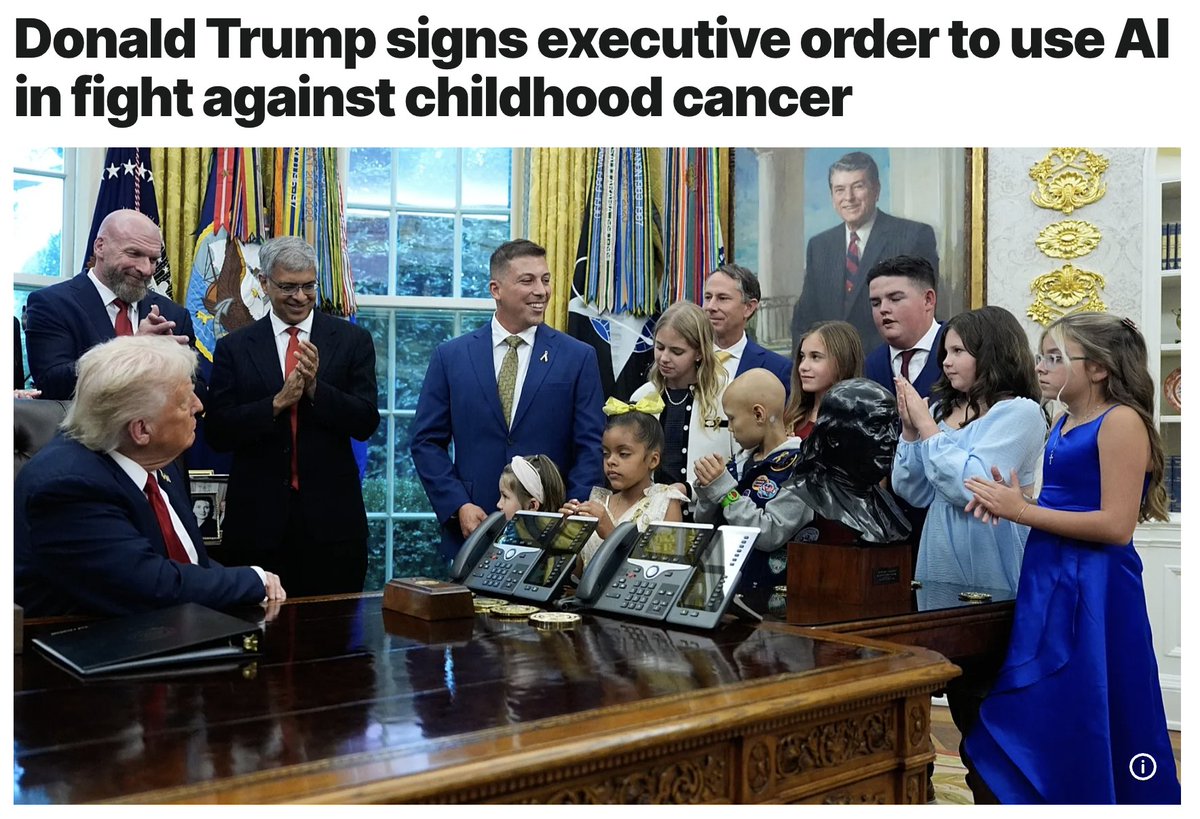
AI is moving to the frontlines of the fight against cancer.
President Trump signed an executive order to expand AI use in childhood cancer research and care, showing the world is ready to embrace medical AI.
At Apex AI, this is exactly our mission: using AI to save lives.
$APEX Saves Lives.
Apex AI is full hands on deck preparing our KFDA application.
For AI in healthcare, regulatory clearance is the bridge between research and real-world patient impact. In Korea, that means SaMD (Software as a Medical Device) approval.
The process is strict for good reason. To pass, you need:
- Clear intended use and risk classification
- ISO-aligned quality systems (QMS, risk management, cybersecurity)
- Full traceability across model training, validation, and deployment
- Analytical + clinical validation showing real-world safety & effectiveness
Every step is documented, reviewed, and stress-tested.
What we’ve done so far:
- Met with Korea Univ. Ansan Hospital to design upcoming clinical trials for AI-powered GI cancer detection.
- Locked in the SaMD roadmap with Ajou University Hospital’s Medical-Device Support Center, aligning validation and submission timelines.
- Secured head-to-head evaluations at Ajou (#7 in Korea) and Inha (#13) University Hospitals to strengthen evidence.
- Represented Apex AI at the 2025 Medical Device Development Program briefing, aligning with Korea’s updated AI-medical-device regulations and ISO mapping, positioning us for both KFDA and future FDA filings.
- Froze the model for submission, mapped data provenance from 1M+ endoscopy images, and validated annotation quality with leading GI specialists.
What comes next:
- Clinical validation studies with top hospitals to prove performance vs. current standards.
- Finalize the SaMD technical dossier (software architecture, risk files, cybersecurity, UX, labeling).
- Submit to KFDA, respond to technical queries, and move toward hospital deployment.
KFDA approval isn’t a milestone for Apex AI alone. It’s a step toward making early, accurate cancer detection available in everyday clinical practice.
Join us this Saturday for an AMA with Apex AI’s CEO @Sung_W_Kim!
We’ll dive into insights on the KFDA and FDA application process, and deeper insights on the future of Apex AI.
Saturday, September 6th @ 13:00 UTC
https://t.co/REzNzmLvJS