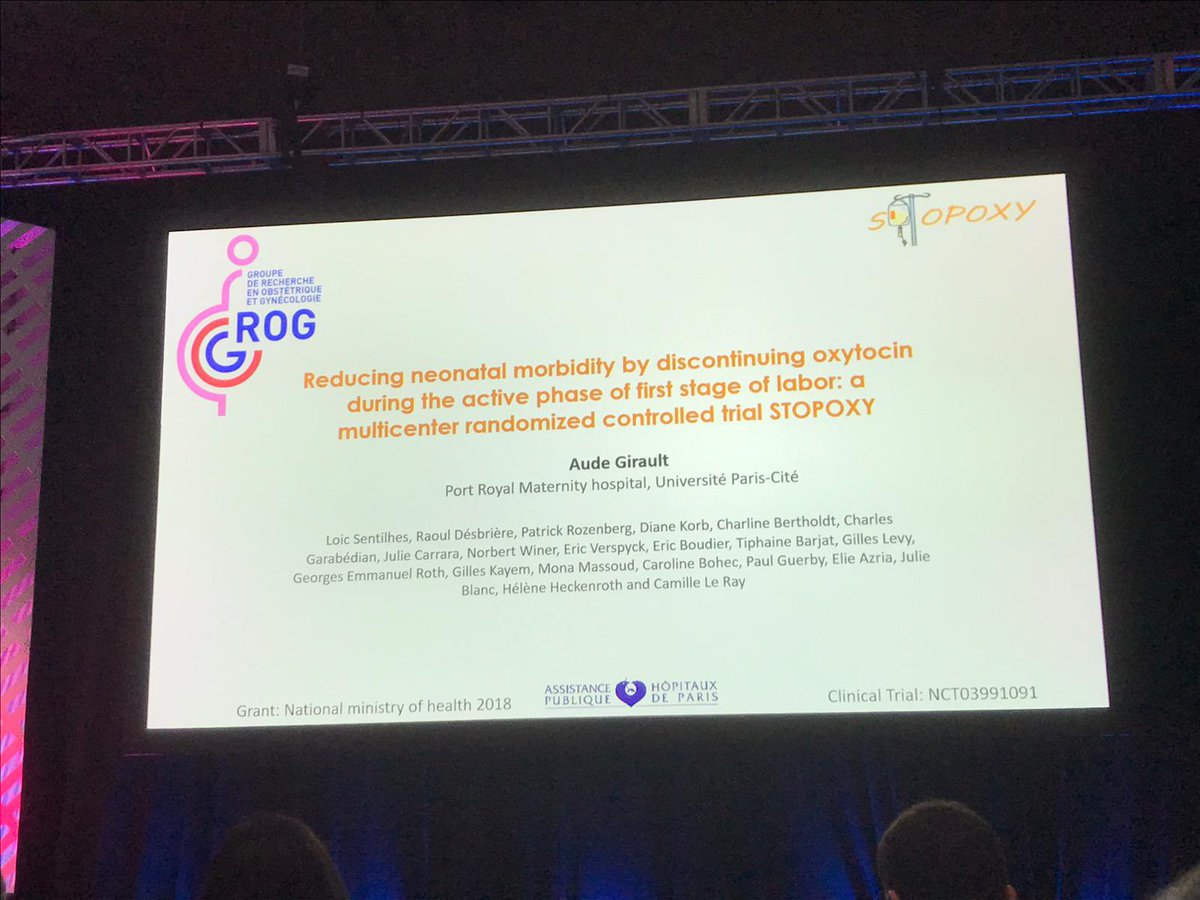
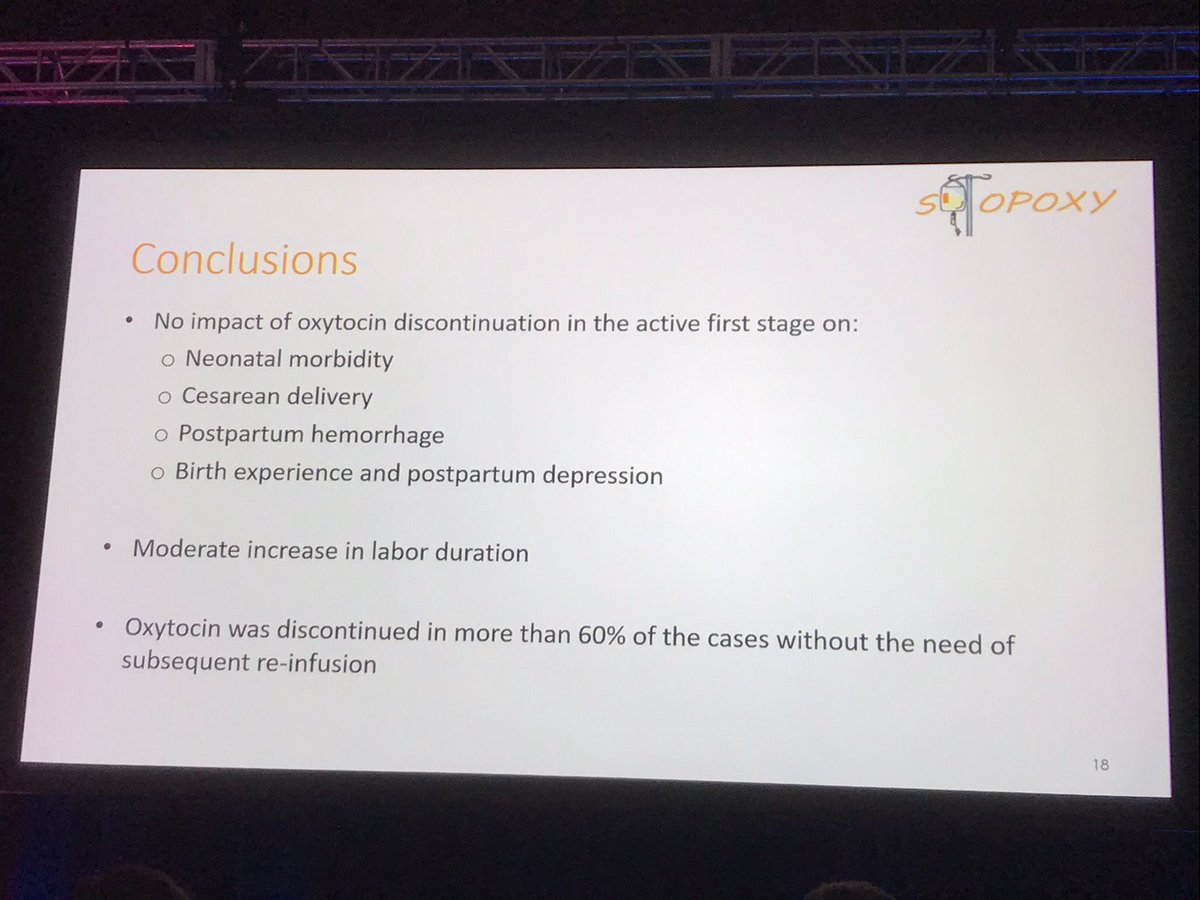
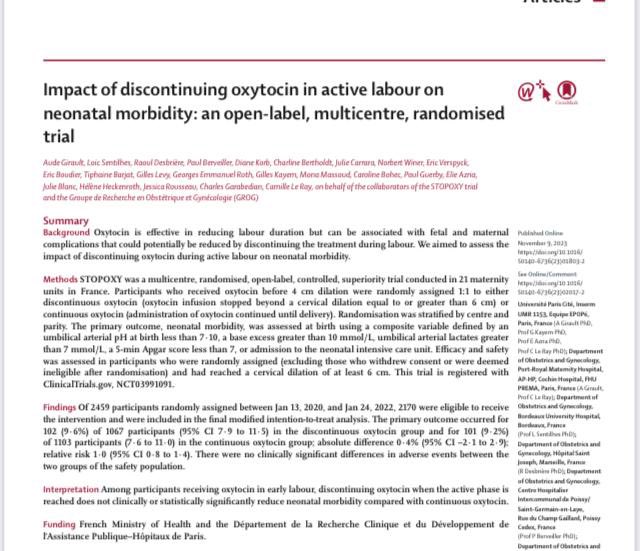
Among participants receiving oxytocin in early labour, discontinuing oxytocin when the active phase is reached does not clinically or statistically significantly reduce neonatal morbidity compared with continuous oxytocin. @TheLancet@LeRayGO@audeglt https://t.co/zQuEYBKtZh
The early use of intrauterine balloon tamponade did not reduce the incidence of severe postpartum hemorrhage compared with its use after the failure of second-line uterotonic treatment and before recourse to invasive procedures @AJOG_thegray https://t.co/DIzxXgNX9M
Our correspondence in The Lancet about FRENCH-ARRIVE after serious, evidence-free, and false accusation of unethical research. With the support of Ben W Mol and colleagues for the need for appropriate language in the debate on medicalisation of pregnancy.
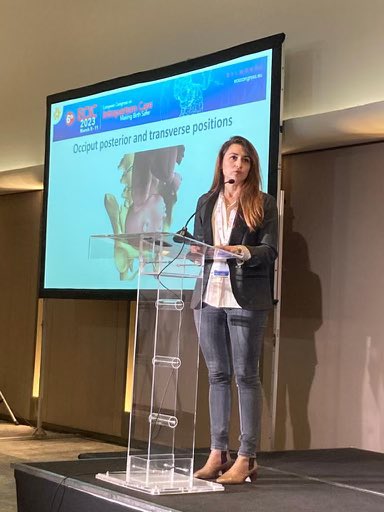
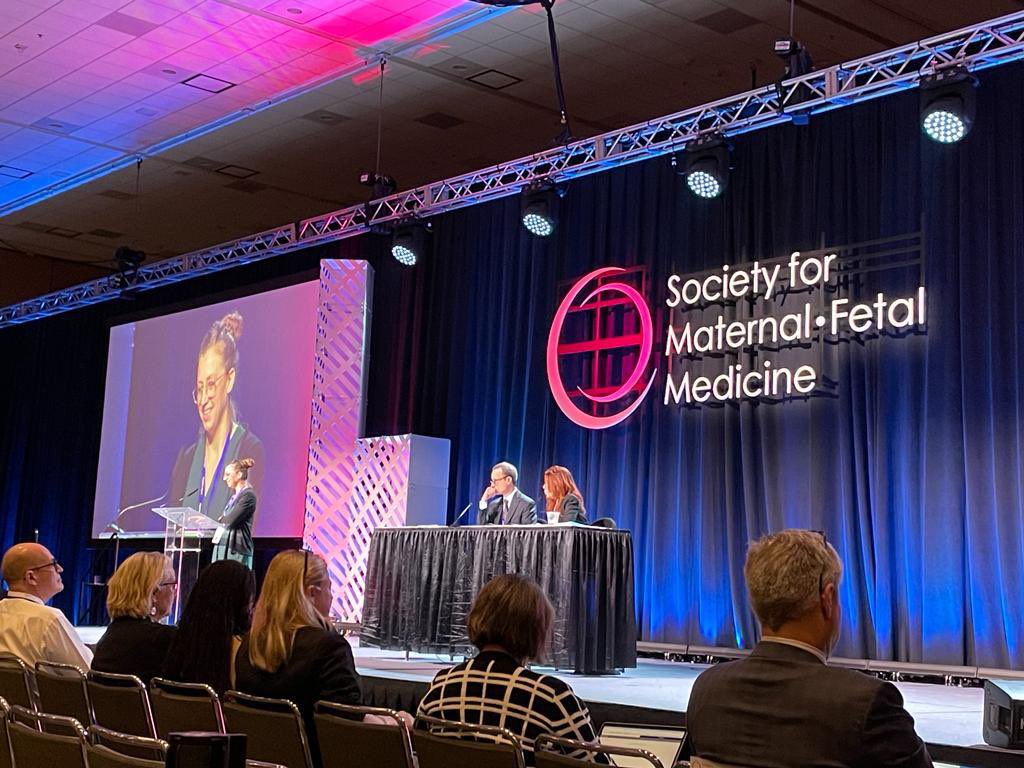
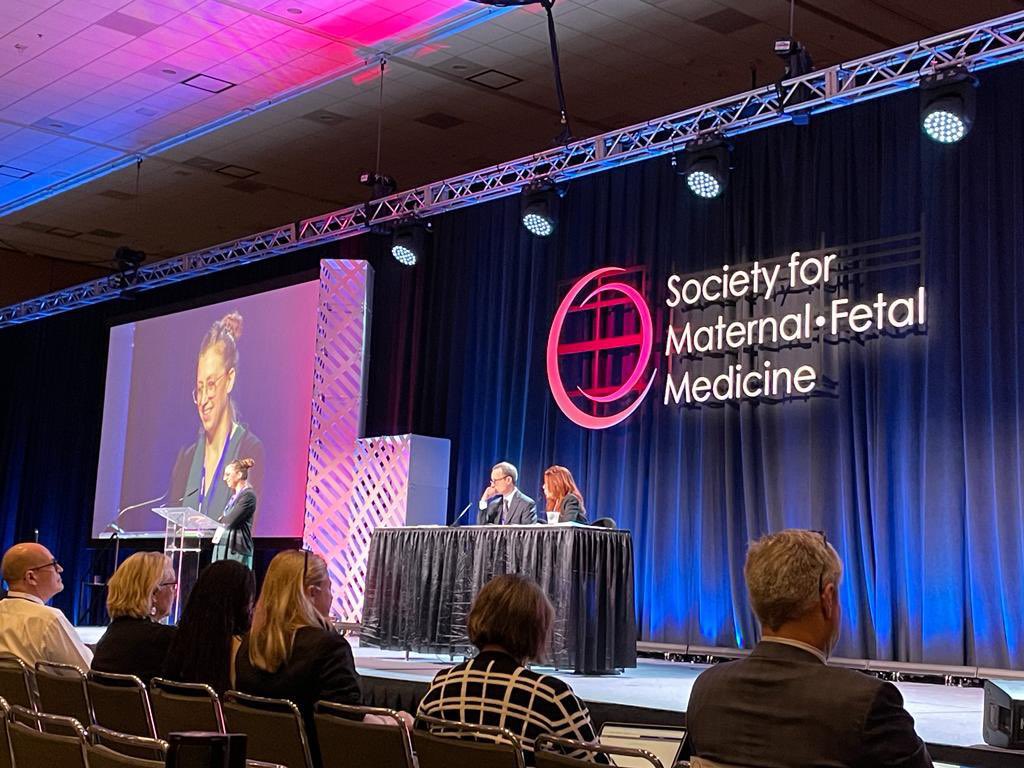
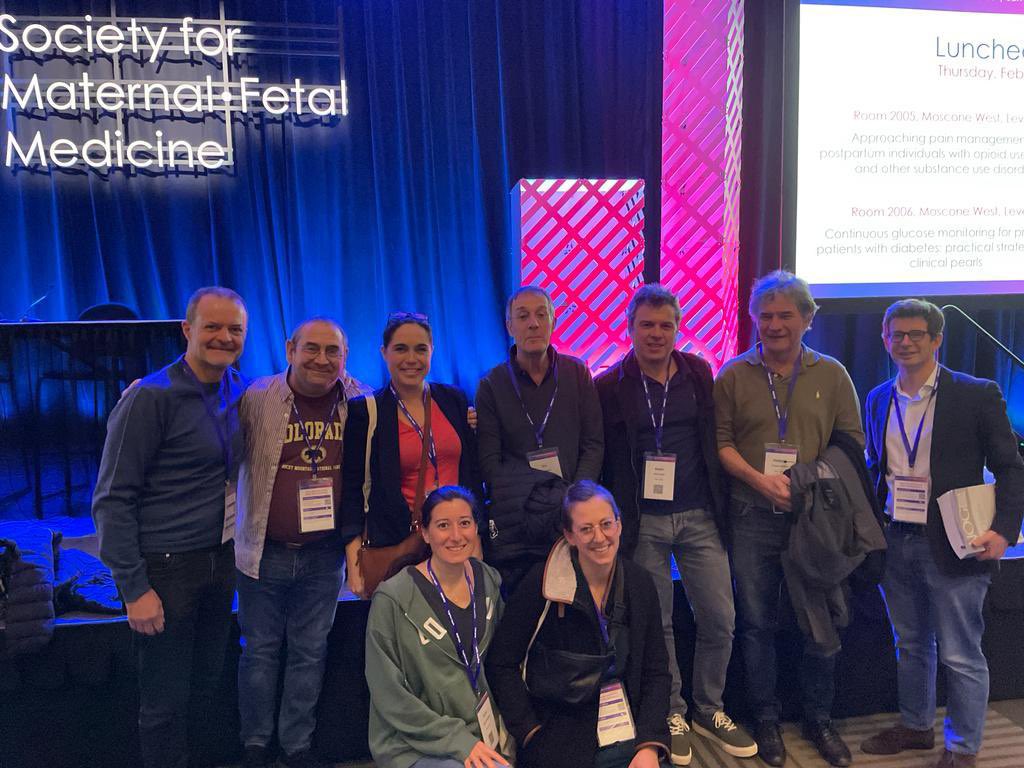
Some of the GROG study group (Groupe de Recherche en Obstétrique et Gynécologie) members at the #SMFM23 meeting to proudly represent French research in obstetrics!
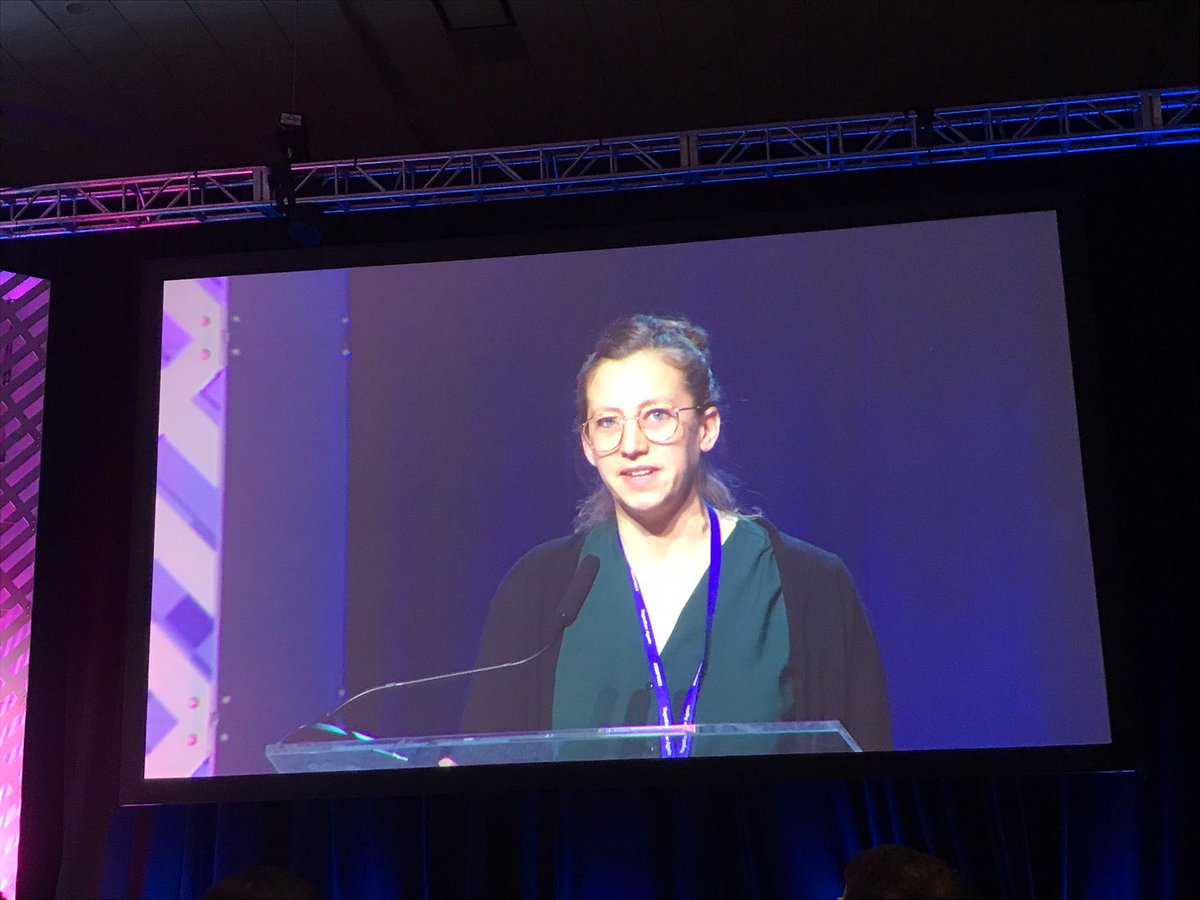
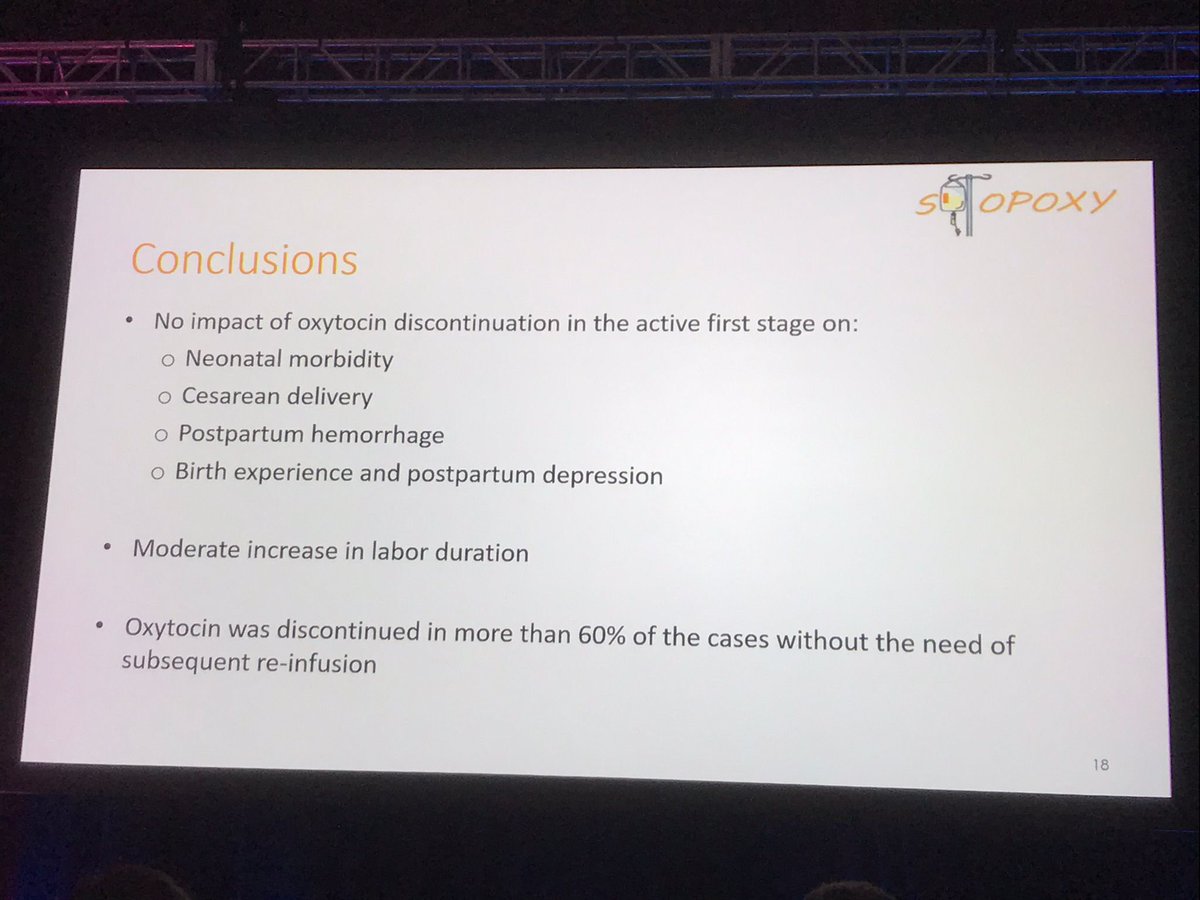
Arrêt de l'#oxytocine pendant la phase active du 1er stade du travail, l’essai randomisé français STOPOXY avec près de 2500 patientes incluses (1192 vs 1175) : pas de différence de morbidité néonatale, du mode d'accouchement, des indications de césarienne #SMFM2023 👏 @audeglt
Discontinuation of #oxytocin during the active first stage of #labor, the French RCT STOPOXY which included almost 2500 patients (1192 vs 1175): no difference in neonatal morbidity, mode of delivery, indications for C/S. #SMFM2023 👏 @audeglt
Alternative to intensive management of the active phase of the second stage of labor: a multicenter randomized trial (PASST trial) among nulliparous women with an epidural - A, Intervention (moderate pushing) group. B, Control (intensive pushing) group. https://t.co/IfdNfWGQfz
Publication PASST trial @GROG_StudyGroup Alternative to intensive management of the active phase of the second stage of labor: a multicenter randomized trial among nulliparous women with an epidural https://t.co/ltHkxGTzgG
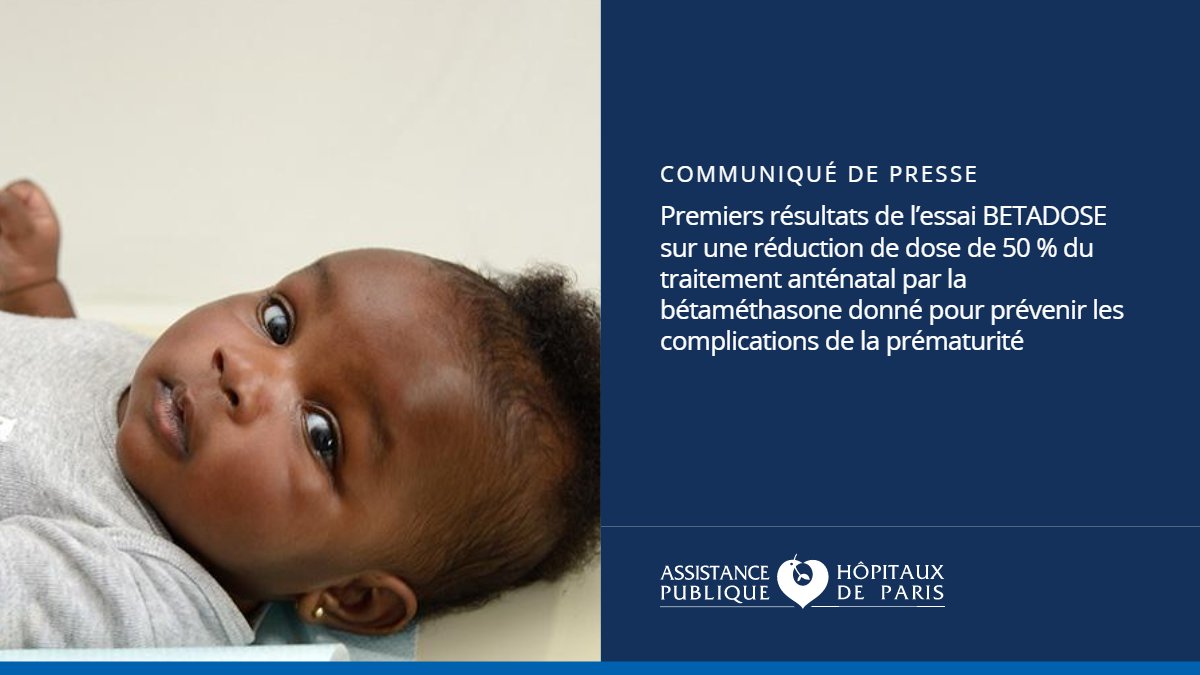
Premiers résultats de l’essai BETADOSE sur une réduction de dose de 50 % du traitement anténatal par la bétaméthasone donné pour prévenir les complications de la prématurité : https://t.co/OqlTCYU2J1
@HopRobertDebre | @Inserm | @univ_paris_cite
Neonatal outcomes for women at risk of preterm delivery given half dose versus full dose of antenatal betamethasone: a randomised, multicentre, double-blind, placebo-controlled, non-inferiority trial. @TheLancet https://t.co/uNkGdhnE3J
Among women with a multiple pregnancy and cesarean delivery, prophylactic tranexamic acid did not reduce the incidence of any blood loss-related outcomes. #TRAAP2SecondaryAnalysis@AJOG_thegray
Planned cesarean delivery for very preterm twins is not associated with better survival to discharge without severe neonatal morbidity than planned vaginal delivery. @greenjrnl#Preterm#TwinPregnancy#NeonatalMorbidity#JUMODA https://t.co/6ORei1piyZ