Regular #PhysicalActivity is associated with a reduced risk of a range of diseases including some cancers and dementia. There is also evidence that it can help to prevent and manage many common chronic conditions and diseases #PHEHealthMatters: https://t.co/8RyYedF8zj
Excellent podcast! @AlanRichardson_ talking research from Everest to @BrightonMarathn to Firemen. @todd_leckie @drdanfp @docalexh Looking forward to more collaboration at this years event with @westernsussex @WSHT_ICU
Brighton has an amazing marathon on 19th April.
Its 2nd biggest in the UK. But we have only one hospital. Luckily we have an amazing medical team. But need U
Please come and join the team.
Thanks
Rob (Medical Director of the Brighton Marathon)
https://t.co/cy7IU2AeTk
Learning about the Krebs cycle by seeing the enzymes involved just makes it so much more interesting for students. Not to mention a sense of scale from the cell zoom in! #biology#animation#education
Difference between 2 core temp pills of data during elite team sport (same player/game)? Pill 1 (P1) taken immediately before bed. Pill 2 (P2) upon waking. Peak Tc 40C. P2 artefacts hot/cold/slushie drinks; appropriate ingestion time negates artefacts (ie P1 data). Good CWI seen
PPTR 2020 now has an instragram account https://t.co/7GvVV3yR25 to share your pics & experiences leading up to, during & after the conference :)
The marathon is a long way to run and you'll need to have a think about where your body's going to get enough energy from to keep you going. The Running Channel offer some tips and tricks to help you get marathon training fuelling right.
https://t.co/Zpvoq1aWY8
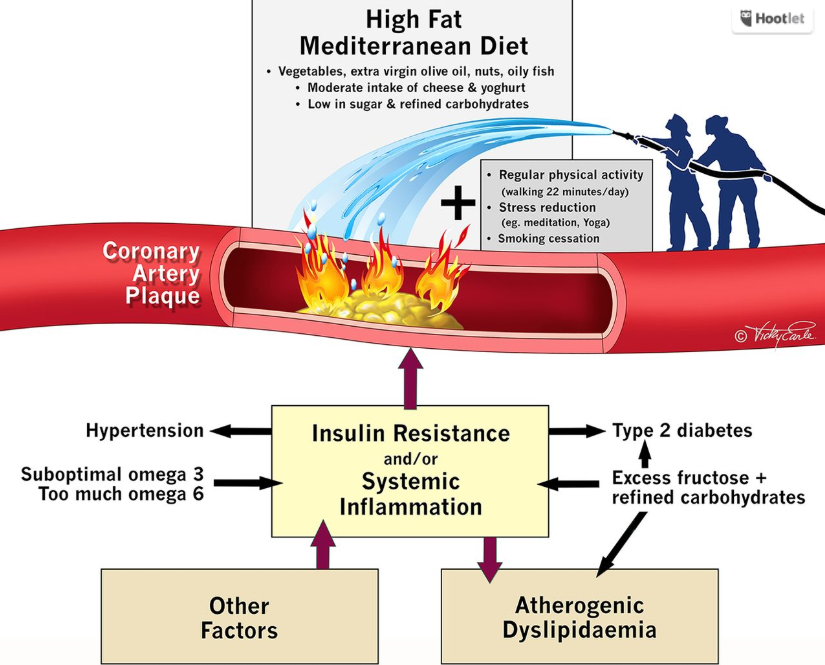
Saturated fat does not clog the arteries: coronary heart disease is a chronic inflammatory condition, the risk of which can be effectively reduced from healthy lifestyle interventions https://t.co/uVngfMsFEK
great meeting hosted by Luis Cort @WorldAthletics with an International team combining education & research to improve endurance runners safety @westernsussex @WSHTresearch
1/16
Why does prerenal acute kidney injury lead to an elevated BUN/Cr ratio?
I always assumed the kidney increased urea reabsorption but never gave much thought as to where or how or why?
It's far more interesting than I'd expected...