As evidenced by the unbridled promotion and implementation of technology at the expense of human dignity, we are truly experiencing an eclipse of the sense of what it means to be human. It is imperative to recover an understanding of the true meaning and grandeur of humanity as intended by God. It is in this sense that the challenge we currently face is not technological, but anthropological, and it is my hope that the Encyclical Letter to be published within a few days will contribute to answering this challenge.
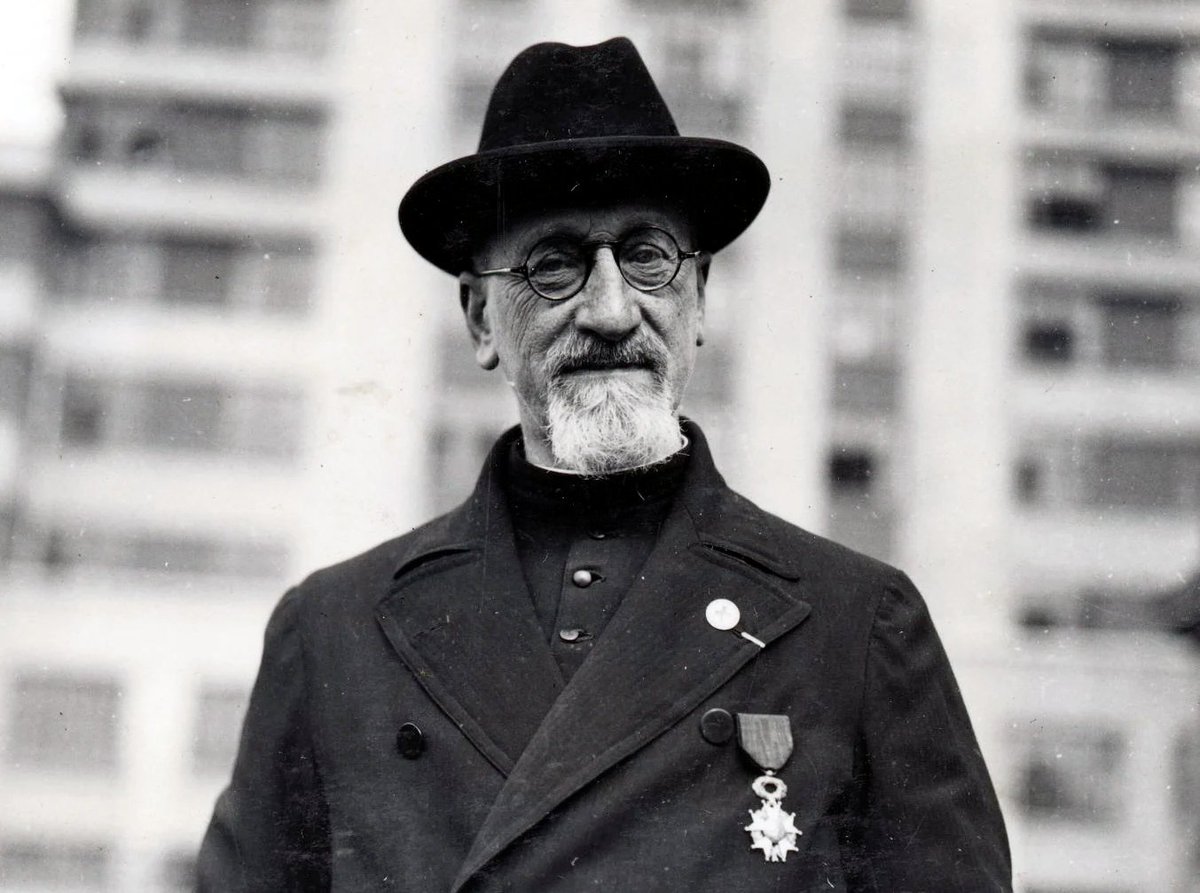
This man should be one of the most celebrated heroes of WW2. He arguably saved more lives than any other person the entire length of the war. But you probably don't even know his name.
This is the story of Father Jacquinot...
🧵1/6
If you've heard of Flying Tigers, on of the first things you think of is shark teeth P-40s. That image stuck with the American public and still shows up in movies etc. today. So where did the idea for painting their planes like that come from? A quick 🧵1/4
🇨🇳 36-year-old left the U.S. for China—now pays $1,000 rent and $100 for groceries for family of 4: It’s my "version of the American Dream."
Follow: @RTSG_News
What happens when you take a hundred cocky, adventurous, early-twenties American guys and drop them into remote southwest China in 1941? And how did they achieve such a crazy k**l ratio in the air?
That’s essentially the story of the Flying Tigers...
After years of brutal war with Japan, China’s air force was nearly wiped out, with planes, pilots, and resources basically at zero by winter 1938.
So Chiang Kai-shek and Soong Mei-ling worked with the U.S., recruiting Claire Chennault to build a covert unit: the American Volunteer Group BEFORE Pearl Harbour.
These pilots traveled to China as civilians (businessmen, even missionaries!)... anything but soldiers. But in just over half a year (late 1941 to July 1942), fewer than 100 pilots flying already outdated, shark-faced Curtiss P-40 Warhawks achieved a nearly unbelievable 15:1 k**l ratio against Japanese forces across China, Burma, and Thailand.
How did they achieve such success? And why is their story not better known?