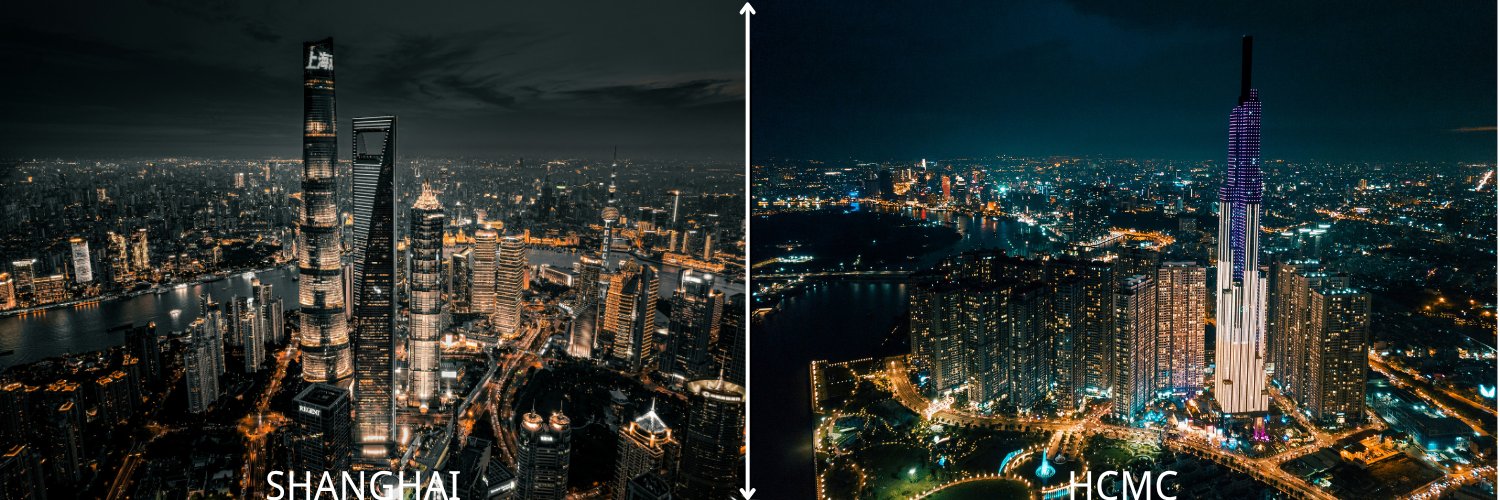
常驻上海,经常往返胡志明。
这里会写:
- 两座城的机会和代价
- 跨境做事时怎么判断
- 我做过的选择,以及结果
不互粉。对味再关注。
Based in Shanghai, often in Ho Chi Minh City.
I write about:
- Opportunities and trade-offs in both cities
- How I make decisions across borders
- Choices I’ve made, and what followed
No follow-for-follow. Stay if it resonates.
When something shifts on the supply side in China, like a plant slowing down or a rebate rule changing, Vietnamese shops don't feel it that week.
They feel it a restock cycle or two later, usually right as the season opens.
The lag is the part people miss.
Coffee growers in the Central Highlands don't decide whether to spray by watching the futures screen.
They decide by whether the dealer will carry them until harvest.
Price matters. Cash at spray time matters more.
Salt water pushing up the Mekong doesn't just hurt rice. It rewrites the spray calendar.
Planting gets delayed, the window shifts, and stock ordered for normal timing sits in the warehouse longer than anyone planned.
@VietnamNewsVNS A faster corridor to Long Thành doesn’t empty the warehouse by itself.
It can shorten the truck time.
Credit, customs, and whether the SKU still has a spray window stay the same questions.
A product registration in Vietnam takes 2–3 years. The pest window it's meant for lasts a few weeks.
So the real plan isn't "what works best." It's "what's already registered when the bugs show up."
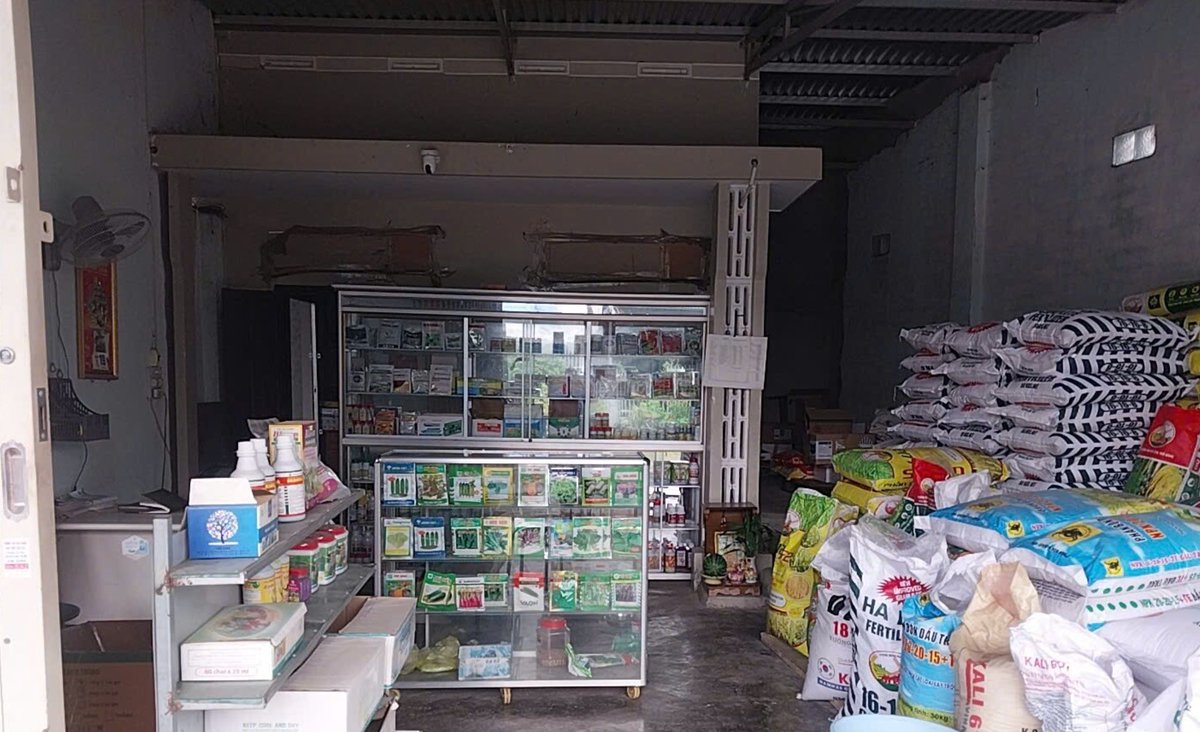
Walk into a dealer shop in the Mekong Delta and ask what's selling. Wrong question.
Ask who's still paying on time.
Credit terms tell you more about the season than the shelf does.
El Niño talk is usually about storms.
What I watch is water.
Reservoirs in the Highlands.
Salt in the Delta.
Credit in the shop.
If the water calendar breaks, the spray calendar breaks.
Dealers don’t restock a SKU that missed the week.
Source context: Vietnam News, reservoir and salinity watch.
@VietnamNewsVNS Storms make the video.
Water makes the season.
From the Highlands to the Delta, the shop question is the same: is there enough water left to finish the crop, and enough credit left to buy the SKU that still has a window.
@VietnamNewsVNS Storms make the video.
Water makes the season.
From the Highlands to the Delta, the shop question is the same: is there enough water left to finish the crop, and enough credit left to buy the SKU that still has a window.
Had a product fail in the field last season.
Not our fault — wrong application timing by the farmer.
We still sent someone down to look.
Cost us two days and a flight. Kept the account for three more years.
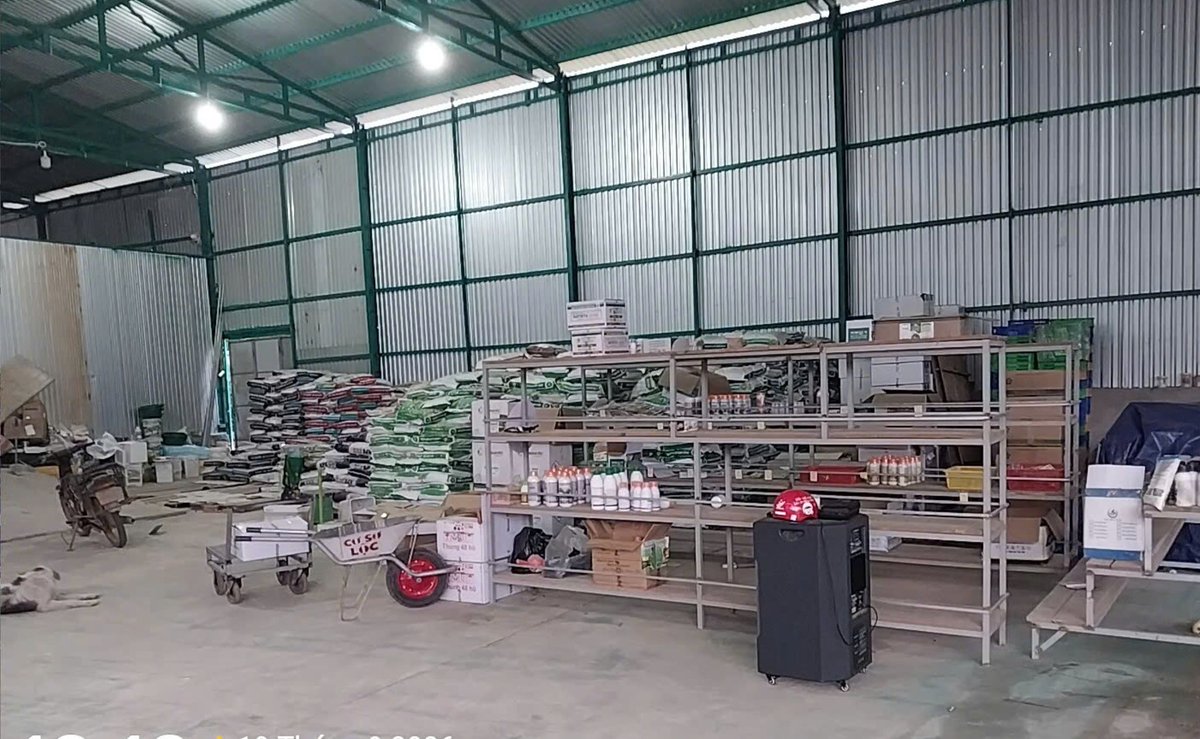
Landed in HCMC, went straight to the distributor's warehouse.
Shipment had been sitting there 11 days. Nobody told us.
That's when I started putting a local contact clause in every contract.
Not optional. Not "preferred." In the contract.
@SpillingTheBean When picking pauses, the mill pauses.
When the mill pauses, the shop pauses.
Credit was already tight after the first wave.
A second flood doesn’t create a new debate. It just extends the wait.
China's glufosinate-ammonium prices are up over 12% in a month.
📈 RMB 44,700/t (2025 avg) → RMB 51,000/t (Sep 2026)
Drivers: export tax rebate removal, tightening supply of key intermediates, and rising global demand as a glyphosate alternative.
China holds >80% of global capacity.
#Agrochemicals #Glufosinate #ChinaChemicals