Disappointed is an understatement. The performance on this @AirtelNIGERIA ODU router has been absolutely terrible lately. Unreliable connection and constant drops when work actually needs to get done. Fix this! 🔌❌ #Airtel#AirtelODU#CustomerService
@BashirAhmaad In the journey to 2027, the Nigerian electorate is learning that a four-year tenure is a contract, not a birthright. If the foundation is not laid in the first term, the people will not build a second floor for a failing architect.🫣
There's this trait of honesty and integrity That's embedded in Hausa people that I'm not yet to fathom.
God bless you brother.
Drop your account details let me buy Dinner.
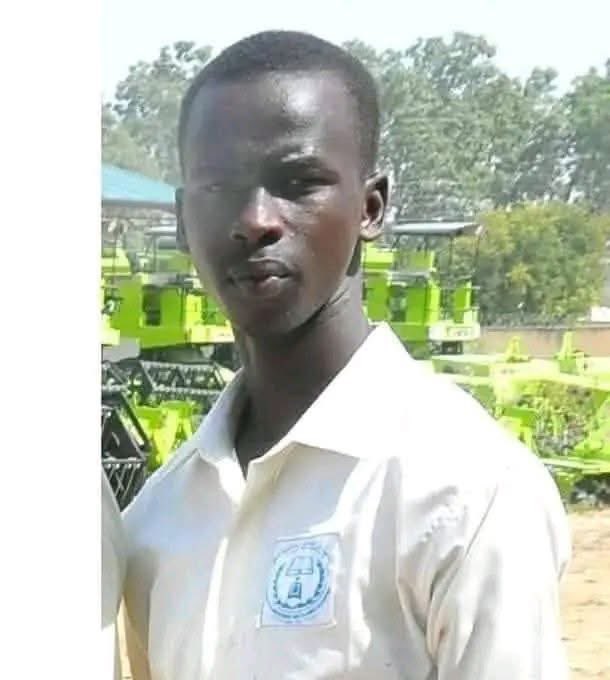
On this day in 2017,Yakubu Muhammad Fannami a SS1 student in Borno State noticed an unusual movement of a Suicide bomber towards a crowd.He charged to the Suicide bomber and grabbed him tightly.The suicide bomber and Yakubu perished in the blast,thereby saving the lives of hundreds of https://t.co/XAn7iSRkq0 unforgettable heroic act.He should be immortalized.May his soul continue to rest in peace.
🚨 IT'S GIVEAWAY TIME...
We have partnered with @centreformula1 to giveaway a PS5 & EA Sports F1 2024 game. 🎮🏎️
To participate you must follow these rules:
1. Follow @centreformula1
2. Repost this post
Winner will be announced on 20th January. Good luck! 👊
Coming Soon!
Fresh. Organic. Sustainable. Tilla Valley Farms is almost here to bring you the healthiest produce in West Africa.
✅ 100% Organic ✅ Chemical-Free Goodness ✅ Grown with Care
📞 +234-806-603-897
Arewa Twitter, it’s more than 12 hours. Look at the number of engagement. When BBC Hausa takes on a social media topic, we’ll all be elbowing our way forward to yap our righteous indignation over why BBC Hausa never takes on important issues.
A cikin wannan makon ne sarkin ya fito a wani bidiyo yana neman gwamnatin jihar Sokoto ta biya 'yan bindigar kudin fansa da suka buƙata, inda ya ce idan wa'adi ya cika ba a biya ba za su halaka shi.
Ƙarin bayani - https://t.co/ptBRBtdFuv
The use of Russian flags by Nigerian protesters (in Kano) is spreading, and this is potentially dangerous. It now appears that this may be an organised campaign orchestrated by malign actors. I have seen names, faces and voices that don't look Nigerian among those advocating for carrying Russian flags.
I urge protesters to be cautious and not allow themselves to be manipulated by forces of instability with their own sinister agendas. Carrying another country's flag is the opposite of freedom and will only complicate our situation further. I call on the government of Kano, protest organisers and all well-meaning citizens to call for a stop to this.
Simultaneously, the Tinubu administration must take urgent steps to play its part. It's time to demonstrate that democracy and Western systems can work. This cannot be achieved by insisting on policies that exacerbate already dire economic conditions. Immediate action is needed to properly and sustainably address widespread hunger and frustration. Only then can we stop the protests and prevent their infiltration.
For three years, our children did not write WAEC or NECO; when we took over, NECO was owed 1.3bn, WAEC 1.6bn, which we had to settle in order for our kids to sit for exams and some to get their certificates.
- Dauda Lawal, Zamfara State Governor
#SunriseDaily
Nigeria is not working: One year of Tinubu is a cocktail of trial-and-error economic policies.
On May 29, 2023, President Bola Tinubu raised the hopes of Nigerians with his pledge to “remodel our economy to bring about growth and development through job creation, food security and an end of extreme poverty.” Since then, Tinubu has also spoken about growing the economy at double-digit rates to US$1 trillion in six years, ending misery, and bringing immediate relief to Nigeria’s cost-of-living crisis. On listening to this, Nigerians must have breathed a sigh of relief after their experience with ex-President Buhari’s 8 years of economic misadventure.
Tinubu laid out no plans for the ‘remodeling’ of the economy but soon embarked on a cocktail of policies to achieve it. In May 2023, he eliminated PMS subsidies, and a month later, the CBN implemented a new foreign exchange policy that unified the multiple official FX windows into a single official market. More policies followed in rapid succession: the tightening of monetary policy to reduce Naira liquidity, a hike in monetary policy rates, the introduction of cost-reflective electricity tariff, and a cybersecurity tax.
Predictably, 12 months on, Tinubu’s pledge of growing the economy and ending misery remains unfulfilled. His actions or inactions have significantly worsened Nigeria’s macroeconomic stability. Nigeria remains a struggling economy and is more fragile today than it was a year ago. Indeed, all the economic ills - joblessness, poverty, and misery - which defined the Buhari-led administration have only exacerbated. Africa’s leading economy has slipped to the 4th position lagging behind Algeria, Egypt, and South Africa. Citizens’ hopes have been dashed (and not renewed contrary to the propaganda of the administration) as Nigeria’s economic woes have multiplied.
How and why did we get here?
In my press statement on the state of our economy, earlier this year, I expressed my concerns about the downside risks of unleashing reforms without sequencing; without any ideas on how to implement them; and without any regards to their potential and real devastating consequences. Implementing policies without proper planning and a clear destination is nothing other than trial-and-error economics.
My concerns have not diminished. I will focus on just four areas to underscore those downside risks associated with Tinubu’s reform measures and their dire consequences on Nigeria’s medium to long-term growth and development.
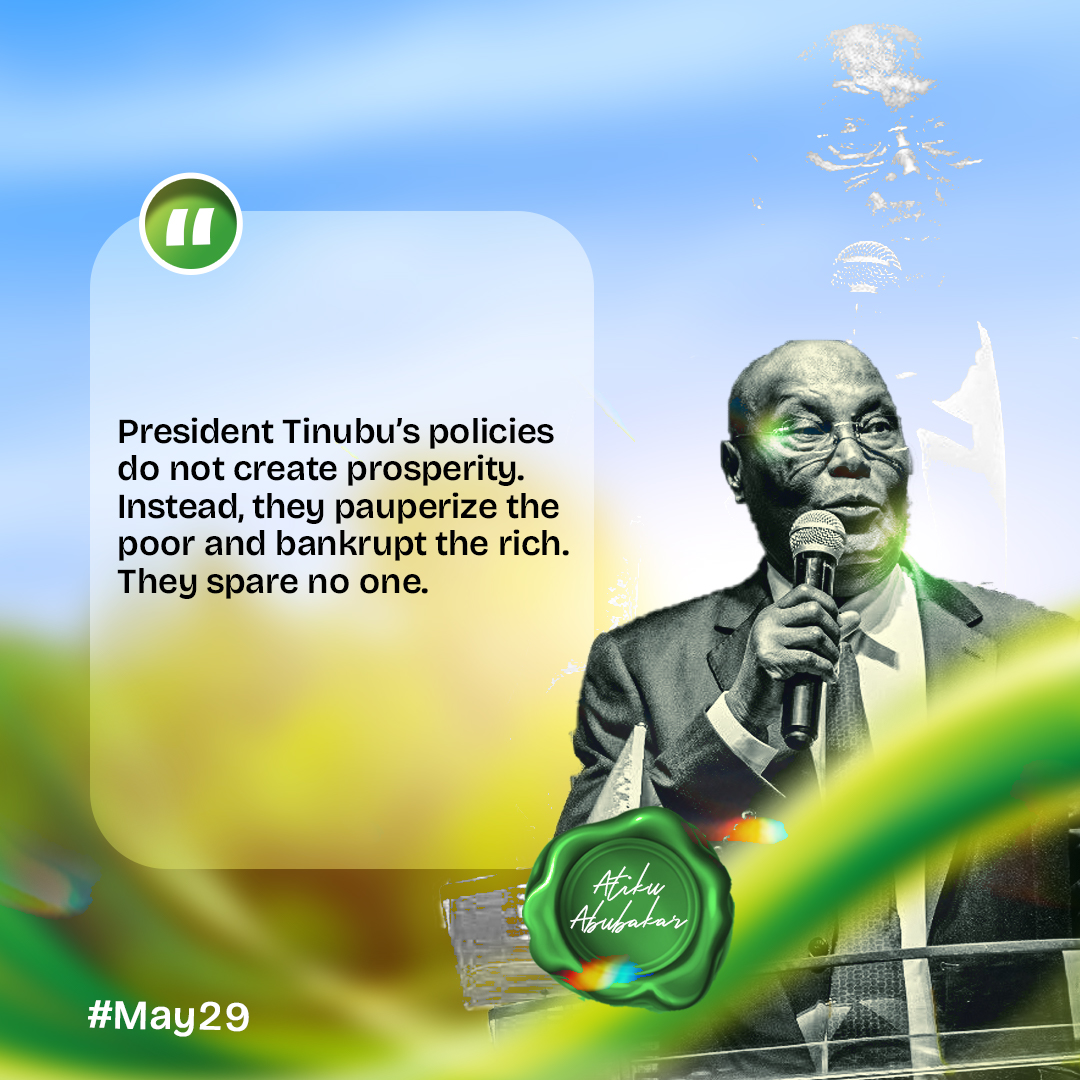
First, President Tinubu’s policies do not create prosperity. Instead, they pauperize the poor and bankrupt the rich. They spare no one. Nigerian citizens, the majority of whom are poor, are going through the worst cost-of-living crisis since the infamous structural adjustment programme of the 1980s. The annual inflation rate at 33.69% is the highest in nearly 3 decades. Food prices are unbearably higher than what ordinary citizens can afford as food inflation soared to 40.53% in April, the highest in more than 15 years.
Nigerian citizens have to pay 114% more for a bag of rice, 107% more for a bag of flour, and 150% more in transport fares relative to May 2023. Today, in some locations, motorists are paying 305% more for a litre of fuel. Yet, on a minimum wage of the equivalent of US$23 per month, Nigerian workers are among the lowest wage earners in the world. Tinubu had the ‘courage’ to remove subsidy on PMS and impose additional taxes on his people but lacks the compassion to raise the minimum wage or implement a social investment programme that would reduce the levels of vulnerability, and deprivation of workers and their families.
Second, President Tinubu’s policies create a hostile environment for businesses, big or small. The private sector is overwhelmed by Tinubu’s dismal policies and overburdened by his failure to address the policy fallouts. The manufacturing sector, which holds the key to higher incomes, jobs, and economic growth, has been bogged down by rising input prices, higher energy and borrowing costs, and exchange rate complexities. For example, since 2023, the average price of diesel has doubled to N1,600 per litre. Electricity tariff has recently been increased by 250% from N68/Kwh to N206/Kwh. As reported by the Guardian (13 May 2024), in Q1 of 2024, energy prices were up by 70%, costing manufacturers N290 billion.
Since May 2023, corporate Nigeria has lost more than a dozen enterprises to other countries. Unilever, GlaxoSmithKline (GSK), Procter & Gamble (P&G), Sanofi-Aventi Nigeria, Bolt Food, Equinor, among others had exited Nigeria citing reasons including foreign exchange complexities, security concerns, and high operational costs. According to the Nigeria Employers’ Consultative Association (NECA), nearly 20,000 jobs may have been lost due to the departure of 15 multinational companies from Nigeria.
Those enterprises that remain are struggling to survive. Vanguard Newspaper (20 May, 2024) reported a significant rise - to nearly 30% - in unsold goods in the warehouses of manufacturers of fast-moving consumer goods, occasioned by the rising cost of living and declining purchasing power of the citizens. According to the Guardian, manufacturers reported in Q1 a 10% drop in capacity utilization, a 10% drop in production, a 5% drop in investment, and more than 7% drop in sales. The Daily Trust (1 May, 2024) quoted Dangote lamenting that nearly 97% of manufacturing concerns in Nigeria will be unable to pay dividends this year.
In an economy with high rates of unemployment, a declining manufacturing sector cannot be an option.
Third, President Tinubu’s foreign exchange policies have not had any positive impact on Nigeria’s foreign trade balance, contrary to policy expectations. In particular, the free-float and the resulting devaluation of the Naira has not resulted in an appreciable improvement in Nigeria’s trade balance. Devaluation has not enhanced the competitiveness of local producers and has had no positive impact on exports of goods, primary or manufactured. In Q4 of 2023, for example, while imports surged 163.1%, exports rose at a slower 99.6%, indicating a huge foreign trade deficit. Similarly, in Q1 of 2024, Nigeria recorded a trade deficit of $7.5 billion, with exports value of $12.7 billion and import value of US$14 billion. Overall, the trade deficit as a percentage of GDP increased by 0.83% from 0.05% in May 2023 to 0.88% in May 2024.
Fourth, President Tinubu’s policies have failed to attract foreign investments into the country despite all the posturing and media hype by the President’s men. Exchange rate unification and free float of the Naira have not led to higher capital inflows (whether Foreign Direct Investment or Foreign Portfolio Investments), again contrary to policy expectations. Indeed, FDI inflows declined by 26.8%, from US5.33 billion in May 2023 to US$3.9 billion in May 2024. It is not difficult to understand why: FDI is about TRUST. It is about the investing world trusting the leadership of a country to act and deliver on promises made. Investors come when the right policies are designed and delivered timely and efficiently by public institutions.
Finally, despite deploying various monetary policy tools, inflationary pressure persists, and so does exchange rate volatility. No thanks to Tinubu’s misguided policy, the Naira’s value plummeted against the dollar and has since become the worst performing currency in the world.
It is clear from the foregoing that President Tinubu has an exaggerated understanding of the efficacy of his policies and was not ready for the potential fallouts. Tinubu and his team are not exactly sure of where the reform process is and what the next steps are. Has Nigeria reinstated fuel subsidy? Is the Naira on a free or managed float? These trial-and-error policies raise questions about the readiness of the administration and their capacity to restore the economy to a path of sustainable growth.
Time is running out for the government, and Tinubu must act fast to save the economy.
Here are six things he must do.
First, pause and reflect. It is important that the government understands what reforms must be undertaken and in what sequence. A framework is needed with clearly stated reform objectives and strategies.
Second, undertake a comprehensive review of the 2024 budget within the new reform framework. The 2024 FGN Budget, the exact size of which remains a mystery, is not designed to address the structural defects of the Nigerian economy or the cost-of-living crisis. It will neither create prosperity nor promote opportunities for our young people to lead a productive life.
The review must prioritise fiscal measures to deal with an unprecedented rise in commodity prices. Higher commodity prices have created more misery for the poor in our towns and villages and have pushed millions of people below the poverty line. One of such measures for immediate implementation will be to ease the existing restrictions on selected food imports.
Third, undertake a comprehensive review of the Social Investment Programme (SIP) to mitigate some of the impact of these policies on the most vulnerable households. The SIP must go beyond Conditional Cash Transfers to include programmes that prioritize support to MSEs across all the economic sectors, as they offer the greatest opportunities for achieving inclusive growth. In addition, a holistic programme to support medium and large-scale enterprises to navigate the stormy seas in the aftermath of the withdrawal of subsidy on PMS is also needed.
Fourth, Tinubu must be cautioned against any attempt to further pauperize the poor by introducing new taxes or increasing tax rates. We are aware of the behind-the-scenes attempts to increase VAT rate from 7.5% to 10%, re-introduce excise on telecommunication, and increase excise rates on a range of goods. It needs to be restated that we cannot tax our way out of this situation. Instead, Tinubu must see the need for expenditure rationalization and restraint - by having the budget more in sync with Nigeria’s fiscal reality, by improving efficiency in revenue utilization, improving procurement processes and trimming the size of government - and therefore reducing the cost of governance.
Fifth, provide clarity on the fuel subsidy regime, including the fiscal commitments and benefits from the fuel subsidy reform and the impact of this on the Federation Accounts. It is curious that since April 2024, fuel queues had mounted at many filling stations across Nigeria, and the infamous ‘black market’ has sprouted in several states. How much PMS is being imported and distributed, and at what cost? What is the implicit subsidy?
Sixth, tackle security headlong. President Tinubu, as a matter of priority, needs to rejig the nation's security architecture as what is currently in place is not serving the needs of the people. The state of pervasive insecurity continues to adversely impact agricultural production and the value it brings to the economy, especially in the Northern parts of the country. Insecurity resulting from terrorism, banditry, kidnapping, and cattle rustling has compelled many crop farmers and pastoralists to abandon their lands and relocate to the neighbouring countries of Niger, Chad, and Cameroun. This has drastically caused a reduction in the production of food and skyrocketed prices of foodstuffs. Food scarcity in Nigeria is so dire that a report by Cadre Harmonize warns that between June and August this year, about 31.5 million Nigerians may face severe food shortages and scarcity
I have always been a reform advocate. The Nigerian economy certainly requires a large dose of reform measures to accelerate its transformation after many years of lacklustre growth.
The difference is that I understand the appropriate reforms to undertake and what steps to take per time to mitigate their negative impact. In my Policy Document, I had anticipated that the withdrawal of subsidy and unification of exchange rates could, in the absence of fundamental interventions, impact negatively on micro and small enterprises in the informal sector and on the medium to large enterprises in the formal sector. I had also anticipated that such policies could elevate the levels of vulnerability and deprivation of poor families, including the youth and adults with no incomes. With this understanding, I had designed robust mitigation interventions that will be implemented alongside our reforms.
I was prepared for reform fallouts. Tinubu wasn’t. However, it is not too late for him to change course and do what is right for the good of our people and our nation. -AA
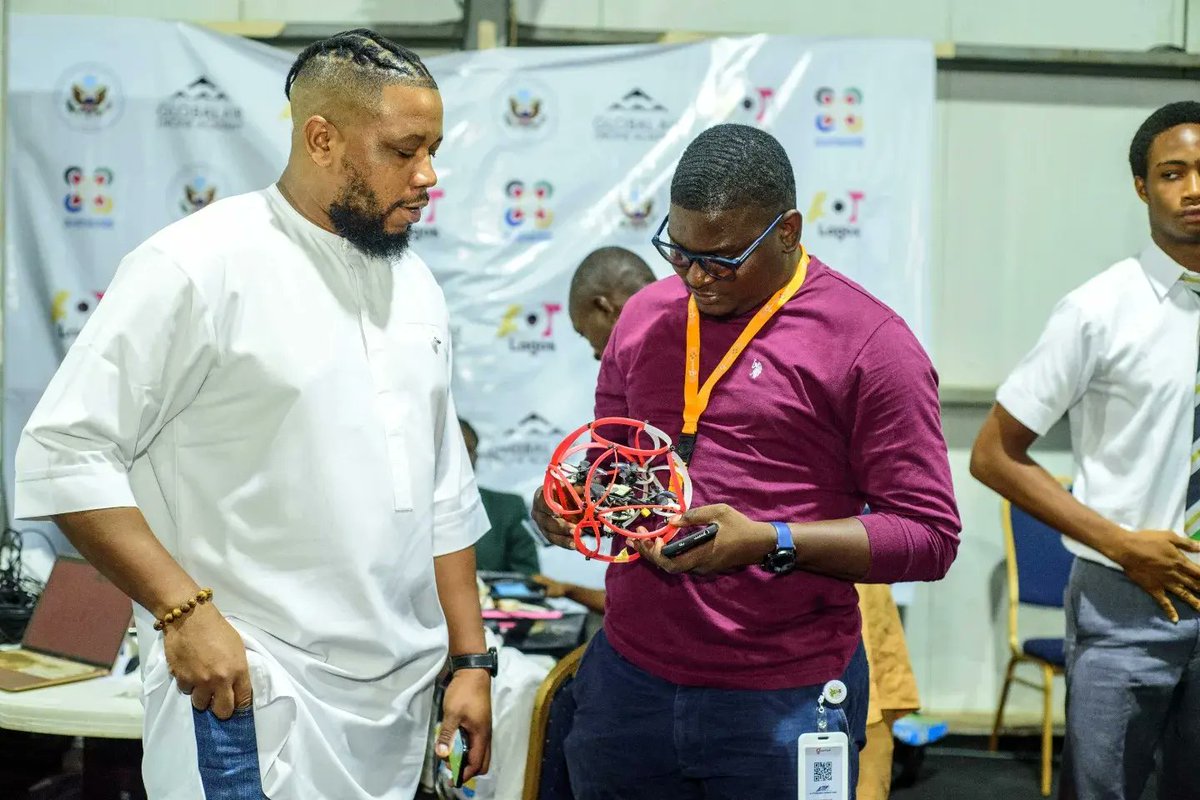
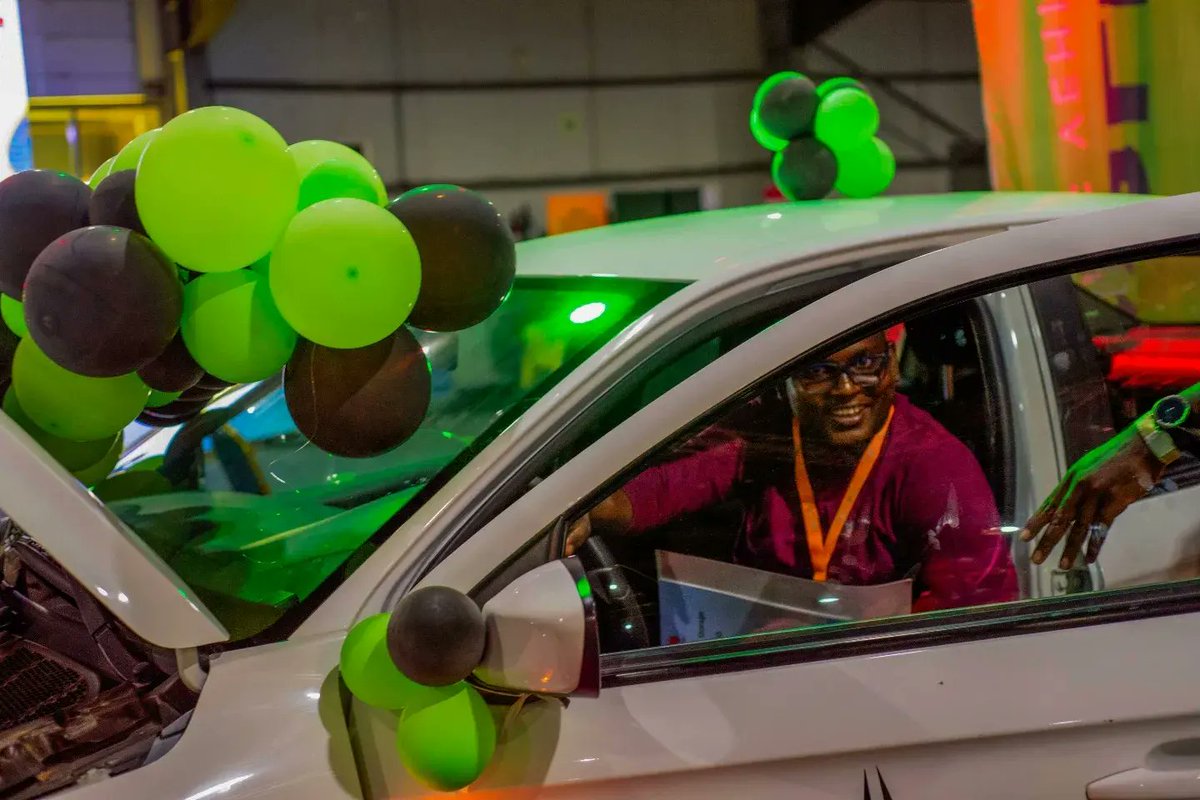
Had an incredible time diving into the fusion of art and technology at the Art of Technology Lagos Exhibition! From awe-inspiring installations to cutting-edge innovations, it was a mind-blowing experience that left me inspired and amazed.
The intersection of creativity and technology is truly a sight to behold. Kudos to the brilliant minds behind the captivating artworks and groundbreaking tech on display. 🙌 Special thanks to the organizers for bringing together such a diverse and thought-provoking showcase.