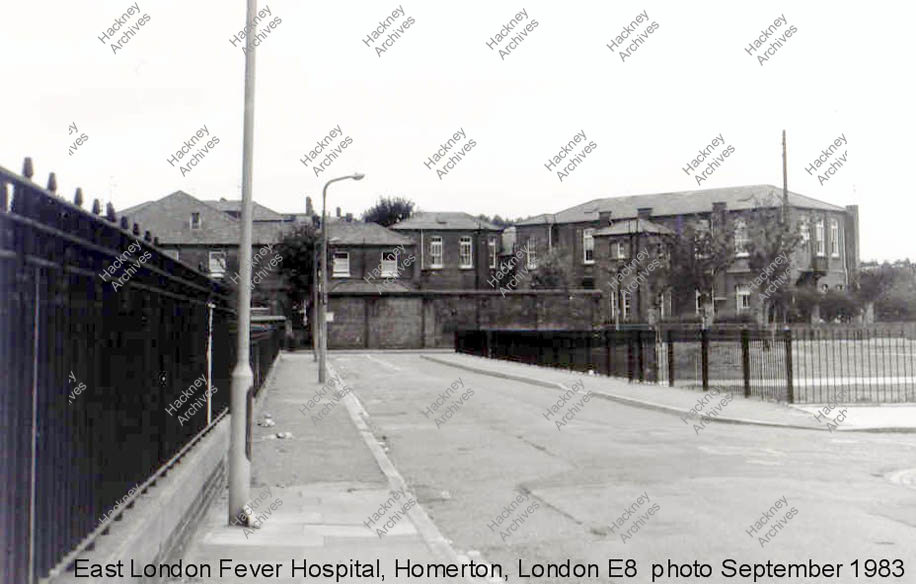
The Eastern Fever Hospital in Homerton (E9) was one of England's first state-funded infectious disease facilities. Opened by the Metropolitan Asylums Board (MAB) between 1869 and 1871, it initially comprised a 200-bed fever hospital and an adjacent 100-bed smallpox hospital on
Wick Woods is an incredible early #rewilding project in London. It's so new that you can still see the chalk outlines of the football pitches it grew over. Somehow despite being planted it feels natural. Ash, Black and White Poplar, Birch, Yew, Rowan... Hackney, London.
Save the dates for Hackney History Festival 2027 and get ready for another inspiring programme of talks, walks, exhibitions, workshops, and community events celebrating Hackney’s rich history.
🗓️ May 2027!
#HackneyHistoryFestival#HistoryFestival#Hackney#CommunityCulture
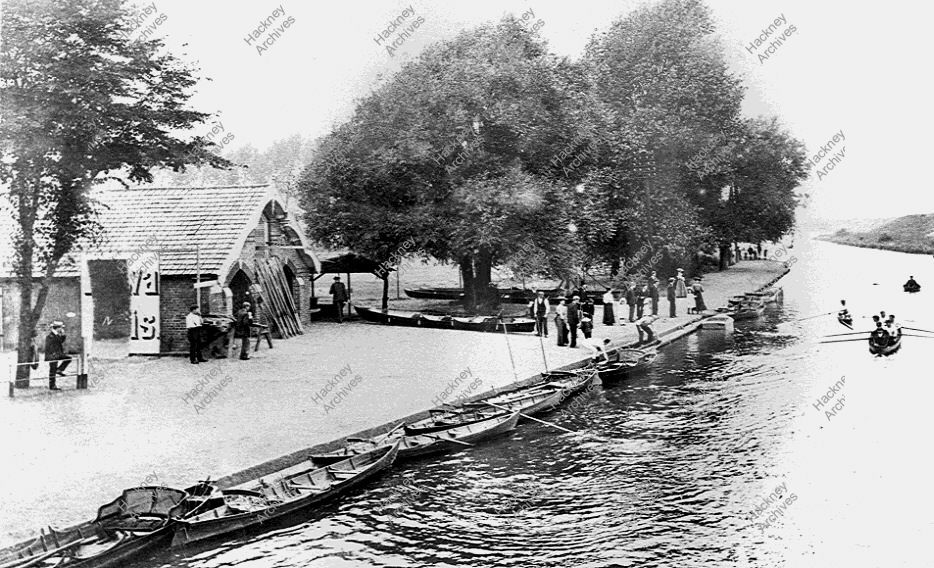
The River Lea at Spring Hill (Upper Clapton/Hackney) captures a historic era of pleasure boating. The boathouse was originally established in the 1850s by entrepreneur John Verdon and later became known as Tyrrell's Boathouse. The area became a major hub for pleasure boats,
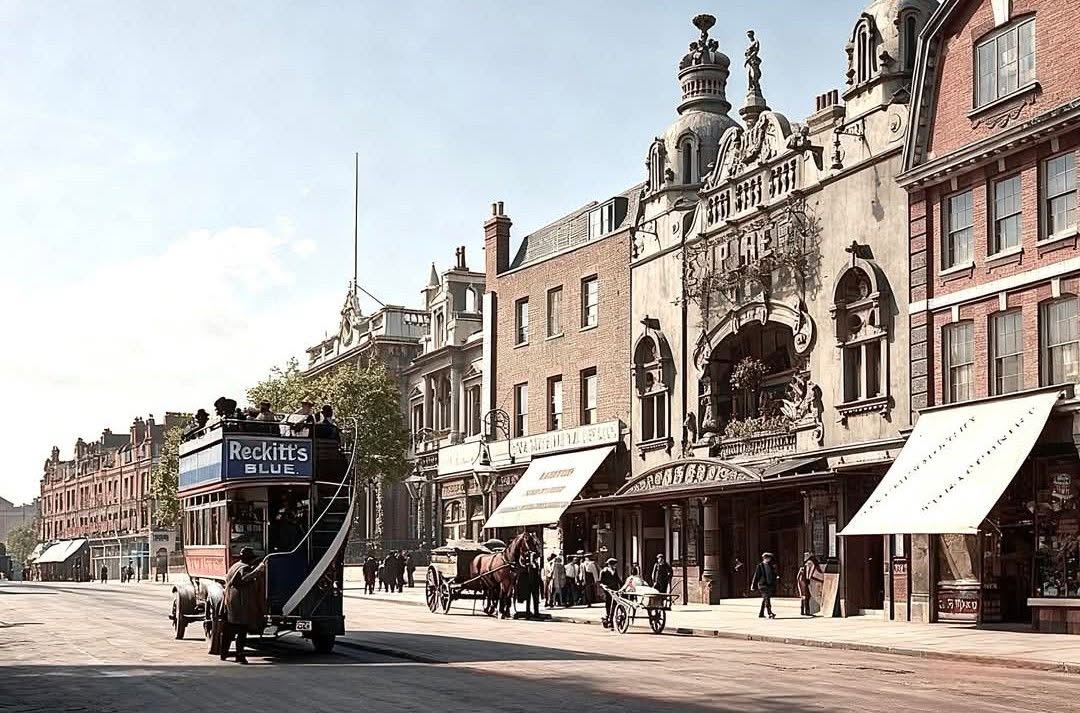
Mare Street Hackney 1909.Hackney Empire Frank Matcham and 2 architects he trained himself, Bertie Crewe & WGR Sprague had £65,000 to build Hackney Empire in 38 weeks. The Empire was a cutting-edge Music Hall with electric light, steel cantilevers and an internal vacuum system
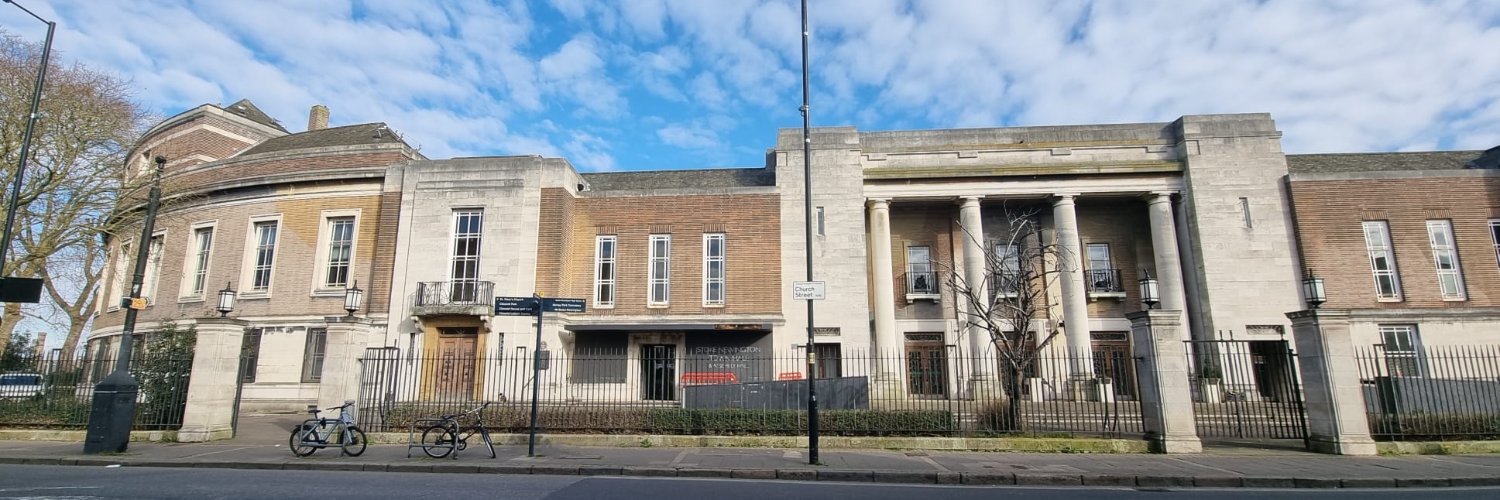
Fascinating webinar by @thevicsoc on its top 10 endangered buildings. One is the 1901 Hackney Disinfecting Station: https://t.co/p03xxEEzI8
@HackneySociety is also on the case;
I hope @hackneycouncil can see its way to a useful future for this historic building
@SarahLudford@HackneySociety@hackneycouncil Thanks for joining us Sarah. More information on why we put the Hackney Disinfecting Station on our Top Ten Endangered buildings list 2026 here: https://t.co/73a6SOY48q
Clapton Stadium
1928-1939
Owen Williams/Tripe and Wornum
A football and greyhound stadium originally opened in 1896. A new layout was overseen by Owen Williams in 1928, and later an extension was added by Tripe and Wornum. The stadium closed in 1974 and was later demolished.
early 19th century, much of this area of Hackney—particularly the land stretching east and west of Kingsland Road—consisted of rich, fertile market gardens and plant nurseries.The 1840s Development The expansion of the Regent’s Canal spurred rapid urbanisation in Hackney. In the
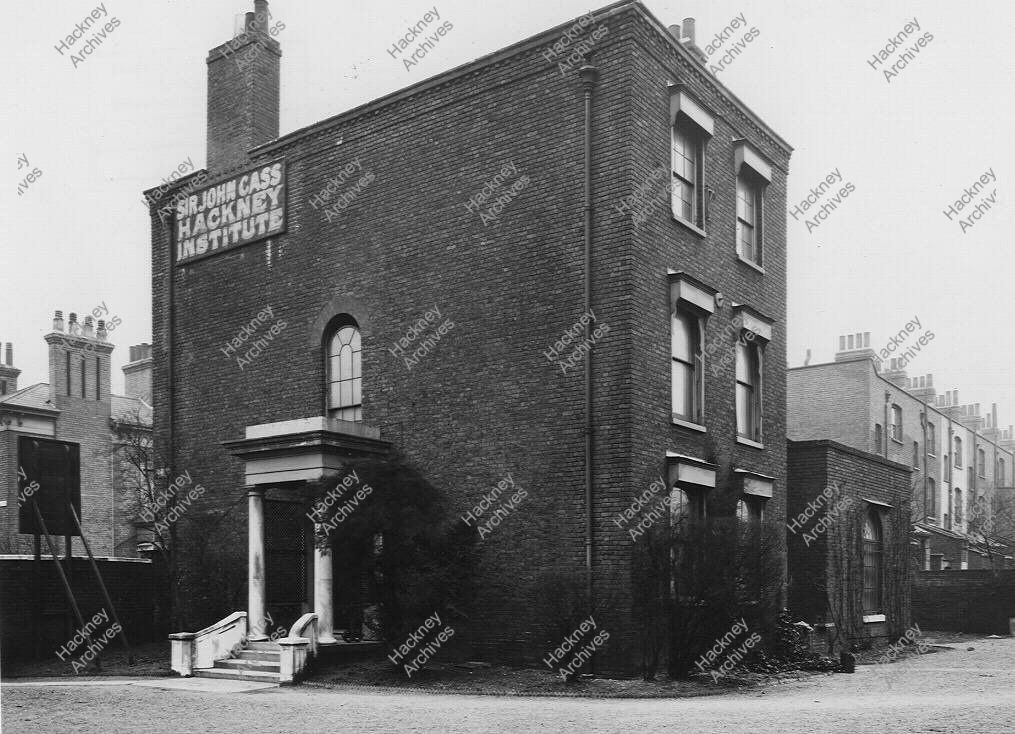
CASSLAND ROAD, south side.CASS HOUSE , HACKNEY 1912 Rear and side elevations and detail of ornamental glass fanlight above door dated 1710. ornamental glass fanlight above door showing arms and date (1710) associated with St John Cass's charity.
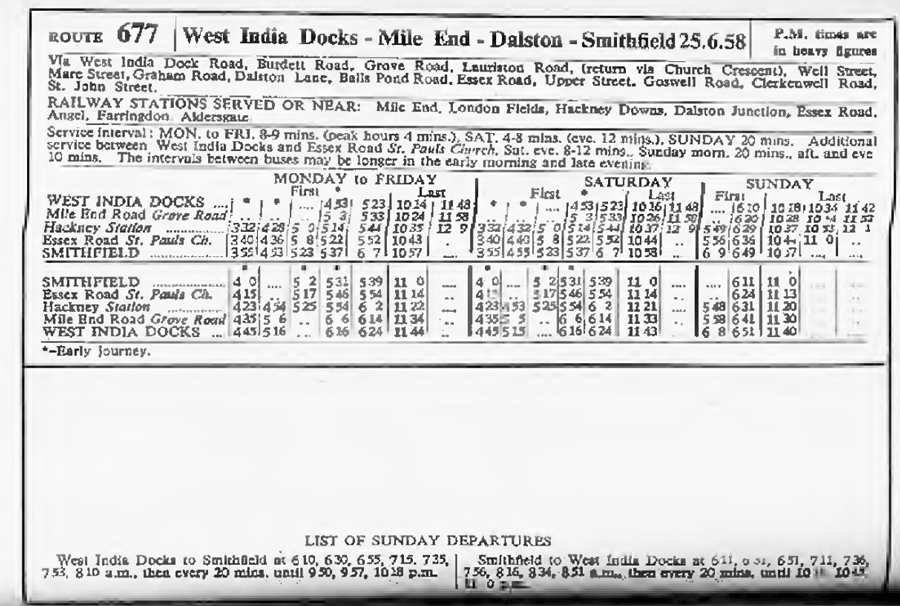
CASSLAND ROAD.1959.North https://t.co/O6K9pOtdKJ.120 Well Street S.HACKNEY.The 677 trolleybus route operated between West India Docks and Smithfield in London, replacing tram route 77. It served key areas including Limehouse, Mile End, Victoria Park, Hackney, Dalston, Balls Pond