We were delighted to welcome @MaeveOConnellFG TD, Fine Gael spokesperson on Higher Education, to our Grangegorman campus today for a discussion on the impact of AI on higher education and how we are approaching the implementation of AI across our courses:
https://t.co/5IvcSBq5i7
We're looking to contact any descendants of Celtic Great Willie McStay, 1892 to 1960. He signed for Celtic in 1912 & played until 1929, inc 6 years as captain.
Born in Netherburn, near Larkhall, he lived his final days in Pollok & is buried in St Conval's cemetery, Barrhead.
The Garda Síochána Powers Bill 2026 is now moving through the Oireachtas, and people need to understand what it means for their constitutional rights. This is not a small technical Bill. It goes right to the heart of personal liberty, privacy, and the limits of State power.
The first major issue is personal liberty. Under Article 40.4 of the Constitution, your freedom of movement is protected. You cannot be detained unless it is strictly in accordance with law. But this Bill allows Gardaí to require a person who is not under arrest to accompany them to a Garda station for a search. That is a deprivation of liberty in substance. Irish law is clear. If someone restricts your movement without proper authority, that is false imprisonment. And the law says consent is not valid if it is obtained by force, threat, or by making you believe you have no choice. This Bill risks creating detention without arrest and without the safeguards that normally protect people.
The second issue is privacy and personal data. The Bill gives Gardaí the power to operate your electronic devices, extract your data, copy it, and keep it. That means your messages, your photos, your contacts, your private life. The Constitution protects your personal rights, including privacy and the integrity of your data. These powers are extremely broad, and the Bill does not include strong limits or protections for sensitive information. There are no special safeguards for journalists, lawyers, political activists, or children. Once your data is taken, it can be examined and stored, and that raises serious constitutional concerns.
The third issue is the inviolability of the home. The Constitution protects your dwelling with the highest level of security. But this Bill allows search warrants for a wide range of offences, including some that are minor. When you combine that with the digital powers, it means a search of your home could lead to a full extraction of your digital life. That may not be proportionate or necessary.
The fourth issue is freedom of expression and assembly. Expanded stop and search powers in public places can have a chilling effect on protests, political gatherings, and public demonstrations. People may feel intimidated or afraid to attend events if they believe they can be stopped, searched, or have their devices taken without strong justification.
The fifth issue is the rights of children. The Bill does not contain child‑specific protections. Children’s phones and devices often contain extremely sensitive information. There is no special procedure for searching minors or handling their data. That is a major gap.
This is not about being anti Garda. It is about ensuring that any new powers respect the Constitution. Personal liberty, privacy, the home, freedom of expression, and the rights of children are not optional. They are fundamental rights. And once powers like these are handed over, they are very difficult to take back.
People need to understand what is in this Bill now, while it is still moving through the Oireachtas. Your rights matter. Your privacy matters. Your freedom matters. And this Bill deserves serious public scrutiny.
View the Bill here:
https://t.co/4uHgi41LwN
Always keep a close eye on the Bills our Oireachtas members are presenting. In this instance, the Bill is being presented on behalf of the Minister for Justice, who holds a statutory office, not TD Jim O’Callaghan personally.
Ministerial actions are carried out by corporate bodies under section 2 of the Ministers and Secretaries Act 1924, which means they are less directly accountable than an individual Senator or TD.
You can review the current Bill moving through Parliament here: https://t.co/YbYSyxfNaf
#BeBillAware
Invasive Species Week 2025 is here!
🦝 🐿️ 🦜 🐢 🐜 🐞 🦠 🌱 🦀 🦐 🐠
🎥 Watch this quick video to learn about the threat of invasive species: https://t.co/c4zDOzsPUn
📅 Explore events: https://t.co/KHVGio4DOL
💡 More ways to get involved: https://t.co/pXBryZe3BX
#INNSWeek
Today’s Invasive Species Week Theme is Be Plant Wise 🌱🌿 🪴🌷
Your plants can become invasive if they escape beyond your garden border.
#BePlantWise to prevent their spread.
🧐Know What You Grow
🛑Stop The Spread
🌱Compost With Care
https://t.co/5fIPs5BtaJ
#INNSWEEK
Irelands regulated invasive species - into its second edition ..the first one sold out 🥳.. so if you need to know which of our exotic species are regulated under Irish and EU law pick up a copy of our handy and easy to use guidebook @UCDEarth@UCDLibrary@noeleenbotanics
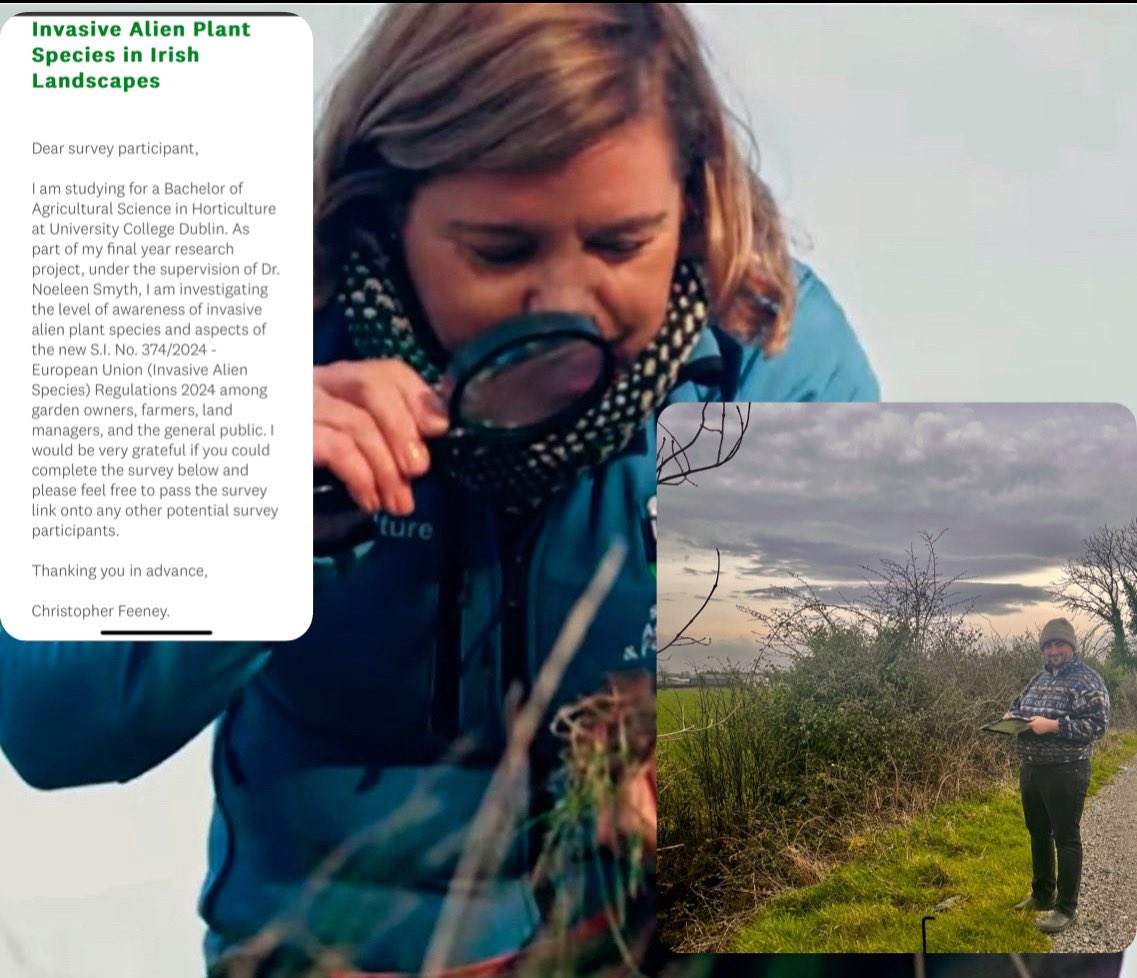
Dear colleagues can you help share the link to help Christopher get some data on attitudes to invasive species for his final year thesis 🙏🙏🙏☘️
Survey link here 👇
https://t.co/IRqYlij49O
@ucdagfood@ucd_forestry@ucddublin@noeleenbotanics
Invasive Species Week will take place May 12th - 18th. If you are planning an event or would like us to highlight any of the work you are doing on invasive species, email [email protected] and put Invasive Species Week in the subject line.
🦝🐿️🦜🐢🐜🐞🦠🌱 🦀 🦐🐠
Local wildflowers that grow naturally are among the best food sources for pollinators 🐝💚
They have evolved together, perfectly adapted to meet each other's needs
Find out how to sustainably harvest & use local seeds in our free guide➡️ https://t.co/BTJn8LdJIx
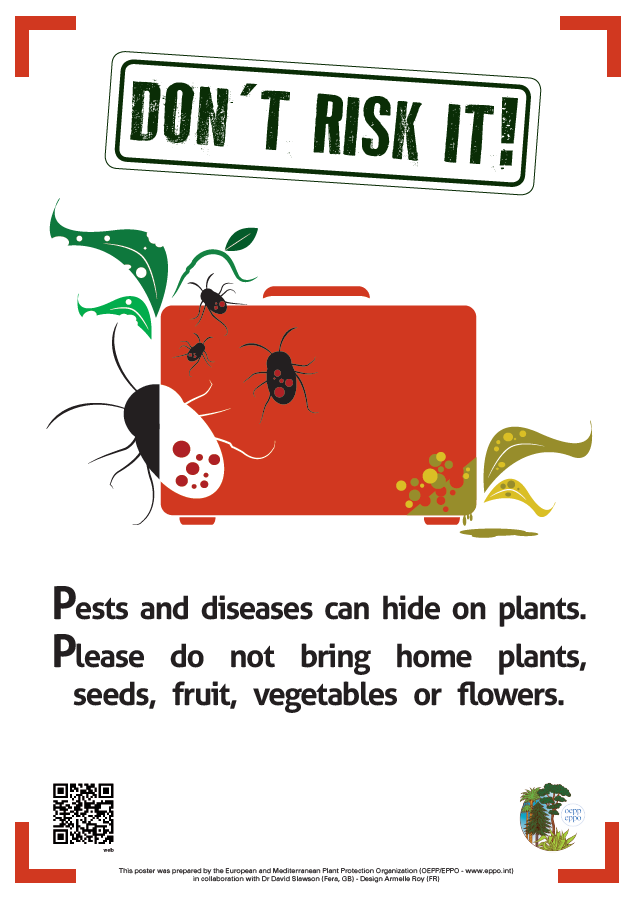
Travelling abroad ? 🗺️✈️🚢🏖️
Don't bring back plants, seed or fruit: they can hide plant pests
Help us to protect our crops and beautiful countryside against plant pests and diseases !
#planthealth#dontriskit#planthealth4life
https://t.co/itjRijbHPx