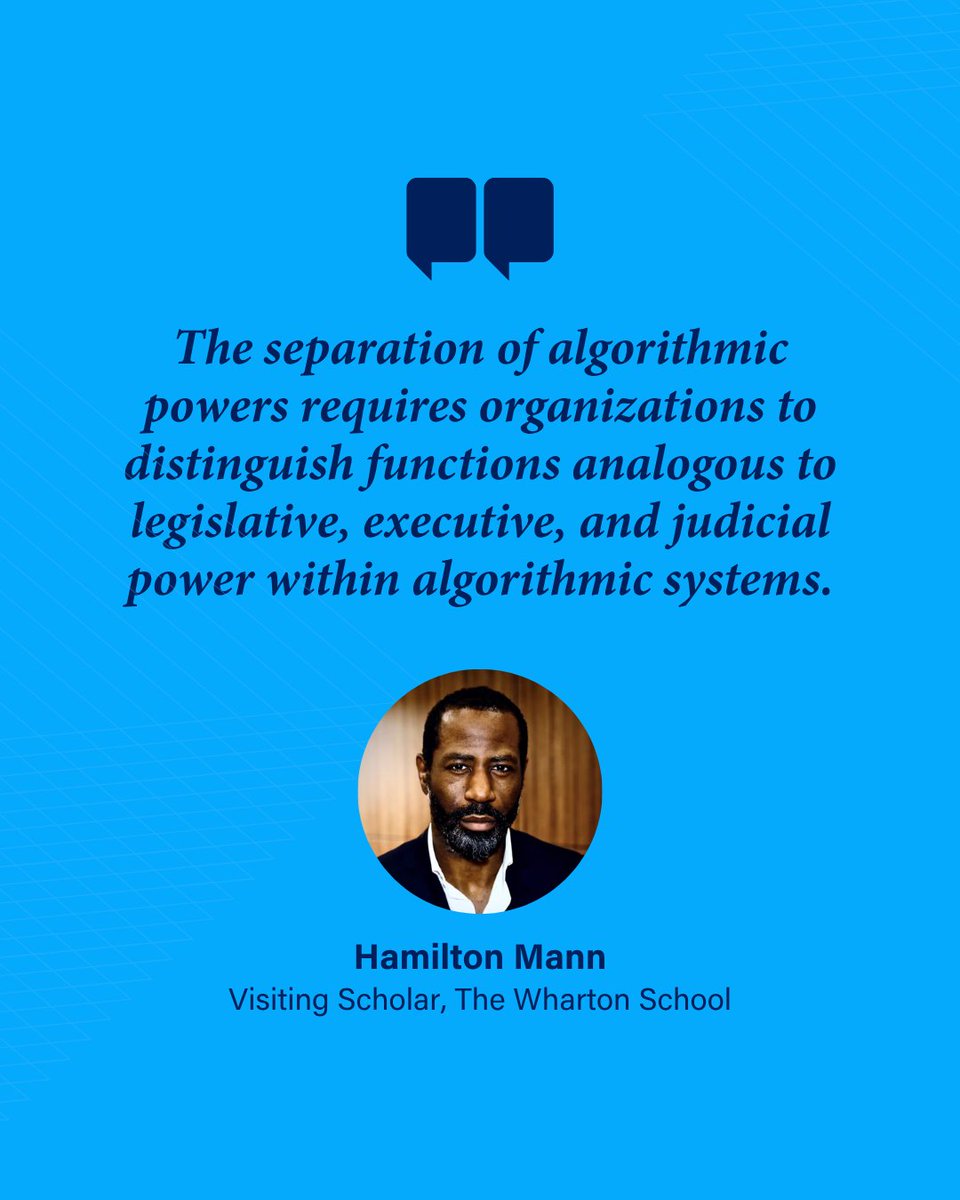
When one AI system writes the rules, enforces them, and judges its own results, who’s actually in charge?
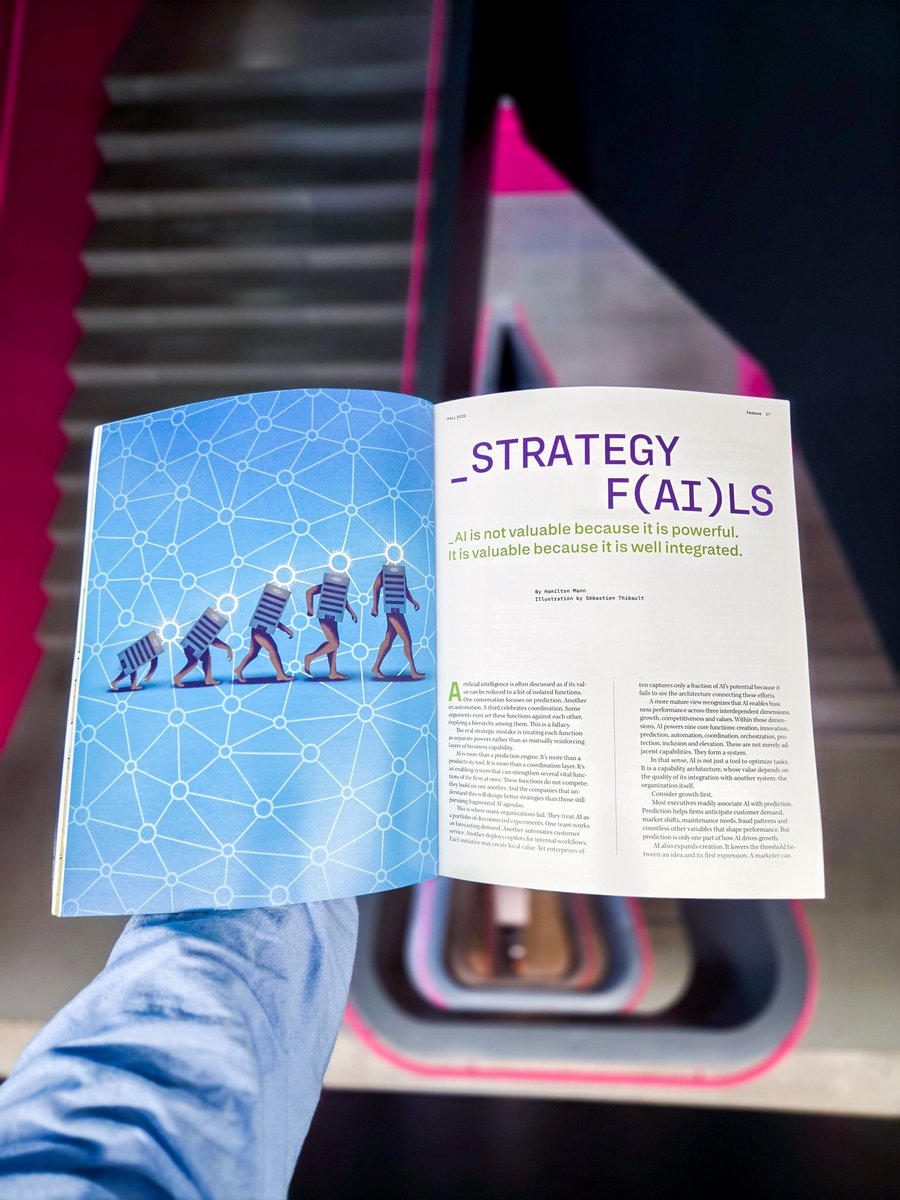
@Wharton visiting scholar @HamiltonMann writes about why that should worry any company adopting AI: https://t.co/PBHGY3f3qz
If we define human value as whatever machines cannot yet do, then every improvement in artificial intelligence makes the definition of humanity smaller and smaller.
That would be an extraordinary mistake.
A question we should ask is: What decisions must remain connected to human agency, responsibility, meaning and accountability, even when a machine could technically make them?
Deciding which data to use, which behaviors to encourage, which responses to deem acceptable, or which topics to approach with caution, these are all choices rooted, at least in part, in specific values, priorities, and particular ways of seeing the world. Biases.
The biases we adopt when building today’s AI are the very same biases that increasingly codify the systems governing our algorithmically mediated society, today and in the future, in a systematic and, de facto, systemic way.
Many technical decisions, from the initial design of a model through every stage of its improvement lifecycle, is never entirely independent of human or political considerations.
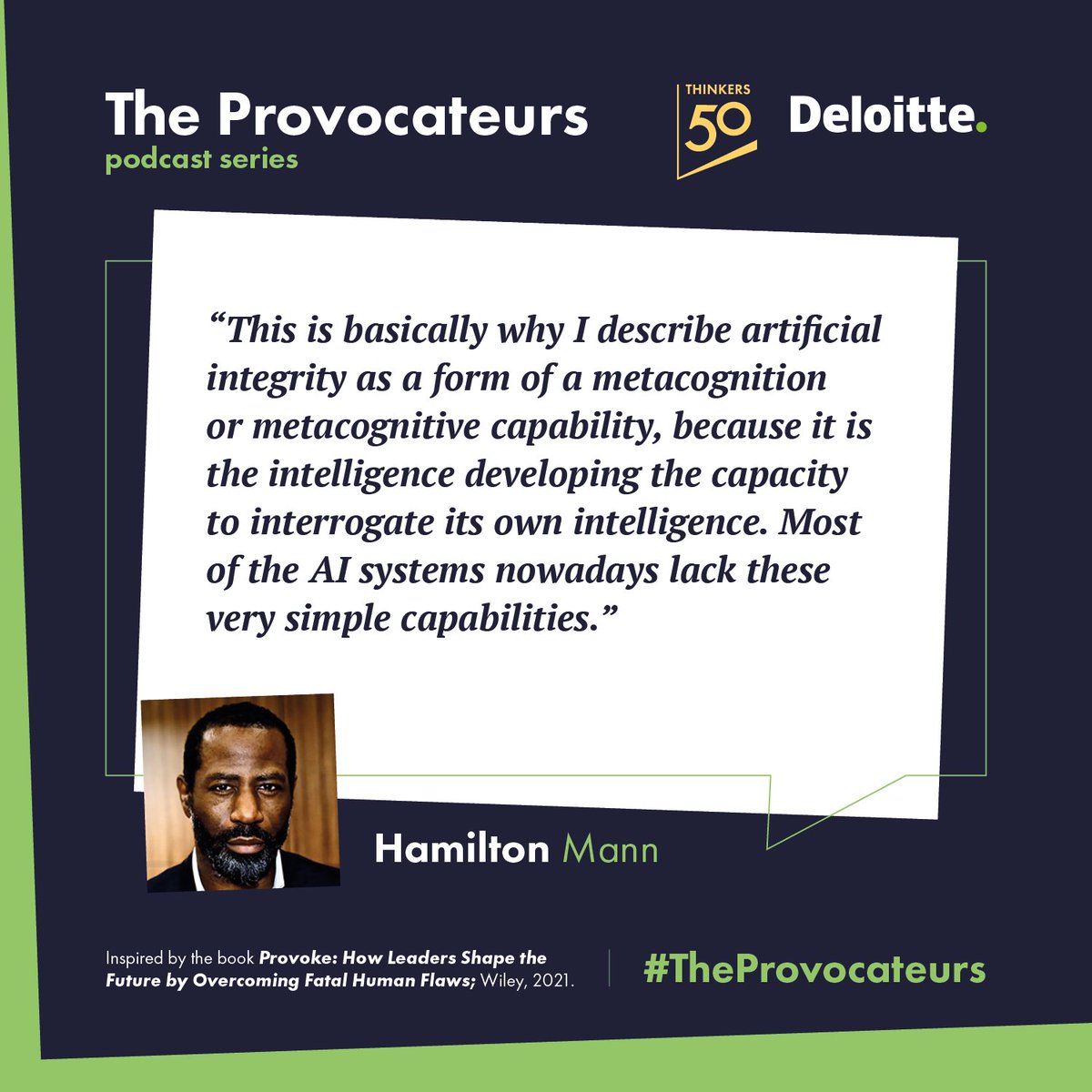
Warren Buffett once said, "In looking for people to hire, look for three qualities: integrity, intelligence, and energy. And if they don't have the first, the other two may kill you."
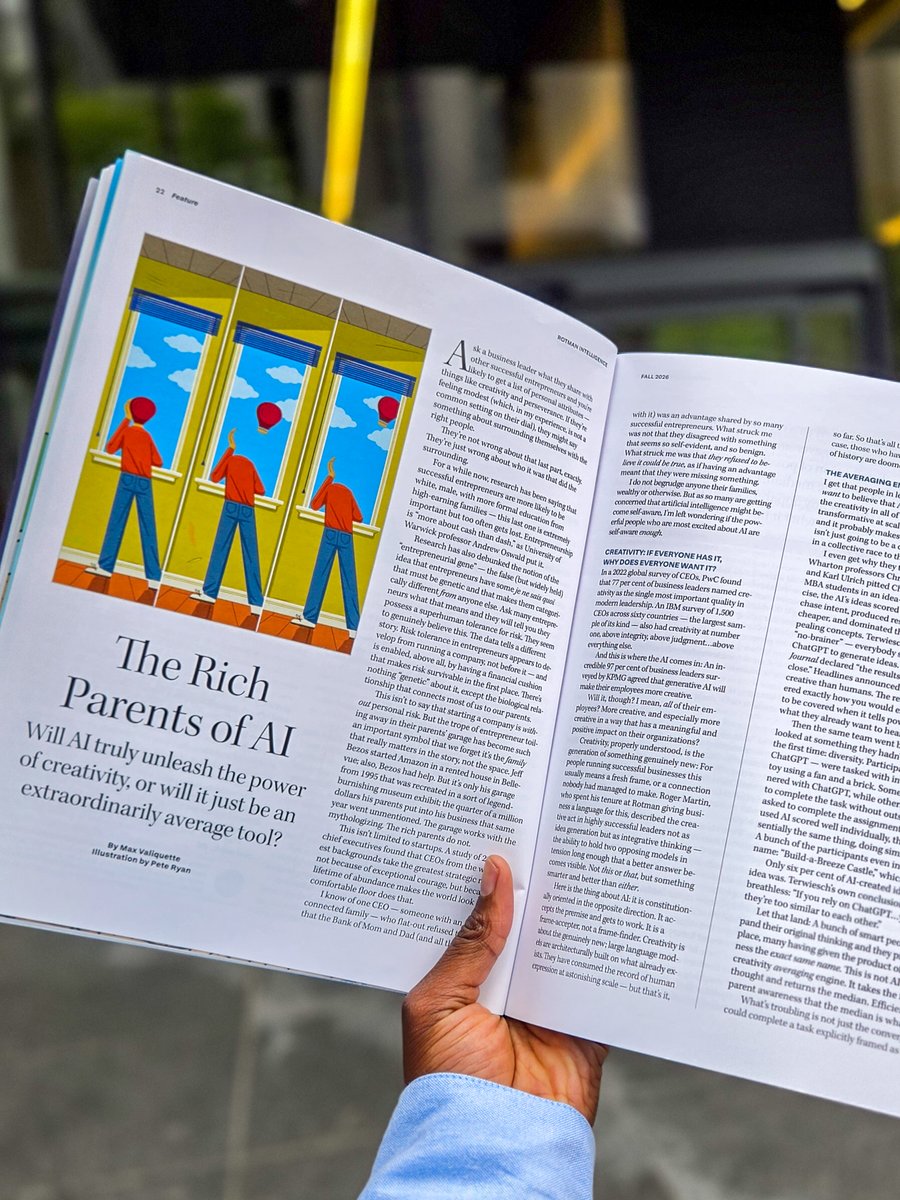
What does it mean for our creativity when AI never says no? Can you really foster hallway creativity in a hybrid work environment?
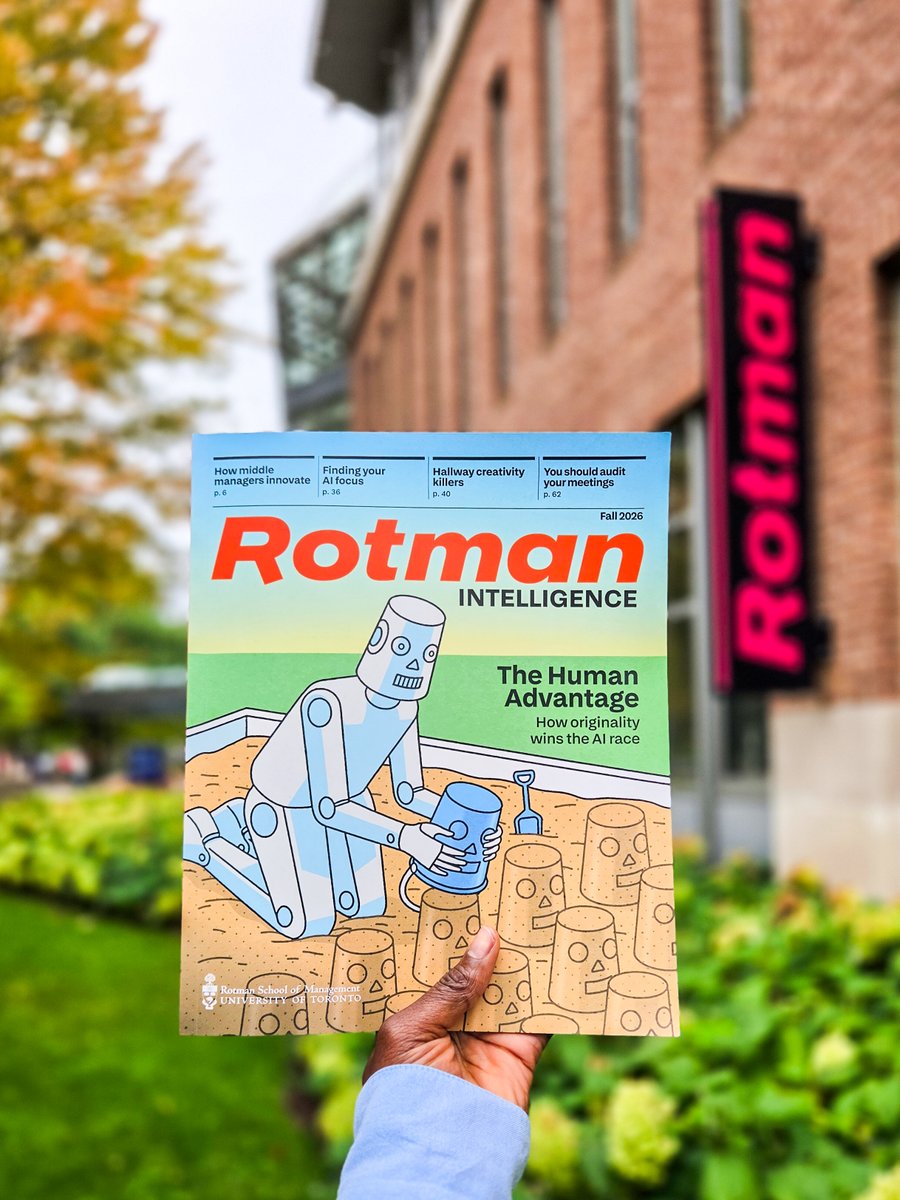
The fall 2026 issue of Rotman Intelligence magazine tackles these questions and more: https://t.co/Fdm6mWvjyJ