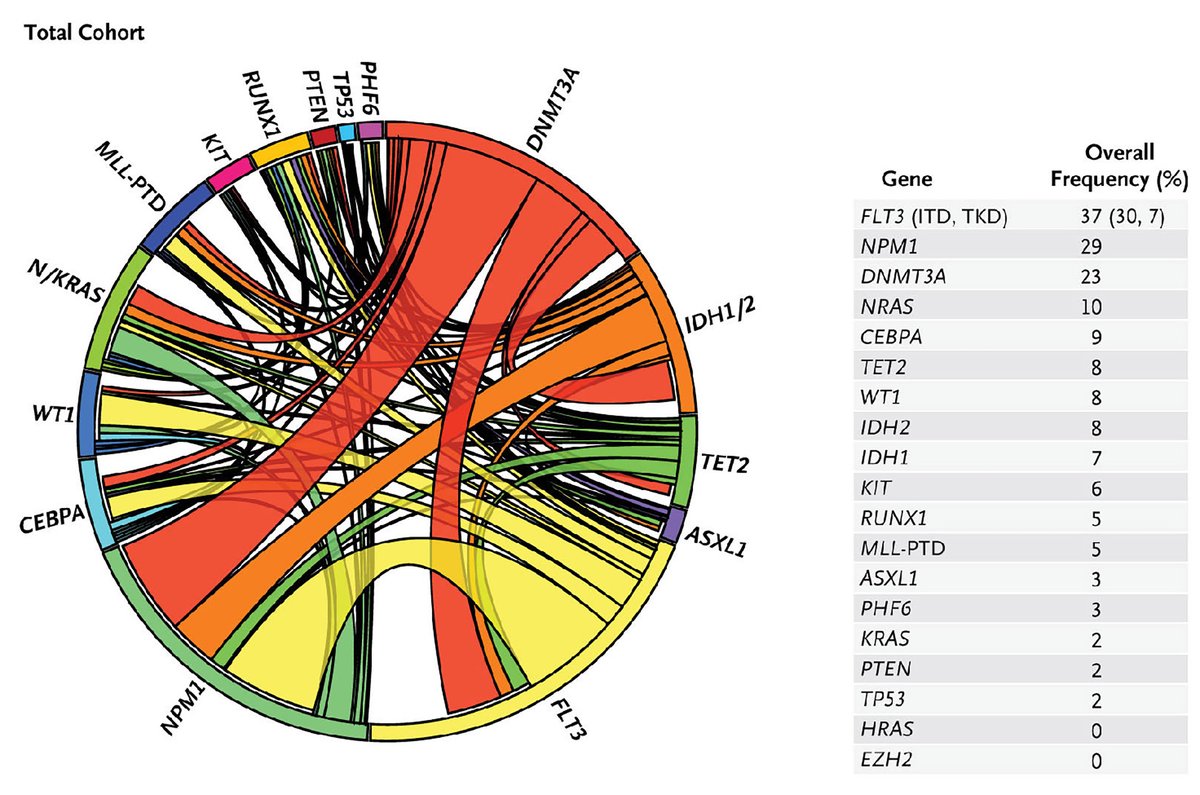
Landmark Paper: in 2012, J.P. Patel and colleagues reported in the NEJM a milestone comprehensive molecular analysis that continues to shape modern AML management
https://t.co/1gI2tCzQGG
Azacytidine, our fantastic hypomethylating agent, used for treatment of MDS and AML, was discovered in 1964, and then fell into oblivion. Almost 40 years later it was FDA approved as the first effective MDS treatment.
A 🧵about an unusual revival:
CONGRESS | #IACH | PRESENTATION
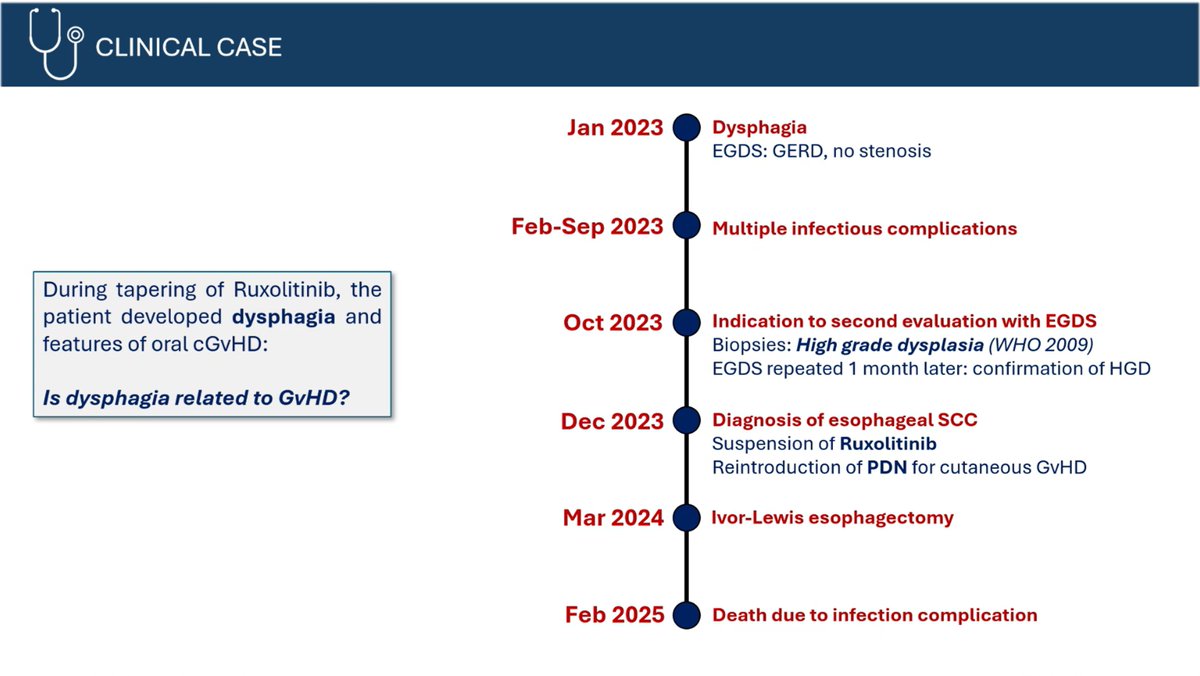
Maria Helena Parrinello @Emmeaccapi, San Raffaele Hospital, presents a case study of a patient with cGvHD and new-onset dysphagia. Parrinello highlights the importance of long-term monitoring for detection of secondary malignancies after HSCT.
Follow our live feed for more updates: https://t.co/vNwqmO0Rzb
Intended for HCPs only. This congress coverage is independently supported by pharmaceutical companies, who are allowed no influence on the content. A full list of supporters can be found on our website.
#GvHD #GvHDsm #MedicalCongress
4/4
In other words, KPC is one of the mechanisms by which certain CRE bacteria achieve carbapenem resistance. Not all CRE produce KPC; some may use other carbapenemase enzymes or different resistance mechanisms. KPC-producing CRE is a subset of CRE and is notably common in US
3/X
- KPC (Klebsiella pneumoniae carbapenemase) is a specific enzyme produced by some CRE bacteria. KPC breaks down carbapenems, making these antibiotics ineffective against the bacteria.
📌 AML Response to Venetoclax (VEN)
✅ Good Responders:
- NPM1-mutated AML
- IDH1 / IDH2-mutated AML
- RUNX1-mutated AML (some cases)
- De novo AML without adverse genetics
1/2
#AML
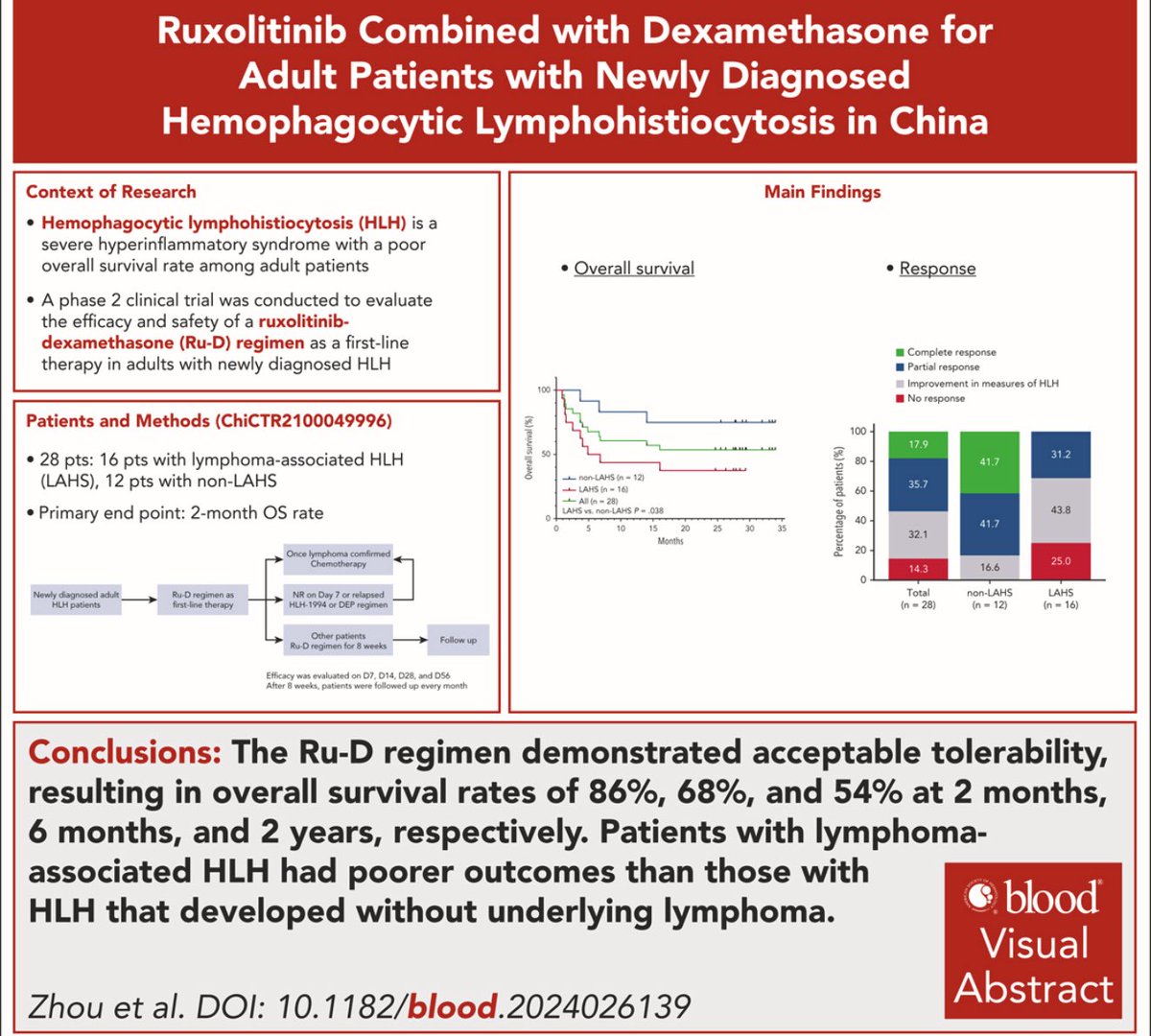
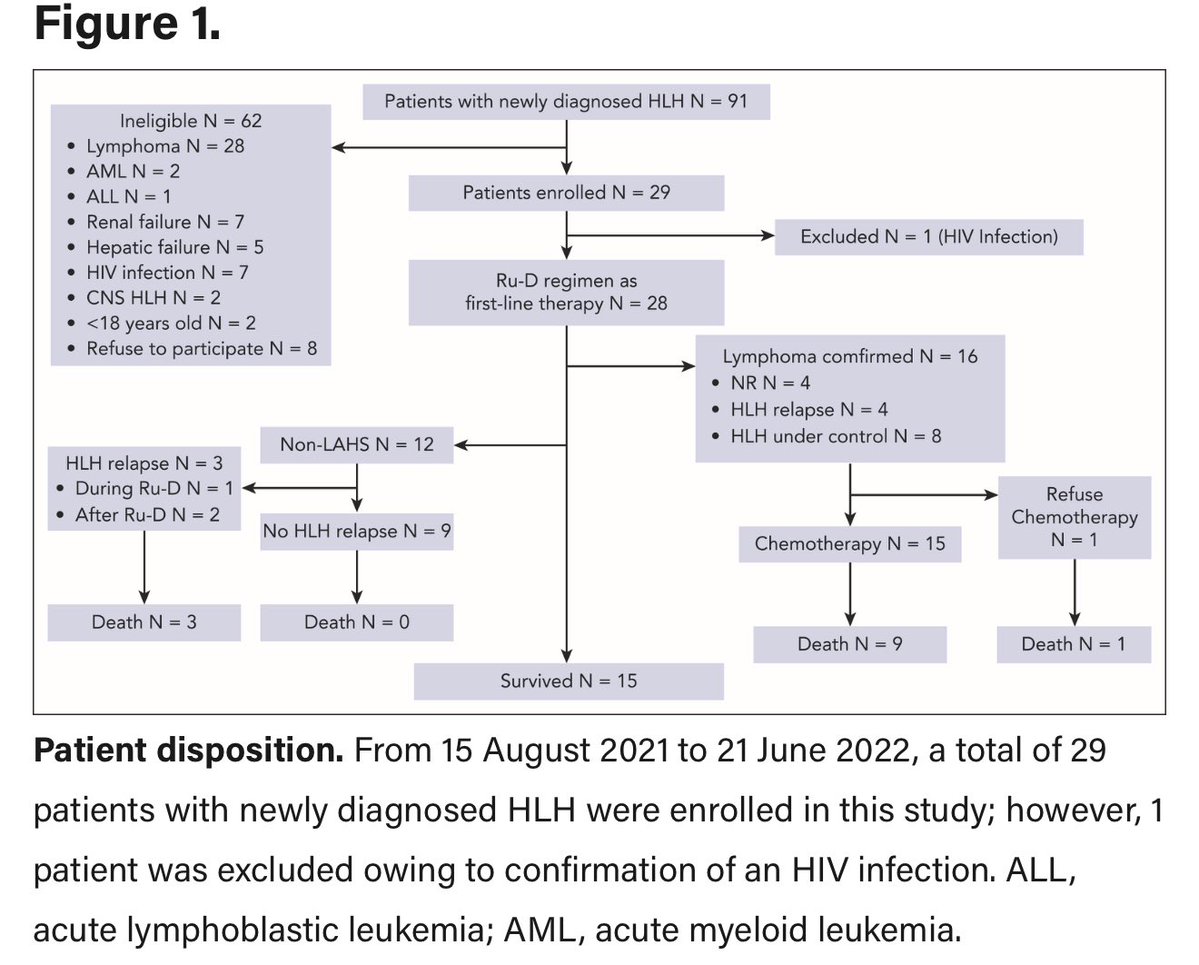
Ruxolitinib combined with dexamethasone for adult patients with newly diagnosed hemophagocytic lymphohistiocytosis in China https://t.co/MRlggOQm7n
The Ru-D regimen was well tolerated, resulting in OS rates of 85.7%, 67.9%, and 53.6% at 2 months, 6 months, and 2 years, respectively. #HLH @BloodPortfolio