Festival, Corporate & Event caterer. Gluten Free. I know my animals by name & guarantee birth 2 bun traceability. 1st generation farmer. we farm it we cook it
Let me categorically Debunk this utter rot. @sainsburys.
I am a poultry Breeder. The hens that lay white eggs (Amberline/White Star) DO NOT have a lower carbon footprint.
Yes they eat a bit less and produce roughly the same amount of eggs as the Brown egg layers (Bovan/Lowman/ISA Brown) but they live shorter lives, are prone to dying suddenly when startled, a flighty and nervous and because they live shorter productive lives (12 -18mnths) vs brown 18/24mnths (both commercial farmed), you have to incubate more which is increased (Electricity/gas costs) and their eggs are not the same quality.
I breed and keep 20+ different breeds, including: ISA Brown hens and White Stars. All my hens are 100% free range, Not a single barn kept bird, I have ISA browns that are 5yrs old and still laying beautiful Brown eggs, I have not seen a White star live beyond 3yrs and certainly none have laid eggs past 18-24mnths.
White stars Lay themselves to death. They are slender birds and because they dont eat a lot, it drains their personal vitality to keep up laying the eggs you want to sell because of the nonsensical lie that they are "More Carbon Neutral"
You want to know about eggs, come talk to someone like me, Don't rely on some hairbrained imagination of a buyer who's trying to squeeze the profit margin for a few extra pennies at our expense and to the poor hens detriment.
Am just waiting for the usual empty vessels make most noise brigade to blame the famers for this destruction of wildlife right in the middle of nesting season too. Absolute lack or respect and ignorance
We need your help to #SaveDenby!
We are sad to share that we may be forced to close and a British institution could be lost.
We need your help:
1. Share this post
2. Sign the government petition
3. Buy Denby
4. Visit us at the Pottery Village
Read more: https://t.co/g17lHz2ETx
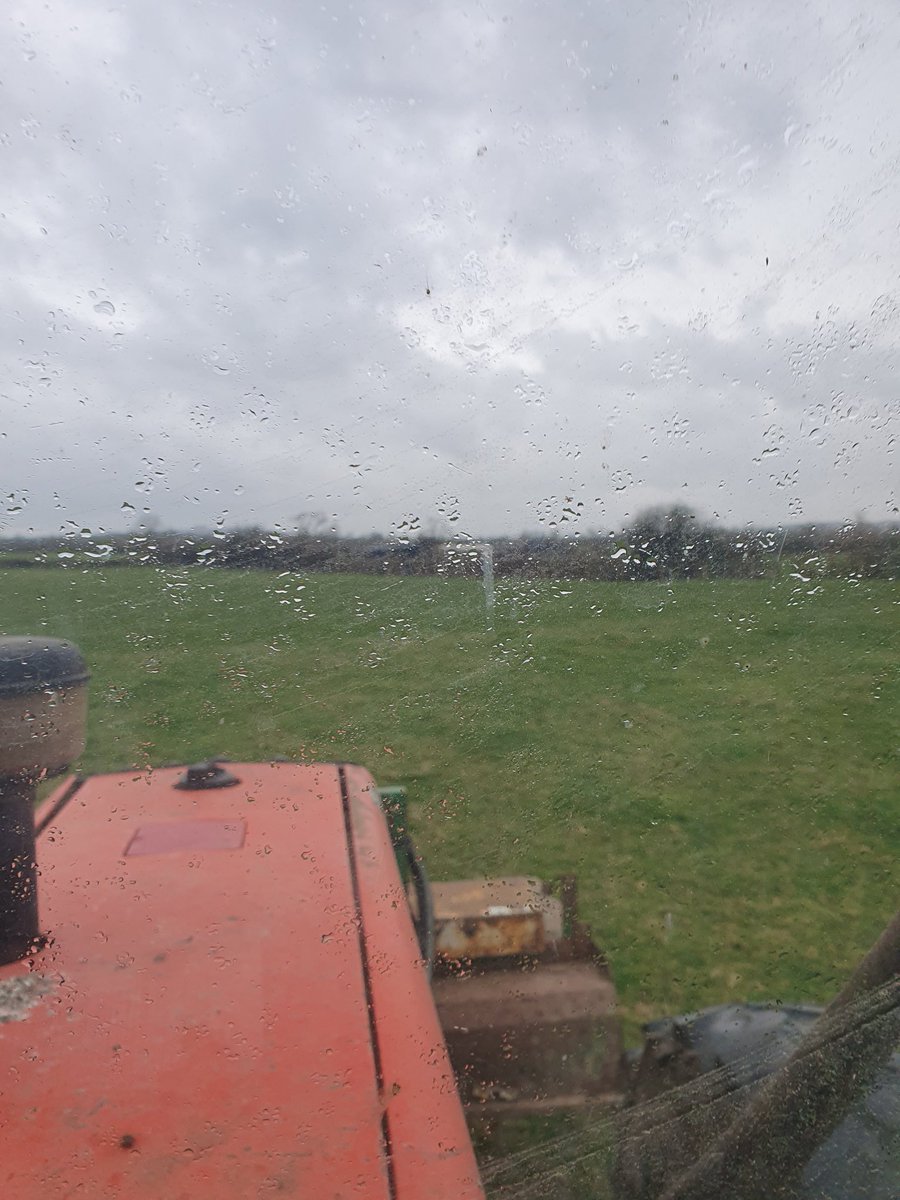
Ever decreasing pile of straw & silage alongside some good grass growth resulted in a leisurely stroll out to grazing for the bulling heifers today. Pleased with how they've come on over winter despite the tough summer #sucklercows#BritishPolledHerefords#firstgenerationfarmer
Good to get a little bit of white gold on yesterday, just in the nick if time as the first drops of another 5mm started falling... early turnout incoming as feed and bedding dwindling now
Just look at how this clever boy solves the problem of the feeder being bricked up.
How can you not love them?🥰
Hedgehogs have survived, unchanged, for 15 million years.
15 million years!
Just think - our humble little garden visitors once walked with woolly mammoths and sabre-toothed tigers.
They survived so well because they are intelligent, adaptable, courageous and problem-solving.
The fact they are on the brink of extinction now, despite surviving persecution, drought, famine, and the great ice age, is a serious indicator of how deeply in trouble our fragile ecosystem is.
Please do what you can to help these gentle, clever little animals, and our beautiful vulnerable world:
Leave out a dish of clean ice-free water each evening, by your back and front door (just as many animals die of dehydration in the winter as they do in the summer).
Leave the edges of your garden and at least one corner uncut and undisturbed, to allow natural food to live and grow.
Leave the leaves as they fall each year (that blanket of leaves protects next year's insects all through the winter. They'll pollinate our food and feed our hedgehogs, if allowed to sleep and grow under that priceless blanket).
And please don't be tempted to 'tidy up' all the dead plant stalks - our precious pollinators will be overwintering inside those hollow stems.
A dish of dry kitten food placed inside a feeder (see https://t.co/17t0uiehuv for how to make one) would be a life saver for all the hedgehogs who are arising from hibernation right now.
We'll be flying the flag for British cold pressed rapeseed oil at the @FarmShop_Deli show this April. Come & taste our oils & dressings on stand U218! 💛
If you regularly feed the hedgehogs visiting your garden, first of all thank you for your kindness and generosity - you are a life saver.
But sooner or later you will have a visitor who is sick and needs taking to a wildlife rescue (never a vet) for treatment.
Because the need is so urgent it's a stressful time, so it's good to be prepared in advance.
In the UK rescues are not regulated or licensed in any way, and there is no regulating body.
This means anyone can call themselves a rescue and set up, without any training or experience at all. Although there are many brilliant, dedicated and
knowledgeble rescues in the country, unfortunately there are also lots of bad, ill informed, or charlatan 'rescues'.
And some outright scams.
So as now is the quietest time of year for genuine rescues, it's an ideal time for you to do some research, find your nearest good rescue (Google 'hedgehog rescue near me' and it'll bring up a list of rescues in order of distance from you) and ask questions.
That's your first clue:
1. A good genuine rescue will always welcome questions.
Ask a couple like, "Are treated hedgehogs always returned to their finder?"and "What do you feed the patients?" If they've posted about an admission, ask about their progress.
A bad or scam 'rescue' will often block you online, or change the subject.
2. Read their socials, and their website (check out the link. Scammers often post a website link that leads nowhere, just looks good), see who follows them and who doesn't. If you know and trust a good rescue you can use what they say and do as a yardstick to compare other rescues by.
(You can't always go by reviews because someone who's just glad to be rid of the responsibilty of the sick animal they found will call the worst rescue "wonderful", if the casualty is taken off their hands and they are never contacted again.
Then there are nutters and trolls who leave bad reviews to even the best rescues, because they lack a sense of control in their lives and get pleasure from exerting it and hurting those who they know won't retaliate.)
3. Look at their wishlist.
Every genuine rescue is always desperate for consumable supplies - gloves, pads, food, etc. and will have a longish hedgehog-appropriate wishlist.
Scammers often give themselves away by asking for money - donations or vouchers - rather than supplies, or just household items for themselves.
ALWAYS be suspicious of a rescue without a wishlist.
4. Admissions posting.
Beware of any 'rescue' who has no new admission posting for weeks or months, or just posts random hedgehog photos, or who never seems to provide patient updates, just retweets.
5. Appropriate accomodation.
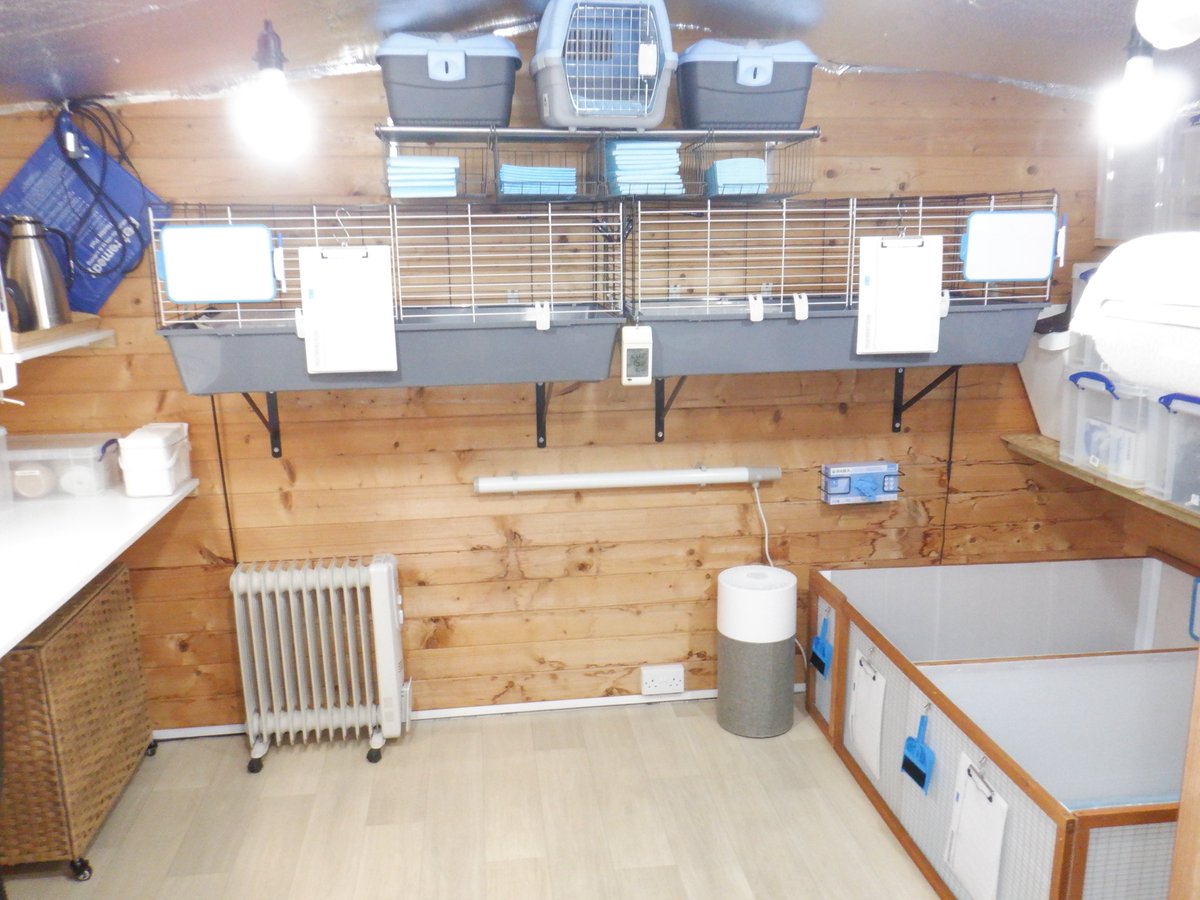
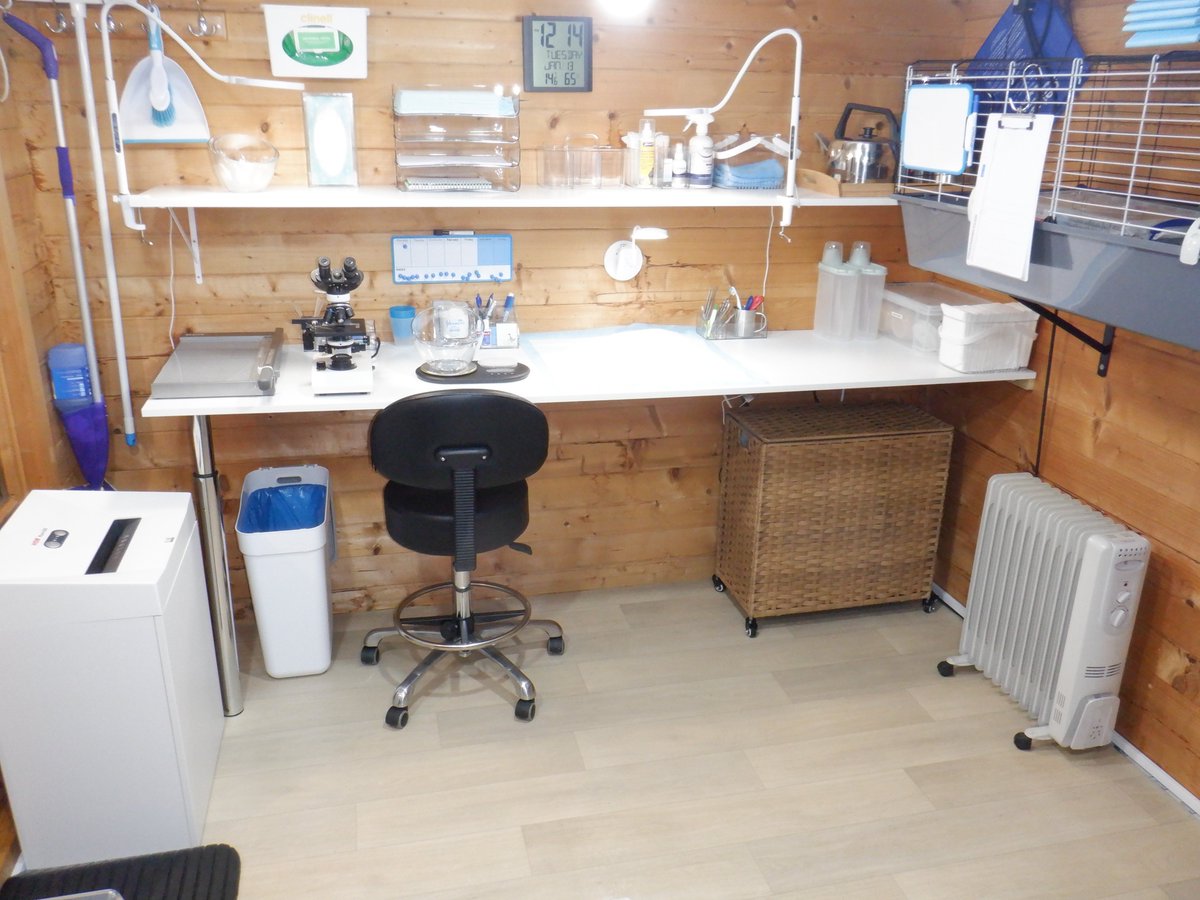
Be suspicious if you never see the rescue's hedgehog accomodation or treating areas, etc. Not only will these provide an insight into their level of hygiene (which must be a priority in any healthcare setting), scammers and bad rescues tend not to have this level of commitment.
Good luck!
I hope you don't need to use a rescue, but it'll all go a lot smoother if you have their details to hand now, before the emergency arises.