Wes Streeting calls you and asks for *tangible* ideas he can implement to help NHS improve performance. But there's no extra money for big spending. What's your one idea? #FantasyNHS
I'll start - staff passports across regions to free up pointless mandatory training time.
Most transformation efforts fail. Major new research from @BainandCompany says only 12% of big change programmes produce lasting results. They identify six "good practices" for large scale change strategies that greatly increase the likelihood of success:
1) Treat transformation as a continuous process rather than a discrete programme.
2) Build it into the operating rhythm of the organisation
3) Explicitly manage energy for change - sequence changes to avoid widespread organisational fatigue
4) Use aspirations, not benchmarks, to set goals - top-down data driven mandates can crush transformational thinking
5) Adopt a “middle-out”, rather than "top down" approach
6) Allow sufficient funding (in the research, nearly every failed transformation wasn't funded properly)
https://t.co/bJnJ4jm4X7. Via @HarvardBiz
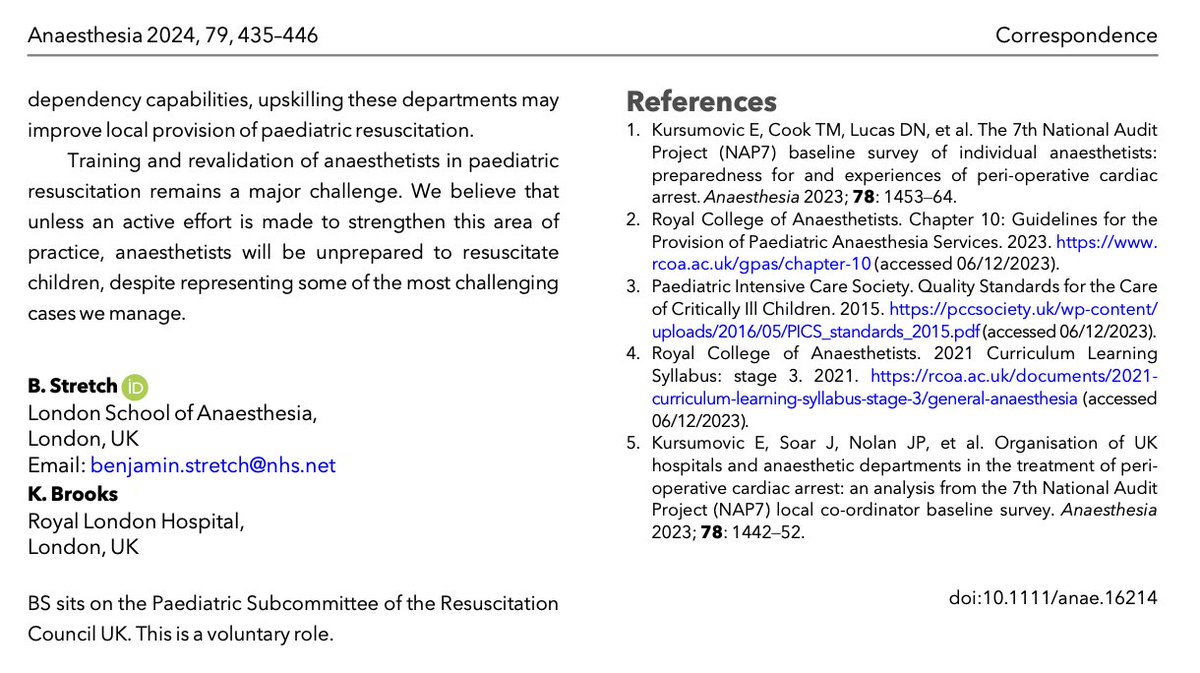
🔓Training and revalidation in paediatric resuscitation
"We believe that unless an active effort is made to strengthen this area of practice, anaesthetists will be unprepared to resuscitate children..."
🔗https://t.co/7Z5GFjHbdD
"A national conversation about the structure and funding of the NHS should have begun five years ago"
Former Chief of NHS Scotland
The options appear to be:
Increase tax +/- privately contribute.
or
Reduce your expectations of the healthcare system.
https://t.co/TSwdRmZUZT
A thread for the ultra-wealthy.
If you are wealthy, you may think that if the U.K. switches from an NHS-model to a private model of healthcare it will either a) be better for you, or b) will not affect you.
Here is why you are wrong…
🧵
On leadership, challenge and bullying (as discussed on the @RestIsPolitics pod on Dominic Raab) - here is a reprimand to Churchill from his wife: “My Darling,
I hope you will forgive me if I tell you something I feel you ought to know.
(1/5)
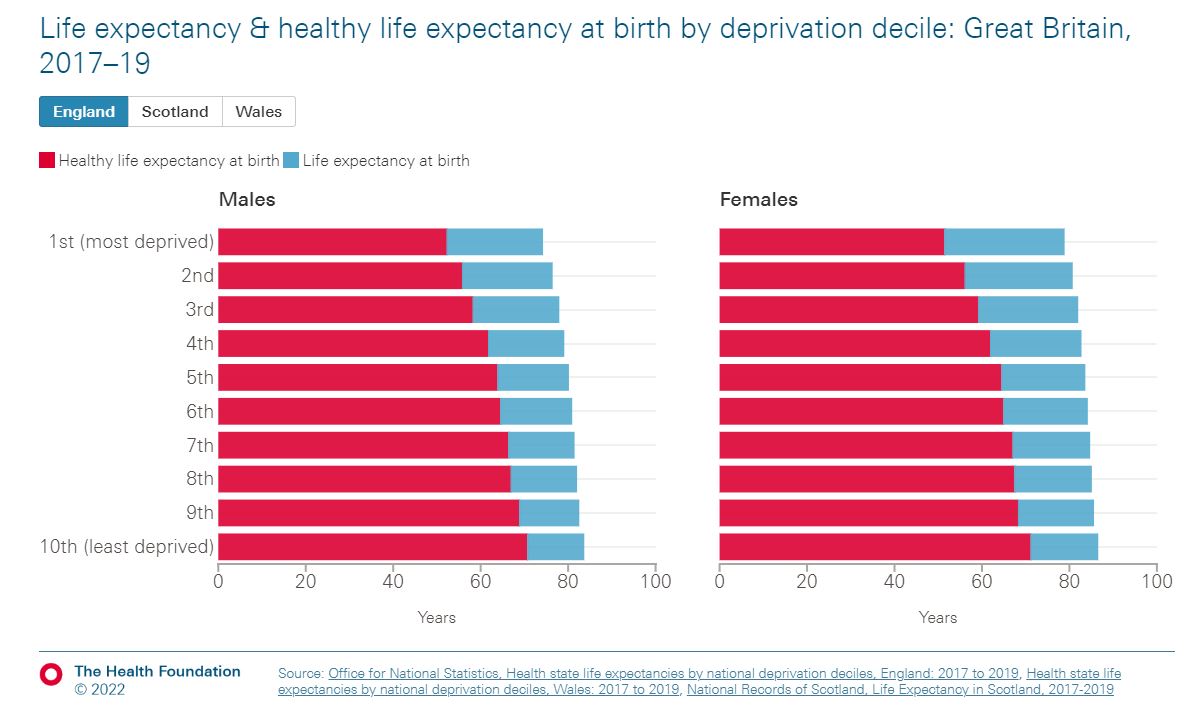
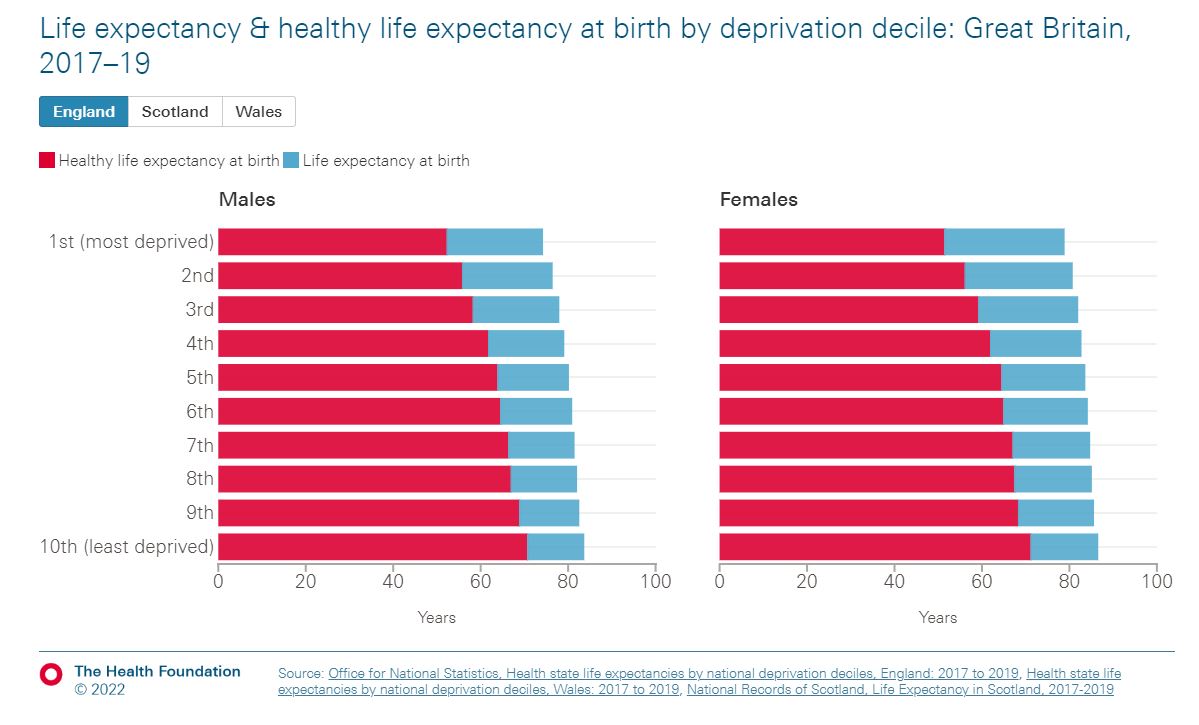
In England, women in the most deprived 10% of local areas are expected to live 51.4 years in good health compared with 71.2 years for women living in the least deprived – a difference of 19.7 years.
Explore our chart 📊⬇️
https://t.co/c6op7Zb0mM
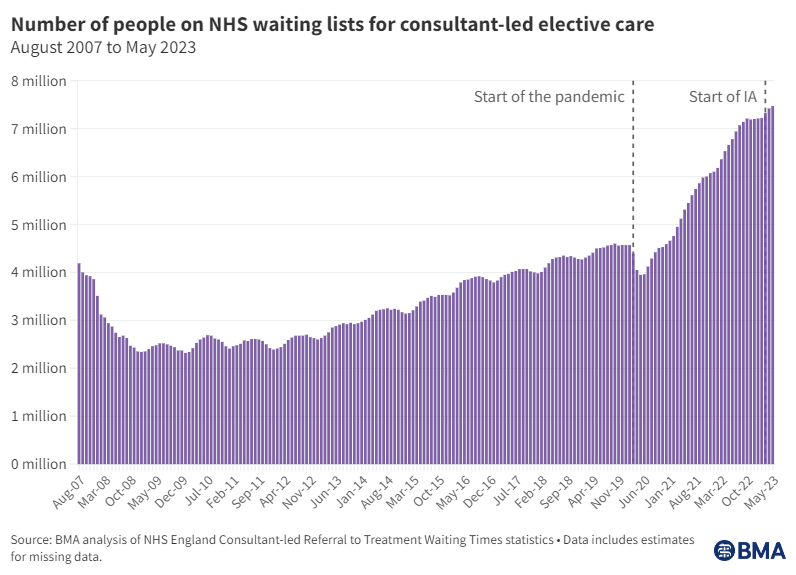
The argument that’s often made for why we need an alternative model to the NHS or radical reform is that the NHS is unsustainable. The latest to make the argument is Sajid Javid. But *is* the NHS unsustainable? A Friday🧵
Is the NHS a bottomless pit into which to throw public money?
An inefficient system in need of drastic reform?
Being privatised through the backdoor?
A short myth-busting article from the King's Fund gives a verdict on the above...
https://t.co/jLtUsH22Cq
#NHS
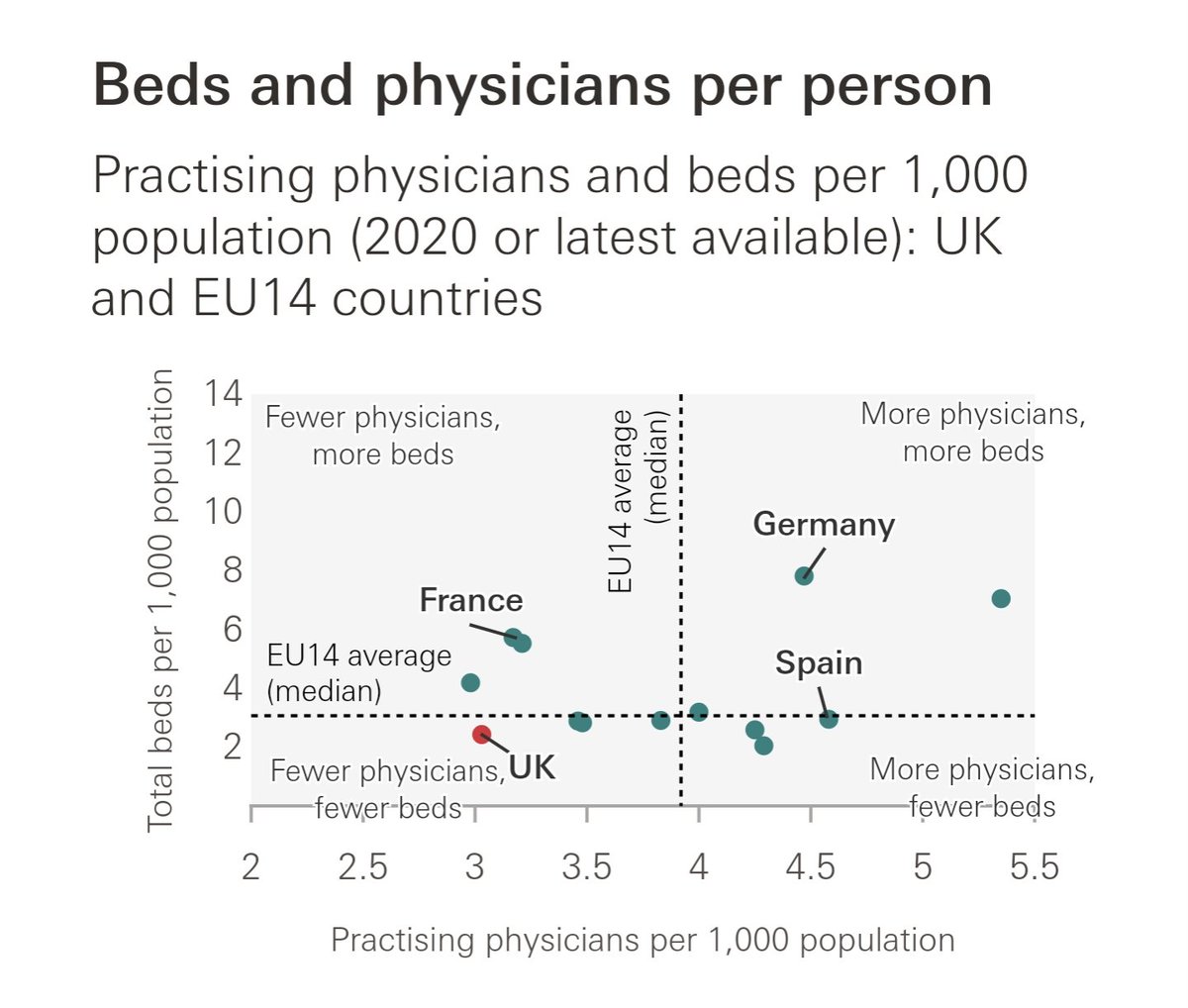
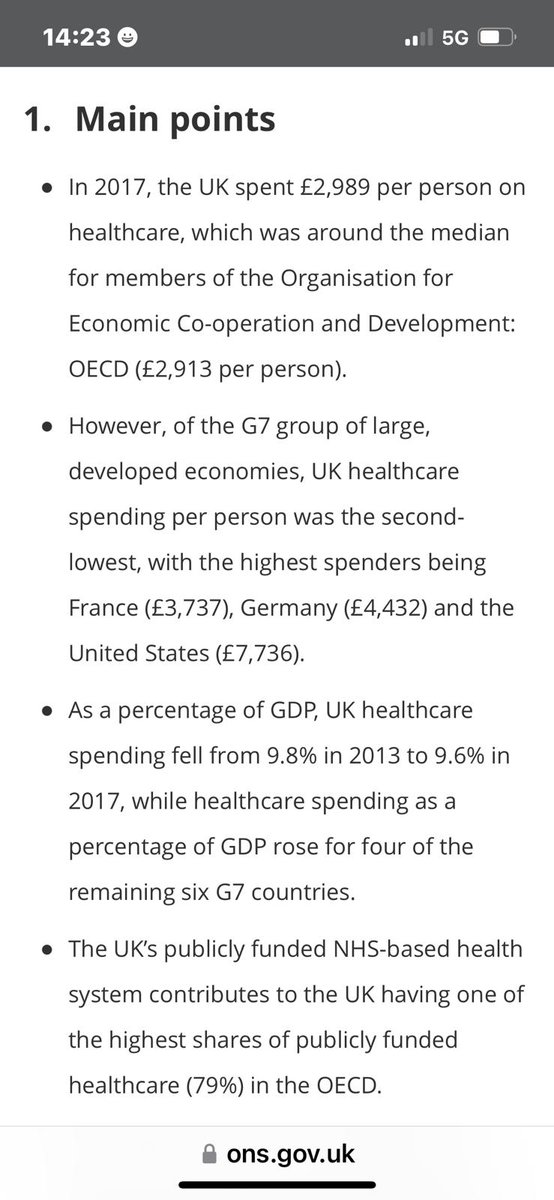
We've got into the detail of long-term healthcare funding - and how decisions since 2010 connect to the severe pressure on the NHS now. And how funding compares with EU members. Produced by Michael Cox, Nicholas Barrett, Mary Fuller, Ellyn Duncan. https://t.co/rgN7wlNSk5
In England, women in the most deprived 10% of local areas are expected to live 51.4 years in good health compared with 71.2 years for women living in the least deprived – a difference of 19.7 years.
Explore our chart 📊⬇️
https://t.co/c6op7Zb0mM
@BrianKemm It's already begun. Age associated healthcare costs will continue to increase and the number of people aged over 85 is set to double over the next 20 years.
How do we pay for the Ferrari healthcare we want, when we only budget for a clapped out Fiat?
There needs to be an honest conversation with the public about the cost of acceptable healthcare
#MedTwitter#NHSinCrisis#NHS
NHS-wide efficiency savings and increased productivity are essential (this has been the refrain for a decade) but it will be impossible to meet the demands of an aging population and ever increasing healthcare costs without some serious and politically painful taxation policies