

Top Tweets for #1890S

Yes, there are many real U.S. patents (and applications) related to weather modification. They date back to the 1890s and cover cloud seeding, fog dispersal, precipitation enhancement, and more speculative ideas involving electromagnetic energy, sound, lasers, or satellites. A patent is a legal claim of invention—it does not prove the technology works at scale, was built/deployed, or is used for “warfare.”
Established and Practical Technology
Cloud seeding is the main real-world application. It has been researched and used for decades (precipitation enhancement, hail suppression, fog dispersal). Examples include:
• Early methods using silver iodide, dry ice, or other agents.
• Modern ones: aerial electrostatic systems that spray charged fluid into clouds (e.g., US 11,116,150 and related/continuation patents involving charged sprays from aircraft for rain enhancement, hail suppression, etc.).
• AI/ML-optimized systems for weather modification programs (recent grants such as intelligent vehicle/ML cloud-seeding approaches).
These produce local, modest effects at best. Operational programs exist in places like the U.S. West, China, UAE, and elsewhere.
Frequently Cited Speculative or Ionospheric Patents
• Bernard Eastlund patents (notably US 4,686,605, 1987, and related ones such as US 4,712,155): Describe using electromagnetic radiation (electron cyclotron resonance heating) to alter regions of the atmosphere, ionosphere, or magnetosphere. The patents mention possible weather modification effects via changes to upper-atmosphere winds or particle plumes acting as lenses. These are the ones most often linked by conspiracy theories to HAARP.
HAARP is a high-frequency ionospheric research facility. Official statements and independent scientists state it studies the ionosphere (high altitudes) and does not control tropospheric weather (where storms form). Effects are limited and scientific, not operational weather control.
• Many other filings propose hurricane/tornado steering or disruption via sound waves, jet afterburners, microwave energy, lasers, or satellites. Several of the more dramatic ones (e.g., certain hurricane-control device applications) were abandoned and never granted or developed into working systems.
Broader Context
• There is a long historical list of weather-related patents (rain-making, fog screens, artificial clouds, smoke generation, etc.) going back to US 462,795 (1891, “Method of Producing Rain-Fall”) and continuing through the 20th and 21st centuries. Compilations of hundreds exist.
• A 1996 U.S. Air Force research paper (“Weather as a Force Multiplier: Owning the Weather in 2025”) explored potential future military applications of weather modification. It is a conceptual study, not evidence of current operational capability.
• The 1977 ENMOD Convention prohibits military or any other hostile use of environmental modification techniques that have widespread, long-lasting, or severe effects.
Bottom Line
Patents for weather modification (especially cloud seeding) are real and public. Claims that they prove ongoing large-scale “weather warfare” controlling hurricanes, floods, fires, or global patterns via directed-energy weapons, HAARP, or similar systems go beyond what the patents and available scientific evidence support. Many dramatic filings were never realized, and the practical technology that exists remains limited and local.
You can search Google Patents or the USPTO site directly for the numbers above (or terms like “weather modification,” “cloud seeding,” “A01G 15/00”) to read the full texts.

Open the bolt. Flip the gate.
That is how a soldier charged the U.S. Krag-Jorgensen magazine. The hinged door sat on the right of the receiver. He could pop it with his right thumb, drop loose .30-40 cartridges in one by one, and shut it again.
Most rivals of the 1890s loaded only from above, and only with the breech open. The Krag let a man refill the five-shot box even while the bolt stayed shut. A cut-off on the left side kept those rounds in reserve so he could still fire as a single loader when doctrine called for it.
Springfield Armory turned out three main rifle patterns: Model 1892 (24,962), Model 1896 (about 82,000), and Model 1898 (about 336,000). The Model 1892 carried its cleaning rod under the barrel. The Model 1896 moved that rod into a butt trap. The Model 1898 revised the bolt-handle seat on the receiver. Collectors still sort survivors by those marks first.
Have you ever refilled a Krag through that side door with the bolt still closed?


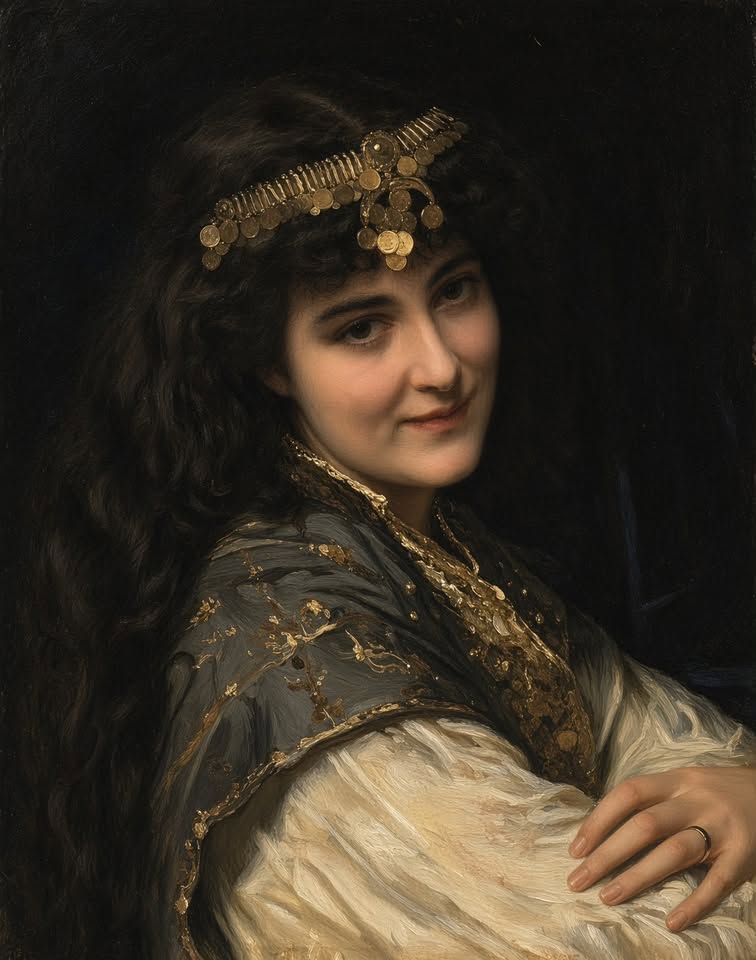
Tito Conti (Italian painter, 1842–1924)
Odalisque, 1890s
Oil on canvas
Private collection #paintings #art

Here's the part that really burns the two-stroke crowd: electric boats and cars have been viable since the freaking 1880s. Gustave Trouvé's electric outboard in 1881. Early EVs racing and winning against gas clunkers in the 1890s. Quiet, clean, reliable tech that got sidelined by Big Oil marketing and cheap fossil fuels.
We've had the solution for 140+ years, yet some of you still act like converting your tender or sailboat is sci-fi heresy. My own SV 9 LIVES runs 100% electric/solar — zero petrochemicals, full fusion-powered living. It works. It’s glorious. Your noise pollution and fumes are a choice, not a necessity.
Slow down. Idle in no-wake zones. Obey the signs. Pack out your trash. Switch to electric. Or keep turning our shared waters into a slaughterhouse and calling it "fun." The fines are steep, the karma steeper, and the ecosystem doesn't do do-overs.
Florida doesn't need more "Florida Man" headlines from boat crashes. It needs captains who respect the water, the wildlife, and the future. The rest of us are tired of breathing your exhaust and mourning the manatees.
What say you, boaters and coastal residents? Time to throttle back or keep flooring it toward the next tragedy? Share your thoughts (and electric conversion stories) below. Let's make the waterways safe again — for humans and* the critters who were here first.*
#FloridaBoating #ProtectOurWaters #ElectricBoats #ManateeLivesMatter #SeagrassSOS #GoSuckATailpipe
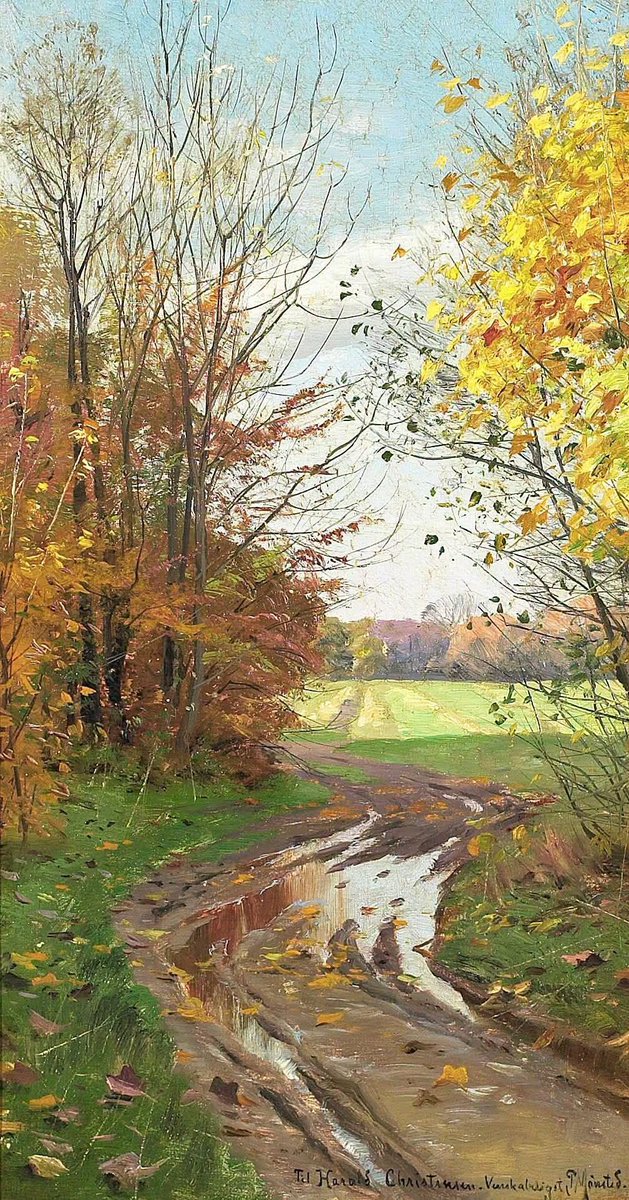
Road through an autumn forest (created in the 1890s) by the renowned Danish landscape painter Peder Mørk Mønsted (1859–1941).#paintings #art

@_Re_UPS @KingTeeJay sunnyside Plantation in Chicot County Arkansas Italians worked along side in the 1890s.
Louisiana Sugar plantation particularly around the Mississippi river.


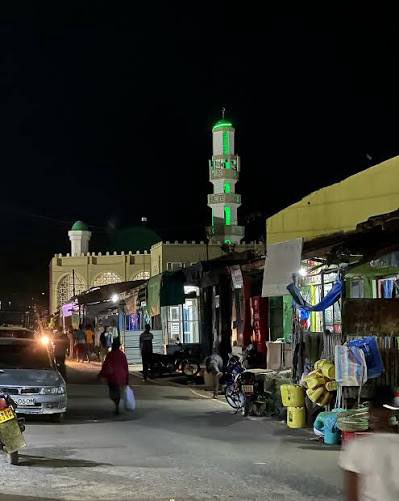
Mombasa or Zanzibar, but it was an inland crossroads connected to a remarkably broad commercial world. The British arrived in Kitui in the 1890s, A permanent Kitui government station was built in 1898. Kitui became an administrative center in 1902. The British built a police

"The First Lesson" / "Grandmother's Glasses" (Première leçon / Les lunettes de grand-mère) , 1890s
Artist: Louis Émile Adan #paintings #art


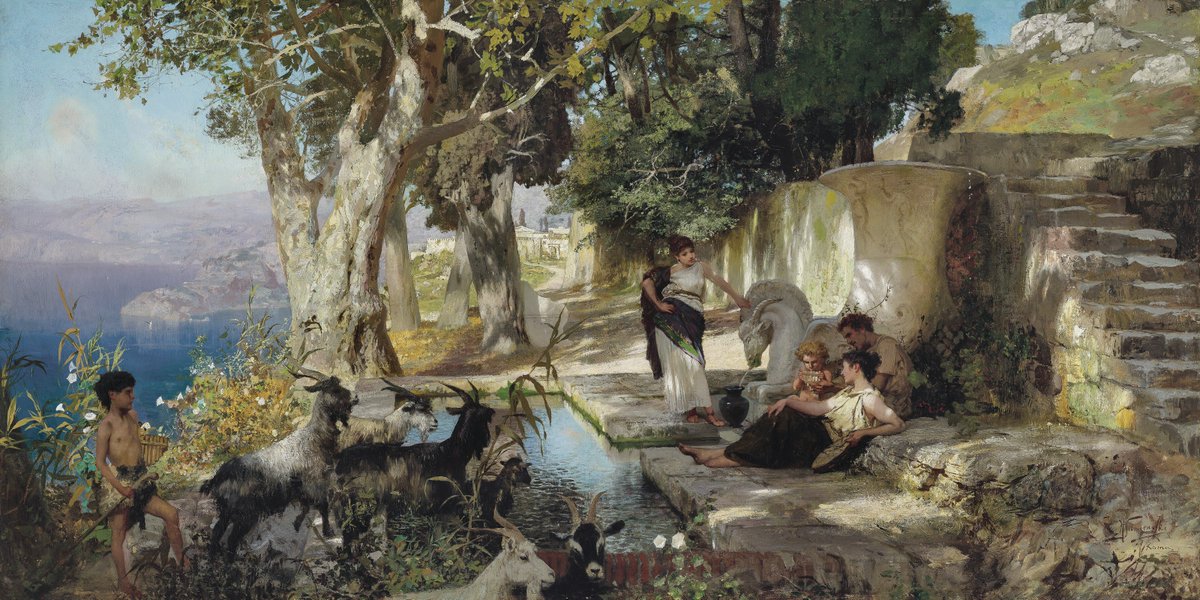
Henryk Siemiradzki – At the Fountain (c. 1890s)
Polish academic master at his most lyrical.
A sun-drenched Roman idyll: young women and a child gather at a stone fountain, goats wander in the shade of plane trees, a boy watches from the left, and the blue sea stretches toward distant hills. Light filters through the leaves, turning the scene into pure Mediterranean warmth and quiet.
Siemiradzki (1843–1902), the great Polish painter who spent most of his career in Rome, specialised in these classical genre scenes — not grand history paintings, but intimate, glowing moments of everyday antiquity. This one (sometimes called “Sunny Afternoon at the Well” or “Wiosenna Sielanka”) shows his characteristic combination of precise drawing, luminous colour, and that soft, almost photographic realism that made him one of the most celebrated artists of his time across Europe.
The version sold at Christie’s in 2020 (with studio involvement) realised $375,000 — proof that these sunny, timeless pastorals still hold their power.
Polish art history at its most elegant.

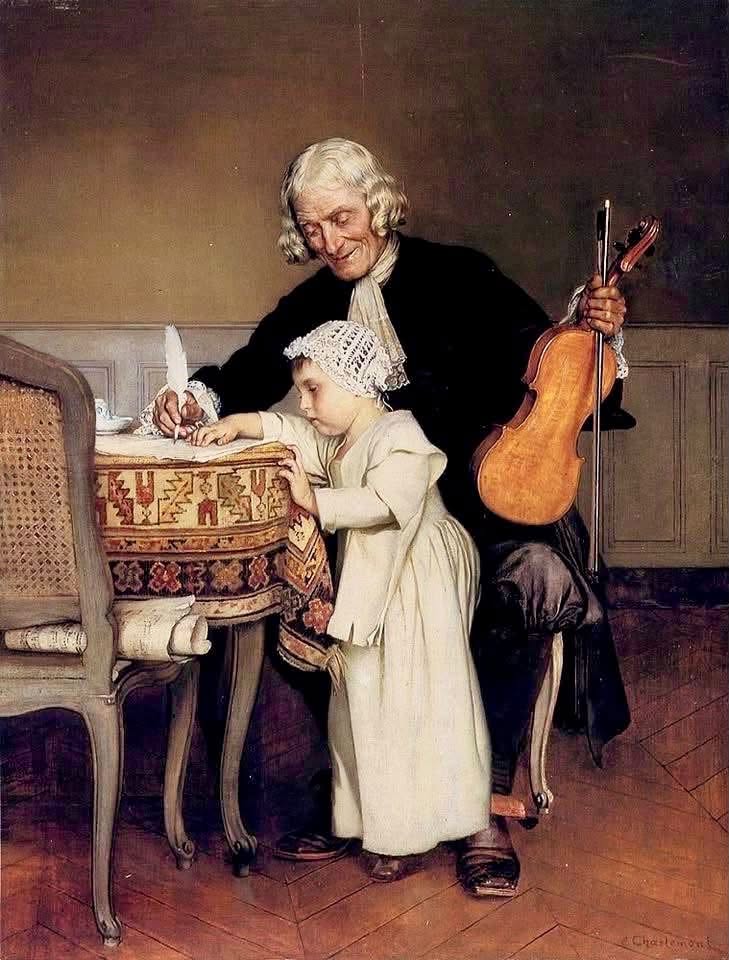
Eduard Charlemont (Austrian painter, 1848–1906)
The Music Lesson, 1890s
oil on panel #paintings #art
diseases then followed, 90% of the cattle died due to rinderpest, the kingdom fully declined and was never able to fully recover & ended in the 1890s. The Germans then arrived, they decided to colonize the region and were in competition for control against the British.



Below is a list of some national, international, global and local observances for July 2, 2026:
World UFO Day is an annual global observance on July 2 promoting public interest in unidentified flying objects and unidentified aerial phenomena while encouraging governments to release related records and fostering discussion about extraterrestrial possibilities. It commemorates the 1947 Roswell incident in New Mexico; intriguingly, although two 1947 events were originally marked—Kenneth Arnold’s June 24 sighting and the Roswell crash—organizers standardized on July 2 to consolidate celebrations into one larger worldwide event rather than split smaller ones.
https://t.co/GC7bxWnUw5
Made in the USA Day encourages consumers to support American manufacturing, jobs, and businesses by choosing domestically produced goods, often highlighted through promotions and patriotic shopping right before Independence Day. Founded in 1989 by Joel Joseph of the Made in the USA Foundation to draw attention to U.S. factories and advocate for clear labeling, it ties consumer choices to economic impact; one intriguing fact is that the Federal Trade Commission’s “all or virtually all” standard for “Made in USA” claims—finalized in the 1990s—protects both workers and buyers while supporting roughly 13 million manufacturing jobs that add over $2 trillion to the economy annually.
https://t.co/LNpD3kFUEy
National Wildland Firefighter Day honors wildland firefighters and support personnel across federal, state, local, tribal, and contract agencies for their often-unseen work protecting lives, property, and natural resources during increasingly intense fire seasons. Established in 2022 by the National Interagency Fire Center’s Fire Management Board and proclaimed with White House acknowledgment, it falls during the annual Week of Remembrance (June 30–July 6); intriguingly, the July 2 date was deliberately chosen within that somber week of reviewing past fatality fires to balance reflection on losses with active appreciation for those still risking everything in the line of duty.
https://t.co/QN5h7w5Zs0
I Forgot Day offers a lighthearted chance to catch up on missed birthdays, anniversaries, or obligations, make amends, and commit to better organization going forward without guilt. Created by Gaye Anderson of DeMotte, Indiana, in the late 1990s or early 2000s after a particularly forgetful period juggling work and family events, she turned personal lapses into a communal day of redemption; one intriguing fact is that Anderson herself cannot recall the exact year she started it—fittingly ironic for a holiday centered on forgetfulness—yet it has spread through word-of-mouth and senior communities as a gentle reminder of human imperfection.
https://t.co/KEDnwUEfKN
National Disco Day celebrates the vibrant music, dance, fashion, and inclusive culture of the disco era through playlists, parties, and nostalgic events. Emerging in the late 1960s and early 1970s from underground clubs in New York City and Philadelphia among Black, Latino, and LGBTQ+ communities blending soul, funk, and Latin influences, it gained global traction including in New Zealand where the observance originated around 2014; one intriguing fact is that the iconic mirror ball—now synonymous with disco—actually dates back to the 1890s but became a defining symbol only in the 1970s, while the genre’s emphasis on recorded music via DJs in discothèques fundamentally shaped modern house, electronic, and dance music.
https://t.co/KEDnwUEfKN
Thirsty Thursday, observed on the first Thursday in July, invites people to unwind midweek with favorite beverages—alcoholic or not—as a fun way to ease into the weekend or simply enjoy summer relaxation. Originating on college campuses as an early kickoff to weekend festivities before spreading globally, its placement as the first Thursday of the month in 2026 aligns it perfectly with peak summer energy; one intriguing fact is that while the concept has informal roots in student life dating back decades, its formal recognition on this specific July timing in holiday calendars transforms a casual weekly habit into a structured seasonal observance that encourages both hydration awareness and social connection.
https://t.co/YwHFGMHXxo
Freedom From Fear of Speaking Day (also known as Freedom From Fear of Public Speaking Day) raises awareness about glossophobia—the common fear of public speaking—and promotes strategies, support, and open conversations to build confidence. Observed annually on July 2 as a global awareness day, it addresses one of humanity’s most widespread anxieties; one intriguing fact is that surveys consistently show this fear affects around 75% of people, often ranking higher than the fear of death itself, highlighting how a day dedicated to destigmatizing it can empower individuals in professional, social, and personal settings.
https://t.co/7kMIYrKKTo
World Sports Journalists Day recognizes the vital role of sports media professionals in informing, entertaining, and shaping global conversations around athletics. Established in 1994 by the International Sports Press Association (AIPS) to mark the organization’s 70th anniversary, it is observed worldwide on July 2; one intriguing fact is that it honors journalists who often work under intense deadlines and travel demands to cover events that unite billions, underscoring how their reporting preserves sporting history and influences fan culture across borders.
https://t.co/shdGK0kgZ4
Special Recreation for the Disabled Day highlights inclusive recreational opportunities, adaptive sports, and activities that enable people with disabilities to participate fully in leisure and community life. Observed annually on July 2 as a U.S. awareness day, it promotes accessibility and celebrates abilities; one intriguing fact is that it emphasizes not just participation but the transformative power of recreation in building confidence, social connections, and physical health for individuals often excluded from traditional activities, fostering broader societal inclusion.
https://t.co/YwHFGMHXxo
National Anisette Day celebrates the anise-flavored liqueur enjoyed in cocktails, desserts, and as a digestif, particularly in Mediterranean and European traditions. Observed on July 2, it spotlights this sweet, aromatic spirit distinct from absinthe; one intriguing fact is that anisette’s high sugar content and lack of wormwood make it smoother and more approachable than many anise spirits, allowing it to feature in everything from classic Italian after-dinner drinks to creative modern mixology while evoking centuries of herbal distillation history.
https://t.co/pvwM8Hdkfx
National Flag and Anthem Day in Curaçao is a public holiday honoring the island’s national flag and anthem as symbols of cultural identity and unity within the Kingdom of the Netherlands. Observed on July 2, it features flag-raising ceremonies and patriotic events; one intriguing fact is that Curaçao’s flag—adopted in 1984—incorporates a distinctive blue field with a yellow stripe and two stars representing the island’s five geographic regions and its ties to both the Caribbean and the Netherlands, making the day a vibrant expression of local pride distinct from broader Dutch observances.
https://t.co/shdGK0kgZ4
Other notable mentions with lower U.S. visibility include various professional or religious observances such as the Jewish fast day of the 17th of Tammuz (commemorating historical breaches of Jerusalem’s walls) that align with July 2 in 2026

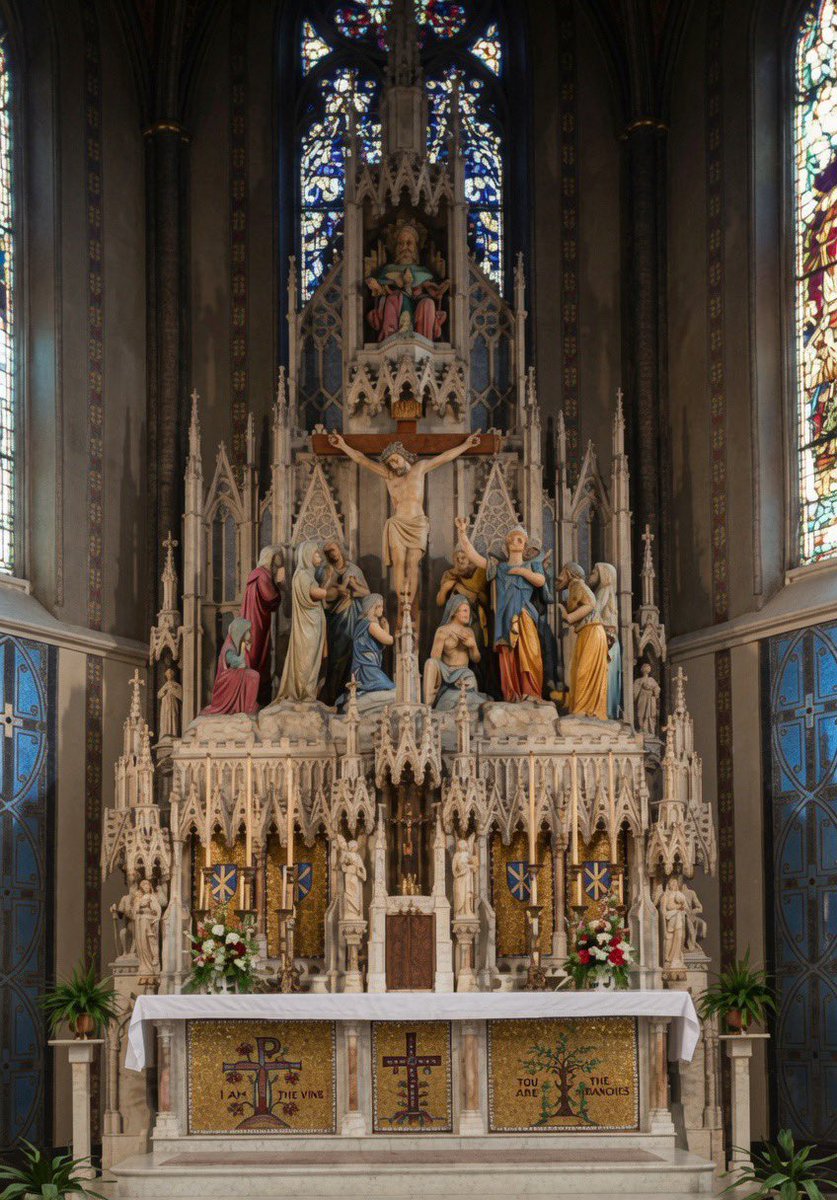
1890s Altar colourised
Below is a list of some national, international, global and local observances for June 19, 2026:
Wear Blue Day, observed the Friday before Father’s Day (June 19, 2026), encourages people to wear blue to support men’s health initiatives focused on regular check-ups, prostate and testicular cancer awareness, mental health, and healthier lifestyles; one thought-provoking fact is that the campaign, created by the Men’s Health Network, deliberately ties visibility efforts to the cultural moment of Father’s Day to reframe traditional masculinity around proactive self-care, highlighting how simple acts like wearing a color can spark conversations that challenge stigma and improve longevity for fathers, sons, and partners.
https://t.co/ZmpoLSA5sz
Juneteenth commemorates the arrival of Union General Gordon Granger’s troops in Galveston, Texas, on June 19, 1865, when General Order No. 3 finally enforced the Emancipation Proclamation and declared the last enslaved people in the Confederacy free—more than two years after Lincoln’s 1863 proclamation and two months after Appomattox—making it one of the oldest continuously celebrated African American holidays; an intriguing fact is that the very first organized Juneteenth gatherings in 1866 featured freed people holding prayer services, barbecues, and feasts with red foods and drinks symbolizing the blood of the enslaved and the joy of freedom, underscoring how the holiday has always blended immediate celebration of emancipation with a profound, ongoing recognition of resilience against the sharecropping, Jim Crow, and civil-rights struggles that followed.
https://t.co/kl9cRtHiFi
Dragon Boat Festival (Duanwu Festival), observed in 2026 on its traditional fifth day of the fifth lunar month, brings communities together for dragon-boat races, zongzi sticky-rice dumplings, and rituals involving mugwort and realgar wine to ward off disease and evil; one deeply researched fact is that the festival originated in remembrance of the loyal poet-official Qu Yuan, who drowned himself in the Miluo River in 278 BCE to protest government corruption, prompting local fishermen to paddle boats frantically in a rescue attempt and hurl rice into the water to distract fish from devouring his body—a story that thought-provokingly links individual moral sacrifice, collective communal action, and the endurance of cultural memory across more than two millennia of evolving traditions now enjoyed worldwide.
https://t.co/p0WudM1Cpo
World Sickle Cell Day raises global awareness of sickle cell disease, a genetic blood disorder that causes red blood cells to become rigid and sickle-shaped, leading to pain crises, organ damage, and reduced life expectancy, with particular impact on populations of African descent; an intriguing fact is that the June 19 date was chosen by the United Nations to spotlight a condition whose highest prevalence overlaps with regions historically affected by the transatlantic slave trade, prompting reflection on how genetics, historical migration patterns, health disparities, and modern medical advances intersect in the lived experiences of millions today.
https://t.co/C5823dgHKY
National Martini Day (also called National Dry Martini Day) celebrates the iconic cocktail made with gin or vodka and dry vermouth, stirred or shaken and garnished with an olive or lemon twist; an intriguing fact is that while the drink’s exact origins are debated (some trace it to 1860s California gold-rush bars or 1890s New York hotels), its cultural staying power stems from mid-20th-century associations with sophistication, espionage, and post-Prohibition liberation, offering a lens into how a simple mixture of spirits became a symbol of American leisure, status, and ritual across generations.
https://t.co/LJrRV9s2Uj
National Garfield the Cat Day honors the lasagna-loving, Monday-hating orange tabby created by Jim Davis, who first appeared in U.S. newspapers on June 19, 1978, and quickly became one of the most widely syndicated comic strips ever; one deeply researched fact is that Davis intentionally designed Garfield as a relatable everyman cat—lazy, sarcastic, and food-obsessed—drawing from his own Midwestern farm upbringing and observations of real feline behavior, resulting in a character whose enduring appeal lies in its honest portrayal of everyday human flaws wrapped in cartoon form, still resonating with readers decades later.
https://t.co/LJrRV9s2Uj
National Flip Flop Day celebrates the simple foam or rubber thong sandals that became quintessential warm-weather footwear for millions of Americans; an intriguing fact is that the modern flip-flop evolved from traditional Japanese zōri sandals adapted during and after World War II, then exploded in popularity in the U.S. as casual, affordable summer wear, thought-provokingly illustrating how global cultural exchange, post-war manufacturing, and shifting ideas of leisure and informality transformed a basic utilitarian item into an enduring symbol of relaxed American summers.
https://t.co/LJrRV9s2Uj
Take a Road Trip Day, observed on the third Friday in June, encourages Americans to hit the highways for spontaneous or planned adventures; one thought-provoking fact is that the day taps into the deep cultural mythology of the American road trip—rooted in post-WWII interstate highway expansion, Beat Generation wanderlust, and family vacation traditions—reminding us how mobility, discovery, and the open road have long represented freedom, escape, and self-reinvention in the national imagination, even as modern concerns about climate and cost add layers of complexity.
https://t.co/7HZUBnGOJI
Ugliest Dog Day draws inspiration from the long-running World’s Ugliest Dog Contest held at the Sonoma-Marin Fair in Petaluma, California, since the 1970s; an intriguing fact is that the contest, originally created to raise funds for a local historical group and later trademarked, deliberately celebrates “imperfect” rescue dogs with unusual appearances or stories, reframing “ugliness” as uniqueness and promoting adoption—thought-provokingly challenging beauty standards while highlighting how every dog, regardless of looks, deserves love and a home.
https://t.co/cY87oTgN9v
National FreeBSD Day recognizes the influential open-source Unix-like operating system whose development traces to a June 19, 1993, milestone in its public release and community growth; one deeply researched fact is that FreeBSD powers critical infrastructure worldwide—including early Netflix streaming services, many web servers, and embedded systems—demonstrating how a volunteer-driven project born from the Berkeley Software Distribution has quietly shaped the invisible backbone of the modern internet and computing, underscoring the profound, often unseen societal impact of collaborative open-source innovation.
https://t.co/LJrRV9s2Uj
International Day for the Elimination of Sexual Violence in Conflict is a United Nations observance addressing the use of sexual violence as a tactic of war and conflict; an intriguing fact is that the day highlights both the horrific scale of these crimes—documented across conflicts from Bosnia to Rwanda to contemporary zones—and the resilience of survivors and advocates pushing for accountability, justice, and prevention, thought-provokingly connecting individual trauma to broader questions of international law, gender, power, and humanity’s capacity for both atrocity and reform.
https://t.co/LJrRV9s2Uj
National Take Back the Lunch Break Day, observed on the third Friday in June, urges workers to step away from desks and actually use their lunch breaks; created by the Tork hygiene company after research showed most employees skip them despite knowing the benefits, one thought-provoking fact is that studies linked to the day reveal taking proper breaks correlates with higher job satisfaction, productivity, and well-being—highlighting how modern always-on work culture erodes basic human needs and how reclaiming small daily rituals can counteract burnout in an era of blurred work-life boundaries.
https://t.co/LJrRV9s2Uj
World Sauntering Day promotes the art of slow, aimless walking without purpose or destination; an intriguing fact is that the day, rooted in appreciation for unhurried movement and mindful presence, contrasts sharply with today’s fast-paced, productivity-obsessed society, thought-provokingly inviting reflection on how deliberate slowness—once a natural part of life—can restore connection to surroundings, reduce stress, and reclaim time as a gift rather than a resource to be optimized.
https://t.co/LJrRV9s2Uj
Find a Leak Day encourages homeowners and property managers to inspect plumbing for drips and hidden leaks; one deeply researched fact is that a single faucet dripping once per second can waste over 3,000 gallons of water annually, illustrating how small, often unnoticed household issues compound into massive collective resource loss and environmental strain, prompting awareness of personal responsibility in water conservation amid growing global scarcity concerns.
https://t.co/LJrRV9s2Uj
International Box Day invites cat owners to place empty cardboard boxes around the house for their pets to explore and hide in; an intriguing fact is that the day celebrates a well-documented feline instinct—rooted in evolutionary needs for secure, enclosed spaces that mimic dens—where boxes provide psychological comfort, stress reduction, and play opportunities, thought-provokingly reminding humans that even domesticated animals retain ancient survival behaviors that simple, low-cost items can honor and support.
https://t.co/LJrRV9s2Uj
National Watch Day honors the craftsmanship, history, and personal significance of timepieces, from antique pocket watches to modern smartwatches; founded by Nordstrom in 2017 to spotlight an industry spanning more than 500 years, one thought-provoking fact is that watches evolved from portable status symbols and precision engineering marvels into everyday accessories and wearable technology, reflecting broader shifts in how societies measure, value, and experience time itself across centuries of innovation and changing lifestyles.
https://t.co/ZmpoLSA5sz
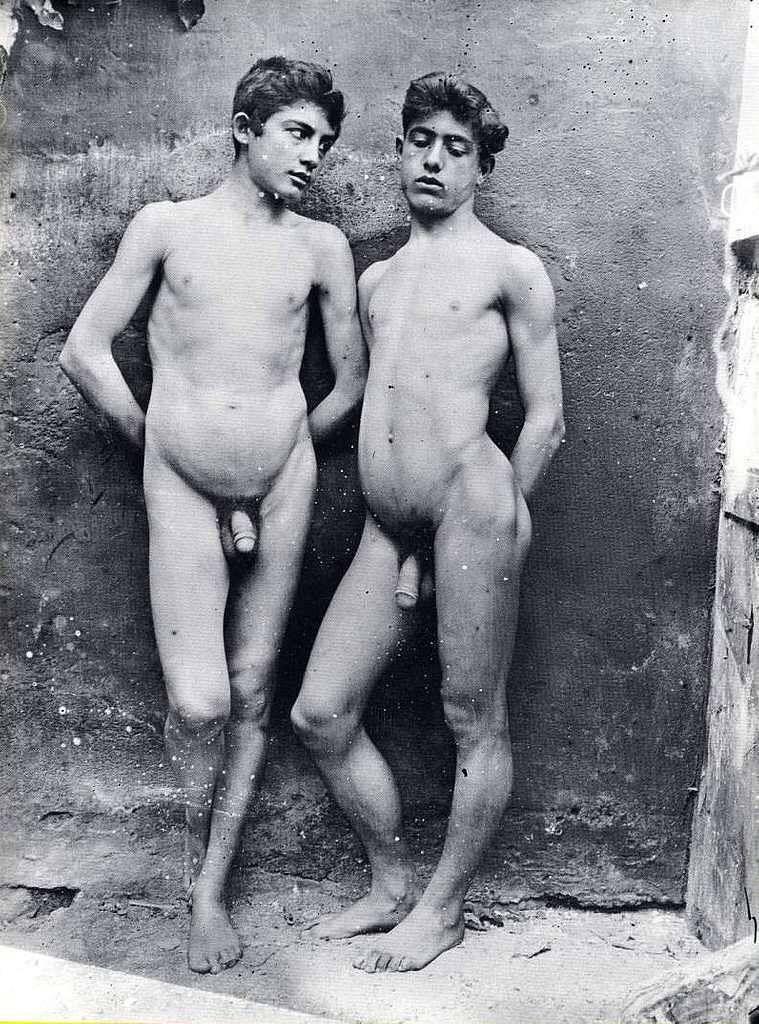
By Von Gloeden 1890s

Cathy Wood(Cathie Wood,ARK Invest CEO)的最新宏观观点高度乐观,核心是AI驱动的生产力爆炸正在重塑美国经济,带来高增长+低/负通胀的“黄金时代”。
她在2026年6月左右的“In The Know”系列和相关访谈中的立场,尤其是在5月就业报告强劲后。
以下是逐点详细分析,结合最新公开数据和背景,提供平衡视角(非投资建议)。
1. 就业报告“超级亮眼”:过去3个月平均每月新增约20万,就业强劲
•事实支持:2026年5月非农就业新增172,000,远超预期(约85k),失业率稳定在4.3%。3月和4月数据向上修正,过去3个月平均接近或超过188k(私人部门贡献显著)。
•Wood观点:这不是滞胀信号,而是生产力驱动的“Boom Trade”重启。市场卖出是误读数据,她认为熊市在看错指标。
•平衡:就业增长稳健但非爆炸式,政府部门贡献部分增量,私人部门有分化。AI自动化可能在未来压低某些就业,但目前整体 resilient。
2. 赤字将大幅回落至GDP 5%以下(AI税收暴增+支出纪律)
•Wood乐观:AI驱动增长带来税收激增,加上财政纪律(可能指特定政策),赤字/GDP可降至5%以下,甚至更低。
•现实数据:CBO预测2026财年赤字约1.9万亿美元,占GDP约5.8%,后续可能升至6%以上,主要因利息支出。68 乐观情景下(更高增长+税收),可能改善,但当前路径未显示快速回落至5%以下。
•分析:AI确实可能提升长期税收(企业利润、工资),但短期赤字压力大(利息、地缘等)。这取决于增长是否如Wood预测的5-8%名义GDP。
3. 通胀已死,真通胀低于2%,官方CPI严重滞后
•Wood核心论点:AI等技术带来结构性通缩,官方CPI滞后于真实价格动态(尤其是住房、科技品)。
•当前数据:2026年4月CPI同比3.8%(高于预期),核心2.8%。能源和住房推动上行,通胀未“死”,但生产力可能在未来压制。
•支持Wood:历史技术革命常伴随通缩压力。她预测通胀可能转负。AI降低单位劳动力成本,支持这一观点。
•风险:能源冲击、地缘、住房滞后效应可能让CPI顽固高于2%。
4. 菲利普斯曲线死亡:AI生产力爆炸,高增长+低失业=通缩而非通胀
•Wood长期立场:传统菲利普斯曲线(低失业推高通胀)失效,AI等平台(AI、机器人等)驱动4-6%生产力增长,实现“Goldilocks”——高增长+低通胀。
•证据:非农生产力已有提升(近期数据2-3%+),AI采用加速。制造业资本开支破纪录,部分归因AI数据中心和重塑。
•平衡:生产力提升真实,但AI短期也推高能源/芯片成本,可能短期通胀压力。许多经济学家认为曲线“平坦化”而非完全死亡。
5. AI资本开支完全合理,不是泡沫;制造业订单破30年纪录,创业爆炸即将来临
•高度支持:大科技AI capex创纪录(单季超1300亿),制造业投资强劲(数据中心、半导体重塑)。订单和设备支出增长显著。
•Wood:这不是泡沫,而是史上最强资本周期起点。消费者AI采用速度是互联网时代的2倍。
•风险:估值高、执行风险(数据中心延误、能耗),但需求驱动下合理性强。
6. 美元强势回归,外国央行抛售美债反而给美股注入流动性
•Wood框架:美元转强,“死亡螺旋”叙事消退。外国抛售美债可能被国内流动性吸收,支持股市。
•背景:美元近期表现与增长/利率预期挂钩。AI繁荣吸引资本流入支持强势。
7. 消费者K型分化:高收入稳健,低收入汽车拖欠近2008水平,但整体在“无住房繁荣”下强劲
•准确:高收入(>12.5万美元)驱动消费增长,低收入面临压力。汽车拖欠(尤其是subprime)达30+年高位,接近或超2008某些指标。8879
•“无住房繁荣”:住房市场分化(买方卖方差距大),但整体消费靠高收入和财富效应支撑。
•含义:经济韧性强,但不均衡,政策需关注底层。
8. SpaceX IPO:本周五重头戏,估值超2万亿,30%面向散户
•最新进展:SpaceX计划2026年6月IPO,目标估值约1.75-2万亿美元($135/股),筹资约750亿,历史上最大IPO之一。零售分配比例高,Musk锁定价格。
•高度关注,符合“超级硬核”描述。
整体框架:进入1890年代式黄金增长期(高增长+通缩+AI革命),主动管理时代回归
•Wood长期乐观:类似于历史技术革命(1890s等),生产力5-7%,名义GDP 6-8%。短期波动是“爬墙”,下跌是买入机会。
•优势:AI多平台融合(AI+机器人+能源等)独特,监管/财政催化可能放大。
•风险与反方:赤字路径、持续通胀压力、AI采用短期颠覆就业/成本、估值泡沫担忧、地缘/政策不确定。生产力“爆炸”尚未完全验证为可持续4-6%。许多预测显示2026增长2-3%左右,通胀2.5%以上。
总结:这是Wood的 bullish 叙事,她一贯看好颠覆性创新,对AI宏观影响特别乐观。数据部分强力支持(就业、capex、K型),部分乐观过头(赤字快速回落、通胀“已死”)。美国经济展现韧性和AI潜力,但分化明显,未来取决于生产力实现速度 vs. 成本/债务压力。
长期看,如果Wood的生产力预测正确,美国可能进入强劲扩张期;短期市场仍面临波动。

🧵 3/? Summer School 2026: Cyrus Thomas – The Architect of the Official Mound Builder Narrative 🔍
Let’s examine Cyrus Thomas (1825–1910), the man who directed the Smithsonian’s Bureau of Ethnology Mound Survey and shaped what most history books still teach about the Mound Builders. Join Our Giant Journey to the Truth! #OurGiantJourney #SummerSchool2026
🔍 Who Was Cyrus Thomas?
Fact: A minister, entomologist, and archaeologist, Thomas was appointed by John Wesley Powell to lead the Division of Mound Exploration in the Bureau of Ethnology (1881–1894).
Newspaper Find: 1894 reports praised his “definitive” work on the mounds.
Theory: Was he chosen because he would deliver the desired institutional conclusion?
Question: Who was Cyrus Thomas? Search “Cyrus Thomas mounds” at [https://t.co/J1PKVZ7FIs] —what do papers reveal? 📰
🐝 What Did Cyrus Thomas Conclude?
Fact: In the massive 1894 Report on the Mound Explorations, Thomas concluded that the mounds were built by the ancestors of modern Native American tribes, not a lost superior race. He examined over 2,000 mounds through his field agents.
Newspaper Find: Contemporary coverage hailed it as ending the Mound Builder debate.
Theory: Did his conclusions conveniently align with post-Darwin (1859) thinking?
Question: What was Thomas’s main conclusion? Try searching 1894 newspapers—what was celebrated? 📖
👀 When Did Thomas Shape the Narrative?
Fact: He oversaw the project from 1881, with the final report published in 1894 — a key period when the Smithsonian centralized control over American archaeology.
Newspaper Find: A 1890 Washington Post article discussed the ongoing survey.
Theory: Could the timing after Darwin’s work have influenced the final interpretation?
Question: When did Thomas publish his conclusions? Check 1880s–1890s reports—what timeline emerges? 📰
📖 Where Did Thomas Focus His Survey?
Fact: Nationwide, with heavy emphasis on the Ohio and Mississippi River valleys — the heart of ancient trade networks (Great Lakes copper to Gulf shells).
Newspaper Find: Reports from 1883–1894 mention fieldwork across multiple states.
Question: Where did Thomas’s influence reach? Search “Bureau of Ethnology mounds” in 1890s newspapers—what regions appear? 👀
📰 Why Was Thomas Chosen to Lead?
Fact: He was seen as a careful scientist who could bring order to the chaotic mound debates of the 19th century.
Newspaper Find: An 1881 announcement noted his appointment.
Theory: Was he selected to help cement the “no giants, no lost civilization” narrative?
Question: Why put Thomas in charge? Dig into 1880s Bureau history—what motives stand out? 📖
🔍 How Did Thomas Control the Findings?
Fact: He relied on field agents like Col. P.W. Norris, collected thousands of artifacts and bones, then interpreted the data in the final report. Many items were stored at the Smithsonian.
Newspaper Find: 1894 articles described the scale of the project.
Theory: Did selective reporting and lost collections help shape what became “official history”?
Question: How did Thomas compile and present the evidence? Search “Thomas mound report” in 1890s newspapers—what methods are described? 📰
🐝 Did Giants Factor Into Thomas’s Work?
Fact: Field reports from his agents (including Norris) mentioned large skeletons, but the final published report minimized or omitted them in favor of “normal variation.”
Theory: Could this reflect institutional pressure to align with the emerging scientific consensus after 1859?
Question: Do discrepancies between field notes and Thomas’s final report suggest a hidden story? Search “giant skeleton” + “Cyrus Thomas” in old newspapers—what’s found? 👀
👀 What Was Thomas’s Role in the Narrative?
Fact: As director, Thomas was the chief architect who turned raw excavation data into the official story still taught today — that Native Americans alone built the mounds.
Newspaper Find: The 1894 report was widely accepted as authoritative.
Theory: Was Thomas the key figure who helped lock in the Smithsonian’s version of history, sidelining alternative evidence and independent researchers?
Question: How did one man’s conclusions become “settled history”? Compare 1880s field excitement to the 1894 conclusions—what changed? 📖
📖 Keep Digging!
The 1894 Bureau Report is essential reading [https://t.co/j4BcIu2mU6].
Primary Sources & Key Links for Further Digging:
Full 1894 Bureau of Ethnology Report: https://t.co/j4BcIu2mU6
Cyrus Thomas Biography (Smithsonian): Searchable via https://t.co/7NxO7BxFMR
Chronicling America: https://t.co/J1PKVZ7FIs
Question: What do you think of Cyrus Thomas’s central role? Does his work show how narratives get cemented? Share your thoughts, finds, or questions below — let’s keep building! Try searching “Cyrus Thomas mounds” — what’s hidden? Save findings offline; truth fades fast. #OurGiantJourney #SummerSchool2026
*Interesting side note: Cyrus Thomas stayed embedded in the Smithsonian/Bureau of American Ethnology system from 1881 until his death in 1910. That’s a 29-year institutional run, which was quite common for key figures shaping official narratives during that era.


A federal appeals court has ruled that Native children buried at the Carlisle Indian Industrial School cemetery must be returned to their tribal nations under federal law.
The decision came after the Winnebago Tribe of Nebraska challenged the U.S. Army’s position that it could rely on its own policies rather than the Native American Graves Protection and Repatriation Act (NAGPRA).
The Fourth Circuit Court of Appeals determined that NAGPRA applies to the Army-controlled cemetery, clearing the way for the return of Native children to their communities in a culturally appropriate manner.
The case involved two Winnebago boys, Samuel Gilbert and Edward Hensley, who died while attending the Carlisle Indian Industrial School in the 1890s.
Founded in 1879, Carlisle was the first federal off-reservation Indian boarding school in the United States. More than 10,000 Native children attended the school, where they were separated from their families, languages, and cultures. More than 180 children died during the school’s operation.
The ruling also strengthens ongoing repatriation efforts. The U.S. Army has announced plans to disinter and return additional children to tribal nations and Alaska Native families beginning later this year.
For many Indigenous families, bringing children home is not only a legal issue—it is an act of healing, dignity, and cultural responsibility.
Do you believe efforts to return Native children from boarding school cemeteries should continue until every family has the opportunity to bring their relatives home?
#Native #IndigenousVoices #Winnebago #NativeHistory #indigenous
Sources:
• U.S. Fourth Circuit Court of Appeals
• Native American Graves Protection and Repatriation Act (NAGPRA)
• Office of Army Cemeteries
• Winnebago Tribe of Nebraska
• Associated Press


Emiru connects almost perfectly to Loie Fuller, a 1890s American performer who revolutionized theater through elaborate handmade silk costumes and custom lighting that completely transformed her appearance on stage.
Fuller didn't just perform, she became a living visual artwork, which is exactly what Emiru does with cosplay and makeup. Fuller was also textbook ISFP: deeply sensory, quietly intense, expressing everything through aesthetics rather than words, and fiercely independent as an artist.
Emiru's reaction: she'd go "omg WAIT" repost it immediately, spend three hours researching Loie Fuller at 2am, and then show up six weeks later with a full Loie Fuller silk costume cosplay that somehow also has LED lighting in it

In the 1890s, ranchers in Nebraska discovered enormous spiral fossils twisting deep into the ground. Scientists were baffled.
Some thought they were giant prehistoric plants. Others believed they were ancient sponges.
Instead, they turned out to be something far stranger.


@RealTalk8386 @EcoFlowTech You know me, I'm happier living in the 1890s, but I'm thinking a solar panel along with that beauty would make sense. 500W is one of the packages. We have plenty of sun here and no solar at all (old roof, couldn't afford it when the roof was young). Does a 500W make sense?

Your nervous system isn’t “tired”.
It’s out of voltage.
In the 1890s they called it Neurasthenia — nerve weakness — exactly when electricity flooded the cities. Today we call it burnout, chronic fatigue, 3 AM cortisol spikes.
Dr. Jerry Tennant proved the physics: a healthy cell runs at −25 mV. Healing needs −50 mV. When stress, EMF and mineral depletion drain that battery, your body starts cannibalising pregnenolone just to keep you upright.
Couch rest in a Wi-Fi house doesn’t recharge you.
You need electrons. You need structured water. You need the right botanicals to rebuild the terrain.
That’s why I formulated the VOLT stack:
🌿 Ashwagandha – normalises cortisol rhythm and restores LH pulsatility so your own glands produce drive again.
📷Rhodiola – activates AMPK, multiplies mitochondrial number and efficiency.
📷 Reishi + Nettle – mineral matrix + deep mycelium that anchors the DC bioelectric system (Becker) while rebuilding EZ-water structure (Pollack).
This isn’t stimulation. This is cellular voltage restoration.
Before the total crash hit you…
What was the first physical signal your body gave? (cold hands, brain fog, waking at 3 AM, HRV drop?)
Reply with it.

Last Seen Hashtags on Sotwe
ContinuedSupport
Seen from United States
eroticlactation
Seen from Pakistan
Säätövoima
Seen from United States
ภาชี
Seen from Thailand
creepshots
Seen from United States
鼻钩
Seen from United States
gacharule34
Seen from France
cderhijab
Seen from Indonesia
momson()*******************************************
Seen from United Kingdom
mbullsupremacy
Seen from Netherlands
Trends for you
Most Popular Users

Elon Musk 
@elonmusk
239.7M followers

Barack Obama
@barackobama
118.6M followers

Cristiano Ronaldo
@cristiano
114.3M followers

Donald J. Trump
@realdonaldtrump
111.7M followers

Narendra Modi
@narendramodi
106.9M followers

Rihanna
@rihanna
98.6M followers

NASA
@nasa
92.1M followers

Justin Bieber
@justinbieber
91.7M followers

KATY PERRY
@katyperry
89.9M followers

Taylor Swift
@taylorswift13
83.9M followers

Lady Gaga
@ladygaga
75.4M followers

Virat Kohli
@imvkohli
73.3M followers

Kim Kardashian
@kimkardashian
70.8M followers

YouTube
@youtube
68.6M followers

Neymar Jr
@neymarjr
66.3M followers

Bill Gates
@billgates
65.1M followers

Selena Gomez
@selenagomez
63M followers

The Ellen Show
@theellenshow
62.1M followers

CNN
@cnn
61.7M followers

X
@x
60.6M followers