Top Tweets for #ARchitEcture
Throwback to the iconic Park Avenue Hotel in New York, which stood from 1901 until its demolition in 1927. #history #architecture #newyork #hotel 🏨🕰️

Stepping back in time at the historic Hotel Rzymski in Poznań, dating all the way back to 1840. 🏨🏛️ #History #Architecture #Poznań

Taking a step back in time with this stunning 1900 archival postcard of the Five-Story Light Court inside The Arcade in Cleveland, Ohio. #history #architecture #postcard #cleveland 🏛️✨🕰️

Stepping back in time with this glimpse of the historic Logenhaus in Hamburg, dating back to the 18th century as seen here around 1905. #History #Hamburg #Architecture #Germany 🏛️🕰️🇩🇪

A glimpse into history: Wieland’s Villa in Ulm, Germany, as it stood in 1892 before being destroyed in World War II. #History #Ulm #Architecture #Germany 🏛️📜🇩🇪

Taking a trip back in time to the beautiful Villa Siegle in Stuttgart, Baden-Württemberg, Germany, which stood from 1913 until it was sadly destroyed during World War II. 🏛️📜🇩🇪 #VillaSiegle #Stuttgart #History #Architecture #Germany

Exploring the history of Castle Slawentzitz, an 18th-century gem tragically destroyed by the Red Army during World War II. #Castle #History #Architecture #War 🏰🥀

🏗️ Exciting news for Vilnius! A new business stadium is set to transform the city’s landscape.
Check out the details here: https://t.co/nh9ETDcclH
#Vilnius #Architecture #UrbanDevelopment

The St Andrew's Ambulance Association/Scottish Ambulance Service building on Milton Street in the Cowcaddens area of Glasgow. Built in the late 1960s it was designed by Skinner, Bailey and Lubetkin, followed by Bailey and Robb.
Cont./
#glasgow #architecture #modernmovement

From residential extensions to large-scale commercial developments, @HSSP_Architects works closely with clients to transform ideas into exceptional spaces that are both practical and inspiring.
#architecture #residential #commercial #developments

🌐 Untuk informasi lebih lanjut, kunjungi website resmi kami di https://t.co/nEGEOwe3YU dan ikuti terus informasi terbaru dari IndoBuildTech 2026!
#IndoBuildTech #IndoBuildTech2026 #IBTPart2 #BuildingMaterials #Architecture #InteriorDesign #Construction #BuildingIndustry
lass partitions can divide an office while keeping sightlines open. Plan daylight, walking routes, privacy and measurements before choosing a system. Explore SAMRAT’s Premium Series Slim Profile Glass Systems:
https://t.co/BarA5CYjad
#Architecture
📚INSPIRELI EDUCATION JURY FEEDBACK
Read more: https://t.co/b41wC40aq8
• Advisor: Omar Harb
• Student: Marek Malček, Laura Kubeková, Pavol Sabadka
• Project: Another place
#architecture
#inspireliawards
#amazingarchitecture
#architecturestudent #architecturestudents

📚INSPIRELI EDUCATION JURY FEEDBACK
Read more: https://t.co/b41wC40IfG
• Advisor: Omar Harb
• Student: Polina Aristova, Ekaterina Belyavchina
• Project: REVITALIZATION OF THE TOBACCO FACTORY
#architecture
#inspireliawards
#amazingarchitecture
#architecturestudent

(1/10) On 11 November, Civic Exchange brought together partners in #ecology, #engineering, landscape #architecture, climate #science, monitoring, #education and #finance for a joint site visit exploring forest #restoration and urban mini-forests.

📚INSPIRELI EDUCATION JURY FEEDBACK
Read more: https://t.co/5XCPlCaYi3
• Advisor: Omar Harb
• Student: Dufková Kateřina, Bc.
• Project: AVIA LETŇANY
#architecture
#inspireliawards
#amazingarchitecture

Adaptive reuse and expansion of the air-raid shelter at the Former Synthetic Petrol Plant by Dawid Kosovets
Read more: https://t.co/o6yasxQEqW
#architecture #inspireliawards #amazingarchitecture #architecturestudent #architecturecomoetition

Lady Whistledown's Society Papers by Fabiola Muñoz Gómez
Read more: https://t.co/o6yasxRcgu
#architecture #inspireliawards #amazingarchitecture #architecturestudent #architecturecomoetition

Un documentaire sur @ARTEfr nous plonge dans les #architecture-s visionnaires de #VictorHorta https://t.co/Llcmm7QtK0 via @BeauxArts_mag #art #artnouveau #histoire #tv
Community mental health campus for victims of domestic violence by Thang Le Dinh
Read more: https://t.co/TjzjJHm1kA
#architecture #inspireliawards #amazingarchitecture #architecturestudent #architecturecomoetition

Management oversees people development, priorities, resources, and delivery, while Staff Engineers provide technical expertise for architecture, engineering practices, and long-term direction.
Read more 👉 https://t.co/Y1o1cTdaGX
#Architecture #Engineer #SoftwareEngineering

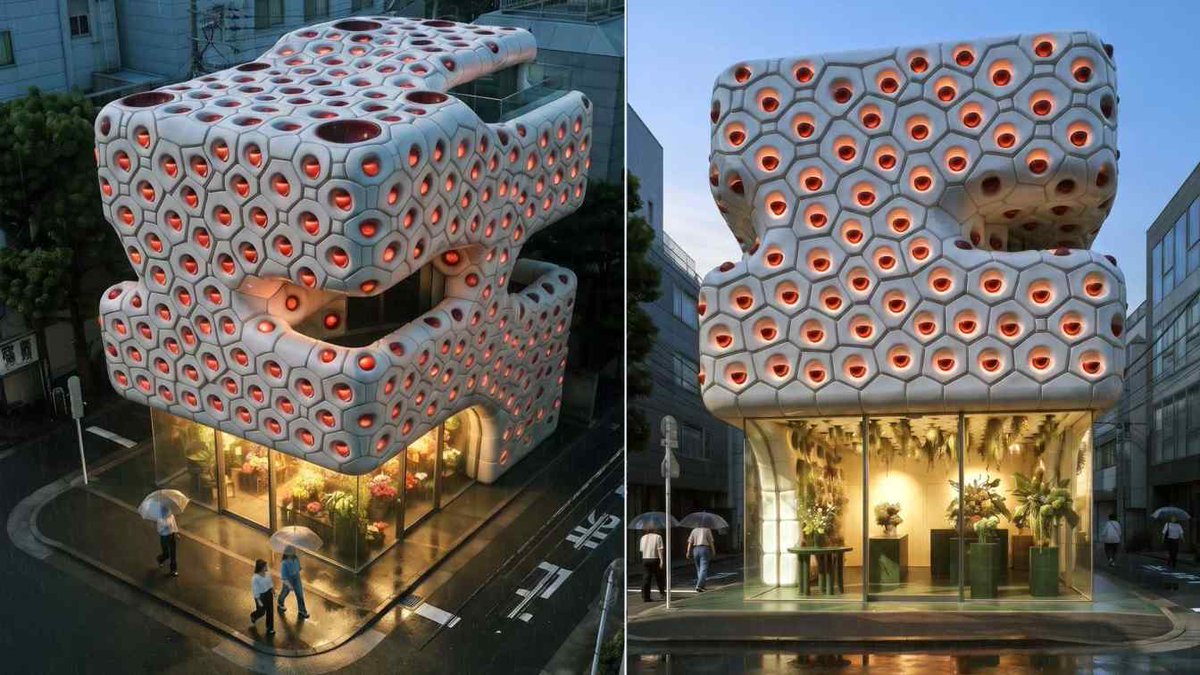
Flora - Canopy Building, Tokyo, Japan by Risheh ArchStudio
Read more: https://t.co/LzGGryeQTE
Tools used: Midjourney Al, Gemini Al, Photoshop, Aftereffect
#architecture #house #fashion #homedecor #amazingarchitecture #interiordesign #contemporaryhome #modern #residence #designer

Healthy Interiors: Using the WELL Building Standard to Design Commercial Spaces of the Future, Online, December 8, 12pm ET https://t.co/n6q9k4vCM6 @GreenCEInc #health #wellness #commercial #interiordesign #building #construction #architecture #buildingmaterials #greenbuilding

Tropical senior living at the award-winning Pendana Senior Residences at West Lakes
#jhparch #architecture #urbandesign #awardwinning #seniorliving #seniorhousing #Pendana #OrlandoFL

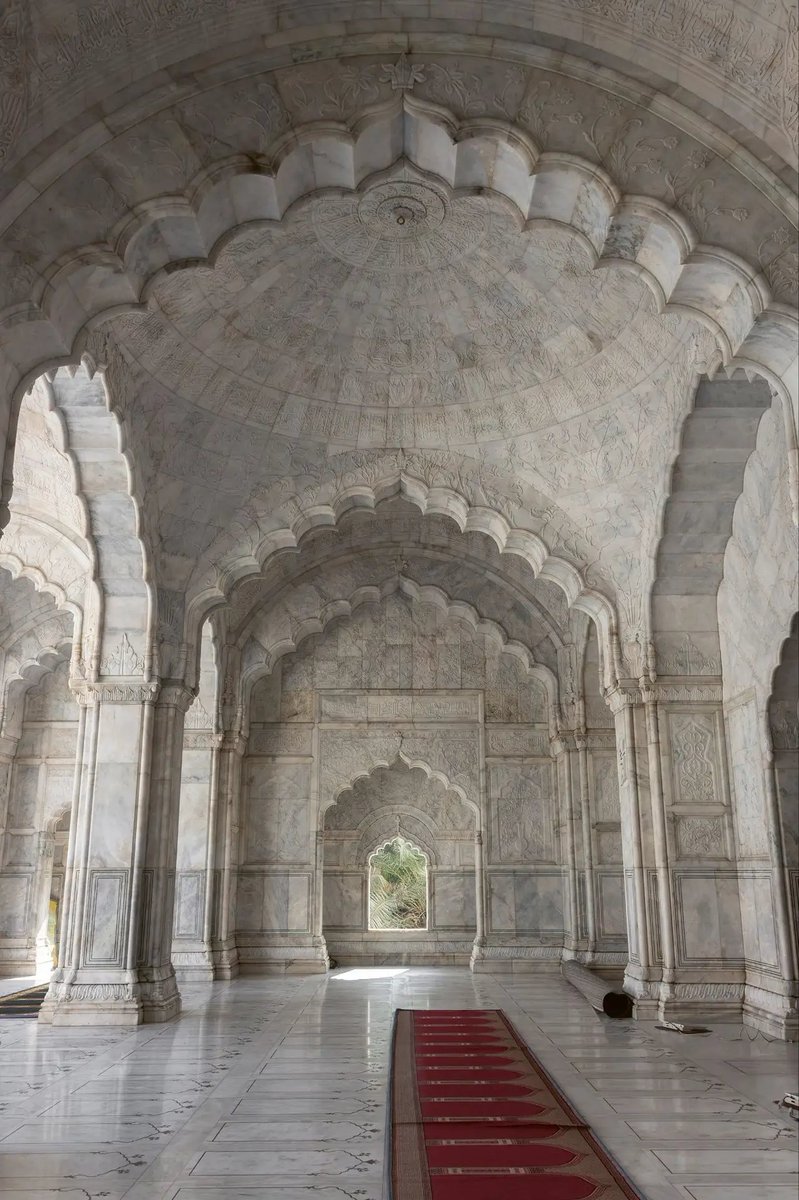
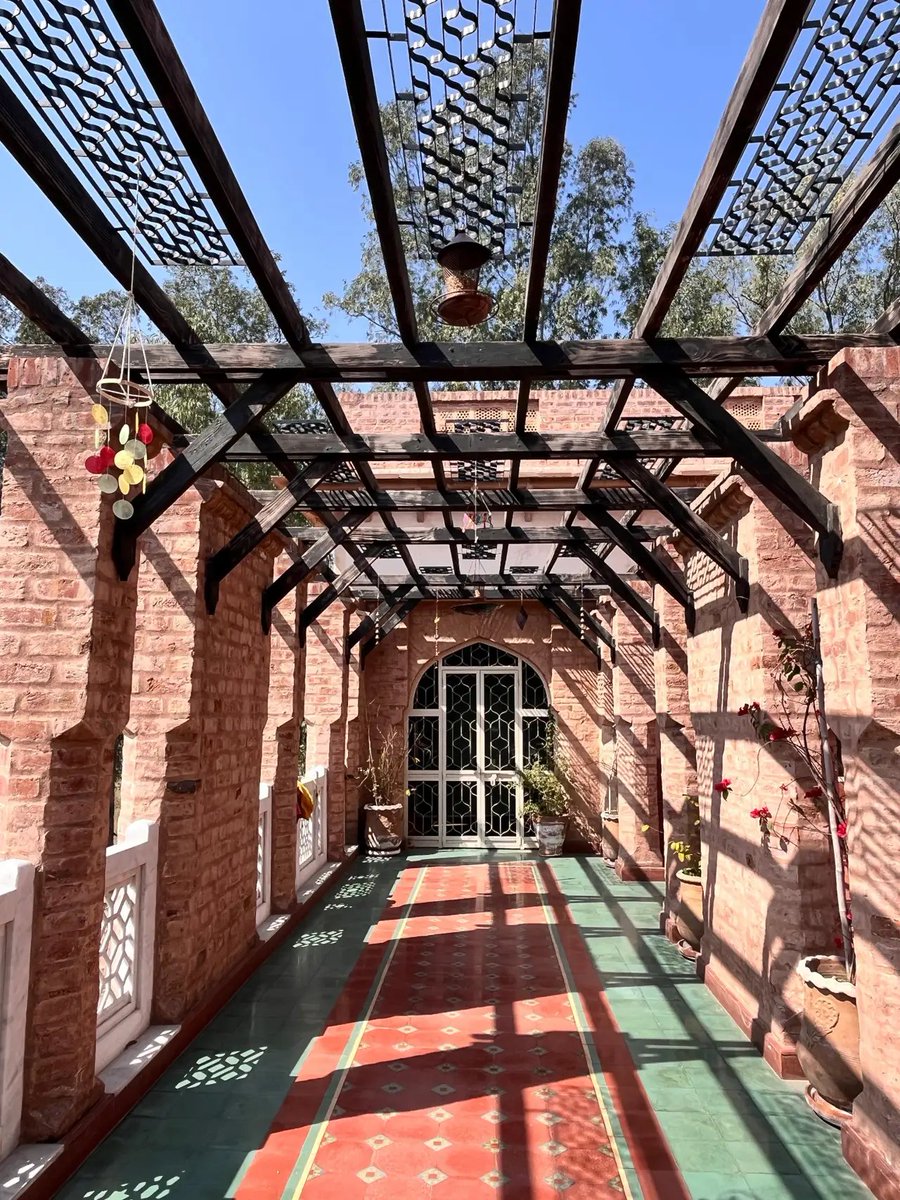
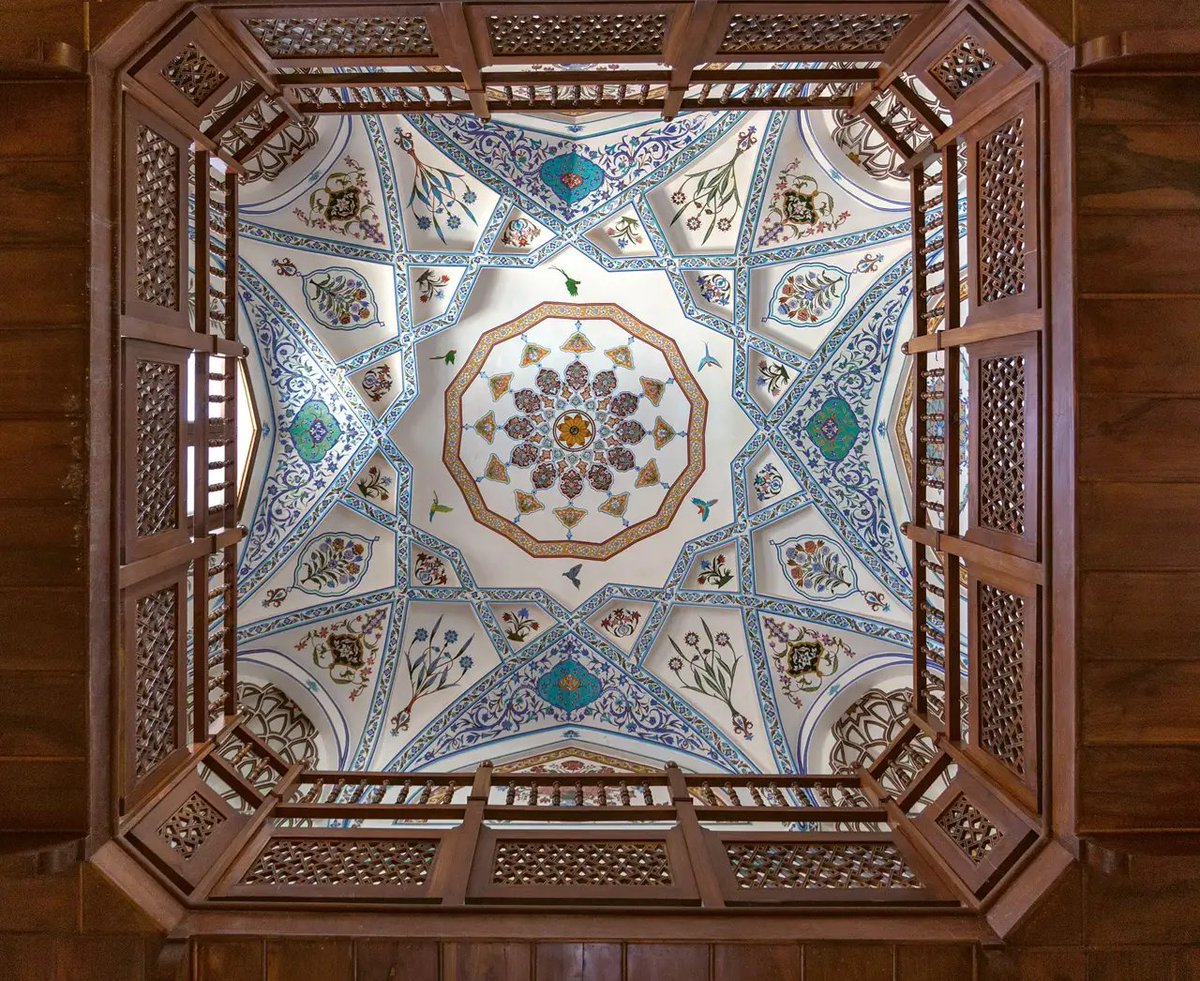
Kamil Khan Mumtaz is an outstanding architect and a remarkably original thinker in his own right. #architecture
Buildings by the contemporary Pakistani architect Kamil Khan Mumtaz. When my colleague Ben first sent me some grainy pictures of Mumutaz’s work five years ago, I wondered if he might be the best architect in the world. But I couldn’t find any other images of his work.
https://t.co/8RkAdoyDWn
Then last year, I met Mumtaz’s assistant Sohaib Ahmed at a conference. I implored Sohaib to send us more pictures, and with Mutmaz’s support, he prepared a portfolio. Very few of these images have ever been seen before outside Pakistan.
Mumtaz was educated at the Architectural Association in London in the 1960s. After returning to Pakistan, he initially worked as a modernist, though one with a special interest in local context. But he was haunted by a ‘growing, nagging fear that I wasn’t communicating with my audience’. In 1980, he adopted a radically different approach, working to revive Pakistan’s own architectural traditions. He has continued ever since, and in Pakistan his work has been received with warmth and admiration.
Traditional architecture often suffers from shortages of skilled craftspeople. This is also a problem in Pakistan, but less so, because later industrialisation meant that the last premodern traditions were still persisting when Mumtaz started work. ‘Immediately, [I came] into contact with very small remnants of these families, hereditary craftsmen’, Mumtaz remembered in an interview with the historian Chris Moffat.
Mumtaz’s practice has both drawn on these traditions and supported their development, so that it now features a standard of craftsmanship that virtually no Western work today can match.
We are proud that Mumtaz has allowed Works in Progress to showcase his work.
![SCP_Hughes's tweet photo. Buildings by the contemporary Pakistani architect Kamil Khan Mumtaz. When my colleague Ben first sent me some grainy pictures of Mumutaz’s work five years ago, I wondered if he might be the best architect in the world. But I couldn’t find any other images of his work.
https://t.co/8RkAdoyDWn
Then last year, I met Mumtaz’s assistant Sohaib Ahmed at a conference. I implored Sohaib to send us more pictures, and with Mutmaz’s support, he prepared a portfolio. Very few of these images have ever been seen before outside Pakistan.
Mumtaz was educated at the Architectural Association in London in the 1960s. After returning to Pakistan, he initially worked as a modernist, though one with a special interest in local context. But he was haunted by a ‘growing, nagging fear that I wasn’t communicating with my audience’. In 1980, he adopted a radically different approach, working to revive Pakistan’s own architectural traditions. He has continued ever since, and in Pakistan his work has been received with warmth and admiration.
Traditional architecture often suffers from shortages of skilled craftspeople. This is also a problem in Pakistan, but less so, because later industrialisation meant that the last premodern traditions were still persisting when Mumtaz started work. ‘Immediately, [I came] into contact with very small remnants of these families, hereditary craftsmen’, Mumtaz remembered in an interview with the historian Chris Moffat.
Mumtaz’s practice has both drawn on these traditions and supported their development, so that it now features a standard of craftsmanship that virtually no Western work today can match.
We are proud that Mumtaz has allowed Works in Progress to showcase his work.](https://pbs.twimg.com/media/HX-gXmVXQAAqAzD.jpg)
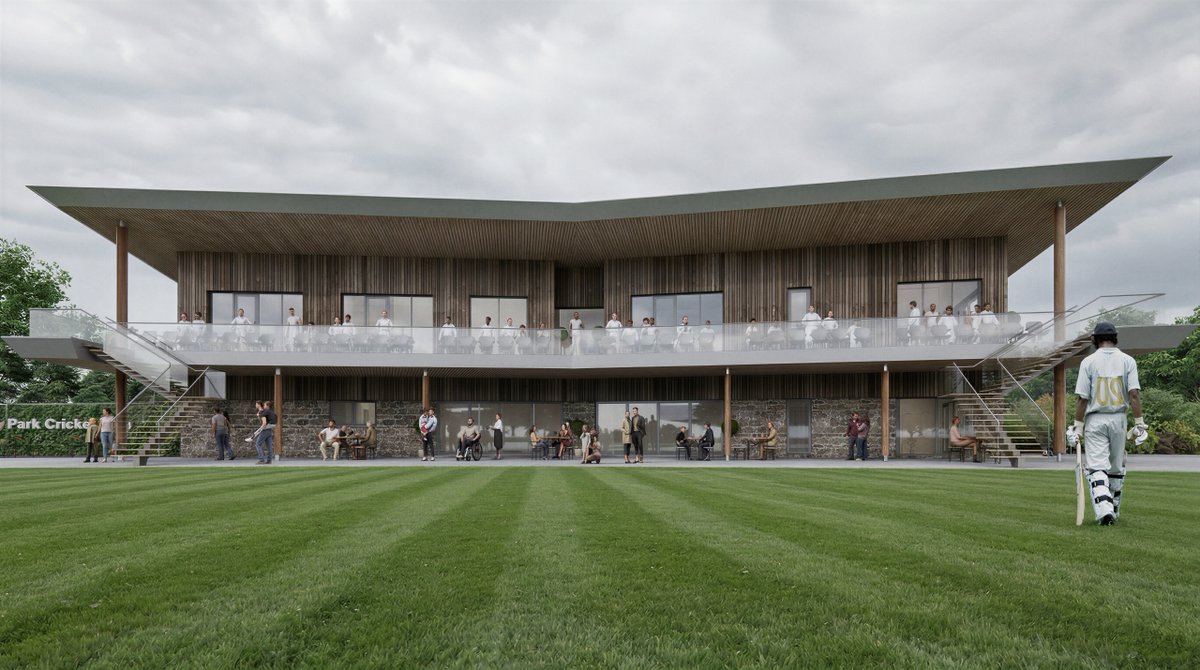
When it comes to the Planning stage, @HSSP_Architects will coordinate the drawings, statements and surveys required to ensure that your application is presented in the best possible light.
#architecture #planning #design
I absolutely love this sculpted nameplate on Baltic Chambers on Wellington Street in Glasgow. It was built in 1897 in the Free Clasaical Style from a design by Duncan McNaughtan.
#glasgow #artnouveau #balticchambers #architecture #nameplate #architecturephotography

The People's Palace and Winter Gardens on Glasgow Green. Designed by A.B. McDonald, both were built in the 1890s.
Cont./
#glasgow #architecture #architecturephotography #glasgowgreen #peoplespalace

Most Popular Users

Elon Musk 
@elonmusk
239.8M followers

Barack Obama 
@barackobama
118.6M followers

Cristiano Ronaldo 
@cristiano
114.3M followers

Donald J. Trump 
@realdonaldtrump
111.7M followers

Narendra Modi 
@narendramodi
106.9M followers

Rihanna 
@rihanna
98.6M followers

NASA 
@nasa
92.1M followers

Justin Bieber 
@justinbieber
91.7M followers

KATY PERRY 
@katyperry
89.9M followers

Taylor Swift 
@taylorswift13
83.9M followers

Lady Gaga 
@ladygaga
75.4M followers

Virat Kohli 
@imvkohli
73.3M followers

Kim Kardashian 
@kimkardashian
70.8M followers

YouTube 
@youtube
68.6M followers

Neymar Jr 
@neymarjr
66.3M followers

Bill Gates 
@billgates
65.1M followers

Selena Gomez 
@selenagomez
63M followers

The Ellen Show
@theellenshow
62.1M followers

CNN 
@cnn
61.7M followers

X 
@x
60.6M followers


![SCP_Hughes's tweet photo. Buildings by the contemporary Pakistani architect Kamil Khan Mumtaz. When my colleague Ben first sent me some grainy pictures of Mumutaz’s work five years ago, I wondered if he might be the best architect in the world. But I couldn’t find any other images of his work.
https://t.co/8RkAdoyDWn
Then last year, I met Mumtaz’s assistant Sohaib Ahmed at a conference. I implored Sohaib to send us more pictures, and with Mutmaz’s support, he prepared a portfolio. Very few of these images have ever been seen before outside Pakistan.
Mumtaz was educated at the Architectural Association in London in the 1960s. After returning to Pakistan, he initially worked as a modernist, though one with a special interest in local context. But he was haunted by a ‘growing, nagging fear that I wasn’t communicating with my audience’. In 1980, he adopted a radically different approach, working to revive Pakistan’s own architectural traditions. He has continued ever since, and in Pakistan his work has been received with warmth and admiration.
Traditional architecture often suffers from shortages of skilled craftspeople. This is also a problem in Pakistan, but less so, because later industrialisation meant that the last premodern traditions were still persisting when Mumtaz started work. ‘Immediately, [I came] into contact with very small remnants of these families, hereditary craftsmen’, Mumtaz remembered in an interview with the historian Chris Moffat.
Mumtaz’s practice has both drawn on these traditions and supported their development, so that it now features a standard of craftsmanship that virtually no Western work today can match.
We are proud that Mumtaz has allowed Works in Progress to showcase his work.](https://pbs.twimg.com/media/HX-gWS-WIAAShfN.jpg)
![SCP_Hughes's tweet photo. Buildings by the contemporary Pakistani architect Kamil Khan Mumtaz. When my colleague Ben first sent me some grainy pictures of Mumutaz’s work five years ago, I wondered if he might be the best architect in the world. But I couldn’t find any other images of his work.
https://t.co/8RkAdoyDWn
Then last year, I met Mumtaz’s assistant Sohaib Ahmed at a conference. I implored Sohaib to send us more pictures, and with Mutmaz’s support, he prepared a portfolio. Very few of these images have ever been seen before outside Pakistan.
Mumtaz was educated at the Architectural Association in London in the 1960s. After returning to Pakistan, he initially worked as a modernist, though one with a special interest in local context. But he was haunted by a ‘growing, nagging fear that I wasn’t communicating with my audience’. In 1980, he adopted a radically different approach, working to revive Pakistan’s own architectural traditions. He has continued ever since, and in Pakistan his work has been received with warmth and admiration.
Traditional architecture often suffers from shortages of skilled craftspeople. This is also a problem in Pakistan, but less so, because later industrialisation meant that the last premodern traditions were still persisting when Mumtaz started work. ‘Immediately, [I came] into contact with very small remnants of these families, hereditary craftsmen’, Mumtaz remembered in an interview with the historian Chris Moffat.
Mumtaz’s practice has both drawn on these traditions and supported their development, so that it now features a standard of craftsmanship that virtually no Western work today can match.
We are proud that Mumtaz has allowed Works in Progress to showcase his work.](https://pbs.twimg.com/media/HX-gQNyXAAA7jaK.jpg)
![SCP_Hughes's tweet photo. Buildings by the contemporary Pakistani architect Kamil Khan Mumtaz. When my colleague Ben first sent me some grainy pictures of Mumutaz’s work five years ago, I wondered if he might be the best architect in the world. But I couldn’t find any other images of his work.
https://t.co/8RkAdoyDWn
Then last year, I met Mumtaz’s assistant Sohaib Ahmed at a conference. I implored Sohaib to send us more pictures, and with Mutmaz’s support, he prepared a portfolio. Very few of these images have ever been seen before outside Pakistan.
Mumtaz was educated at the Architectural Association in London in the 1960s. After returning to Pakistan, he initially worked as a modernist, though one with a special interest in local context. But he was haunted by a ‘growing, nagging fear that I wasn’t communicating with my audience’. In 1980, he adopted a radically different approach, working to revive Pakistan’s own architectural traditions. He has continued ever since, and in Pakistan his work has been received with warmth and admiration.
Traditional architecture often suffers from shortages of skilled craftspeople. This is also a problem in Pakistan, but less so, because later industrialisation meant that the last premodern traditions were still persisting when Mumtaz started work. ‘Immediately, [I came] into contact with very small remnants of these families, hereditary craftsmen’, Mumtaz remembered in an interview with the historian Chris Moffat.
Mumtaz’s practice has both drawn on these traditions and supported their development, so that it now features a standard of craftsmanship that virtually no Western work today can match.
We are proud that Mumtaz has allowed Works in Progress to showcase his work.](https://pbs.twimg.com/media/HX-gOQjW4AAGEhZ.jpg)
![SCP_Hughes's tweet photo. Buildings by the contemporary Pakistani architect Kamil Khan Mumtaz. When my colleague Ben first sent me some grainy pictures of Mumutaz’s work five years ago, I wondered if he might be the best architect in the world. But I couldn’t find any other images of his work.
https://t.co/8RkAdoyDWn
Then last year, I met Mumtaz’s assistant Sohaib Ahmed at a conference. I implored Sohaib to send us more pictures, and with Mutmaz’s support, he prepared a portfolio. Very few of these images have ever been seen before outside Pakistan.
Mumtaz was educated at the Architectural Association in London in the 1960s. After returning to Pakistan, he initially worked as a modernist, though one with a special interest in local context. But he was haunted by a ‘growing, nagging fear that I wasn’t communicating with my audience’. In 1980, he adopted a radically different approach, working to revive Pakistan’s own architectural traditions. He has continued ever since, and in Pakistan his work has been received with warmth and admiration.
Traditional architecture often suffers from shortages of skilled craftspeople. This is also a problem in Pakistan, but less so, because later industrialisation meant that the last premodern traditions were still persisting when Mumtaz started work. ‘Immediately, [I came] into contact with very small remnants of these families, hereditary craftsmen’, Mumtaz remembered in an interview with the historian Chris Moffat.
Mumtaz’s practice has both drawn on these traditions and supported their development, so that it now features a standard of craftsmanship that virtually no Western work today can match.
We are proud that Mumtaz has allowed Works in Progress to showcase his work.](https://pbs.twimg.com/media/HX-gJKyXAAAHOsk.jpg)
![SCP_Hughes's tweet photo. Buildings by the contemporary Pakistani architect Kamil Khan Mumtaz. When my colleague Ben first sent me some grainy pictures of Mumutaz’s work five years ago, I wondered if he might be the best architect in the world. But I couldn’t find any other images of his work.
https://t.co/8RkAdoyDWn
Then last year, I met Mumtaz’s assistant Sohaib Ahmed at a conference. I implored Sohaib to send us more pictures, and with Mutmaz’s support, he prepared a portfolio. Very few of these images have ever been seen before outside Pakistan.
Mumtaz was educated at the Architectural Association in London in the 1960s. After returning to Pakistan, he initially worked as a modernist, though one with a special interest in local context. But he was haunted by a ‘growing, nagging fear that I wasn’t communicating with my audience’. In 1980, he adopted a radically different approach, working to revive Pakistan’s own architectural traditions. He has continued ever since, and in Pakistan his work has been received with warmth and admiration.
Traditional architecture often suffers from shortages of skilled craftspeople. This is also a problem in Pakistan, but less so, because later industrialisation meant that the last premodern traditions were still persisting when Mumtaz started work. ‘Immediately, [I came] into contact with very small remnants of these families, hereditary craftsmen’, Mumtaz remembered in an interview with the historian Chris Moffat.
Mumtaz’s practice has both drawn on these traditions and supported their development, so that it now features a standard of craftsmanship that virtually no Western work today can match.
We are proud that Mumtaz has allowed Works in Progress to showcase his work.](https://pbs.twimg.com/media/HX-gCPjWcAAAag0.jpg)
![SCP_Hughes's tweet photo. Buildings by the contemporary Pakistani architect Kamil Khan Mumtaz. When my colleague Ben first sent me some grainy pictures of Mumutaz’s work five years ago, I wondered if he might be the best architect in the world. But I couldn’t find any other images of his work.
https://t.co/8RkAdoyDWn
Then last year, I met Mumtaz’s assistant Sohaib Ahmed at a conference. I implored Sohaib to send us more pictures, and with Mutmaz’s support, he prepared a portfolio. Very few of these images have ever been seen before outside Pakistan.
Mumtaz was educated at the Architectural Association in London in the 1960s. After returning to Pakistan, he initially worked as a modernist, though one with a special interest in local context. But he was haunted by a ‘growing, nagging fear that I wasn’t communicating with my audience’. In 1980, he adopted a radically different approach, working to revive Pakistan’s own architectural traditions. He has continued ever since, and in Pakistan his work has been received with warmth and admiration.
Traditional architecture often suffers from shortages of skilled craftspeople. This is also a problem in Pakistan, but less so, because later industrialisation meant that the last premodern traditions were still persisting when Mumtaz started work. ‘Immediately, [I came] into contact with very small remnants of these families, hereditary craftsmen’, Mumtaz remembered in an interview with the historian Chris Moffat.
Mumtaz’s practice has both drawn on these traditions and supported their development, so that it now features a standard of craftsmanship that virtually no Western work today can match.
We are proud that Mumtaz has allowed Works in Progress to showcase his work.](https://pbs.twimg.com/media/HX-gBOuXIAE0787.jpg)
![SCP_Hughes's tweet photo. Buildings by the contemporary Pakistani architect Kamil Khan Mumtaz. When my colleague Ben first sent me some grainy pictures of Mumutaz’s work five years ago, I wondered if he might be the best architect in the world. But I couldn’t find any other images of his work.
https://t.co/8RkAdoyDWn
Then last year, I met Mumtaz’s assistant Sohaib Ahmed at a conference. I implored Sohaib to send us more pictures, and with Mutmaz’s support, he prepared a portfolio. Very few of these images have ever been seen before outside Pakistan.
Mumtaz was educated at the Architectural Association in London in the 1960s. After returning to Pakistan, he initially worked as a modernist, though one with a special interest in local context. But he was haunted by a ‘growing, nagging fear that I wasn’t communicating with my audience’. In 1980, he adopted a radically different approach, working to revive Pakistan’s own architectural traditions. He has continued ever since, and in Pakistan his work has been received with warmth and admiration.
Traditional architecture often suffers from shortages of skilled craftspeople. This is also a problem in Pakistan, but less so, because later industrialisation meant that the last premodern traditions were still persisting when Mumtaz started work. ‘Immediately, [I came] into contact with very small remnants of these families, hereditary craftsmen’, Mumtaz remembered in an interview with the historian Chris Moffat.
Mumtaz’s practice has both drawn on these traditions and supported their development, so that it now features a standard of craftsmanship that virtually no Western work today can match.
We are proud that Mumtaz has allowed Works in Progress to showcase his work.](https://pbs.twimg.com/media/HX-gAXDWMAAqohc.jpg)
![SCP_Hughes's tweet photo. Buildings by the contemporary Pakistani architect Kamil Khan Mumtaz. When my colleague Ben first sent me some grainy pictures of Mumutaz’s work five years ago, I wondered if he might be the best architect in the world. But I couldn’t find any other images of his work.
https://t.co/8RkAdoyDWn
Then last year, I met Mumtaz’s assistant Sohaib Ahmed at a conference. I implored Sohaib to send us more pictures, and with Mutmaz’s support, he prepared a portfolio. Very few of these images have ever been seen before outside Pakistan.
Mumtaz was educated at the Architectural Association in London in the 1960s. After returning to Pakistan, he initially worked as a modernist, though one with a special interest in local context. But he was haunted by a ‘growing, nagging fear that I wasn’t communicating with my audience’. In 1980, he adopted a radically different approach, working to revive Pakistan’s own architectural traditions. He has continued ever since, and in Pakistan his work has been received with warmth and admiration.
Traditional architecture often suffers from shortages of skilled craftspeople. This is also a problem in Pakistan, but less so, because later industrialisation meant that the last premodern traditions were still persisting when Mumtaz started work. ‘Immediately, [I came] into contact with very small remnants of these families, hereditary craftsmen’, Mumtaz remembered in an interview with the historian Chris Moffat.
Mumtaz’s practice has both drawn on these traditions and supported their development, so that it now features a standard of craftsmanship that virtually no Western work today can match.
We are proud that Mumtaz has allowed Works in Progress to showcase his work.](https://pbs.twimg.com/media/HX-f_a4WAAARLcD.jpg)
![SCP_Hughes's tweet photo. Buildings by the contemporary Pakistani architect Kamil Khan Mumtaz. When my colleague Ben first sent me some grainy pictures of Mumutaz’s work five years ago, I wondered if he might be the best architect in the world. But I couldn’t find any other images of his work.
https://t.co/8RkAdoyDWn
Then last year, I met Mumtaz’s assistant Sohaib Ahmed at a conference. I implored Sohaib to send us more pictures, and with Mutmaz’s support, he prepared a portfolio. Very few of these images have ever been seen before outside Pakistan.
Mumtaz was educated at the Architectural Association in London in the 1960s. After returning to Pakistan, he initially worked as a modernist, though one with a special interest in local context. But he was haunted by a ‘growing, nagging fear that I wasn’t communicating with my audience’. In 1980, he adopted a radically different approach, working to revive Pakistan’s own architectural traditions. He has continued ever since, and in Pakistan his work has been received with warmth and admiration.
Traditional architecture often suffers from shortages of skilled craftspeople. This is also a problem in Pakistan, but less so, because later industrialisation meant that the last premodern traditions were still persisting when Mumtaz started work. ‘Immediately, [I came] into contact with very small remnants of these families, hereditary craftsmen’, Mumtaz remembered in an interview with the historian Chris Moffat.
Mumtaz’s practice has both drawn on these traditions and supported their development, so that it now features a standard of craftsmanship that virtually no Western work today can match.
We are proud that Mumtaz has allowed Works in Progress to showcase his work.](https://pbs.twimg.com/media/HX-f-MZXEAAASMI.jpg)
![SCP_Hughes's tweet photo. Buildings by the contemporary Pakistani architect Kamil Khan Mumtaz. When my colleague Ben first sent me some grainy pictures of Mumutaz’s work five years ago, I wondered if he might be the best architect in the world. But I couldn’t find any other images of his work.
https://t.co/8RkAdoyDWn
Then last year, I met Mumtaz’s assistant Sohaib Ahmed at a conference. I implored Sohaib to send us more pictures, and with Mutmaz’s support, he prepared a portfolio. Very few of these images have ever been seen before outside Pakistan.
Mumtaz was educated at the Architectural Association in London in the 1960s. After returning to Pakistan, he initially worked as a modernist, though one with a special interest in local context. But he was haunted by a ‘growing, nagging fear that I wasn’t communicating with my audience’. In 1980, he adopted a radically different approach, working to revive Pakistan’s own architectural traditions. He has continued ever since, and in Pakistan his work has been received with warmth and admiration.
Traditional architecture often suffers from shortages of skilled craftspeople. This is also a problem in Pakistan, but less so, because later industrialisation meant that the last premodern traditions were still persisting when Mumtaz started work. ‘Immediately, [I came] into contact with very small remnants of these families, hereditary craftsmen’, Mumtaz remembered in an interview with the historian Chris Moffat.
Mumtaz’s practice has both drawn on these traditions and supported their development, so that it now features a standard of craftsmanship that virtually no Western work today can match.
We are proud that Mumtaz has allowed Works in Progress to showcase his work.](https://pbs.twimg.com/media/HX-f9O_WsAEn5oP.jpg)
![SCP_Hughes's tweet photo. Buildings by the contemporary Pakistani architect Kamil Khan Mumtaz. When my colleague Ben first sent me some grainy pictures of Mumutaz’s work five years ago, I wondered if he might be the best architect in the world. But I couldn’t find any other images of his work.
https://t.co/8RkAdoyDWn
Then last year, I met Mumtaz’s assistant Sohaib Ahmed at a conference. I implored Sohaib to send us more pictures, and with Mutmaz’s support, he prepared a portfolio. Very few of these images have ever been seen before outside Pakistan.
Mumtaz was educated at the Architectural Association in London in the 1960s. After returning to Pakistan, he initially worked as a modernist, though one with a special interest in local context. But he was haunted by a ‘growing, nagging fear that I wasn’t communicating with my audience’. In 1980, he adopted a radically different approach, working to revive Pakistan’s own architectural traditions. He has continued ever since, and in Pakistan his work has been received with warmth and admiration.
Traditional architecture often suffers from shortages of skilled craftspeople. This is also a problem in Pakistan, but less so, because later industrialisation meant that the last premodern traditions were still persisting when Mumtaz started work. ‘Immediately, [I came] into contact with very small remnants of these families, hereditary craftsmen’, Mumtaz remembered in an interview with the historian Chris Moffat.
Mumtaz’s practice has both drawn on these traditions and supported their development, so that it now features a standard of craftsmanship that virtually no Western work today can match.
We are proud that Mumtaz has allowed Works in Progress to showcase his work.](https://pbs.twimg.com/media/HX-f8Z_XIAA7xT-.jpg)
![SCP_Hughes's tweet photo. Buildings by the contemporary Pakistani architect Kamil Khan Mumtaz. When my colleague Ben first sent me some grainy pictures of Mumutaz’s work five years ago, I wondered if he might be the best architect in the world. But I couldn’t find any other images of his work.
https://t.co/8RkAdoyDWn
Then last year, I met Mumtaz’s assistant Sohaib Ahmed at a conference. I implored Sohaib to send us more pictures, and with Mutmaz’s support, he prepared a portfolio. Very few of these images have ever been seen before outside Pakistan.
Mumtaz was educated at the Architectural Association in London in the 1960s. After returning to Pakistan, he initially worked as a modernist, though one with a special interest in local context. But he was haunted by a ‘growing, nagging fear that I wasn’t communicating with my audience’. In 1980, he adopted a radically different approach, working to revive Pakistan’s own architectural traditions. He has continued ever since, and in Pakistan his work has been received with warmth and admiration.
Traditional architecture often suffers from shortages of skilled craftspeople. This is also a problem in Pakistan, but less so, because later industrialisation meant that the last premodern traditions were still persisting when Mumtaz started work. ‘Immediately, [I came] into contact with very small remnants of these families, hereditary craftsmen’, Mumtaz remembered in an interview with the historian Chris Moffat.
Mumtaz’s practice has both drawn on these traditions and supported their development, so that it now features a standard of craftsmanship that virtually no Western work today can match.
We are proud that Mumtaz has allowed Works in Progress to showcase his work.](https://pbs.twimg.com/media/HX-f7WkXcAAY1Wp.jpg)
![SCP_Hughes's tweet photo. Buildings by the contemporary Pakistani architect Kamil Khan Mumtaz. When my colleague Ben first sent me some grainy pictures of Mumutaz’s work five years ago, I wondered if he might be the best architect in the world. But I couldn’t find any other images of his work.
https://t.co/8RkAdoyDWn
Then last year, I met Mumtaz’s assistant Sohaib Ahmed at a conference. I implored Sohaib to send us more pictures, and with Mutmaz’s support, he prepared a portfolio. Very few of these images have ever been seen before outside Pakistan.
Mumtaz was educated at the Architectural Association in London in the 1960s. After returning to Pakistan, he initially worked as a modernist, though one with a special interest in local context. But he was haunted by a ‘growing, nagging fear that I wasn’t communicating with my audience’. In 1980, he adopted a radically different approach, working to revive Pakistan’s own architectural traditions. He has continued ever since, and in Pakistan his work has been received with warmth and admiration.
Traditional architecture often suffers from shortages of skilled craftspeople. This is also a problem in Pakistan, but less so, because later industrialisation meant that the last premodern traditions were still persisting when Mumtaz started work. ‘Immediately, [I came] into contact with very small remnants of these families, hereditary craftsmen’, Mumtaz remembered in an interview with the historian Chris Moffat.
Mumtaz’s practice has both drawn on these traditions and supported their development, so that it now features a standard of craftsmanship that virtually no Western work today can match.
We are proud that Mumtaz has allowed Works in Progress to showcase his work.](https://pbs.twimg.com/media/HX-f6g1XQAETdtR.jpg)
![SCP_Hughes's tweet photo. Buildings by the contemporary Pakistani architect Kamil Khan Mumtaz. When my colleague Ben first sent me some grainy pictures of Mumutaz’s work five years ago, I wondered if he might be the best architect in the world. But I couldn’t find any other images of his work.
https://t.co/8RkAdoyDWn
Then last year, I met Mumtaz’s assistant Sohaib Ahmed at a conference. I implored Sohaib to send us more pictures, and with Mutmaz’s support, he prepared a portfolio. Very few of these images have ever been seen before outside Pakistan.
Mumtaz was educated at the Architectural Association in London in the 1960s. After returning to Pakistan, he initially worked as a modernist, though one with a special interest in local context. But he was haunted by a ‘growing, nagging fear that I wasn’t communicating with my audience’. In 1980, he adopted a radically different approach, working to revive Pakistan’s own architectural traditions. He has continued ever since, and in Pakistan his work has been received with warmth and admiration.
Traditional architecture often suffers from shortages of skilled craftspeople. This is also a problem in Pakistan, but less so, because later industrialisation meant that the last premodern traditions were still persisting when Mumtaz started work. ‘Immediately, [I came] into contact with very small remnants of these families, hereditary craftsmen’, Mumtaz remembered in an interview with the historian Chris Moffat.
Mumtaz’s practice has both drawn on these traditions and supported their development, so that it now features a standard of craftsmanship that virtually no Western work today can match.
We are proud that Mumtaz has allowed Works in Progress to showcase his work.](https://pbs.twimg.com/media/HX-f5qpXEAE8qXP.jpg)
![SCP_Hughes's tweet photo. Buildings by the contemporary Pakistani architect Kamil Khan Mumtaz. When my colleague Ben first sent me some grainy pictures of Mumutaz’s work five years ago, I wondered if he might be the best architect in the world. But I couldn’t find any other images of his work.
https://t.co/8RkAdoyDWn
Then last year, I met Mumtaz’s assistant Sohaib Ahmed at a conference. I implored Sohaib to send us more pictures, and with Mutmaz’s support, he prepared a portfolio. Very few of these images have ever been seen before outside Pakistan.
Mumtaz was educated at the Architectural Association in London in the 1960s. After returning to Pakistan, he initially worked as a modernist, though one with a special interest in local context. But he was haunted by a ‘growing, nagging fear that I wasn’t communicating with my audience’. In 1980, he adopted a radically different approach, working to revive Pakistan’s own architectural traditions. He has continued ever since, and in Pakistan his work has been received with warmth and admiration.
Traditional architecture often suffers from shortages of skilled craftspeople. This is also a problem in Pakistan, but less so, because later industrialisation meant that the last premodern traditions were still persisting when Mumtaz started work. ‘Immediately, [I came] into contact with very small remnants of these families, hereditary craftsmen’, Mumtaz remembered in an interview with the historian Chris Moffat.
Mumtaz’s practice has both drawn on these traditions and supported their development, so that it now features a standard of craftsmanship that virtually no Western work today can match.
We are proud that Mumtaz has allowed Works in Progress to showcase his work.](https://pbs.twimg.com/media/HX-f4c6WcAA5r5k.jpg)
![SCP_Hughes's tweet photo. Buildings by the contemporary Pakistani architect Kamil Khan Mumtaz. When my colleague Ben first sent me some grainy pictures of Mumutaz’s work five years ago, I wondered if he might be the best architect in the world. But I couldn’t find any other images of his work.
https://t.co/8RkAdoyDWn
Then last year, I met Mumtaz’s assistant Sohaib Ahmed at a conference. I implored Sohaib to send us more pictures, and with Mutmaz’s support, he prepared a portfolio. Very few of these images have ever been seen before outside Pakistan.
Mumtaz was educated at the Architectural Association in London in the 1960s. After returning to Pakistan, he initially worked as a modernist, though one with a special interest in local context. But he was haunted by a ‘growing, nagging fear that I wasn’t communicating with my audience’. In 1980, he adopted a radically different approach, working to revive Pakistan’s own architectural traditions. He has continued ever since, and in Pakistan his work has been received with warmth and admiration.
Traditional architecture often suffers from shortages of skilled craftspeople. This is also a problem in Pakistan, but less so, because later industrialisation meant that the last premodern traditions were still persisting when Mumtaz started work. ‘Immediately, [I came] into contact with very small remnants of these families, hereditary craftsmen’, Mumtaz remembered in an interview with the historian Chris Moffat.
Mumtaz’s practice has both drawn on these traditions and supported their development, so that it now features a standard of craftsmanship that virtually no Western work today can match.
We are proud that Mumtaz has allowed Works in Progress to showcase his work.](https://pbs.twimg.com/media/HX-f1A_XEAE5gZ6.jpg)
![SCP_Hughes's tweet photo. Buildings by the contemporary Pakistani architect Kamil Khan Mumtaz. When my colleague Ben first sent me some grainy pictures of Mumutaz’s work five years ago, I wondered if he might be the best architect in the world. But I couldn’t find any other images of his work.
https://t.co/8RkAdoyDWn
Then last year, I met Mumtaz’s assistant Sohaib Ahmed at a conference. I implored Sohaib to send us more pictures, and with Mutmaz’s support, he prepared a portfolio. Very few of these images have ever been seen before outside Pakistan.
Mumtaz was educated at the Architectural Association in London in the 1960s. After returning to Pakistan, he initially worked as a modernist, though one with a special interest in local context. But he was haunted by a ‘growing, nagging fear that I wasn’t communicating with my audience’. In 1980, he adopted a radically different approach, working to revive Pakistan’s own architectural traditions. He has continued ever since, and in Pakistan his work has been received with warmth and admiration.
Traditional architecture often suffers from shortages of skilled craftspeople. This is also a problem in Pakistan, but less so, because later industrialisation meant that the last premodern traditions were still persisting when Mumtaz started work. ‘Immediately, [I came] into contact with very small remnants of these families, hereditary craftsmen’, Mumtaz remembered in an interview with the historian Chris Moffat.
Mumtaz’s practice has both drawn on these traditions and supported their development, so that it now features a standard of craftsmanship that virtually no Western work today can match.
We are proud that Mumtaz has allowed Works in Progress to showcase his work.](https://pbs.twimg.com/media/HX-fsUfWgAAfRji.jpg)
![SCP_Hughes's tweet photo. Buildings by the contemporary Pakistani architect Kamil Khan Mumtaz. When my colleague Ben first sent me some grainy pictures of Mumutaz’s work five years ago, I wondered if he might be the best architect in the world. But I couldn’t find any other images of his work.
https://t.co/8RkAdoyDWn
Then last year, I met Mumtaz’s assistant Sohaib Ahmed at a conference. I implored Sohaib to send us more pictures, and with Mutmaz’s support, he prepared a portfolio. Very few of these images have ever been seen before outside Pakistan.
Mumtaz was educated at the Architectural Association in London in the 1960s. After returning to Pakistan, he initially worked as a modernist, though one with a special interest in local context. But he was haunted by a ‘growing, nagging fear that I wasn’t communicating with my audience’. In 1980, he adopted a radically different approach, working to revive Pakistan’s own architectural traditions. He has continued ever since, and in Pakistan his work has been received with warmth and admiration.
Traditional architecture often suffers from shortages of skilled craftspeople. This is also a problem in Pakistan, but less so, because later industrialisation meant that the last premodern traditions were still persisting when Mumtaz started work. ‘Immediately, [I came] into contact with very small remnants of these families, hereditary craftsmen’, Mumtaz remembered in an interview with the historian Chris Moffat.
Mumtaz’s practice has both drawn on these traditions and supported their development, so that it now features a standard of craftsmanship that virtually no Western work today can match.
We are proud that Mumtaz has allowed Works in Progress to showcase his work.](https://pbs.twimg.com/media/HX-folEWAAEsAvo.jpg)
![SCP_Hughes's tweet photo. Buildings by the contemporary Pakistani architect Kamil Khan Mumtaz. When my colleague Ben first sent me some grainy pictures of Mumutaz’s work five years ago, I wondered if he might be the best architect in the world. But I couldn’t find any other images of his work.
https://t.co/8RkAdoyDWn
Then last year, I met Mumtaz’s assistant Sohaib Ahmed at a conference. I implored Sohaib to send us more pictures, and with Mutmaz’s support, he prepared a portfolio. Very few of these images have ever been seen before outside Pakistan.
Mumtaz was educated at the Architectural Association in London in the 1960s. After returning to Pakistan, he initially worked as a modernist, though one with a special interest in local context. But he was haunted by a ‘growing, nagging fear that I wasn’t communicating with my audience’. In 1980, he adopted a radically different approach, working to revive Pakistan’s own architectural traditions. He has continued ever since, and in Pakistan his work has been received with warmth and admiration.
Traditional architecture often suffers from shortages of skilled craftspeople. This is also a problem in Pakistan, but less so, because later industrialisation meant that the last premodern traditions were still persisting when Mumtaz started work. ‘Immediately, [I came] into contact with very small remnants of these families, hereditary craftsmen’, Mumtaz remembered in an interview with the historian Chris Moffat.
Mumtaz’s practice has both drawn on these traditions and supported their development, so that it now features a standard of craftsmanship that virtually no Western work today can match.
We are proud that Mumtaz has allowed Works in Progress to showcase his work.](https://pbs.twimg.com/media/HX-e5UBXoAA2R_x.jpg)