

Top Tweets for #CloningTech

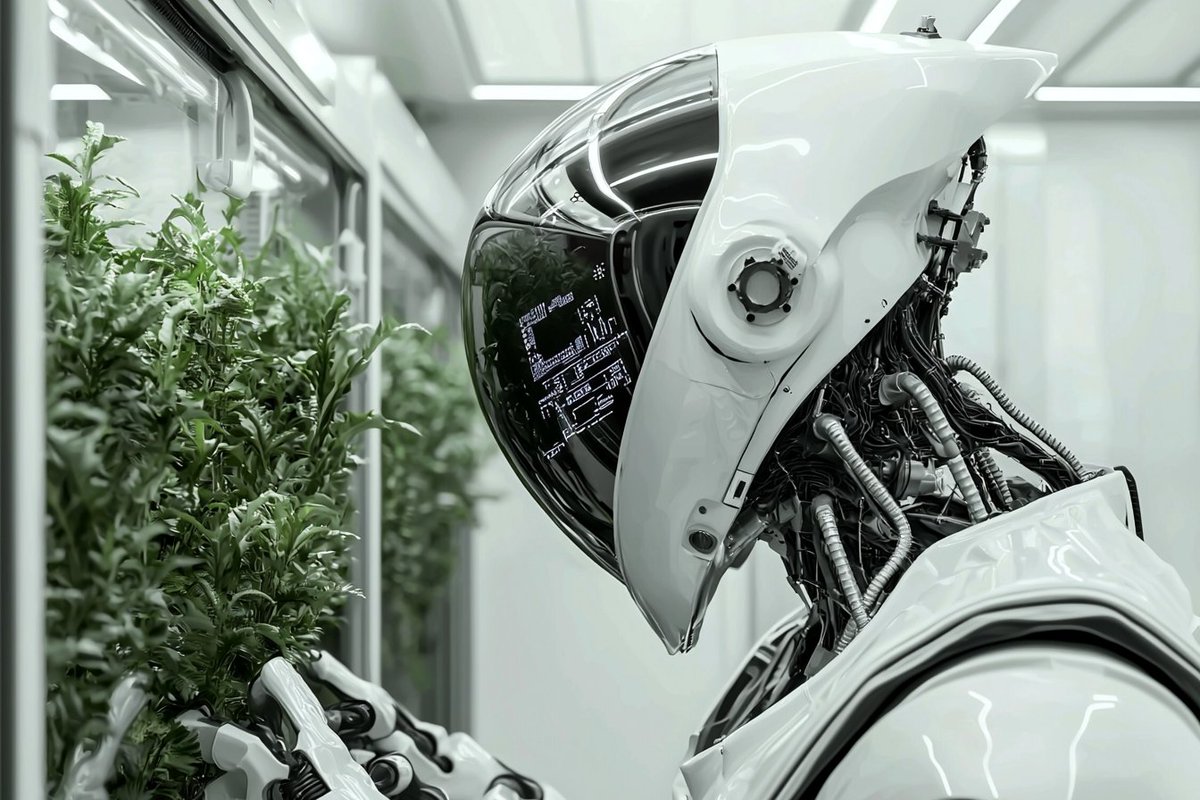
Food Production on Mars: An Autonomous System Powered by Robots and Cloning
Colonizing Mars is an ambitious goal for humanity, but one of the key challenges to sustainable life on the Red Planet is ensuring a reliable food supply. Transporting food from Earth is prohibitively expensive and impractical in the long term, making the establishment of an autonomous food production system on Mars a critical necessity. This article explores how a fully autonomous food production facility, managed by robots and leveraging cloning technology, could sustain a human colony on Mars.
1. Key Challenges and Requirements
The Martian environment is harsh: low pressure, extreme temperatures, scarce water, and limited oxygen. Food production must be:
Autonomous: Minimal human intervention, managed by robots and AI.
Efficient: Utilizing local resources like regolith and water from polar ice caps.
Sustainable: Operating without constant resupply from Earth.
Nutritious: Providing all essential macro- and micronutrients to maintain colonist health.
Cloning technology and robotic systems can form the foundation of such a production model.
2. Technological Foundation: Cloning and Artificial Cultivation
The proposed system relies on cell cultivation (lab-grown meat) and cloning of plant tissues to produce both animal protein and plant-based foods without traditional agriculture.
Cultivated Meat: Bioreactors will grow muscle tissue from animal stem cells (e.g., cows, chickens, or fish). These cells can be cloned from a small sample brought from Earth and replicated indefinitely. Nutrient media will be derived from local resources (see below).
Plant Cultures: Cloning plant cells (e.g., potatoes, soybeans, or algae) enables tissue growth in controlled environments. Algae like spirulina are particularly valuable due to their high nutritional content and rapid growth.
These methods eliminate the need for soil, vast land areas, or complex ecosystems, making them ideal for Mars.
3. Leveraging Local Resources
Mars offers resources that can be adapted for food production:
Water: Ice from polar caps or underground reserves can be extracted by robotic drillers, purified, and used in nutrient solutions.
Carbon Dioxide: Mars’ atmosphere, 95% CO₂, can be converted into carbon and oxygen via chemical processes (e.g., the Sabatier reaction). Carbon will serve as a base for synthesizing organic compounds.
Regolith: Martian soil contains minerals (iron, magnesium, phosphorus) that can be extracted and used as micronutrients in growth media.
Robotic systems will harvest, process, and deliver these resources to production modules.
4. Autonomous Robotic and AI Management
The facility will be fully automated:
Resource Robots: Collect water, regolith, and other materials, transporting them to processing centers.
Bioreactors: Controlled by AI to monitor temperature, pH, nutrient levels, and cell growth rates.
3D Food Printers: Transform cultivated cells into finished products (e.g., steaks, patties, or nutrient bars), adding flavor and texture components.
Logistics: Robotic transporters deliver food to the colony’s living modules.
An advanced AI system will coordinate all processes, analyze colonists’ dietary needs (e.g., caloric intake and nutrient balance), and optimize production.
5. Energy Supply
A reliable energy source is essential:
Nuclear Reactors: Compact nuclear units will provide consistent power.
Solar Panels: Supplement the energy system, though their efficiency on Mars is reduced due to dust storms and weaker sunlight.
Energy will support bioreactors, lighting for algae growth, and robotic operations.
6. Advantages and Scalability
Space Efficiency: The system requires minimal space, crucial for compact Martian bases.
Scalability: Adding bioreactors can increase output as the colony grows.
Safety: Eliminating live animals and plants reduces the risk of biological threats (viruses, pests).
For a colony of 100 people needing roughly 200 kg of food daily (based on 2000 kcal per person), a single 1000-liter bioreactor could produce up to 50 kg of cell mass per day. Four to five such units would meet the colony’s needs.
7. Challenges and Solutions
Nutrient Media: Initially, some components may need to be imported from Earth, but over time, amino acids and vitamins can be synthesized from local resources.
Genetic Stability: Cloned cells may degrade over time, requiring quality control systems and periodic genetic refreshing.
Psychological Factors: Colonists may crave variety. 3D food printers can address this by adding flavors and textures.
8. The Future of Food Production
Autonomous food production on Mars using cloning and robotics is not just a survival tool—it’s a step toward full independence from Earth. In the future, these technologies could be adapted for other planets or space stations, opening new frontiers for humanity.
By combining cutting-edge cloning techniques, robotics, and the use of Martian resources, this system can establish a sustainable food supply to support a thriving colony on the Red Planet. It’s a vital step toward making Mars a new home for humankind.
#MarsColonization #SpaceFood #LabGrownMeat #CloningTech #Robotics #SustainableLiving #MarsResources #SpaceExploration #ArtificialFood #FutureOfHumanity @elonmusk @ElonMuskEMP



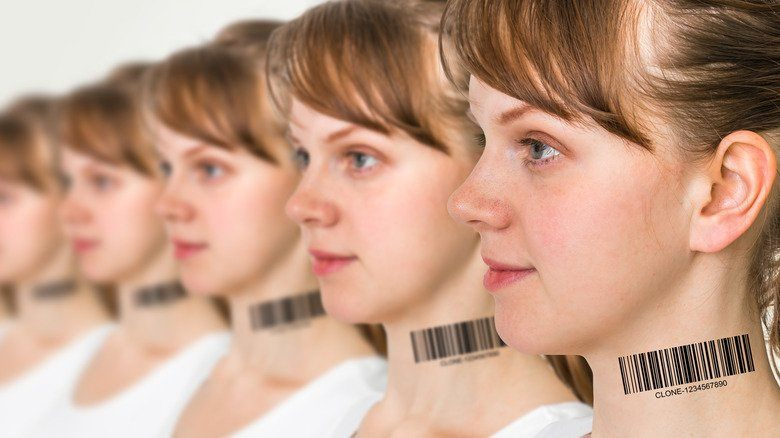
📢Is it possible to clone in the future?
🧬ИРЭЭДҮЙД КЛОН ХҮМҮҮС БИЙ БОЛВОЛ ТА ДУРТАЙ БАЙХ УУ?
Нөхөн үржихүйн клонжуулалт нь генетикийн хувьд ижил хувилсан хүмүүсийг бий болгох үйл явц юм.
Клонууд биеийнхээ эс бүрийн цөмд ижил генетик материалтай байдаг.
#cloning #futuretech #bioengineering #innovation #sciencetech #ethicaldilemma #futurepossibilities #ethicsinbiology #geneticengineering #scientificfuture #mindblown #technologyadvancements #futureofgenetics #geneticreplication #sciencefictionreality #cloningtechnology #scienceethics #futurepredictions #cloningcontroversy #scientificbreakthroughs
Last Seen Hashtags on Sotwe
Most Popular Users

Elon Musk 
@elonmusk
239.6M followers

Barack Obama
@barackobama
118.6M followers

Cristiano Ronaldo
@cristiano
114.3M followers

Donald J. Trump
@realdonaldtrump
111.7M followers

Narendra Modi
@narendramodi
106.9M followers

Rihanna
@rihanna
98.6M followers

NASA
@nasa
92.1M followers

Justin Bieber
@justinbieber
91.7M followers

KATY PERRY
@katyperry
89.9M followers

Taylor Swift
@taylorswift13
83.9M followers

Lady Gaga
@ladygaga
75.4M followers

Virat Kohli
@imvkohli
73.3M followers

Kim Kardashian
@kimkardashian
70.8M followers

YouTube
@youtube
68.6M followers

Neymar Jr
@neymarjr
66.3M followers

Bill Gates
@billgates
65.1M followers

Selena Gomez
@selenagomez
63M followers

The Ellen Show
@theellenshow
62.1M followers

CNN
@cnn
61.7M followers

X
@x
60.6M followers