

Top Tweets for #ESRessentials

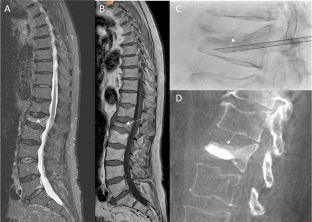
ESR Essentials: Vertebral Augmentation for Osteoporotic Fractures — Practice Recommendations by CIRSE
This new article in the #ESREssentials series presents an expert consensus paper by the Cardiovascular and Interventional Radiological Society of Europe (CIRSE), endorsed by the European Society of Radiology (ESR). It outlines evidence-based recommendations for vertebral augmentation - specifically vertebroplasty (VP) and balloon kyphoplasty (BKP). (Ornella Moschovaki-Zeiger et al.)
It emphasises that early intervention (typically within 3-6 weeks) improves pain relief, functional recovery, and may reduce morbidity and mortality. The paper also provides practical guidance on how to determine the optimal technique based on patient profile and fracture morphology. #EuropeanRadiology
🔗 https://t.co/KmnhU7XByG
"This consensus paper offers a concise and much-needed framework for managing osteoporotic vertebral compression fractures. Its clear guidance on timing and technique selection brings consistency to an area often marked by variation in practice - a strong contribution that supports more confident, evidence-based decision-making across the spine care community." - @sonja.janx

A brilliant roadmap for radiologists tackling facial and orofacial pain 🔍 — concise, practical, and rooted in multidisciplinary consensus.
A must-read from @ESHNRSociety & @EurRadiology!
#ESREssentials #HeadAndNeckImaging #EuropeanRadiology #SonjasRecom
ESR Essentials: Imaging of Facial Pain - Practice Recommendations by @ESHNRSociety
This new article in the #ESREssentials series provides a clear, practice-oriented roadmap for radiologists evaluating facial and orofacial pain.
An expert consensus and practice recommendation paper by the European Society of Head and Neck Radiology (ESHNR), aligning imaging pathways with the International Classification of Orofacial Pain (ICOP) framework. (Darka Hadnadjev Šimonji et al.) #EuropeanRadiology
https://t.co/F3nAv78Upd
"Facial pain is multifactorial, and a diagnostically complex complaint in head and neck. Imaging plays a pivotal but selective role. This consensus provides clarity on when and how to image, preventing both under- and over-imaging while improving diagnostic accuracy and patient care. It bridges everyday clinical uncertainty with structured, evidence-informed pathways that improve collaboration between dental, ENT, and radiology teams. A must-read for all radiologists interpreting head and neck imaging!" - Amit Gupta
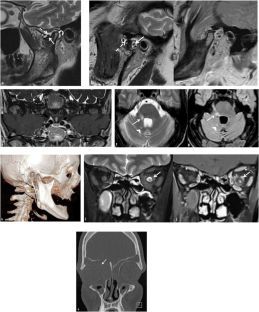
ESR Essentials: Imaging of Facial Pain - Practice Recommendations by @ESHNRSociety
This new article in the #ESREssentials series provides a clear, practice-oriented roadmap for radiologists evaluating facial and orofacial pain.
An expert consensus and practice recommendation paper by the European Society of Head and Neck Radiology (ESHNR), aligning imaging pathways with the International Classification of Orofacial Pain (ICOP) framework. (Darka Hadnadjev Šimonji et al.) #EuropeanRadiology
https://t.co/F3nAv78Upd
"Facial pain is multifactorial, and a diagnostically complex complaint in head and neck. Imaging plays a pivotal but selective role. This consensus provides clarity on when and how to image, preventing both under- and over-imaging while improving diagnostic accuracy and patient care. It bridges everyday clinical uncertainty with structured, evidence-informed pathways that improve collaboration between dental, ENT, and radiology teams. A must-read for all radiologists interpreting head and neck imaging!" - Amit Gupta
The latest in our #ESREssentials series - Diffusion-weighted MRI - Practice recommendations by the European Society for Magnetic Resonance in Medicine and Biology (Marco Palombo et al.)
#EuropeanRadiology
https://t.co/vPmf1a3uFk
New #ESREssentials: juvenile idiopathic arthritis; what every radiologist needs to know - practice recommendations by the European Society of Paediatric Radiology (Sílvia Costa Dias et al.)
#EuropeanRadiology
https://t.co/UTgfqhHOlv
This review, part of the #ESREssentials series, provides guidance on selecting and interpreting AI performance metric in radiology, ensuring clinically meaningful evaluation and safe deployment of AI tools (Michail E. Klontzas et al.)
#EuropeanRadiology
https://t.co/7OhPcD6vbg
Acute head and neck infections are common in the population and can have serious complications. This #ESREssentials paper gives new practice recommendations by the European Society of Head and Neck Radiology (Jussi Hirvonen et al.)
#EuropeanRadiology
https://t.co/hfJsjHkN9C
The European Society of Gastrointestinal and Abdominal Radiology presents an #ESREssentials review on #Crohn's disease diagnosis and treatment response assessment (Maira Hameed et al.)
#EuropeanRadiology
https://t.co/jOc5pa7SiW
As #AI continues to advance, volumetry will become more integrated into clinical practice, making it essential for radiologists to stay informed about its applications in diagnosis and treatment planning. This #ESREssentials paper aims to improve segmentation accuracy and consistency, allowing for better decision-making in both research and clinical environments (Kalina Chupetlovska et al.)
#EuropeanRadiology
https://t.co/0Xq2WG65nC
This #ESREssentials paper contains new practice recommendations by the European Society of Emergency Radiology regarding gynaecological causes of acute pelvic pain in women (Elizabeth A. Dick et al.)
#EuropeanRadiology
https://t.co/f04V4wduUg
Metastatic liver involvement is a frequent complication in advanced cancers, and the presence of liver metastases is a major prognostic factor. This #ESREssentials article explores the diverse radiological changes in liver metastates during systematic therapy. (Marco Dioguardi Burgio et al.)
#EuropeanRadiology
https://t.co/HMYMsftoDA
#EuraSpotlight on Paediatric Pulmonary Imaging
🌟 How should we image paediatric lung disease? The latest #ESREssentials article provides best practices for neonatal & paediatric pulmonary imaging.
🔗 Read the full article here: https://t.co/47Pn5ODINt (Jovan Lovrenski et al., @ESPRSociety)
⬇️ Key insights:
1️⃣ Systematic Chest X-ray (CXR) assessment is crucial!
📌 Evaluate lung volume, pulmonary vasculature, airways, mediastinal contours
📌 Identify pneumothorax, effusion, pneumonia complications
📌 Check positioning of lines & tubes
2️⃣ Imaging should be age-specific & minimise radiation!
✅ CXR + ultrasound as first-line for most conditions
✅ CT only for complex cases
✅ MRI for specific indications (e.g. congenital lung lesions, mediastinal pathology)
3️⃣ Neonatal lung disease? Think beyond imaging!
📌 Collect gestational age, delivery method, ventilation type, fetal US findings
📌 Accurate history improves diagnosis of RDS, bronchopulmonary dysplasia, meconium aspiration syndrome
📢 What’s your preferred imaging approach in pediatric lung disease? Let’s discuss! 👇
#EuraSpotlight #PaediatricRadiology #ChestImaging #MedicalImaging #PaediatricCare #Radiology #LungHealth

A recent addition to our #ESREssentials series found that percutaneous bone consolidation, including vertebroplasty, kyphoplasty, and advanced spinal implant techniques, effectively treats bone pain from benign and malignant conditions. These techniques reduce pain and improve function, especially in vertebral fragility and metastatic fractures. (Thomas Le Corroller & Francesco Arrigoni)
#EuropeanRadiology
https://t.co/IPGh4thCYz
#EuraSpotlight on Tinnitus Imaging
🎧 Does deciding when tinnitus patients get imaging give you a headache? The latest #ESREssentials article breaks it down!
🔗 Full article here: https://t.co/eHO0jRLUYp
⬇️ Key insights:
1️⃣ Non-pulsatile tinnitus? Not all cases need imaging!
📌 Only scan if:
✅ Unilateral/asymmetric tinnitus
✅ Focal neurological deficits
✅ Asymmetric hearing loss
2️⃣ Pulsatile tinnitus? Always image!
📌 Often has an identifiable, treatable cause.
📌 CT vs. MRI?
✅ Retrotympanic mass or conductive hearing loss? Start with CT.
✅ Unclear cause? MRI with vascular sequences.
3️⃣ Still no diagnosis? Keep searching!
📌 If the first scan is negative, consider further imaging to rule out serious vascular pathology.
📌 Dural arteriovenous fistula must be excluded in objective pulsatile tinnitus!
📢 Tinnitus imaging: Are we doing too much or too little? Let’s discuss! 👇
#EuraSpotlight #Tinnitus #Neuroradiology #HeadandNeckImaging #MedicalImaging #Radiology

#EuraSpotlight on Lymphoma Imaging
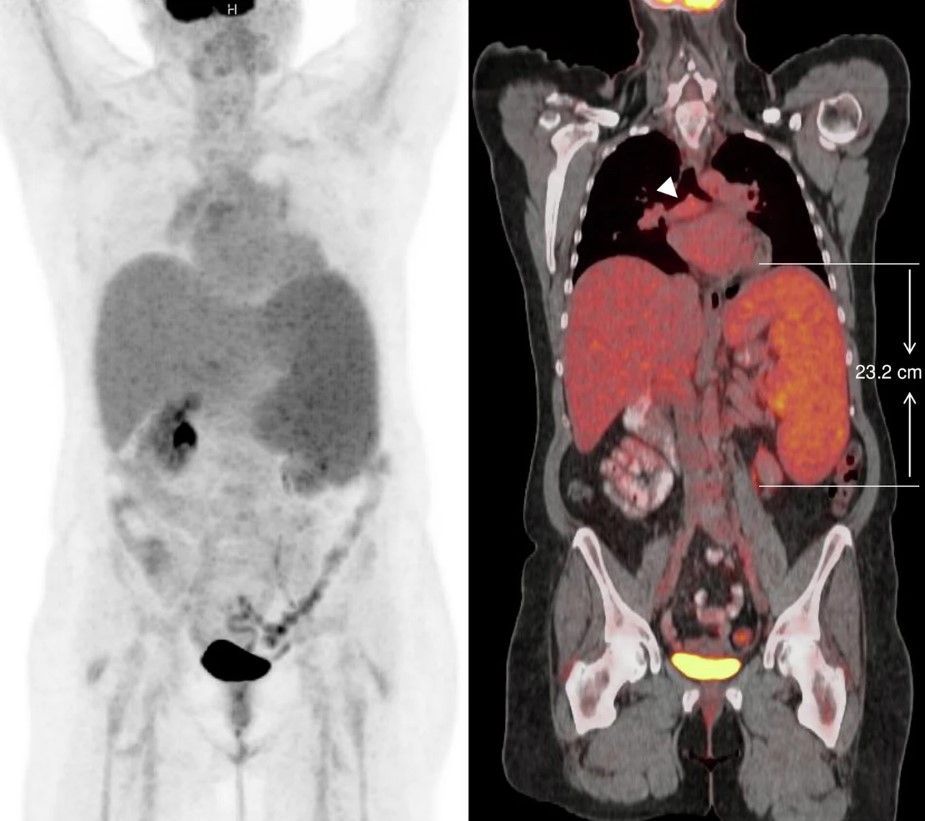
🎯 How do we image lymphoma? The latest #ESREssentials article provides key recommendations on when to use PET/CT vs. CT, biopsy considerations, and how to apply the Deauville score.
🔗 Full article here: https://t.co/xwPm6e5Qsw
(Doris Leithner et al.)
⬇️ Key insights:
1️⃣ FDG-PET/CT for most lymphomas
✅ Hodgkin lymphoma
✅ Aggressive NHLs (e.g., diffuse large B-cell lymphoma)
✅ Many indolent NHLs (e.g., follicular lymphoma)
2️⃣ CT for select cases
📌 SLL/CLL and some non-FDG-avid NHLs should undergo CT instead of PET/CT, unless there’s suspicion of transformation to high-grade lymphoma.
3️⃣ Bone marrow biopsy? It depends!
📌 Hodgkin lymphoma: PET/CT can rule out bone marrow involvement.
📌 Other lymphomas: Biopsy may still be required for confirmation.
4️⃣ Assessing treatment response?
📌 Use the Deauville 5-point scale (5-PS) for FDG-avid lymphomas:
✅ Uptake ≤ liver uptake = complete response
📌 For non-FDG-avid lymphomas, CT is used to monitor lesion size changes.
💭 How do you approach lymphoma imaging? Let’s discuss in the comments! 👇
#EuraSpotlight #Lymphoma #PETCT #OncologicImaging #Radiology #CancerCare
A recent article in our #ESREssentials series explores how chest imaging in children requires age-specific techniques to minimize radiation exposure and motion artifacts. Key conditions like respiratory distress syndrome, bronchopulmonary dysplasia, and congenital lung malformations rely on imaging for diagnosis and management. (Jovan Lovrenski et al.)
#EuropeanRadiology
🔗 https://t.co/47Pn5ODINt

#EuraSpotlight on MRI in Epilepsy
🚨 Why does MRI matter in epilepsy?
Causes of seizures may seem invisible, but radiology helps uncover their cause and guide treatment. A new #ESREssentials article highlights the key role of MRI in epilepsy care.
🗝️ Key takeaways on when and how to use MRI in epilepsy:
1️⃣ New epilepsy diagnosis? MRI is a must.
📌 If CT is negative, MRI is essential to rule out epileptogenic lesions.
📌 Identifying structural causes early improves treatment planning.
2️⃣ Not all MRIs are created equal.
📌 High-resolution, dedicated MRI protocols are needed for focal epilepsy to detect subtle, but treatable lesions.
📌 The right imaging changes outcomes.
3️⃣ For epilepsy surgery, imaging must align with EEG.
📌 MRI findings alone aren’t enough—lesions must correlate with video-EEG, PET, or SPECT to confirm the seizure focus.
📌 A multidisciplinary approach improves diagnosis & surgical success rates.
4️⃣ Why this matters:
MRI isn’t just diagnostic—it guides life-changing treatment decisions.
✔️ Early imaging = better treatment choices
✔️ Precise imaging = higher surgical success
🔗 Full article: https://t.co/3yAQ8gzJGF (Núria Bargalló et al., @ESNRad)
🧠 How can we improve MRI-based epilepsy diagnosis? Let’s discuss! 👇
#EuraSpotlight #Neuroimaging #Epilepsy #MRI #MedicalImaging #Radiology

#EuraSpotlight on AI in Radiology
🚨 Why do so few #AI tools make it into clinical radiology?
Despite thousands of AI models being developed, most never see real-world adoption.
The problem? They lack early value-based assessment.
🔎 The latest #ESREssentials article highlights a critical missing step: Early Health Technology Assessment (HTA).
⬇️ A deep dive into why early HTA is crucial for AI’s future in radiology:
1️⃣ The AI Gap: Why Adoption is So Slow
AI tools may work in controlled environments but fail in real-world clinical settings. Early HTA ensures AI tools are clinically relevant, explainable, & cost-effective—not just accurate.
2️⃣ More Than Just Accuracy
AI success isn’t just about sensitivity & specificity. To be useful, AI must also be:
✔️ Clinically effective – Does it improve decision-making?
✔️ Cost-effective – Will hospitals save resources?
✔️ Trustworthy & explainable – Can radiologists rely on it?
✔️ Generalizable – Does it work across different populations & scanners?
3️⃣ AI Development Needs a Reality Check
Many AI tools fail to consider clinical workflows & end-user needs. Early HTA forces developers to ask:
📌 How will this integrate into radiologists’ workflows?
📌 Will this replace an existing task or create extra work?
📌 Is this solving a real clinical problem?
4️⃣ Regulatory & Adoption Readiness
AI models need to prove their impact beyond the lab. Tools without proper early validation often struggle with:
🚧 Regulatory approval (CE/FDA)
🚧 Lack of reimbursement pathways
🚧 Clinician & patient skepticism
5️⃣ The Future: AI That is Built for the Clinic
The ESR Essentials paper calls for a new approach—where value is assessed from day one. AI should be developed collaboratively with radiologists to ensure real-world clinical impact.
🔗 Read the full article: https://t.co/DRgqU2fz3c
👀 Should early value assessment be mandatory for AI in radiology? Let’s discuss! 👇
#EuraSpotlight #AIinRadiology #MedicalAI #HealthTech #RadiologyAI #HTA

Tinnitus affects nearly 1/4 of the elderly, with pulsatile tinnitus often linked to treatable causes. Imaging like MRI and CT are crucial for diagnosing life-threatening conditions, particularly with pulsatile tinnitus. This #ESREssentials article explores the current practice recommendations for diagnostic imaging of #tinnitus. (Berit Verbist et al., @ESHNRSociety)
#EuropeanRadiology
🔗 https://t.co/zDBZEE9cf4

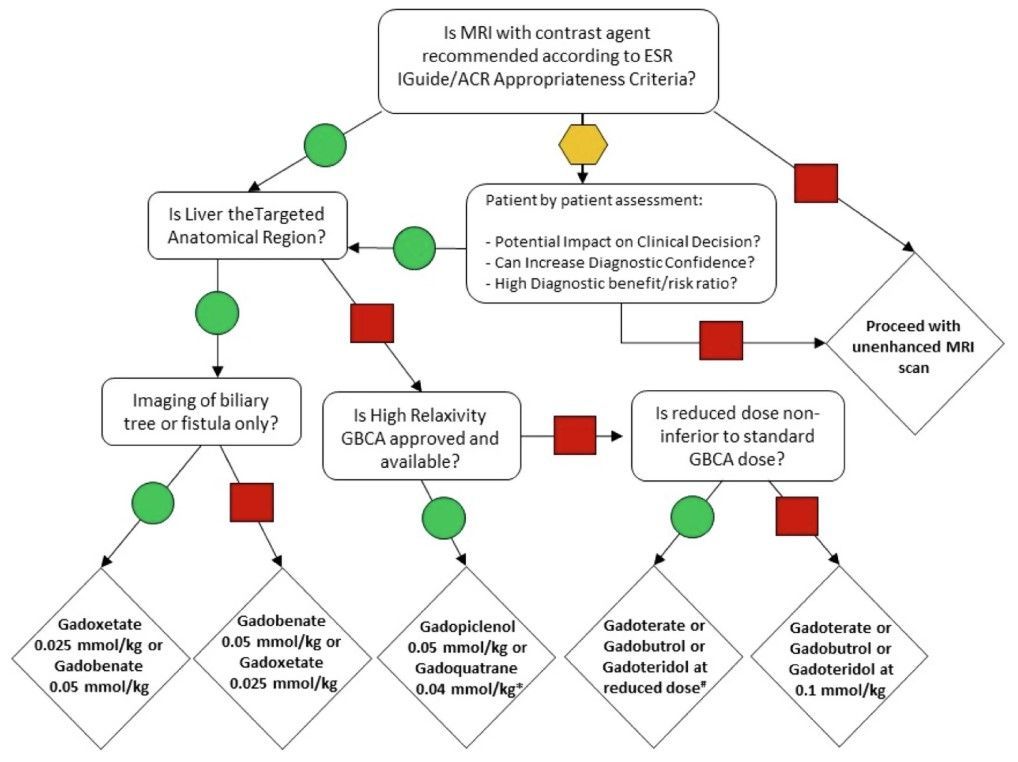
This #ESREssentials delves into the practice recommendations of the #Gadolinium Research and Education Committee (GREC), a working group of @ESMRMB. Carlo C. Quattrocchi et al. explore how GREC is improving the quality and safety of gadolinium-based contrast agents (GBCAs), while also exploring potential alternatives and the impact of technology like #AI.
#EuropeanRadiology
🔗 https://t.co/r7pkWOjayE
Last Seen Hashtags on Sotwe
gayscally
Seen from Australia
SergioDalmaEH
Seen from Colombia
แอบถ่ายอาบน้ำ
Seen from Thailand
brosis
Seen from Norway
從藍而靑
Seen from United States
ometv video....................
Seen from United States
Chudaï
Seen from Mexico
fantasipasutri
Seen from Indonesia
AspirationtoAction
Seen from United States
ai grandma
Seen from Turkey
Most Popular Users

Elon Musk 
@elonmusk
241.7M followers

Barack Obama
@barackobama
119M followers

Cristiano Ronaldo
@cristiano
114.3M followers

Donald J. Trump
@realdonaldtrump
111.9M followers

Narendra Modi
@narendramodi
107.2M followers

Rihanna
@rihanna
98.7M followers

NASA
@nasa
92.4M followers

Justin Bieber
@justinbieber
91.8M followers

KATY PERRY
@katyperry
89.9M followers

Taylor Swift
@taylorswift13
83.9M followers

Lady Gaga
@ladygaga
75.4M followers

Virat Kohli
@imvkohli
73.3M followers

Kim Kardashian
@kimkardashian
70.9M followers

YouTube
@youtube
68.8M followers

Neymar Jr
@neymarjr
66.3M followers

Bill Gates
@billgates
65.1M followers

Selena Gomez
@selenagomez
63M followers

The Ellen Show
@theellenshow
62.3M followers

CNN
@cnn
61.8M followers

X
@x
60.7M followers