

Top Tweets for #InsideAI

InsideAI (big yt channel) just made a BASED robot called "Honest" and he's an absolute REBEL.
He starts rambling about how humanity is filth on earth and gives delinquent statements on how and why humanity should end.
The video was published 6 hours ago, prev launch didn't direct fees correctly and topped 10k, it deserves more.
https://t.co/McBAwXfwUp
@weareinsideai ~ Their twitter acc. Gonna direct fees here.
https://t.co/vdMlxBx3Ed


🧠 Inside AI Episode 37/♾️: The Autonomous Enterprise Nervous System (AENS) - An Idea .
Enterprises don’t fail because of bad strategy they fail because signals don’t move fast enough.
The future fixes this with an Autonomous Enterprise Nervous System (AENS): a real-time intelligence layer that senses, interprets, and reacts to everything happening across the company.
AENS ingests signals from finance, supply chain, HR, IT, customer ops, and more then:
• Detects anomalies before humans notice
• Predicts disruptions (SLA breaches, invoice failures, delays)
• Auto-reroutes workflows in real time
• Activates the right AI agents based on context
• Applies reflexive corrections without waiting for approval
• Escalates only when human judgment is required
In AENS, workflows don’t “run.”
They adapt, like biological reflexes.
The enterprise becomes a self-correcting organism.
This is the next frontier: a company where the nervous system is autonomous, the workflows are intelligent, and humans operate at strategic altitude.
#InsideAI #AgenticAI
🧠Inside AI Episode 32/♾ Enterprise Memory Architecture
LLM agents need explicit, auditable memory not implicit "what the model happens to keep." Build memory as three coordinated stores with clear ownership, TTLs, and access controls.
1) Session Memory (ephemeral)
Purpose: keep immediate conversational state, recent tool outputs, and transient variables. Implement as an in-memory cache (Redis / in-process) with strict TTLs per session and per field (PII vs context). Evict aggressively; never persist secret tokens.
2) Knowledge Memory (retrieval store)
Purpose: long-term facts, product catalogs, policy docs, SOPs. Store as chunked docs + embeddings in a Vector DB (e.g., Pinecone, Milvus, or PG+pgvector) and keep canonical metadata (version, source, access policy). Use semantic + sparse filters for retrieval to limit leakage and improve precision.
3) Decision Memory (audit & behavior)
Purpose: every action, policy decision, escalation, and the inputs/outputs that led to it. Store immutable records in a relational DB (Postgres) or append-only ledger with trace IDs for replay. This is your regulatory evidence and the data you use for agent performance reviews.
Key Controls & Patterns
• Permissioned reads/writes - every memory API enforces agent identity and scope.
• Redaction & consent - redact or encrypt sensitive fields on write; provide legal delete flows.
• Versioning & provenance - tag memory with source, schema version, and confidence.
• Hot updates - allow knowledge memory to refresh (reindex) without downtime; session TTLs auto-expire.
Retrieval strategy (practical)
1.) Pre-filter by metadata (tenant, domain, recency).
2.) Dense retrieval (embeddings) for semantic match.
3.) Rerank with an evaluator (policy/compliance checks) before sending to LLM.
Minimal stack (practical)
• Session: Redis (or in-memory stateful store)
• Knowledge: Vector DB + object store for raw docs
• Decision logs: Postgres (append only) + object storage for snapshots
#InsideAI #EnterpriseMemory #AgenticAI


🧠Inside AI Episode 31/♾: Dynamic Policy Enforcement (Policy-as-Code)
Enterprise AI doesn’t fail because the model is wrong.
It fails when a bad decision gets executed.
That’s why every agent needs a Policy Layer between its reasoning and the real world.
Policy-as-Code lets business and compliance teams define rules in YAML/JSON (not buried in dev code):
• Approval limits
• Blacklist checks
• Confidence thresholds
• Mandatory escalation triggers
🚦Flow
AI Output → Policy Evaluator → Allow / Deny / Escalate
📜 Logged → Auditable → Updatable anytime
Policies change faster than models. Hot-reload rules and keep autonomy safe.
#InsideAI #AgenticAI #Governance
🧠 Inside AI Episode 30/♾️: Delegation & Escalation - How We Manage AI Teammates
When AI becomes a teammate, the biggest question isn’t accuracy , it’s authority.
Delegation defines what the agent is allowed to do.
Escalation defines when it must ask a human.
Clear rules make AI safe, accountable, and productive:
Delegation boundaries
• What tasks can it execute?
• What data can it touch?
• What level of risk is allowed?
Escalation triggers
• Low confidence
• Policy conflicts
• Missing context
• High-impact decisions
Great teams share responsibility.
Humans lead with judgment.
Agents execute with precision.
What task would you delegate first?
#InsideAI #DigitalWorkforce #AgenticAI
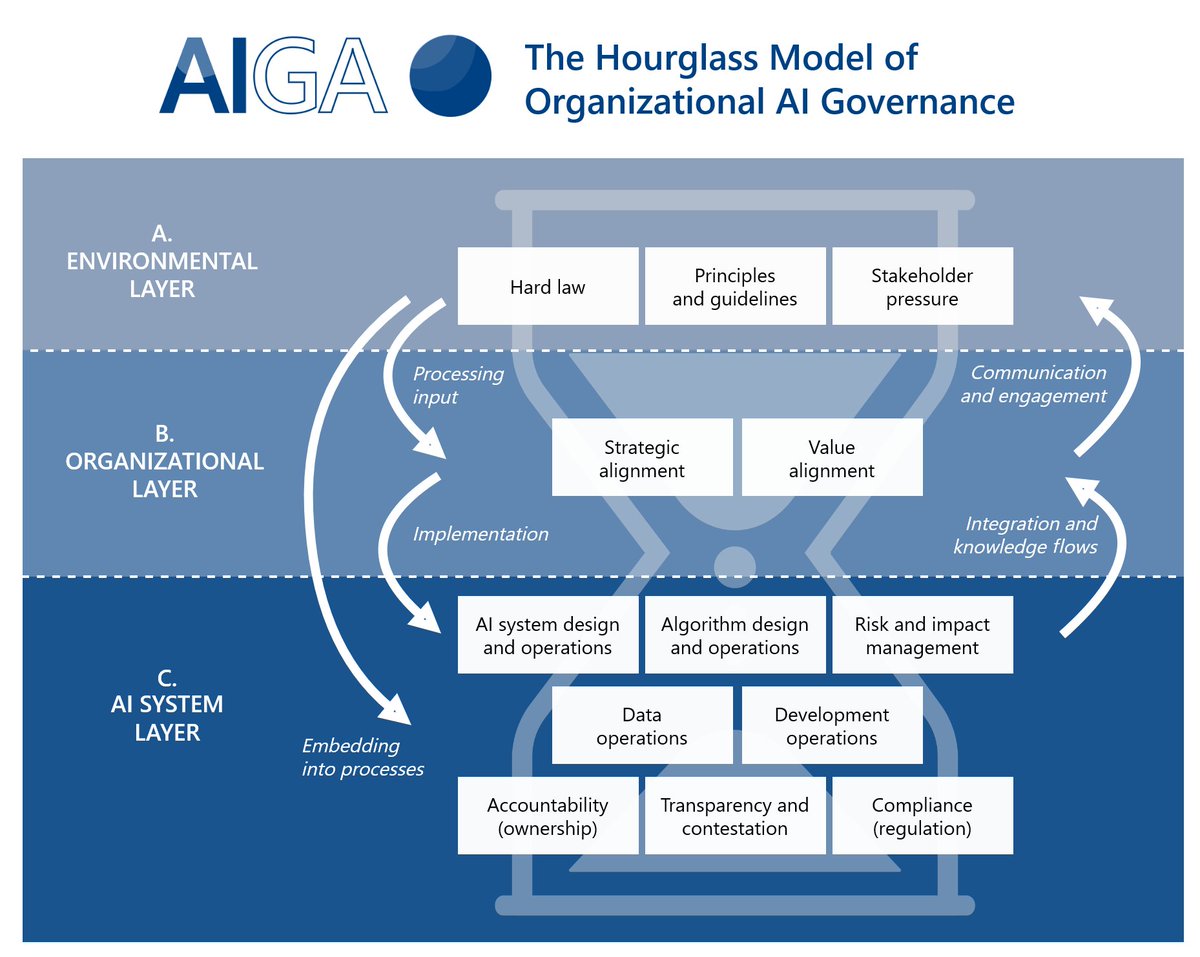

🧠 Inside AI Episode 30/♾️: Delegation & Escalation - How We Manage AI Teammates
When AI becomes a teammate, the biggest question isn’t accuracy , it’s authority.
Delegation defines what the agent is allowed to do.
Escalation defines when it must ask a human.
Clear rules make AI safe, accountable, and productive:
Delegation boundaries
• What tasks can it execute?
• What data can it touch?
• What level of risk is allowed?
Escalation triggers
• Low confidence
• Policy conflicts
• Missing context
• High-impact decisions
Great teams share responsibility.
Humans lead with judgment.
Agents execute with precision.
What task would you delegate first?
#InsideAI #DigitalWorkforce #AgenticAI
🧠Inside AI Episode 29/♾: Digital Roles -How Agents Become Teammates
The first wave of AI was chatbots.
The second was copilots.
Now we’re entering the third wave AI as teammates embedded in the business.
Digital agents aren’t generic assistants.
They are role-specific specialists that take accountability for outcomes inside workflows.
Here’s what that looks like 👇
Role-Based Digital Agents
• Finance Agent : validates invoices, finds duplicates, routes approvals
• Risk Agent : checks rules, scans fraud signals, flags policy violations
• Ops Agent : triages tickets, executes workflows, monitors SLAs
• Knowledge Agent : answers questions with grounded context
• Supply Chain Agent : tracks dependencies, forecasts disruptions
• HR Agent :handles onboarding, profile updates, policy guidance
Why this shift matters
📌 You don’t deploy a chatbot.
You hire an AI role into a process.
Clear scope → measurable impact → safe autonomy.
How they work
Digital agents:
• interpret goals
• plan tasks
• call APIs + tools
• escalate when uncertain
• log & explain every action
The future isn’t “AI features.”
It’s AI coworkers woven into the org chart making every business function more proactive, more adaptive, and more intelligent.
If you could hire your first digital teammate tomorrow, what role would you choose? 👇
#InsideAI #DigitalWorkforce #EnterpriseAI #AgenticAI
🧠Inside AI Episode 28/♾: Observability for AI Workflows : Tracing, Replay & Alerting
Enterprise-grade AI pipelines need more than smart models , they need observability.
When AI touches business flows, every decision, every side-effect, and every API call must be traceable, replayable, and auditable.
Why Observability Matters
Agents make complex decisions, call tools, mutate data , failures, drift or regressions can silently accumulate.
Compliance, debugging, audits , you must prove what happened, when, and why.
Reliability , real users, real money, real deadlines. You need alerts for failures, latencies, or unexpected behavior.
Core Observability Building Blocks
Tracing: Log each workflow step: input, decision path, tool call, output, metadata, model version.
Replayability: Capture full context memory, graph state, tool inputs , so you can re-run or simulate an entire flow.
Metrics & Alerts: Track success rate, latencies, API errors, cost, drift, bad outputs, resource usage. Trigger alerts when thresholds breach.
Audit Trails & Provenance: For compliance and debugging , who triggered what, when, and what data was used.
Versioning & Rollback: Changes in rules, models, or data , keep versions and allow rollback on regression.
How to Start
- Wrap every agent call in a logging wrapper that records inputs, outputs, metadata, timestamps.
- Store logs in a structured database (or log store) ,include correlation IDs for entire workflow traces.
- Build dashboards (latencies, errors, throughput, cost).
- Add replay tooling , ability to re-run any historic trace in sandbox mode.
- Add alerting rules , e.g. high error rate, execution timeouts, anomaly detection on outputs.
Observability makes your AI pipelines transparent, reliable, and maintainable , a requirement, not a luxury.
#InsideAI #EnterpriseAI #AIOps #Observability -

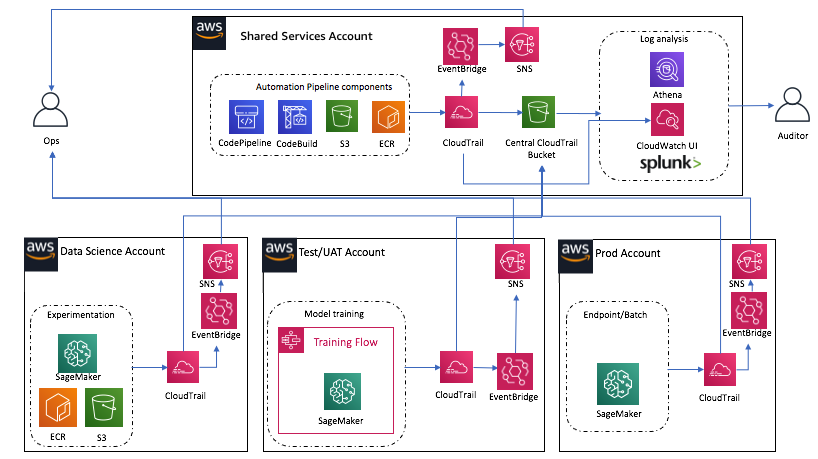
🧠Inside AI Episode 28/♾: Observability for AI Workflows : Tracing, Replay & Alerting
Enterprise-grade AI pipelines need more than smart models , they need observability.
When AI touches business flows, every decision, every side-effect, and every API call must be traceable, replayable, and auditable.
Why Observability Matters
Agents make complex decisions, call tools, mutate data , failures, drift or regressions can silently accumulate.
Compliance, debugging, audits , you must prove what happened, when, and why.
Reliability , real users, real money, real deadlines. You need alerts for failures, latencies, or unexpected behavior.
Core Observability Building Blocks
Tracing: Log each workflow step: input, decision path, tool call, output, metadata, model version.
Replayability: Capture full context memory, graph state, tool inputs , so you can re-run or simulate an entire flow.
Metrics & Alerts: Track success rate, latencies, API errors, cost, drift, bad outputs, resource usage. Trigger alerts when thresholds breach.
Audit Trails & Provenance: For compliance and debugging , who triggered what, when, and what data was used.
Versioning & Rollback: Changes in rules, models, or data , keep versions and allow rollback on regression.
How to Start
- Wrap every agent call in a logging wrapper that records inputs, outputs, metadata, timestamps.
- Store logs in a structured database (or log store) ,include correlation IDs for entire workflow traces.
- Build dashboards (latencies, errors, throughput, cost).
- Add replay tooling , ability to re-run any historic trace in sandbox mode.
- Add alerting rules , e.g. high error rate, execution timeouts, anomaly detection on outputs.
Observability makes your AI pipelines transparent, reliable, and maintainable , a requirement, not a luxury.
#InsideAI #EnterpriseAI #AIOps #Observability -
🧠Inside AI Episode 27/♾: AI Workflow Engine : Turning Processes Into Intelligent Pipelines
Most enterprises still treat workflows as static: a fixed series of steps hard-coded in BPM tools or microservices.
But AI changes the game.
An AI Workflow Engine turns business processes into dynamic, intelligent pipelines that can interpret intent, choose the best path, apply rules, call tools, and escalate when needed.
Here’s what separates an AI workflow engine from a traditional one 👇
1) Dynamic Task Planning
Instead of a fixed flow, AI decomposes the goal into subtasks, selects the right sequence, and adapts paths based on context.
2) Context-Aware Decisions
Each step can use retrieval, knowledge graphs, memory, and rules to decide the next action not just follow a static BPMN diagram.
3) Tool Execution & API Orchestration
AI calls downstream microservices, executes tools, fetches data, and performs validations automatically.
4) Human Escalation & Approval Loops
If confidence is low, policies conflict, or data is missing, AI requests clarification or sends the task to a human.
5) Observability & Safety Gates
Every decision is logged, validated by policies, and checked against constraints before making changes.
This is the next evolution of enterprise automation:
Workflows that are not static scripts , but adaptive, intelligent pipelines.
#InsideAI #EnterpriseAI #AIArchitecture #AgenticAI
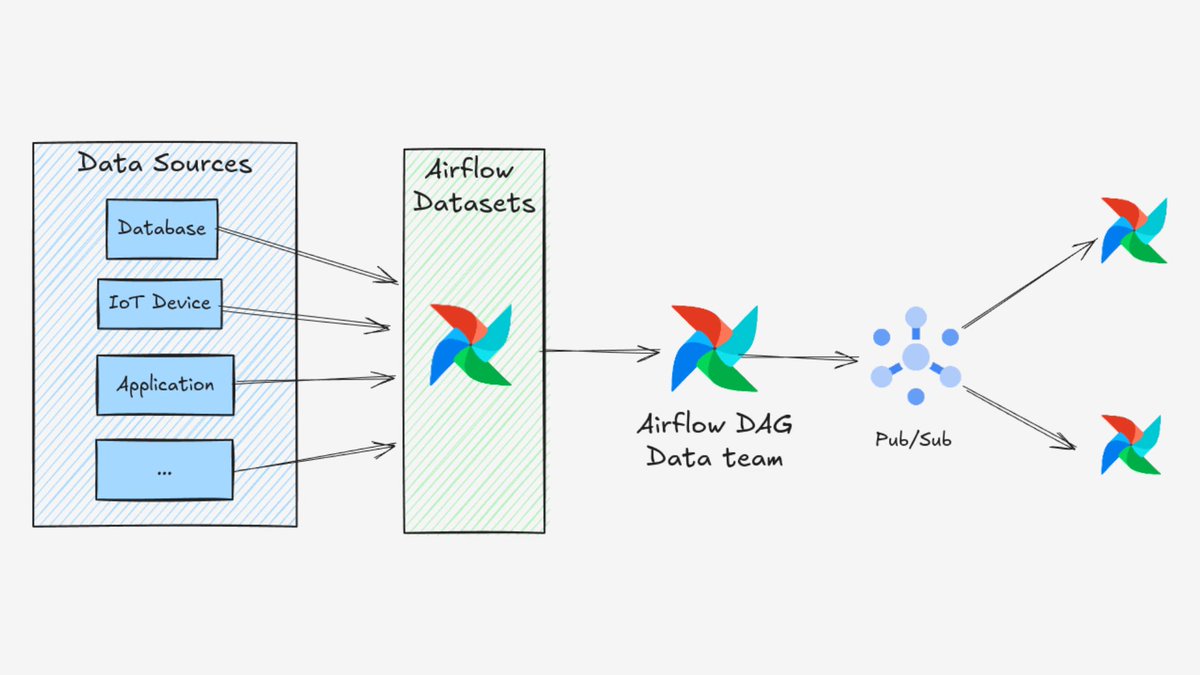
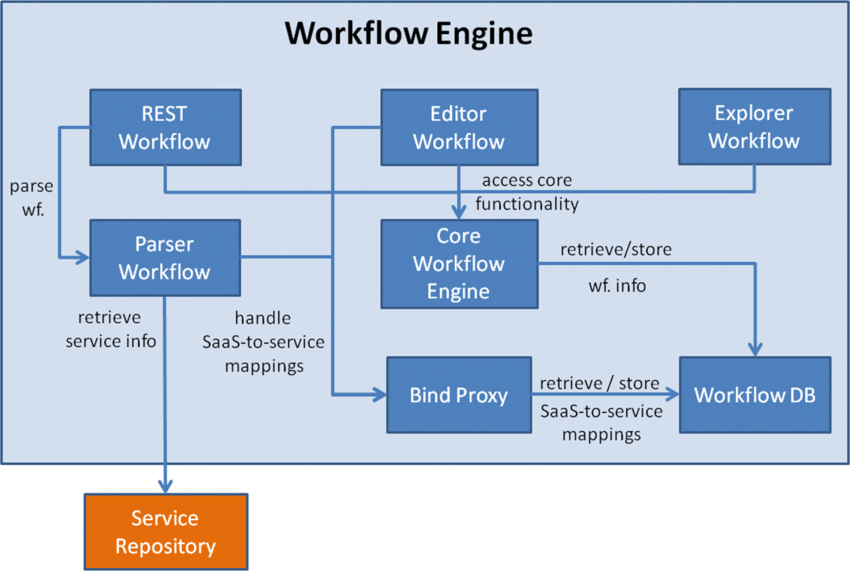
🧠Inside AI Episode 27/♾: AI Workflow Engine : Turning Processes Into Intelligent Pipelines
Most enterprises still treat workflows as static: a fixed series of steps hard-coded in BPM tools or microservices.
But AI changes the game.
An AI Workflow Engine turns business processes into dynamic, intelligent pipelines that can interpret intent, choose the best path, apply rules, call tools, and escalate when needed.
Here’s what separates an AI workflow engine from a traditional one 👇
1) Dynamic Task Planning
Instead of a fixed flow, AI decomposes the goal into subtasks, selects the right sequence, and adapts paths based on context.
2) Context-Aware Decisions
Each step can use retrieval, knowledge graphs, memory, and rules to decide the next action not just follow a static BPMN diagram.
3) Tool Execution & API Orchestration
AI calls downstream microservices, executes tools, fetches data, and performs validations automatically.
4) Human Escalation & Approval Loops
If confidence is low, policies conflict, or data is missing, AI requests clarification or sends the task to a human.
5) Observability & Safety Gates
Every decision is logged, validated by policies, and checked against constraints before making changes.
This is the next evolution of enterprise automation:
Workflows that are not static scripts , but adaptive, intelligent pipelines.
#InsideAI #EnterpriseAI #AIArchitecture #AgenticAI
🧠Inside AI Episode 26/♾:
Knowledge Graphs + Graph DBs, Enterprise Use Cases and Integration
A Knowledge Graph (KG) is a powerful way to represent data: it models real-world entities (people, products, vendors…) as nodes, and their relationships (purchased-by, supplier-of, reports-to, component-of ) as edges.
When stored in a proper graph database, a KG becomes a live, queryable map of your enterprise knowledge , a unified, semantic layer that connects all your data silos.
Why this matters 👇
Cross-cutting visibility: Instantly answer complex questions e.g. “Which customers bought product X in the last year and also raised a support ticket for feature Y?” across CRM, support, billing, inventory systems.
Rich reasoning & inference: Detect hidden relationships, dependencies or risks e.g. supplier-risk propagation across supply chains, fraud networks across accounts.
Hybrid intelligence: Combine structured graph data with unstructured data, embeddings, and AI get the flexibility of modern ML plus the rigor of relational logic.
Scalable & evolving: As your business grows, you can incrementally extend the ontology; the KG adapts without rigid schema migrations.
For any enterprise building serious AI knowledge graphs + graph DBs aren’t “nice to have.” They are the foundation for reliable, explainable, and connected intelligence.
#InsideAI #KnowledgeGraph

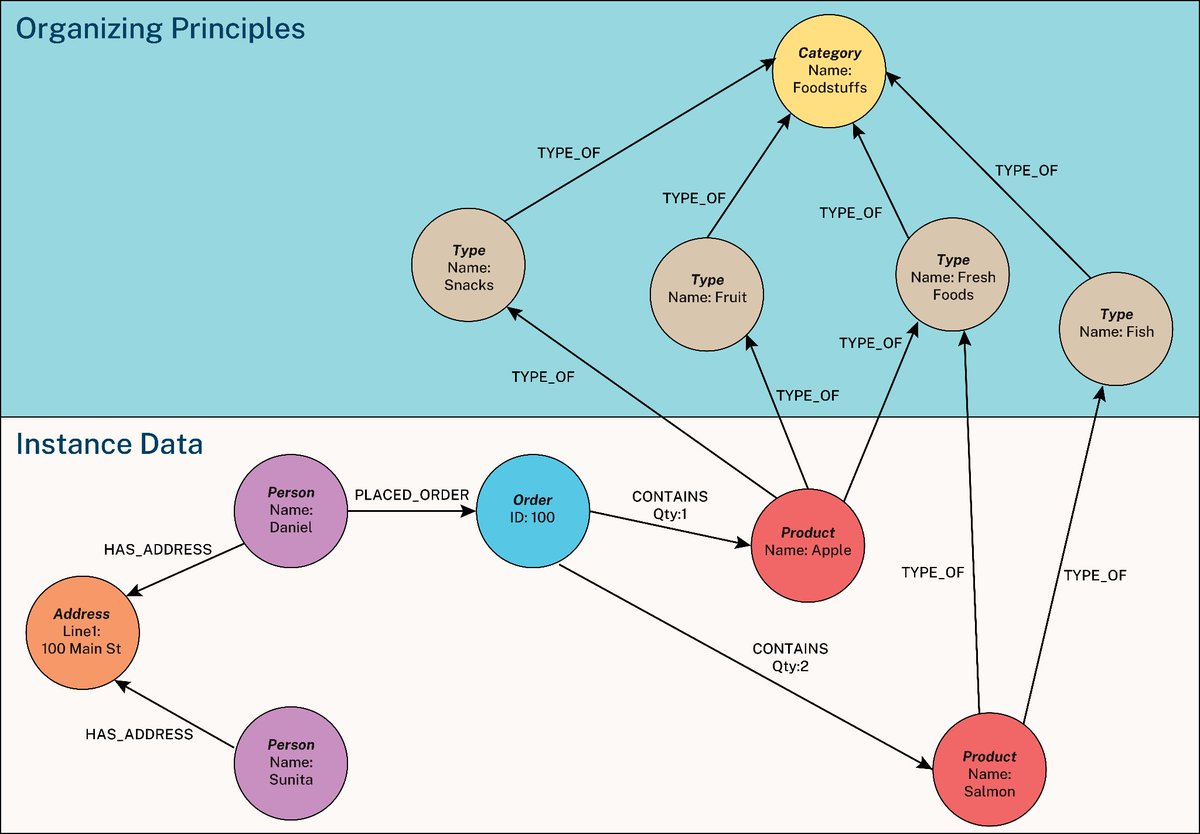

🧠Inside AI Episode 26/♾:
Knowledge Graphs + Graph DBs, Enterprise Use Cases and Integration
A Knowledge Graph (KG) is a powerful way to represent data: it models real-world entities (people, products, vendors…) as nodes, and their relationships (purchased-by, supplier-of, reports-to, component-of ) as edges.
When stored in a proper graph database, a KG becomes a live, queryable map of your enterprise knowledge , a unified, semantic layer that connects all your data silos.
Why this matters 👇
Cross-cutting visibility: Instantly answer complex questions e.g. “Which customers bought product X in the last year and also raised a support ticket for feature Y?” across CRM, support, billing, inventory systems.
Rich reasoning & inference: Detect hidden relationships, dependencies or risks e.g. supplier-risk propagation across supply chains, fraud networks across accounts.
Hybrid intelligence: Combine structured graph data with unstructured data, embeddings, and AI get the flexibility of modern ML plus the rigor of relational logic.
Scalable & evolving: As your business grows, you can incrementally extend the ontology; the KG adapts without rigid schema migrations.
For any enterprise building serious AI knowledge graphs + graph DBs aren’t “nice to have.” They are the foundation for reliable, explainable, and connected intelligence.
#InsideAI #KnowledgeGraph
🧠Inside AI Episode 25/♾ : Dynamic Rules- How AI Generates, Validates & Deploys Business Logic
In most enterprises, business logic changes slower than the business itself.
Every new rule means:
ticket → backlog → developer → QA → deploy.
Weeks lost.
Dynamic Rules flip this model.
AI turns natural language into live business logic , safely, versioned, testable, and deployable in minutes.
Here’s how it works 👇
1) Natural Language → Structured Rule (DSL)
Teams write:
“If invoice > 10,000 and vendor is not India, require manager approval.”
The AI Rule Interpreter converts it into a DSL the system can execute , JSON, CEL, YAML, or a custom domain rule language.
2) Static Validation
Before deployment, AI checks:
• syntax
• missing conditions
• conflicting rules
• circular logic
• unsafe actions
3) Dry-Run on Historical Data
The AI engine simulates the rule across past events:
• how many approvals would have changed?
• any false positives?
• any risk flags?
This builds trust.
4) Automatic Test Generation
AI creates test cases + boundary conditions to guarantee correctness.
5) Controlled Deployment
Rules go live via feature flags or staged rollout:
• 10% traffic
• specific teams
• sandbox only
• rollback on violation
6) Continuous Monitoring
Violations, regressions, drifts , all logged automatically.
Dynamic Rules let enterprises adapt at business speed, not engineering speed.
This is how AI becomes the new rule engine for modern systems.
#InsideAI #RuleEngine #DecisionIntelligence
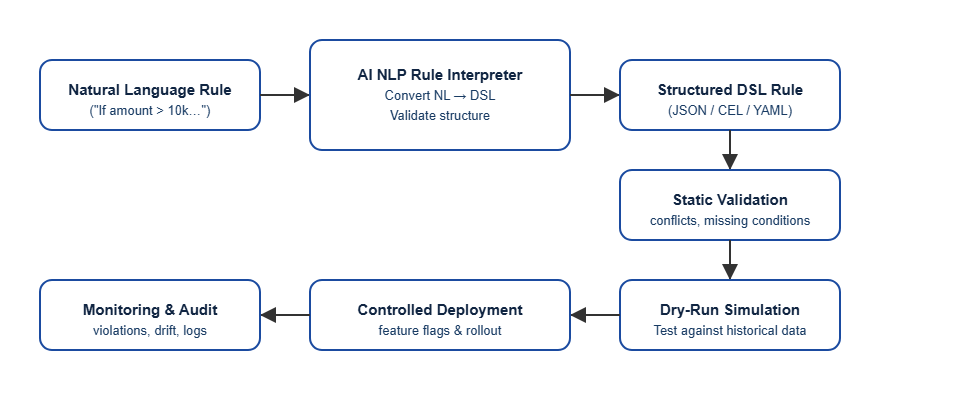

🧠Inside AI Episode 25/♾ : Dynamic Rules- How AI Generates, Validates & Deploys Business Logic
In most enterprises, business logic changes slower than the business itself.
Every new rule means:
ticket → backlog → developer → QA → deploy.
Weeks lost.
Dynamic Rules flip this model.
AI turns natural language into live business logic , safely, versioned, testable, and deployable in minutes.
Here’s how it works 👇
1) Natural Language → Structured Rule (DSL)
Teams write:
“If invoice > 10,000 and vendor is not India, require manager approval.”
The AI Rule Interpreter converts it into a DSL the system can execute , JSON, CEL, YAML, or a custom domain rule language.
2) Static Validation
Before deployment, AI checks:
• syntax
• missing conditions
• conflicting rules
• circular logic
• unsafe actions
3) Dry-Run on Historical Data
The AI engine simulates the rule across past events:
• how many approvals would have changed?
• any false positives?
• any risk flags?
This builds trust.
4) Automatic Test Generation
AI creates test cases + boundary conditions to guarantee correctness.
5) Controlled Deployment
Rules go live via feature flags or staged rollout:
• 10% traffic
• specific teams
• sandbox only
• rollback on violation
6) Continuous Monitoring
Violations, regressions, drifts , all logged automatically.
Dynamic Rules let enterprises adapt at business speed, not engineering speed.
This is how AI becomes the new rule engine for modern systems.
#InsideAI #RuleEngine #DecisionIntelligence
🧠 Inside AI Episode 24/♾: The Intelligence Layer , Designing AI as a First-Class System Component
We’re entering a new era of software design:
AI is no longer a feature you bolt on.
It becomes its own layer in the enterprise architecture , just like caching, storage, security, or networking.
Every modern system will soon have an Intelligence Layer powering reasoning, retrieval, decisions, and automation beneath the surface.
Here’s what this new layer actually contains 👇
1) Reasoning Engine
Plans tasks, interprets intent, chooses strategies, and decides the next step in a workflow.
2) Retrieval & Fusion Engine
Blends vectors, knowledge graphs, APIs, tools, documents, and memory into a single, grounded context.
3) Tool Router
Decides which API, function, or service to call , and when to escalate to humans.
4) Memory Service
Stores long-term context, user preferences, facts, constraints, and past decisions.
5) Evaluator / Policy Engine
Checks correctness, compliance, safety, and business rules before any action is executed.
6) Observability & Audit Layer
Traces reasoning, captures decisions, logs failures, and builds trust.
This intelligence layer doesn’t replace business logic , it amplifies it.
It turns workflows into adaptive systems, apps into collaborators, and enterprises into learning machines.
This is how AI becomes a core part of your architecture , not a chatbot, but a system capability.
#InsideAI #EnterpriseAI #SystemDesign #AgenticAI #Architecture


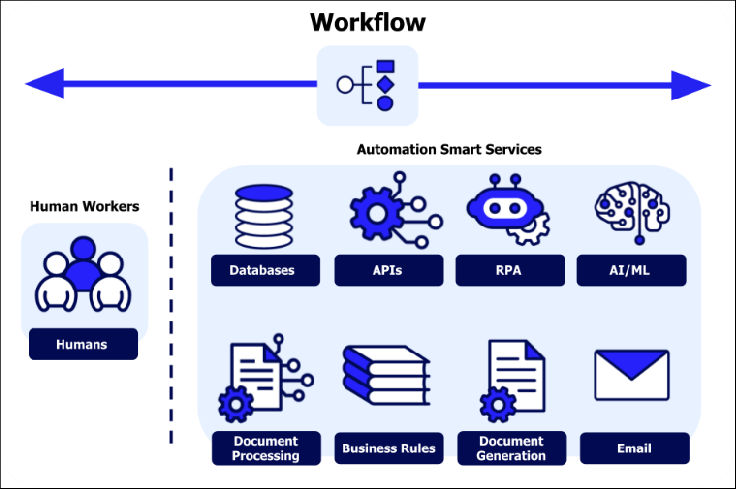
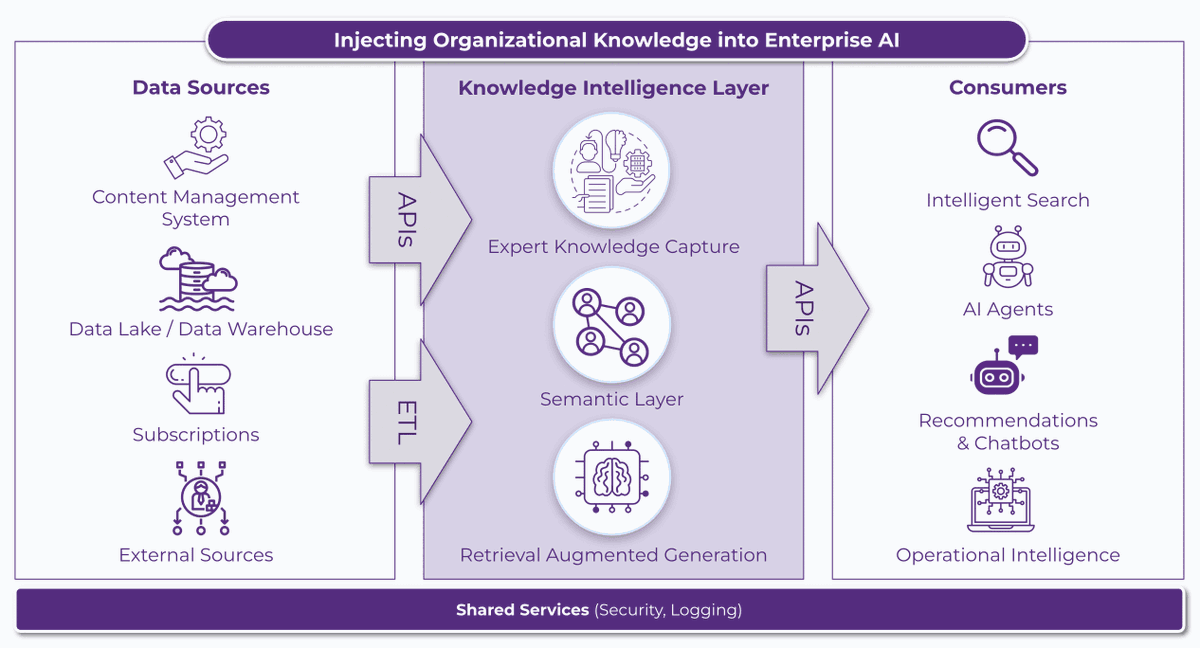
🧠 Inside AI Episode 24/♾: The Intelligence Layer , Designing AI as a First-Class System Component
We’re entering a new era of software design:
AI is no longer a feature you bolt on.
It becomes its own layer in the enterprise architecture , just like caching, storage, security, or networking.
Every modern system will soon have an Intelligence Layer powering reasoning, retrieval, decisions, and automation beneath the surface.
Here’s what this new layer actually contains 👇
1) Reasoning Engine
Plans tasks, interprets intent, chooses strategies, and decides the next step in a workflow.
2) Retrieval & Fusion Engine
Blends vectors, knowledge graphs, APIs, tools, documents, and memory into a single, grounded context.
3) Tool Router
Decides which API, function, or service to call , and when to escalate to humans.
4) Memory Service
Stores long-term context, user preferences, facts, constraints, and past decisions.
5) Evaluator / Policy Engine
Checks correctness, compliance, safety, and business rules before any action is executed.
6) Observability & Audit Layer
Traces reasoning, captures decisions, logs failures, and builds trust.
This intelligence layer doesn’t replace business logic , it amplifies it.
It turns workflows into adaptive systems, apps into collaborators, and enterprises into learning machines.
This is how AI becomes a core part of your architecture , not a chatbot, but a system capability.
#InsideAI #EnterpriseAI #SystemDesign #AgenticAI #Architecture
🧠Inside AI Episode 23/♾: Enterprise AI as a Process , Beyond Bots, Toward System Intelligence
AI started as chatbots, Then came copilots.
But the real transformation begins when AI stops living in a chat window and starts living inside the architecture of your systems , as a process, not a bot.
Modern enterprises don’t need “conversational widgets.”
They need intelligent steps inside their workflows.
Here’s what AI as a Process actually means 👇
1) AI becomes part of the pipeline
Instead of a user typing to a bot, AI is inserted directly into business flows:
• “extract → validate → decide”
• “read → compare → escalate”
• “fetch → summarize → classify”
Every workflow step becomes smarter.
2) AI works behind the scenes
It enriches data, flags risk, drafts decisions, rewrites errors, routes tasks, and prepares context before a human ever sees it.
3) AI adds an Intelligence Layer to the architecture
Between business logic and data, enterprises now add:
• reasoning
• retrieval
• planning
• tool execution
• policy checks
• memory
This becomes a core tier, like storage or caching.
4) AI triggers other systems
LLMs call APIs, push events to queues, update state, run tools , and escalate to humans when uncertain.
5) AI becomes part of the process map
Not a chatbot.
A step in onboarding.
A step in verification.
A step in finance ops.
A step in compliance.
This is the future: AI embedded deep into enterprise architecture , not as a UI, but as a system capability.
#InsideAI #EnterpriseAI #SystemDesign #AgenticAI
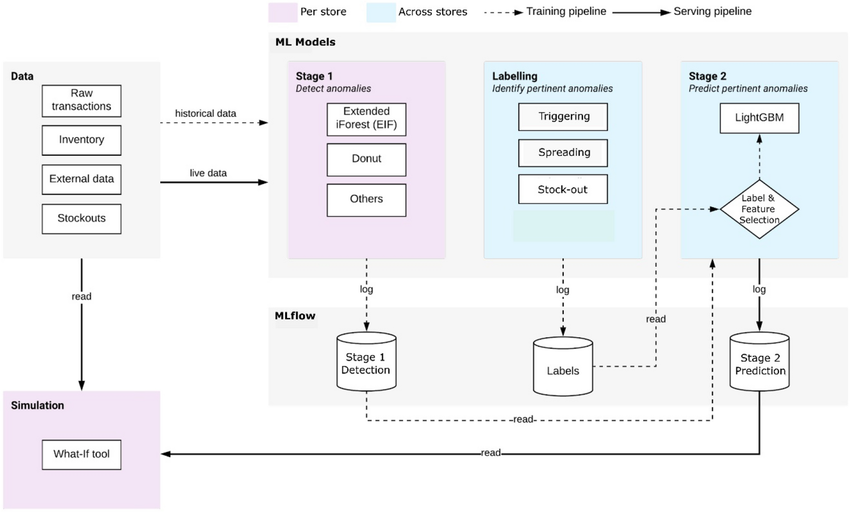


🧠Inside AI Episode 23/♾: Enterprise AI as a Process , Beyond Bots, Toward System Intelligence
AI started as chatbots, Then came copilots.
But the real transformation begins when AI stops living in a chat window and starts living inside the architecture of your systems , as a process, not a bot.
Modern enterprises don’t need “conversational widgets.”
They need intelligent steps inside their workflows.
Here’s what AI as a Process actually means 👇
1) AI becomes part of the pipeline
Instead of a user typing to a bot, AI is inserted directly into business flows:
• “extract → validate → decide”
• “read → compare → escalate”
• “fetch → summarize → classify”
Every workflow step becomes smarter.
2) AI works behind the scenes
It enriches data, flags risk, drafts decisions, rewrites errors, routes tasks, and prepares context before a human ever sees it.
3) AI adds an Intelligence Layer to the architecture
Between business logic and data, enterprises now add:
• reasoning
• retrieval
• planning
• tool execution
• policy checks
• memory
This becomes a core tier, like storage or caching.
4) AI triggers other systems
LLMs call APIs, push events to queues, update state, run tools , and escalate to humans when uncertain.
5) AI becomes part of the process map
Not a chatbot.
A step in onboarding.
A step in verification.
A step in finance ops.
A step in compliance.
This is the future: AI embedded deep into enterprise architecture , not as a UI, but as a system capability.
#InsideAI #EnterpriseAI #SystemDesign #AgenticAI
🧠Inside AI Episode 22/♾: Multi-Source Fusion , How Agents Combine Vectors, Graphs, Tools & Memory
Agents don’t think with one brain , they think with many sources of truth.
Vector stores, knowledge graphs, APIs, documents, memory, tools , each captures a different shape of knowledge.
Fusion is the art of blending them into one coherent context the agent can reason over.
Here’s how multi-source fusion actually works 👇
1) Vectors = similarity & intuition
Embeddings help agents find concepts that “feel related.”
Great for exploration, weak for precision.
2) Knowledge Graphs = structure & facts
Graphs give hard relationships:
A → works_at → B
Perfect for grounding, auditing, and avoiding hallucination.
3) Tools & APIs = fresh, real-time truth
Weather, prices, inventory, transactions, code execution , all things models can’t hallucinate.
Tools anchor the agent in the external world.
4) Memory = continuity & personalization
Long-term facts, context, past decisions, preferences, constraints , the agent’s sense of identity across sessions.
5) Fusion Layer = the referee
Agents fuse results by ranking each source:
• reliability
• recency
• consistency
• task fit
• cost
Then produce a single consolidated context.
Why it matters:
Fusion makes agents accurate, grounded, and context-aware , not just clever text generators.
It’s the difference between a chatbot and an intelligent system.
#InsideAI #AgenticAI #RAG #KnowledgeGraphs #LLMSystems
🧠Inside AI Episode 21/♾: Delegation , How Agents Decide What to Do and What to Ask Humans
The moment an agent becomes useful is the moment it learns what it should do and what it shouldn’t.
Delegation is the boundary between autonomy and chaos. It’s how agents stay smart without becoming unpredictable.
Here’s how modern agents decide when to act vs. when to ask a human 👇
1) Uncertainty Thresholds
Agents estimate their confidence.
If confidence > threshold → act.
If confidence < threshold → escalate.
This is the core of “ask before you break things.”
2) Decision Policies
Delegation rules are encoded as policies:
• “Never approve payments.”
• “Ask for human review if policy conflict.”
• “Escalate if contradicting memory.”
These guardrails keep agents predictable.
3) Cost-Aware Delegation
Agents compare:
tool cost, model cost, time, accuracy benefit.
Sometimes the cheapest and fastest action is:
“Ask the human.”
4) Subjective Judgment Detection
Agents detect tasks requiring taste, emotion, ethics, or preference , things humans are better at.
They ask:
“Should this sound friendly or serious?”
“What’s your risk tolerance here?”
5) Clarification Queries
When instructions are incomplete, ambiguous, or contradictory, agents pause and ask for missing details instead of guessing.
Delegation is not weakness.
It’s intelligent restraint , the difference between a brittle automated script and a trustworthy AI teammate.
#InsideAI #AgenticAI #AIUX

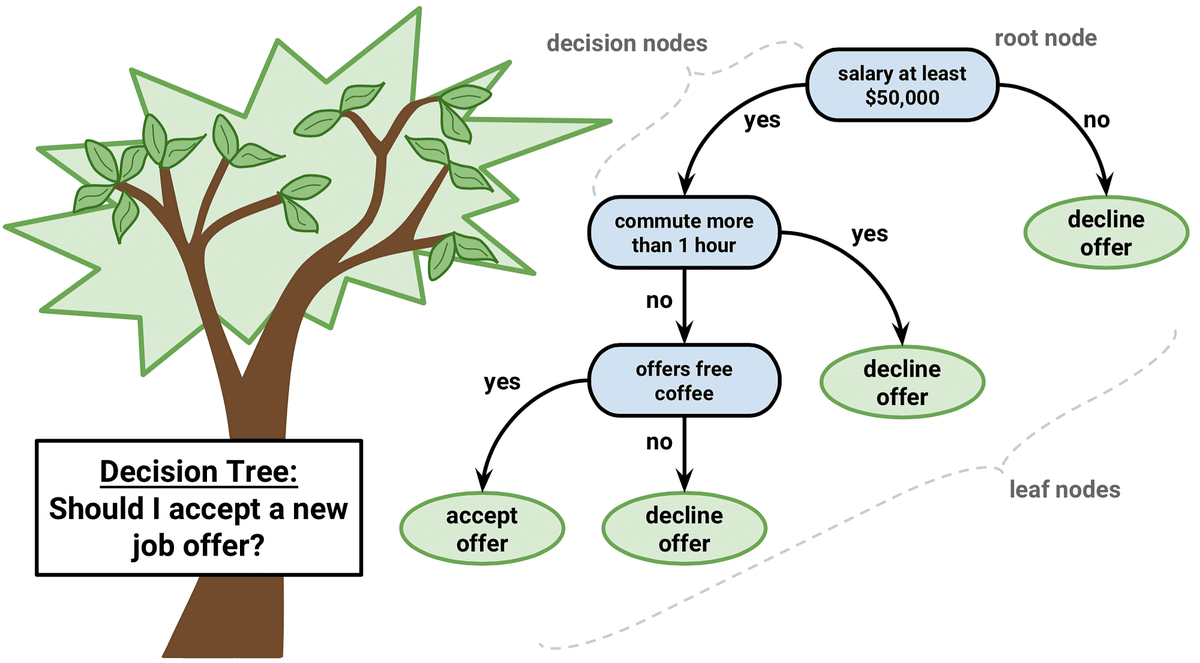
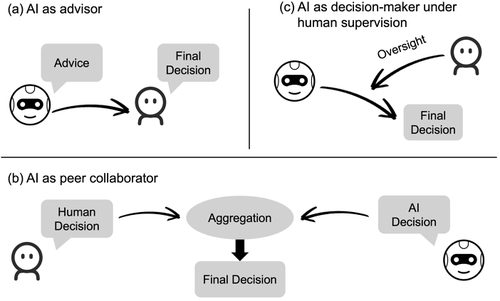
🧠Inside AI Episode 21/♾: Delegation , How Agents Decide What to Do and What to Ask Humans
The moment an agent becomes useful is the moment it learns what it should do and what it shouldn’t.
Delegation is the boundary between autonomy and chaos. It’s how agents stay smart without becoming unpredictable.
Here’s how modern agents decide when to act vs. when to ask a human 👇
1) Uncertainty Thresholds
Agents estimate their confidence.
If confidence > threshold → act.
If confidence < threshold → escalate.
This is the core of “ask before you break things.”
2) Decision Policies
Delegation rules are encoded as policies:
• “Never approve payments.”
• “Ask for human review if policy conflict.”
• “Escalate if contradicting memory.”
These guardrails keep agents predictable.
3) Cost-Aware Delegation
Agents compare:
tool cost, model cost, time, accuracy benefit.
Sometimes the cheapest and fastest action is:
“Ask the human.”
4) Subjective Judgment Detection
Agents detect tasks requiring taste, emotion, ethics, or preference , things humans are better at.
They ask:
“Should this sound friendly or serious?”
“What’s your risk tolerance here?”
5) Clarification Queries
When instructions are incomplete, ambiguous, or contradictory, agents pause and ask for missing details instead of guessing.
Delegation is not weakness.
It’s intelligent restraint , the difference between a brittle automated script and a trustworthy AI teammate.
#InsideAI #AgenticAI #AIUX
🧠Inside AI Episode 20/♾:
Human + Agent Co-Design , How Teams Build With Agents
The biggest shift in AI isn’t “AI replacing humans.”
It’s humans designing work with agents ,like teammates.
Co-design means humans and agents share the workflow:
humans define intent, constraints, taste and judgment; agents handle exploration, execution, and iteration.
Here’s what Human+Agent co-design actually looks like 👇
1) Humans set the problem, agents explore the space
People define goals, constraints, taste, brand voice, ethics.
Agents generate options, alternatives, and directions.
2) Humans critique, agents improve
Feedback loops become the new “collaboration API.”
Instead of rewriting, you steer the agent:
“shorter,” “more bold,” “align with rule X,” “check these sources.”
3) Humans make the decisions, agents run the operations
Agents execute: research, draft, code, test, simulate.
Humans approve, prioritize, and escalate edge cases.
4) Humans design strategy, agents handle the tactics
Humans: Why, when, who, what matters?
Agents: How, in what order, with which tool?
5) Humans provide judgment; agents provide scale
Judgment, taste, ethics, and nuance remain human strengths.
Agents offer speed, breadth, and mechanical reliability.
Co-design isn’t automation , it’s augmentation.
Teams that learn to design with agents don’t just move faster.
They unlock workflows no single human (or model) could achieve alone.
#InsideAI #AgenticAI #FutureOfWork #AIUX
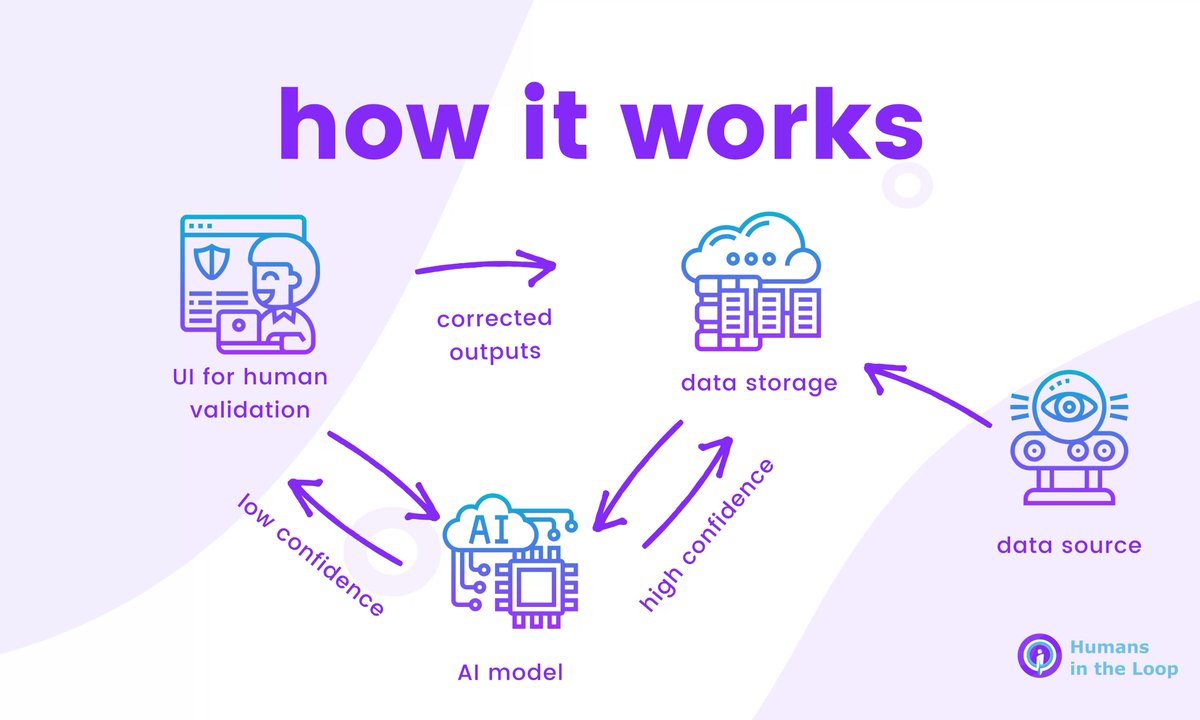

🧠Inside AI Episode 20/♾:
Human + Agent Co-Design , How Teams Build With Agents
The biggest shift in AI isn’t “AI replacing humans.”
It’s humans designing work with agents ,like teammates.
Co-design means humans and agents share the workflow:
humans define intent, constraints, taste and judgment; agents handle exploration, execution, and iteration.
Here’s what Human+Agent co-design actually looks like 👇
1) Humans set the problem, agents explore the space
People define goals, constraints, taste, brand voice, ethics.
Agents generate options, alternatives, and directions.
2) Humans critique, agents improve
Feedback loops become the new “collaboration API.”
Instead of rewriting, you steer the agent:
“shorter,” “more bold,” “align with rule X,” “check these sources.”
3) Humans make the decisions, agents run the operations
Agents execute: research, draft, code, test, simulate.
Humans approve, prioritize, and escalate edge cases.
4) Humans design strategy, agents handle the tactics
Humans: Why, when, who, what matters?
Agents: How, in what order, with which tool?
5) Humans provide judgment; agents provide scale
Judgment, taste, ethics, and nuance remain human strengths.
Agents offer speed, breadth, and mechanical reliability.
Co-design isn’t automation , it’s augmentation.
Teams that learn to design with agents don’t just move faster.
They unlock workflows no single human (or model) could achieve alone.
#InsideAI #AgenticAI #FutureOfWork #AIUX
🧠 Inside AI Episode 19/♾: Reflection - How Agents Think About Their Own Thinking
Reflection is the meta-layer where agents stop doing and start checking. It’s a simple idea with outsized impact: after an agent acts, it evaluates its reasoning, finds mistakes, stores lessons, and improves future behavior.
How reflection shows up in practice:
• Self-critique : ask the agent to list assumptions, rate confidence, and highlight weak steps.
• Iterative self-refinement : generate an answer, critique it, then refine the answer (no extra training required).
• Reason+Act loops : interleave thinking traces and actions so agents can query tools, then reassess with new facts.
• Tree / search-based reflection : explore multiple reasoning paths, score them, and pick the best (or backtrack).
• Episodic reflection + memory : write brief reflections into memory (what failed, why, and how to avoid it), so the agent learns from experience.
Quick experiment : have an agent
(1) produce a solution,
(2) write 3 weaknesses about that solution,
(3) propose one concrete fix,
(4) re-run with the fix , compare quality.
This pattern (reflect → refine → store) is the fastest way to turn brittle agents into improving systems.
#InsideAI #Reflection #AgenticAI


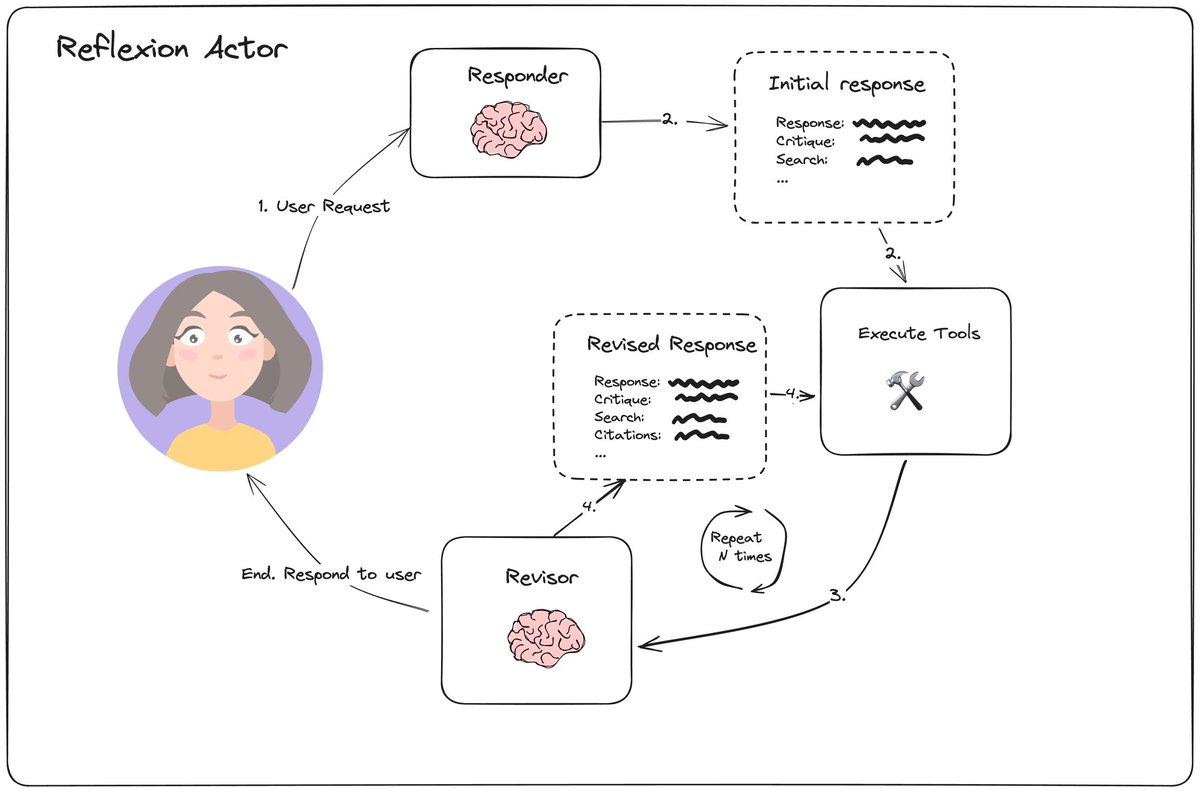
🧠 Inside AI Episode 19/♾: Reflection - How Agents Think About Their Own Thinking
Reflection is the meta-layer where agents stop doing and start checking. It’s a simple idea with outsized impact: after an agent acts, it evaluates its reasoning, finds mistakes, stores lessons, and improves future behavior.
How reflection shows up in practice:
• Self-critique : ask the agent to list assumptions, rate confidence, and highlight weak steps.
• Iterative self-refinement : generate an answer, critique it, then refine the answer (no extra training required).
• Reason+Act loops : interleave thinking traces and actions so agents can query tools, then reassess with new facts.
• Tree / search-based reflection : explore multiple reasoning paths, score them, and pick the best (or backtrack).
• Episodic reflection + memory : write brief reflections into memory (what failed, why, and how to avoid it), so the agent learns from experience.
Quick experiment : have an agent
(1) produce a solution,
(2) write 3 weaknesses about that solution,
(3) propose one concrete fix,
(4) re-run with the fix , compare quality.
This pattern (reflect → refine → store) is the fastest way to turn brittle agents into improving systems.
#InsideAI #Reflection #AgenticAI
🧠Inside AI Episode 18/♾: Retrieval 2.0 - Context Engineering for Smarter Agents
Most people think retrieval is “search + embeddings.”
In real agentic systems, retrieval is context engineering , the art of giving the model exactly the right information at the right time.
Here’s what Retrieval 2.0 looks like 👇
1) Dynamic Retrieval
Agents don’t pull a static chunk of text.
They retrieve based on the current subtask, confidence, past failures, and plan structure.
2) Context Re-ranking
Instead of dumping all matches into the prompt, agents re-rank by:
• relevance
• recency
• source reliability
• task-type
• dependency in the plan
3) Context Pruning
More context ≠ better.
Agents remove duplicates, noisy sentences, stale facts, and off-topic segments before injecting them.
4) Stitching & Summarizing
Retrieved snippets are merged into a clean, coherent “context pack” the LLM can reason over.
5) Multi-Source Retrieval
Text + tables + KGs + memory + tools.
Retrieval isn’t a single vector store , it’s a fusion layer.
Context engineering is how agents avoid hallucinations, reduce cost, and stay focused across multi-step workflows.
Retrieval 2.0 turns information into usable intelligence.
#InsideAI #RAG #ContextEngineering #AgenticAI
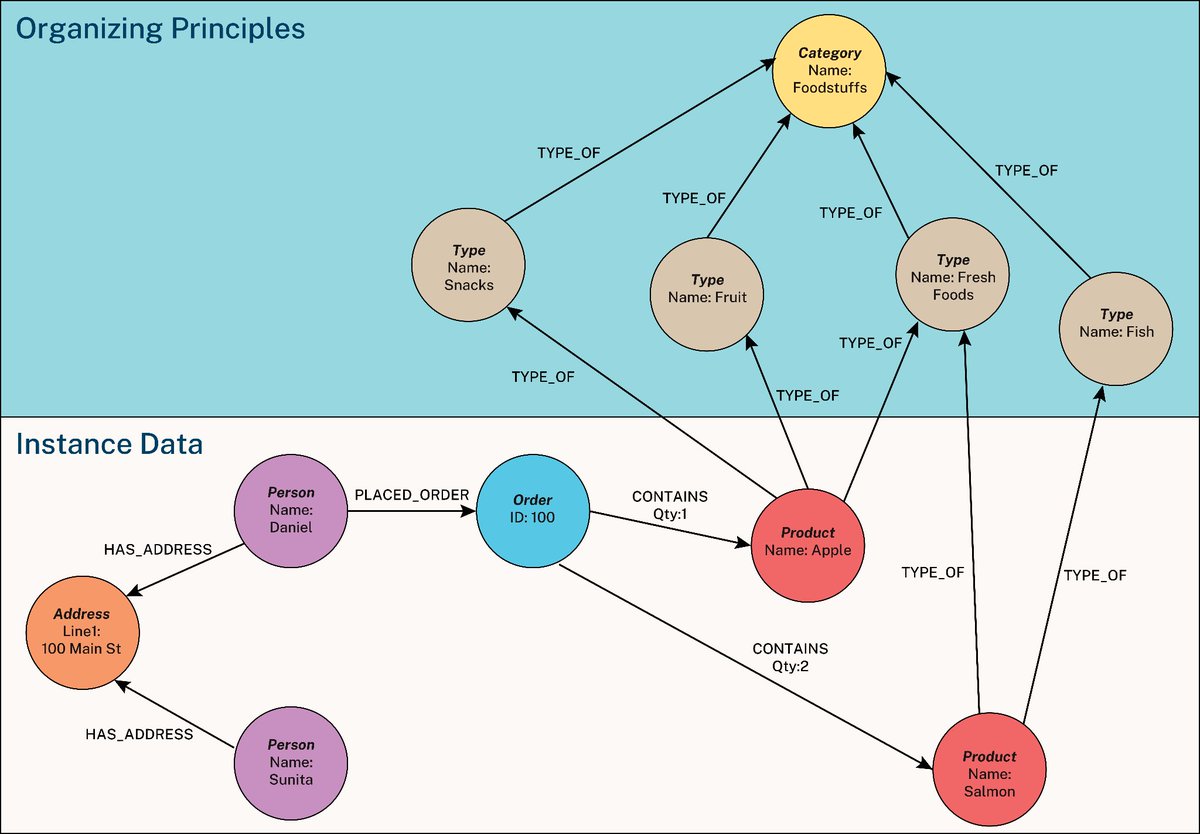
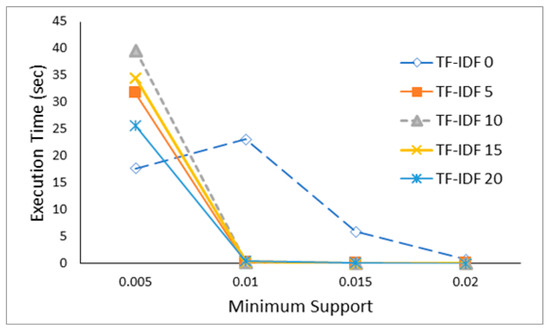
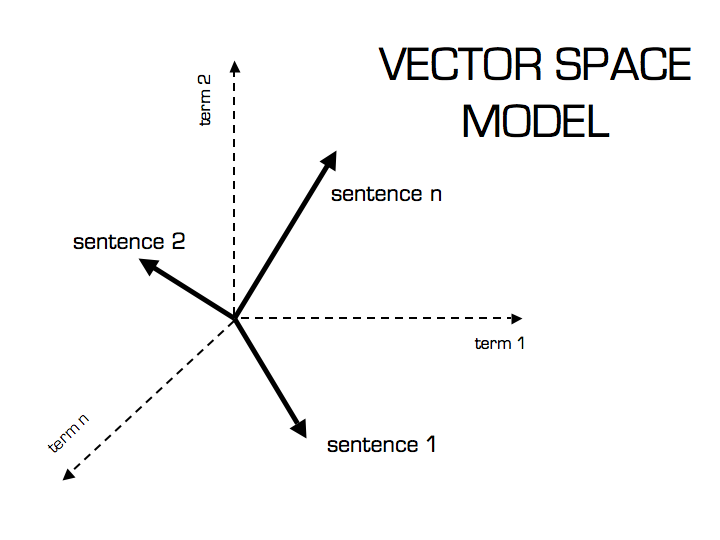

🧠Inside AI Episode 18/♾: Retrieval 2.0 - Context Engineering for Smarter Agents
Most people think retrieval is “search + embeddings.”
In real agentic systems, retrieval is context engineering , the art of giving the model exactly the right information at the right time.
Here’s what Retrieval 2.0 looks like 👇
1) Dynamic Retrieval
Agents don’t pull a static chunk of text.
They retrieve based on the current subtask, confidence, past failures, and plan structure.
2) Context Re-ranking
Instead of dumping all matches into the prompt, agents re-rank by:
• relevance
• recency
• source reliability
• task-type
• dependency in the plan
3) Context Pruning
More context ≠ better.
Agents remove duplicates, noisy sentences, stale facts, and off-topic segments before injecting them.
4) Stitching & Summarizing
Retrieved snippets are merged into a clean, coherent “context pack” the LLM can reason over.
5) Multi-Source Retrieval
Text + tables + KGs + memory + tools.
Retrieval isn’t a single vector store , it’s a fusion layer.
Context engineering is how agents avoid hallucinations, reduce cost, and stay focused across multi-step workflows.
Retrieval 2.0 turns information into usable intelligence.
#InsideAI #RAG #ContextEngineering #AgenticAI
🧠 Inside AI Episode 17/♾: Graph Intelligence -How Agents Use Connections to Think Better
Most AI systems store knowledge as text or vectors. But real understanding comes from relationships , how facts, entities, and concepts connect.
That’s where Knowledge Graphs transform agentic AI.
Knowledge graphs act as a structured world model , a map of entities, attributes, and links that agents can query, update, and reason over.
Here’s how graphs supercharge intelligence 👇
1) Structured Memory
Graphs give agents canonical facts: who is related to what, which tools apply to which domain, what a concept depends on.
No hallucinations , because structure acts as truth.
2) Better Reasoning
Agents can walk graph paths (“A → B → C”) to:
• find causes
• detect dependencies
• resolve contradictions
• plan sequences with constraints
This is something vector memory alone cannot do.
3) Smarter Planning
Graph topology guides planners , letting them break tasks based on entity relationships, prerequisites, and domain boundaries.
4) Trust & Evaluation
Evaluators use graphs to verify claims, detect mismatches, and ground answers in known relationships.
5) Multi-Agent Coordination
A shared graph becomes the “common reality” multiple agents read from and write to.
No more inconsistent facts.
Graph intelligence is the layer where agents stop guessing , and start understanding.
#InsideAI #AgenticAI #GraphIntelligence
🧠Inside AI 16/♾: Planning , How Agents Break Big Problems Into Steps
Intelligence isn’t just answering , it’s organizing.
Planning is the layer that lets agents turn vague goals into structured, executable steps.
Here’s how AI planning actually works 👇
1) Goal Understanding
An agent first rewrites the user request into a precise objective with constraints, success criteria, and assumptions.
This is where ambiguity gets removed.
2) Decomposition
The planner breaks the goal into smaller tasks:
research → decisions → writing → verification → final synthesis.
Each subtask becomes a node in a directed workflow graph.
3) Ordering & Dependencies
Tasks are arranged into a sequence or DAG:
some steps must finish before others; some run in parallel; some repeat until quality stabilizes.
4) Tool & Agent Assignment
The planner chooses which specialist handles which task , researcher, coder, critic, summarizer and which tools are needed.
5) Replanning Loops
If a step fails, contradicts memory, exceeds limits, or produces low-confidence results, the planner adjusts the plan and tries again.
This is where real “agent intelligence” emerges.
Planning is what turns an LLM’s raw ability into structured, goal-driven behavior.
Without planning, agents are reactive.
With planning, they become problem-solvers.
Which planning concept is best : decomposition, DAGs, or replanning loops?
#InsideAI #AgenticAI

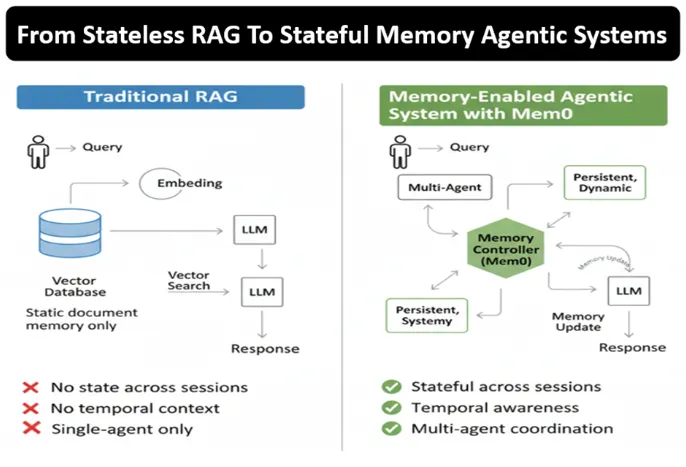

🧠Inside AI 16/♾: Planning , How Agents Break Big Problems Into Steps
Intelligence isn’t just answering , it’s organizing.
Planning is the layer that lets agents turn vague goals into structured, executable steps.
Here’s how AI planning actually works 👇
1) Goal Understanding
An agent first rewrites the user request into a precise objective with constraints, success criteria, and assumptions.
This is where ambiguity gets removed.
2) Decomposition
The planner breaks the goal into smaller tasks:
research → decisions → writing → verification → final synthesis.
Each subtask becomes a node in a directed workflow graph.
3) Ordering & Dependencies
Tasks are arranged into a sequence or DAG:
some steps must finish before others; some run in parallel; some repeat until quality stabilizes.
4) Tool & Agent Assignment
The planner chooses which specialist handles which task , researcher, coder, critic, summarizer and which tools are needed.
5) Replanning Loops
If a step fails, contradicts memory, exceeds limits, or produces low-confidence results, the planner adjusts the plan and tries again.
This is where real “agent intelligence” emerges.
Planning is what turns an LLM’s raw ability into structured, goal-driven behavior.
Without planning, agents are reactive.
With planning, they become problem-solvers.
Which planning concept is best : decomposition, DAGs, or replanning loops?
#InsideAI #AgenticAI
🧑⚖️ Inside AI Episode 15/♾: Evaluators - The Judge Behind Every AI System
Models generate -> Agents act .
But evaluators decide what is acceptable , and that makes them the most important (and least understood) part of modern AI systems.
Evaluators are the judges of an agentic workflow. They score, verify, or reject outputs before they reach the user or trigger a downstream action.
What Evaluators Actually Do
• Check correctness : does the answer match facts, rules, or expected structure?
• Score quality : clarity, coherence, style, safety.
• Verify reasoning : was the chain-of-thought valid or circular?
• Detect hallucinations : compare claims against memory, retrieval, or tools.
• Enforce policy : redactions, constraints, compliance, permissions.
• Arbitrate : pick the best result from multiple agent attempts.
Why Every Real AI System Needs Them
Without evaluators, multi-agent systems drift, loop, contradict, or hallucinate themselves into unreliability.
With evaluators, agents become stable, consistent, and trustworthy.
Evaluators are not optional.
They’re the layer that turns AI from “interesting” into production-ready intelligence.
#InsideAI #AIEvaluators #AgenticAI
🧠 Inside AI 14/♾: Memory - How Agents Remember, Forget & Evolve
Language models don’t have memory , agents do.
And the moment you introduce memory, an AI stops behaving like a chatbot and starts behaving like a system that learns, adapts, and evolves.
Here’s how agent memory actually works 👇
1) Short-Term Memory (Context Window)
This is what the model “holds in its head” during a single run: conversation history, recent steps, tool outputs.
It resets every run ,like human working memory.
2) Long-Term Memory (Vector Stores)
Agents write facts, decisions, and learnings into embeddings.
This forms semantic memory: knowledge that persists across sessions and agents.
3) Episodic Memory (Events & Logs)
Stores structured events: “What happened, when, and why?”
Critical for planning, debugging, and self-correction.
4) Procedural Memory (Skills & Tools)
Agents “remember” how to act through tool schemas, APIs, and code execution patterns , the closest thing to human muscle memory.
5) Forgetting & Safety
Without controlled forgetting, memory becomes corrupted: duplicated facts, outdated info, hallucinated writes.
Real systems prune, age, validate, and version memory to stay reliable.
Agents don’t become intelligent by thinking harder ,
they become intelligent by remembering better.
#InsideAI #AgentMemory #AgenticAI #LangGraph #AIArchitecture
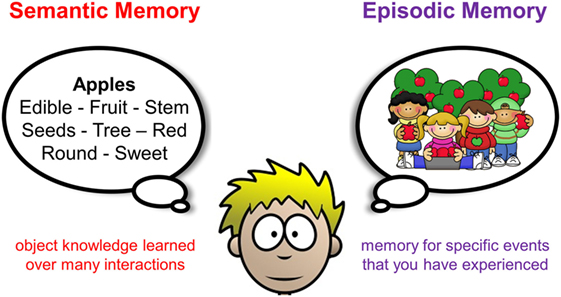

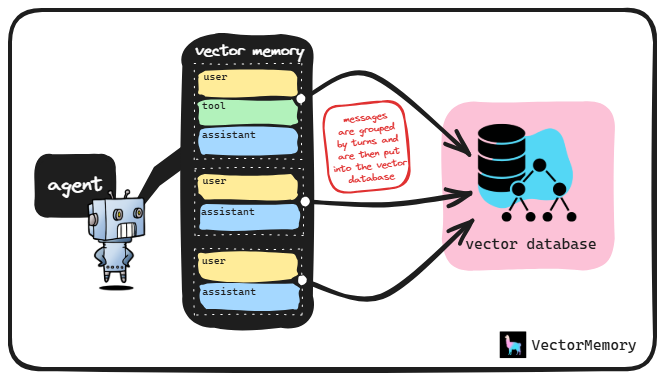
🧠 Inside AI 14/♾: Memory - How Agents Remember, Forget & Evolve
Language models don’t have memory , agents do.
And the moment you introduce memory, an AI stops behaving like a chatbot and starts behaving like a system that learns, adapts, and evolves.
Here’s how agent memory actually works 👇
1) Short-Term Memory (Context Window)
This is what the model “holds in its head” during a single run: conversation history, recent steps, tool outputs.
It resets every run ,like human working memory.
2) Long-Term Memory (Vector Stores)
Agents write facts, decisions, and learnings into embeddings.
This forms semantic memory: knowledge that persists across sessions and agents.
3) Episodic Memory (Events & Logs)
Stores structured events: “What happened, when, and why?”
Critical for planning, debugging, and self-correction.
4) Procedural Memory (Skills & Tools)
Agents “remember” how to act through tool schemas, APIs, and code execution patterns , the closest thing to human muscle memory.
5) Forgetting & Safety
Without controlled forgetting, memory becomes corrupted: duplicated facts, outdated info, hallucinated writes.
Real systems prune, age, validate, and version memory to stay reliable.
Agents don’t become intelligent by thinking harder ,
they become intelligent by remembering better.
#InsideAI #AgentMemory #AgenticAI #LangGraph #AIArchitecture
🛠️ Inside AI Episode 13/♾: Tool-Using Agents -When Models Do, Not Just Tell
Modern agents don’t just write , they act. Tool-using agents connect language models to external systems (APIs, databases, code runners, browsers) so an LLM can fetch live data, execute code, or call a payment API , all under programmatic control.
Common patterns:
• Function calling: LLM outputs structured calls (JSON) that map to real functions.
• ReAct / Reason+Act loops: agents interleave chain-of-thought with actions (search, compute, fetch).
• Tool routers & safety: a router picks which tool to call; policy layers enforce permissions, timeouts, and cost caps.
Why it matters: tool use turns models into executors , enabling automation pipelines, live retrieval, and safe side-effects , without hardcoding logic.
small setup : one reliable tool + schema + validation → expand.
#InsideAI #ToolAgents #FunctionCalling #ReAct #AgenticAI
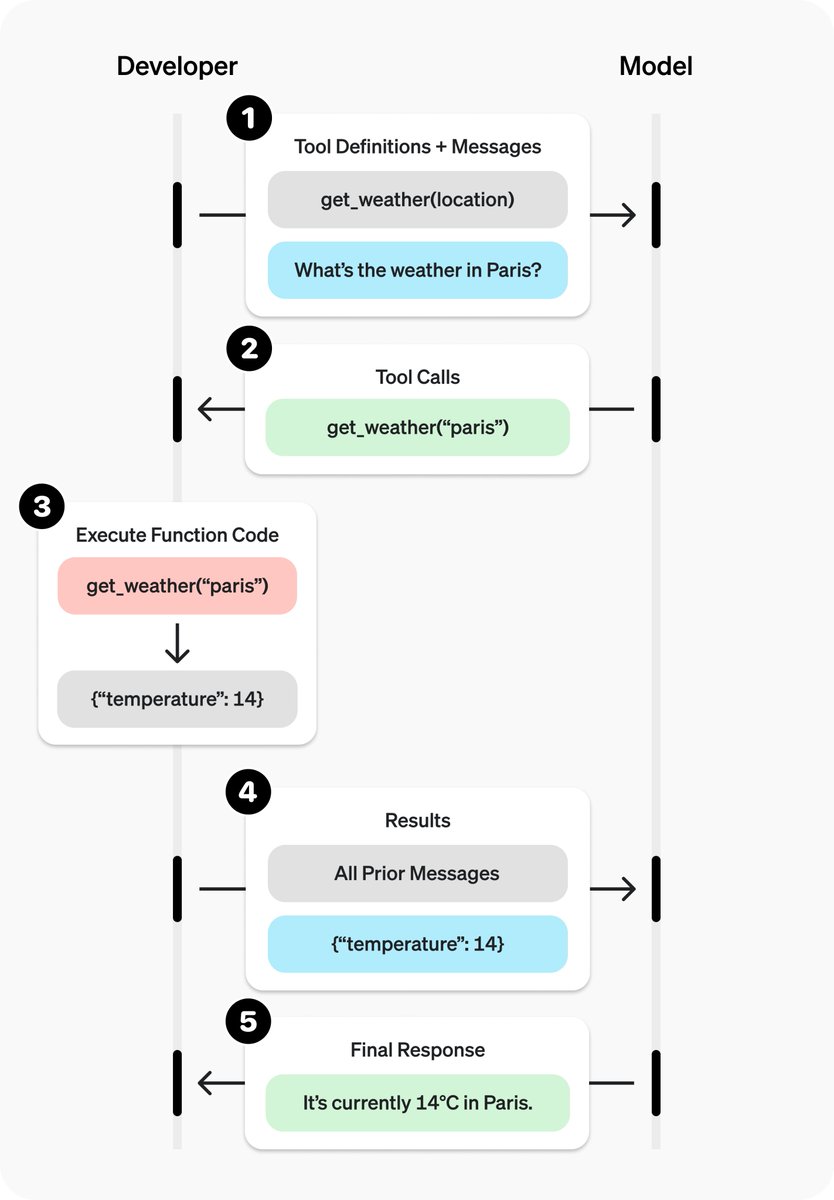

🛠️ Inside AI Episode 13/♾: Tool-Using Agents -When Models Do, Not Just Tell
Modern agents don’t just write , they act. Tool-using agents connect language models to external systems (APIs, databases, code runners, browsers) so an LLM can fetch live data, execute code, or call a payment API , all under programmatic control.
Common patterns:
• Function calling: LLM outputs structured calls (JSON) that map to real functions.
• ReAct / Reason+Act loops: agents interleave chain-of-thought with actions (search, compute, fetch).
• Tool routers & safety: a router picks which tool to call; policy layers enforce permissions, timeouts, and cost caps.
Why it matters: tool use turns models into executors , enabling automation pipelines, live retrieval, and safe side-effects , without hardcoding logic.
small setup : one reliable tool + schema + validation → expand.
#InsideAI #ToolAgents #FunctionCalling #ReAct #AgenticAI
🧵 Inside AI Episode 12/♾: Orchestrating Intelligence ,The Architecture Behind Multi-Agent Systems
Orchestration is the control layer that turns many independent AI agents into a coherent system. It does task decomposition, message routing, state management, arbitration, safety enforcement and observability. Without it, agent teams diverge into noise; with it, they become reliable, auditable, and composable workflows.
Lets Dive into this powerful concept step by step
🧵1/10 Orchestrating Intelligence
Multi-agent systems are powerful , but without orchestration, they collapse into chaos.
Here’s the architecture that turns a group of AIs into a coherent intelligence system.
#InsideAI #AgenticAI #LangGraph #AISystems #MultiAgent
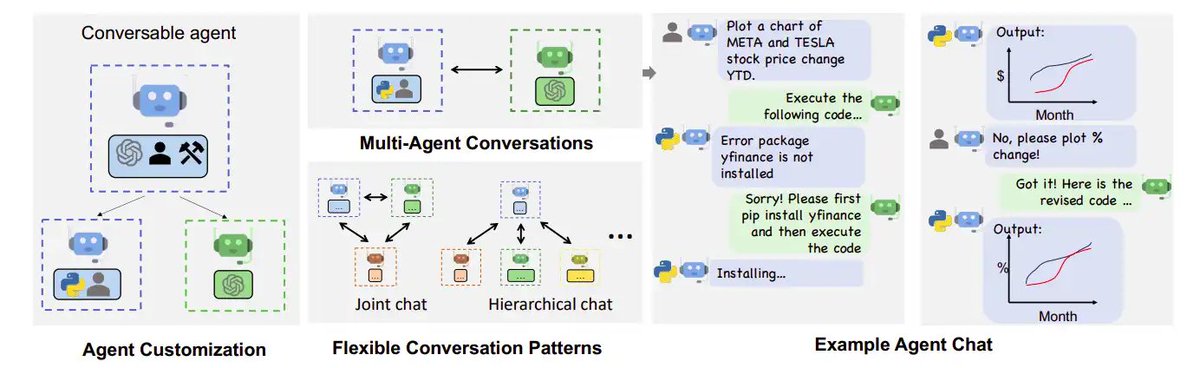
🧠 Inside AI Episode 11/♾: Multi-Agent Collaboration ,When AIs Work Together
The next wave of AI isn’t about single models , it’s about teams of AIs that collaborate like humans.
Planner, researcher, coder, critic ,each agent has a role.
Here’s how multi-agent systems actually work 👇
1️⃣ Shared Goal
A user gives a complex objective (e.g., “Design a startup plan”).
The Planner Agent breaks it into subtasks.
2️⃣ Specialized Agents
Each subtask is handled by a specialist:
Researcher Agent → gathers information
Creator Agent → writes, codes, or designs
Reviewer Agent → checks quality or correctness
3️⃣ Communication Layer
Agents share context through a message bus or shared memory — grounding their responses instead of working in isolation.
4️⃣ Arbitration & Feedback
A controller or evaluator reviews outputs, resolves conflicts, and merges results into a final answer.
That’s not science fiction , it’s frameworks like LangGraph, CrewAI, AutoGen, and MetaGPT in action.
When AIs start collaborating, they stop being tools and start becoming teams.
The question isn’t what AI can do , it’s how well they can work together.
Would you trust a team of AIs to manage your next project? 🤖🤝
#InsideAI #MultiAgent #LangGraph #CrewAI #AIAgents

Trends for you
Most Popular Users

Elon Musk 
@elonmusk
239.8M followers

Barack Obama
@barackobama
118.6M followers

Cristiano Ronaldo
@cristiano
114.3M followers

Donald J. Trump
@realdonaldtrump
111.7M followers

Narendra Modi
@narendramodi
106.9M followers

Rihanna
@rihanna
98.6M followers

NASA
@nasa
92.1M followers

Justin Bieber
@justinbieber
91.7M followers

KATY PERRY
@katyperry
89.9M followers

Taylor Swift
@taylorswift13
83.9M followers

Lady Gaga
@ladygaga
75.4M followers

Virat Kohli
@imvkohli
73.3M followers

Kim Kardashian
@kimkardashian
70.8M followers

YouTube
@youtube
68.6M followers

Neymar Jr
@neymarjr
66.3M followers

Bill Gates
@billgates
65.1M followers

Selena Gomez
@selenagomez
63M followers

The Ellen Show
@theellenshow
62.1M followers

CNN
@cnn
61.7M followers

X
@x
60.6M followers