

Top Tweets for #Manganes

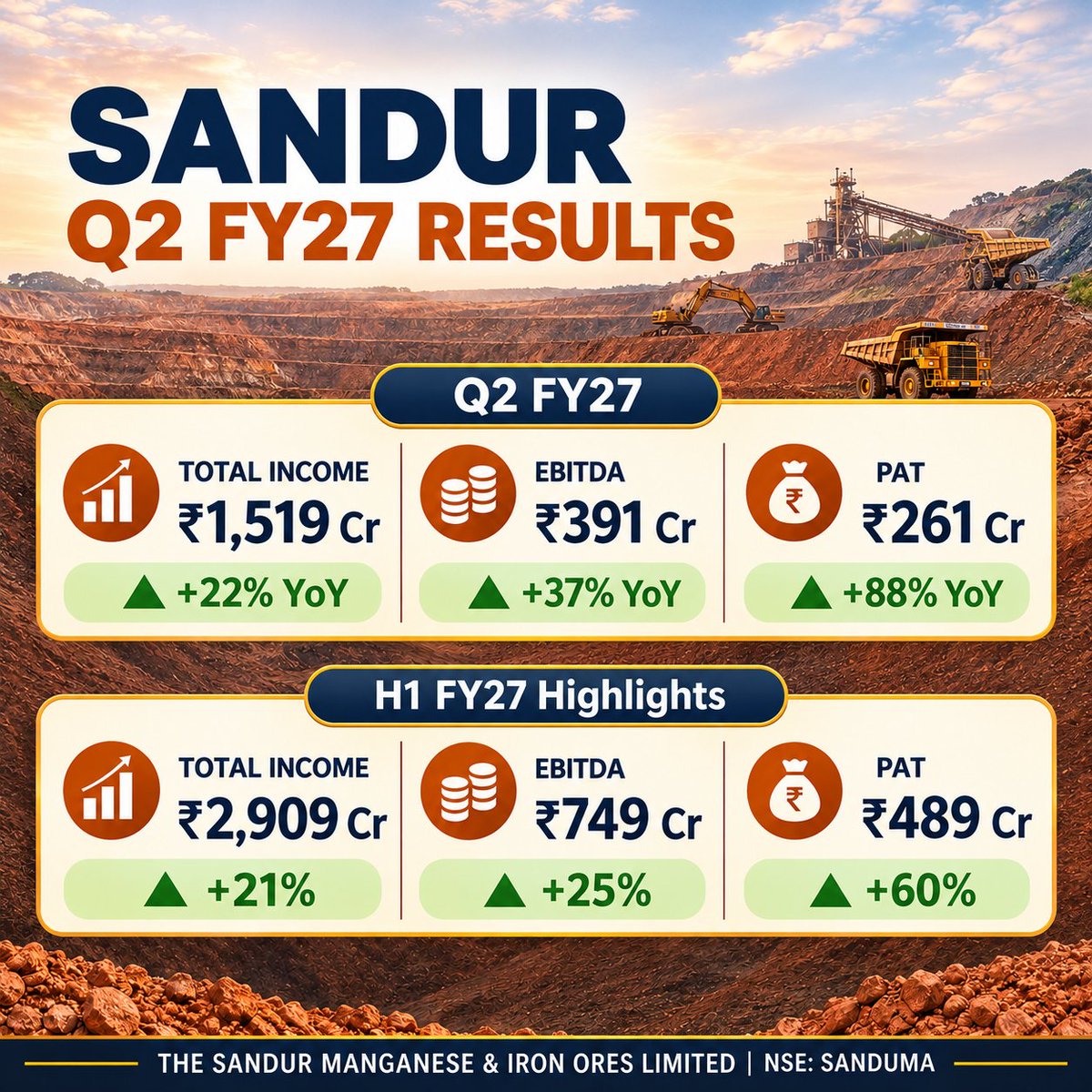
Q2 FY27 Earnings Update | Sandur Manganese & Iron Ores
SANDUMA (Q2 FY27, consolidated)
▲ Total income: ₹1,519 Cr (+22%)
▲ EBITDA: ₹391 Cr (+37%)
▲ PAT: ₹261 Cr (+88%)
H1 FY27
▲ Total income: ₹2,909 Cr (+21%)
▲ EBITDA: ₹749 Cr (+25%)
▲ PAT: ₹489 Cr (+60%)

Q2 FY27 Earnings Update | Sandur Manganese & Iron Ores
SANDUMA (Q2 FY27, consolidated)
▲ Total income: ₹1,519 Cr (+22%)
▲ EBITDA: ₹391 Cr (+37%)
▲ PAT: ₹261 Cr (+88%
H1 FY27
▲ Total income: ₹2,909 Cr (+21%)
▲ EBITDA: ₹749 Cr (+25%)
▲ PAT: ₹489 Cr (+60%)

Q2 FY27 Earnings Update | Sandur Manganese & Iron Ores
SANDUMA (Q2 FY27, consolidated)
▲ Total income: ₹1,519 Cr (+22%)
▲ EBITDA: ₹391 Cr (+37%)
▲ PAT: ₹261 Cr (+88%
H1 FY27
▲ Total income: ₹2,909 Cr (+21%)
▲ EBITDA: ₹749 Cr (+25%)
▲ PAT: ₹489 Cr (+60%

Q2 FY27 Earnings Update | Sandur Manganese & Iron Ores
SANDUMA (Q2 FY27, consolidated)
▲ Total income: ₹1,519 Cr (+22%)
▲ EBITDA: ₹391 Cr (+37%)
▲ PAT: ₹261 Cr (+88%
H1 FY27
▲ Total income: ₹2,909 Cr (+21%)
▲ EBITDA: ₹749 Cr (+25%)
▲ PAT: ₹489 Cr (+60%)
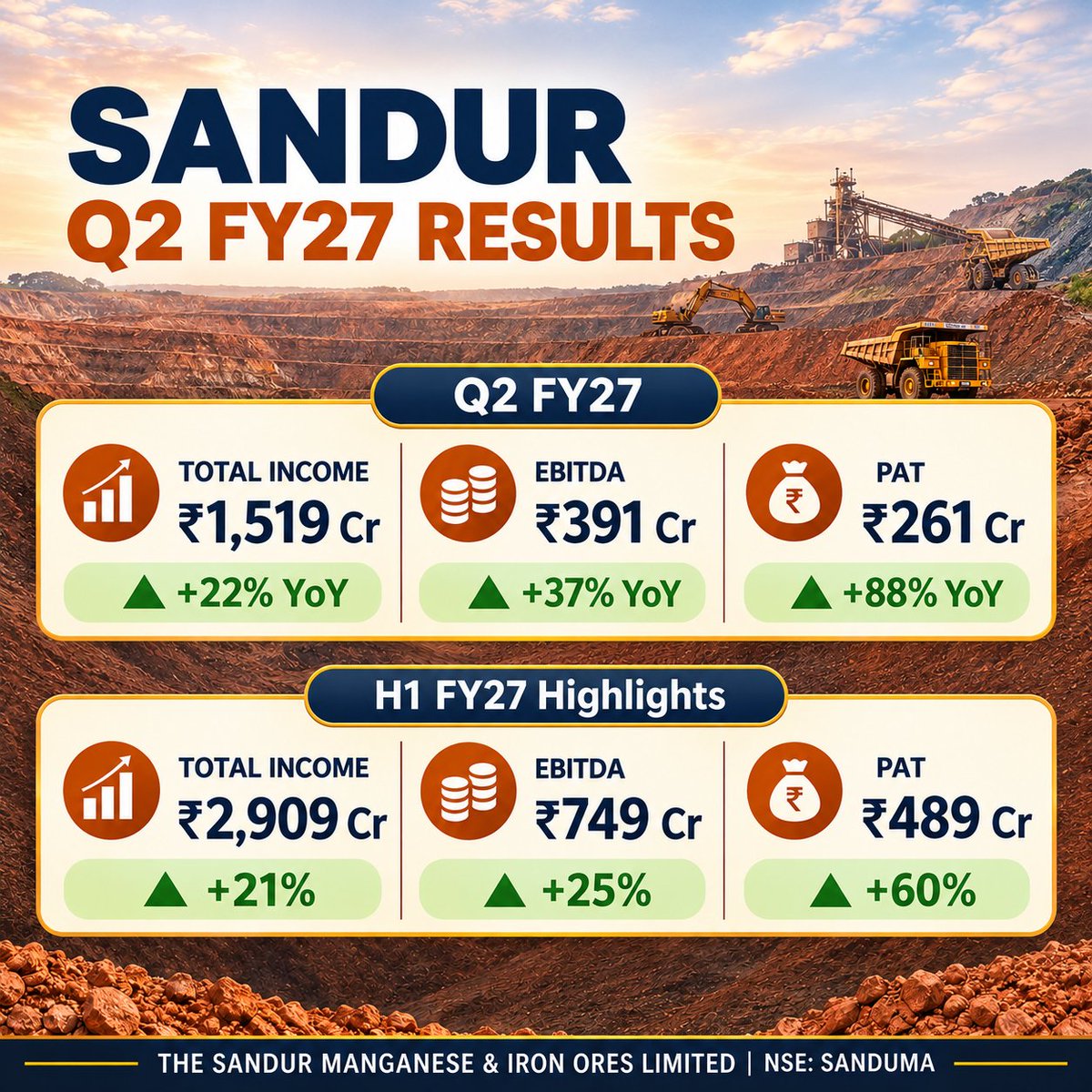
Q2 FY27 Earnings Update | Sandur Manganese & Iron Ores
SANDUMA (Q2 FY27, consolidated)
▲ Total income: ₹1,519 Cr (+22%)
▲ EBITDA: ₹391 Cr (+37%)
▲ PAT: ₹261 Cr (+88%
H1 FY27
▲ Total income: ₹2,909 Cr (+21%)
▲ EBITDA: ₹749 Cr (+25%)
▲ PAT: ₹489 Cr (+60%)


��� Enhanced exercise endurance and efficiency, particularly in aerobic activities
• A good source of folate, manganese, potassium, and antioxidants (including betalains, which give beets their deep color)

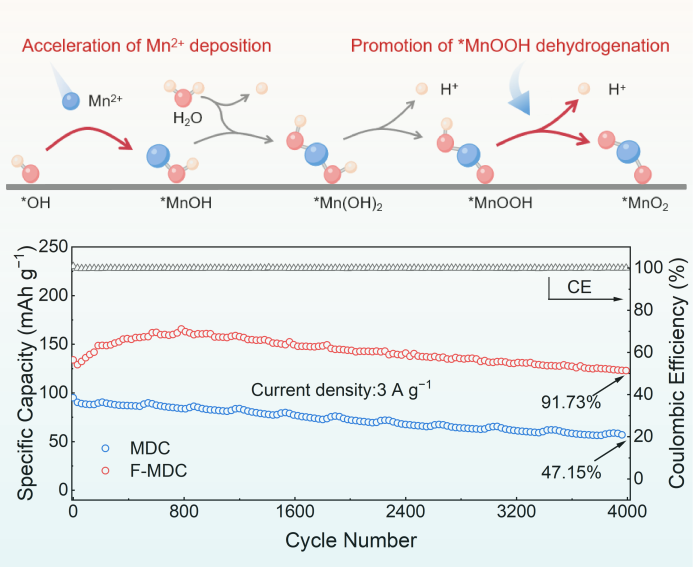
Fluorine-doped carbon helps zinc-manganese batteries avoid irreversible MnO2 loss, retaining 91.7% capacity after 4000 cycles at 3 A g− 1.
Explore the study: https://t.co/LgJC28VOV4
#SciOpen #TUP #ZincBattery @Tsinghua_Uni

A seabed-mining trade I own, framed by one number: America imports 100% of its manganese. $TMC's permit hearing is October 13. The full breakdown is in the thread.


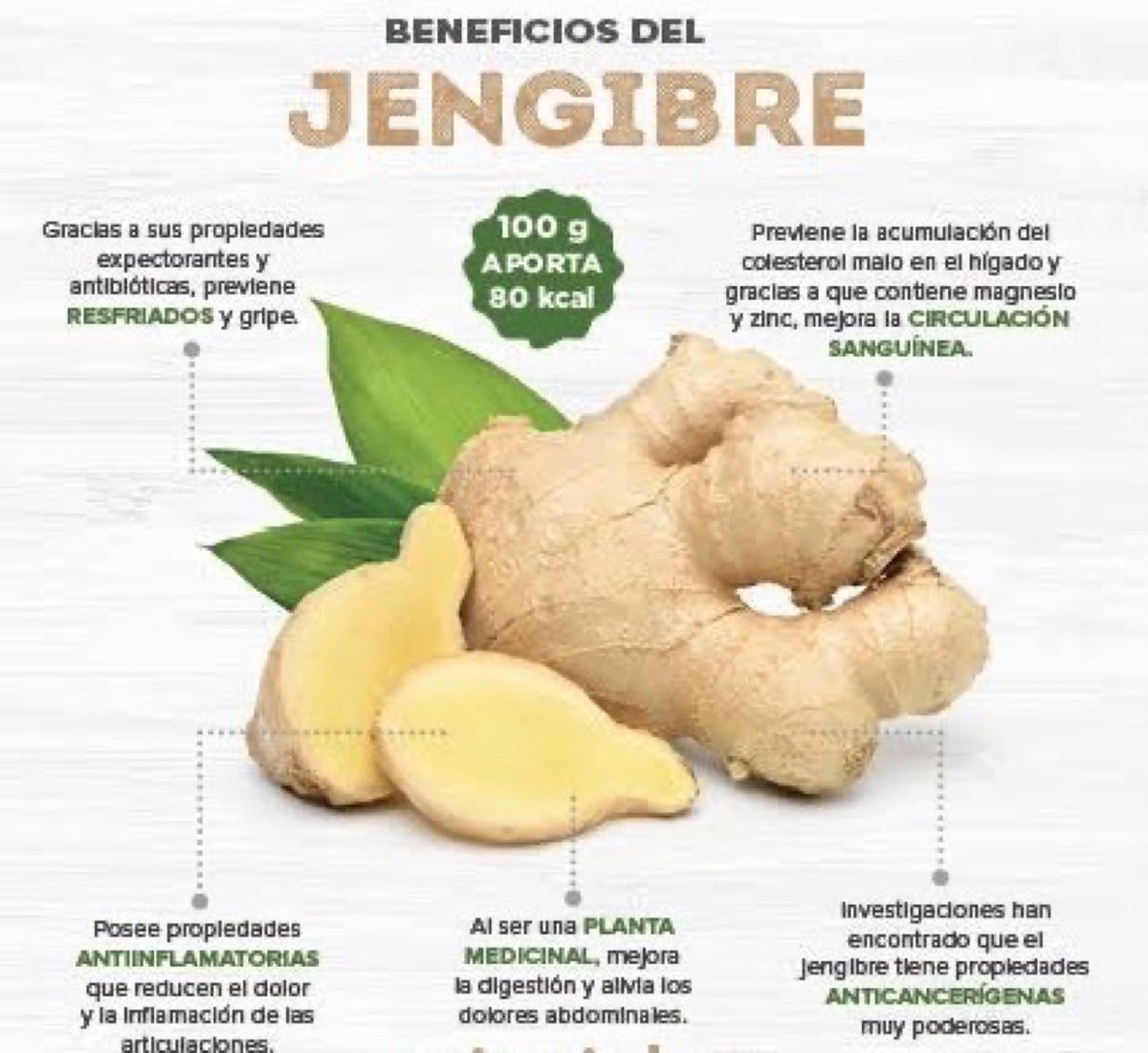
2.-El jengibre es una fuente rica en micronutrientes esenciales:
Minerales: Manganeso, hierro, magnesio, zinc, potasio, fósforo y calcio.
Vitaminas: C, B3, B6, B1, B2, B9 (ácido fólico) y vitamina E.
Fibra: Contribuye a la salud digestiva general.


@GUARDIAN10082 @IronmanAMCape @Resource_Rev @AMCSPARTON @DianeG_CEO Manganese or Wild Rose. Trouble is I don’t think they are drilling out there until the overdue new two rigs arrive.

MCM Candlewick Butter Dish. See how the one on the right is actually turning purple? Manganese in the glass, the sun makes the glass turn purple over years. I'm getting pooped who's working tonight Kim


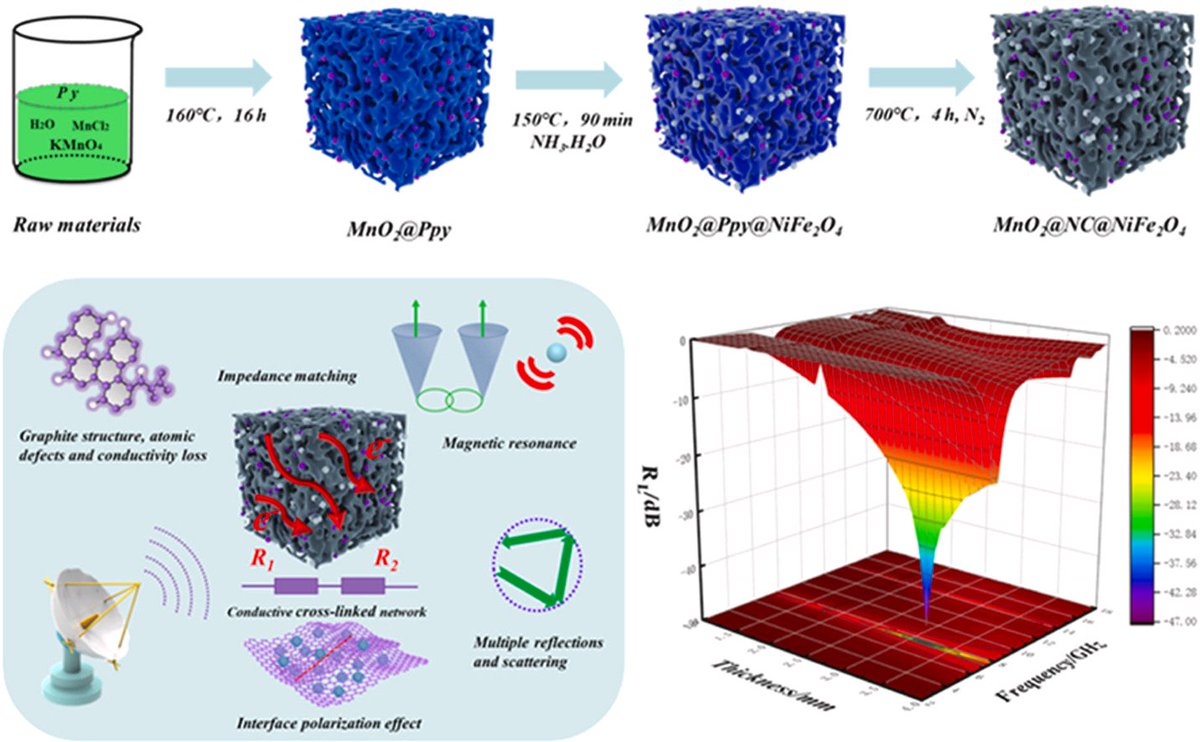
One pot green synthesis and #electromagnetic wave absorption performance of manganese dioxide@nitrogen-doped carbon@NiFe2O4 hybrids
One pot green synthesis and #electromagnetic wave absorption performance of manganese dioxide@nitrogen-doped carbon@NiFe2O4 hybrids https://t.co/CkGZLnqbe9
@Electromagnetg1 @Electro74372939 @ElectronWave @telescopicbubb1
2.-
El jengibre es una fuente rica en micronutrientes esenciales:
Minerales: Manganeso, hierro, magnesio, zinc, potasio, fósforo y calcio.
Vitaminas: C, B3, B6, B1, B2, B9 (ácido fólico) y vitamina E.
Fibra: Contribuye a la salud digestiva general.

@kikimancy The higher negative charge you have inside your cells, the more positively charged minerals they can hold on to, around the cell membranes. Higher negative charge means more trace minerals. Maple syrup is hyper concentrated source of manganese, Mn²⁺ ions around the cells


Manganese

Manganese

💹 𝐇𝐢𝐠𝐡𝐞𝐬𝐭 𝐏𝐫𝐨𝐟𝐢𝐭 𝐌𝐚𝐫𝐠𝐢𝐧 𝐒𝐭𝐨𝐜𝐤𝐬 (5Yr OPM%)
📌 Bookmark, For study, No reco
1. Nippon Life Ind. : 67.47
2.Indo Thai Sec. : 64.27
3.Antelopus Selan:49.54
4.Deep Industries :39.54
5.Knowledge Marine : 36.91
6.Hindustan Copper :36.20
7. NMDC :35.88
8.SEAMEC Ltd : 35.68
9.Supriya Lifesci. : 34.80
10.Caplin Point Lab :32.74
11.Jeena Sikho :32.52
12.Garuda Cons :31.63
13.Alivus Life :29.69
14.Happy Forgings : 28.84
15.AGI Infra :28.41
16.CFF Fluid :27.95
17.Sarda Energy :27.94
18.Raghav Product. : 27.80
19.Zydus Lifesci. : 27.45
20.KMC Speciality :27.07
21.Sandur Manganese :26.55
22.Kwality Pharma :26.35
23.AIA Engineering :25.96
24.Prudent Corp. :25.70
25.Godawari Power :24.79
26.Concord Control :24.31
27.Nestle India :23.33
28.Varun Beverages :22.77
29.Manorama Indust. :22.63
30.Indian Metals : 22.33
31.Yash Highvoltage :22.16
32.HBL Engineering :21.96
33.Inox India :21.69
34.Hester Bios : 21.57
35.Mayur Uniquoters :20.80
https://t.co/RwZkEuSN8N Springs :20.73
37.Sirca Paints :20.48
38.Triveni Turbine :20.22
39.Saint-Gob. Sekur :19.95
40.Goldiam Intl. :19.93
41.Nitta Gelatin :19.92
42.SPARC :19.40
43.SKM Egg Prod. :19.36
44.Privi Speci. :19.27
45.InfoBeans Tech. :19.10
46.Cummins India :18.86
47.Alkem Lab :18.28
48.Amic Forging :17.92
49.Krishna Defence :17.43
50.Sharda Cropchem :16.44

BREAKING: $NRED
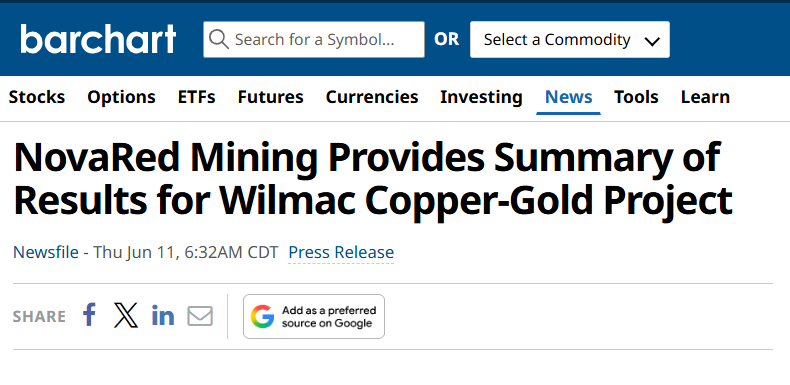
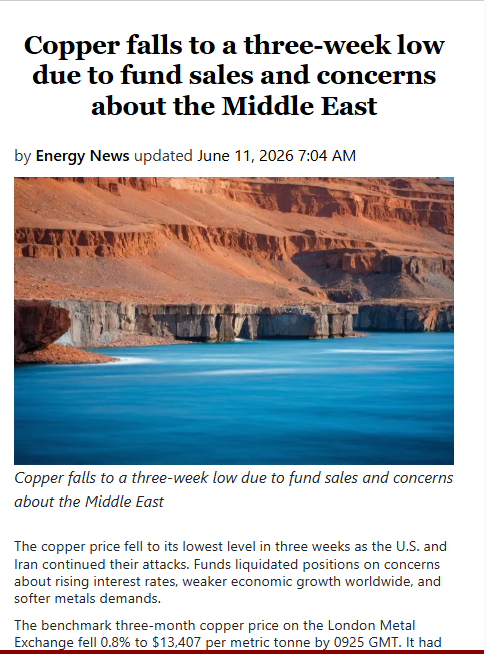
Global backdrop: Critical minerals and copper are in the market spotlight. Copper prices have fallen to three-week lows amid geopolitical tensions and stock market sell-offs, as the escalating conflict in the Middle East heightens macro risks to demand for metals and industrial commodities, including copper and gold.
Meanwhile, major players are investing in critical minerals: a US- and Abu Dhabi-backed consortium is exploring a stake in France's Eramet, a nickel and manganese producer, strengthening strategic supply chains.
This is ideal timing for NovaRed, whose strategy is focused on the Wilmac copper-gold project in British Columbia and the implementation of the MetalCore AI platform to accelerate exploration. NRED stands at the intersection of demand for critical minerals, global pressure on supply chains, and efforts to diversify away from China.


11. Pilar de hierro de Delhi (1500 años)
No se oxida.
99,72% de pureza.
Sin manganeso ni azufre, imposible para la metalurgia conocida de su época.
Y aún en pie.

Holbien Dagger is +1, +2 vs evil, +3 vs Undead, +4 vs Lycanthropes, made with silver and the rare manganese ore of lunar stones, dweomered by Suns of Light, a sect of wizards dedicated to the eradication of shapeshifters and the unnatural. AD&D D&D Magic Items


@eroc0303 Dude! new dagger!

🌱 Macronutrients vs Micronutrients – The Building Blocks of Healthy Plants 🌱
Plants require a balanced combination of both macronutrients and micronutrients for proper growth, strong roots, healthy foliage, flowering, and high-quality fruit production. While macronutrients are needed in larger quantities, micronutrients are equally important because they support vital physiological and enzymatic functions inside the plant.
✅ Macronutrients like Nitrogen (N), Phosphorus (P), Potassium (K), Calcium (Ca), Magnesium (Mg), and Sulfur (S) are responsible for major plant functions such as vegetative growth, root development, chlorophyll production, fruit quality, and overall plant structure. Deficiency in these nutrients can directly reduce crop growth and yield.
✅ Micronutrients such as Iron (Fe), Zinc (Zn), Manganese (Mn), Copper (Cu), Boron (B), and Molybdenum (Mo) are required in smaller amounts but are essential for metabolism, enzyme activation, photosynthesis, flowering, and nutrient transportation. Even a slight deficiency can negatively affect plant health and productivity.
🌿 A healthy plant is not built by just adding more fertilizer — it is built by maintaining the right nutrient balance in soil and plant tissues. Proper nutrient management improves root strength, disease resistance, flowering, fruit setting, and overall crop quality.
🌱 Healthy Soil = Healthy Plant = Better Yield
#Macronutrients #Micronutrients #PlantNutrition #HealthyPlants #SoilHealth #FarmingKnowledge #Agriculture #CropCare #NPK #PlantGrowth #MicronutrientsMatter #OrganicFarming #SustainableAgriculture


make sure to eat your 🍚
Rice supplies B vitamins, magnesium, manganese, fiber, and antioxidants. It supports heart health, blood sugar control, gut health, and reduced chronic disease risk.
$rice is doctor approved


Per Grok:
Cabbage is a nutrient-dense, low-calorie cruciferous vegetable (part of the Brassica family, like broccoli and kale) that’s versatile in everything from coleslaw and stir-fries to sauerkraut. It’s affordable, widely available, and offers impressive health perks thanks to its vitamins, minerals, fiber, and plant compounds.
Nutrition Facts (per 1 cup / 89g raw chopped green cabbage, according to USDA data)
• Calories: 22
• Protein: 1.1 g
• Fat: 0.1 g
• Carbohydrates: 5.2 g (including 2.2 g fiber and ~2.8 g natural sugars)
• Vitamin C: 32.6 mg (36% of the Daily Value)
• Vitamin K: 67.6 mcg (56% of the Daily Value)
• Folate: 38 mcg (10% of the Daily Value)
• Potassium: 151 mg (3% of the Daily Value)
• Smaller amounts of manganese, vitamin B6, calcium, and magnesium. https://t.co/suGPDeq81E
Red cabbage is similar but packs even more antioxidants (like anthocyanins), giving it up to 8 times the antioxidant power of green varieties in some comparisons. https://t.co/wACzLVXcFc
Here’s a visual breakdown of typical cabbage nutrition:
Key Nutritional Benefits
Cabbage shines because it’s low in calories yet high in volume (great for satiety and weight management) while delivering fiber, antioxidants, and key micronutrients. Here’s what the science highlights:
• Supports immune function and antioxidant defense: The high vitamin C acts as a powerful antioxidant, helping protect cells, support collagen production, and boost immunity. Cabbage also contains other antioxidants like polyphenols and (especially in red cabbage) anthocyanins that combat oxidative stress and inflammation. https://t.co/MSfoAsVgl4
• Promotes bone health and blood clotting: Vitamin K is abundant and essential for bone strength and proper blood clotting. One cup provides over half your daily needs. https://t.co/GxA9m2zCnc
• Aids digestion and gut health: The 2+ grams of fiber per cup acts as a prebiotic, feeding beneficial gut bacteria. This supports regularity, microbiome diversity, and may help with blood sugar control. Fermented cabbage (like sauerkraut) adds probiotics for extra gut benefits. https://t.co/MSfoAsVgl4
• Heart-healthy effects: Potassium helps regulate blood pressure by countering sodium. Fiber and anthocyanins (in red cabbage) are linked to lower inflammation, reduced heart disease risk, and healthier cholesterol levels in observational studies. https://t.co/sZfURoWhGM
• Potential cancer-protective compounds: As a cruciferous vegetable, cabbage contains glucosinolates that break down into sulforaphane and other compounds. Research on cruciferous veggies (including cabbage) suggests they may help activate detox enzymes, reduce inflammation, and lower risks of certain cancers, though more human studies are needed. https://t.co/wACzLVXcFc
Other perks include small contributions to eye health (from carotenoids) and overall anti-inflammatory effects from its plant compounds. https://t.co/N57cjGHGQg
Cabbage is generally safe and nutritious for most people (even the leaves are sometimes used topically for soothing). Enjoy it raw for maximum vitamin C or lightly cooked/fermented to preserve benefits while improving digestibility. Different varieties (green, red, savoy, napa) let you mix it up for variety in nutrients and flavor.
Adding cabbage to your meals is an easy way to boost your nutrient intake—try it shredded in salads, sautéed as a side, or fermented for a tangy twist!

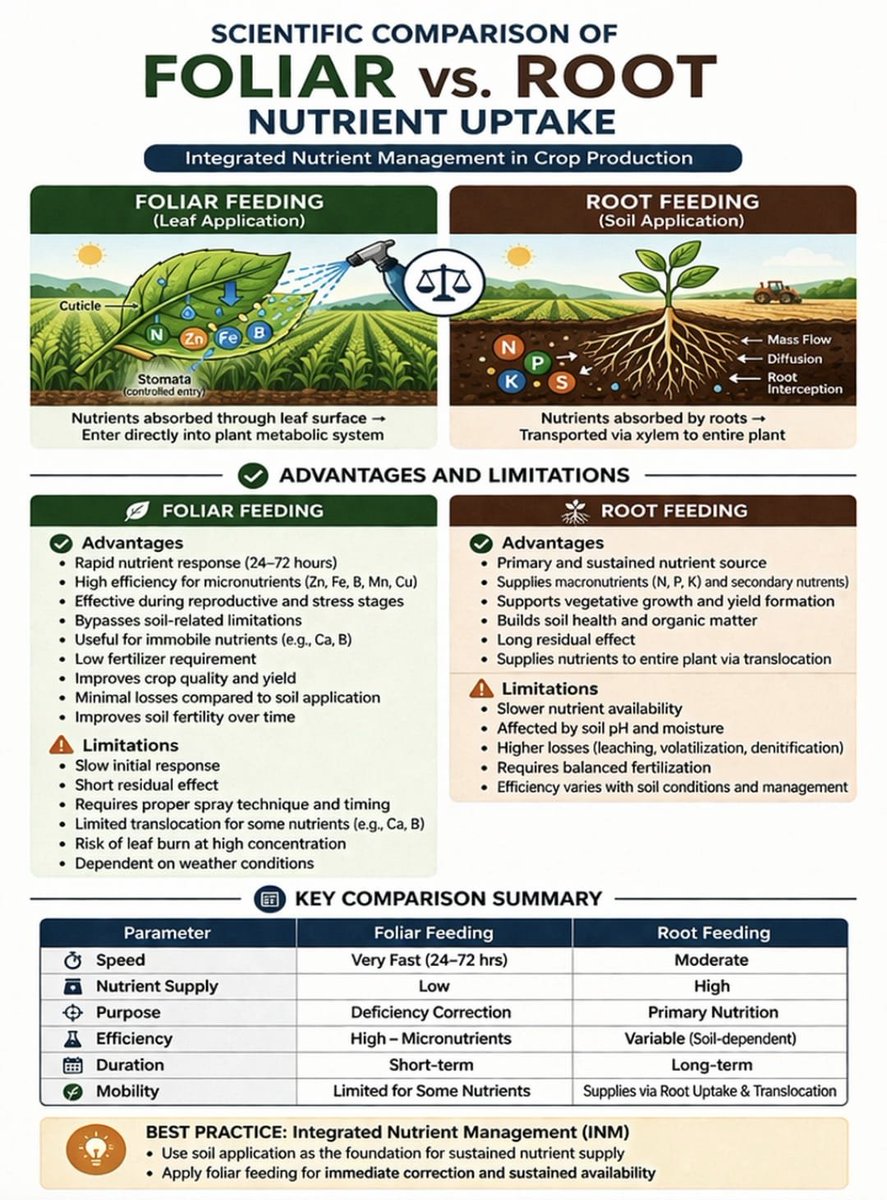
The scientific comparison between Foliar Feeding (leaf application) and Root Feeding (soil application) in crop nutrition management. Both methods are important in modern agriculture, but they serve different purposes and work best when used together under an Integrated Nutrient Management (INM) approach.
Foliar Feeding (Leaf Application)
In foliar feeding, nutrients are sprayed directly onto plant leaves. The nutrients enter through the leaf surface and stomata, allowing quick absorption into the plant system.
Main Benefits
Very fast response, usually within 24–72 hours.
Highly effective for micronutrients like Zinc (Zn), Iron (Fe), Boron (B), and Manganese (Mn).
Useful during stress conditions and reproductive stages.
Helps correct nutrient deficiencies quickly.
Reduces nutrient loss compared to some soil applications.
Limitations
Short-term effect.
Requires proper spray timing and technique.
High concentration may burn leaves.
Weather conditions can affect efficiency.
Root Feeding (Soil Application)
Root feeding delivers nutrients through the soil where roots absorb them and transport them throughout the plant via xylem.
Main Benefits
Provides long-term and sustained nutrition.
Supplies major nutrients like Nitrogen (N), Phosphorus (P), and Potassium (K).
Supports overall plant growth and yield formation.
Improves soil fertility and organic matter over time.
Limitations
Nutrient availability can be slower.
Soil pH and moisture affect absorption.
Nutrients may be lost through leaching or volatilization.
Key Difference
Foliar feeding is best for quick deficiency correction and micronutrient supply.
Root feeding is best for primary and long-term nutrition.
Best Practice
The infographic highlights that the most effective strategy is Integrated Nutrient Management (INM):
Use soil application as the foundation for crop nutrition.
Use foliar sprays for immediate correction and additional support during critical growth stages.
This balanced approach improves crop health, nutrient efficiency, soil sustainability, and overall agricultural productivity.
#PlantHealth #SustainableAgriculture #Farming

NOAA ruled The Metals Company's seabed application fully compliant under the Hard Mineral Resources Act last week. 65,000 km² in the Clarion-Clipperton Zone. 619 megatons of polymetallic nodules sitting on the abyssal plain like loose change. Nickel, cobalt, manganese, copper, the entire battery and grid stack in a layer with no drilling, no overburden, no water table to poison.
Thirty-two governments have lined up at the ISA demanding a moratorium. The risk argument arrives without comparison. Indonesian laterite advancing through rainforest does not register. Cobalt artisanal pits in Lualaba do not register. The claim that LFP retires the question forgets that LFP still needs lithium, that grid copper has no chemistry alternative, that two billion electric vehicles need windings.
A precautionary pause on the lowest-impact source preserves the most violent one as the binding constraint. Greenpeace keeps the iconography of seabed octopuses. The DRC supply chain proceeds because it is harder to photograph.
Capital does not negotiate with the chorus. The nodules will be lifted. The moratorium only assigns the rent.
Soil pH determines whether plants can absorb the nutrients you give them. Apply the best compost in the world to soil at the wrong pH and the nutrients stay locked in the ground unavailable to the roots.
The optimal zone for most vegetables and garden plants is between 6.5 and 7. At this range, earthworms are active, beneficial bacteria multiply, and the majority of nutrients are in a form roots can take up.
In acid soil (pH below 6.5): phosphorus, calcium, and magnesium become less available. At pH below 5.5, aluminium and manganese can reach levels that are directly toxic to roots.
British soils in areas with high rainfall much of Wales, Scotland, the south-west, and the north of England tend toward acidity. How to correct it: ground limestone (calcium carbonate) applied in autumn is the standard amendment.
Ground chalk works on lighter soils. Wood ash raises pH quickly in small areas but leaches fast not a long-term solution.
In alkaline soil (pH above 7.5): iron, manganese, and zinc become unavailable. The result is interveinal chlorosis leaves yellow between the veins while the veins stay green even with good watering and feeding.
In Britain, chalk and limestone areas (the Chilterns, North and South Downs, Yorkshire Wolds, parts of the Cotswolds) typically produce alkaline soils. How to correct it: sulphur powder applied well in advance, acidic compost such as composted bracken or pine needles, or chelated iron for short-term treatment of symptomatic plants.
How to test: inexpensive pH strips from a garden centre or a simple digital meter give a reliable enough reading for garden use. Test several spots pH can vary significantly within a single bed. Re-test annually if you are actively amending.
#SoilHealth #GardenSoil #GrowYourOwn #KitchenGarden

Most Popular Users

Elon Musk 
@elonmusk
239.7M followers

Barack Obama
@barackobama
118.6M followers

Cristiano Ronaldo
@cristiano
114.3M followers

Donald J. Trump
@realdonaldtrump
111.7M followers

Narendra Modi
@narendramodi
106.9M followers

Rihanna
@rihanna
98.6M followers

NASA
@nasa
92.1M followers

Justin Bieber
@justinbieber
91.7M followers

KATY PERRY
@katyperry
89.9M followers

Taylor Swift
@taylorswift13
83.9M followers

Lady Gaga
@ladygaga
75.4M followers

Virat Kohli
@imvkohli
73.3M followers

Kim Kardashian
@kimkardashian
70.8M followers

YouTube
@youtube
68.6M followers

Neymar Jr
@neymarjr
66.3M followers

Bill Gates
@billgates
65.1M followers

Selena Gomez
@selenagomez
63M followers

The Ellen Show
@theellenshow
62.1M followers

CNN
@cnn
61.7M followers

X
@x
60.6M followers