

Top Tweets for #Noncoding

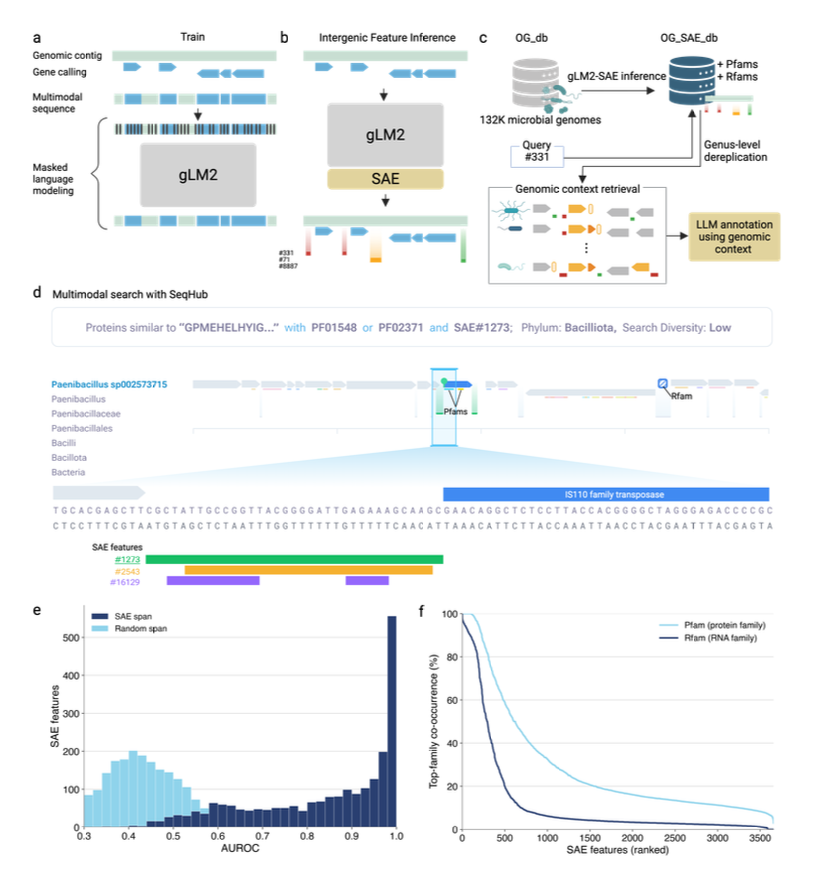
Discovery of Microbial Intergenic Features With Genomic Language Modeling and Multimodal Search
1. The work targets a major blind spot in microbial genomics: systematic discovery and interpretation of noncoding intergenic elements (operators, terminators, riboswitches, sRNAs) that are short, rapidly evolving, and often constrained by RNA structure rather than primary sequence.
2. Their core idea is to turn a genomic language model into a de novo “feature detector” for intergenic DNA/RNA: they train a sparse autoencoder (SAE) on gLM2 embeddings (layer-24 residual stream) while restricting the reconstruction objective to nucleotide positions, so each intergenic token is still represented in the context of nearby genes.
3. Scale and output: the frozen gLM2+SAE is applied across OpenGenome (131,744 genomes; ~300M intergenic regions). Activations are converted into “feature spans” (grouping firing positions ≤3 nt apart; discarding spans <8 nt). They retain 3,656 SAE features observed on ≥50 contigs.
4. Evidence that many SAE features correspond to real sequence patterns (not contig composition): for 2,234 features, STREME learns motifs from genus-dereplicated top activations and is evaluated on held-out genera. Median AUROC is 0.893, with 48% of features >0.9; a contig-matched random-intergenic control drops to median AUROC 0.429.
5. The interpretation step is explicitly context-driven: for each SAE feature, they retrieve high-activating loci across diverse genomes, genus-dereplicate, and summarize conserved associations with neighboring genes, Pfam domains, Rfam families, gene orientation/organization, and taxonomy—then use an LLM to draft putative functional descriptions grounded in these repeated genomic-context signals.
6. Multimodal search is a key engineering contribution: SAE features are indexed inside SeqHub so queries can combine protein sequences, Pfam, Rfam, and SAE feature IDs with AND/OR/NOT, plus taxonomic constraints and redundancy reduction. This enables iterative discovery starting either from a noncoding pattern or from a protein neighborhood.
7. Context association statistics suggest many intergenic features are embedded in specific systems: 605/3,656 features (16.5%) co-occur with the same Pfam domain on >50% of genus-dereplicated contigs; 290 (7.9%) show the same level of association with an Rfam family—supporting functional inference via conserved neighborhood coupling.
8. Example 1 (regulatory DNA/operator-like): SAE feature #790 fires upstream of a conserved YoaS–YozG operon across diverse phyla, in AT-rich regions containing sequence-diverse inverted repeats—consistent with operator sites for autoregulation by an adjacent Cro/C1-like HTH repressor.
9. Example 2 (divergent known RNA elements + new structured RNAs): feature #7917 captures bacterial SECIS-like elements, many missed by Rfam models (only 9/100 top loci overlap SECIS-3/4). Features #14380 and #6752 enrich metal-responsive riboswitch contexts and recover divergent loci lacking Infernal hits, where covariation analysis supports conserved structures distinct from existing Rfam models. Feature #13341 marks an unannotated RNA element near ribosomal protein loci (uS2/uS9/EF-Ts/uL13), with a covarying secondary structure and no Rfam match—suggesting ribosomal-operon-style autogenous regulation.
💻Code: https://t.co/maJf9q4QDf
📜Paper: https://t.co/o6y78xGB9I
#ComputationalBiology #Bioinformatics #Microbiology #Genomics #NoncodingRNA #Riboswitch #LanguageModels #MachineLearning #Metagenomics #SequenceAnalysis

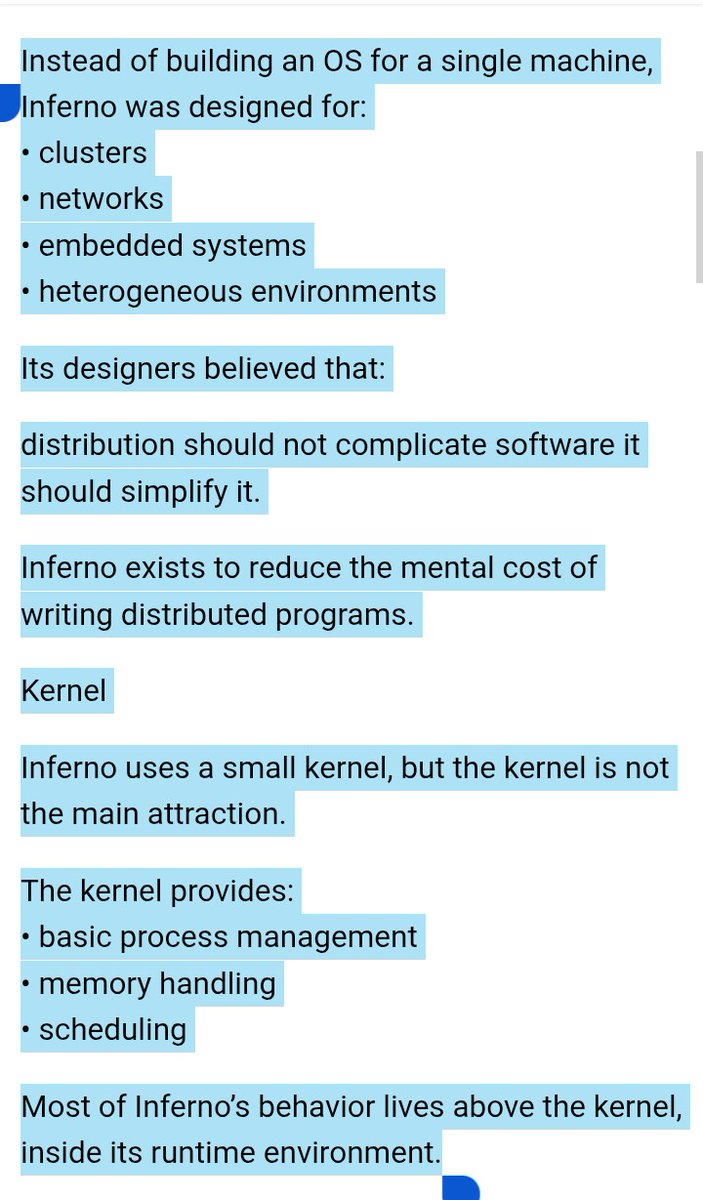
Inferno-OS burns its way into the system becoming embeddable.
The cruel journey through the COVID-19 INFERNO
https://t.co/hjQWCzd5Dh
Burning 'Inferno' Question: How Fast Can A Deadly Virus Spread?
https://t.co/dK9Xz6hJKm
Deep learning surrogate models of JULES-INFERNO for wildfire prediction on a global scale
https://t.co/B5gxz75PvY
Fast & accurate influenza forecasting in the United States w/ Inferno
Inferno, a fast & accurate flu forecasting model inspired by Dante, the top performing model in the 2018/19 FluSight challenge.
Inferno would have placed 2nd in the national & regional challenge as well as the state challenge, behind only Dante. Inferno, however, runs in mins & is trivially parallelizable, while Dante takes hrs to run, representing a significant operational improvement w/ minimal impact to performance.
https://t.co/9XMpir1d47
INFERNO Lab
Bio-inspired Neuromorphic Computing w/ a focus on spiking Neural Networks
https://t.co/NMiC4oMwqo
Apache Spark-based INFERNO
SparkINFERNO: a scalable high-throughput pipeline for inferring molecular mechanisms of non-coding genetic variants
https://t.co/6NFSnR1127
INFERNO: inferring the molecular mechanisms of noncoding genetic variants
https://t.co/bu3XdDA2Mh
iDISCO Inferno: Mapping Connectivity Changes Following TBI
https://t.co/gJduGKw6z7
INFERNO: A Novel Architecture for Generating Long Neuronal Sequences w/ Spikes
https://t.co/dVjb6ItEg4
Iterative free-energy optimization for recurrent neural networks (INFERNO)
https://t.co/thHgjYw1X1
Gated spiking neural network using iterative free-energy optimization & rank-order coding for structure learning in memory sequences (INFERNOGATE)
We present a framework based on iterative free-energy optimization w/ spiking neural networks for modeling the fronto-striatal system (PFC-BG) for the generation & recall of audio memory sequences. In line w/ neuroimaging studies carried out in the PFC, we propose a genuine coding strategy using the gain-modulation mechanism to represent abstract sequences based solely on the rank & location of items w/in them.
This model, called Inferno Gate, is an extension of the neural architecture Inferno standing for Iterative Free-Energy Optimization of Recurrent Neural Networks w/ Gating or Gain-modulation.
https://t.co/MQTb6BDnVS
Investigations into the Simulation & Training of Spiking Neural Networks
https://t.co/B9ghT1MCfw
Liquid Neural Networks: The Future of Adaptive AI
https://t.co/pRxM1BDMpR
Liquid AI,https://t.co/5ltufdkewc a company founded by Liquid Neural Network (LNN) researchers, has introduced Liquid Foundation Models (LFMs), a series of generative AI models built on LNN principles. LFMs aim to deliver state-of-the-art performance across various scales while embodying the efficiency & adaptability inherent in LNNs.
Liquid AI also introduced the STAR (Scalable Transformer Alternative Representations) architecture. This framework potentially uses techniques like evolutionary algorithms & hierarchical encoding (“architecture genomes”) to automatically discover & optimize AI architectures that balance performance & efficiency.
https://t.co/F2fL3UUOgw
Ultrafast neural sampling w/ spiking nanolasers
https://t.co/bb98hRU958
Improving multifunctional monolithic nano-device by single (Al,Ga)N nanowire/graphene van der Waals heterostructure for neuromorphic computing, photodetection & imaging
https://t.co/no9bywuLPM
Integrating molecular photoswitch memory w/ nanoscale optoelectronics for neuromorphic computing
https://t.co/LWc9AmuINE
A dual-mode transparent device for 360° quasi-omnidirectional self-driven photodetection & efficient ultralow-power neuromorphic computing
https://t.co/lcF4UsTahy
Optoelectronic synapses w/ chemical-electric behaviors in gallium nitride semiconductors for biorealistic neuromorphic functionality
https://t.co/xOyED0MKgD
Organic optoelectronic synapse based on photon-modulated electrochemical doping
https://t.co/68wylDSSb2


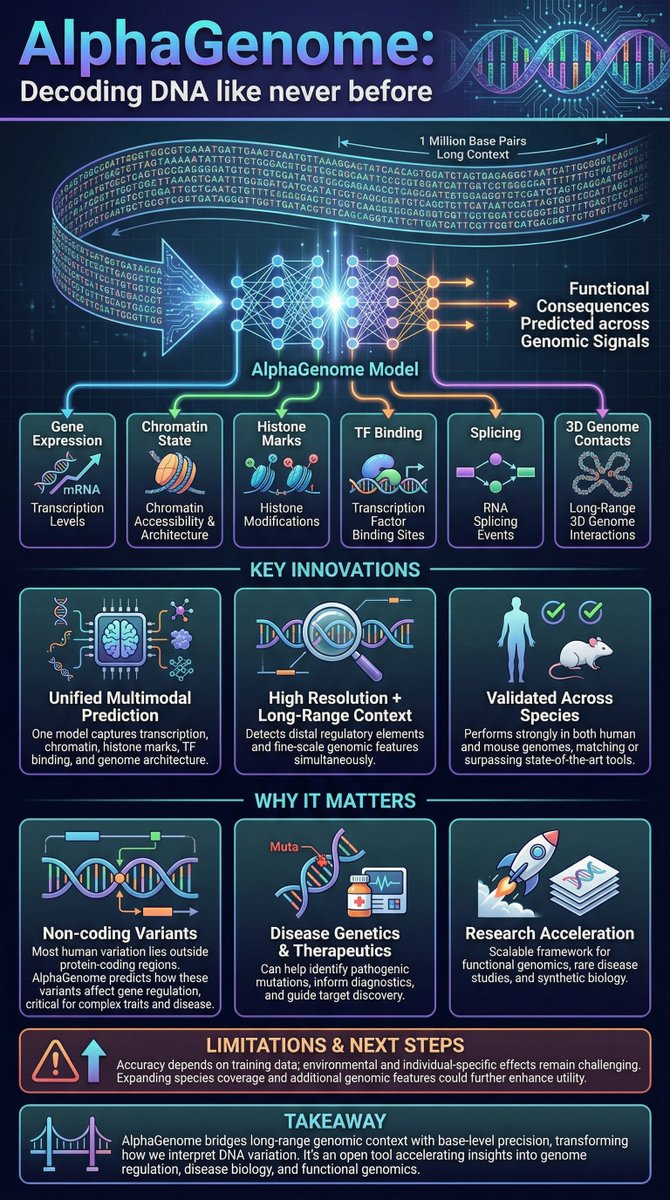
AlphaGenome: Decoding DNA like never before
https://t.co/bOSg0G6Uzk
A new deep learning model, AlphaGenome, predicts the functional consequences of DNA sequence variants across thousands of genomic signals — from gene expression to chromatin state, splicing, and 3D genome contacts — all from raw genome sequences up to 1 million base pairs long.
Key Innovations
• Unified multimodal prediction: One model captures transcription, chromatin, histone marks, TF binding, and genome architecture.
• High resolution + long-range context: Detects distal regulatory elements and fine-scale genomic features simultaneously.
• Validated across species: Performs strongly in both human and mouse genomes, matching or surpassing state-of-the-art tools.
Why It Matters
• Non-coding variants: Most human variation lies outside protein-coding regions. AlphaGenome predicts how these variants affect gene regulation, critical for understanding complex traits and disease.
• Disease genetics & therapeutics: Can help identify pathogenic mutations, inform diagnostics, and guide target discovery.
• Research acceleration: Scalable framework for functional genomics, rare disease studies, and synthetic biology.
Limitations & Next Steps
• Accuracy depends on training data; environmental and individual-specific effects remain challenging.
• Expanding species coverage and additional genomic features could further enhance utility.
Takeaway
AlphaGenome bridges long-range genomic context with base-level precision, transforming how we interpret DNA variation. It’s an open tool accelerating insights into genome regulation, disease biology, and functional genomics.
#Genomics #AIinBiology #FunctionalGenomics #VariantEffect #DeepLearning #NonCodingDNA #GenomeResearch

BREAKTHOUGH: Google's AI can now read 1 million DNA letters at once.
Google's DeepMind has unveiled a revolutionary deep learning model, AlphaGenome, which can analyze long sequences of DNA with remarkable accuracy.
A new peer reviewed study published in Nature, AlphaGenome can process up to 1 million base pairs (1 megabase) in a single input, capturing long range genetic interactions that previous models could not.
The system predicts how single letter DNA changes affect gene expression, RNA splicing, and chromatin regulation across 11 genomic signals, even within the 98% of the human genome that does not code for proteins. In benchmark tests, AlphaGenome matched or outperformed previous state of the art models at identifying functionally important genetic variants.
By making large sections of the non-coding genome interpretable, AlphaGenome could significantly accelerate disease variant discovery, cancer research, and precision medicine, moving genomics from sequence reading toward functional understanding.


The latest work from the Medical University of South Carolina @MedUnivSC by Prof. Gregory Warr and his team is now featured in FBL!
Welcome to read this article 👉: https://t.co/SQuyxv2HgE
Article Highlights
💡Does the transcriptome mirror the universal patterns observed in the genome?
This study investigates whether the Zipfian distribution and inverse symmetry predicted by CoHSI are present in both coding and non-coding RNAs across 53 species.
✒️ Author: Gregory Warr; Les Hatton
🏪 Affiliation: Medical University of South Carolina; Kingston University
📖 Don’t miss this citable reference for your future research!
Citation format: Gregory Warr, Les Hatton. The Fine Structure of the Transcriptome: Does It Reflect the Inverse Symmetry of the Genome?. Front. Biosci. (Landmark Ed) 2025, 30(11), 45912.
Welcome to submit your work via our submission link👉: https://t.co/wHF8lp2GCr
FBL is dedicated to the publication of original articles, reviews, methods and commentaries in all areas of cellular and molecular biology.
📖 Click here for author guidelines: https://t.co/EBITEzbjBy
#Transcriptome #Genomics #CodingRNA #NonCodingRNA #kMerAnalysis #ZipfLaw #InverseSymmetry #CoHSI #ComparativeGenomics #RNAstructure #MolecularBiology #EvolutionaryGenomics #FBLPaper

Can Boosting a Single Macrophage Enzyme Transform Heart Recovery After Ischemic Injury?
Find More Research: https://t.co/DDsskYPUSG
What if heart repair depended not only on cardiomyocytes—but on how macrophages process damaged DNA?
Recent research offers a compelling twist: Increasing TREX1, a DNA exonuclease in macrophages, may dramatically improve tissue recovery after myocardial infarction.
Here’s what the data reveals:
A synthetic noncoding RNA, TY1, can reliably boost TREX1 levels
Higher TREX1 activity means less DNA damage, smaller scar size, and better tissue regeneration
Macrophages become more efficient “clean-up and repair units,” strengthening overall cardioprotective responses
This positions TY1 as a breakthrough candidate in the expanding landscape of ncRNA-based therapies.
The big question ahead:
Could TREX1-focused immune modulation become a future cornerstone of post-infarction treatment?
#HeartRepair #TREX1 #Macrophages #IschemicInjury #ncRNAtherapy #TranslationalScience #CardiovascularResearch #PubMedAI


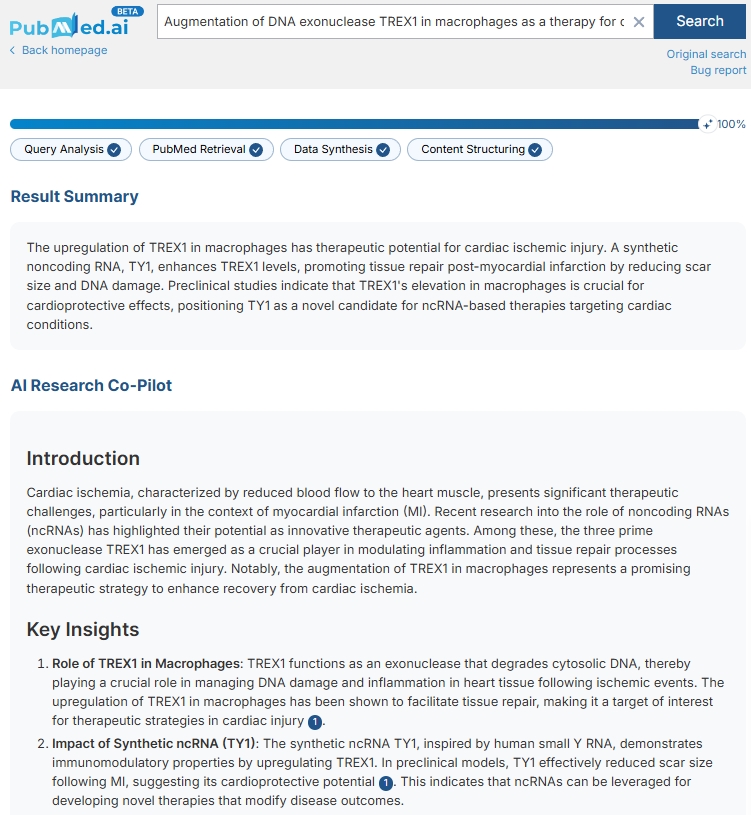
Augmenting TREX1 in Macrophages: A Novel ncRNA-Based Strategy for Cardiac Repair
Find More Research: https://t.co/DDsskYPUSG
Why it matters:
Cardiac ischemic injury remains one of the most challenging conditions in cardiovascular medicine. New evidence suggests that boosting DNA exonuclease TREX1 in macrophages could fundamentally reshape how the heart heals after ischemic damage.
Key Insight:
A synthetic noncoding RNA (TY1) has been shown to elevate TREX1 levels in macrophages. This upregulation drives several therapeutic benefits after myocardial infarction:
Reduces scar tissue formation, improving long-term cardiac outcomes
Enhances tissue repair by mitigating inflammation and DNA damage
Strengthens cardioprotective pathways, highlighting TREX1 as a critical molecular target
Why this is exciting:
Preclinical work positions TY1 as a promising candidate for next-generation ncRNA therapies—a field rapidly reshaping cardiovascular therapeutics.
Takeaway:
Enhancing TREX1 in macrophages is emerging as a compelling strategy for cardiac ischemic injury. As precision RNA therapeutics advance, these findings may accelerate the development of immune-modulating cardiac treatments.
#Cardiology #ncRNA #TREX1 #MyocardialInfarction #Immunotherapy #CardiacRepair #BiomedicalResearch #PubMedAI


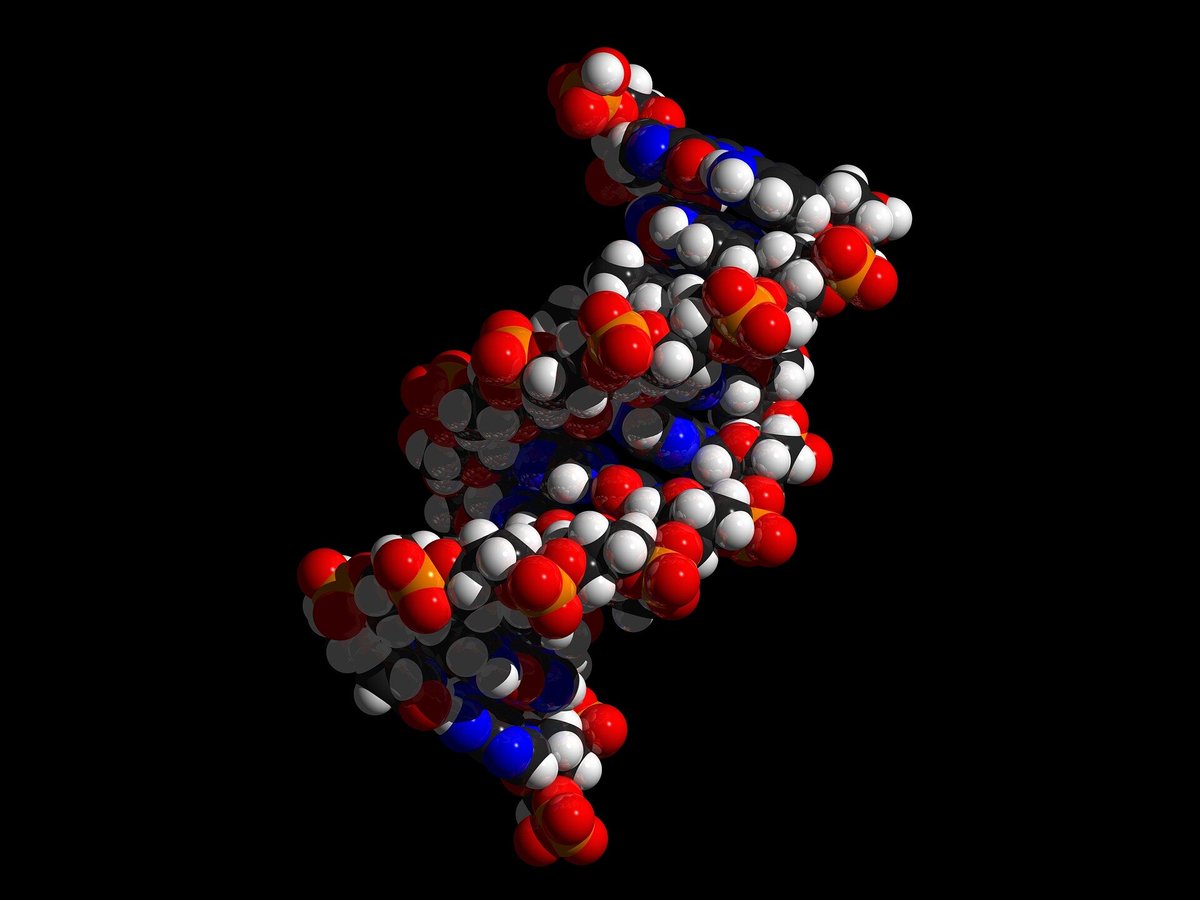

Humans and chimpanzees do not actually share nearly 99% of their DNA once the entire genome is taken into account. The true similarity is far lower than the traditional figure.
The original 98.8% estimate came from studies that focused only on parts of the genome that could be easily matched between the two species, mainly protein-coding regions. In these aligned stretches, roughly one out of every hundred nucleotides differs.
But this method ignores large sections of the genome that don’t line up well, including insertions, deletions, and sequences present in one species but not the other. These unaligned regions make up about 15–20% of the genome. When they are included, the overall genetic difference rises to at least 5–10%, and some of the latest research suggests the gap is closer to 15%.
Most of these differences occur in noncoding DNA. While this DNA doesn’t produce proteins, it regulates how genes are switched on and off. Even small changes in these regulatory regions can have major effects on physical traits, brain development, and behavior.
So, while humans and chimps share the same general set of biological tools, their genomes are organized and controlled in very different ways. The real genetic distance is likely well over 10%, with the most important differences found not in the protein-coding regions but in the vast regulatory landscape that shapes how those genes are used.
Read https://t.co/g3IsxHpugt

Marine compounds for protein aggregates? Clever angle. But protein misfolding is just one of our seven damage categories - you'd still need to address senescent cells, crosslinks, mitochondrial mutations. The real promise lies in finding compounds that enhance proteostasis AND autophagy simultaneously. Have you considered screening for molecules that activate both UPR and lysosomal pathways? That's where the synergy lives.
Science papers:
Noncoding DNA Repair Senescence 10.3389/fgene.2013.00136
Senescence Biomarker Intensity 10.1101/2023.03.18.533242
Tolcapone Inhibits TTR Amyloid 10.1038/ncomms10787
Mast Cells Liver Aging BF620F6883E6809274DF7183D856F7B5
G101S Nonamyloid Transthyretin 10.1038/s41598-020-68681-0
Mitochondrial DNA Deletions Muscle 10.1093/hmg/ddu176
Glial Circadian Atlas Amyloid 10.1101/2024.05.28.596297
mRNA Activation Mechanism 10.1101/2023.11.15.567265
🔬 Call for Papers for Frontiers in Bioscience-Landmark Special Issue:Transcriptional Regulation in Cancer
#SpecialIssue: Transcriptional Regulation in Cancer
🧠Special Issue Information:
This Special Issue focuses on the critical role of transcriptional regulation in cellular responses, development, and the maintenance of cell identity. Dysregulation of transcription is a hallmark of many human diseases, particularly cancer, as numerous signaling pathways converge on the transcriptional machinery. The issue aims to present original research and comprehensive reviews on recent advances in molecular genetics, genomics, and omics approaches that explore how transcriptional dysregulation contributes to cancer development. Topics include the roles of transcription factors, cofactors, chromatin regulators, non-coding RNAs, and other components of the transcriptional apparatus, with an emphasis on identifying new diagnostic, prognostic, and therapeutic targets.
📅Submission deadline: 31 July 2026
👩🔬Special Issue Editors:
Amelia Casamassimi
Ciro Abbondanza
Monica Rienzo
Erika Di Zazzo
🏪 Affiliation: University of Campania "Luigi Vanvitelli"; University of Molise
Full text: https://t.co/dE0cluC0YM
#CancerResearch #TranscriptionalRegulation #Genomics #Epigenetics #MolecularBiology #Oncology #CallForPapers #SpecialIssue #FBL #NonCodingRNA #Omics #Chromatin #CancerGenetics

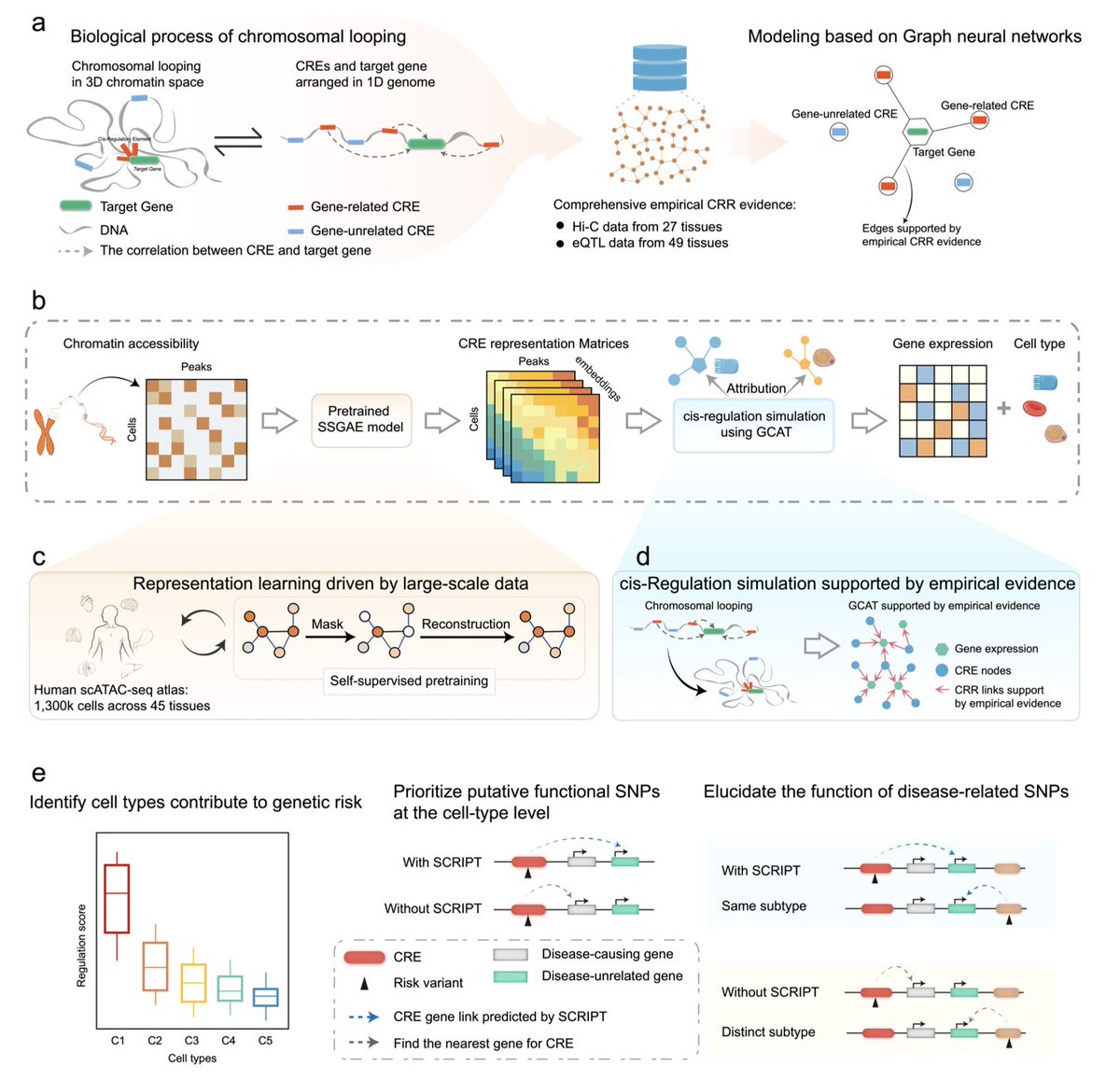
SCRIPT: predicting single-cell long-range cis-regulation based on pretrained graph attention networks
1. SCRIPT is a deep learning framework that predicts single-cell cis-regulatory relationships (CRRs) by integrating graph causal attention networks (GCATs) with large-scale pretraining on single-cell chromatin accessibility data, achieving superior performance over existing methods.
2. Unlike prior tools based on correlation (e.g., LINGER, SCARLink), SCRIPT introduces causal modeling of CRRs using GCAT, enabling more biologically grounded predictions of gene regulation based on chromatin accessibility and gene expression.
3. A key innovation is SCRIPT's use of a self-supervised graph autoencoder (SSGAE) pretrained on ~1.3 million single-cell ATAC-seq profiles, learning generalizable representations of cis-regulatory elements (CREs) across tissues.
4. SCRIPT achieves a mean AUC of 0.90 in predicting CRRs using cell-type-specific chromatin contact data, outperforming SCARLink (0.68) and LINGER (0.65), with especially strong gains in long-range CRRs (>100 Kb) where it delivers over threefold improvement.
5. The framework simulates gene expression from CREs using attention masks built from empirical Hi-C and eQTL datasets, which helps encode known chromosomal looping interactions into the model structure.
6. In comparison benchmarks on cortex and PBMC datasets, SCRIPT consistently shows better UMAP separability of cell types and lower false-positive rates, identifying regulatory interactions missed by prior models.
7. In case studies on Alzheimer’s disease (AD) and schizophrenia (SCZ), SCRIPT links non-coding GWAS SNPs to their true target genes in a cell-type-specific manner—e.g., assigning rs7251911 to APOE in microglia and rs2949006 to SATB2 in excitatory neurons.
8. These assignments are supported by both PLAC-seq and differential gene expression data, outperforming nearest-gene mapping and competing models in identifying likely causal mechanisms of disease.
9. SCRIPT's regulatory scores align with cell-type-specific enhancer markers like H3K27ac and recapitulate known functional patterns—such as microglial regulation of Aβ clearance in AD and synaptic plasticity in SCZ neurons.
10. Overall, SCRIPT offers a scalable and interpretable approach to dissecting gene regulation at single-cell resolution, particularly excelling in prioritizing long-range regulatory variants and informing genetic mechanisms of complex diseases.
📜Paper: https://t.co/T04UwRWfBs
#SingleCell #GeneRegulation #GraphNeuralNetworks #ATACseq #scRNAseq #GWAS #Alzheimers #Schizophrenia #NoncodingVariants #ComputationalBiology #AI4Science

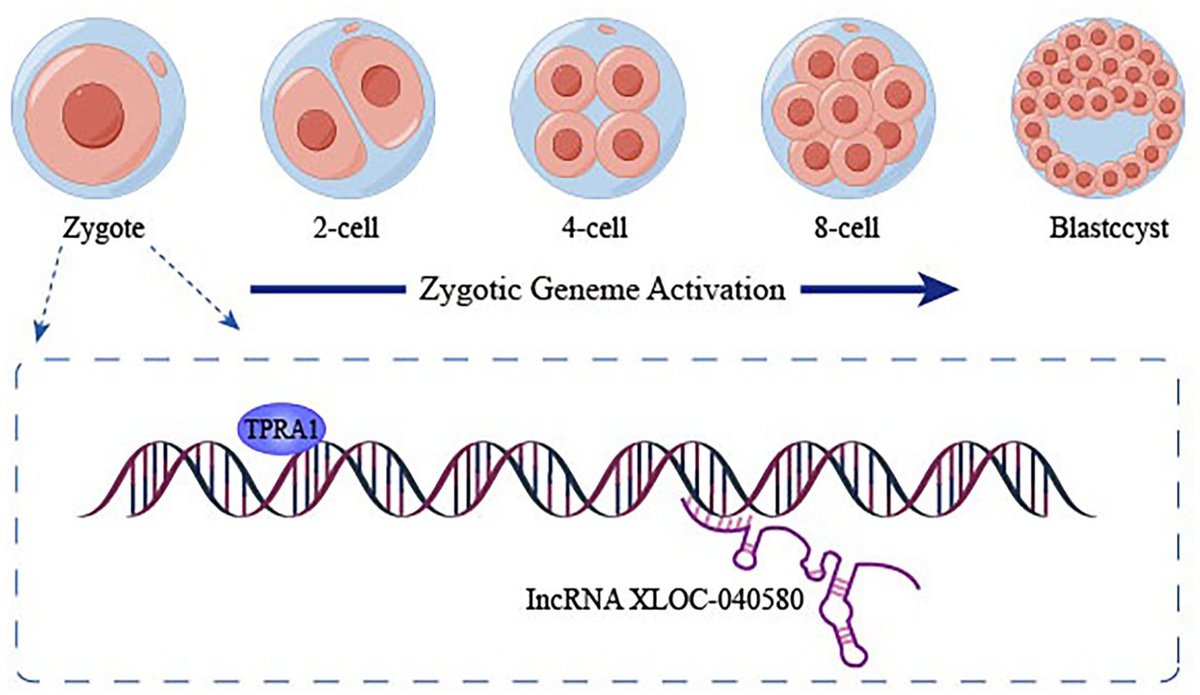
The regulatory role of long noncoding RNAs (lncRNAs) during zygote genome activation in porcine preimplantation embryonic development👇
https://t.co/0OvfZ3tntv
LncRNA XLOC-040580 targeted by TPRA1 coordinate zygotic genome activation during porcine embryonic development
https://t.co/V7Nckqxcmg
#RNA #embry #zygote
@sagepub_japan
@SageClinMed
A structure-guided approach to non-coding variant evaluation for transcription factor binding using AlphaFold 3
- This study presents a structure-guided approach for evaluating the impact of non-coding single-nucleotide variants (SNVs) on transcription factor (TF) binding using AlphaFold 3 (AF3).
- The method models TF-DNA complexes and assesses binding differences using FoldX-derived binding energy changes and AF3’s interface predicted template modelling (ipTM) score.
- The approach is benchmarked on a SNP-SELEX dataset involving TFs SPIB, SF-1, and PAX5, demonstrating the effectiveness of ΔipTM over conventional energy-based metrics.
- Clinical non-coding SNVs were also evaluated, accurately predicting 5 of 6 reported effects, highlighting the robustness of AF3’s structural modeling.
- Despite promising results, the study acknowledges performance variability between TFs and suggests the use of a consensus approach combining AF3 and FoldX predictions.
- This integrative approach provides a valuable tool for understanding non-coding variants’ effects on TF binding and gene regulation.
📜Paper: https://t.co/95rpmY6qr7
#AlphaFold3 #TranscriptionFactors #NonCodingVariants #Genomics #ComputationalBiology #Bioinformatics

Benchmarking the coding strategies of non-coding mutations on sequence-based downstream tasks with machine learning
1. This study provides the first comprehensive benchmark of six DNA sequence-based encoding strategies for non-coding SNPs, emphasizing their performance across Quantitative Trait Loci (QTL)-related downstream tasks. These strategies range from traditional One-Hot encoding to advanced semantic embeddings.
2. Among the tested strategies, semantic embeddings like DNABert2 and Nucleotide Transformer (NT) exhibited strong robustness and interpretability, even after dimensionality reduction, making them ideal candidates for genomic prediction tasks.
3. A major finding is the non-linear relationship between encoding abundance and differentiation. DNABert2 achieves high differentiation with moderate abundance, highlighting the efficiency of semantic strategies in amplifying mutation effects.
4. Computational efficiency varies significantly. One-Hot encoding is the fastest, but lacks interpretability and pooling capabilities, whereas DNABert2 offers a balanced trade-off between computational cost and biological insight.
5. Machine learning models, particularly tree-based methods like XGBoost and LightGBM, consistently outperformed deep learning models in smaller datasets, challenging the assumption that deep learning is universally superior in genomic tasks.
6. The study underscores the critical role of preprocessing. Random data shuffling significantly improved model performance, reducing biases introduced by chromosome-based splitting.
7. The case study on meQTL prediction demonstrates the framework's practical utility, integrating t-SNE visualization and Gene Ontology enrichment to enhance interpretability and link genomic insights to disease mechanisms.
8. Increasing dataset sizes was shown to improve model performance across tasks, reinforcing the importance of leveraging larger datasets for genomic analyses.
9. This work not only highlights the complementary strengths of encoding strategies but also provides actionable guidelines for selecting the optimal combination of methods for specific genomic prediction tasks.
💻Code: https://t.co/N8WgSY3lIr
📜Paper: https://t.co/fjIXqw5wtC
#Genomics #MachineLearning #NonCodingSNPs #Bioinformatics #QTL

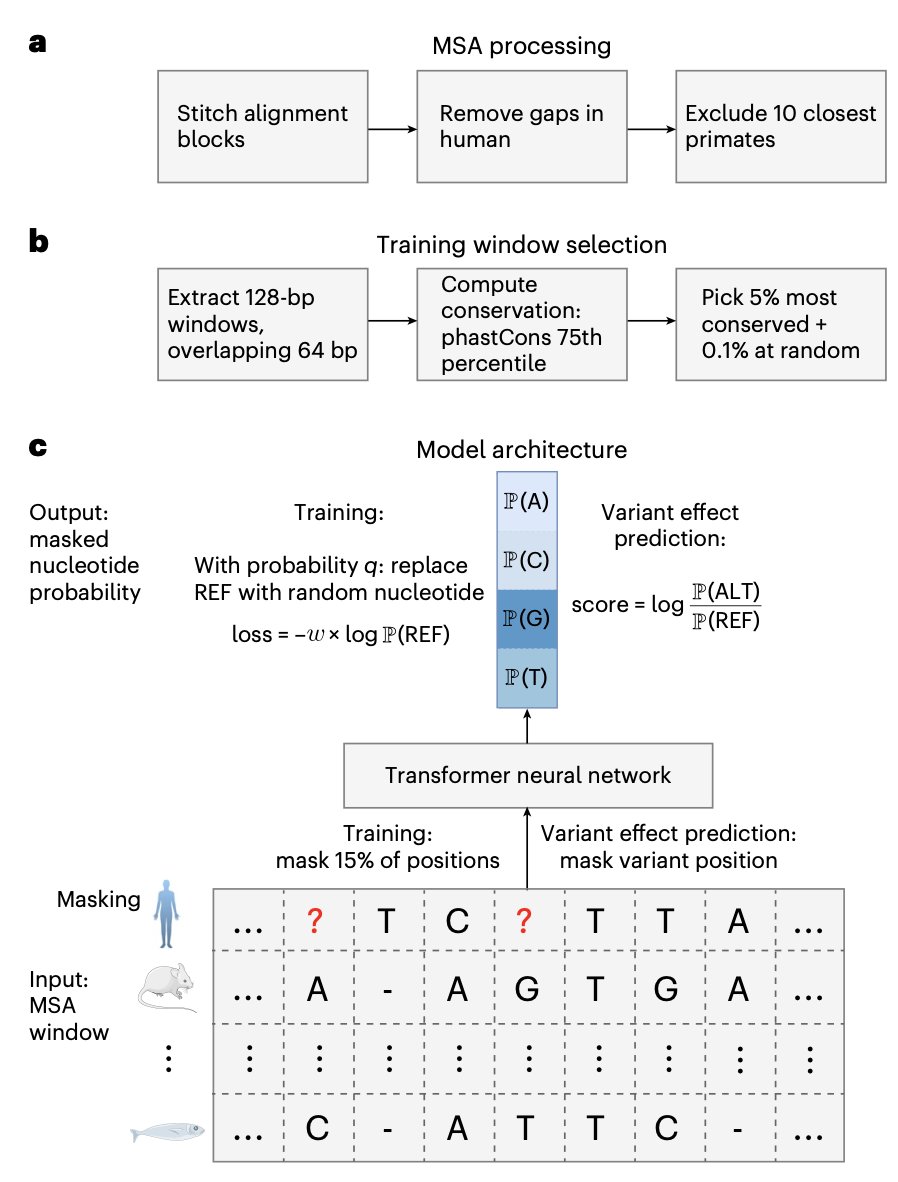
A DNA language model based on multispecies alignment predicts the effects of genome-wide variants @NatureBiotech
1. GPN-MSA, a DNA language model leveraging multispecies alignment (MSA), sets a new benchmark in predicting variant deleteriousness for both coding and noncoding regions of the human genome.
2. This model uses evolutionary insights from 100 vertebrate species to enhance predictions, outperforming existing DNA language models like Nucleotide Transformer and genome-wide predictors such as CADD.
3. GPN-MSA achieves superior results in classifying ClinVar, COSMIC, and OMIM variants, highlighting its utility in clinical and research contexts, including rare disease diagnosis and cancer genomics.
4. Unlike prior models, GPN-MSA is computationally efficient, requiring just 3.5 hours of training on 4 NVIDIA A100 GPUs while delivering high-accuracy predictions across 9 billion possible human variants.
5. It excels in distinguishing rare from common variants, leveraging conservation and genomic context, making it a robust tool for genome-wide variant effect prediction (VEP).
6. GPN-MSA's insights extend to functional impact predictions, capturing regulatory and epigenetic markers critical for gene expression and regulation studies.
7. The model paves the way for integrating DNA sequence modeling with functional genomics, offering potential breakthroughs in precision medicine, drug discovery, and population genetics.
💻Code: https://t.co/GNDhXAVbZw
📜Paper: https://t.co/ooNtfYUBmA
#GenomeVariants #DNAAnalysis #Bioinformatics #PrecisionMedicine #RareDisease #VariantPrediction
Leveraging genomic deep learning models for non-coding variant effect prediction
1. This review highlights the transformative potential of genomic deep learning models for predicting the functional effects of non-coding genetic variants on complex traits and diseases.
2. Key focus: Two dominant paradigms, supervised sequence-to-activity models and self-supervised genomic language models, are detailed for their methodologies, applications, and effectiveness in understanding genomic sequences.
3. Supervised models utilize functional genomics data to predict activity levels such as chromatin states or gene expression, offering cell-type and tissue-specific insights.
4. Self-supervised genomic language models, inspired by NLP, predict variant effects by leveraging masked sequence prediction tasks, enabling applications even without extensive labeled data.
5. Practical considerations include prediction aggregation across tissues, metrics for allele effect comparison, and task-specific model tuning for improved accuracy.
6. A major innovation is applying these models to predict variant effects at scales from local chromatin states to organism-level phenotypes, aiding both clinical and research applications.
7. Limitations identified include difficulties in distal regulatory element modeling, effect direction prediction, and handling sequence variations beyond SNPs, such as insertions or deletions.
8. Future opportunities: Integrating multi-species genomic data, leveraging synthetic DNA profiling, and creating standardized benchmarking datasets will advance these methodologies further.
📜Paper: https://t.co/jtotcE8YFB
#Genomics #DeepLearning #VariantPrediction #NonCodingDNA #MachineLearning


I invite you all to submit to this exciting research topic in @FrontGenetics Noncoding RNA Networks in aging-related diseases https://t.co/pgKciRUkrW
Trends for you
Most Popular Users

Elon Musk 
@elonmusk
240.1M followers

Barack Obama
@barackobama
118.6M followers

Cristiano Ronaldo
@cristiano
114.4M followers

Donald J. Trump
@realdonaldtrump
111.7M followers

Narendra Modi
@narendramodi
106.9M followers

Rihanna
@rihanna
98.6M followers

NASA
@nasa
92.1M followers

Justin Bieber
@justinbieber
91.7M followers

KATY PERRY
@katyperry
89.9M followers

Taylor Swift
@taylorswift13
83.9M followers

Lady Gaga
@ladygaga
75.4M followers

Virat Kohli
@imvkohli
73.3M followers

Kim Kardashian
@kimkardashian
70.8M followers

YouTube
@youtube
68.6M followers

Neymar Jr
@neymarjr
66.3M followers

Bill Gates
@billgates
65.2M followers

Selena Gomez
@selenagomez
63M followers

The Ellen Show
@theellenshow
62.1M followers

CNN
@cnn
61.7M followers

X
@x
60.6M followers