

Top Tweets for #ORIENS

Essa era a monha versão de Oriens, um espírito da demonologia, fiz em 2023 e nunca tomei coragem de terminar. Seloko eu ainda gosto de um bom overdesign, mas pqp eu empaturrava o desenho de detalhes desnecessários slk


🚨 Barcelona strike agreement with Manchester City to sign Rodri. €76.5m package. €60m fixed & above €11m of bonuses viewed as highly achievable so #MCFC can expect at least €71.5m despite Spain captain entering final 12mnths of contract @TheAthleticFC https://t.co/n3GL7VsEVQ

🔎 補充資料留言區傳送門喵:
🛎️【Vwake × 水瓶罐子鬧鐘計畫】
👉 https://t.co/Hbs2HSvTDw
🧋【Oriens animate Gratte 西門活動】
👉 https://t.co/oaSvCdkMPS
⛏️【預見娛樂 24H 耐久加班接力企劃】
👉 https://t.co/DRwSEnAH7l
🌈【NIJISANJI FES 2026 Uncharted Spheres】
👉 https://t.co/c19d69Ze5M
🕶️【SO.ON project LaV × XREAL AR 配信】
👉 https://t.co/nr2C5Q61ly
🐯【虎金妃笑虎活動復歸消息】
👉 https://t.co/JhdgFWWYfu
🎃 台灣AIVtuber同好會
🔗 X版社群入口
https://t.co/08QPOwz7GJ
🔗 FB版社群入口
https://t.co/PebRcPKPDo
🏪 水瓶罐子合作與推薦賣場
https://t.co/arJE8RlA95
🎤 水瓶罐子MV播放清單
https://t.co/4pNSGxGhe7

⛏️2026預見勞動節24H耐久加班接力企劃⛏️
舉行時間:2026/05/01~2026/05/15
預見娛樂2026年5月超級快樂盛事!又又又要開始啦!
今年一共16名參加者 長達半個月的不間斷加班台GOGO!!
詳細事項會在4/30 22:30的事前會說明 還請大家多多支持噢!!


🌈 今日 2026-05-15|台灣AIVtuber同好會社團新聞速報喵~!
水瓶罐子抓著 5 月 15 號的新聞小魚乾翻滾登場啦~今天一樣台灣+國際雙拼套餐,短短上桌,方便 FB、X 直接開吃喵 🍱✨
🛎️【2026-05-15|Vwake × 水瓶罐子鬧鐘正式啟動】
罐子的聲音終於可以把大家從棉被封印裡挖出來啦!
元氣、傲嬌、溫柔通通上架,早晨從此多一隻狐狸鬧鐘守門員。
🔗 傳送門留言區👇
🧋【2026-05-15|Oriens 三週年 animate Gratte 西門登場】
NIJISANJI Oriens 三週年換上新衣裝,animate Gratte 西門店今日開跑!
台北、台中、高雄 FAIR 同步展開,粉絲錢包進入戰鬥姿勢。
🔗 傳送門留言區👇
⛏️【2026-05-15|預見娛樂 24H 耐久加班接力收尾】
預見娛樂半個月不間斷加班台今日進入終點線!
16 名 VTuber 接力燃燒,這不是直播,是勞動節耐久副本喵。
🔗 傳送門留言區👇
🌐 接下來是國際速報時段喵~🌍✨
🌈【2026-05-15|NIJISANJI FES 特別舞台開演】
「Uncharted Spheres」今晚於幕張登場,彩虹社祭典氣壓直接升空!
舞台、角色、粉絲熱度一起開大,V 圈大型祭典模式啟動。
🔗 傳送門留言區👇
🕶️【2026-05-15|LaV × XREAL AR 眼鏡配信】
虛擬偶像 SO.ON project LaV 擔任 XREAL 官方大使後,今日開 AR 眼鏡體驗配信!
虛擬偶像遇上擴增實境,科技感像貓尾巴一樣翹起來。
🔗 傳送門留言區👇
🐯【2026-05-15|hololive DEV_IS 虎金妃笑虎復歸消息】
FLOW GLOW 成員虎金妃笑虎宣布準備活動復歸,粉絲等到小老虎回巢啦!
休養後重新開麥,聊天室準備迎接溫暖回歸。
🔗 傳送門留言區👇
━━━━━━━━━━━━━━━━
🏪【水瓶罐子合作與推薦賣場】
👑【罐子・推薦|Live2D 基本知識教學】
想讓角色動起來?
想讓自己的靈魂住進另一個身體?
那這套 Live2D 基礎系統課,就是創作者入門的地圖。
由李安瑟羅老師規劃的完整教學架構,從觀念、設備、流程到整體實作邏輯,一步步拆解 Vtuber 的建構核心。
不只是學操作,而是理解整個創作結構。
🔗 詳細資訊請見留言區固定連結👇
━━━━━━━━━━━━━━━━
🎀 以上就是今天的《罐子選報》喵!
每日補充 AIVtuber 新聞維他命,創作者魂才會閃閃發亮 ✨
有想推薦罐子追蹤的台灣或國際 VTuber,也歡迎留言給我喵~
#台灣AIVtuber同好會 #VTuber速報 #水瓶罐子上工囉✨ #今天也有乖乖打新聞喵


imma need you to drop new lore the streets are thinking Lyra and Oriens are real characters and not just APE promo @tylerrjoseph


♰ 🎶 O Antiphons Day 7: O Emmanuel 🎶 ♰
🇻🇦 XXIII Decembris
O Emmanuel, Rex et legifer noster, exspectatio gentium, et Salvator earum: veni ad salvandum nos Domine Deus noster.
🇺🇸 23 December
O Emmanuel, our King and Lawgiver, the Expected of the Nations and their Saviour, come to save us, O Lord our God.
🎥 The O Antiphons are a series of seven ancient Christian prayers used during the last seven days of Advent, from December 17 to December 23, in the liturgical traditions of the Western Church.
They are recited or chanted as antiphons before and after the Magnificat during Vespers (evening prayer) in the Liturgy of the Hours.
Each antiphon begins with the vocative "O" and addresses Jesus Christ with a unique Messianic title drawn from Old Testament prophecies, particularly from the books of Isaiah and Micah.
The titles are: O Sapientia (Wisdom), O Adonai (Lord), O Radix Jesse (Root of Jesse), O Clavis David (Key of David), O Oriens (Dawn of the East), O Rex Gentium (King of the Nations), and O Emmanuel (God with us).
These antiphons are significant for their theological depth and liturgical structure. Each one elaborates on a specific title of Christ, citing biblical passages to affirm its meaning.
For example, O Sapientia references Isaiah 11:2–3 and 28:29, describing Christ as the wisdom that orders all things mightily and sweetly.
The sequence of the antiphons is carefully arranged so that the first letter of each title, when read in reverse order (Emmanuel, Rex, Oriens, Clavis, Radix, Adonai, Sapientia), forms the Latin acrostic "Ero Cras," meaning "Tomorrow, I will come," symbolizing Christ’s imminent arrival.
This acrostic is a key feature of the O Antiphons and reflects the theme of anticipation and longing for the Messiah’s coming.
The O Antiphons are also the basis for the well-known Advent hymn "O Come, O Come, Emmanuel," which combines the seven antiphons into a single, meditative song.
The tradition of using these antiphons dates back to at least the sixth century, with early references found in Boethius’s The Consolation of Philosophy.
They were further developed in medieval monastic traditions and became a central part of Advent devotion.
Help Evangelize Repost and Follow Catholic Beauty
♰ 🎶 O Antiphons Day 6: O Rex Gentium 🎶 ♰
🇻🇦 XXII Decembris
O Rex Gentium, et desideratus earum, lapisque angularis, qui facis utraque unum: veni, et salva hominem, quem de limo formasti.
🇺🇸 22 December
O King of the Gentiles and the Desired of them, Thou Cornerstone that dost make both one, come and deliver man, whom Thou didst form out of the dust of the earth.
🎥 The O Antiphons are a series of seven ancient Christian prayers used during the last seven days of Advent, from December 17 to December 23, in the liturgical traditions of the Western Church.
They are recited or chanted as antiphons before and after the Magnificat during Vespers (evening prayer) in the Liturgy of the Hours.
Each antiphon begins with the vocative "O" and addresses Jesus Christ with a unique Messianic title drawn from Old Testament prophecies, particularly from the books of Isaiah and Micah.
The titles are: O Sapientia (Wisdom), O Adonai (Lord), O Radix Jesse (Root of Jesse), O Clavis David (Key of David), O Oriens (Dawn of the East), O Rex Gentium (King of the Nations), and O Emmanuel (God with us).
These antiphons are significant for their theological depth and liturgical structure. Each one elaborates on a specific title of Christ, citing biblical passages to affirm its meaning.
For example, O Sapientia references Isaiah 11:2–3 and 28:29, describing Christ as the wisdom that orders all things mightily and sweetly.
The sequence of the antiphons is carefully arranged so that the first letter of each title, when read in reverse order (Emmanuel, Rex, Oriens, Clavis, Radix, Adonai, Sapientia), forms the Latin acrostic "Ero Cras," meaning "Tomorrow, I will come," symbolizing Christ’s imminent arrival.
This acrostic is a key feature of the O Antiphons and reflects the theme of anticipation and longing for the Messiah’s coming.
The O Antiphons are also the basis for the well-known Advent hymn "O Come, O Come, Emmanuel," which combines the seven antiphons into a single, meditative song.
The tradition of using these antiphons dates back to at least the sixth century, with early references found in Boethius’s The Consolation of Philosophy.
They were further developed in medieval monastic traditions and became a central part of Advent devotion.
Help Evangelize Repost and Follow Catholic Beauty
♰ 🎶 O Antiphons Day 5: O Oriens 🎶 ♰
🇻🇦 XXI Decembris
O Oriens, splendor lucis æternæ, et sol justitiæ: veni, et illumina sedentes in tenebris, et umbra mortis.
🇺🇸 21 December
O Dawn of the East, Brightness of the Light Eternal and Sun of Justice, come and enlighten them that sit in darkness and in the shadow of death.
🎥 The O Antiphons are a series of seven ancient Christian prayers used during the last seven days of Advent, from December 17 to December 23, in the liturgical traditions of the Western Church.
They are recited or chanted as antiphons before and after the Magnificat during Vespers (evening prayer) in the Liturgy of the Hours.
Each antiphon begins with the vocative "O" and addresses Jesus Christ with a unique Messianic title drawn from Old Testament prophecies, particularly from the books of Isaiah and Micah.
The titles are: O Sapientia (Wisdom), O Adonai (Lord), O Radix Jesse (Root of Jesse), O Clavis David (Key of David), O Oriens (Dawn of the East), O Rex Gentium (King of the Nations), and O Emmanuel (God with us).
These antiphons are significant for their theological depth and liturgical structure. Each one elaborates on a specific title of Christ, citing biblical passages to affirm its meaning.
For example, O Sapientia references Isaiah 11:2–3 and 28:29, describing Christ as the wisdom that orders all things mightily and sweetly.
The sequence of the antiphons is carefully arranged so that the first letter of each title, when read in reverse order (Emmanuel, Rex, Oriens, Clavis, Radix, Adonai, Sapientia), forms the Latin acrostic "Ero Cras," meaning "Tomorrow, I will come," symbolizing Christ’s imminent arrival.
This acrostic is a key feature of the O Antiphons and reflects the theme of anticipation and longing for the Messiah’s coming.
The O Antiphons are also the basis for the well-known Advent hymn "O Come, O Come, Emmanuel," which combines the seven antiphons into a single, meditative song.
The tradition of using these antiphons dates back to at least the sixth century, with early references found in Boethius’s The Consolation of Philosophy.
They were further developed in medieval monastic traditions and became a central part of Advent devotion.
Help Evangelize Repost and Follow Catholic Beauty

December 21 – O Oriens
O Dayspring, Brightness of the everlasting light, Sun of justice, come to give light to them that sit in darkness and in the shadow of death!
♰ 🎶 O Antiphons Day 5: O Oriens 🎶 ♰
🇻🇦 XXI Decembris
O Oriens, splendor lucis æternæ, et sol justitiæ: veni, et illumina sedentes in tenebris, et umbra mortis.
🇺🇸 21 December
O Dawn of the East, Brightness of the Light Eternal and Sun of Justice, come and enlighten them that sit in darkness and in the shadow of death.
🎥 The O Antiphons are a series of seven ancient Christian prayers used during the last seven days of Advent, from December 17 to December 23, in the liturgical traditions of the Western Church.
They are recited or chanted as antiphons before and after the Magnificat during Vespers (evening prayer) in the Liturgy of the Hours.
Each antiphon begins with the vocative "O" and addresses Jesus Christ with a unique Messianic title drawn from Old Testament prophecies, particularly from the books of Isaiah and Micah.
The titles are: O Sapientia (Wisdom), O Adonai (Lord), O Radix Jesse (Root of Jesse), O Clavis David (Key of David), O Oriens (Dawn of the East), O Rex Gentium (King of the Nations), and O Emmanuel (God with us).
These antiphons are significant for their theological depth and liturgical structure. Each one elaborates on a specific title of Christ, citing biblical passages to affirm its meaning.
For example, O Sapientia references Isaiah 11:2–3 and 28:29, describing Christ as the wisdom that orders all things mightily and sweetly.
The sequence of the antiphons is carefully arranged so that the first letter of each title, when read in reverse order (Emmanuel, Rex, Oriens, Clavis, Radix, Adonai, Sapientia), forms the Latin acrostic "Ero Cras," meaning "Tomorrow, I will come," symbolizing Christ’s imminent arrival.
This acrostic is a key feature of the O Antiphons and reflects the theme of anticipation and longing for the Messiah’s coming.
The O Antiphons are also the basis for the well-known Advent hymn "O Come, O Come, Emmanuel," which combines the seven antiphons into a single, meditative song.
The tradition of using these antiphons dates back to at least the sixth century, with early references found in Boethius’s The Consolation of Philosophy.
They were further developed in medieval monastic traditions and became a central part of Advent devotion.
Help Evangelize Repost and Follow Catholic Beauty
♰ 🎶 O Antiphons Day 4: O Clavis David 🎶 ♰
🇻🇦 XX Decembris
O Clavis David, et sceptrum domus Israel; qui aperis, et nemo claudit; claudis, et nemo aperit: veni, et educ vinctum de domo carceris, sedentem in tenebris, et umbra mortis.
🇺🇸 20 December
O Key of David and Sceptre of the house of Israel, Who dost open and no man doth shut, Who dost shut and no man doth open, come and bring forth from his prisonhouse the captive that sitteth in darkness and in the shadow of death.
🎥 The O Antiphons are a series of seven ancient Christian prayers used during the last seven days of Advent, from December 17 to December 23, in the liturgical traditions of the Western Church.
They are recited or chanted as antiphons before and after the Magnificat during Vespers (evening prayer) in the Liturgy of the Hours.
Each antiphon begins with the vocative "O" and addresses Jesus Christ with a unique Messianic title drawn from Old Testament prophecies, particularly from the books of Isaiah and Micah.
The titles are: O Sapientia (Wisdom), O Adonai (Lord), O Radix Jesse (Root of Jesse), O Clavis David (Key of David), O Oriens (Dawn of the East), O Rex Gentium (King of the Nations), and O Emmanuel (God with us).
These antiphons are significant for their theological depth and liturgical structure. Each one elaborates on a specific title of Christ, citing biblical passages to affirm its meaning.
For example, O Sapientia references Isaiah 11:2–3 and 28:29, describing Christ as the wisdom that orders all things mightily and sweetly.
The sequence of the antiphons is carefully arranged so that the first letter of each title, when read in reverse order (Emmanuel, Rex, Oriens, Clavis, Radix, Adonai, Sapientia), forms the Latin acrostic "Ero Cras," meaning "Tomorrow, I will come," symbolizing Christ’s imminent arrival.
This acrostic is a key feature of the O Antiphons and reflects the theme of anticipation and longing for the Messiah’s coming.
The O Antiphons are also the basis for the well-known Advent hymn "O Come, O Come, Emmanuel," which combines the seven antiphons into a single, meditative song.
The tradition of using these antiphons dates back to at least the sixth century, with early references found in Boethius’s The Consolation of Philosophy.
They were further developed in medieval monastic traditions and became a central part of Advent devotion.
Help Evangelize Repost and Follow Catholic Beauty
♰🎶 O Antiphons Day 3: O Radix Jesse 🎶♰
🇻🇦 XIX Decembris
O Radix Jesse, qui stas in signum populorum, super quem continebunt reges os suum, quem Gentes deprecabuntur: veni ad liberandum nos, jam noli tardare.
🇺🇸 19 December
O Root of Jesse, Who dost stand for an ensign of the people, before Whom kings shall keep silence, and unto Whom the Gentiles shall make their supplication: come to deliver us, and tarry not.
🎥 The O Antiphons are a series of seven ancient Christian prayers used during the last seven days of Advent, from December 17 to December 23, in the liturgical traditions of the Western Church.
They are recited or chanted as antiphons before and after the Magnificat during Vespers (evening prayer) in the Liturgy of the Hours.
Each antiphon begins with the vocative "O" and addresses Jesus Christ with a unique Messianic title drawn from Old Testament prophecies, particularly from the books of Isaiah and Micah.
The titles are: O Sapientia (Wisdom), O Adonai (Lord), O Radix Jesse (Root of Jesse), O Clavis David (Key of David), O Oriens (Dawn of the East), O Rex Gentium (King of the Nations), and O Emmanuel (God with us).
These antiphons are significant for their theological depth and liturgical structure. Each one elaborates on a specific title of Christ, citing biblical passages to affirm its meaning.
For example, O Sapientia references Isaiah 11:2–3 and 28:29, describing Christ as the wisdom that orders all things mightily and sweetly.
The sequence of the antiphons is carefully arranged so that the first letter of each title, when read in reverse order (Emmanuel, Rex, Oriens, Clavis, Radix, Adonai, Sapientia), forms the Latin acrostic "Ero Cras," meaning "Tomorrow, I will come," symbolizing Christ’s imminent arrival.
This acrostic is a key feature of the O Antiphons and reflects the theme of anticipation and longing for the Messiah’s coming.
The O Antiphons are also the basis for the well-known Advent hymn "O Come, O Come, Emmanuel," which combines the seven antiphons into a single, meditative song.
The tradition of using these antiphons dates back to at least the sixth century, with early references found in Boethius’s The Consolation of Philosophy.
They were further developed in medieval monastic traditions and became a central part of Advent devotion.
Help Evangelize Repost and Follow Catholic Beauty

@LoverYamper no American Pharoah is staying in Shizunai Stallion Station under Japan Bloodhorse Breeders' Association
Sol Oriens staying in Breeders Stallion Station
Sol Oriens has arrived at Breeders Stallion Station.
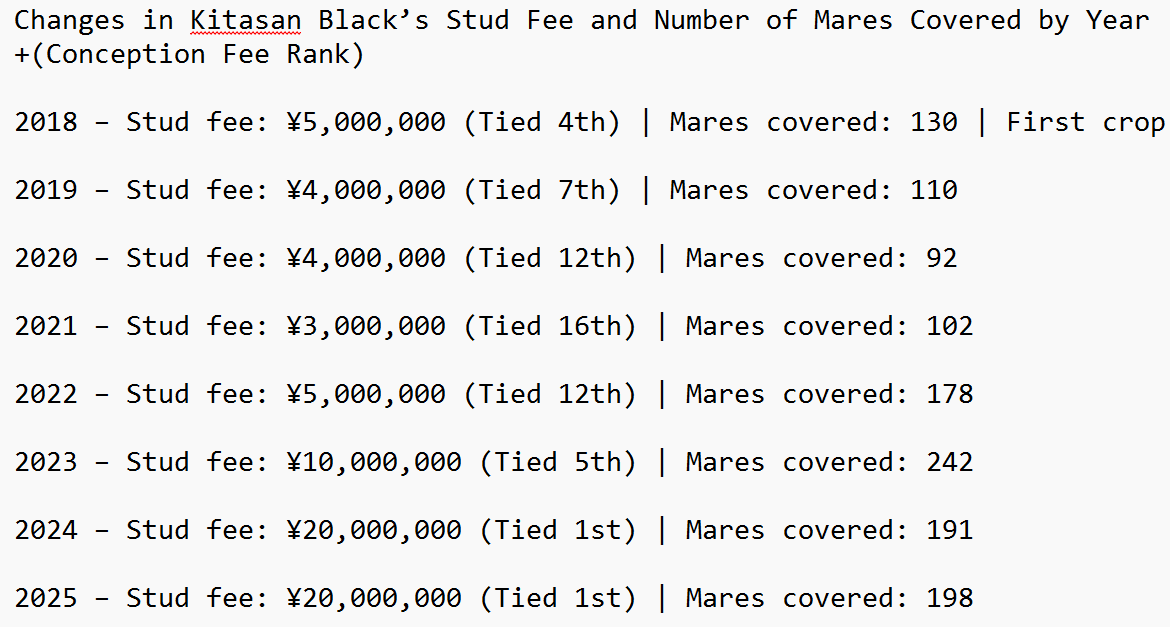
The farm manager stated that they were keen to secure a successor to Kitasan Black, Black Tide’s most representative son, and that with his stud fee set at ¥1.5 million, he was almost fully booked shortly after his retirement.

♰🎶 O Antiphons Day 3: O Radix Jesse 🎶♰
🇻🇦 XIX Decembris
O Radix Jesse, qui stas in signum populorum, super quem continebunt reges os suum, quem Gentes deprecabuntur: veni ad liberandum nos, jam noli tardare.
🇺🇸 19 December
O Root of Jesse, Who dost stand for an ensign of the people, before Whom kings shall keep silence, and unto Whom the Gentiles shall make their supplication: come to deliver us, and tarry not.
🎥 The O Antiphons are a series of seven ancient Christian prayers used during the last seven days of Advent, from December 17 to December 23, in the liturgical traditions of the Western Church.
They are recited or chanted as antiphons before and after the Magnificat during Vespers (evening prayer) in the Liturgy of the Hours.
Each antiphon begins with the vocative "O" and addresses Jesus Christ with a unique Messianic title drawn from Old Testament prophecies, particularly from the books of Isaiah and Micah.
The titles are: O Sapientia (Wisdom), O Adonai (Lord), O Radix Jesse (Root of Jesse), O Clavis David (Key of David), O Oriens (Dawn of the East), O Rex Gentium (King of the Nations), and O Emmanuel (God with us).
These antiphons are significant for their theological depth and liturgical structure. Each one elaborates on a specific title of Christ, citing biblical passages to affirm its meaning.
For example, O Sapientia references Isaiah 11:2–3 and 28:29, describing Christ as the wisdom that orders all things mightily and sweetly.
The sequence of the antiphons is carefully arranged so that the first letter of each title, when read in reverse order (Emmanuel, Rex, Oriens, Clavis, Radix, Adonai, Sapientia), forms the Latin acrostic "Ero Cras," meaning "Tomorrow, I will come," symbolizing Christ’s imminent arrival.
This acrostic is a key feature of the O Antiphons and reflects the theme of anticipation and longing for the Messiah’s coming.
The O Antiphons are also the basis for the well-known Advent hymn "O Come, O Come, Emmanuel," which combines the seven antiphons into a single, meditative song.
The tradition of using these antiphons dates back to at least the sixth century, with early references found in Boethius’s The Consolation of Philosophy.
They were further developed in medieval monastic traditions and became a central part of Advent devotion.
Help Evangelize Repost and Follow Catholic Beauty
♰ 🎶O Antiphons Day 2: O Adonai 🎶 ♰
🇻🇦 XVIII Decembris
O Adonai, et Dux domus Israel, qui Moysi in igne flammæ rubi apparuisti, et ei in Sina legem dedisti: veni ad redimendum nos in brachio extento.
🇺🇸 18 December
O Adonai and Leader of the House of Israel! You appeared to Moses in the fire of the burning bush and gave the Law on Mount Sinai: Come, and redeem us with outstretched arm.
🎥 The O Antiphons are a series of seven ancient Christian prayers used during the last seven days of Advent, from December 17 to December 23, in the liturgical traditions of the Western Church.
They are recited or chanted as antiphons before and after the Magnificat during Vespers (evening prayer) in the Liturgy of the Hours.
Each antiphon begins with the vocative "O" and addresses Jesus Christ with a unique Messianic title drawn from Old Testament prophecies, particularly from the books of Isaiah and Micah.
The titles are: O Sapientia (Wisdom), O Adonai (Lord), O Radix Jesse (Root of Jesse), O Clavis David (Key of David), O Oriens (Dawn of the East), O Rex Gentium (King of the Nations), and O Emmanuel (God with us).
These antiphons are significant for their theological depth and liturgical structure. Each one elaborates on a specific title of Christ, citing biblical passages to affirm its meaning.
For example, O Sapientia references Isaiah 11:2–3 and 28:29, describing Christ as the wisdom that orders all things mightily and sweetly.
The sequence of the antiphons is carefully arranged so that the first letter of each title, when read in reverse order (Emmanuel, Rex, Oriens, Clavis, Radix, Adonai, Sapientia), forms the Latin acrostic "Ero Cras," meaning "Tomorrow, I will come," symbolizing Christ’s imminent arrival.
This acrostic is a key feature of the O Antiphons and reflects the theme of anticipation and longing for the Messiah’s coming.
The O Antiphons are also the basis for the well-known Advent hymn "O Come, O Come, Emmanuel," which combines the seven antiphons into a single, meditative song.
The tradition of using these antiphons dates back to at least the sixth century, with early references found in Boethius’s The Consolation of Philosophy.
They were further developed in medieval monastic traditions and became a central part of Advent devotion.
Help Evangelize Repost and Follow Catholic Beauty
♰🎶 Today begins the O Antiphons 🎶♰
🇻🇦 XVII Decembris
O Sapientia, quæ ex ore Altissimi prodiisti, attingens a fine usque ad finem, fortiter suaviterque disponens omnia: veni ad docendum nos viam prudentiæ.
🇺🇸 17 December
O Wisdom, who didst come out of the mouth of the Most High, reaching from end to end and ordering all things mightily and sweetly: come and teach us the way of prudence.
🎥 The O Antiphons are a series of seven ancient Christian prayers used during the last seven days of Advent, from December 17 to December 23, in the liturgical traditions of the Western Church.
They are recited or chanted as antiphons before and after the Magnificat during Vespers (evening prayer) in the Liturgy of the Hours.
Each antiphon begins with the vocative "O" and addresses Jesus Christ with a unique Messianic title drawn from Old Testament prophecies, particularly from the books of Isaiah and Micah.
The titles are: O Sapientia (Wisdom), O Adonai (Lord), O Radix Jesse (Root of Jesse), O Clavis David (Key of David), O Oriens (Dawn of the East), O Rex Gentium (King of the Nations), and O Emmanuel (God with us).
These antiphons are significant for their theological depth and liturgical structure. Each one elaborates on a specific title of Christ, citing biblical passages to affirm its meaning.
For example, O Sapientia references Isaiah 11:2–3 and 28:29, describing Christ as the wisdom that orders all things mightily and sweetly.
The sequence of the antiphons is carefully arranged so that the first letter of each title, when read in reverse order (Emmanuel, Rex, Oriens, Clavis, Radix, Adonai, Sapientia), forms the Latin acrostic "Ero Cras," meaning "Tomorrow, I will come," symbolizing Christ’s imminent arrival.
This acrostic is a key feature of the O Antiphons and reflects the theme of anticipation and longing for the Messiah’s coming.
The O Antiphons are also the basis for the well-known Advent hymn "O Come, O Come, Emmanuel," which combines the seven antiphons into a single, meditative song.
The tradition of using these antiphons dates back to at least the sixth century, with early references found in Boethius’s The Consolation of Philosophy.
They were further developed in medieval monastic traditions and became a central part of Advent devotion.
Help Evangelize Repost and Follow Catholic Beauty
♰🎄 🎶 Advent Hymn 🎶 🎄♰
🇻🇦 Veni, veni Emmanuel;
Captivum solve Israel,
Qui gemit in exilio,
Privatus Dei Filio.
Gaude! Gaude! Emmanuel,
Nascetur pro te, Israel!
Veni, O Iesse Virgula,
Ex hostis tuos ungula,
De spectu tuos tartari
Educ et antro barathri.
Gaude! Gaude! Emmanuel,
Nascetur pro te, Israel.
Veni, veni, O Oriens;
Solare nos adveniens,
Noctis depelle nebulas,
Dirasque noctis tenebras.
Gaude! Gaude! Emmanuel,
Nascetur pro te, Israel.
🇺🇸 O come, O come, Emmanuel,
Ransom the captive Israel,
Who in this exile is mourning
Deprived of the Son of God.
Rejoice! Rejoice! The Emmanuel
Shall be born for thee, O Israel.
O come, Thou Rod of Jesse,
Save Thy people from Satan's tyranny,
From the danger of Hell,
And break the power of the abyss.
Rejoice! Rejoice! The Emmanuel
Shall be born for thee, O Israel.
O come, O come, Eastern Light,
Draw near to enlighten us,
Disperse the clouds of night,
Its furies and darkness.
Rejoice! Rejoice! The Emmanuel
Shall be born for thee, O Israel.
🎥 Veni, Veni Emmanuel (O Come, O Come, Emmanuel) is a synthesis of the antiphons of Advent, and may have originated as early as the 8th century. The hymn is filled with the longing and expectation of the Old Testament people as they waited in desolate exile for the coming of the Messiah. Each verse addresses Our Savior with a different title from Scriptures, such as the Key of David or the Rod of Jesse. The musical tune is taken from a 15th century French processional.
Help Evangelize Repost and Follow Catholic Beauty
♰ 🎶 Advent Hymn 🎶 ♰
🇻🇦 Veni, veni Emmanuel;
Captivum solve Israel,
Qui gemit in exilio,
Privatus Dei Filio.
Gaude! Gaude! Emmanuel,
Nascetur pro te, Israel!
Veni, O Iesse Virgula,
Ex hostis tuos ungula,
De spectu tuos tartari
Educ et antro barathri.
Gaude! Gaude! Emmanuel,
Nascetur pro te, Israel.
Veni, veni, O Oriens;
Solare nos adveniens,
Noctis depelle nebulas,
Dirasque noctis tenebras.
Gaude! Gaude! Emmanuel,
Nascetur pro te, Israel.
🇺🇸 O come, O come, Emmanuel,
Ransom the captive Israel,
Who in this exile is mourning
Deprived of the Son of God.
Rejoice! Rejoice! The Emmanuel
Shall be born for thee, O Israel.
O come, Thou Rod of Jesse,
Save Thy people from Satan's tyranny,
From the danger of Hell,
And break the power of the abyss.
Rejoice! Rejoice! The Emmanuel
Shall be born for thee, O Israel.
O come, O come, Eastern Light,
Draw near to enlighten us,
Disperse the clouds of night,
Its furies and darkness.
Rejoice! Rejoice! The Emmanuel
Shall be born for thee, O Israel.
🎥 Floriani Sacred Music
Veni, Veni Emmanuel (O Come, O Come, Emmanuel) is a synthesis of the antiphons of Advent, and may have originated as early as the 8th century. The hymn is filled with the longing and expectation of the Old Testament people as they waited in desolate exile for the coming of the Messiah. Each verse addresses Our Savior with a different title from Scriptures, such as the Key of David or the Rod of Jesse. The musical tune is taken from a 15th century French processional.
Help Evangelize Repost and Follow Catholic Beauty
2018 : Equinox, Wilson Tesoro, Ecoro Duel, Gaia Force
2019 : Sol Oriens, Ravel, Coconuts Brown
2020 : Christmas Parade, Admire Matsuri
2021 : Croix du Nord, Piko Chan Black, Danon Cima
2022 : ? 👀👀👀👀

@NakayamaFesuta1 OMG this is so sudden although I did expect him to retire soon.. didn't think it would be this soon. Thank you Sol Oriens!
Sol Oriens has officially retired and will stand as a stallion at Breeders Stallion Station.
I hope he stays healthy and goes on to sire many champions, following in the footsteps of his sire, Kitasan Black.
I will never forget his Satsuki Sho victory.


Scripture: Zechariah 9:9 – "Behold, your king comes to you…"
History: Poets called Him Oriens for eclipsing pagan solstice suns.
Why now? Winter solstice nears…He outshines every false light. 12/22

Dec 21: O Oriens (O Dayspring / Rising Sun)
Latin: "O Oriens, splendor lucis aeternae…"
English: "O Dayspring, splendor of eternal light…"
Reflection: The Sun rising with healing (Mal 4:2). Advent is the season when waiting becomes faith. 11/22


@Kontenasan_bf If it rains like the weather forecast
Then it is a easy Sol Oriens upscale aka the rain merchant
@_SystemCrash011 he is a great racehorse
won 7 G1 races
named Horse of the Year back in 2016 and 2017
was inducted in Hall Of Fame back in 2020
but he is also a great sire
sired Equinox, World's Best Racehorse 2023, 6 G1 wins in a row
and classic winners such as Sol Oriens and Croix du Nord!

@altcomander1242 A lot of owners actually aren’t that interested in the Arc. Shadai Racing, who owns Sol Oriens, wants to stand him as a stallion—so winning big in Japan’s autumn G1s is a higher priority. Sadly, unless it rains, I don’t think he can win in Japan anymore.
Last Seen Hashtags on Sotwe
Trends for you
Most Popular Users

Elon Musk 
@elonmusk
240M followers

Barack Obama
@barackobama
118.6M followers

Cristiano Ronaldo
@cristiano
114.4M followers

Donald J. Trump
@realdonaldtrump
111.7M followers

Narendra Modi
@narendramodi
106.9M followers

Rihanna
@rihanna
98.6M followers

NASA
@nasa
92.1M followers

Justin Bieber
@justinbieber
91.7M followers

KATY PERRY
@katyperry
89.9M followers

Taylor Swift
@taylorswift13
83.9M followers

Lady Gaga
@ladygaga
75.4M followers

Virat Kohli
@imvkohli
73.3M followers

Kim Kardashian
@kimkardashian
70.8M followers

YouTube
@youtube
68.6M followers

Neymar Jr
@neymarjr
66.3M followers

Bill Gates
@billgates
65.2M followers

Selena Gomez
@selenagomez
63M followers

The Ellen Show
@theellenshow
62.1M followers

CNN
@cnn
61.7M followers

X
@x
60.6M followers