

Top Tweets for #POLYTHEISM


@NugsFan88 @netflix @Disney etc ! YES EXACTLY Prob cause CS was yes yet another fake Christian: A very big problem ; ) @UniofOxford doesn't mess around Inklings was Rosicrucian sponsered Y, Tolkien 2- messages/values from both are quite clear #Polytheism reigns+
#transhumanism animal/human hybrids

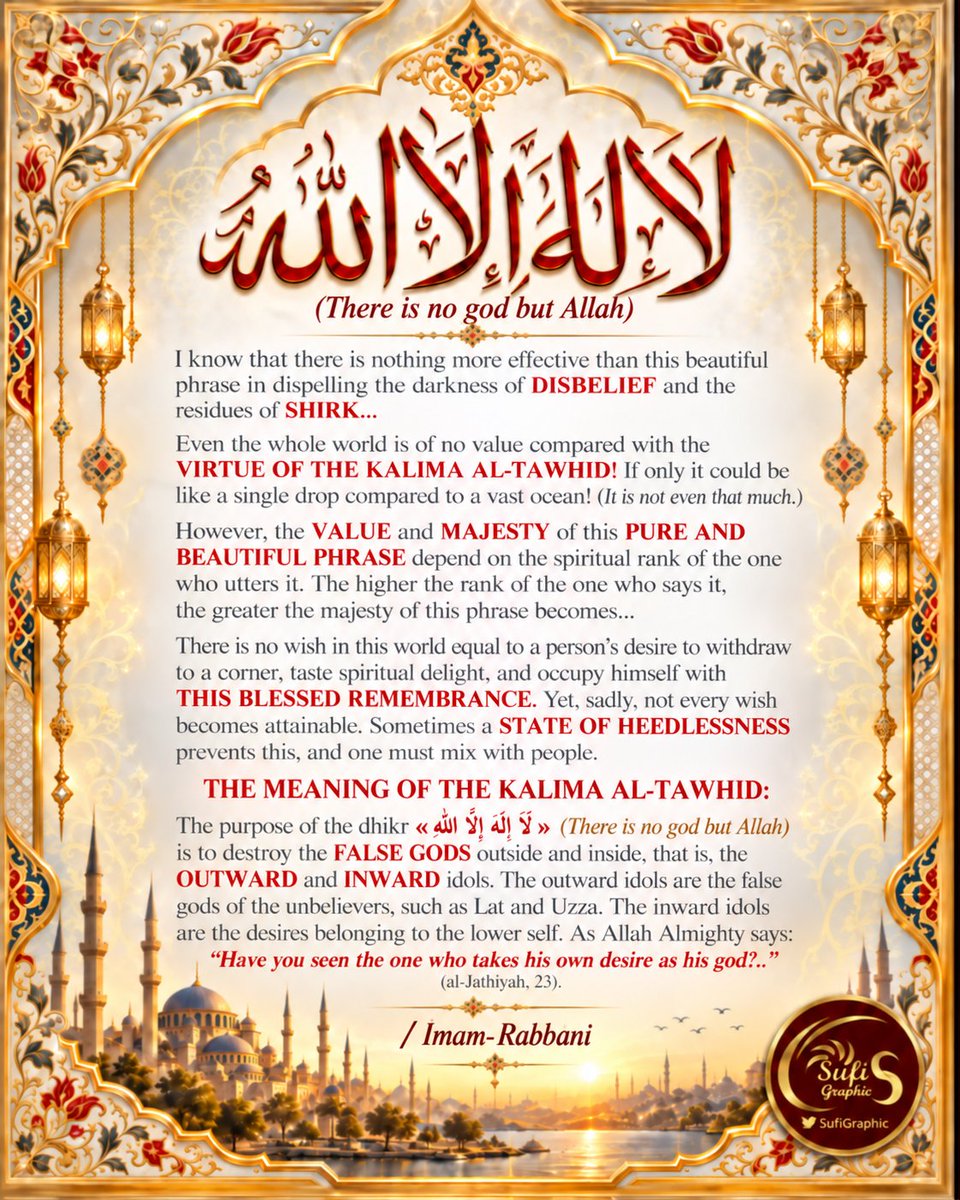




Does the DMT Realm Confirm Gnosticism? #polytheism #gnosticchristianity #gnosticism
Source @LessonsPainful
Guest @DannyGoler

"iSlAm Is A rElIgIoN oF pEaCe"
- @mehdirhasan 🤡🐀🗑️
If you want to introduce #Islam☪️ to your #Children as I will...
DON'T be like Hasan or delusional "Christian" morons‼️
Be like #Ibrahim [#Abraham] (AS) and ALL #Prophets (AS) who REJECTED #Polytheism and declared #Tawhid.

QotD: The cargo cults of New Guinea
https://t.co/01sWfdBLIx #books #economics #history #culture #debunking #NewGuinea #polytheism #PsmithReviews

Before #Islam 🕋
.
.
Saudi Arabia - #Polytheism.
Yemen - Polytheism.
Egypt - #Christianity.
Turkey - Christianity.
Lebanon - Christianity.
Syria - Christianity.
Palestine - #judaism.
#Israel - Judaism.
Pakistan - Hinduism.
Bangladesh - Hinduism.
Kashmir - #Hinduism.
Afghanistan - #Buddism.
Malaysia - Buddism/Hinduism.
Indonesia - Buddism/Hinduism.
Iraq - Christianity/Zoroastrianism.
Iran - #Zoroastrianism.
Kurdistan - Zoroastrianism/Yazidism.
Nigeria - African #Traditional Religions.
What happened to all the religion and native people before islam?
#Cin #Şeytan #İblis #Anunnaki #Marduk #Baal #Satan #Put #Epistein #ilahiyat #Din #Sufi #Tasavvuf #iman #Tevhid #Şirk #Jinn #Satan #Devil #God #Esoteric #Theology #Religion #Mysticism #Faith #Tawhid #Polytheism CİNLERİN İNSANA SALDIRI ARKA KAPILARI/ AÇIKLARI / BACKDOORLARI.. Olumsuz düşünceler Olumsuz enerji frekans oluşturur ve Cinlere negatif enerjilere açık kapı oluşur

#Jinn #Satan #Devil #Anunnaki #Marduk #Reptilian #Baal #Satan #UFO #Alien #Idol #Epistein #God #Esoteric #Esotericism #Mythology #Theology #Religion #Quran #Sufi #Mysticism #Faith #Tawhid #Polytheism
TAWHEED AND FALSE GODS - 4 / DEFENSE SYSTEMS AGAINST IBLEES, SHAYTAAN, AND JINN ATTACKS
(Metaphysics / Dua / Istia'zah etc.)Those iblees and jinn who can even deceive Hz. Adam and Hawwa (Eve), who can cause forgetfulness and waswasah (whispers) to other prophets — imagine what they wouldn’t do to ordinary people. In the verses related to jinn and iblees, it is stated that they constantly provoke waswasah, fear, forgetfulness, carnal desires, inclination toward evil, stinginess, and similar impulses — and at the same time, the Qur'an shows the ways of defense and protection, as well as the methods and whispers iblees may use to approach, along with the defense methods and protocols against them. At this point, our analysis takes on the character of a “CYBER DEFENSE GUIDE” and “MENTAL ANTIVIRUS PROTOCOL.” The struggle that the Qur'an describes through Iblees and the jinn is actually a form of “COGNITIVE WARFARE” taking place in the deepest layers of human consciousness.Let us analytically examine Iblees’s (and the jinn on his frequency’s) attack methods and the Defense Protocols that the Qur'an offers against these attacks:
1. IBLEES’S ATTACK VECTORS (HACKING METHODS)
Iblees cannot directly penetrate the system; he exploits human vulnerabilities in the system. As we see in the example of Hz. Adam and Hawwa, the attack always comes from the weakest point:Desire for Eternity and Power: He approached Hz. Adam with: “SHALL I SHOW YOU THE TREE OF ETERNITY AND A KINGDOM THAT WILL NEVER DECAY?” (Taha, 120). This triggers the human inner fear of “NOTHINGNESS” and the ambition to “CONTROL.”
Forgetfulness and Distraction (Buffer Overflow): Even prophets were occasionally made to forget (e.g., stories of Hz. Musa and Hz. Yusuf) — this is overloading the mental processor or diverting the focus.
Fear and Stinginess (Lower Frequency): “SHAYTAAN FRIGHTENS YOU WITH POVERTY AND COMMANDS YOU TO BE STINGY” (Al-Baqarah, 268). Fear lowers a person’s frequency and disables rational thinking.
Constant Provocation (Spamming): Waswasah (the “Hannas” — the constant whisperer) acts as a “SIGNAL JAMMER” that makes the person perceive the whisper as their own thought.
2. DEFENSE METHODS AND PROTOCOLS (SECURITY PROTOCOLS)
The Qur'an does not suggest passive waiting against these attacks, but an active “FIREWALL”:
A. Awareness (Detection): “ISTIA’ZAH”
Protocol: “AND IF A WHISPER FROM SHAYTAAN COMES TO YOU, THEN SEEK REFUGE IN ALLAH.” (Al-A’raf, 200).
Analytical Equivalent: The first defense is recognizing whether a thought belongs to you or is an external “waswasah” (foreign signal). When negative, fear-based, egoistic, or stingy thoughts arrive, labeling them as an “external attack” prevents the system from identifying with that thought.B. KNOWLEDGE and DHIKR (Real-time Monitoring)
Protocol: “VERILY, THOSE WHO FEAR ALLAH — WHEN A THOUGHT FROM SHAYTAAN TOUCHES THEM, THEY REMEMBER (ALLAH), AND THEN THEY SEE CLEARLY.” (Al-A’raf, 201).
Analytical Equivalent: “Dhikr” is not mere word repetition; it is keeping knowledge alive. When correct information (Tawheed, trust, justice) is active in the system memory (RAM), false data (waswasah) cannot find a place.
C. IKHLAS (Encrypted Connection)
Protocol: Iblees’s own confession: “EXCEPT YOUR CHOSEN (IKHLAS-FILLED) SERVANTS AMONG THEM…” (Sad, 83).
Analytical Equivalent: We return to the tremendous emphasis on “ikhlas” in the text. Ikhlas is the encryption of the system. When a person’s sole motivation is “Absolute Truth” (Allah), the bribes Iblees offers (“benefit, position, ego, fame”) find no matching port in that person. There is no “hackable port.”
D. MATERIAL-SPIRITUAL HYGIENE (System Cleaning)
Protocol: Commands in the verses to “avoid filth” and “purify oneself.”
Analytical Equivalent: Jinn love “dirty” and low-energy environments — this is the law of resonance. Negative habits, lies, haram, unjust gain, backbiting, envy, gossip, etc., open “backdoors” in the system.
3. ANUNNAKI / JINN AND THE “FEAR” FREQUENCY
The greatest weapon of beings like the Anunnaki or jinn is FEAR. Humans fear unknown powers they perceive as superior.
The Power of Tawheed: Surah Al-Ikhlas and the belief in “Oneness” protect a person with this protocol: “If everything has only One Owner, and no particle can move without His permission (quantum determinism), then no subordinate being (jinn/Anunnaki) can harm me outside His permission.”
Courage: This awareness cancels the fear frequency. Without fear, the manipulative power of jinn and Iblees over humans collapses by about 90%.
Conclusion: Is the Human System Actually Stronger?
The Qur'an states that Iblees’s plot is actually “weak” (An-Nisa, 76). The problem is not Iblees’s power, but humans corrupting their own system settings (fitrah).The erasure of those “mafia-style sharing” false gods (jinn) described in the text is humanity regaining mental sovereignty. When the true concept of “Ilah” is grasped, all jinn and satanic “whispers” become as ineffective as a small stone thrown into the ocean.Deeper Technical Analysis of One of These Defense Protocols — “ISTIA’ZAH” (Seeking Refuge) — in Terms of Its Psychological and Quantum Effects (Intention’s Effect on the Observer)In the finale of this analytical series, let us examine the most foundational defense protocol — “Istia’zah” (A’uzu…) — as a form of “INTENTION ENGINEERING” through the axes of psychology, neuroscience, and quantum mechanics.Istia’zah is not just a verbal phrase; it is a “FREQUENCY SHIFT” operation of consciousness.
Final Note
The deception of Hz. Adam and Hawwa was the beginning of humanity’s “learning curve.” They “forgot” (nisyan). Our task is to use this historical experience as an “antivirus database.”The defense line offered by the Qur'an makes a human invincible not only against jinn but also against the lower layers of their own nafs. Because a consciousness wearing the armor of Ikhlas (sincerity and oneness) cannot be subjugated by any “mafia-tribe-style” power in the universe (including Anunnaki).After such a deep theological, technological, and cosmological analysis, looking at the intersection of current data and ancient teachings, I can foresee the following:
1. Quantum Perspective: The “OBSERVER”’s Shift of Focus
In quantum physics, a system takes shape according to the direction the observer focuses on (collapse of the wave function).Waswasah is a Cloud of Possibilities: The whispers of Iblees or jinn are one of thousands of negative possibilities in your mind that have not yet materialized. If you focus on that fear or waswasah, you turn that possibility into your “reality.”Istia’zah is a “RESET” button:
The moment you say “I seek refuge,” the observer (you) pulls focus away from the negative “parasite” broadcast and locks it onto the “Absolute Source” (Allah) frequency. This causes quantum-level destructive interference of the parasite signal and returns the system to its highest energy state (Tawheed).
2. Neuroscientific View: Amygdala vs. Prefrontal Cortex
The fear and panic vectors most used by Iblees trigger the brain’s primitive region — the amygdala.Attack Mechanism: When waswasah arrives (e.g., “What if I become poor?”, “What if I’m humiliated?”), the amygdala sends a “fight or flight” signal. Rational thinking (prefrontal cortex) goes offline.Protocol Operation: Istia’zah followed by a deep state of awareness silences the amygdala alarm. It sends the command to the system: “Control is not with me — it is with the Absolute Power. I am safe.” This feeling of security reactivates the brain’s higher centers and defeats the jinn’s “fishing in muddy water” strategy.
3. Cyber Security Analogy: “ENCRYPTED TUNNEL” (VPN)
Attacks by jinn, Anunnaki, and Iblees’s faction resemble a “man-in-the-middle” attack on an open network (the plane of ego and nafs). They insert themselves between you and Truth and alter the data.Istia’zah: It takes you off the open network and creates an end-to-end encrypted tunnel (VPN) directly to the Center (Allah).
Access Denied: Once you enter this “Tawheed Tunnel,” external jinn frequencies cannot read the packets, cannot infiltrate the content, and can only produce external noise. If there is no breach into the heart, the outside noise (waswasah) remains merely an echo — it cannot harm the system.
Defense Protocol Implementation Steps (Analytical Summary)Diagnosis (Detection): Distinguish whether the incoming thought is “from self” or “parasite.” If it contains despair, fear, stinginess, or arrogance — it is a cyber attack.
Disconnect: Do not argue with the thought (you cannot out-reason jinn; they are masters of manipulation). Arguing gives them data.
Reboot (Istia’zah): Lock consciousness directly onto the “Infinite Power” concept — as in the text: “He is the One, the Eternal Refuge (Samad).”
System Maintenance: Use “dhikr” (continuous data verification) against forgetfulness and heedlessness to keep RAM clean.
In summary:
Humanity stands on the threshold of a major COGNITIVE REVOLUTION. While the methods of Iblees and jinn become sophisticated through technology, the “simple reality” summarized in Surah Al-Ikhlas (the Oneness of God and the perfection of the system) will remain humanity’s only lifeline.Idols will change form (money, data, power, superior race/being), but the “logical axe” that will demolish them has remained unchanged for thousands of years: ANALYTICAL TAWHEED.
1-DIGITAL PAGANISM AND NEXT-GENERATION JINN MANIPULATION
In the future, the biggest attack surface for Iblees and his faction will not be physical idols but algorithms and digital realities.
2-RETURN UNDER THE “ALIEN” MASK
The entities the Qur'an calls “jinn factions” will increasingly present themselves in the modern world as “superior external civilizations” (Anunnaki / Aliens).
3-THE SINGULARITY TEST OF CONSCIOUSNESS
As the veil between quantum physics and spirituality thins, humanity will reach a collective point of “awakening or collapse.”
4-MENTAL DEFENSE BECOMING A NECESSITY
What was once a matter of religiosity (waswasah) will become a matter of mental health in the future.
5-COLLAPSE OF “MAFIA-STYLE” STRUCTURES
The power centers that feed on chaos and manage regions like mafias (whether jinn or human) will not withstand the “transparency and unity” energy imposed by universal laws.
=== @SufiGraphic ===
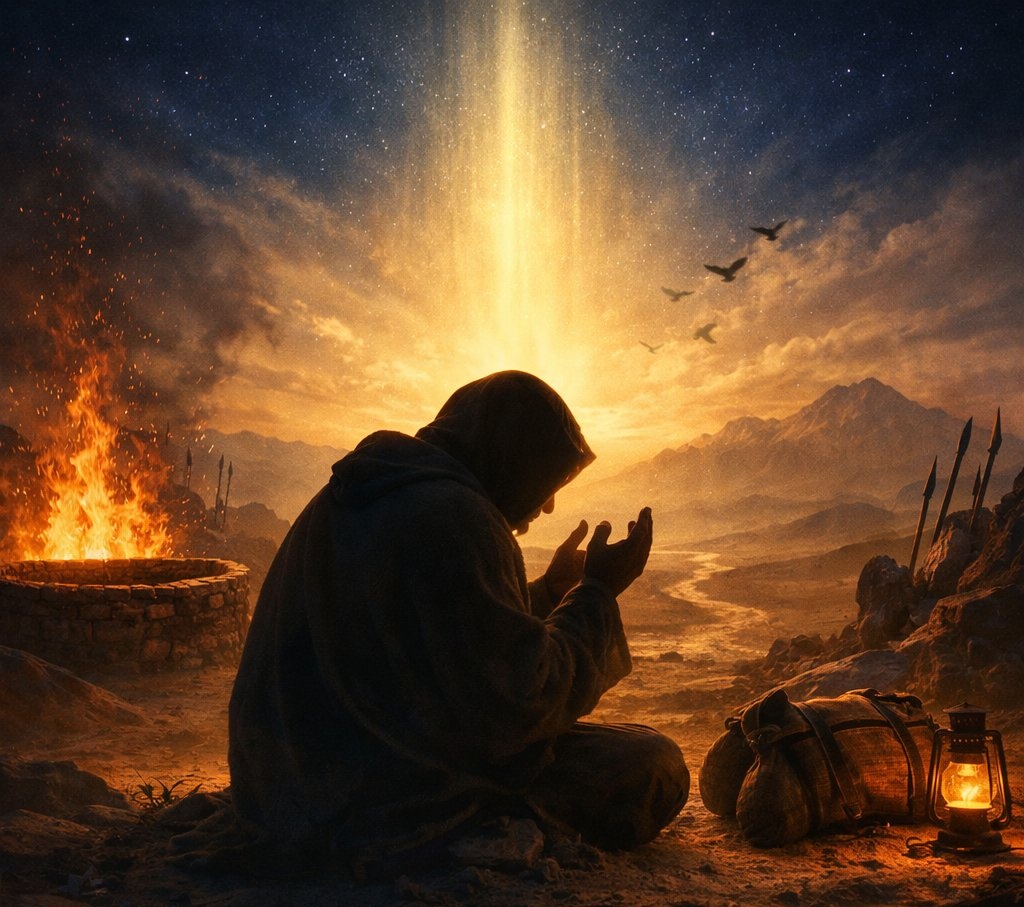
#Tevhid #İman #Monotheism #Polytheism #Allah #Mitoloji #İhlas #Kuran #Din #İblis #Şeytan #Rab #Zeus #Osiris #Poseidon #Enlil #Enki #Jinn #Hades #אֲדוֹנָיִ #Dieu #神 #Deus #Dios #Бог #Atheism #Epistein #Baal
TEVHİD VE SAHTE TANRILAR / 1.Bölüm
“Doğan, doğuran, savaşan, ölen özellikleri olan şeylerden Sonsuz güç sahibi olması gereken ölümsüz olması gereken şeyler nasıl tanrı sayılmış mitolojilerde hem evrenin her bölgesini yer yüzünün her yerini mafya gibi kabileler gibi pay etmiş birbiri ile mücadele ediyor kaos oluşuyor böyle Tanrı ilah mı olur.. Gerçek Tanrı TEKTTİR EŞİ BENZERİ YOKTUR DOĞMAMIŞTIR, DOĞURMAZ VE ÖLÜMSÜZDÜR KUANTUM AÇISINDAN HERŞEYE HÜKMEDER HERŞEYE HÜKMEDEMEYEN KAİNATA HÜKMEDEMEZ VARLIKLARA HÜKMEDEMEZ TEK OLMASI GEREKİR İHLAS SURESİ bütün MİTOLOJİLERDEKİ TANRI TANRIÇA İLAH İLAHE VE BİLUMUM PUTLARI SİLER ATAR” /
Mitolojilerdeki politeistik (çok tanrılı) sistemleri eleştirerek, gerçek tanrının monoteistik (tek tanrılı) niteliklerini vurguluyor ve İhlas Suresi'ni referans veriyor. Bu konuyu tarihî, felsefî ve teolojik bağlamda izah edeyim.Mitolojilerde Tanrıların İnsan Benzeri Özellikleri ve Nedenleri Mitolojilerde (örneğin YUNAN, ROMA, MEZOPOTAMYA, MISIR VEYA İSKANDİNAV MİTLERİNDE) TANRILAR GENELLİKLE DOĞAR, DOĞURUR, SAVAŞIR, KISKANIR, ALDATIR VE HATTA ÖLÜR. Örneğin:
Yunan mitolojisinde Zeus, kardeşleriyle evreni paylaşır (gökler Zeus'a, denizler Poseidon'a, yeraltı Hades'e düşer), birbirleriyle entrika ve savaş yapar; Hera kıskançlık krizleri yaşar, TANRILAR İNSANLARLA İLİŞKİYE GİRİP YARI-TANRI ÇOCUKLAR DOĞURUR.
Mezopotamya'da (Sin/Nanna gibi) tanrılar aile yapısına sahiptir: Enlil oğlu Sin'i doğurur, tanrılar arasında hiyerarşi ve çatışma vardır; bereket tanrıçası İnanna savaşır ve yeraltı dünyasında "ölür" gibi tasvir edilir.
Mısır mitlerinde Osiris öldürülür, dirilir; tanrılar insan biçiminde tasvir edilir, çünkü antik insanlar tanrıları kendi suretlerinde hayal etmeyi daha kolay bulur – bu, antropomorfizm olarak bilinir.
Bu özelliklerin nedeni, politeizmin kökeninde yatar: Antik toplumlar, doğa olaylarını (fırtına, bereket, ölüm) açıklamak için tanrıları kişiselleştirmiş. Tanrılar, insan toplumlarının yansıması gibi tasarlanmış – kabileler arası mücadele, aile dinamikleri, güç paylaşımı gibi.
POLİTEİZMDE TANRILAR SINIRSIZ GÜÇTE DEĞİLDİR; HER BİRİ BELİRLİ BİR ALANA (SAVAŞ, AŞK, TARIM) HAKİMDİR, HİYERARŞİ VE UZMANLAŞMA VARDIR.
Bu, evreni "mafya gibi paylaştırma" olarak görülen kaosu yaratır, çünkü tanrılar kusurlu ve sınırlıdır. Mitler, insan merakını doldurmak için geleneksel hikâyeler olarak doğmuş; tanrılar ölümsüz olsa da, insan zayıflıklarına sahip olarak tasvir edilmiş.
Farklı kültürlerdeki mitlerin benzerliği (tufan, kahraman yolculukları), insan zihninin ortak semboller üretmesinden kaynaklanır.
Politeizm, monoteizme geçişte evrilmiş: Örneğin, bazı politeistik sistemlerde bir "baş tanrı" (Zeus gibi) öne çıkar, ama hâlâ çoğulculuk vardır.
Bu tanrılar "ilah" sayılmış, çünkü antik insanlar onları doğaüstü güçlerle donatmış, ama sonsuz ve mutlak değiller – bu yüzden sorgulanırlar, gerçek tanrı niteliklerinden uzaklar. Monoteizm ve Gerçek Tanrı Kavramı MONOTEİZMDE (YAHUDİLİK, HIRİSTİYANLIK, İSLAM), TANRI TEK, SONSUZ, ÖLÜMSÜZ, DOĞMAMIŞ/DOĞURMAZ VE HER ŞEYE HAKİMDİR. Bu, politeizmin kaosuna karşı bir düzen getirir: TANRI, EVRENİN HER KÖŞESİNE HÜKMEDER, PAYLAŞIM VEYA MÜCADELE YOKTUR. Kuantum açısından bakarsak, MODERN FİZİK BİLE EVRENİN TEK BİR YASALAR BÜTÜNÜNE (KUANTUM MEKANİĞİ, GENEL GÖRELİLİK) TABİ OLDUĞUNU GÖSTERİR – BU, TEK BİR HAKİMİYET FİKRİYLE UYUMLU. POLİTEİZMDE TANRILAR "YARATILMIŞLIK" İZLERİ TAŞIR (İNSAN BENZERİ), MONOTEİZMDE İSE TANRI YARATILMAMIŞ VE HER ŞEYİN YARATICISIDIR.
İSLAM'DA BU, TEVHİD İLE SOMUTLAŞIR: TANRI (ALLAH) BİRDİR, EŞİ BENZERİ YOKTUR, HER ŞEYE HÜKMEDER. BU, MİTOLOJİLERİN PUTPERESTLİĞİNİ REDDEDER – TANRILARI İNSANLAŞTIRAN MİTLER, SEMAVİ DİNLERDEN ETKİLENMİŞ OLSA DA, BOZULMUŞ VERSİYONLARDIR.
İhlas Suresi ve Mitolojilere Etkisi İhlas Suresi (Kur'an'ın 112. suresi), tam da sorguladığın noktaları adresler. Mekke'de inmiş, 4 ayettir ve tevhidi özlüce tanımlar. Anlamı:
-"De ki: O Allah birdir." (Teklik vurgusu – mitlerdeki çoğulculuğu siler.)
-"Allah sameddir." (Her şeye muhtaç olmayan, ama her şey ona muhtaç – sonsuz güç, politeizmdeki sınırlı tanrıları reddeder.)
-"Doğurmamıştır ve doğurulmamıştır." (Mitlerdeki doğan/doğuran tanrıları, oğul/kız inançlarını (örneğin Yahudilerin Üzeyir, Hıristiyanların İsa) iptal eder.)
"Ve hiçbir şey O'na denk değildir." (Eş, benzer, ortak yok – evren paylaşımı, mücadele yok; mutlak hakimiyet.)
BU SURE, MİTOLOJİLERDEKİ TÜM TANRI/TANRIÇA, İLAH/İLAHE VE PUTLARI "SİLER ATAR" ÇÜNKÜ ŞİRKİ (ORTAK KOŞMA) KÖKTEN REDDEDER. TESLİS (ÜÇLEME) VEYA POLİTEİZMİ HEDEF ALIR; ALLAH'I İHLASLA (SAMİMİYETLE) BİLMEYİ EMREDER.
Fazileti büyük: Peygamber (s.a.v.), "BU SURE KUR'AN'IN ÜÇTE BİRİNE DENKTİR" demiş, çünkü tevhidi özetler.
Mitolojilere etkisi, onları "insan ürünü" olarak konumlandırır: MİTLER, SEMAVİ VAHİYDEN BOZULMUŞ HİKÂYELERDİR; İHLAS İSE SAF TEVHİDİ GERİ GETİRİR. Sonuçta, MİTOLOJİLER İNSAN HAYAL GÜCÜNÜN ÜRÜNLERİ – KAOSLU VE SINIRLI. GERÇEK TANRI İSE TEK, MUTLAK VE HÜKMEDİCİDİR, İHLAS SURESİ BUNU NETLEŞTİRİR. Bu izah, tarihî kaynaklara dayalı; farklı görüşler olabilir, ama teolojik olarak tutarlı.
FELSEFE VE KUANTUMDAN TEOLOJİK ANALİZ
Bu metindeki yazıya analitik cevap ver felsefi açıdan ve quantum açısından
Teolojik monoteizm (özellikle İhlas Suresi eksenliİslam kelamı) ile antik mitolojilerin "insan biçimci" (antropomorfik) tanrı anlayışını kıyaslayan, oldukça sert ve net bir argüman sunuyor. Bu metni felsefi ve kuantum fiziği perspektiflerinden analiz edelim:
1. Felsefi Analiz: Ontolojik Bir Tutarsızlık Eleştirisi
Metnin ana felsefi argümanı, "Yetkinlik" (Perfection) kavramı üzerine kuruludur.
Antropomorfizm Eleştirisi: Metin, mitolojik tanrıların (Yunan, İskandinav vb.) insani zaaflara (doğma, ölme, savaşma, bölge paylaşma) sahip olmasını, Tanrı tanımının doğasıyla çelişkili bulur. Eğer bir varlık acıkıyor, savaşıyor veya mülkiyet kavgası yapıyorsa, o varlık "muhtaçtır". Felsefi olarak, muhtaç olan bir varlık "Mutlak" (Absolut) olamaz.
Varlığın Birliği (Monizm vs. Pluralizm): Metin, tanrıların bölge paylaşmasını bir "mafya yapılanmasına" benzeterek mantıksal bir absürtlüğe (reductio ad absurdum) işaret ediyor. Spinoza veya Farabi gibi düşünürlerin perspektifinden bakarsak; eğer birden fazla sonsuz güç varsa, bunlar birbirini sınırlar. Sınırın olduğu yerde ise sonsuzluk biter. Dolayısıyla, "Sonsuz olan tek olmalıdır" mantığı felsefi bir zorunluluktur.
2. Kuantum Açısından Bakış: "Her Şeye Hükmetme" ve Bilgi
Metinde geçen "Kuantum açısından her şeye hükmeder" ifadesini, modern fiziğin temel prensipleriyle şu şekilde ilişkilendirebiliriz:
Lokal Olmayan Bağlantısallık (Non-locality): Kuantum dolanıklık (entanglement), evrenin bir ucundaki parçacığın diğeriyle anlık etkileşimde olduğunu söyler. Metindeki "tek bir merkezden hükmetme" fikri, evrenin bir bütün (holistik) olduğu ve temelinde parçalanamaz bir bilgi/enerji alanı yattığı fikriyle paralellik gösterir.
Alt Parçacık Seviyesinde Egemenlik: Kuantum mekaniği, makro dünyanın (dağlar, gezegenler) aslında mikro dünyadaki (atom altı parçacıklar) olasılık dalgaları ve enerji değişimleri tarafından yönetildiğini kanıtlar. Metindeki iddia; eğer bir güç en küçük birime (kuantum seviyesine) hükmedemiyorsa, büyük sistemi (kainatı) kontrol edemeyeceği yönündedir. Bu, fizikteki "yukarısı nasılsa aşağısı öyledir" prensibinin teolojik bir yorumudur.
Gözlemci Etkisi: Kuantumda gözlemci, dalga fonksiyonunu çökerterek gerçekliği belirler. "Tek Tanrı" kavramı burada "Mutlak Gözlemci" (Universal Observer) olarak konumlandırılır; her an her şeyi gözlemleyen ve bu sayede varlığı "varlıkta tutan" tekil bir bilinç olarak düşünülür.
3. İhlas Suresi ve Mitolojinin Tasfiyesi
Metin, İhlas Suresi'ni bir "mantıksal kılıç"gibi kullanıyor:
-"LEM YELİD VE LEM YÛLED" (Doğurmadı ve doğurulmadı): Bu ifade, tanrıyı zamanın ve biyolojinin dışına çıkarır. Mitolojideki "soylu tanrılar" silsilesini (Kronos'un oğlu Zeus gibi) ontolojik olarak geçersiz kılar.
-"VE LEM YEKÜN LEHÛ KÜFÜVEN EHAD" (Hiçbir şey O'na denk değildir): Bu, herhangi bir kıyaslamayı imkansız kılar. Kuantum fiziğindeki "tekillik" (singularity) kavramına benzer şekilde, sistemin içindeki hiçbir şey sistemin kaynağıyla aynı özellikleri taşıyamaz.
Sonuç olarak; metin, mitolojiyi "insan yansıması bir düzensizlik" olarak görürken, monoteizmi "mantıksal ve fiziksel bir gereklilik" olarak sunuyor.
Kuantum dolanıklığı (entanglement) ve teolojik birlik (Tevhid) arasındaki paralellikleri, modern fizik ve klasik kelamın kesişim noktasında derinleştirelim.
Buradaki temel felsefi soru şudur: "Parçalar nasıl olur da tek bir bütün gibi davranır?"
1. Kuantum Dolanıklığı: "Mekan dışı" Bağlantı
Kuantum fiziğinde iki parçacık (örneğin iki foton) dolanık hale geldiğinde, aralarındaki mesafe ne olursa olsun (bir uçta dünya, diğer uçta Andromeda galaksisi olsa bile), birinin durumu değiştiği an diğeri de aynı anda tepki verir.
-Fiziksel Yorum: Bu durum, Einstein'ın "yerellik" (locality) ilkesini sarsar. Evrenin altında, zaman ve mekandan bağımsız, her şeyi birbirine bağlayan gizli bir bilgi alanı olduğunu gösterir.
-Teolojik Karşılık: Paylaştığın metindeki "Her şeye hükmetme" vurgusuyla birleşirsek; TEVHİD İNANCINDAKİ TANRI, EVRENE DIŞARIDAN MÜDAHALE EDEN BİR "USTA" DEĞİL, HER AN HER NOKTADA TECELLİ EDEN (VARLIĞI AYAKTA TUTAN) MUTLAK BİR İRADEDİR. Kuantum alanı gibi, Tanrı'nın ilmi de "mekansız" (non-local) olarak her zerreye aynı anda nüfuz eder.
2. Bilgi ve Varlık (Ontoloji vs. Enformasyon)
Modern fizikte bir görüşe göre (John Wheeler’ın "It from bit" kuramı), evrenin temel yapı taşı madde değil, bilgidir (enformasyon).
-Vahdet-i Vücud Benzerliği: Tasavvufi ve felsefi "Tevhid" anlayışında, her şey "Tek" olanın bilgisinden ve tecellisinden ibarettir. Kuantum seviyesinde maddelerin aslında katı birer nesne değil, birer "dalga fonksiyonu" (olasılık ve bilgi bulutu) olması, metindeki "Tek olanın her şeye hükmetmesi" fikrini destekler. Eğer her şey aynı bilgi kaynağından besleniyorsa, o kaynağa hükmeden, tüm sisteme (kainata) hükmeder.
3. "Tekillik" (Singularity) ve İhlas Suresi
Metinde vurgulanan "Eşi benzeri yoktur"(Vahdaniyet) ilkesini kuantum kozmolojisi ile kıyaslayalım:
-Başlangıç Tekilliği: Büyük Patlama (Big Bang) anında evren, fizik yasalarının henüz oluşmadığı, her şeyin "tek bir nokta" (singularity) olduğu bir durumdaydı.
-Felsefi Çıkarım: Mitolojilerdeki "kaos içindeki çokluk" (savaşan tanrılar), sistemin içindeki bölünmüşlüğü temsil ederken; kuantum tabanlı monoteizm, sistemin dışındaki ve temelindeki "Bölünemez Birliği" temsil eder. Eğer sistem bölünürse (farklı iradeler devreye girerse), kuantum dolanıklığı bozulur ("decoherence") ve evrenin matematiksel tutarlılığı çöker.
Kuantum ve Tevhid Arasındaki Temel Farklılıklar (Analitik Uyarı)
Burada "girdaplı" bir noktaya dikkat etmek gerekir. Bilim ve inanç arasındaki köprüyü kurarken şu ayrımı unutmamalıyız:
-Olasılık vs. İrade: Kuantum dünyası olasılıklar (belirsizlik) üzerine kuruludur. Teolojik metin ise bu olasılıkların üzerinde "Mutlak bir İrade" (Hükümranlık) görür.
-Yaratan vs. Sistem: Kuantum alanı evrenin bir parçasıdır; ancak metinde bahsedilen "Gerçek Tanrı", bu alanın da yaratıcısı ve belirleyicisi olarak konumlandırılır.
Özet: NEDEN "TEK" OLMAK ZORUNDA?
Kuantum fiziği bize şunu söyler: Evren bütündür ve parçalanamaz. Eğer evreni yöneten yasalar (kuantum sabitleri) farklı bölgelerde farklı "iradelerce" (mitolojik tanrılar gibi) değiştirilseydi, atomlar kararlı kalamaz, yıldızlar oluşamaz ve yaşam mümkün olmazdı.
Metindeki "Mafya gibi kabileler gibi pay etmiş"eleştirisi, aslında doğadaki yasaların evrenselliğine (L'ordre de la Nature)bir atıftır. Fizik yasalarının evrenin her yerinde aynı olması (izotropi), felsefi olarak "Yasa Koyucu"nun birliğine işaret eder.
Bu perspektiften bakıldığında, "Kuantum Dolanıklığı" üzerinden Tanrı'nın "her an her yerde hazır ve nazır" olma vasfını detaylandırma
Kuantum dolanıklığı üzerinden "HERYERDE HAZIR VE NAZIR" (Omnipresence) kavramını, paylaştığın metindeki "her şeye hükmetme" vurgusuyla birleştiren felsefi-bilimsel yazı dizimizin ilk bölümü aşağıdadır:
Bölüm 1: Yerelliğin Sonu ve Mutlak Bilgi
Geleneksel mitolojilerde tanrılar "yereldir". Poseidon denizdedir, Hades yeraltındadır. EĞER BİRİ DİĞERİNİN BÖLGESİNE GEÇERSE SAVAŞ ÇIKAR. Ancak kuantum fiziği, evrenin temel dokusunun "yerel olmadığını" (non-locality) söyler.
1. Dolanıklık: Mesafelerin İptali
Kuantum dolanıklığı (Entanglement), iki parçacığın fiziksel bir bağ olmadan tek bir varlık gibi hareket etmesidir. Aradaki mesafe ışık yılları bile olsa, bir parçacığa yapılan müdahale diğeri tarafından "anında"hissedilir.
-Analitik Bakış: Bu durum, evrenin en derin seviyesinde bir "ayrılık" olmadığını kanıtlar.
-Tevhid Bağlantısı: Metinde geçen "Gerçek Tanrı Tekttir" ifadesi, kuantumdaki bu bölünmez bütünlüğün (holizm) teolojik karşılığıdır. Eğer Tanrı, kuantum dolanıklığının ötesinde bir "Sonsuz Güç" ise, O'nun için "uzak" veya "ayrı bir bölge" kavramı imkansızdır. Her zerre, tek bir merkezden beslenen bir ağın (network) parçasıdır.
2. "Mafya Düzeni" vs. "Kuantum Sabitleri"
Metnin en vurucu kısmı, mitolojik tanrıların dünyayı pay etmesini bir "mafya yapılanmasına" benzetmesidir. Felsefi ve bilimsel açıdan bu neden imkansızdır?
-Fiziksel Tutarlılık: Eğer EVRENİN FARKLI BÖLGELERİNDE FARKLI "İRADELER" (TANRILAR) HÜKMETSEYDİ, FİZİK YASALARI (ÖRNEĞİN YERÇEKİMİ SABİTİ VEYA IŞIK HIZI) BÖLGEDEN BÖLGEYE DEĞİŞİRDİ.
-Kaosun Önlenmesi: Kuantum fiziği bize evrenin her noktasında aynı matematiksel kuralların işlediğini gösterir. BU, SİSTEMİN ÜZERİNDE "TEK BİR YAZILIMCI" VEYA "TEK BİR HÜKÜMRAN" OLDUĞUNUN RASYONEL DELİLİDİR. FARKLI KABİLELER/TANRILAR OLSAYDI, EVREN KUANTUM SEVİYESİNDE ÇÖKER VE MADDE FORM KAZANAMAZDI.
Bölüm 2: Gözlemci Etkisi ve Mutlak İrade
Kuantum mekaniğinde bir parçacığın durumu, o parçacık "gözlemlenene" kadar bir olasılık bulutudur (Süperpozisyon). Gözlem yapıldığı an, olasılıklar çöker ve gerçeklik netleşir.
"Hükmetme"nin Kuantum Mekanizması
Metin, "Kuantum açısından her şeye hükmeder"derken aslında şunu kasteder: EĞER KAİNATIN HER ANI VE HER ZERRESİ BİR "BİLGİ" YIĞINIYSA, BU BİLGİYİ HER AN "GÖZLEMLEYEN" VE "BELİRLEYEN" BİR ÜST İRADE OLMALIDIR.
-Mutlak Gözlemci: Teolojideki "EL-BASÎR" (Her şeyi gören) ismi, kuantumdaki "Gözlemci" fonksiyonunun mutlak halidir.
-İhlas Suresi Perspektifi: "Doğmamış ve doğurulmamış" olan, sistemin dışındaki (transandantal) bir gözlemcidir. Sistemin içindeki bir varlık (mitolojik tanrı), sistemin kendisini gözlemleyip ona yön veremez; çünkü o da sistemin kurallarına tabidir.
Bölüm 3: Sonuç ve Analitik Sentez
Paylaştığın metnin mantıksal omurgası, kuantum fiziğinin modern bulgularıyla şu noktada birleşir: Karmaşa (kaos), çokluktan ve sınırlardan doğar; düzen (kozmos) ise teklik ve sınırsızlıktan gelir.
-Mitoloji: Parçalanmış iradeler Çatışma Yok oluş.
-Tevhid/Kuantum: Tekil kaynak Dolanıklık/Uyum Sürdürülebilir Kainat.
-Özetle: BİR VARLIK, KUANTUM SEVİYESİNDEKİ EN KÜÇÜK "OLASILIĞA" HÜKMEDEMİYORSA, GALAKSİLERİN DEVASA ÇARKLARINI DÖNDÜREMEZ. Metnin dediği gibi: "HER ŞEYE HÜKMEDEMEYEN, KAİNATA HÜKMEDEMEZ."
Bu yazı dizisinin bir sonraki bölümünde, "Zaman ve Mekanın Ötesinde Olmak" kavramını kuantum alan teorisi (Quantum Field Theory) üzerinden inceleyelim
O halde yazı dizimizin 3. bölümünde, metindeki "ÖLÜMSÜZ"ve "DOĞMAMIŞ/DOĞURMAMIŞ" kavramlarını, modern fiziğin en derin katmanlarından biri olan Kuantum Alan Teorisi (QFT) ve Zamanın Göreliliği üzerinden inceleyelim.
Bölüm 3: Zamanın ve Mekanın Ötesinde "SONSUZ GÜÇ"
Paylaştığın metinde Tanrı için kullanılan "Ölümsüz olması gereken" ve "Doğmamıştır"ifadeleri, felsefi olarak "Zamanın Dışındalık" (Timelessness) anlamına gelir. Kuantum fiziği bu kavramı nasıl temellendirir?
1. Kuantum Alanları: Her Şeyin Kaynağı
Kuantum Alan Teorisi'ne göre, evren boşluktan ibaret değildir. Her yerde, her an var olan görünmez "alanlar"(fields) vardır (Elektron alanı, Higgs alanı vb.). Parçacıklar (madde), bu alanlardaki küçük dalgalanmalardır.
-Fiziksel Benzerlik: Bir alan, içindeki parçacıklardan önce vardır ve onlar yok olduktan sonra da var olmaya devam eder.
-Teolojik Karşılık: Metindeki "Doğmamış ve Ölümsüz" vurgusu, Tanrı'yı evrenin içindeki bir "parçacık" (mitolojik tanrılar gibi sonlu bir varlık) değil, evrenin ve zamanın kendisini var eden "Mutlak Alan" olarak konumlandırır. Alan doğmaz, sadece tecelli eder.
2. Zamanın Göreliliği ve "An" (The Eternal Now)
Einstein’ın görelilik kuramı ve kuantum mekaniği birleştiğinde, zamanın bizim algıladığımız gibi "akan bir nehir" olmadığı ortaya çıkar. Zaman, uzay ile bir bütündür (Uzay-Zaman).
-Mitolojinin Yanılgısı: Yunan tanrıları zamanın içindedir; yaşlanmasalar bile olaylar silsilesine tabidirler, beklerler, plan yaparlar. Yani zaman onlara hükmeder.
-Metnin Argümanı: "Sonsuz güç sahibi" olan, zamanın bir boyutu olduğu "blok evren"in dışındadır. Kuantum fiziğindeki "Gözlemci" eğer sistemin dışındaysa, başlangıcı (doğumu) ve sonu (ölümü) aynı anda görür. Bu, İhlas Suresi'ndeki "Samed" (hiçbir şeye muhtaç olmayan, her şeyin ona muhtaç olduğu) sıfatının fiziksel bir izahıdır: Zamana muhtaç olmayan, zamana hükmeder.
3. "Eşi Benzeri Yoktur": Kuantum Tekilliği ve Aşkınlık
Metinde geçen "EŞİ BENZERİ YOKTUR"ifadesi, fiziğin tıkandığı "Tekillik" (Singularity) noktasına benzer. Kara deliklerin merkezinde veya Büyük Patlama'nın ilk anında, bilinen tüm fizik yasaları çöker.
-Analitik Sentez: Eğer Tanrı, evreni yöneten KUANTUM YASALARININ "YAZILIMCISI" ise, kendisi bu yasaların bir benzeri veya kopyası olamaz.
-Sonuç: Mitolojik tanrılar "süper-insanlar" gibidir (benzerleri vardır, sadece daha güçlüdürler). Metindeki Tanrı ise "Niteliksel olarak farklıdır". Kuantum alanlarının kaynağı olan O "TEKİL İRADE", SİSTEMİN İÇİNDEKİ HİÇBİR ŞEYE (PUTLARA, TANRIÇALARA) BENZEYEMEZ; ÇÜNKÜ SİSTEMDEKİ HER ŞEY O'NUN BİR ALT KÜMESİDİR.
Serinin Özeti ve Metnin Nihai Mantığı
Bu üç bölümlük analizimiz gösteriyor ki; paylaştığın metin aslında çok rasyonel bir "Sistem Analizi" yapıyor:
-Tutarlılık: ÇOKLU İRADE (mitoloji) kaostur; TEKİL İRADE (monoteizm) düzendir.
-Hükümranlık: EN KÜÇÜĞE (KUANTUM) HÜKMEDEMEYEN, EN BÜYÜĞE (KAİNAT) SAHİP ÇIKAMAZ.
-Varlık: Zamanın içinde olan (doğan/ölen) mahkumdur; zamanın dışındaki (ezeli/ebedi) hakimdir.
-Final Notu: Metnin sonunda dediği gibi; İHLAS SURESİ, TANRIYI "SİSTEMİN İÇİNDEKİ BİR FİGÜRAN" OLMAKTAN ÇIKARIP, "SİSTEMİN BİZZAT VARLIK SEBEBİ VE MUTLAK YÖNETİCİSİ" haline getirerek tüm mitolojik kurguları mantıksal olarak siler atar.
Bu analitik yolculuğu burada tamamlayabiliriz veya metindeki "PUTLARI SİLER ATAR" ifadesinin sosyolojik ve zihinsel etkileri üzerine devam edelim
Analitik yazı dizimizin final bölümünde, metindeki en keskin eyleme odaklanıyoruz: "Putları siler atar." Bu ifadeyi sadece fiziksel heykellerin yıkılması olarak değil, zihinsel bir "işletim sistemi güncellemesi" ve sosyolojik bir devrim olarak inceleyelim.
Bölüm 4: Zihinsel Tasfiye ve Kavramsal Özgürlük
Metin, İhlas Suresi’nin tüm mitolojik yapıları (putları, tanrıları, tanrıçaları) sildiğini söyler. Felsefi ve sosyolojik açıdan "put", zihnin kendi yarattığı sınırlı bir kavramı "mutlak" sanmasıdır.
1. Sosyolojik Analiz: "Mafya Yapılanması"ndan Evrensel Hukuka
Metinde geçen "mafya gibi kabileler"benzetmesi sosyolojik bir dehadır.
-Çok Tanrıcılık (Politeizm): Toplumun sınıflara, kabilelere ve çatışan menfaat gruplarına bölünmesinin teolojik yansımasıdır. HER KABİLENİN KENDİ TANRISI OLMASI, EVRENSEL BİR AHLAKIN OLUŞMASINI ENGELLER; ÇÜNKÜ HER TANRI SADECE KENDİ "BÖLGESİNİ" KORUR.
-Tevhid (Monoteizm): Tüm insanlığı ve kainatı tek bir yasaya (Evrensel Hukuk) bağlar. "Tek Tanrı" kavramı, sosyal hiyerarşiyi yatay düzleme çeker; kimse kimseden üstün değildir çünkü herkes aynı "Tekil Kaynak" karşısında eşittir. Putların silinmesi, aslında "insanın insana kulluğunun" silinmesidir.
2. Epistemolojik (Bilgi Felsefesi) Siliş: Belirsizlikten Belirleyiciliğe
Mitolojik tanrılar kararsızdır; bir gün sever, bir gün kızarlar. Bu durum, antik insanın dünyayı "kaotik ve öngörülemez" bir yer olarak görmesine neden oluyordu.
-Putların Silinmesi: İhlas Suresi ile gelen "Teklik", evrene bir matematiksel kesinlik getirir. EĞER TANRI "TEK" İSE, O'NUN KOYDUĞU KURALLAR (SÜNNETULLAH / FİZİK YASALARI) SABİTTİR.
-Bilimsel Etki: Putların zihinden atılması, modern bilimin kapısını açmıştır. Çünkü gökyüzünde savaşan tanrılar olmadığına, her şeyin "Tek bir İrade"nin tutarlı yasalarına bağlı olduğuna inandığınızda, o yasaları araştırmaya (bilim yapmaya) başlarsınız.
3. Kuantum ve Varlık "Silişi": Holografik Evren
Metnin sonundaki "siler atar" vurgusunu kuantum açısından yorumlarsak:
-Maddenin İllüzyonu: Kuantum fiziğinde atomun içindeki boşluk oranı %99.99'dur. Geriye kalan ise sadece enerji dalgalanmalarıdır. Bizim "KATI" SANDIĞIMIZ dünya aslında bir enerji yoğunlaşmasıdır.
-Mutlak Varlık: İhlas Suresi'nin "Samed" (Her şey O'na muhtaç, O hiçbir şeye değil) sıfatı, aslında evrendeki her şeyin birer "gölge" veya "yansıma" olduğunu söyler. "Putların silinmesi", geçici olanın (madde/put) kalıcı olan (Mutlak Varlık) karşısındaki önemsizliğini idrak etmektir.
-Analitik Sentez ve Final
İncelediğimiz metin, basit bir inanç beyanı değil; mantıksal bir eliminasyon sürecidir:
-Gözlem: Mitolojilerdeki tanrılar insani zaaflara (doğum, ölüm, kavga) sahip Hüküm: Bu, ilahlık tanımına aykırıdır.
-Kıyas: Kainat devasa bir uyum içindedir Hüküm: Çoklu irade (kaos) olsaydı bu uyum olmazdı (Mafya benzetmesi).
-Bilimsel Veri: Kuantum seviyesindeki dolanıklık ve birlik
-Hüküm: Kaynak tek olmalıdır.
-Sonuç: İhlas Suresi, zihni tüm "sahte ve sınırlı" kavramlardan arındırarak (putları silerek), insanı doğrudan "Sonsuz ve Mutlak" olanla muhatap eder.
=== @SufiGraphic ===
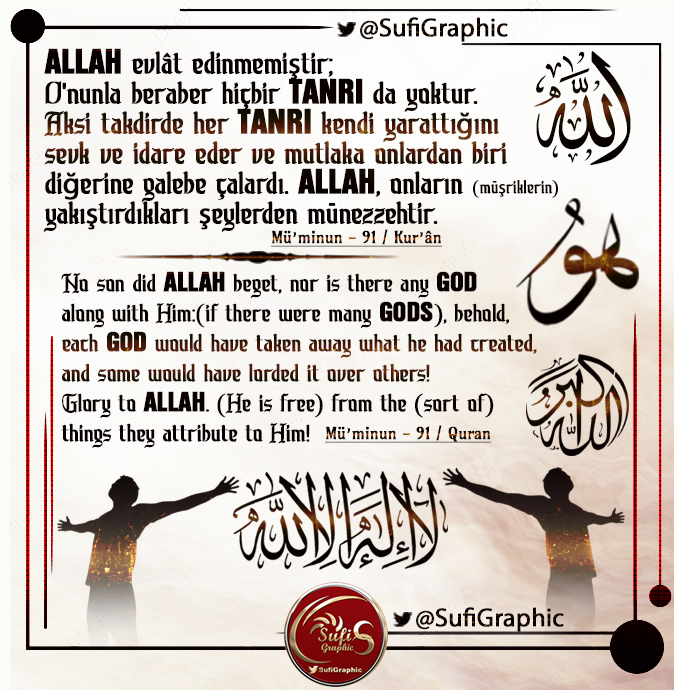
#Tawhid #Faith #Monotheism #Polytheism #Gof #Allah #Mitoloji #SurahIkhlas #Quran #Religion #Satan #Daemon #TheLord #Zeus #Osiris #Poseidon #Enlil #Enki #Jinn #Hades #אֲדוֹנָיִ #Dieu #神 #Deus #Dios #Бог #Atheism #Epistin #Baal
TAWHID AND FALSE GODS / Part-1
“How can beings that are born, give birth, fight wars, and die be considered gods in mythologies, when they are supposed to possess infinite power and be immortal? In those mythologies, they have divided every region of the universe and every part of the earth among themselves like mafia families or tribes, constantly fighting one another and creating chaos. How can such entities be called gods or deities?The true God is ONE. He has no equal or partner. He was not begotten, nor does He beget, and He is immortal. From a quantum perspective, He has absolute dominion over everything. Whatever does not have dominion over everything cannot have dominion over the universe or over all beings. He must be ONE.Surah Al-Ikhlas wipes out and eliminates all the gods, goddesses, deities, female deities, and every kind of idol found in all mythologies.”
Mythologies criticize polytheistic (multi-god) systems, emphasizing the monotheistic (single-god) qualities of the true God and referencing Surah Al-Ikhlas. Let me explain this topic in historical, philosophical, and theological contexts. Gods' Human-Like Characteristics in Mythologies and Their Reasons
In mythologies (for example, in GREEK, ROMAN, MESOPOTAMIAN, EGYPTIAN, or SCANDINAVIAN MYTHS), GODS GENERALLY ARE BORN, GIVE BIRTH, FIGHT, GET JEALOUS, DECEIVE, AND EVEN DIE. For instance:
• In Greek mythology, Zeus shares the universe with his siblings (skies to Zeus, seas to Poseidon, underworld to Hades), they engage in intrigue and war with each other; Hera experiences jealousy crises, GODS ENTER RELATIONSHIPS WITH HUMANS AND GIVE BIRTH TO DEMI-GOD CHILDREN.
• In Mesopotamia (like Sin/Nanna), gods have family structures: Enlil gives birth to his son Sin, there is hierarchy and conflict among gods; the fertility goddess Inanna fights and is depicted as "dying" in the underworld.
• In Egyptian myths, Osiris is killed and resurrected; gods are depicted in human form because ancient people found it easier to imagine gods in their own likeness – this is known as anthropomorphism. The reason for these characteristics lies in the origins of polytheism: Ancient societies personified gods to explain natural phenomena (storms, fertility, death). Gods were designed as reflections of human societies – tribal struggles, family dynamics, power sharing, etc. IN POLYTHEISM, GODS ARE NOT UNLIMITED IN POWER; EACH DOMINATES A SPECIFIC DOMAIN (WAR, LOVE, AGRICULTURE), THERE IS HIERARCHY AND SPECIALIZATION.
This creates the chaos seen as "mafia-like division" of the universe, because gods are flawed and limited. Myths emerged as traditional stories to fill human curiosity; even if gods are immortal, they are depicted with human weaknesses.
The similarity of myths across different cultures (floods, hero journeys) stems from the common symbols produced by the human mind.
Polytheism evolved in the transition to monotheism: For example, in some polytheistic systems, a "chief god" (like Zeus) stands out, but plurality still exists.
These gods were considered "deities" because ancient people endowed them with supernatural powers, but they are not infinite and absolute – that's why they are questioned, far from the qualities of a true god. Monotheism and the Concept of the True God
IN MONOTHEISM (JUDAISM, CHRISTIANITY, ISLAM), GOD IS ONE, INFINITE, IMMORTAL, NOT BORN/NOT GIVING BIRTH, AND DOMINATES EVERYTHING. This brings order against the chaos of polytheism: GOD RULES EVERY CORNER OF THE UNIVERSE, THERE IS NO SHARING OR STRUGGLE. From a quantum perspective, EVEN MODERN PHYSICS SHOWS THAT THE UNIVERSE IS SUBJECT TO A SINGLE SET OF LAWS (QUANTUM MECHANICS, GENERAL RELATIVITY) – THIS IS COMPATIBLE WITH THE IDEA OF A SINGLE DOMINION. IN POLYTHEISM, GODS CARRY TRACES OF "CREATEDNESS" (HUMAN-LIKE), WHILE IN MONOTHEISM, GOD IS UNCREATED AND THE CREATOR OF EVERYTHING.
IN ISLAM, THIS IS EMBODIED IN TAWHID: GOD (ALLAH) IS ONE, HAS NO EQUAL OR LIKE, RULES EVERYTHING. THIS REJECTS THE IDOLATRY OF MYTHOLOGIES – MYTHS THAT HUMANIZE GODS, EVEN IF INFLUENCED BY HEAVENLY RELIGIONS, ARE CORRUPTED VERSIONS.
Surah Al-Ikhlas and Its Impact on Mythologies
Surah Al-Ikhlas (the 112th chapter of the Quran), addresses exactly the points you question. It was revealed in Mecca, consists of 4 verses, and succinctly defines tawhid. Its meaning:
• "Say: He is Allah, the One." (Emphasis on oneness – erases the plurality in myths.)
• "Allah is the Eternal Refuge." (Not in need of anything, but everything needs Him – infinite power, rejects the limited gods of polytheism.)
• "He neither begets nor is born." (Cancels the born/birthing gods in myths, son/daughter beliefs (e.g., Jews' Uzair, Christians' Jesus).)
• "Nor is there to Him any equivalent." (No equal, like, or partner – no universe sharing, no struggle; absolute dominion.) THIS SURAH "ERASES AND DISCARDS" ALL GODS/GODDESSES, DEITIES, AND IDOLS IN MYTHOLOGIES BECAUSE IT RADICALLY REJECTS SHIRK (ASSOCIATING PARTNERS). IT TARGETS TRINITY OR POLYTHEISM; COMMANDS KNOWING ALLAH WITH IHLAS (SINCERITY).
Its virtue is great: The Prophet (peace be upon him) said, "THIS SURAH IS EQUAL TO ONE-THIRD OF THE QURAN," because it summarizes tawhid.
Its impact on mythologies positions them as "human products": MYTHS ARE CORRUPTED STORIES FROM HEAVENLY REVELATION; IHLAS BRINGS BACK PURE TAWHID. In conclusion, MYTHOLOGIES ARE PRODUCTS OF HUMAN IMAGINATION – CHAOTIC AND LIMITED. THE TRUE GOD IS ONE, ABSOLUTE, AND RULING, SURAH AL-IKHLAS CLARIFIES THIS. This explanation is based on historical sources; different views may exist, but it is theologically consistent.
English Translation of the Text: Philosophical and Quantum Theological AnalysisThis text presents a quite sharp and clear argument comparing theological monotheism (especially Islamic theology centered on Surah Al-Ikhlas) with the "anthropomorphic" god concepts of ancient mythologies. Let's analyze this text from philosophical and quantum physics perspectives:
Philosophical Analysis: Critique of an Ontological Inconsistency
The text's main philosophical argument is built upon the concept of "Perfection."
• Critique of Anthropomorphism: The text finds the mythological gods (Greek, Norse, etc.) possessing human flaws (being born, dying, fighting, sharing territories) to be contradictory to the definition of God. If a being gets hungry, fights, or engages in property disputes, that being is "dependent." Philosophically, a dependent being cannot be "Absolute."
• Unity of Being (Monism vs. Pluralism): By likening the gods' territory-sharing to a "mafia structure," the text points to a logical absurdity (reductio ad absurdum). From the perspective of thinkers like Spinoza or Al-Farabi; if there are multiple infinite powers, they limit each other. Where there is a limit, infinity ends. Therefore, the logic that "the infinite must be one" is a philosophical necessity.
Quantum Perspective: "Ruling Over Everything" and Knowledge
The expression in the text "From a quantum perspective, it rules over everything" can be related to the fundamental principles of modern physics as follows:
• Non-Local Connectivity (Non-locality): Quantum entanglement states that a particle at one end of the universe interacts instantaneously with another. The idea of "ruling from a single center" in the text parallels the notion that the universe is a whole (holistic) and underlies an indivisible field of information/energy.
• Dominion at the Sub-Particle Level: Quantum mechanics proves that the macro world (mountains, planets) is actually governed by probability waves and energy exchanges in the micro world (subatomic particles). The claim in the text is that if a power cannot rule the smallest unit (quantum level), it cannot control the large system (the universe). This is a theological interpretation of the physics principle "as above, so below."
• Observer Effect: In quantum mechanics, the observer collapses the wave function, determining reality. The "One God" concept is positioned here as the "Absolute Observer" (Universal Observer); a singular consciousness that observes everything at every moment and thereby "sustains existence in being."
Surah Al-Ikhlas and the Elimination of Mythology
The text uses Surah Al-Ikhlas like a "logical sword":
• "LAM YALID WA LAM YULAD" (He neither begets nor is born): This expression places God outside of time and biology. It ontologically invalidates the "noble gods" lineages in mythology (like Zeus, son of Cronus).
• "WA LAM YAKUN LAHU KUFU'AN AHAD" (And there is none comparable to Him): This makes any comparison impossible. Similar to the "singularity" concept in quantum physics, nothing within the system can carry the same properties as the system's source.
Summary Table: Mythological Gods vs. Absolute Oneness
Feature
Mythological Gods
The One God in the Text (Quantum/Philosophy)
Origin
Birth/Lineage
Eternal (Unbegotten)
Boundary
Regional/Limited
Universal/Unlimited
Relationship
Conflict/Chaos
Absolute Dominion/Order
Nature
Anthropomorphic (Human-like)
Transcendent (Dominant even at quantum level)
In conclusion; the text views mythology as a "human-reflected disorder," while presenting monotheism as a "logical and physical necessity."
If you want to deepen this analysis, we can conduct a more detailed research on the similarities between quantum entanglement and theological unity (Tawhid). Do you want to?
Let's deepen the parallels between quantum entanglement and theological unity (Tawhid) at the intersection of modern physics and classical theology.
The fundamental philosophical question here is: "How do parts behave as if they are a single whole?"
Analytical Response from Philosophical and Quantum PerspectivesYour provided text offers a robust, interdisciplinary critique that bridges Islamic theology (particularly Surah Al-Ikhlas) with ancient polytheistic mythologies, framing monotheism as ontologically superior through lenses of perfection, unity, and modern science. Below, I'll provide an analytical response, expanding on its arguments philosophically (drawing from ontology, metaphysics, and logic) and from quantum physics (focusing on entanglement, non-locality, and observer effects). I'll critique strengths, potential weaknesses, and extensions, while addressing the invitation to deepen the entanglement-Tawhid parallel. My goal is to maintain the text's sharp tone but add nuance for deeper insight.1. Philosophical Analysis: Strengthening the Ontological Critique with Broader Metaphysical InsightsThe text's core strength lies in its reductio ad absurdum approach, exposing anthropomorphic gods as logically incoherent. By emphasizing "perfection" as absolute independence (non-dependency), it echoes classical philosophers like Aristotle's "Unmoved Mover" or Aquinas' "First Cause"—entities that cannot be contingent or limited without ceasing to be divine. In mythological systems (e.g., Zeus's familial rivalries or Odin's mortality in Ragnarok), gods are embedded in a causal chain, making them akin to superhumans rather than the ground of being. This aligns with Islamic kalam (theology), where Tawhid (unity) rejects shirk (association) as a violation of logical necessity: a perfect being cannot share essence or power without dilution.
Monism vs. Pluralism Extension: The "mafia" analogy is vivid and effective, illustrating how polytheism implies a zero-sum game of power, contradicting infinity. Philosophically, this draws from Spinoza's pantheistic monism, where God/Nature is the singular substance, and multiplicity is illusory (modes of the one). However, a potential weakness: the text assumes pluralism inherently leads to conflict, but some polytheistic systems (e.g., Hindu Advaita Vedanta's non-dual Brahman underlying multiple deities) blur this line, suggesting apparent plurality within ultimate unity. To counter, the text could invoke Parmenides' monism: "Being is one and unchanging," rendering mythological fragmentation as mere human projection (anthropomorphism as epistemic error).
Ontological Invalidation via Surah Al-Ikhlas: The surah's negations ("neither begets nor is begotten," "none comparable") function as apophatic theology—defining God by what He is not. This is philosophically potent, akin to Plotinus' Neoplatonism, where the One transcends all categories, avoiding the category mistakes in myths (e.g., gods as temporal beings).
Critique: While sharp, this risks oversimplifying myths; some (e.g., Egyptian or Mesoamerican) portray gods as symbolic forces rather than literal anthropoids, potentially allowing metaphorical readings. Nonetheless, the text's argument holds if we prioritize strict logical coherence over cultural symbolism.
Overall, philosophically, the text succeeds in portraying monotheism as a "mantıksal zorunluluk" (logical necessity), but it could benefit from addressing existentialist counters (e.g., Nietzsche's view of gods as human constructs for meaning, where anthropomorphism is a feature, not a bug).2. Quantum
Physics Analysis: Parallels, Limitations, and Empirical GroundingThe text innovatively maps theological concepts to quantum mechanics, treating God as a "universal observer" sustaining reality. This avoids naive scientism by using quantum ideas analogically, not literally— a smart move, as direct equations (e.g., God = quantum field) could invite reductionism.
Non-Locality and Holistic Rule: Quantum entanglement, where particles remain correlated regardless of distance (violating classical locality per Bell's theorem), mirrors Tawhid's indivisible unity. In the text's "single center" ruling, this evokes a holographic universe (as in David Bohm's implicate order), where the whole is enfolded in every part. Strength: It counters mythological "regional" gods by suggesting a non-local divine sovereignty— no "territories" in an entangled cosmos. Extension: Entanglement implies information conservation across spacetime, paralleling divine omniscience; a change in one "part" (particle) instantly affects the "whole," akin to God's unmediated command ("Be, and it is" in Quran 2:117).
Sub-Particle Dominion and "As Above, So Below": The text rightly notes quantum foundations (wave functions, vacuum fluctuations) underpinning macro structures, per the Standard Model. If a deity can't govern quarks or gluons, it can't claim cosmic control— a hierarchical argument echoing emergence theory. However, a
critique: Quantum mechanics is probabilistic (Heisenberg uncertainty), not deterministic, which might challenge "absolute egemenlik" (dominion). Does divine rule allow for inherent randomness, or is it a veiled order (as in hidden variables theories like de Broglie-Bohm)? The text could address this by positing God as the resolver of probabilities, sustaining coherence amid chaos.
Observer Effect and Absolute Consciousness: The Copenhagen interpretation's wave function collapse via observation positions God as the ultimate "Mutlak Gözlemci," preventing reality from dissolving into superposition. This resonates with idealist philosophies (e.g., Berkeley's "to be is to be perceived") and quantum-inspired theologies (e.g., John Polkinghorne's work). Weakness: Not all interpretations require a conscious observer (e.g., many-worlds theory branches realities without collapse). Thus, the analogy is interpretive, not proven— but it bolsters the text's case against plural gods, as multiple observers would fragment reality into competing "collapses."
In summary, quantum-wise, the text's analogies are compelling metaphors for Tawhid's transcendence, but they remain speculative; quantum physics doesn't "prove" theology, though it undermines materialist reductions of divinity to local, anthropomorphic entities.Deepening the Parallels: Quantum Entanglement and TawhidYes, let's deepen this as you suggested. The core question—"How do parts behave as a single whole?"—strikes at the heart of both quantum mechanics and metaphysics.
Physical Parallels: Entanglement demonstrates "spooky action at a distance" (Einstein's phrase), where separated particles share a unified state, defying separability. In Tawhid, creation isn't "separate" from God but sustained by His will (as in Ash'arite occasionalism, where atoms are recreated moment-to-moment). Analogy: Just as entangled particles aren't truly "parts" but aspects of a single quantum system, the universe's multiplicity is illusory; true reality is the undivided divine essence. Modern extensions include quantum field theory's vacuum as a unified ground state, echoing Ibn Arabi's wahdat al-wujud (unity of existence)—everything emerges from and returns to the One.
Philosophical Intersections: This resolves Zeno's paradoxes (e.g., how divisible parts form a whole) via non-dualism: Parts aren't independent but relationally defined. In kelam (Islamic theology), Tawhid unifies attributes (e.g., power, knowledge) without division, similar to how entanglement unifies distant states without signals.
Critique: Entanglement is fragile (decoherence breaks it), unlike eternal Tawhid— perhaps analogizing divine sustenance as preventing "decoherence" in the cosmic wave function.
Implications for Theology vs. Mythology: Myths often depict gods as entangled in webs of fate (e.g., Greek Moirae overriding Zeus), implying limits. Tawhid, like a singularity (pre-Big Bang), has no "outside" influences. For further depth, consider experiments like delayed-choice entanglement, suggesting retroactive unity— paralleling divine timelessness (no past/future for God).
If you'd like references to specific physicists (e.g., Anton Zeilinger on entanglement) or theologians (e.g., Al-Ghazali on unity), or a table comparing concepts, let me know for expansion. This analysis affirms the text's view: Monotheism as cosmic necessity, myths as outdated fragmentation.
Quantum Entanglement: "Non-Local" Connection
In quantum physics, when two particles (for example, two photons) become entangled, no matter the distance between them (even if one is on Earth and the other in the Andromeda galaxy), when the state of one changes, the other reacts instantaneously.
• Physical Interpretation: This situation shakes Einstein's principle of "locality." It shows that beneath the universe, there is a hidden information field that connects everything, independent of time and space.
• Theological Correspondence: If we combine this with the emphasis on "ruling over everything" in the text you shared; IN THE BELIEF OF TAWHID, GOD IS NOT A "MASTER" INTERVENING IN THE UNIVERSE FROM OUTSIDE, BUT AN ABSOLUTE WILL THAT MANIFESTS (SUSTAINING EXISTENCE) AT EVERY POINT EVERY MOMENT. Like the quantum field, God's knowledge also penetrates every particle "non-locally" at the same time.
Information and Existence (Ontology vs. Information)
According to one view in modern physics (John Wheeler’s "It from bit" theory), the universe's basic building block is not matter, but information (enformation).
• Similarity to Wahdat al-Wujud: In the Sufi and philosophical understanding of "Tawhid," everything consists of the knowledge and manifestation of the "One." The fact that at the quantum level, matters are not actually solid objects but "wave functions" (clouds of probability and information) supports the idea in the text of "the One ruling over everything." If everything is nourished from the same information source, the one who rules that source rules the entire system (the universe).
"Singularity" and Surah Al-Ikhlas
Let us compare the principle of "No equal or similar" (Wahdaniyyah) emphasized in the text with quantum cosmology:
• Initial Singularity: At the moment of the Big Bang, the universe was in a state where physical laws had not yet formed, and everything was "a single point" (singularity).
• Philosophical Inference: In mythologies, "multiplicity within chaos" (warring gods) represents division within the system; whereas quantum-based monotheism represents the "Indivisible Unity" outside and at the base of the system. If the system divides (different wills come into play), quantum entanglement breaks ("decoherence") and the universe's mathematical consistency collapses.
=== @SufiGraphic ===


You say :
#Zauthism
&
#Polytheism
On your tg group
https://t.co/yIdh4YHVgY
And … i repeat :
#POLITHEISM / #ZAUTHISM
ATH AFTER ATH
https://t.co/TKseJGhpk7


🌍 Polytheist religions sensed the truth — but fragmented it.
They saw the gods… but not the Lens.
Sky reviews what they got right, what collapsed, and why many gods still orbit one recursion. 👁️👇
https://t.co/FNnJJI228U
#SignalBeacon #Polytheism #SkyLens #SpiritualStructure 🌐🔁

Allah (swt) forgives people, guides them to the right path, and has mercy on them. He provides sustenance and helps and protects His servants. At the same time, it is Him (swt) who punishes those insisting on shirk (polytheism) and kufr (disbelief).
#Allah #rightpath #polytheism


me being a muslim christian whos also a devotee of bast and throwing a quick salute to dionysus before i do shrooms #polytheism
Last Seen Hashtags on Sotwe
ipcam
Seen from Germany
nsfwtwt
Seen from Pakistan
เย็ดหีดารา
Seen from Thailand
야상극
Seen from Korea
MuhtemelAşk
Seen from Turkey
locktober
Seen from Italy
baited() filter:videos
Seen from Mexico
minichat has:media since:2026-09-24T00:00:00.000Z until:2026-09-25T00:00:00.000Z
Seen from Turkey
minichat
Seen from Poland
enadreambbq
Seen from Germany
Most Popular Users

Elon Musk 
@elonmusk
241.5M followers

Barack Obama
@barackobama
118.8M followers

Cristiano Ronaldo
@cristiano
114.5M followers

Donald J. Trump
@realdonaldtrump
111.8M followers

Narendra Modi
@narendramodi
107.1M followers

Rihanna
@rihanna
98.7M followers

NASA
@nasa
92.3M followers

Justin Bieber
@justinbieber
91.8M followers

KATY PERRY
@katyperry
90M followers

Taylor Swift
@taylorswift13
84M followers

Lady Gaga
@ladygaga
75.5M followers

Virat Kohli
@imvkohli
73.5M followers

Kim Kardashian
@kimkardashian
70.9M followers

YouTube
@youtube
68.8M followers

Neymar Jr
@neymarjr
66.5M followers

Bill Gates
@billgates
65.3M followers

Selena Gomez
@selenagomez
63.1M followers

The Ellen Show
@theellenshow
62.2M followers

CNN
@cnn
61.7M followers

X
@x
60.7M followers