

Top Tweets for #PostOperativeCare

#Opioid Prescription Patterns Following Zone II Flexor #Tendon Repairs: A National Database Study
@OrthoAtYale @JNGrauer
#OpioidUse #FlexorTendonRepair #PainControl #PostoperativeCare #OpioidSparing #JHSGO #HandSurgery #OpenAccess
https://t.co/WKiN2vrguX

#mdpinutrients
📜📢Call for Papers📜📢
#Special Issue "Nutritional Strategies for Perioperative Patients"
Link: https://t.co/rUMhe6GDcI
#PerioperativeNutrition #ClinicalNutrition #SurgicalNutrition #Prehabilitation #PostoperativeCare


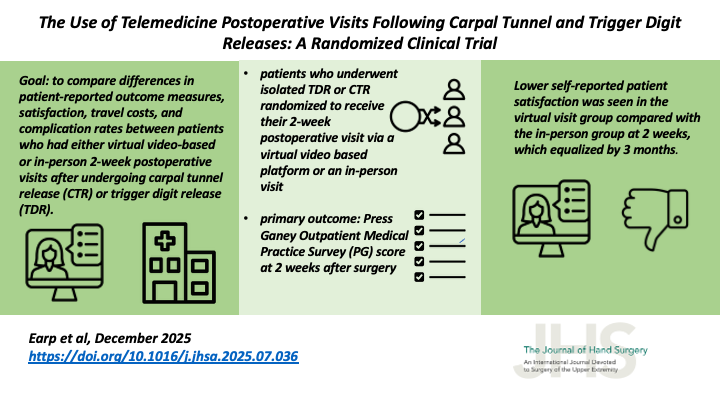
New #VisualAbstract!
The Use of #Telemedicine Postoperative Visits Following Carpal Tunnel and #TriggerDigitReleases: A Randomized Clinical Trial
@BrighamWomens @harvardmed
#CarpalTunnelRelease #PostoperativeCare #HandSurgery
https://t.co/Defp1grRoS

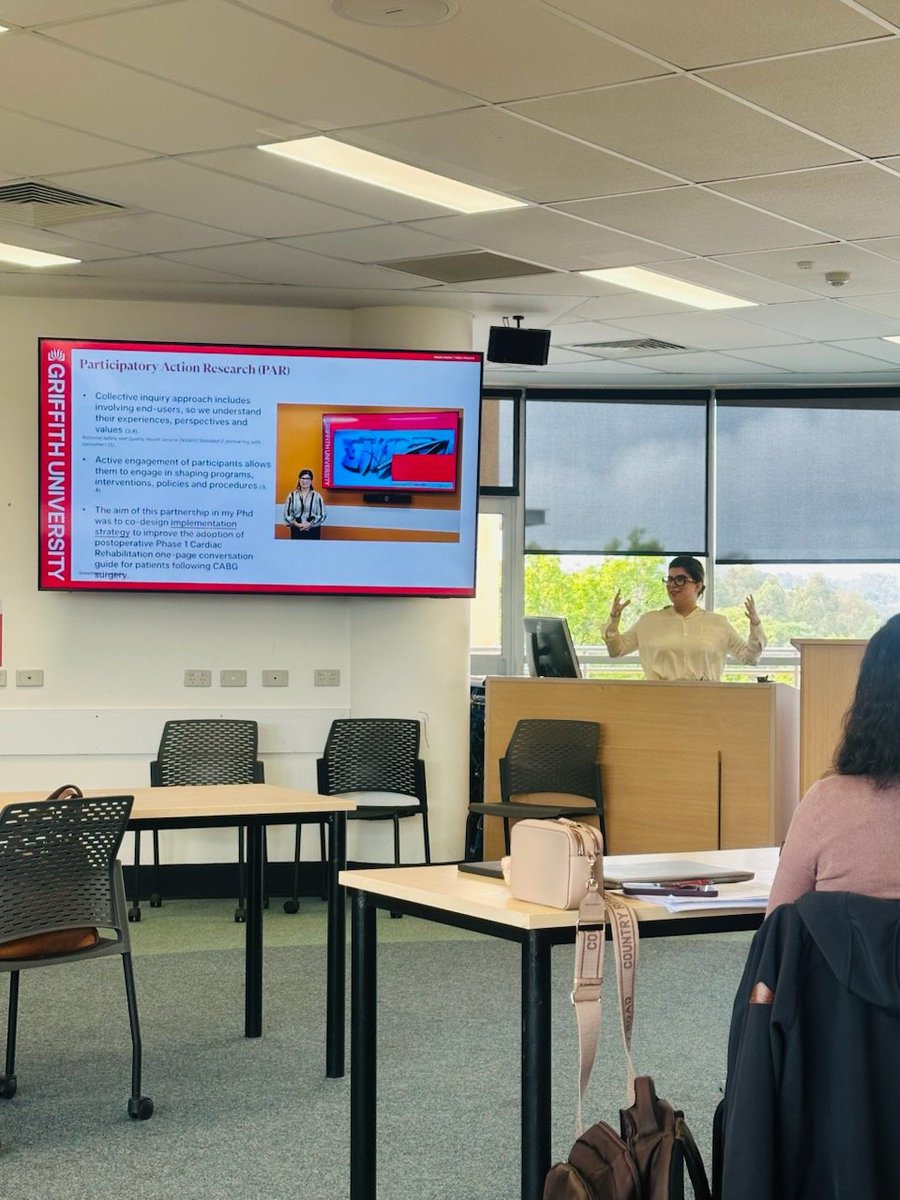
Care at home program study of complex geriatric surgical oncology patients https://t.co/3T1eD0TF4S @WilliamDale_MD @myCARG #GeriOnc #OlderAdults #OncoAlert #SIOG #YoungSIOG #Elsevier #CareatHome #PostoperativeCare #Feasibility

Impact of OSA on postoperative outcomes after SADI-S
😴 Obstructive sleep apnea
⚙️ SADI-S (bariatric procedure)
📊 Higher risk of complications
🩺 Need for pre-op screening & tailored care
📖Read: https://t.co/HpWaMVlxX9
#OSA #BariatricSurgery #SADIS #PostoperativeCare


Towards a personalized, mechanism-based risk prediction of post-operative atrial fibrillation. Read more in the @EHJ at https://t.co/IB8LRKXmxP. #AtrialFibrillation #PostOperativeCare #RiskPrediction @ESCardio @ESC_Journals



Jacksonville, #wecanhelp! 🏥🩼🦽https://t.co/9jVwRJYKf8
#HospitalToHome #PostOperativeCare #Surgery #RecoveryCare #ElderlyHealth #AlwaysBestCare #SeniorServices #ElderlyCare #Aging #OlderAdult #SeniorLiving #SeniorCare #InHomeCare #HomeCare #Caregiver


🎯🛑 Targeting Neuropathic Pain Early: Why It Belongs in MMA from Day One!💡⏳
#NeuropathicPain #SurgicalPain #PainManagement
#AntineuropathicDrugs #PostoperativeCare #NerveInjury
#NerveRegeneration #AcuteToChronicPain #MultimodalAnalgesia #PainPhysician #ChronicPainPrevention #TipOfTheDay #MyRATips
Tip of the Day:
🧠The Problem: Chronic Postsurgical Pain (CPSP) is Real & Rising
❗Up to 50% of patients develop CPSP after high-risk surgeries
🧬 Often begins as acute neuropathic pain, not just nociceptive or inflammatory
🔥 Signs: Burning, tingling, shooting pain, allodynia
🔥 Neuropathic pain can start within 48–72 hours, not weeks later.
🚫 Ignoring this early nerve-related pain = missed opportunity for prevention.
💡What Clinicians Often Miss?
🧠 Postoperative pain is not just nociceptive - it may have neuropathic elements due to:
🔸Nerve traction, cutting, or compression
🔸Ischemia-reperfusion injury
🔸Scar entrapment or inflammation of nerve branches
💊Why Include in MMA?
⚠️ Standard MMA often ignores nerve injury-induced pain.
🧱 Early treatment = modulates central sensitization before it becomes permanent.
🧠 Prevents maladaptive plasticity & reduces CPSP risk.
✅What They Do?
🧠 Modulate hyperactive neurons
🔌 Reduce abnormal calcium signaling
🔄 Prevent central sensitization
🛡️ Protect injured nerves from further degeneration
🌱 Promote nerve healing & regeneration
💉Common Antineuropathic Drugs in MMA
🔴Gabapentinoids (Gabapentin/Pregabalin):
🔸Act on α2δ subunit of calcium channels to reduce central sensitization.
🔸Pregabalin: better pharmacokinetics, faster onset, fewer CNS side effects.
🔸Often started preoperatively & continued for 1–4 weeks.
🟢SNRIs (e.g., Duloxetine/Venlafaxine): Useful for both neuropathic & myofascial pain components. Particularly beneficial in orthopedic surgeries.
🔵TCAs (e.g., Amitriptyline/Nortriptyline): Effective, but less preferred acutely due to anticholinergic side effects.
🟣Topical agents (Lidocaine patches/Capsaicin): Limited role in acute postoperative setting but useful in transition phase.
🟠NMDA Antagonists (Ketamine):
🔸Considered in opioid-tolerant or high-risk neuropathic pain patients.
🔸May be viewed as an adjunct neuromodulator, particularly IV perioperatively.
🧠 Tramadol & Tapentadol in Neuropathic Pain
📉 Traditional opioids don’t address neuropathic pathways.
🧬 Neuropathic pain requires modulation of descending inhibitory pathways (noradrenergic & serotonergic).
✅ Tramadol and Tapentadol can help bridge this gap, especially:
🔺In early postoperative period
🔺In patients who can’t tolerate gabapentinoids
🔺In settings with overlapping nociceptive + neuropathic pain
⏱️When and How Long to Use?
🛏️ Start early - ideally pre-op/within 24 hours post-op.
⏳ Continue for 1–4 weeks, depending on: Type of surgery (nerve injury risk), Neuropathic signs (allodynia, hyperalgesia)
📉 Taper once pain stabilizes or transitions to chronic team if needed.
🩺 What Happens if We Don’t Include Them?
😩 Neuropathic pain poorly responsive to NSAIDs or opioids.
🔁 Central sensitization worsens → opioid overuse.
💔 Poor quality of life, sleep, mobility.
📈 Higher chance of developing chronic, irreversible pain.
📝When to Add?
✅ Surgery involving nerve dissection/retraction
✅ Early signs of burning, tingling, or shooting pain
✅ Opioid-insensitive pain with hyperalgesia/allodynia
✅ High risk of CPSP (Thoracotomy, spine, mastectomy, TKA)
💡How Recent Studies Misguide Us?
1. Narrow Endpoints:
📉Most studies focus only on pain scores (VAS/NRS) or opioid consumption - failing to capture qualitative neuropathic symptoms like burning/paresthesia/shooting pain.
➡️Result: “No significant difference” is falsely interpreted as “no benefit.”
2. Wrong Population Selection:
🕳️Many trials include low-risk surgeries (e.g., laparoscopic procedures) where neuropathic injury is minimal, leading to underestimation of benefits.
❌Rarely stratify patients with high nerve injury risk (e.g., thoracotomy, limb amputation, spine surgeries).
3. Inadequate Dosing & Duration:
💊Common designs use single/short-term dosing of gabapentinoids - often just one pre-op or immediate post-op dose.
⚠️This is insufficient for neuromodulation, which typically requires sustained administration (1–4 weeks) to affect neural pathways.
4. No Assessment of Neuropathic Pain Tools:
🧩Few studies use specific neuropathic pain scales like DN4, LANSS, or PainDETECT.
📉This leads to underreporting of true neuropathic elements, skewing conclusions.
5. Ignoring Time-Dependent Effects:
🧠Neuropathic pain modulation often takes several days to weeks.
⏱️Studies measuring outcomes at 24–48 hours post-op may miss delayed but meaningful nerve healing & central desensitization benefits.
🧬Role in Nerve Healing
1. Neuroprotection & Inhibition of Degeneration
🌱Gabapentinoids reduce excitotoxic calcium influx by binding to the α2δ subunit of voltage-gated calcium channels. This action:
📌Inhibits nerve fiber degeneration
📌Reduces axon demyelination
📌Minimizes microglial & astrocyte activation in the spinal cord
2. Promotion of Regeneration
🔁Animal studies show gabapentin & pregabalin upregulate BDNF (Brain-Derived Neurotrophic Factor) & enhance neurite outgrowth.
🧠They support axonal sprouting & synaptic stabilization, key to functional nerve recovery.
3. Prevention of Maladaptive Plasticity
🔄By reducing central sensitization early, these agents prevent aberrant reorganization of dorsal horn neurons - the neural basis of CPSP.
4. Sustained Use = Better Nerve Outcomes
⏳Continuing therapy for 2–4 weeks allows time for:
🔬Reduction of inflammatory cytokines (IL-1, TNF-alpha)
🧠 Downregulation of NMDA receptor expression
🌿 Enhanced nerve repair in damaged sensory afferents
🏠 🔑 Key Takeaways🔔🛡️
💡Don’t wait for pain to become chronic to act.
🧠Include antineuropathic agents early in MMA - not just for pain relief, but to modulate nerve healing, limit maladaptive rewiring, and prevent long-term pain syndromes.
🎯Let’s shift from pain control to neural recovery - because long-term quality of life starts in the first 48 hours.
❌Don’t be misled by studies, think about crying nerves. ✅Play a profound role in nerve protection, modulation, and regeneration - benefits that go beyond acute pain relief and into the domain of long-term functional recovery.
✨"Let’s treat the nerve before it becomes the problem."🛎️


📢Welcome to read👉"#ComparativeAnalysis of #ArtificialIntelligence #VirtualAssistant & #LargeLanguageModels in #PostOperativeCare"📰by🧑🎓Dr. S. Borna et al.:🖇️https://t.co/59fYbvuEPm
#naturallanguageprocessing #machinelearning #ChatGPT #Bard


JMIR Formative Res: Multimodal Pain Recognition in Postoperative Patients: Machine Learning Approach https://t.co/aGAvJ0uTlh #PainManagement #PostoperativeCare #MachineLearning #HealthTech #PainRecognition


Telemedicine for Surgeons: Revolutionizing Post-Operative Virtual Consultations
#Telemedicine #PostOperativeCare #VirtualHealthcare #SurgicalSupport #PatientRecovery #HealthcareOutsourcing
https://t.co/uCB2FgglxI


Good surgery is only half the battle! A smooth recovery starts with excellent post-operative care. We prioritize:
-Minimizing pain & discomfort
-Preventing infection
-Speeding up recovery
-Improving recovery outcomes
#patientcare #PostOperativeCare #Recovery #Healing #Kailashospital


Good surgery is only half the battle! A smooth recovery starts with excellent post-operative care. We prioritize:
-Minimizing pain & discomfort
-Preventing infection
-Speeding up recovery
-Improving recovery outcomes
#patientcare #PostOperativeCare #Recovery #Healing #KailasDeepakHospital


Postoperative ventral hernia: The patient chose not to follow the doctor's instructions and lifted heavy objects after his surgery.
.
.
.
.
#VentralHernia #PostoperativeCare #SurgeryRecovery #PatientEducation #HealthAwareness #HerniaRepair #FollowDoctorOrders #HealthTips #RecoveryJourney #SurgicalCare #PatientSafety #PreventComplications #HerniaAwareness #PostSurgery #LiftingRestrictions #HealingProcess

"Dexamethasone Dilemma: Why IV vs. Perineural Comparisons Fall Short"
#Dexamethasone #PerineuralDexaVsIV
#RegionalAnesthesia #PainManagement #AnesthesiaScience #Pharmacokinetics #ClinicalOutcomes #AnesthesiaDebate #MedicalResearch #PostoperativeCare
Just My Opinion,
The comparison between IV Dexamethasone and Perineural Dexamethasone can appear invalid or unscientific for several reasons:
1. Mechanism of Action:
Perineural dexamethasone is applied directly near the nerves, which allows for a localized anti-inflammatory and analgesic effect.
In contrast, IV dexamethasone is distributed systemically, with a less concentrated impact on the targeted nerve area.
The mechanism of action differs significantly, making a direct comparison less meaningful.
2. Pharmacokinetics:
When dexamethasone is administered intravenously, it first circulates through the heart and lungs before reaching the systemic circulation and, eventually, the nerves. This dilution and distribution reduce its local concentration at the site of nerve blocks.
On the other hand, perineural dexamethasone is administered directly where it's needed, leading to a higher local concentration and potentially more effective nerve block prolongation.
3. Clinical Outcomes:
Studies comparing the effectiveness of IV versus perineural dexamethasone often show different outcomes in terms of analgesia duration and quality.
The local administration generally provides a more consistent and predictable extension of nerve block duration compared to systemic administration.
4. Different Objectives:
IV dexamethasone is often used for its systemic anti-inflammatory effects and overall postoperative pain relief, while perineural dexamethasone is used to prolong the effects of regional anesthesia specifically.
Comparing them is like comparing two different treatments with different primary objectives.
Perineural Dexa:
1. Dexamethasone reduces stimulus transmission in unmyelinated C-fibers, known to carry nociceptive information by inhibiting the activity of the potassium channels on these fibers. This will decrease the amount of pain sensed by a patient.
2. Secondly, it is thought that dexamethasone causes a degree of vasoconstriction to the tissues and local anesthetic will have a slower uptake and absorption thus, prolonging its duration and amount of comfort felt by the patient.
3. Thirdly, dexamethasone exhibits a potent anti-inflammatory effect and inhibits the release of inflammatory mediators like interleukins and cytokines; it promotes the release of anti-inflammatory mediators, leading to decreased postoperative pain.
4. Dexamethasone has been found to increase levels of the enzyme serine-threonine protein kinase B (aka Akt) and lead to attenuated neurotoxicity of bupivacaine and lidocaine. Akt protects against apoptosis under various conditions, such as glutamate toxicity or oxygen or glucose deprivation.
All these Local effects u won't get with IV dexa.
In Summary,
The comparison between IV and perineural dexamethasone is often considered unscientific because they act through different mechanisms,
have different pharmacokinetics and
serve different clinical purposes.
This is akin to comparing two distinct methods of treatment that happen to use the same drug but in fundamentally different ways.


The journey to recovery after surgery is crucial. This article offers a comprehensive overview of postoperative care for surgical patients.
Read it here: https://t.co/xMYwCXlyy4
More in the thread. 👇
#PostoperativeCare #Nursing #PatientSafety #BJNinform
Most Popular Users

Elon Musk 
@elonmusk
240.2M followers

Barack Obama
@barackobama
119.3M followers

Donald J. Trump
@realdonaldtrump
111.6M followers

Cristiano Ronaldo
@cristiano
109.1M followers

Narendra Modi
@narendramodi
106.9M followers

Rihanna
@rihanna
97.3M followers

NASA
@nasa
92.1M followers

Justin Bieber
@justinbieber
90.6M followers

KATY PERRY
@katyperry
86.9M followers

Taylor Swift
@taylorswift13
80.7M followers

Lady Gaga
@ladygaga
72.3M followers

Kim Kardashian
@kimkardashian
69.4M followers

Virat Kohli
@imvkohli
68.7M followers

YouTube
@youtube
68.6M followers

Bill Gates
@billgates
63.5M followers

The Ellen Show
@theellenshow
62.5M followers

CNN
@cnn
61.9M followers

Neymar Jr
@neymarjr
61.3M followers

X
@x
60.9M followers

Selena Gomez
@selenagomez
60M followers