Top Tweets for #Runcorn
@ellingtpnagirl Wish I was in Harrogate instead of Runcorn xx
Nice to see our future PM out and about leading in front.
Nigel is the only politician that will actually go and visit ordinary people. He did the same in Caerphilly, Gorton and Denton , and in Runcorn and Helsby.
The best thing about politics is going out and meeting real people. 😎
某国国防最大笑话!花了百亿搞空防,后台密码竟是默认密码,黑客随便进内网,全世界都笑疯了!
只知道这国的工程都是豆腐渣,没人知道这国的国防更是豆腐渣!
某些号称「地表最强」「固若金汤」的国防科技,撕开包装后,底下的真相往往比搞笑片还魔幻。平常在阅兵典礼上雄赳赳气昂昂、对外疯狂叫嚣的厉害国,这次真的在全世界面前丢尽了脸!
看了这么多年的豆腐渣工程,我们早就百毒不侵。但这次中共国防部砸几百亿人民币打造的「绝密空防系统」,居然因为初始密码没改,被黑客当成后花园随便逛!这离谱程度刷新了全人类的智商下限!
你以为的「大国重器」是高科技芯片、AI防御、严密数据链?结果核心代码只有两个字——「暴利」与「糊弄」!外壳包装得有多高科技,底层逻辑就有多荒谬!
今天就来扒开这个被全球X和论坛疯传的中共国防史诗级翻车,看看贪官和奸商如何联手把国家安全玩成国际笑话!
一、百亿国防系统的致命漏洞:密码竟是「123456」?
我们设定电商账号,系统都会强制要求大写字母+特殊符号+数字,结果中共军方监控、拦截、指挥全国空防的核心内网系统:
• 黑心内幕:据黑客组织爆料和流传截图,这套国家级机密军事系统,多个核心服务器与路由器的后台管理权限长期使用默认密码!
• 黑客的黑色幽默:西方黑客准备了大堆破解工具,结果输入admin/admin或123456、000000就直接进去了!
• 长驱直入:黑客进入内网后如逛淘宝,没有基本防火墙和二次验证。军方高清监控画面、雷达部署数据、内部公文全部被一览无遗,并在国际网络上直播!
二、钱去哪了?女人的脸、老人的命,还有黑心军工的PPT!
这世界上最好赚的钱,就是中共的国防预算。只要抓住对外叫嚣、对内维稳的焦虑,连研发费用都能省。
• PPT治国:两家承包企业标案时吹嘘「量子级加密」「AI反黑客追踪」,拿走几十亿、上百亿国家补贴。
• 纯玄学技术:事后发现,这些高科技软件内核直接套用开源免费代码,连说明书都是复制的。钱被层层转包、回扣分光,进了领导和老板口袋。
• 神级回复:面对质问「为什么默认密码都没改?」,技术人员回答:「我们以为内网很安全,改了密码领导会忘记,不好登录。」
三、赛博洗脑大翻车:你以为的威慑,全是在调教老百姓!
这几年中共在网上吹嘘战机多厉害、防空导弹多精准,结果这次翻车撕开了宣传遮羞布。
• 网民神评:「这泼天的军费,你一分都没花在密码上;这泼天的现世报,你一个都没落下!」
• 事发当晚,中共网信办、网警连夜清空所有相关搜索和内容,企图当作没发生过。
最后的思考:
这些黑心军工老板和贪官,业务精准覆盖十四亿老百姓的安全。不管外壳多高科技,底层永远只有暴利与糊弄。
阅兵一年只有一天,但对普通老百姓来说,在这个套路比套娃还深的国家,你永远不知道纳的税是保家卫国,还是变成了高官在美国买豪宅的砖头。
来源:Runcorn Lee
视频AI制作
想获得更多信息请关注我:@ChinaTruth
@thunk_thought @_AdvanceUK @NickBuckleyMBE Reform won Runcorn by 6 votes!!!!!
Any votes for Advance is a vote taken from Reform
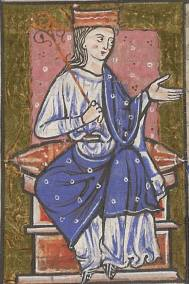
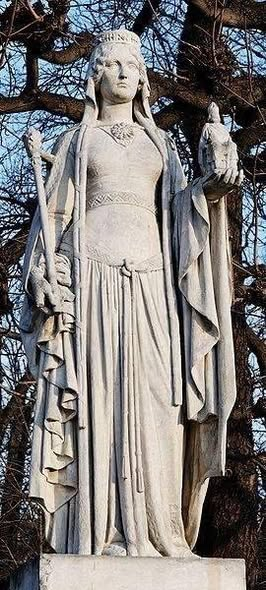
Æthelflæd (c. 870 – 12 June 918) ruled as Lady of the Mercians in the English Midlands from 911 until her death in 918. She was the eldest child of Alfred the Great, king of the Anglo-Saxon kingdom of Wessex, and his wife Ealhswith.Æthelflæd was born around 870 at the height of the Viking invasions of England. By 878, most of England was under Danish Viking rule – East Anglia and Northumbria having been conquered, and Mercia partitioned between the English and the Vikings – but in that year Alfred won a crucial victory at the Battle of Edington. Soon afterwards the English-controlled western half of Mercia came under the rule of Æthelred, Lord of the Mercians, who accepted Alfred's overlordship. Alfred adopted the title King of the Anglo-Saxons (previously he was titled King of the West Saxons like his predecessors) claiming to rule all Anglo-Saxon people not living in areas under Viking control. In the mid-880s, Alfred sealed the strategic alliance between the surviving English kingdoms by marrying Æthelflæd to Æthelred.
Æthelred played a major role in fighting off renewed Viking attacks in the 890s, together with Æthelflæd's brother, the future King Edward the Elder. Æthelred and Æthelflæd fortified Worcester, gave generous donations to Mercian churches and built a new minster in Gloucester. Æthelred's health probably declined early in the next decade, after which it is likely that Æthelflæd was mainly responsible for the government of Mercia. Edward had succeeded as King of the Anglo-Saxons in 899, and in 909 he sent a West Saxon and Mercian force to raid the northern Danelaw. They returned with the remains of the royal Northumbrian saint Oswald, which were translated to the new Gloucester minster. Æthelred died in 911 and Æthelflæd then ruled Mercia as Lady of the Mercians. The accession of a female ruler in Mercia is described by the historian Ian Walker as "one of the most unique events in early medieval history".
Alfred had built a network of fortified burhs and in the 910s Edward and Æthelflæd embarked on a programme of extending them. Among the towns where she built defences were Wednesbury, Bridgnorth, Tamworth, Stafford, Warwick, Chirbury and Runcorn. In 917 she sent an army to capture Derby, the first of the Five Boroughs of the Danelaw to fall to the English, a victory described by Tim Clarkson as "her greatest triumph".[1] In 918 Leicester surrendered without a fight. Shortly afterwards the Viking leaders of York offered her their loyalty, but she died on 12 June 918 before she could take advantage of the offer, and a few months later Edward completed the conquest of Mercia. Æthelflæd was succeeded by her daughter Ælfwynn, but in December Edward took personal control of Mercia and carried Ælfwynn off to Wessex.
Historians disagree whether Mercia was an independent kingdom under Æthelred and Æthelflæd but they agree that Æthelflæd was a great ruler who played an important part in the conquest of the Danelaw. She was praised by Anglo-Norman chroniclers such as William of Malmesbury, who described her as "a powerful accession to [Edward's] party, the delight of his subjects, the dread of his enemies, a woman of enlarged soul". According to Pauline Stafford, "like ... Elizabeth I she became a wonder to later ages". In Nick Higham's view, medieval and modern writers have been so captivated by her that Edward's reputation has suffered unfairly in comparison. This is our history ! REMEMBER !
![Alexandr4Denman's tweet photo. Æthelflæd (c. 870 – 12 June 918) ruled as Lady of the Mercians in the English Midlands from 911 until her death in 918. She was the eldest child of Alfred the Great, king of the Anglo-Saxon kingdom of Wessex, and his wife Ealhswith.Æthelflæd was born around 870 at the height of the Viking invasions of England. By 878, most of England was under Danish Viking rule – East Anglia and Northumbria having been conquered, and Mercia partitioned between the English and the Vikings – but in that year Alfred won a crucial victory at the Battle of Edington. Soon afterwards the English-controlled western half of Mercia came under the rule of Æthelred, Lord of the Mercians, who accepted Alfred's overlordship. Alfred adopted the title King of the Anglo-Saxons (previously he was titled King of the West Saxons like his predecessors) claiming to rule all Anglo-Saxon people not living in areas under Viking control. In the mid-880s, Alfred sealed the strategic alliance between the surviving English kingdoms by marrying Æthelflæd to Æthelred.
Æthelred played a major role in fighting off renewed Viking attacks in the 890s, together with Æthelflæd's brother, the future King Edward the Elder. Æthelred and Æthelflæd fortified Worcester, gave generous donations to Mercian churches and built a new minster in Gloucester. Æthelred's health probably declined early in the next decade, after which it is likely that Æthelflæd was mainly responsible for the government of Mercia. Edward had succeeded as King of the Anglo-Saxons in 899, and in 909 he sent a West Saxon and Mercian force to raid the northern Danelaw. They returned with the remains of the royal Northumbrian saint Oswald, which were translated to the new Gloucester minster. Æthelred died in 911 and Æthelflæd then ruled Mercia as Lady of the Mercians. The accession of a female ruler in Mercia is described by the historian Ian Walker as "one of the most unique events in early medieval history".
Alfred had built a network of fortified burhs and in the 910s Edward and Æthelflæd embarked on a programme of extending them. Among the towns where she built defences were Wednesbury, Bridgnorth, Tamworth, Stafford, Warwick, Chirbury and Runcorn. In 917 she sent an army to capture Derby, the first of the Five Boroughs of the Danelaw to fall to the English, a victory described by Tim Clarkson as "her greatest triumph".[1] In 918 Leicester surrendered without a fight. Shortly afterwards the Viking leaders of York offered her their loyalty, but she died on 12 June 918 before she could take advantage of the offer, and a few months later Edward completed the conquest of Mercia. Æthelflæd was succeeded by her daughter Ælfwynn, but in December Edward took personal control of Mercia and carried Ælfwynn off to Wessex.
Historians disagree whether Mercia was an independent kingdom under Æthelred and Æthelflæd but they agree that Æthelflæd was a great ruler who played an important part in the conquest of the Danelaw. She was praised by Anglo-Norman chroniclers such as William of Malmesbury, who described her as "a powerful accession to [Edward's] party, the delight of his subjects, the dread of his enemies, a woman of enlarged soul". According to Pauline Stafford, "like ... Elizabeth I she became a wonder to later ages". In Nick Higham's view, medieval and modern writers have been so captivated by her that Edward's reputation has suffered unfairly in comparison. This is our history ! REMEMBER !](https://pbs.twimg.com/media/G7edspyWsAEgYdT.png)

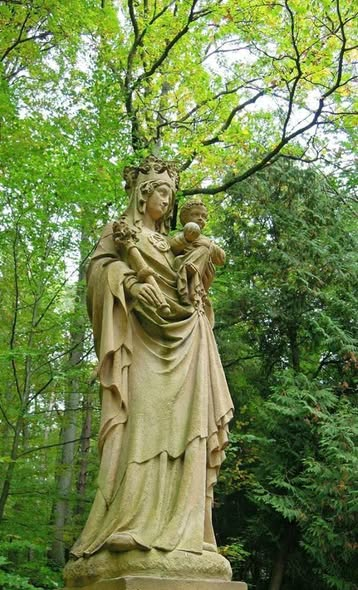
"Tree of Life" gate at Norton Priory Walled Garden in Runcorn, UK 🇬🇧.

@MattCas04807118 @SarahForRuncorn Service with a smile .
Have you ever seen, or heard this from a Labour MP, or any other Parties’ MP’s?
She,even gives her email , and,phone number, so that her constituents , in Runcorn, Helsby & Frodsham can contact her .
Total dedication.
Bravo Sarah.
👏🏼👏🏼👏🏼👏🏼
@MattCas04807118 @jojo17935989 @SarahForRuncorn Service with a smile .
How often do you see that from Labour, or other Parties MP’s?
Giving her email & phone number too.
What dedication to her constituents, in Runcorn, Helsby and Frodsham.
Bravo Sarah .
👏🏼👏🏼👏🏼👏🏼
Mr. President,
**Incident Overview:** On Sept 16, 2025, UK Conservative MP Sarah Pochin questioned the Justice Secretary on recognizing Sharia courts, declaring "Sharia law has no place in Britain" via X, citing ~85 operating councils. This sparked backlash from Muslim communities.
**Timeline:**
- Sept 16: Parliamentary query; X post.
- Sept 17-18: Viral spread, protests.
**Profiles:**
- Pochin: MP for Runcorn (elected 2024), focuses on integration.
- Sharia Councils: Voluntary arbitration bodies for family matters under 1996 Act.
**Analysis:** Councils handle civil disputes; critics cite gender bias, parallel system risks. Supporters note they're non-binding, aid religious divorce.
**Opinions:** Conservatives favor scrutiny; Muslim groups view as attack on rights; liberals urge regulation over ban.
**Solutions:** 2018 review recommended oversight; potential new debates on integration laws.
@PappeP This was what Habib said in the Runcorn election… Reform won by 6 votes.
It’s not conceit to talk about splitting the vote.
During the May local elections, Lowe tweeted to vote Conservative.

@Iam_mayorkush Runcorn bridge…so easy to forget……similar to dartford crossing
@EmDoesX Runcorn, Cheshire United Kingdom.
@Barbs_B1 @jjarichardson @SteveReedMP @SteveReedMP , SoS for Environment etc. (2022 salary £159,038pa). Also local MP for Streatham & Croydon North with 5,913 constituents receiving PIP
'Very safe' Lab seat with 15,603 maj, so no problem stripping (ave) £4,500pa frm his PIP voters
Except 2024 Runcorn maj was 14,696

@BLAIMGame interesting that a recent post abot the Runcorn MPs question in parliament received 22.6k likes and 4.7k positive replies. Theres a strong feeling out there
Trends for you
Most Popular Users

Elon Musk 
@elonmusk
240.1M followers

Barack Obama 
@barackobama
118.6M followers

Cristiano Ronaldo 
@cristiano
114.4M followers

Donald J. Trump 
@realdonaldtrump
111.8M followers

Narendra Modi 
@narendramodi
106.9M followers

Rihanna 
@rihanna
98.6M followers

NASA 
@nasa
92.1M followers

Justin Bieber 
@justinbieber
91.7M followers

KATY PERRY 
@katyperry
89.9M followers

Taylor Swift 
@taylorswift13
83.9M followers

Lady Gaga 
@ladygaga
75.4M followers

Virat Kohli 
@imvkohli
73.3M followers

Kim Kardashian 
@kimkardashian
70.8M followers

YouTube 
@youtube
68.6M followers

Neymar Jr 
@neymarjr
66.3M followers

Bill Gates 
@billgates
65.2M followers

Selena Gomez 
@selenagomez
63M followers

The Ellen Show
@theellenshow
62.1M followers

CNN 
@cnn
61.7M followers

X 
@x
60.6M followers


![Alexandr4Denman's tweet photo. Æthelflæd (c. 870 – 12 June 918) ruled as Lady of the Mercians in the English Midlands from 911 until her death in 918. She was the eldest child of Alfred the Great, king of the Anglo-Saxon kingdom of Wessex, and his wife Ealhswith.Æthelflæd was born around 870 at the height of the Viking invasions of England. By 878, most of England was under Danish Viking rule – East Anglia and Northumbria having been conquered, and Mercia partitioned between the English and the Vikings – but in that year Alfred won a crucial victory at the Battle of Edington. Soon afterwards the English-controlled western half of Mercia came under the rule of Æthelred, Lord of the Mercians, who accepted Alfred's overlordship. Alfred adopted the title King of the Anglo-Saxons (previously he was titled King of the West Saxons like his predecessors) claiming to rule all Anglo-Saxon people not living in areas under Viking control. In the mid-880s, Alfred sealed the strategic alliance between the surviving English kingdoms by marrying Æthelflæd to Æthelred.
Æthelred played a major role in fighting off renewed Viking attacks in the 890s, together with Æthelflæd's brother, the future King Edward the Elder. Æthelred and Æthelflæd fortified Worcester, gave generous donations to Mercian churches and built a new minster in Gloucester. Æthelred's health probably declined early in the next decade, after which it is likely that Æthelflæd was mainly responsible for the government of Mercia. Edward had succeeded as King of the Anglo-Saxons in 899, and in 909 he sent a West Saxon and Mercian force to raid the northern Danelaw. They returned with the remains of the royal Northumbrian saint Oswald, which were translated to the new Gloucester minster. Æthelred died in 911 and Æthelflæd then ruled Mercia as Lady of the Mercians. The accession of a female ruler in Mercia is described by the historian Ian Walker as "one of the most unique events in early medieval history".
Alfred had built a network of fortified burhs and in the 910s Edward and Æthelflæd embarked on a programme of extending them. Among the towns where she built defences were Wednesbury, Bridgnorth, Tamworth, Stafford, Warwick, Chirbury and Runcorn. In 917 she sent an army to capture Derby, the first of the Five Boroughs of the Danelaw to fall to the English, a victory described by Tim Clarkson as "her greatest triumph".[1] In 918 Leicester surrendered without a fight. Shortly afterwards the Viking leaders of York offered her their loyalty, but she died on 12 June 918 before she could take advantage of the offer, and a few months later Edward completed the conquest of Mercia. Æthelflæd was succeeded by her daughter Ælfwynn, but in December Edward took personal control of Mercia and carried Ælfwynn off to Wessex.
Historians disagree whether Mercia was an independent kingdom under Æthelred and Æthelflæd but they agree that Æthelflæd was a great ruler who played an important part in the conquest of the Danelaw. She was praised by Anglo-Norman chroniclers such as William of Malmesbury, who described her as "a powerful accession to [Edward's] party, the delight of his subjects, the dread of his enemies, a woman of enlarged soul". According to Pauline Stafford, "like ... Elizabeth I she became a wonder to later ages". In Nick Higham's view, medieval and modern writers have been so captivated by her that Edward's reputation has suffered unfairly in comparison. This is our history ! REMEMBER !](https://pbs.twimg.com/media/G7edplbWwAAHEr6.png)
![Alexandr4Denman's tweet photo. Æthelflæd (c. 870 – 12 June 918) ruled as Lady of the Mercians in the English Midlands from 911 until her death in 918. She was the eldest child of Alfred the Great, king of the Anglo-Saxon kingdom of Wessex, and his wife Ealhswith.Æthelflæd was born around 870 at the height of the Viking invasions of England. By 878, most of England was under Danish Viking rule – East Anglia and Northumbria having been conquered, and Mercia partitioned between the English and the Vikings – but in that year Alfred won a crucial victory at the Battle of Edington. Soon afterwards the English-controlled western half of Mercia came under the rule of Æthelred, Lord of the Mercians, who accepted Alfred's overlordship. Alfred adopted the title King of the Anglo-Saxons (previously he was titled King of the West Saxons like his predecessors) claiming to rule all Anglo-Saxon people not living in areas under Viking control. In the mid-880s, Alfred sealed the strategic alliance between the surviving English kingdoms by marrying Æthelflæd to Æthelred.
Æthelred played a major role in fighting off renewed Viking attacks in the 890s, together with Æthelflæd's brother, the future King Edward the Elder. Æthelred and Æthelflæd fortified Worcester, gave generous donations to Mercian churches and built a new minster in Gloucester. Æthelred's health probably declined early in the next decade, after which it is likely that Æthelflæd was mainly responsible for the government of Mercia. Edward had succeeded as King of the Anglo-Saxons in 899, and in 909 he sent a West Saxon and Mercian force to raid the northern Danelaw. They returned with the remains of the royal Northumbrian saint Oswald, which were translated to the new Gloucester minster. Æthelred died in 911 and Æthelflæd then ruled Mercia as Lady of the Mercians. The accession of a female ruler in Mercia is described by the historian Ian Walker as "one of the most unique events in early medieval history".
Alfred had built a network of fortified burhs and in the 910s Edward and Æthelflæd embarked on a programme of extending them. Among the towns where she built defences were Wednesbury, Bridgnorth, Tamworth, Stafford, Warwick, Chirbury and Runcorn. In 917 she sent an army to capture Derby, the first of the Five Boroughs of the Danelaw to fall to the English, a victory described by Tim Clarkson as "her greatest triumph".[1] In 918 Leicester surrendered without a fight. Shortly afterwards the Viking leaders of York offered her their loyalty, but she died on 12 June 918 before she could take advantage of the offer, and a few months later Edward completed the conquest of Mercia. Æthelflæd was succeeded by her daughter Ælfwynn, but in December Edward took personal control of Mercia and carried Ælfwynn off to Wessex.
Historians disagree whether Mercia was an independent kingdom under Æthelred and Æthelflæd but they agree that Æthelflæd was a great ruler who played an important part in the conquest of the Danelaw. She was praised by Anglo-Norman chroniclers such as William of Malmesbury, who described her as "a powerful accession to [Edward's] party, the delight of his subjects, the dread of his enemies, a woman of enlarged soul". According to Pauline Stafford, "like ... Elizabeth I she became a wonder to later ages". In Nick Higham's view, medieval and modern writers have been so captivated by her that Edward's reputation has suffered unfairly in comparison. This is our history ! REMEMBER !](https://pbs.twimg.com/media/G7edma-XwAAa3Mf.png)