Top Tweets for #SMALLpox
Jim Rickards saw 2008 coming before Lehman fell. He warned readers about the Covid crash weeks early.
Now he’s telling Americans to prepare again.
Watch his full briefing 👇


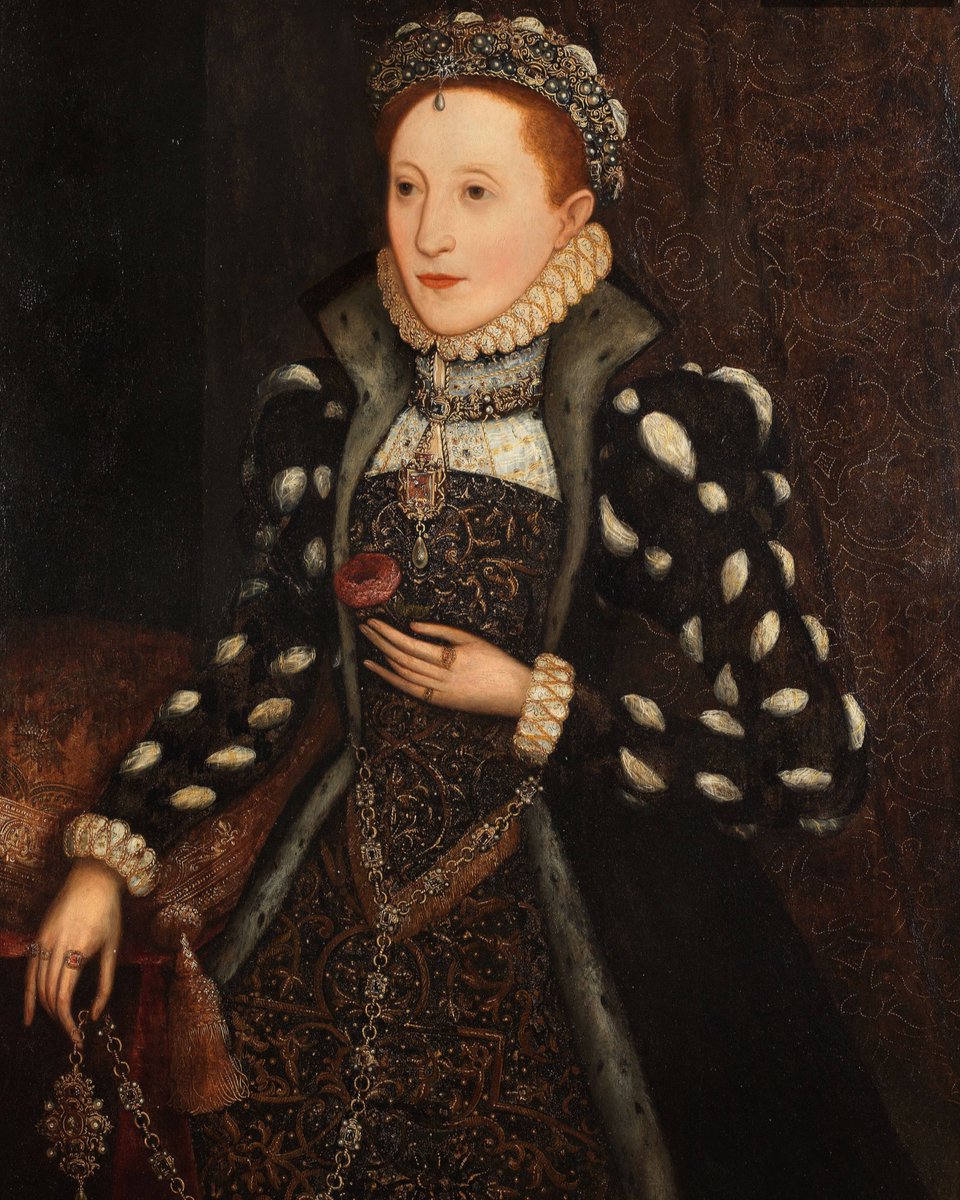
Having fallen unwell on 10 Oct, #ElizabethI's health deteriorated further #onthisday in 1562, including a 24hr period of unconsciousness.
The queen diagnosis of #smallpox was confirmed, prior to the appearance of the synonymous rash and lesions. #Tudors
https://t.co/07mFWCMsxd
#OnThisDay in 1562, whilst in residence at #HamptonCourtPalace, #ElizabethI started to feel unwell. After unsuccessful attempts to 'shake off' her symptoms, by taking a bath and a 'bracing walk', the queen took to her bed with a fever, #smallpox being later diagnosed. #Tudors
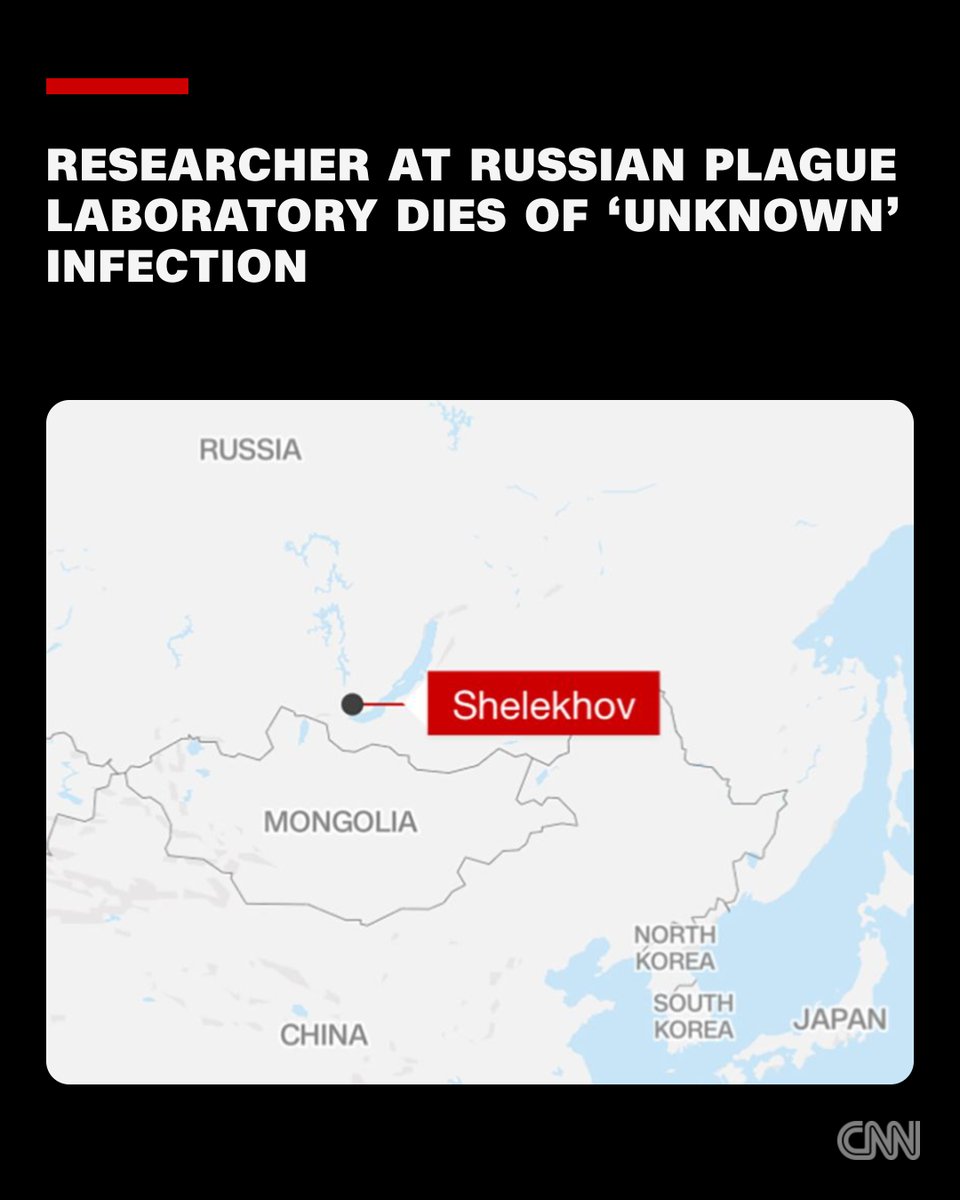
Russian authorities are responding to an incident in which a suspected dangerous infection was released as a result of a laboratory accident in Siberia and a researcher died. https://t.co/5ybLOnUh3C
Stunning #PPBF NF book capturing General George Washington's struggles w/smallpox & immunity during the revolutionary war. https://t.co/ReVRuN2w54 Beth Anderson @ashleyyazdani Calkins Creek #kidlit #history #smallpox #revolution

I mean - why not?
At this point I’m expecting to see #smallpox is back?
Or a plague of locusts on the news….
Sigh…
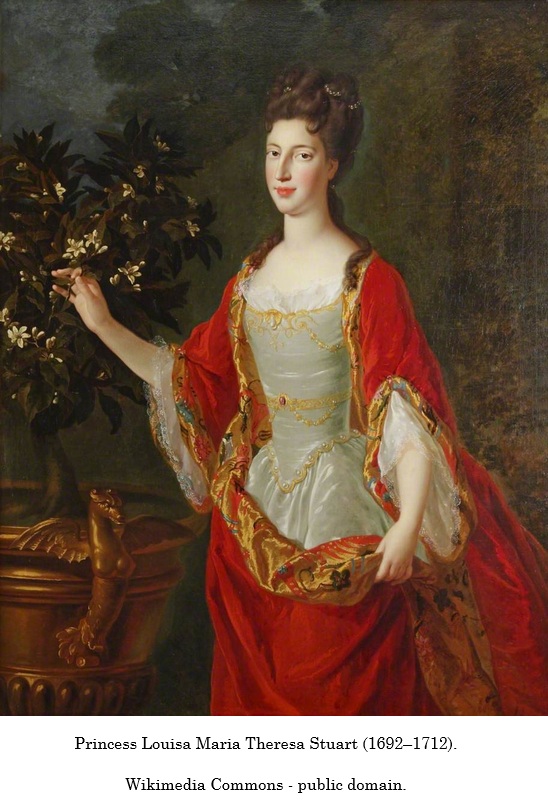
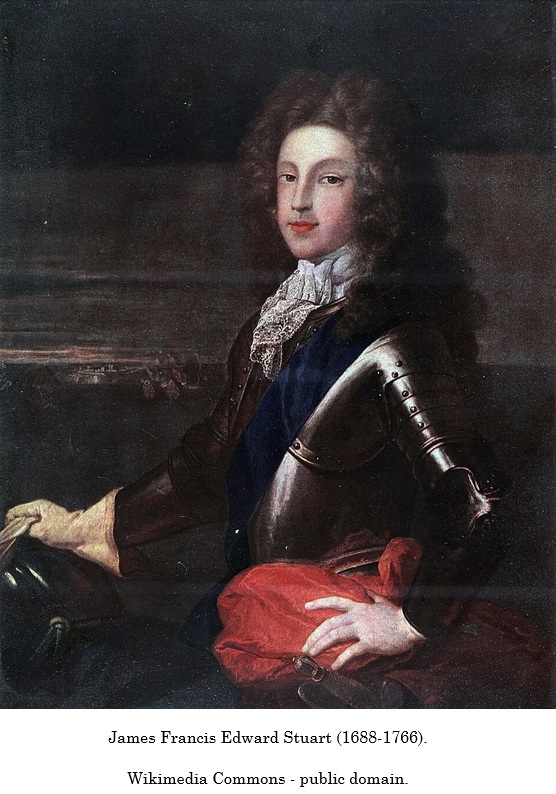
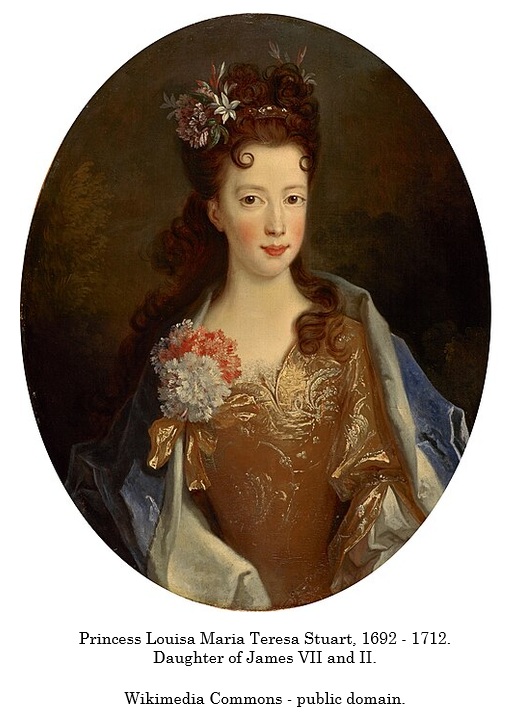
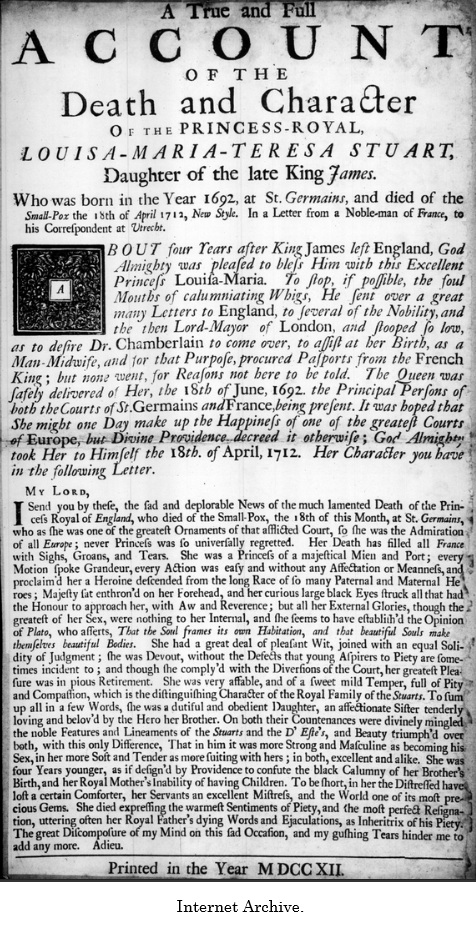
NOTES📓A Royal daughter who “filled all France with Sighs, Groans, and Tears.”
In the Spring 1712 tragedy struck the house of #Stuart. #JamesFrancisEdward & #LouisaMariaTeresa, the exiled offspring of #JamesII, both contracted #smallpox. James survived, but poor Louisa succumbed.
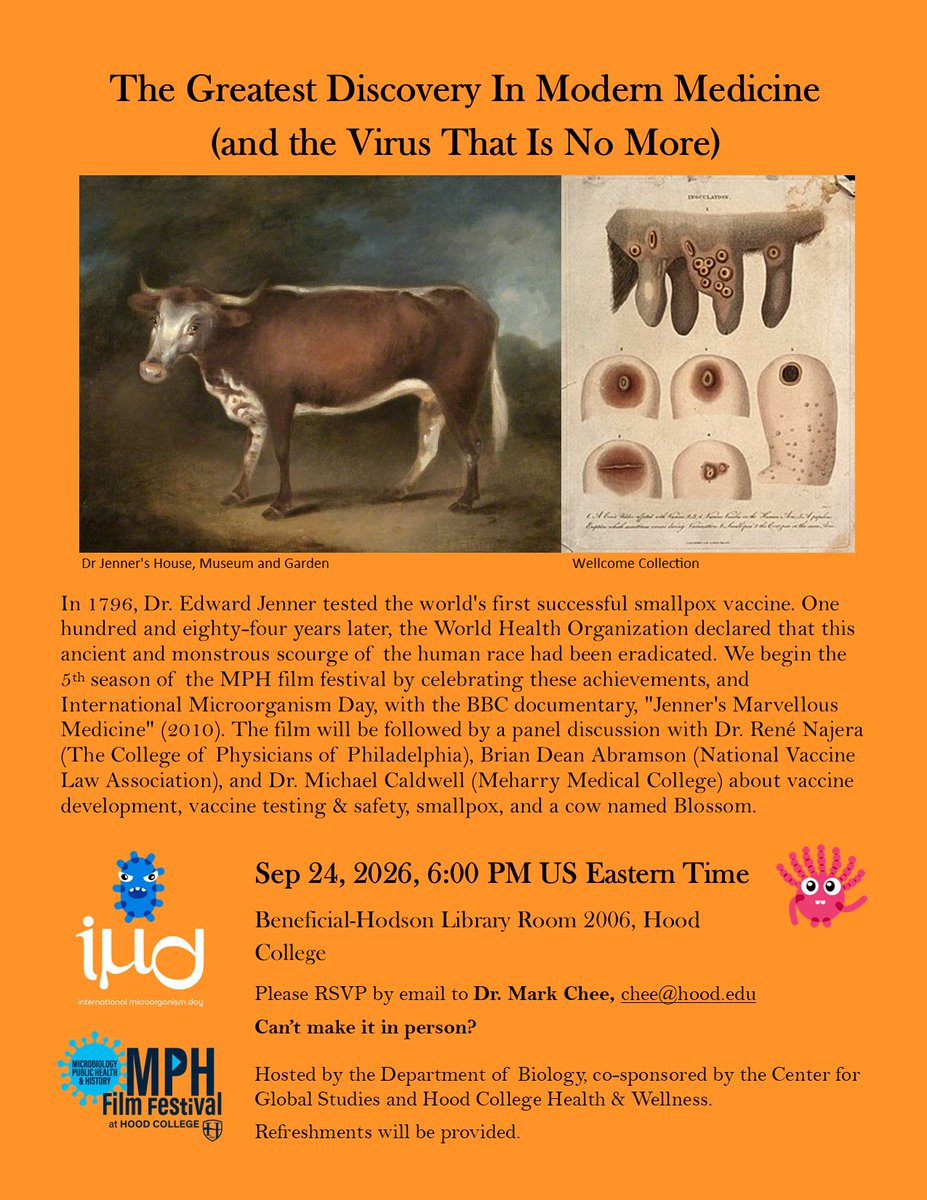
We wish @GIANTmicrobes had their plush #smallpox #virus in stock so that we could offer one tmr as a raffle #prize. We're celebrating #IMD2026 + the 230th anniversary of the first smallpox #vaccine!
https://t.co/0dogUQQ0Fq
Sep 24, 6 PM @hood_college hosted by @Hood_Biology
@TheWyteRabbit1 Dr Tom Cowan - How they "Prove" "viruses" exist to this day.
Follow ➡️ @drtomcowan
Full Video 🎯 Grab your popcorn🍿https://t.co/s9q2yfyl2A
#measles #virus #covid #birdflu #HIV #smallpox
Thrilled to share our latest preprint on the #evolution of gene repertoires in #poxvirus, a group of giant DNA viruses of medical importance! 🦠🧬 #smallpox #mpox
Check out the thread below for a summary of our key findings 👇
New preprint! We show that poxvirus gene repertoires are shaped by expansion-biased birth-and-death dynamics and genome architectural constraints. Led by Arnon Plianchaisuk (@chainorato) in our lab. Please share! (1/10)
https://t.co/VGgFfGwxUe

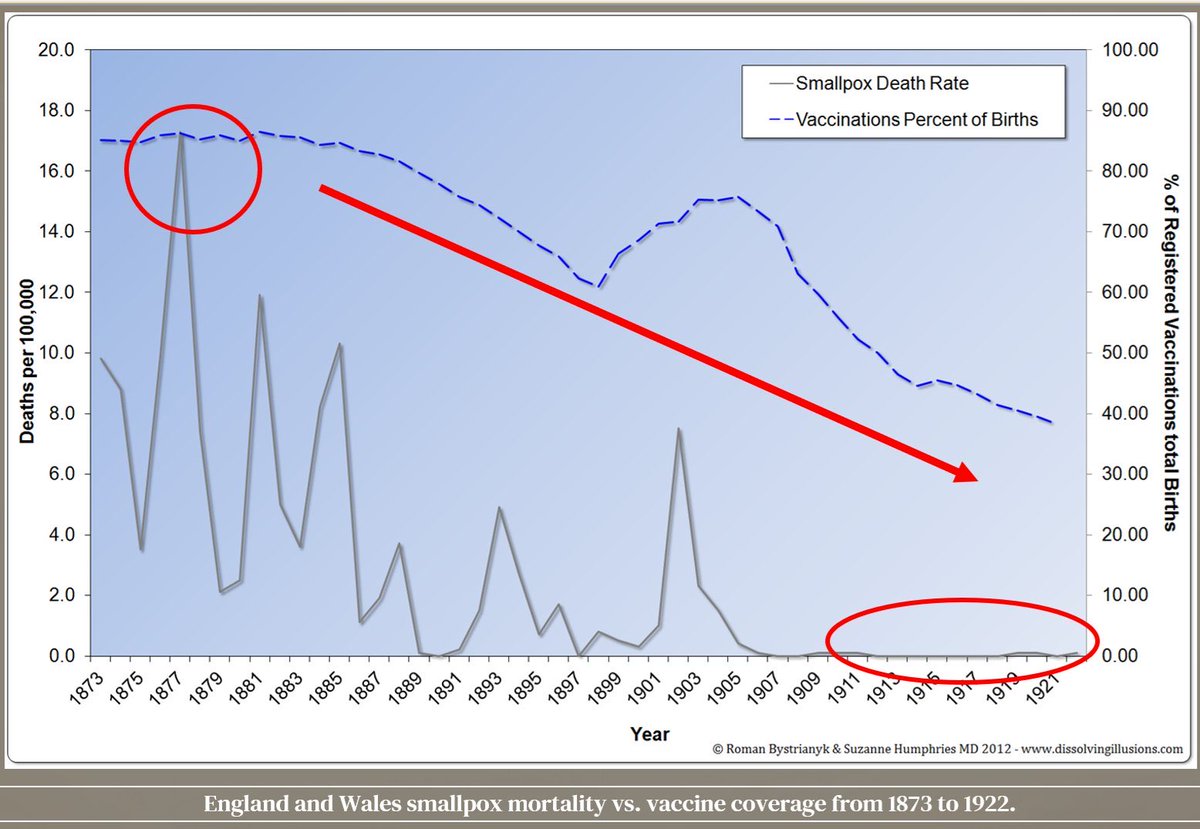
Smallpox killed ~300 million people in the 20th century alone.
Vaccines killed smallpox
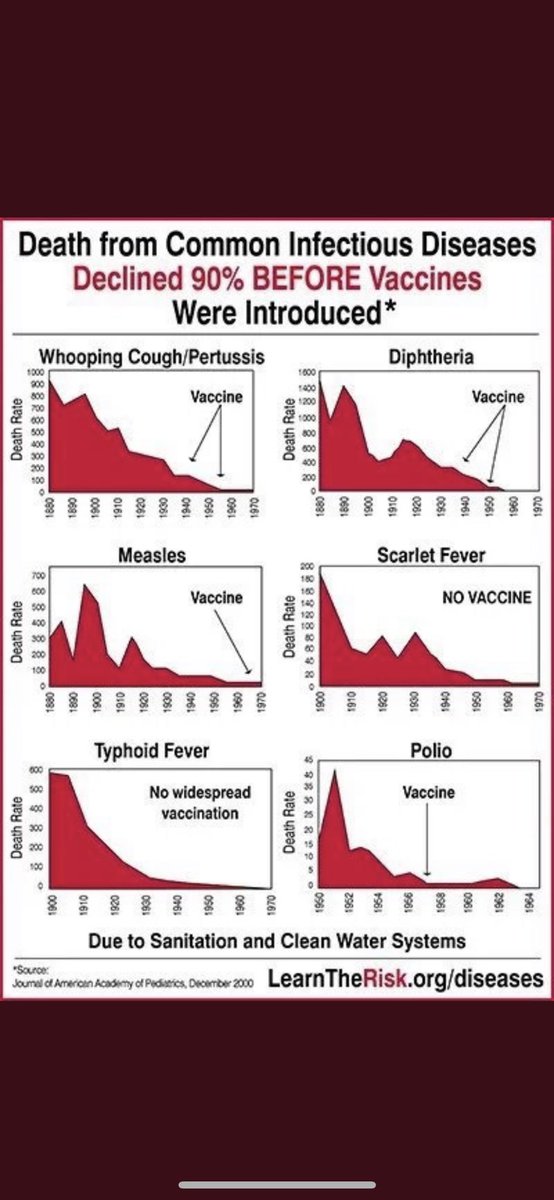
@DrNeilStone Except it wasn’t vaccines, it was
-Improved hygiene
-Severs
-Improved nutrition
-Improved immunesystem
Vaccines wherent introduced until after the smallpox was gone, and in 1906, the deaths from the vaccine exceeded the deaths of smallpox
#Smallpox
#Dontshootthemessenger
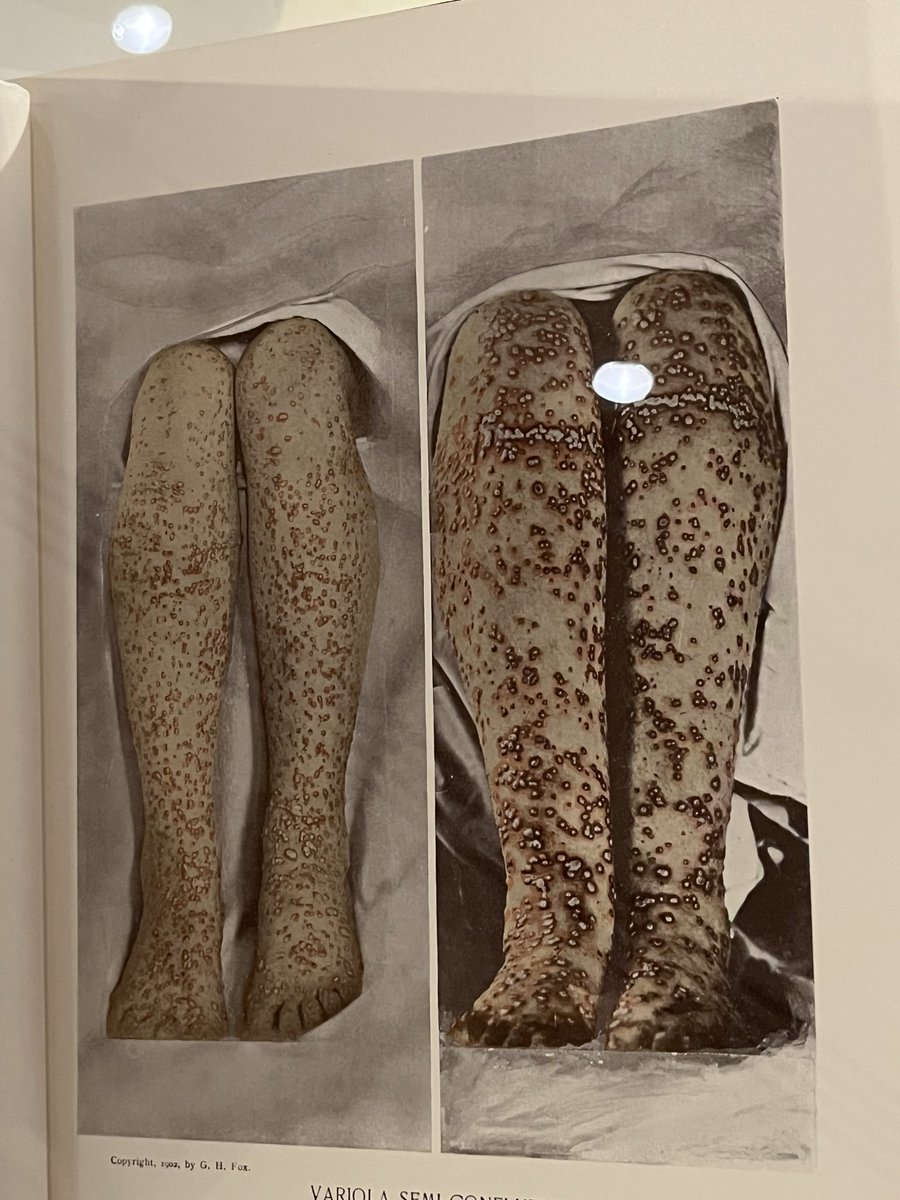
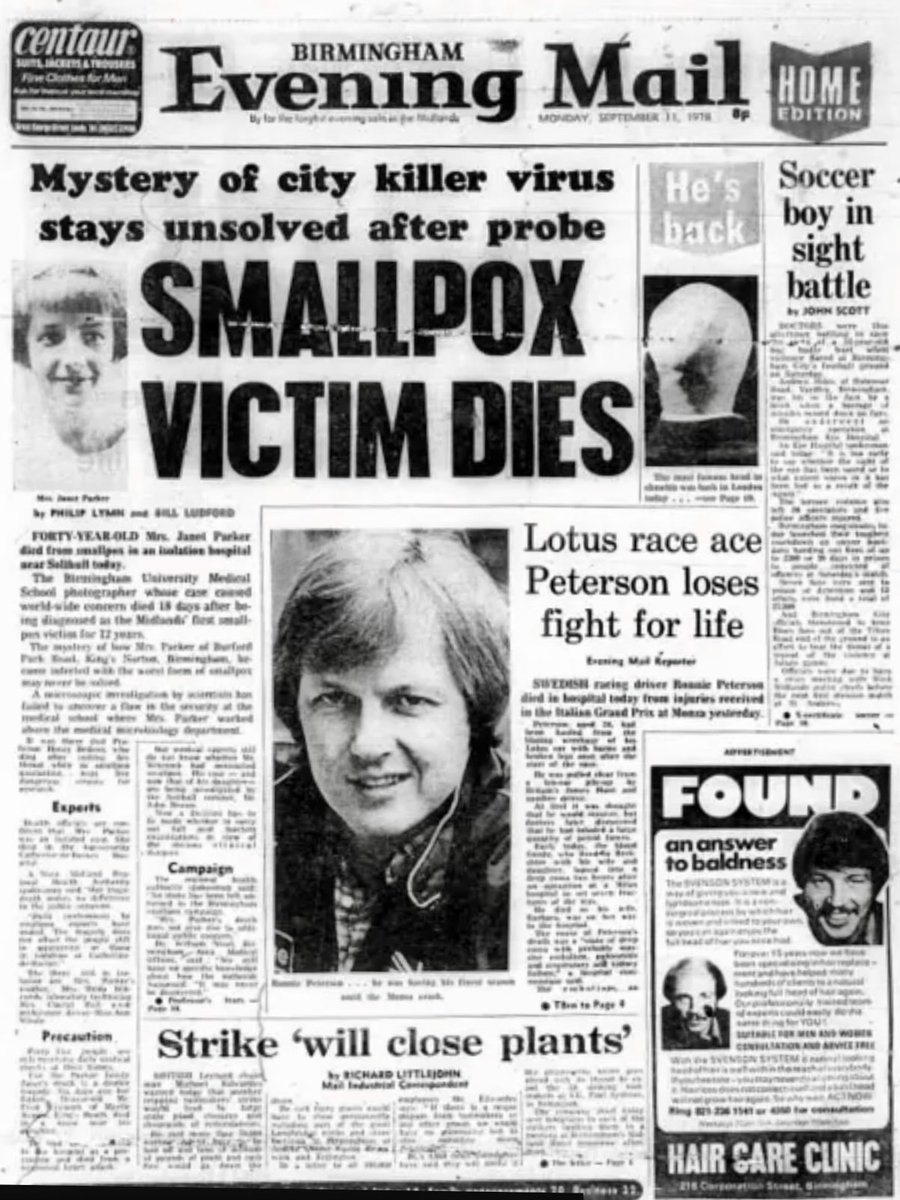
Bit of epidemiological British history for you, @IntegralAnswers, via the BBC and other supplementary historical material
“In the summer of 1978, the last known case of #smallpox was reported, claiming the life of 40-year-old medical photographer Janet Parker.
But how did the disease, thought to have been eradicated across the world, come to be in Britain's second city?
Smallpox kills up to a 25% of those infected. Those who survive are often left blind, maimed, infertitle and scarred for life.
It was Friday 11 August, when Janet Parker first began to feel unwell.
Within days, Mrs Parker, who worked in the anatomy department at Birmingham Medical School, had developed unsightly red spots on her back, limbs and face.
When the doctor was called, she was told she had chickenpox.
But Mrs Parker's mother, Hilda Witcomb, was sceptical. She had nursed her daughter through the virus as a child, and the large blistering pustules now appearing on her body were markedly different.
With no signs of improvement, a hospital appointment was arranged and the 40-year-old was admitted to the Catherine-de-Barnes Isolation Hospital in Solihull on 20 August. By now Mrs Parker was so weak she could not stand unaided.
"I do remember thinking she was very poorly, she had a very dramatic rash," said Prof Deborah Symmons, the first member of medical staff to see Mrs Parker when she was admitted.
"It was widely thought the last [smallpox] case had occurred."
As Prof Symmons examined Mrs Parker, it was only then the dreaded word "variola" made it on to her medical notes for the first time, and soon the doctors' worst fears were confirmed.
Smallpox, the last natural case of which anywhere in the world had been reported in Somalia in 1977…”
(https://t.co/nT2ziiIzVD)
The undertaker responsible for cremation of Janet Parker’s pox- ridden body said an interview later that,
“The body had to be cremated because there was a chance the virus could have thrived in the ground if Mrs Parker had been buried.
All other funerals were cancelled that day and the crematorium was thoroughly cleaned afterwards.
It was a chilling time and something I will never forget.”(https://t.co/Synhg5R7hV)
https://t.co/95Utmt3uRG
https://t.co/xGzoh1E2D8
https://t.co/8XAHBEEP7T
![JayStrellson's tweet photo. Bit of epidemiological British history for you, @IntegralAnswers, via the BBC and other supplementary historical material
“In the summer of 1978, the last known case of #smallpox was reported, claiming the life of 40-year-old medical photographer Janet Parker.
But how did the disease, thought to have been eradicated across the world, come to be in Britain's second city?
Smallpox kills up to a 25% of those infected. Those who survive are often left blind, maimed, infertitle and scarred for life.
It was Friday 11 August, when Janet Parker first began to feel unwell.
Within days, Mrs Parker, who worked in the anatomy department at Birmingham Medical School, had developed unsightly red spots on her back, limbs and face.
When the doctor was called, she was told she had chickenpox.
But Mrs Parker's mother, Hilda Witcomb, was sceptical. She had nursed her daughter through the virus as a child, and the large blistering pustules now appearing on her body were markedly different.
With no signs of improvement, a hospital appointment was arranged and the 40-year-old was admitted to the Catherine-de-Barnes Isolation Hospital in Solihull on 20 August. By now Mrs Parker was so weak she could not stand unaided.
"I do remember thinking she was very poorly, she had a very dramatic rash," said Prof Deborah Symmons, the first member of medical staff to see Mrs Parker when she was admitted.
"It was widely thought the last [smallpox] case had occurred."
As Prof Symmons examined Mrs Parker, it was only then the dreaded word "variola" made it on to her medical notes for the first time, and soon the doctors' worst fears were confirmed.
Smallpox, the last natural case of which anywhere in the world had been reported in Somalia in 1977…”
(https://t.co/nT2ziiIzVD)
The undertaker responsible for cremation of Janet Parker’s pox- ridden body said an interview later that,
“The body had to be cremated because there was a chance the virus could have thrived in the ground if Mrs Parker had been buried.
All other funerals were cancelled that day and the crematorium was thoroughly cleaned afterwards.
It was a chilling time and something I will never forget.”(https://t.co/Synhg5R7hV)
https://t.co/95Utmt3uRG
https://t.co/xGzoh1E2D8
https://t.co/8XAHBEEP7T](https://pbs.twimg.com/media/HPzCFT9XgAAwFGg.jpg)
According to WHO, #Smallpox virus is said to have killed over 300million people worldwide, and lasted over 3,000years, until cowpox vaccine was discovered that saved the world.
Aposo & his Followers, be informed...

Last Seen Hashtags on Sotwe
NiurkaZambrano
Seen from Ecuador
incestoconmamá
Seen from Argentina
momson filter:videos
Seen from Saudi Arabia
minichatt
Seen from United States
bursapasif
Seen from France
thundr
Seen from United States
นวดนาบเชียงใหม่
Seen from Thailand
มขfwb
Seen from Indonesia
brosis
Seen from United States
cumtribute
Seen from Germany
Most Popular Users

Elon Musk 
@elonmusk
241.5M followers

Barack Obama 
@barackobama
118.8M followers

Cristiano Ronaldo 
@cristiano
114.5M followers

Donald J. Trump 
@realdonaldtrump
111.8M followers

Narendra Modi 
@narendramodi
107.1M followers

Rihanna 
@rihanna
98.7M followers

NASA 
@nasa
92.3M followers

Justin Bieber 
@justinbieber
91.8M followers

KATY PERRY 
@katyperry
90M followers

Taylor Swift 
@taylorswift13
84M followers

Lady Gaga 
@ladygaga
75.5M followers

Virat Kohli 
@imvkohli
73.5M followers

Kim Kardashian 
@kimkardashian
70.9M followers

YouTube 
@youtube
68.8M followers

Neymar Jr 
@neymarjr
66.5M followers

Bill Gates 
@billgates
65.3M followers

Selena Gomez 
@selenagomez
63.1M followers

The Ellen Show
@theellenshow
62.2M followers

CNN 
@cnn
61.7M followers

X 
@x
60.7M followers


![JayStrellson's tweet photo. Bit of epidemiological British history for you, @IntegralAnswers, via the BBC and other supplementary historical material
“In the summer of 1978, the last known case of #smallpox was reported, claiming the life of 40-year-old medical photographer Janet Parker.
But how did the disease, thought to have been eradicated across the world, come to be in Britain's second city?
Smallpox kills up to a 25% of those infected. Those who survive are often left blind, maimed, infertitle and scarred for life.
It was Friday 11 August, when Janet Parker first began to feel unwell.
Within days, Mrs Parker, who worked in the anatomy department at Birmingham Medical School, had developed unsightly red spots on her back, limbs and face.
When the doctor was called, she was told she had chickenpox.
But Mrs Parker's mother, Hilda Witcomb, was sceptical. She had nursed her daughter through the virus as a child, and the large blistering pustules now appearing on her body were markedly different.
With no signs of improvement, a hospital appointment was arranged and the 40-year-old was admitted to the Catherine-de-Barnes Isolation Hospital in Solihull on 20 August. By now Mrs Parker was so weak she could not stand unaided.
"I do remember thinking she was very poorly, she had a very dramatic rash," said Prof Deborah Symmons, the first member of medical staff to see Mrs Parker when she was admitted.
"It was widely thought the last [smallpox] case had occurred."
As Prof Symmons examined Mrs Parker, it was only then the dreaded word "variola" made it on to her medical notes for the first time, and soon the doctors' worst fears were confirmed.
Smallpox, the last natural case of which anywhere in the world had been reported in Somalia in 1977…”
(https://t.co/nT2ziiIzVD)
The undertaker responsible for cremation of Janet Parker’s pox- ridden body said an interview later that,
“The body had to be cremated because there was a chance the virus could have thrived in the ground if Mrs Parker had been buried.
All other funerals were cancelled that day and the crematorium was thoroughly cleaned afterwards.
It was a chilling time and something I will never forget.”(https://t.co/Synhg5R7hV)
https://t.co/95Utmt3uRG
https://t.co/xGzoh1E2D8
https://t.co/8XAHBEEP7T](https://pbs.twimg.com/media/HPzCFT9XAAAFGcP.jpg)
![JayStrellson's tweet photo. Bit of epidemiological British history for you, @IntegralAnswers, via the BBC and other supplementary historical material
“In the summer of 1978, the last known case of #smallpox was reported, claiming the life of 40-year-old medical photographer Janet Parker.
But how did the disease, thought to have been eradicated across the world, come to be in Britain's second city?
Smallpox kills up to a 25% of those infected. Those who survive are often left blind, maimed, infertitle and scarred for life.
It was Friday 11 August, when Janet Parker first began to feel unwell.
Within days, Mrs Parker, who worked in the anatomy department at Birmingham Medical School, had developed unsightly red spots on her back, limbs and face.
When the doctor was called, she was told she had chickenpox.
But Mrs Parker's mother, Hilda Witcomb, was sceptical. She had nursed her daughter through the virus as a child, and the large blistering pustules now appearing on her body were markedly different.
With no signs of improvement, a hospital appointment was arranged and the 40-year-old was admitted to the Catherine-de-Barnes Isolation Hospital in Solihull on 20 August. By now Mrs Parker was so weak she could not stand unaided.
"I do remember thinking she was very poorly, she had a very dramatic rash," said Prof Deborah Symmons, the first member of medical staff to see Mrs Parker when she was admitted.
"It was widely thought the last [smallpox] case had occurred."
As Prof Symmons examined Mrs Parker, it was only then the dreaded word "variola" made it on to her medical notes for the first time, and soon the doctors' worst fears were confirmed.
Smallpox, the last natural case of which anywhere in the world had been reported in Somalia in 1977…”
(https://t.co/nT2ziiIzVD)
The undertaker responsible for cremation of Janet Parker’s pox- ridden body said an interview later that,
“The body had to be cremated because there was a chance the virus could have thrived in the ground if Mrs Parker had been buried.
All other funerals were cancelled that day and the crematorium was thoroughly cleaned afterwards.
It was a chilling time and something I will never forget.”(https://t.co/Synhg5R7hV)
https://t.co/95Utmt3uRG
https://t.co/xGzoh1E2D8
https://t.co/8XAHBEEP7T](https://pbs.twimg.com/media/HPzCFT8WAAA1n01.jpg)
![JayStrellson's tweet photo. Bit of epidemiological British history for you, @IntegralAnswers, via the BBC and other supplementary historical material
“In the summer of 1978, the last known case of #smallpox was reported, claiming the life of 40-year-old medical photographer Janet Parker.
But how did the disease, thought to have been eradicated across the world, come to be in Britain's second city?
Smallpox kills up to a 25% of those infected. Those who survive are often left blind, maimed, infertitle and scarred for life.
It was Friday 11 August, when Janet Parker first began to feel unwell.
Within days, Mrs Parker, who worked in the anatomy department at Birmingham Medical School, had developed unsightly red spots on her back, limbs and face.
When the doctor was called, she was told she had chickenpox.
But Mrs Parker's mother, Hilda Witcomb, was sceptical. She had nursed her daughter through the virus as a child, and the large blistering pustules now appearing on her body were markedly different.
With no signs of improvement, a hospital appointment was arranged and the 40-year-old was admitted to the Catherine-de-Barnes Isolation Hospital in Solihull on 20 August. By now Mrs Parker was so weak she could not stand unaided.
"I do remember thinking she was very poorly, she had a very dramatic rash," said Prof Deborah Symmons, the first member of medical staff to see Mrs Parker when she was admitted.
"It was widely thought the last [smallpox] case had occurred."
As Prof Symmons examined Mrs Parker, it was only then the dreaded word "variola" made it on to her medical notes for the first time, and soon the doctors' worst fears were confirmed.
Smallpox, the last natural case of which anywhere in the world had been reported in Somalia in 1977…”
(https://t.co/nT2ziiIzVD)
The undertaker responsible for cremation of Janet Parker’s pox- ridden body said an interview later that,
“The body had to be cremated because there was a chance the virus could have thrived in the ground if Mrs Parker had been buried.
All other funerals were cancelled that day and the crematorium was thoroughly cleaned afterwards.
It was a chilling time and something I will never forget.”(https://t.co/Synhg5R7hV)
https://t.co/95Utmt3uRG
https://t.co/xGzoh1E2D8
https://t.co/8XAHBEEP7T](https://pbs.twimg.com/media/HPzCFT6WUAA6vhH.jpg)