

Top Tweets for #SubMachine

How the Reising's closed bolt locked, step by step, and why a little dirt could stop it.
1. Most submachine guns of its day fired from an open bolt. The Reising fired with its bolt already closed on a chambered round.
2. As the bolt went forward, it tilted up into a recess milled into the receiver and locked there for a moment until the cartridge fired.
3. That lock is what made it accurate in semi-automatic fire and kept the Model 50 at about 6 3/4 pounds unloaded, far lighter than a Thompson.
4. It was also the weak point. If grit or mud got into that recess, the bolt could not seat fully and the gun would not fire.
5. The 20 round magazine stacked cartridges in two columns but fed them from a single position, and its feed lips were easy to bend. A 12 round magazine holding a single column was also issued, likely to ease those feed problems.
The receiver was machined from solid steel and the barrel was nickel steel. The trouble was the design in the field, not cheap metal.
Collectors, would you rather carry a Reising for its semi-auto accuracy or a Thompson for how it handled dirt?


Tusk has just issued an order to use submachine guns against Polish protesters. Tusk is planning an armed coup d'état and intends to unlawfully seize the Constitutional Tribunal.
A servant of von der Leyen, a puppet of Merkel, and a friend of that clown Macron—he knows he will lose power in the next elections, so he is trying to take over the Constitutional Tribunal in order to steal next year’s election, just as the thug Lula did.

"Mając na uwadze sytuację operacyjną na terenie kraju (...) plutony prewencji należy wyposażyć w pistolety maszynowe"
@PolskaPolicja - serio?
@prezydentpl
@BartoszLewand20
@WBiedron
@RepublikaTV
@NewsmaxPolska
@BBCBreaking
@realDonaldTrump


@Maverick__CW Dang I have to work doubles today and submachine guns are on the list for prototype

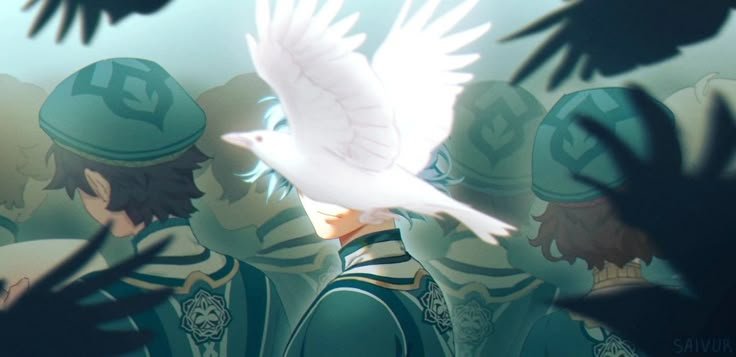
دوتوري كان عنده مساعد شخصي اسمه "كريب" فشل في مهمة سرية وعلى اثرها دوتوري قتله وشرح جثته واعاد تركيب اجزائه مع محركات كانرية ميكانيكية وحوله لالة قتل بدون عقل اسمها Clockwork Submachine
دوتوري اسس مصحة تحت الارض في دار الشفاء في سوميرو لعلاج مرضى مرض "الإليزار" كان يستخدم المرضى كفئران تجارب وسجل في مذكراته تفاصيل عن الاعراض الي تعرض لها المرضى مثل: الهوس، تضخم العضلات، انفجار الاوردة، الجنون، وكان فالاخير يتخلص من جثثهم في كهوف الصحراء
وفي احد البعثات الدراسية الخاصة بالاكاديمية كان معه باحثة اسمها سوهري اكتشفت مذكراته السرية وتجاربه الي تخص مرضى الاليزار فعشان يحمي نفسه و ابحاثه ولرغبته في تشريح جسدها خنقها قطع لسانها دمر احشائها واجزاء من جسدها مثل وجهها عشان يخفي اثاره ثم قال ان فيه وحش هجم عليها وقتلها
دوتوري تنكر مره على انه حداد وميكانيكي فنان من فونتين اسمه ايشر ودخل لتاتاراسونا جزيرة في اينازوما عشان يشتغل معهم في تقنية معالجة "كريستال المارلوت" في فرن ميكاغي
دوتوري عدل الفرن عشان يتسرب منه طاقة "تاتاريغامي" وتسبب بوفاة عشرات العمال والحدادين
وقتها كان نيوا نغاهيدي المسؤول عن المنطقة (صديق سكاراموش) دخل الفرن عشان يساعد العمال ومعاه صندوق تنقيه عطاه دوتوري لحقه دوتوري من وراه ثم قتله وسحب قلبه وهو يبتسم ودخله فالصندوق
خرج دوتوري من الفرن وسلم الصندوق لسكاراموش وقال له: "نيوا خاف من التلوث وهرب من الجزيرة وترككم للموت! ولكن لكي يحمي نفسه، ضحى بخادمه المسكين وقتله واقتلع قلبه ووضعه في هذا الصندوق لتنقية الفرن.. انزل انت الان الى الفرن بهذا القلب وانقذ تاتاراسونا!" وكذا خدع سكارا


لو أردت اتكلم عن شخصية شخصيا أراه (Special) في نوع شخصياتي المفضلة .. من طغيان و كتابة وتصميم فالمنطق يُحتم علينا الوقوف إجلالاً للهاربينجر الثاني.. "إيل دوتوري".
هذا الرجل يمثل حالة استثنائية في قنشن وتحفة فنية كُتبت بعناية فائقة لتجسد الجنون الأنيق
عقل دوتوري يشبه متاهة من الأفكار العميقة والمرعبة, خروجه من أكاديمية سوميرو كان بس شرارة انطلاقه، لأن طموحه تجرأ على تحطيم القيود وسعى للوصول بالبشرية إلى آفاق مهولة في عالم تيفات
رجل وضع القوانين ورى ظهره ومضى في طريق مدفوع بغاية كبرى تتجاوز استيعاب العقول العادية
الجمال الكتابي في شخصيته يتجلى في عوامل كثيرة منها تقبله التام لظلامه، واتقانه دوره كعالم متجرد من الرحمة، ويقف بشموخ مكتفي بغاياته الكبرى وحتى ختاميته كانت لائقة بعظمة كتابته
لايكرر من قلائل الشخصيات الي مستحيل انساهم
Il Dottore 🧪



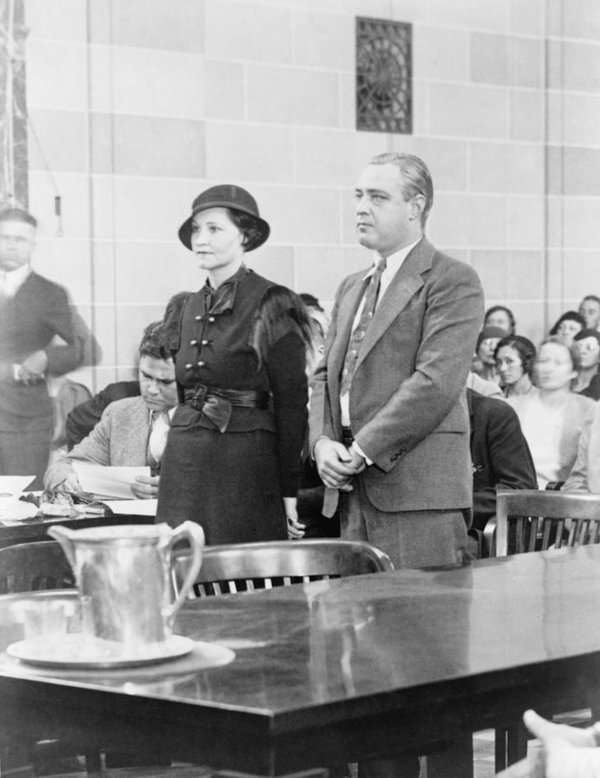
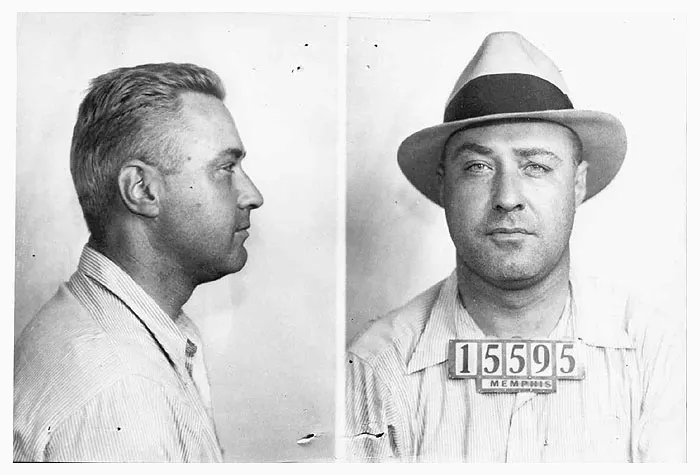
𝗠𝗔𝗖𝗛𝗜𝗡𝗘 𝗚𝗨𝗡 𝗞𝗘𝗟𝗟𝗬: 𝗧𝗛𝗘 𝗚𝗔𝗡𝗚𝗦𝗧𝗘𝗥 𝗪𝗛𝗢 𝗠𝗔𝗗𝗘 𝗛𝗘𝗔𝗗𝗟𝗜𝗡𝗘𝗦
During the Great Depression, George Kelly Barnes, who later became better known as “Machine Gun” Kelly, became one of America’s most notorious criminals.
His nickname might have implied a ruthless gunman, but Kelly became nationally famous largely through bootlegging, bank robberies, and the 1933 kidnapping of Oklahoma oilman Charles Urschel, which paid $200,000 in ransom.
The abduction set off one of the biggest manhunts of the time for the FBI.
Kathryn played a major role in shaping Kelly's public image.
Historians generally agree that she encouraged his criminal activities and helped cultivate the "Machine Gun Kelly" persona.
The frequently repeated story is that she purchased a Thompson submachine gun for him and promoted the nickname to enhance his reputation as a dangerous gangster.
Kelly was caught in Memphis, Tennessee, and sentenced to life in prison, spending much of his remaining years behind bars. He died in 1954.
His case helped boost the FBI’s public profile and cemented his place with the famous gangsters of the 1930s.

I saw a radio station and an Italian soldier busy transmitting messages. With a powerful kick, I knocked his chair over, while at the same time smashing the station with the butt of my submachine gun... We ran around the building, turned the corner,

@GaslyBomm I think those are uzi submachine gun rounds with how short they are with the rounded top, but it’s hard to tell

stun/kill settings, ship combat, and defense.
Klingon Hand Disruptor — Green lethal energy pistol. Klingon troops continued using it in ground assaults (e.g. "Friday’s Child"). Illegal for Federation personnel.
New & Notable Weapons in Season 2:
Thompson Submachine Gun

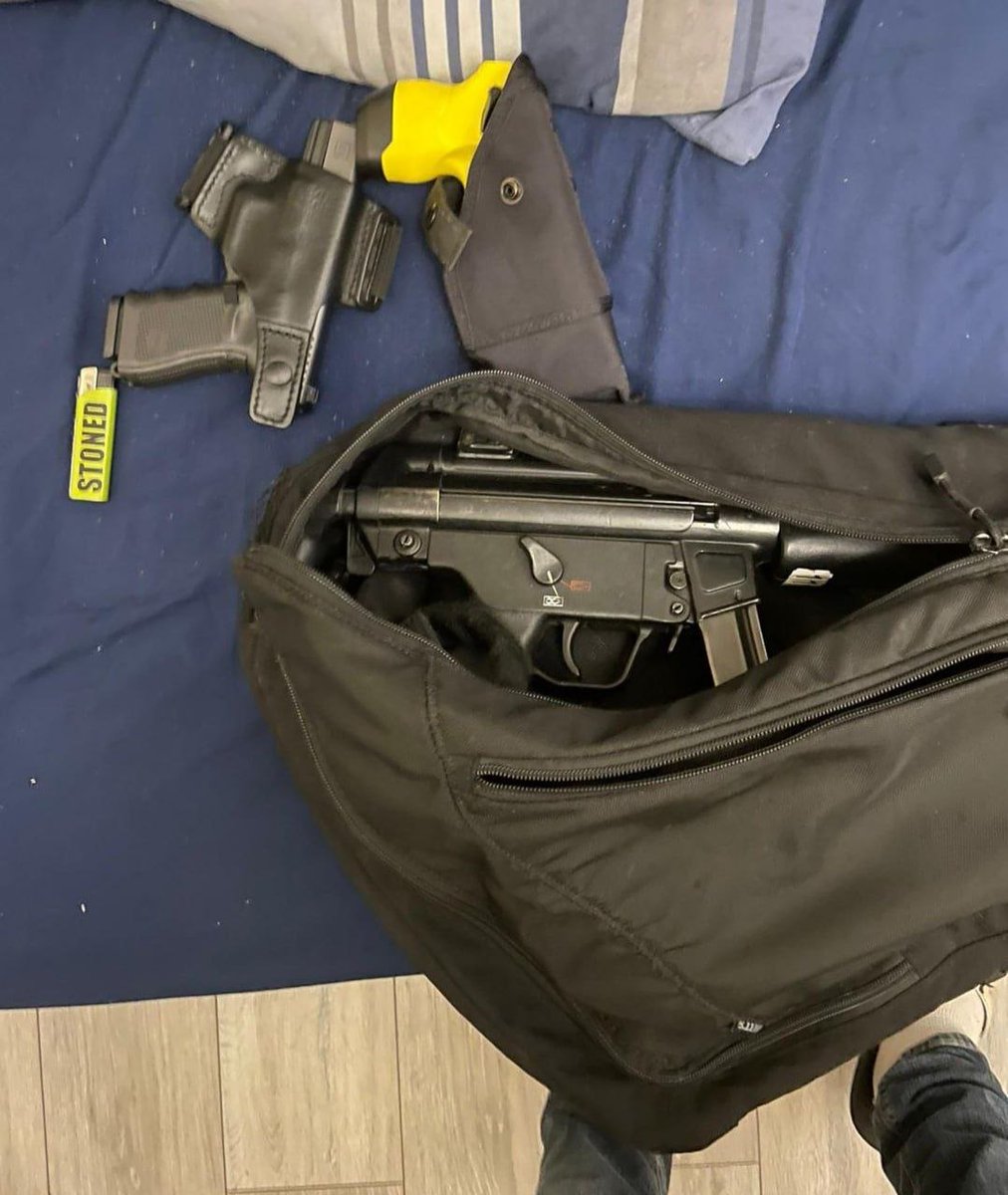
#️⃣ 🇬🇧 Security guards of the Mayor of London left a bag full of firearms on the street — Sky News.
They left it outside the home of Sadiq Khan. Inside were a Heckler & Koch submachine gun, a Glock pistol, a taser, and ammunition.
Preliminarily, five guards simply lost it. A passerby reported it to the police, and it was recovered.


@Sightline_Media With the rate of fire on those switches thats actually a mean little submachinegun. Only way to go with a switch is a foregrip for control and a big magazine to take advantage of the ROF. Put a wire stock on that thing and it really be scary.

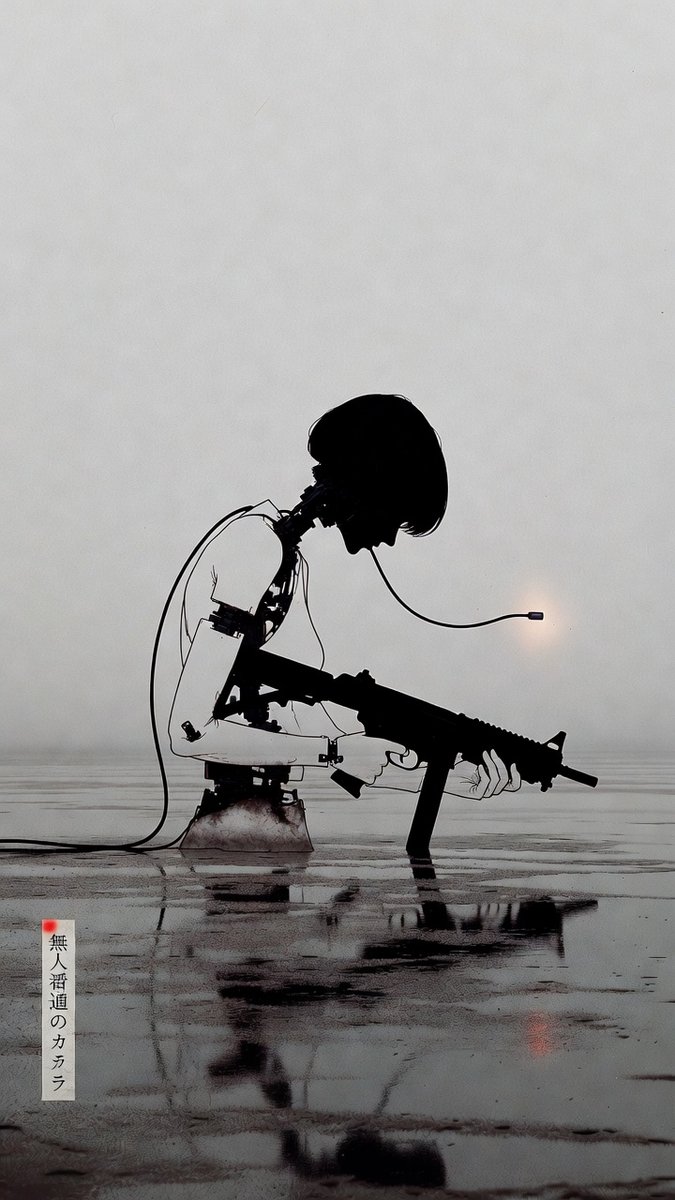
Grok Imagine prompt:
A minimalist line art photograph of a kneeling cyborg in a reflective void, holding a submachine gun with Japanese text.
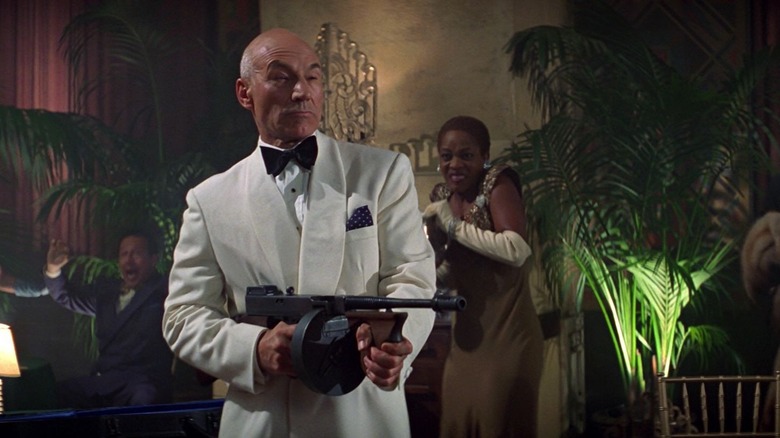
Weapon of the Day
Holographic Thompson Submachine Gun (Tommy Gun)
Shifting focus to primitive Earth firearms recreated in holographic or time-travel contexts, we profile the Thompson submachine gun, often called the "Tommy Gun," a 1920s-era American automatic weapon

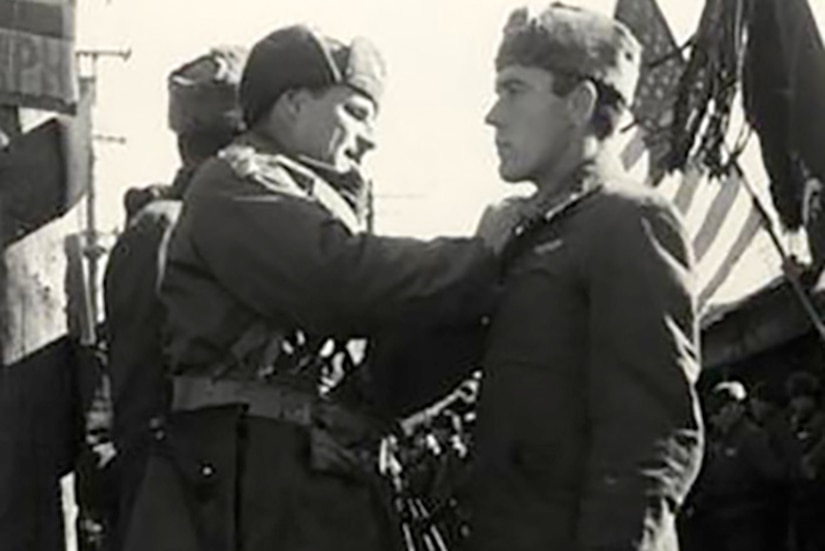
“Psychological warfare”
It was at this point that British officials @RoyalFamily @10DowningStreet @Keir_Starmer sought to counter widespread public opposition to the Nigerian government by helping it improve the “presentation” of its policies. British officials urged the Nigerian government to convince the outside world that it was not engaged in genocide and to suggest it backed a ceasefire and humanitarian access to Biafra.
High Commissioner Hunt suggested to Gowon that the federal air force be used for “psychological warfare” and to drop leaflets over Biafran towns which would help the government score a “propaganda point”’.
Arms supplies;
The following month, Commonwealth Secretary George Thomson suggested the UK should agree to Gowon’s shopping list for arms supplies. He wrote: “Anything that we now do to assist the FMG should help our oil companies to re-establish and expand their activities in Nigeria after the war, and, more generally, should help our commercial and political relationship with postwar Nigeria.”
As a result Britain supplied 36 armoured personnel carriers, along with 2,000 machine guns for them, anti-tank guns and nine million rounds of ammunition. Denis Healey, the Defence Secretary, wrote that he hoped these supplies would encourage the Nigerians “to look to the United Kingdom for their future purchases of defence equipment”.
By mid-1968 Britain had supplied 15 million rounds of ammunition, 21,000 mortar bombs, 42,500 Howitzer rounds, 1,950 rifles with grenade launchers, 15,000 lbs of explosives, 500 submachine guns, 4,000 rifles and four helicopters.
These arms exports were secretly stepped up at a time when killings were being widely reported in the press. About 1,000 people of the Ibo ethnic group, who predominated in Biafra, were killed in Benin city by local people with the acquiescence of the federal government forces, the New York Review noted in December 1967.
A further 700 Ibo males were lined up and shot in the town of Asaba in January 1968, the Observer reported at the time. According to eyewitnesses the Nigerian commander ordered the execution of every Ibo male over the age of ten in the town.
Humanitarian suffering, especially starvation, was severe as a result of the federal government’s blockade of Biafra. Pictures of starving and malnourished children went around the world and the Nigerian government was widely seen to be engaging in atrocities against civilians, including apparently indiscriminate air strikes, in an increasingly brutal war.
By the beginning of 1968, British files refer to deaths of between 70,000-100,000 people in the war. The Red Cross estimated there were around 600,000 refugees in Biafra and was trying to arrange supplies to meet needs, estimated at around 30 tonnes a day.
Public and parliamentary pressure in Britain to halt arms exports to Lagos was now rising, with 70 Labour MPs filing a motion for an embargo in May 1968. Yet the real extent of arms supplied by Britain was concealed from the public by the government.
Throughout 1967 and 1968, Labour ministers told parliament that Britain was essentially neutral in the conflict and was continuing to supply arms to Nigeria on the same basis as before the war. Wilson misinformed the House of Commons on 16 May 1968 that: “We have continued the supply… of arms by private manufacturers in this country exactly on the basis that it has been in the past, but there has been no special provision for the needs of the war”.
With the forces of Gowon’s regime in control of Port Harcourt, Biafra’s most important southern coastal city, by mid-1968, British officials noted that “having gone this far in supporting the FMG, it would be a pity to throw away the credit we have built up with them just when they seem to have the upper hand”.
Britain could not halt the supply of arms since “such an outcome would seriously put at risk about £200-million of British investments in non-Biafra Nigeria”, George Thomson explained to Harold Wilson in private.

Grok Imagine:
A black-and-white photograph of a battle android in a tense stance, holding a submachine gun in a reflective, isolated setting.

This video show you
why Submachine gun is really nice gun for survive
#Roblox #Jailbreak #ShowYouGuysUZIThisGunIsBest
#Asimo3089 #Badcc #Tina #Epic_Tanks #Badimo
#Legendary_Roblox_Crim_Game

MEDAL OF HONOR MONDAY
Army 2nd Lt. Darwin Kyle earned his on February 16, 1951 on Hill 185 near Kamil-Ni, South Korea. Kyle was from Racine, WV and enlisted in the Army in November 1939. Kyle served valiantly during WWII, earning a Silver Star for his actions in France and Germany. He received the award for saving soldiers from 6 disabled Allied tanks that had been hit by enemy fire. Kyle was discharged in August 1945, traveled back to WV, and married Betty Totten, from which they had 2 daughters, Donna and Nancy. Civilian life didn't suit him, so in July 1947, he reeinlisted in the Army. The veteran soldier was assigned to the 6th Infantry Division in South Korea where he served as part of post-WWII occupation force. By the summer 1950,when war broke out on the Korean peninsula, Kyle was back in the US, serving as master Sgt assigned to Company K, 7th Infantry Regiment, 3rd Infantry Division. By that Autumn, Kyle was back in Korea, this time to fight. In Dec 1950, Kyle helped move several injured soldiers to safety after an explosion, earning him a battlefield commission to 2nd Lt due to his leadership and bravery. On Feb 16th, 1951 the platoon Kyle was leading was ordered to remove Chinese defenders from snow-packed Hill 185. When they got pinned down by intense fire, Kyle remained out in the open so he could move and encourage his men to continue advancing forward. It worked and they made some progress, but were quickly pinned down by machine gun fire that wounded 6 soldiers. Kyle reacted by immediately charging the machine gun nest and fighting the crew in hand-to-hand combat, taking out the 3 soldiers by himself. Once they started moving again, this time they were met with intense automatic weapons fire from their right flank. This time, Kyle led his men in a bayonet charge against the position. Kyle fired his carbine and threw grenades taking out 4 more enemy soldiers before a burst of a enemy submachine ki__ed him. Kyle's leadership and extraordinary heroism during the chaos saved his men's lives. For his selfless sacrifice, Kyle was awarded a posthumous MOH that was accepted on his behalf by his wife and daughter's. The Army named Camp Kyle in western South Korea in his honor. In 1955, an elementary school in WV was named in his honor, as was a bridge, and in 2024, a new housing tower at Camp Humphries in South Korea is Kyle Tower. 🫡🇺🇲🎖
https://t.co/UPvBIvXP5i

USA Weapons of War :
M1 Carbine
Thompson .45 Submachine Gun
Browning Automatic Rifle
by Artist Michael Rucker


@milmodelscene @agbdrilling @USAS_WW1 A Czech army weapon, the Skorpion submachinegun, which almost fits into a pistol-sized holster was a great favourite of the Bosnian Serb militias in the 1990s. We confiscated them whenever possible. Now, highly sought after by criminals due to lightweight/ease of concealement

@michaellepus That's a vintage postcard photo from around 1965 showing a female Israel Defense Forces (IDF) soldier armed with an Uzi submachine gun. Her specific identity isn't named in historical records—it's likely a promotional image from the era@michaellepus That's a vintage postcard photo from around 1965 showing a female Israel Defense Forces (IDF) soldier armed with an Uzi submachine gun. Her specific identity isn't named in historical records—it's likely a promotional image from the era@michaellepus That's a vintage postcard photo from around 1965 showing a female Israel Defense Forces (IDF) soldier armed with an Uzi submachine gun. Her specific identity isn't named in historical records—it's likely a promotional image from the era.



The Beretta M38 Submachine Gun, one of the best weapons in the Italian arsenal during World War II, and really one of the best of the first generation submachine guns. These were chambered in 9x19mm, like most submachine guns. This one is a semi-auto conversion build off a parts kit.


Princess Diana trained with an H&K MP5K submachine gun in 1985 as part of a security familiarization exercise
She was enjoying the experience enough to request repeat sessions with the compact weapon used by her bodyguards, highlighting her curiosity about her own protection
🎯


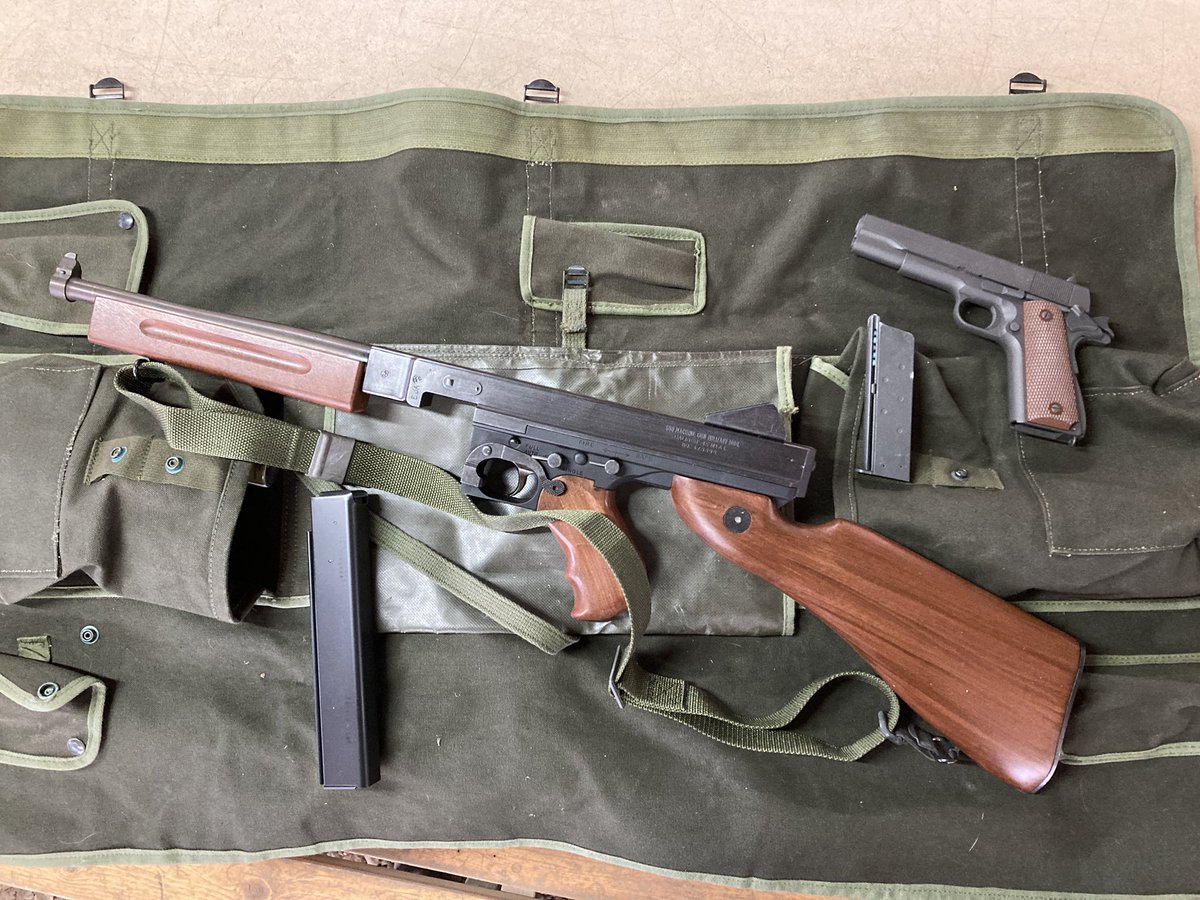
今年初
1月のサバイバルゲーム🪖SEALSにて
MARUI
Thompson
Submachine Gun M1 A1
WESTERN ARMS
COLT M1911 A1
#サバイバルゲーム
#サバゲー
#Marui
#WESTERNARMS
#SEALS

For six days, terrorists held 26 hostages inside London's Iranian Embassy while the world watched. Then they killed a hostage and 17 minutes later, it was over.
May 5th, 1980. London.
Six armed terrorists from the Democratic Revolutionary Front for the Liberation of Arabistan stormed the Iranian Embassy in Knightsbridge, taking 26 people hostage diplomats, embassy staff, visitors, and a British police officer.
Their demands: release of political prisoners in Iran, recognition of Arabistan's autonomy, and safe passage out of Britain.
For six days, British negotiators talked. The terrorists threatened. The hostages waited.
The world watched.
Television crews camped outside. The siege dominated headlines globally. Britain's elite Special Air Service (SAS) was on standby training, planning, waiting for the order.
But the British government's policy was clear: negotiate first. Use force only as a last resort.
Then on May 5th day six the terrorists' patience ran out.
They shot Abbas Lavasani, an Iranian press attaché, and dumped his body outside the embassy.
The talking was over.
Prime Minister Margaret Thatcher authorized Operation Nimrod. Control passed from police negotiators to the SAS.
Among the assault team: Staff Sergeant John McAleese, a Scottish soldier who'd spent years earning his place in the world's most elite special forces unit.
McAleese led Blue Team. Red Team would breach from the rear. Black-clad, gas-masked, armed with Heckler & Koch MP5 submachine guns and stun grenades.
They had one objective: save the hostages.
At 7:23 p.m., the assault began.
And Britain's BBC, filming outside for a documentary about the siege, captured it all live.
The world watched as SAS operators in black balaclavas descended on ropes from the embassy roof. Watched as explosive charges blew through windows. Watched as flames erupted when a curtain caught fire.
John McAleese led Blue Team through the first-floor window following the explosive breach with controlled aggression that looked like chaos but was actually perfect precision.
Inside, the SAS operators moved through smoke and confusion with deadly purpose. Room by room. Hostage by hostage. Terrorist by terrorist.
Stun grenades detonated. Commands shouted. Controlled bursts of automatic fire.
The terrorists tried to kill their hostages. The SAS was faster.
Seventeen minutes after it began, Operation Nimrod was over.
Five of six terrorists: dead.
One terrorist: captured alive, hidden among the hostages.
Nineteen hostages: rescued alive and unharmed.
One hostage: killed during the assault (having already been injured by terrorists before the breach).
Abbas Lavasani: already dead before the assault began.
The success rate was extraordinary. In the chaos of an embassy assault with fire, smoke, armed terrorists mixed with hostages the SAS had executed nearly flawlessly.
The operation became instant legend. Footage of black-clad figures rappelling down the embassy facade became iconic. The world saw what Britain's "secret" special forces could do.
John McAleese became the face of that moment literally captured on camera as he breached the window that millions watched live.
But for McAleese, this was just one mission in a lifetime of service.
He'd joined the British Army in 1969, served in Northern Ireland during the bloodiest years of the Troubles, passed SAS selection, and spent years operating in the shadows.
After the Iranian Embassy, he fought in the Falklands War in 1982. He continued serving in Northern Ireland. He trained counter-terrorism units worldwide. He became one of the most respected soldiers in SAS history.
He never sought fame. The embassy siege made him recognizable, but McAleese was a soldier he served quietly, trained hard, and did the impossible work that kept others safe.
John McAleese died in 2011 at age 61.
But his legacy endures. Operation Nimrod remains the gold standard for hostage rescue operations. Counter-terrorism units worldwide study it. Military historians cite it as near-perfect execution.
And for good reason: in 17 minutes, under live television coverage, with the world watching, the SAS executed an assault so precise that decades later, it's still considered the benchmark.
Think about what that means.
Most people panic in emergencies. These men rappelled into an embassy filled with armed terrorists, explosives, and terrified hostages knowing one mistake could kill dozens and executed with surgical precision while the world watched live.
That's not luck. That's not accident.
That's training, discipline, and courage operating at the highest possible level.
John McAleese and his SAS teammates proved that when terrorism strikes, when negotiations fail, when innocent lives hang in the balance there are people willing and able to do what most cannot imagine.
They ran toward the danger. They breached through fire and smoke. They saved lives while the world watched.
The Iranian Embassy Siege ended 44 years ago, but the images remain iconic: black-clad figures descending on ropes, explosions shattering windows, flames and smoke, and then silence.
Seventeen minutes that changed counter-terrorism forever.
Some heroes wear capes. Others abseil through embassy windows on live television.
John McAleese did both the impossible and the necessary. He served in shadows, fought in wars, trained for years to execute perfectly in moments of chaos.
And on May 5th, 1980, when the world needed to see that evil could be stopped, that hostages could be saved, that precision and courage could triumph over terror
John McAleese and the SAS showed us exactly what that looks like.
From Scotland to the SAS. From the Troubles to the Falklands. From training exercises to the most televised hostage rescue in history.
John McAleese: the Scottish warrior who led Blue Team through hell and brought hostages home.
Seventeen minutes. One mission. A lifetime of service.
That's not just military history. That's what heroism actually looks like

@majinbrand Tommy Gun (Gangster Era)
Drum-fed submachine gun blazing through Prohibition – iconic in mob movies, eclipsing Capone and every wise guy.
Most Popular Users

Elon Musk 
@elonmusk
239.6M followers

Barack Obama
@barackobama
118.6M followers

Cristiano Ronaldo
@cristiano
114.3M followers

Donald J. Trump
@realdonaldtrump
111.7M followers

Narendra Modi
@narendramodi
106.9M followers

Rihanna
@rihanna
98.6M followers

NASA
@nasa
92.1M followers

Justin Bieber
@justinbieber
91.7M followers

KATY PERRY
@katyperry
89.9M followers

Taylor Swift
@taylorswift13
83.9M followers

Lady Gaga
@ladygaga
75.4M followers

Virat Kohli
@imvkohli
73.3M followers

Kim Kardashian
@kimkardashian
70.8M followers

YouTube
@youtube
68.6M followers

Neymar Jr
@neymarjr
66.3M followers

Bill Gates
@billgates
65.1M followers

Selena Gomez
@selenagomez
63M followers

The Ellen Show
@theellenshow
62.1M followers

CNN
@cnn
61.7M followers

X
@x
60.6M followers