

Top Tweets for #SundaySTORY

#SundayStory: @sriky73 takes a look at safety lapses, underutilised spaces, and the push for #CMRL take-over of neglected #MRTS stations in #Chennai. https://t.co/SUMVEmzQ7n


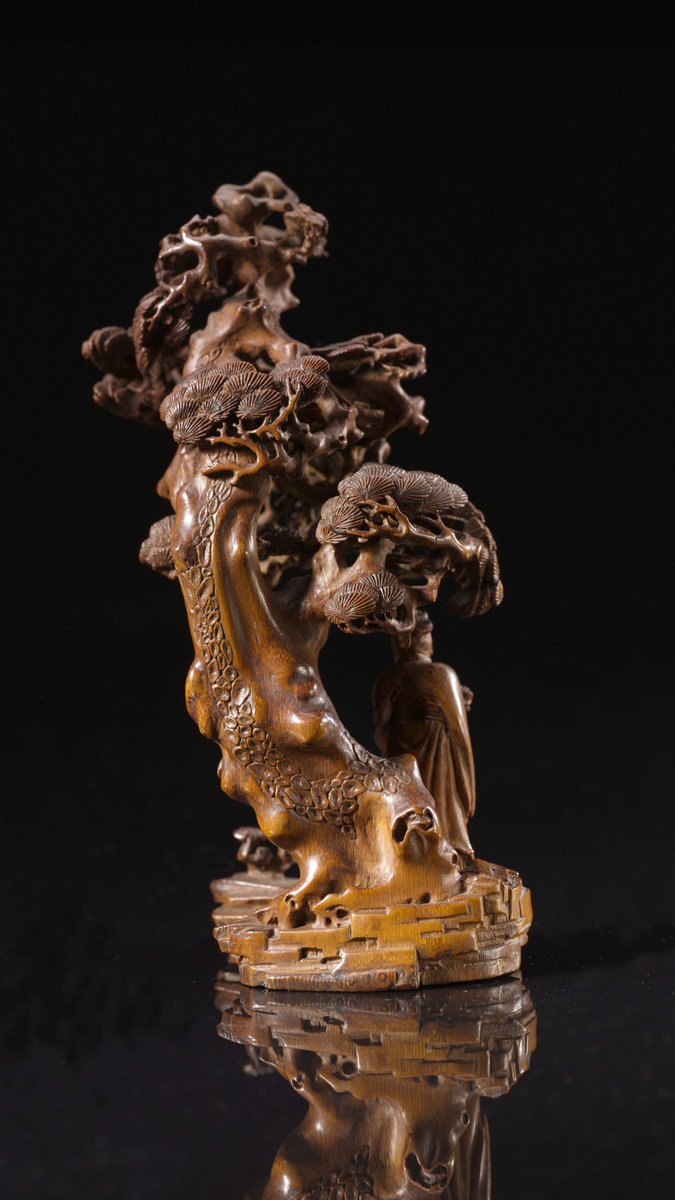
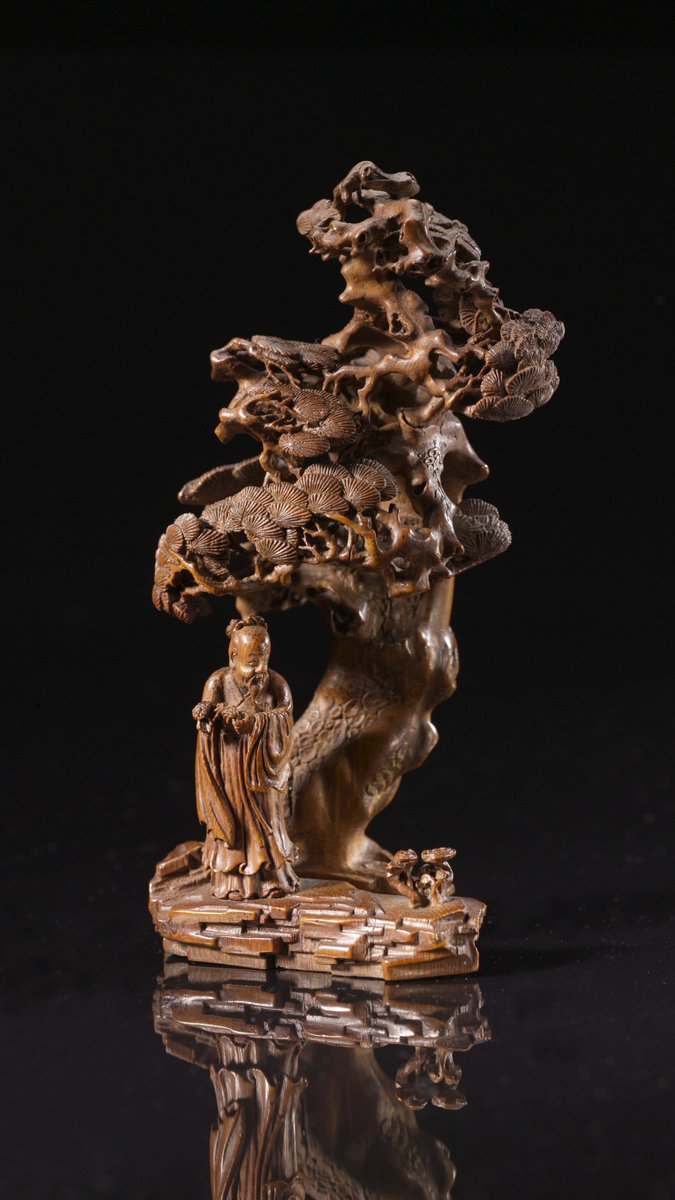
This bamboo-root carving portrays Tao Yuanming, the Eastern Jin dynasty celebrated for his reclusive lifestyle and love of chrysanthemums. After leaving government service, he embraced a life of picking chrysanthemums and enjoying the mountain view.
#SundayStory
A legendary battle between two beloved figures in Chinese folklore: Yang Jian, the three-eyed god, and Sun Wukong, the Monkey King! The two have clashed in more than one tale. Who would you bet on this time?
#SundayStory
蔡文沛漆浅雕孙悟空战杨戬


#SundayStory | This year, the IMD has predicted normal Northeast monsoon rainfall, with a strong El Niño likely to strengthen it further towards the end of the year. Is the new TVK government prepared to face the monsoon, or will Chennai have to brace for another deluge? ✍️@AishRavi64
https://t.co/YcTeIczGPW

"The Reasonable man adapts himself to the world; the Unreasonable one persists in trying to adapt the world to himself. Therefore all progress depends on the unreasonable man.”
— George Bernard Shaw
Today's #SundayStory is also about one Unreasonable Man
A school dropout from Tamil Nadu who noticed a problem inside his own home.
Instead of accepting it as “the way things are”, he spent years trying to solve it.
People laughed at him.
Some thought he was strange.
He nearly lost his family, his money and his social standing.
But he kept experimenting.
And eventually, this man developed a low-cost machine that could help women manufacture affordable sanitary pads, yes Sanitary Pads.
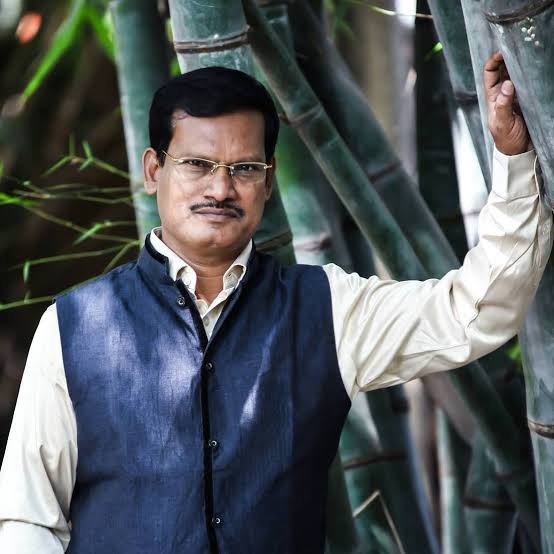
The name of this man is Arunachalam Muruganantham - India's original “Pad Man.”
He was born into a poor family in Tamil Nadu and dropped out of school at the age of 14. He later worked various jobs, including as a farm labourer and welder.
His story began after his marriage, when he noticed his wife using old cloth during menstruation because commercially available sanitary pads were too expensive for the family.
When he asked why she didn't use sanitary pads, the answer was simple:
They couldn't afford them.
That small conversation could have ended there.
Like a reasonable man he should have accepted that fact but he didn't.
He raised a simple question:
If millions of women cannot afford sanitary pads, why can't someone make them affordable?
So he started experimenting.
He didn't have a scientific degree.
He didn't have a research laboratory.
He didn't have investors.
He had a problem in front of him and an unwillingness to accept it as normal.
He began making and testing his own prototypes.
Soon, people around him started questioning what he was doing. Because menstruation was such a taboo subject, even his attempts to understand the problem were misunderstood and ridiculed.
He eventually faced severe social isolation and came close to losing his family and livelihood.
But he continued.
Years of trial and error eventually led him to develop a simple, low-cost machine for producing sanitary pads.
And he didn't stop at inventing the machine.
His idea was to make the technology accessible to rural communities, allowing women to manufacture affordable sanitary pads locally while also creating livelihood opportunites.
What began as an attempt to solve a problem inside his own home gradually became a much larger movement around menstrual hygiene, health, dignity and women's empowerment.
The man whom people once mocked for talking about menstruation eventually became internationally recognised for his innovation.
In 2014, TIME named him among the world's 100 most influential people.
In 2016, he was awarded the Padma Shri for his contribution to social work.
His journey later inspired the Bollywood film Pad Man.
He could have adapted himself to the world around him.
He could have simply said “This is how things have always been.”
Instead, he asked “Why should it remain this way?”
Sometimes, progress begins with the person who refuses to accept the world exactly as it is.
One man.
One uncomfortable question.
Years of ridicule and failure.
One persistent idea.
And eventually, a solution that helped change the conversation around menstrual hygiene.
Perhaps being “unreasonable” doesn't always mean refusing to understand reality.
Sometimes, it means refusing to believe that today's reality is the only reality possible.
I hope you liked today's Sunday Story 😊
#SundayStory #ArunachalamMuruganantham #PadMan #Innovation #SocialChange #MenstrualHygiene
#SundayStory: #Thoothukudi aims to become a major maritime-manufacturing hub with a mega greenfield shipyard, unlocking regional industrial growth and jobs, reports @shan_nivethitha https://t.co/o6DVVg2UCK
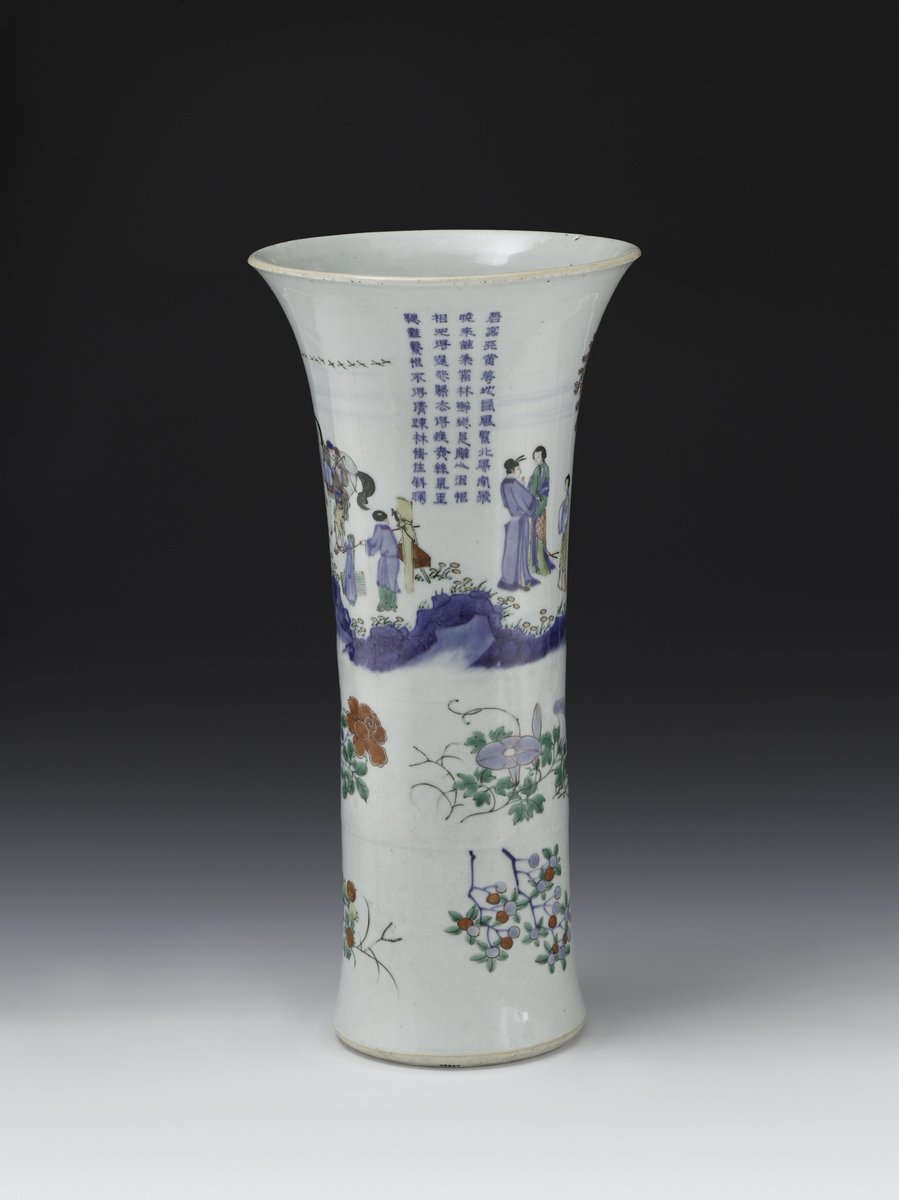
This Gu vessel depicts a famous scene from the Chinese classic “The Romance of the Western Chamber,” when the lovers have to part for a while. Holding each other’s hands, they gaze into each other's eyes, reluctant to let go.
#SundayStory
景德镇窑青花五彩西厢记故事人物图觚



From Scarcity to Sustainability — discover the #SundayStory of Pachim Nalbari Part 1 village in Charaideo, Assam, and its journey towards water security.
@CMOfficeAssam
@KPaulAssam
@jaljeevan_
@DoWRRDGR_MoJS
@MoJSDDWS
@mygovassam
@diprassam
1/2


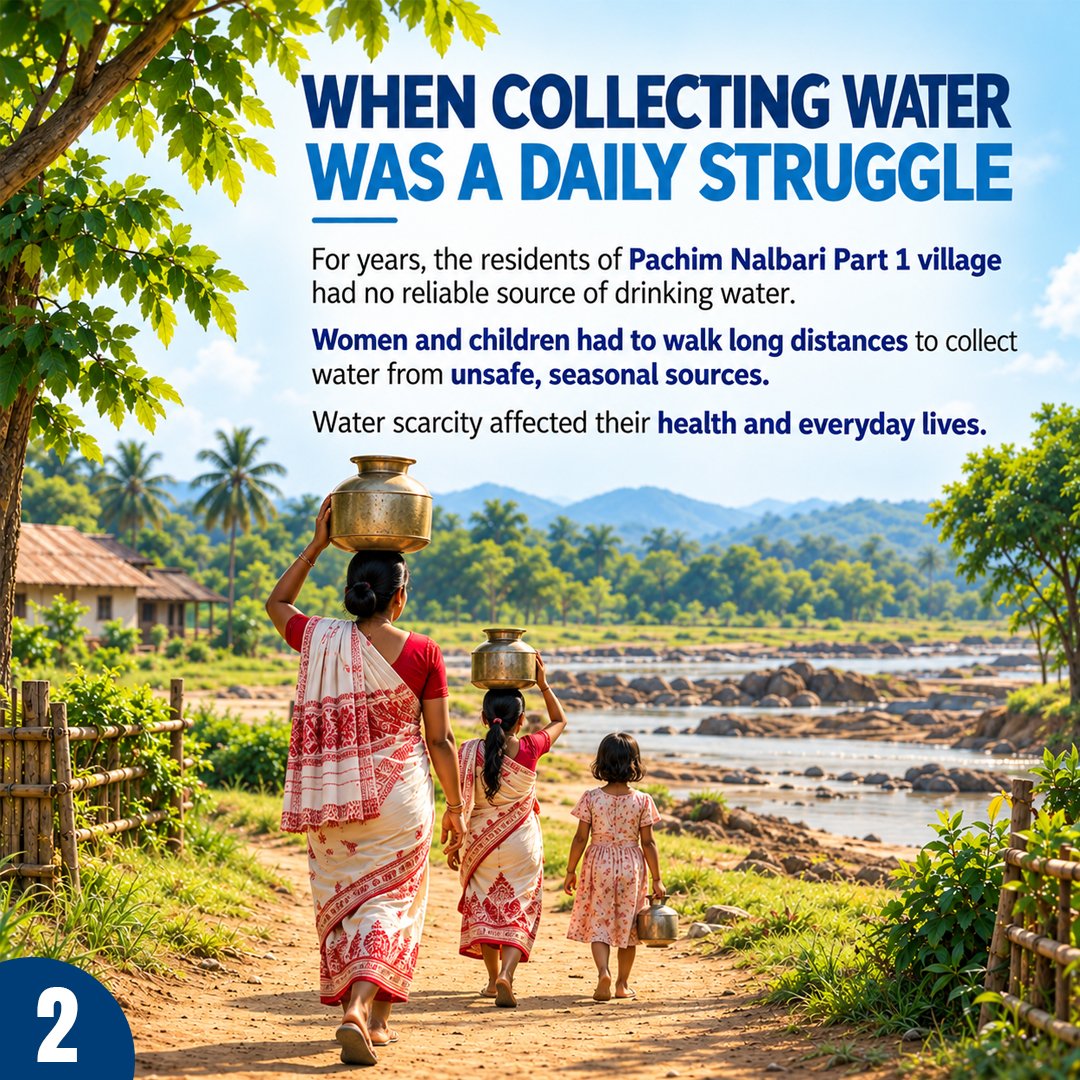
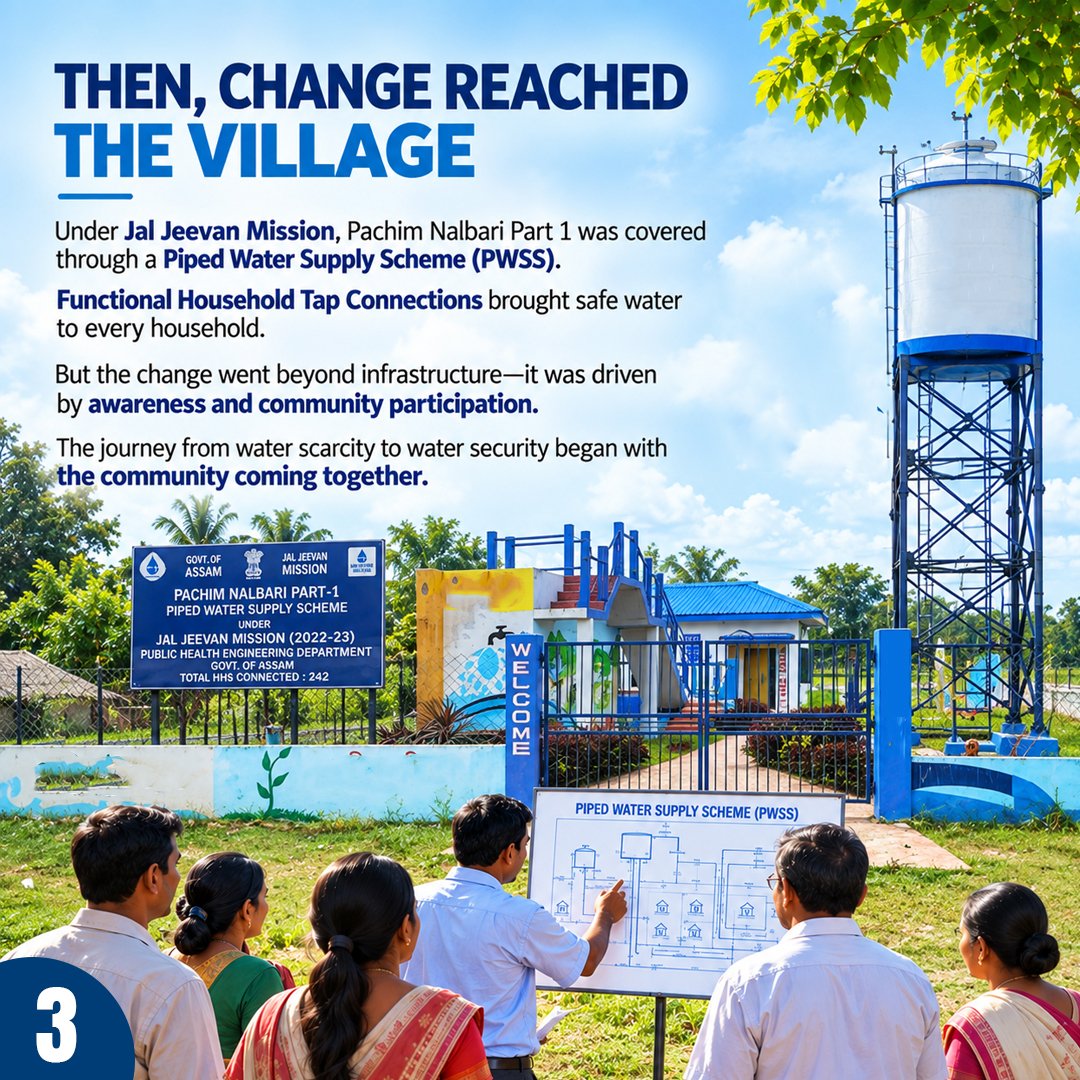
“You give but little when you give of your possessions. It is when you give of yourself that you truly give.” — Khalil Gibran
Today's #SundayStory is about the Orange Seller Who Built a School.
Let's start with simple question
"What if the thing you were denied in your childhood became the very thing you decided to give to others?"
Today's Sunday Story is about someone who turned that very thought into action.
Today, we are talking about Harekala Hajabba, a fruit seller from Karnataka.
He was born into a poor family in Newpadapu, near Mangaluru, and had very little formal education.
For years, he made a living selling oranges on the streets of Mangaluru.
One day, two foreigners approached him and asked for the price of oranges in English.
Hajabba couldn't understand what they were saying.
He felt embarrassed.
But instead of simply forgetting the incident, he kept thinking about it.
Why had he never learned English?
And then came another question
Why should the children of his village grow up without proper education either?
His village had no school.
Children had to travel elsewhere for their education, and for families struggling to make ends meet, education often became a distant dream.
Hajabba had no great wealth.
No influential position.
No organisation behind him.
He was just an orange seller.
But he had something else a strong determination to change the situation.
He began saving whatever little he could from his daily earnings.
He approached authorities.
He kept requesting help.
He donated his own money.
And slowly, his dream began taking shape.
A school was eventually established in his village.
The man who had once struggled to understand a simple question in English had helped create a place where children could learn, dream and build a different future.
But he didn't stop there.
He continued working for education and development in his village, including efforts to establish better educational facilities.
His simplicity remained unchanged.
He continued selling oranges.
And then, one day, the nation recognised his extraordinary contribution.
In 2020, Harekala Hajabba was awarded the Padma Shri for his contribution to social work.
But perhaps the most beautiful part of his story is that he didn't build a school because he was an educationist.
He built it because he knew what it felt like to be without one.
He understood the value of education precisely because he had been denied it.
And that is what makes his story so powerful.
We often believe that to create change, we need money, power, position or influence.
Harekala Hajabba reminds us that sometimes all you need is the ability to look at a problem and say:
“This should not happen to the next generation.”
One orange seller.
One village.
One dream.
And eventually, a school.
He didn't have much in terms of money or possessions.
But he gave something far more valuable
He gave of himself.
His time.
His earnings.
His determination.
And his dream that the children of his village should have the opportunity he never had.
Perhaps that is what makes Harekala Hajabba's story so powerful.
He couldn't change the education he received.
So he gave the next generation the education he was once denied.
And perhaps, in doing so, he lived the words of Khalil Gibran:
“You give but little when you give of your possessions. It is when you give of yourself that you truly give.”
This Sunday, remember Harekala Hajabba , a man who had little to give, but chose to give himself to a cause greater than himself.
Sometimes, the greatest legacy we can leave behind is not what we have, but what we give to others.
I hope you liked today's #Sundaystory 😊

#SundayStory
明 仇英 右军书画图轴

The Quote :
“A ship in harbor is safe, but that is not what ships are built for.”
Is best suited for our today's #SundayStory
As Today, we are talking about a couple—two young doctors who had every opportunity to build comfortable careers after receiving an excellent medical education in the USA.
But instead, they chose to return to rural Maharashtra and began working in Gadchiroli, one of the most impoverished regions of India, where, healthcare was difficult to access, particularly for rural and tribal communities.
And this is where their remarkable journey began.
Today's Sunday Story is about "Dr. Abhay Bang and Dr. Rani Bang".
Two doctors.
One shared purpose.
And a decision that would transform rural healthcare.
Both had studied medicine at prestigious institutions. They could have built comfortable careers in USA but they choose bigger cause.
Starting with an old warehouse in Gadchiroli town that once stored tendu leaves, they began treating patients and laying the foundation for their organisation, SEARCH (Society for Education, Action, and Research in Community Health).
First thing they wanted to understand what was reality of ground.
What they discovered was heartbreaking.
Newborns were dying at home.
Women were suffering from reproductive health problems that were rarely discussed.
Alcohol was affecting families and communities.
They found that for people reaching doctor or hospital was itself a challenge.
So they asked a different question:
What if healthcare could reach people instead of waiting for people to reach healthcare?
That question became the foundation of their work.
One of their most important contributions came through their work on newborn health.
They demonstrated that trained village women could provide essential newborn care in their own communities.
Instead of depending entirely on hospitals and doctors, they trained local women to become healthcare providers.
A simple idea.
But a revolutionary one.
Because the solution was not only medical.
It was community-driven.
At the same time, Dr. Rani Bang began focusing deeply on women's health.
She discovered that many rural women were silently suffering from reproductive health problems that were often ignored because of stigma, lack of awareness and limited access to healthcare.
She didn't simply treat the women who came to her.
She studied the problem.
She listened to them.
She conducted research.
And she helped bring women's reproductive health into the centre of rural healthcare discussions.
Together, the Bangs combined research, medicine and community participation to create solutions that could work in places where conventional healthcare systems struggled to reach.
Their work on home-based neonatal care became internationally recognised and influenced approaches to community-based newborn healthcare.
But perhaps their greatest contribution was something bigger:
They changed the way we think about healthcare.
Healthcare does not always have to begin inside a hospital.
Sometimes it can begin in a village.
With a trained woman.
With a community that understands the problem.
With doctors who are willing to go beyond for a cause.
Decades of work eventually brought national recognition.
In 2018, both Dr. Abhay Bang and Dr. Rani Bang were awarded the Padma Shri for their contribution to medicine.
But the most inspiring part of their story isn't the award.
It's the choice they made long before the award existed.
They chose a difficult place.
They chose underserved communities.
They chose to listen.
And they spent decades turning what they learned into solutions.
Their story reminds us that real social change doesn't always come from grand institutions.
Sometimes it begins with two people asking a simple question:
“What can we do for the people who have the least access to what we take for granted?”
I hope you liked today's #SundayStory 🙏😊


Good morning everyone, so apparently yesterday I was gonna rest but my OCD would t let me 👀😵💫 so I ended up cleaning the entire house. And today I’m cleaning my bby up, washing clothes & bathing my rotties.
#BlessedBeyondMyPower🦋 #SundayBlessings #SundayStory
#AboveBlessed
#RealWomenPower🦋
I Can’t Stay Still 😉

Diabetes Stories: Meet Mike
From Limerick
Diagnosed age 24
Year of dxd: 2012
Head chef of Michelin starred Restaurant
Thanks for sharing Mike. You can find Mike on Instagram as @cheftweedie
#T1D #IREDOC #NIDOC #DiabetesIreland #Ireland #SundayStory #Diabetic #DiabetesStory


What would you do if the home/ Village where you grew up was slowly losing its future?
Would you leave for a better life?
Or would you stay and try to change it?
Today's #SundayStory is about a man who chose the second path.
Its about "Chaitram Deochand Pawar" —The Man Who Chose to Stay and Save His Village.
Born in Baripada, a tribal village in Maharashtra's Dhule district, Chaitram Pawar grew up seeing how closely the lives of his people were connected to Jal, Jungle and Jameen — water, forest and land.
But by the late 1980s and early 1990s, that relationship was breaking down.
Deforestation was increasing, Firewood and Food getting scare, Water scarcity is at peak.
Villagers had to walk kilometres just to fetch drinking water.
Agriculture was declining and people were suffering.
Soon the lush green forest village turned into Barren sand pile
And as a result huge migration, People were moving out from village to new area for better livelihood.
Village was getting empty and many people waiting for govt's help but Chaitram was clear in his mind that they can't depend on govt for help they have to start themselves.
Chaitram was an educated young man. He completed his Master's in Commerce from the University of Pune in 1993.
He had opportunities to build a comfortable career elsewhere—including an opportunity in the Indian Air Force.
But he couldn't accept that his village is suffering like this and area which is his home is destroying like this. So he decided to stay.
He worked on simple idea
If the forest disappears, the water disappears.
If the water disappears, farming suffers.
And when farming suffers, the entire village suffers.
He started explaining this idea to villagers and motivated them to join him.
He himself began with the plantation of 5,000 trees.
With time the villagers also started participating and decided to act together on one single moto to save the village
They began protecting the forest.
They stopped indiscriminate cutting of trees and grazing.
They built small water-harvesting structures, check dams, loose-boulder bunds and contour trenches to slow down rainwater and allow it to seep into the ground.
Slowly, the landscape began to change, the forest returned, the groundwater levels improved, wells began to revive and Agriculture became more reliable.
A village that once struggled to find drinking water eventually began supplying water to five surrounding villages.
This not only helped in ecological improvement in village but economics improved too, job opportunities emerged, agriculture productivity increased and migration reduced.
The whole situation of Village improved soon his work and ideas spread to other villages , his model of tribal development, forest conservation, water management and community leadership extended to more than 100 villages across Maharashtra and Gujarat.
He also worked on tribal empowerment, forest rights, education—particularly girls' education—women's participation in decision-making, nutrition and sustainable agriculture.
According to the Government of India's Padma Awards citation, Pawar's efforts helped develop a dense forest across 445 hectares, while water conservation provided protective irrigation to at least 500 acres and enabled Rabi cultivation on another 250 acres.
Baripada’s transformation has earned global recognition. Chaitram Pawar, a member of the Konkani tribe, has received more than 12 awards.
In 2024, he became the first recipient of Maharashtra's Van Bhushan Puraskar.
And in 2025, the Government of India honoured him with the Padma Shri for Social Work.
This story shows “What can one person do?”
One person can begin a conversation.
One person can build trust.
One person can convince a community to take the first step.
And when that community decides to walk together— an entire landscape can change.
Sometimes, the biggest change begins when one person chooses to stay. 🇮🇳🌱💧
#SundayStory

#SundayStory: With the #Parandur airport now a closed chapter, #Cheyyur in #Chengalpattu district & #Gummidipoondi in #Tiruvallur district are the top contenders for #Chennai’s second #airport, reports @SunithaSekar
https://t.co/qQPmxk6hP0
From one woman’s initiative to a village-wide movement for #HarGharJal💧
This week’s #SundayStory from Borbori, Morigaon, Assam, explores how Bindu Devi’s initiative sparked a community-led movement for safe and sustainable water.
Read her inspiring journey.
#JJMAssam
1/2


Literati gatherings often featured tea and music. But this Ming dynasty gathering, depicted by Chen Hongshou, stands out for the Buddhist statue at its center, showing the devout faith of the commissioner’s grandfather, one of those portrayed.
#SundayStory
明 陈洪绶 雅集图卷

#SundayStory: This year, as the 3rd round of #engineering admission counselling is in progress, trends seem to have shifted marginally for the better for Electrical and Electronics Engineering (EEE) & Mechanical Engineering streams, reports @SaptarshiTHC
https://t.co/PPBTXdJubV
Last Seen Hashtags on Sotwe
Minichat
Seen from Netherlands
onlyfans #nudist
Seen from India
ometv
Seen from United States
ifşa anne
Seen from Turkey
minichatt() filter:native_video since:2026-01-02
bbc quiver
Seen from Israel
minichat((()))***********************************************************************************************************
Seen from United States
minichatt
Seen from United Kingdom
พ่อเย็ดลูก
Seen from Thailand
colmek indonesia
Seen from Germany
Most Popular Users

Elon Musk 
@elonmusk
241.5M followers

Barack Obama
@barackobama
118.8M followers

Cristiano Ronaldo
@cristiano
114.5M followers

Donald J. Trump
@realdonaldtrump
111.9M followers

Narendra Modi
@narendramodi
107.1M followers

Rihanna
@rihanna
98.7M followers

NASA
@nasa
92.3M followers

Justin Bieber
@justinbieber
91.8M followers

KATY PERRY
@katyperry
90M followers

Taylor Swift
@taylorswift13
84M followers

Lady Gaga
@ladygaga
75.5M followers

Virat Kohli
@imvkohli
73.5M followers

Kim Kardashian
@kimkardashian
70.9M followers

YouTube
@youtube
68.8M followers

Neymar Jr
@neymarjr
66.5M followers

Bill Gates
@billgates
65.3M followers

Selena Gomez
@selenagomez
63.1M followers

The Ellen Show
@theellenshow
62.2M followers

CNN
@cnn
61.7M followers

X
@x
60.7M followers