

Top Tweets for #WarsofTheRoses

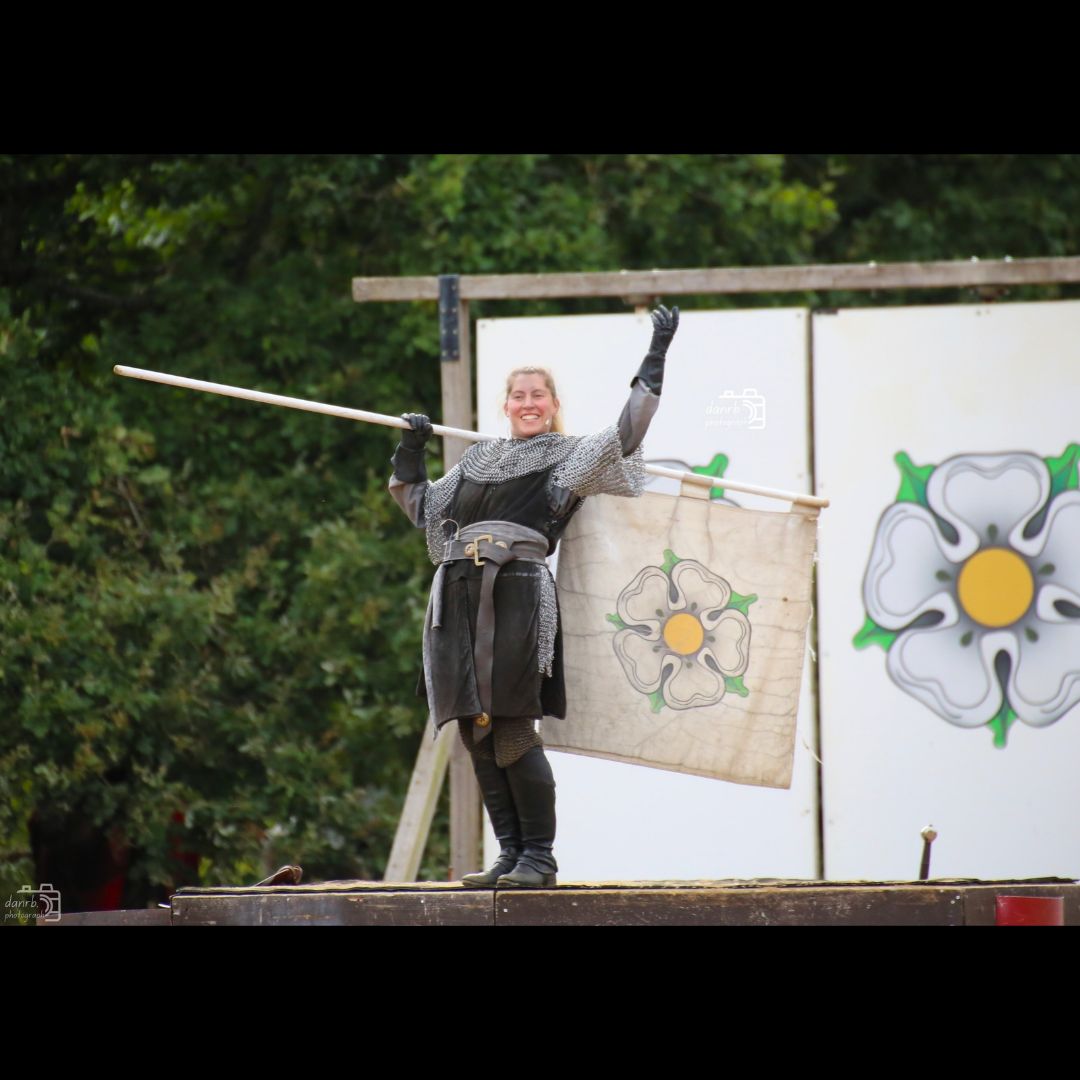
Queen Margaret of Anjou, Wars of the Roses Live with The Knights of Middle England at Warwick Castle!
#warsoftheroses #theknightsofmiddleengland #warwickcastle #history #jousting


#WarsoftheRoses
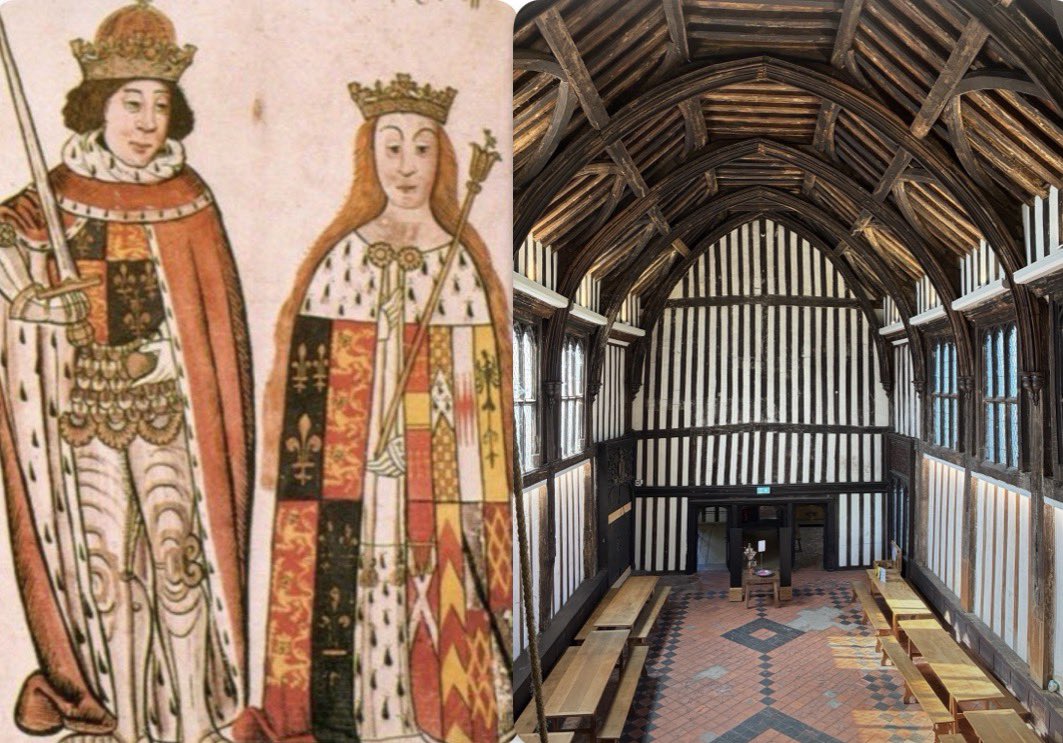
OTD in 1483 - #RichardIII & his Queen Anne Neville were at Gainsborough. They were returning south after a successful northern progress, which had culminated in the investiture of their son Edward of Middleham as Prince of Wales at York.
But all was not well. The extensive lands & powers granted to Edward had angered Richard’s erstwhile ally Henry Stafford, Duke of Buckingham, who believed hegemony in Wales & the Marches ought to be his. It wouldn’t be long before news of Buckingham’s rebellion reached the King.
📷 @zarahandley - Old Gainsborough Hall.
#WarsoftheRoses
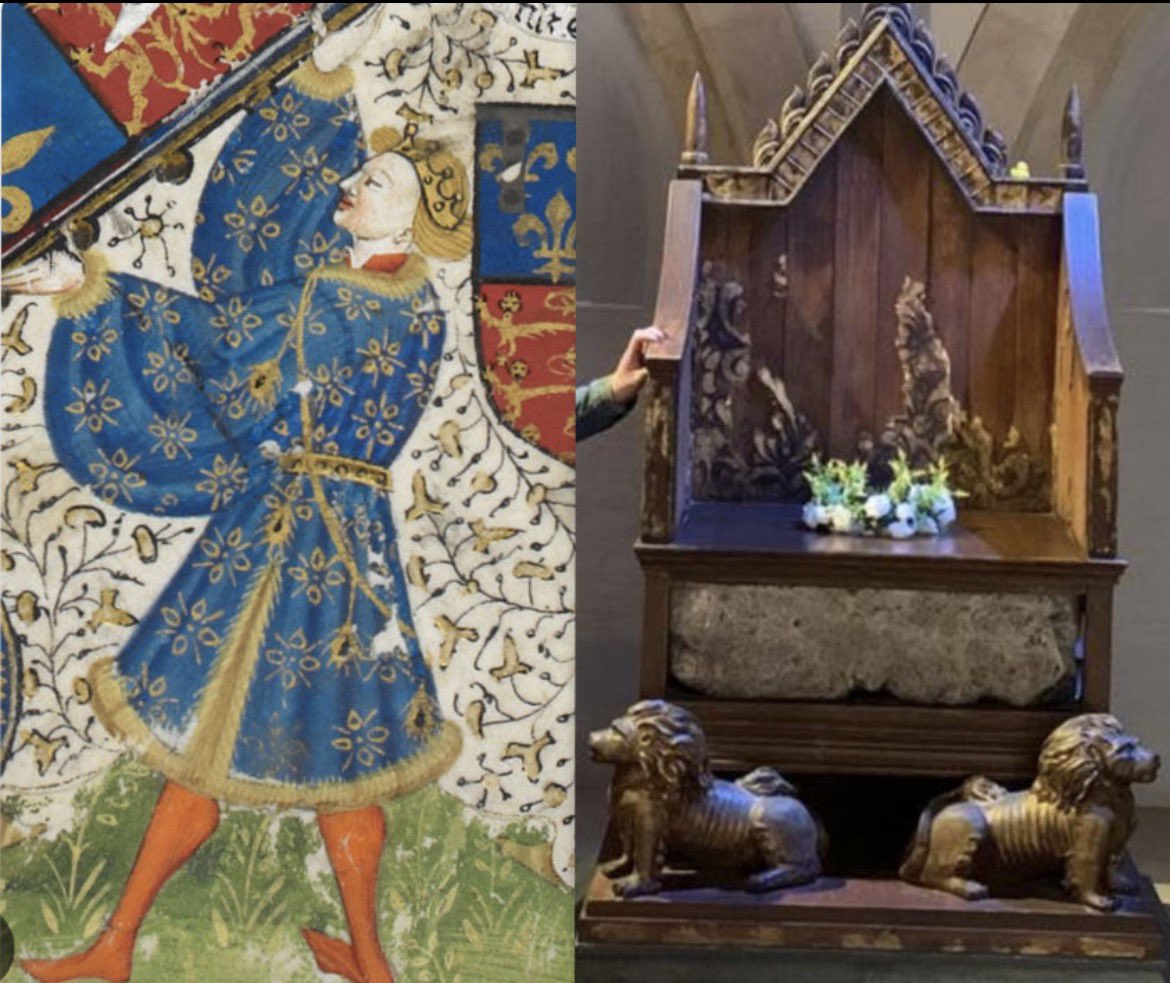
OTD in 1483 - Edward of Middleham, son of #RichardIII was invested as Prince of Wales in an opulent ceremony at York Minster. Edward’s life was short & tragic. He is the original forgotten child, not even appearing in Shakespeare’s play, with the King depicted as childless.
Shakespeare takes many dramatic liberties in his depiction of Richard, but I’d argue the erasure of Richard’s heir is one of the most significant. Edward played a key role in shaping the course of his father’s life & reign, & if we forget him we can never hope to discover the real man behind the theatre anti-hero.
Edward is the only known child of Richard’s marriage to Anne Neville. His birth date is unconfirmed with estimates ranging from December 1473 (Tudor chronicles) to mid June- early September 1476 (Rous Roll evidence of Edward’s age at his death.) NB. the second later date is the one advocated by the leading modern experts on Edward’s life, Peter Hammond & Annette Carson, not least because Rous had worked for Edward’s grandmother Anne Beauchamp & could
be expected to know the correct dates.
Whatever Edward’s birth date the depths of his parents’ devotion to him is clear. Richard’s charter appointing Edward as Prince of Wales on 24 August 1483 is notable for the praise it lavishes on his ‘dearest first born son’ referring to his ‘outstanding qualities with which he is singularly endowed for his age.’ Similarly, the Croyland Chronicle relates how news of Edward’s death in April 1484 drove his ‘father and mother… almost out of their minds for a long time when faced with the sudden grief.’
The timing of the Duke of Buckingham’s disenchantment with Richard seems to correlate with the extensive powers granted to Edward of Middleham, as part of his September 1483 investiture as Prince of Wales. This development undermined Buckingham’s hegemony in the region & may have been viewed by him as Richard reneging on a previous agreement. This provided fertile ground for the arch Lancastrian plotter, Bishop Morton, who was under house arrest in Buckingham’s household, to persuade the Duke to mount his own bid for the throne that autumn with Lancastrian support.
Likewise Edward’s death in April 1484 marked a key turning point in Richard’s reign when things started to go wrong for the King. Even though most historians now accept that Edward did not die on the first anniversary of #EdwardIV’s death in some sort of karmic reckoning (Rous recorded that Edward died around Palm Sunday - 18 April 1484 ) the loss of his only heir was interpreted by contemporaries as a sign of divine disfavour & emboldened Richard’s opponents.
The King’s own behaviour also changed after the death of his son & then his wife in March 1485. It is notable that he waited at Nottingham with uncharacteristic passivity for two months for Henry Tudor’s invasion in the summer of 1485 rather than moving swiftly to meet the threat head on as he had done on previous occasions.
But naturally, Shakespeare could not include any of this in his play, as it would risk humanising Richard & implying that protecting & advancing his family rather than villainy might have been key drivers for his decision making. The erasure of Edward of Middleham had begun.

#WarsoftheRoses
OTD in 1460 - Richard, 3rd Duke of York entered Parliament & laid his hand on the throne. He was seeking to use Parliament to depose #HenryVI & make himself King, but was surprised by the lack of support for his bid, even from his allies.
In 1399 Parliament had deposed #RichardII & elected his cousin Henry of Bolingbroke as #HenryIV the first Lancastrian King. Presumably, York expected a similar outcome from the 1460 Parliament. Not least because through his mother, Anne Mortimer, a great-granddaughter of #EdwardIII’s second surviving son, Lionel, Duke of Clarence, York had a superior claim to the throne compared to the Lancastrian Kings #HenryIV, #HenryV & Henry VI, who were descended from John, Duke of Lancaster, the third surviving son of Edward III.
York’s allies, his brother-in-law the Earl of Salisbury, his nephew the Earl of Warwick (the Kingmaker) & his son the Earl of March (later #EdwardIV) had invaded England from Calais in June 1460. Warwick & March had won a crushing victory at the Battle of Northampton on 10 July 1460, taking possession of Henry VI & killing prominent Lancastrians. Salisbury had laid siege to the Tower of London & forced its surrender.
York, however, made a serious misjudgment in taking so long to return from Ireland & allowing three months to elapse between the Yorkist victory at Northampton & his own arrival in London. His absence had allowed his allies to become comfortable ruling England through Henry VI, hence even York’s own son March reportedly did not see the need to force Henry’s deposition.
The resulting deadlock led to the October 1460 Act of Accord, which recognised York as the heir to Henry VI (disinheriting the King’s son Edward of Westminster) but crucially left the King himself in place.
York’s sons Edward IV & #RichardIII would learn from their father’s mistakes & act far more decisively. Edward & Warwick rendezvoused at Burford in February 1461 after the Yorkist nadir which was Warwick’s defeat at the second Battle of St Albans & within days were marching on the capital & having Edward declared King on 4 March 1461.
Henry IV, Edward IV & Richard III had other advantages over York too. They were all widely seen as ‘upgrades’ on the Kings they replaced & thus were able to accumulate the support needed to secure the throne. Henry IV was a renowned tournament champion & crusader, had four sons & was seen as embodying all the qualities which Richard II lacked. Edward IV was the young victor of multiple battles & presented a stark contrast to the enfeebled Henry VI. Richard III was an adult male of proven ability & experience whose leadership most of the three estates viewed as preferable to that of an adolescent king of dubious legitimacy who would be in hock to the Woodvilles.
York was undoubtedly more capable than Henry VI, but he also wasn’t outstanding enough. He was older than Henry & had an indifferent record during the Wars of the Roses with the Yorkist victories largely being won by Salisbury, Warwick & March, & not by him.
#WarsoftheRoses
OTD in 1460 - Parliament formalised the victory of the Earls of Warwick (the Kingmaker) & March (later #EdwardIV) at the Battle of Northampton by reversing the attainders against the Yorkist lords passed at the Lancastrian Parliament of Devils in 1459. Since Northampton political power & possession of King #HenryVI had been in Warwick’s hands.
Margaret of Anjou was in the Midlands with her son Prince Edward, her own power & ability to shape events rapidly diminishing. For now she remained Queen consort so the Commons dare not accuse her directly, even if everyone knew the primary ‘seditious person’ Parliament had been assembled to condemn was the Queen herself.
But worse was to come for Margaret & her son. Within three days Henry VI’s dynastic rival & her greatest enemy Richard, 3rd Duke of York would launch his own bid for the throne.

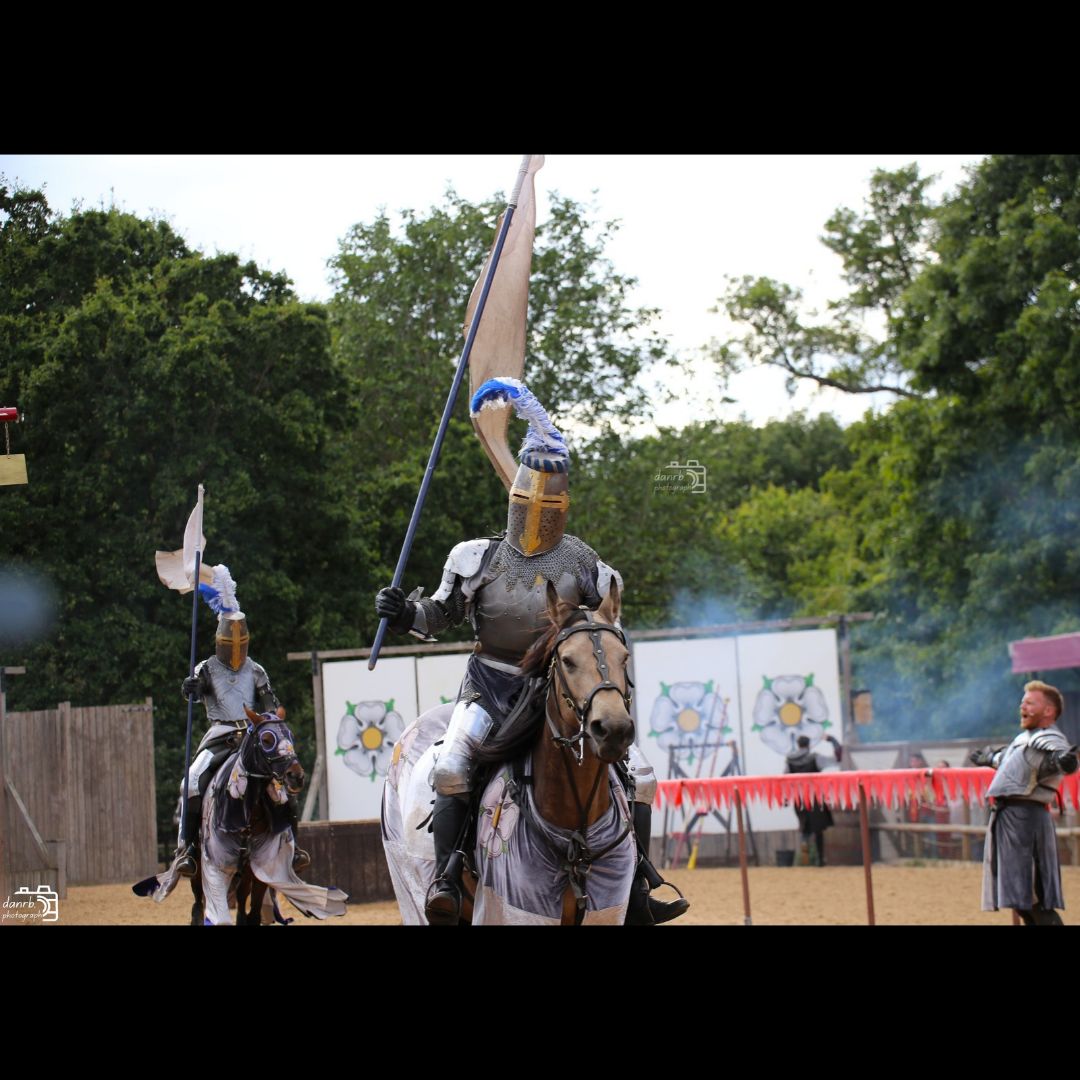
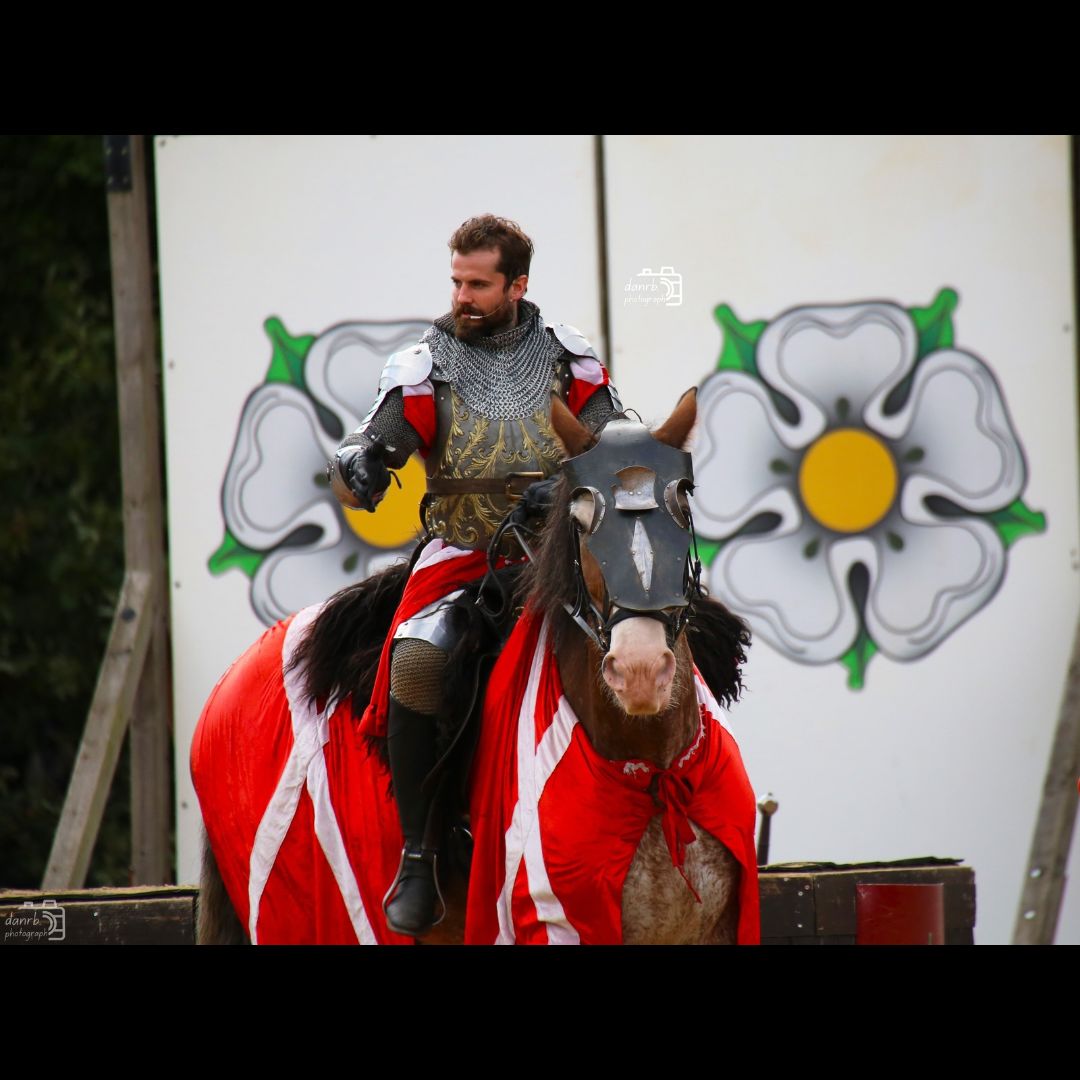
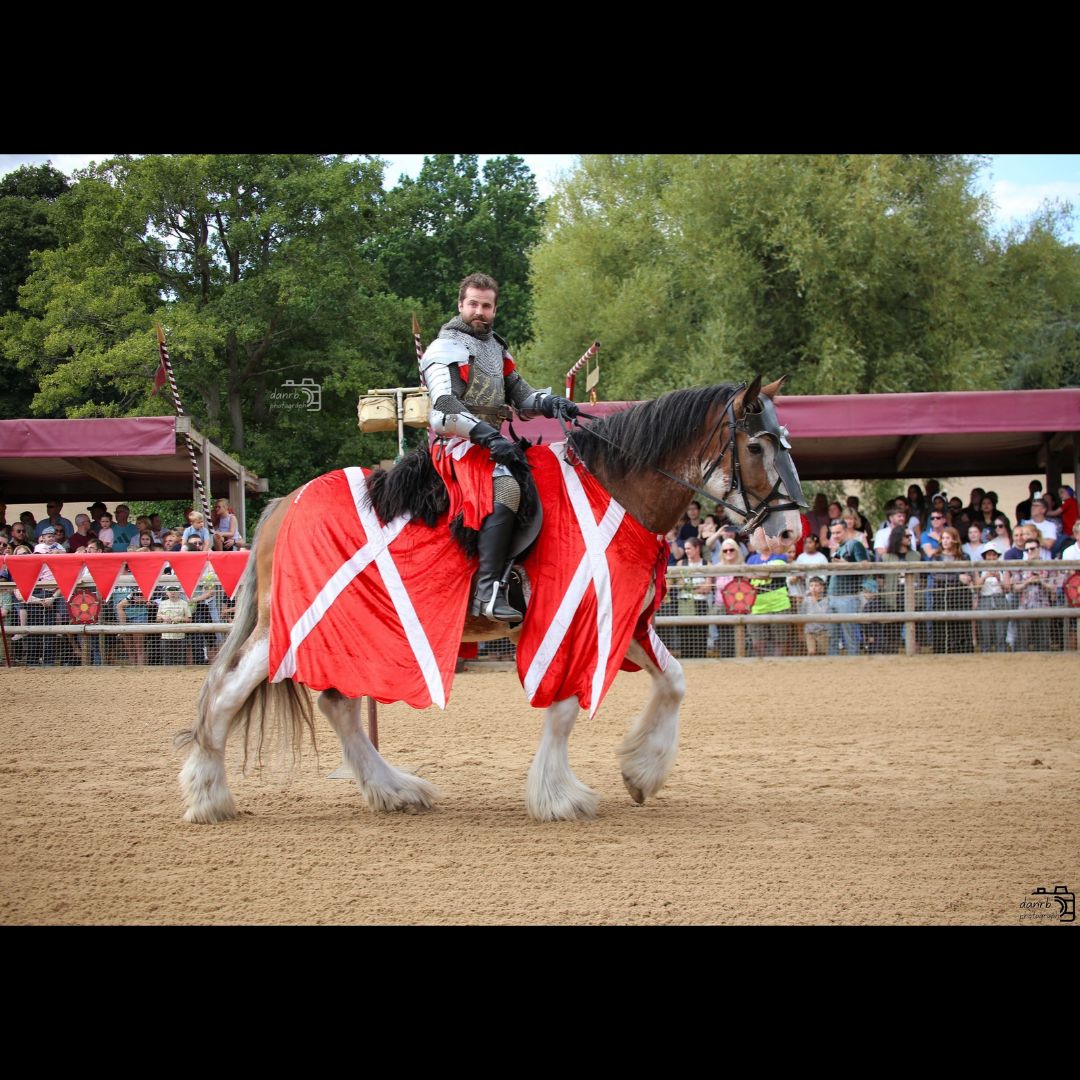
The House of York, Wars of the Roses Live with The Knights of Middle England at Warwick Castle!
#warsoftheroses #theknightsofmiddleengland #warwickcastle #history #jousting



#WarsoftheRoses
OTD in 1459 - writs were issued in #HenryVI’s name for a Parliament to meet in Coventry in late November. A Parliament where two women would feature prominently, one well-known would be the victor & the other now forgotten among the accused.
York & his allies were not invited. This assembly dominated by Queen Margaret of Anjou & the Lancastrians would become known as the Parliament of Devils.
In their absence the Yorkist lords were attainted for treason & their lands confiscated. Those condemned included Henry VI’s cousin, dynastic rival & Margaret’s greatest enemy, Richard, 3rd Duke of York. York’s brother-in-law Richard Neville, Earl of Salisbury, who had won the Battle of Blore Heath against Margaret’s allies Lords Audley & Dudley on 23 September 1459. Salisbury’s son Richard Neville, Earl of Warwick (the Kingmaker) who had started the First Battle of St Albans in May 1455 causing the death of Henry & Margaret’s favourite Edmund Beaufort, 2nd Duke of Somerset. And most strikingly of all, Salisbury’s wife, Alice Montacute.
Alice was the only woman to be attainted by the Parliament of Devils. She seems to have been considered a foe equal to her menfolk by the Lancastrians. Neither York’s wife, Cecily Neville or Warwick wife’s Anne Beauchamp were attainted, which begs the question as to why Alice was singled out?
Perhaps it was because Salisbury held
his earldom through her, but then again this was also the case with Warwick & his wife. Potentially Warwick’s wife may have been excluded from the attainder because of her childhood history as a close companion of Henry VI (her father had been the King’s guardian.) But equally it seems likely the Lancastrians viewed Alice herself as a genuine threat.
York, Salisbury & Warwick had gathered at Alice’s manor of Ware ahead of the first Battle of Saint Albans in May 1455. It was likely at Ware they planned their tactics - if indeed they planned at all. There are indications that Warwick’s surprise advance up through the gardens of Holywell Street, which started the battle & entire Wars of the Roses may have been his own initiative & not pre-agreed with York & Salisbury.
In a sign of political activism Alice had fled to Ireland with York & his son Edmund, Earl of Rutland after the rout at Ludford Bridge in 1459. Warwick would then bring her by sea to Calais after he travelled to Ireland to confer with the Duke of York. This hints at a potential role for Alice as a Yorkist go between & perhaps this was the cause of the Lancastrian hostility towards her.

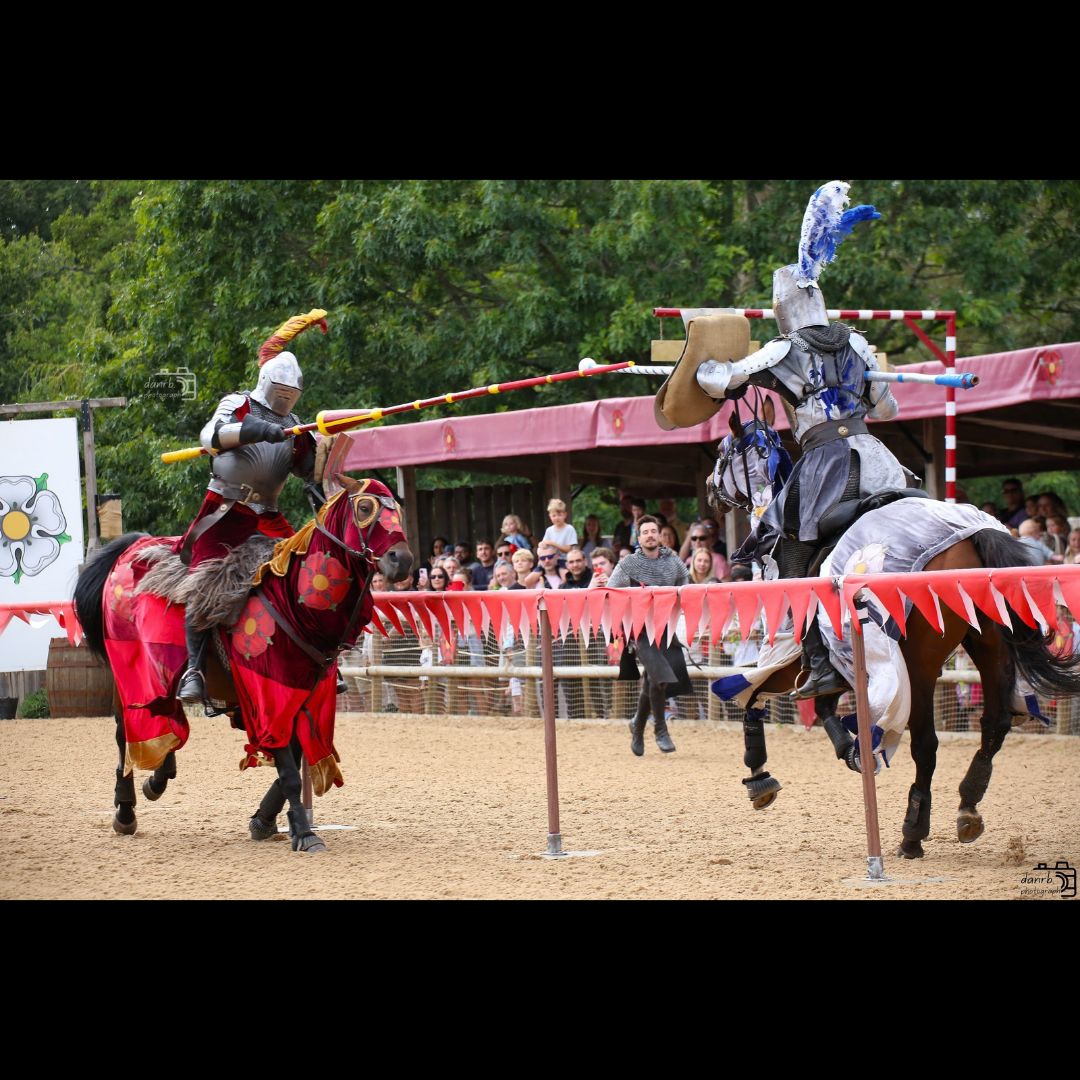
Wars of the Roses Live with The Knights of Middle England at Warwick Castle!
#warsoftheroses #theknightsofmiddleengland #warwickcastle #history #jousting



#WarsoftheRoses
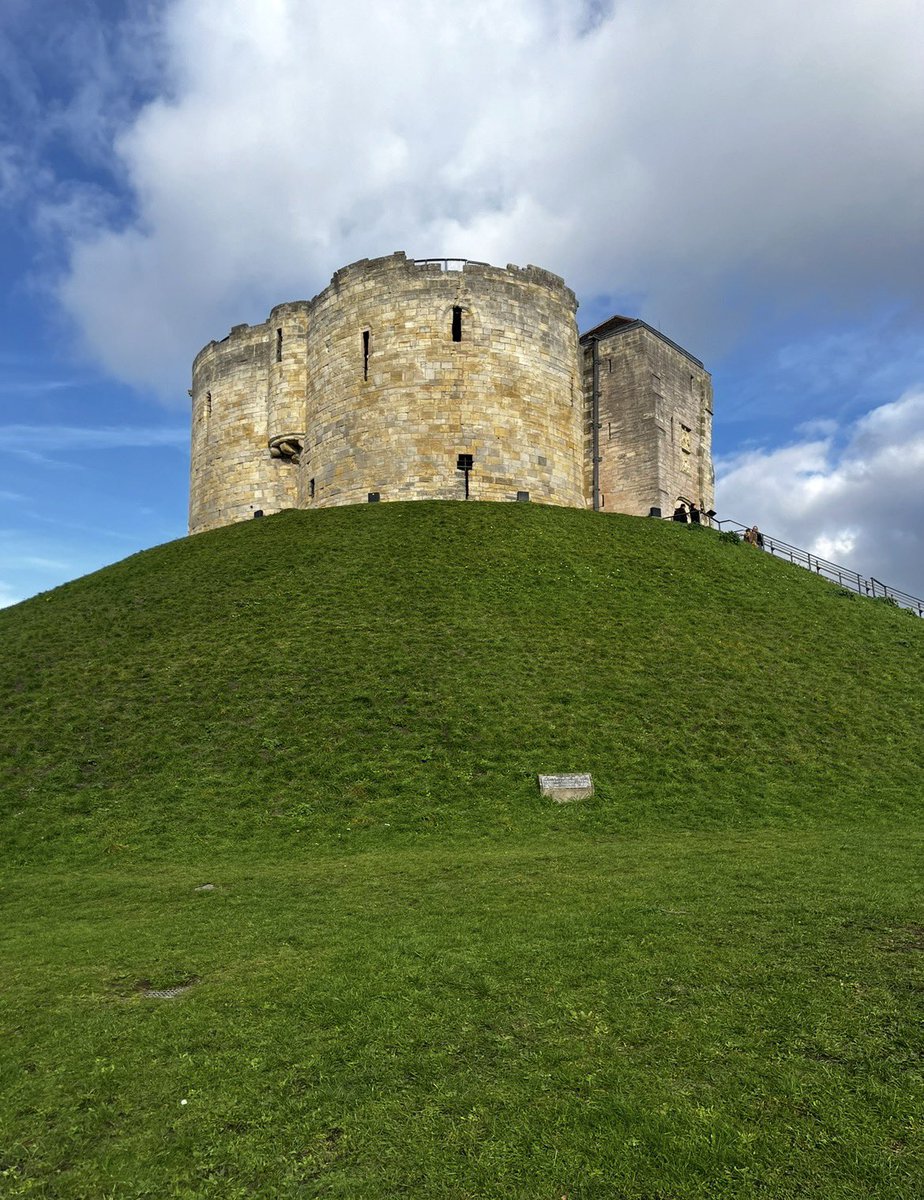
OTD in 1453 - The Royal Council commanded the Earls of Salisbury & Northumberland to cease their feuding in Yorkshire in the King’s name. An order both earls ignored, knowing there would be no consequence from disobeying, with #HenryVI incapacitated & his authority in tatters.
In May 1453 the Earl of Northumberland’s second son, Thomas Percy, Lord Egremont was recruiting heavily in Yorkshire & distributing his livery. He, his father Northumberland & elder brother Henry Percy, Lord Poynings, had previously been involved in a violent dispute with the Archbishop of York, which they had ultimately lost due to royal intervention.
In August 1453 Egremont started a new feud with the Nevilles. He was angered by the marriage between Salisbury’s second son Thomas Neville & Maud Stanhope, which would see Wressle Castle (a property the Percies believed should be theirs) pass to the Nevilles. He launched an attack on the wedding party at Heworth near York with over 700 men. No-one was killed, but the audacity of the ambush ensured that reprisals would follow.
The bridegroom’s younger brother John led the Neville retaliation. He raided Egremont’s house at Catton & caused severe damage to the furniture, windows & roof.
John & Thomas Neville were joined at Topcliffe where the Nevilles & Percies fought one another in October 1453 by their father, the Earl of Salisbury, & their older brother the Earl of Warwick (the Kingmaker.) Egremont was likewise reinforced by his father Northumberland & his brother Poynings.
In May 1454 Egremont & his men broke into Salisbury’s house in York & attacked his tenants. A further decisive armed confrontation followed in October 1454 near Stamford Bridge, resulting in victory for the Nevilles & the capture & imprisonment of Lord Egremont.
The escalating feud demonstrated the collapse in royal authority, with Henry VI unable to fulfill even the most basic function of a medieval King of England,
keeping the peace between his subjects.
It was also a factor in helping persuade the Nevilles Earls of Warwick & Salisbury to support the Duke of York against the King. York imprisoned Egremont in 1454 & the Yorkists would then kill his father the 2nd Earl of Northumberland at the first Battle of St Albans on 22 May 1455.
Egremont was killed fighting for the Lancastrians at the Battle of Northampton in July 1460. His elder brother by then 3rd Earl of Northumberland met the same fate at the Battle of Towton in March 1461.
Thomas Neville died alongside his father the Earl of Salisbury & the Duke of York at the Battle of Wakefield in December 1460.
John Neville became his brother Warwick’s key lieutenant during the reign of #EdwardIV. He played a lead role in subduing Lancastrian resistance in the north & was elevated to the peerage as Earl of Northumberland in place of the Percies. He was incensed by Edward’s decision to restore the earldom to the Percies in 1470 & dissatisfied with his consolation title of ‘Marquess of Montagu’ & newly granted estates in the south west which he referred to as ‘a magpie’s nest’.’ He died fighting at Warwick’s side against Edward at the Battle of Barnet in April 1471.
#WarsoftheRoses
Around this date in 1453 - #HenryVI was at Clarendon & suffered a mental collapse, leaving him unable to speak or otherwise communicate until Christmas 1454.
Henry’s breakdown is often said to have been triggered by the news of England’s catastrophic defeat at the Battle of Castillon (see linked post) & the death of the veteran military commander John Talbot, Earl of Shrewsbury.
Whatever the cause, Henry’s incapacity had immediate consequences for the balance of power in England. It blunted the power of his latest favourite & chief minster Edmund Beaufort, Duke of Somerset.
Somerset & Henry had been travelling west with an army to confront Richard Neville, Earl of Warwick (the Kingmaker) & William Herbert (later Earl of Pembroke) who had been engaged in a series of armed skirmishes with Somerset’s men in south Wales over land disputes relating to the Warwick inheritance. Henry’s collapse brought an abrupt halt to the westward journey, handing victory in Wales to Warwick. Somerset was now too preoccupied with his own declining position to care about his wife’s claims to lands in Wales.
After the birth of her son Edward of Westminster in October 1453, Queen Margaret of Anjou wanted to become regent & rule England in her husband’s place while he remained unwell. But this proposal proved unacceptable to the majority of England’s ruling class who supported the appointment of Henry’s cousin & Somerset’s enemy Richard, 3rd Duke of York as Lord Protector instead.

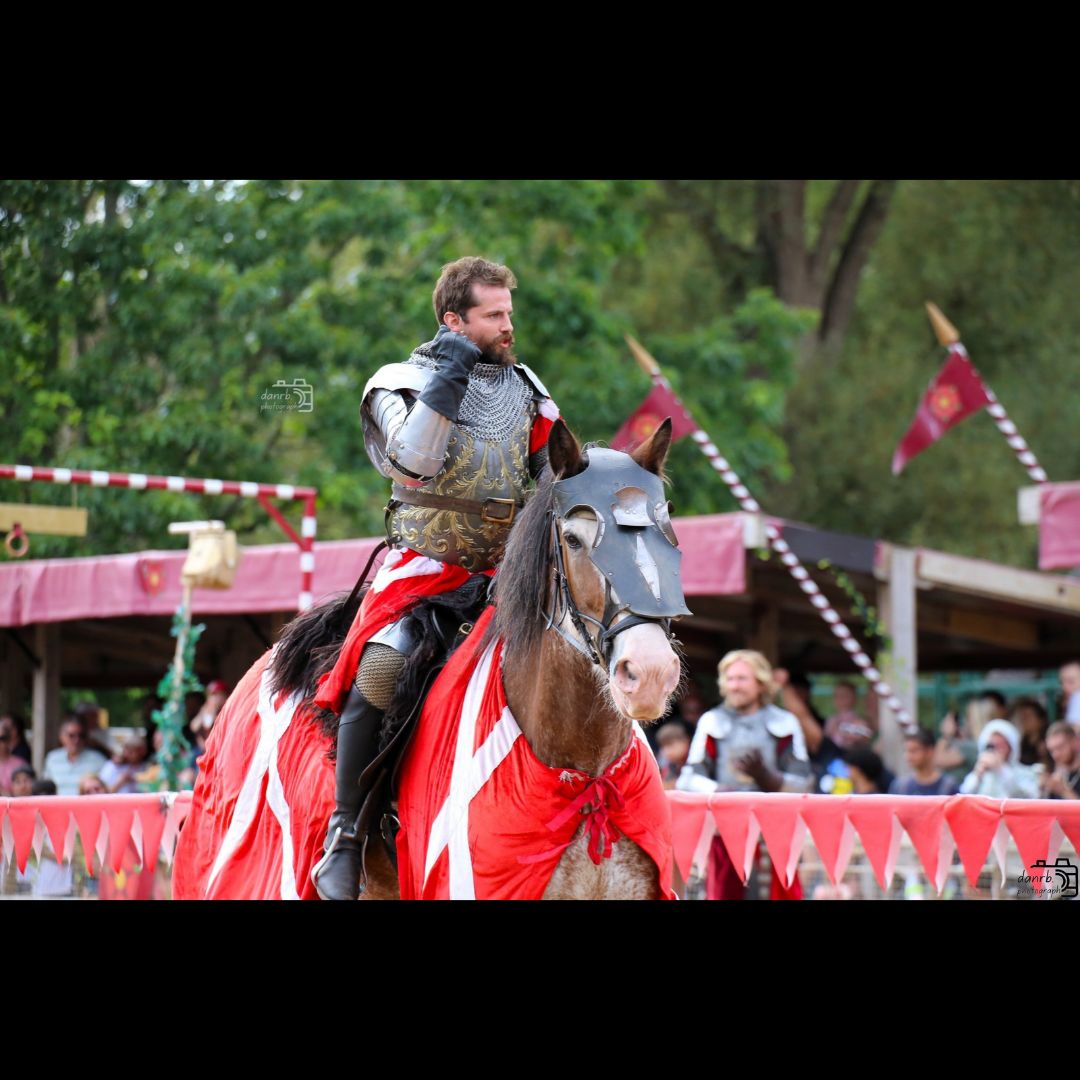
Wars of the Roses Live with The Knights of Middle England at Warwick Castle!
#warsoftheroses #theknightsofmiddleengland #warwickcastle #history #horses



#WarsoftheRoses
OTD in 1460 - Parliament formalised the victory of the Earls of Warwick (the Kingmaker) & March (later #EdwardIV) at the Battle of Northampton by reversing the attainders against the Yorkist lords passed at the Lancastrian Parliament of Devils in 1459. Since Northampton political power & possession of King #HenryVI had been in Warwick’s hands.
Margaret of Anjou was in the Midlands with her son Prince Edward, her own power & ability to shape events rapidly diminishing. For now she remained Queen consort so the Commons dare not accuse her directly, even if everyone knew the primary ‘seditious person’ Parliament had been assembled to condemn was the Queen herself.
But worse was to come for Margaret & her son. Within three days Henry VI’s dynastic rival & her greatest enemy Richard, 3rd Duke of York would launch his own bid for the throne.
#WarsoftheRoses
OTD in 1460 - Richard, 3rd Duke of York landed in England & made a slow triumphal progress towards the capital. This would culminate in him placing his hand on the throne & claiming the crown in October 1460. He was surprised not to receive more support for his suit, even from his closest allies. The resulting deadlock led to the October 1460 Act of Accord, which recognised York as the heir to #HenryVI (disinheriting Edward of Westminster) but crucially left the King himself in place.
York’s allies, his brother-in-law the Earl of Salisbury, his nephew the Earl of Warwick (the Kingmaker) & his son the Earl of March (later #EdwardIV) had invaded England from Calais in June 1460. Warwick & March had won a crushing victory at the Battle of Northampton on 10 July 1460, taking possession of Henry VI & killing prominent Lancastrians. Salisbury had laid siege to the Tower of London & forced its surrender.
York made a serious misjudgment in taking so long to return & allowing three months to elapse between the Yorkist victory at Northampton & his own arrival in London. His absence had allowed his allies to become comfortable ruling England through Henry VI, hence even York’s own son March reportedly did not see the need to force Henry’s deposition.
March would learn from his father’s mistakes. He acted far more decisively when he decided to claim the throne after York’s death. He & Warwick rendezvoused at Burford in February 1461 after the Yorkist nadir which was Warwick’s defeat at the second Battle of St Albans, & within days were marching on the capital & having March declared as King Edward IV on 4 March 1461.

Wars of the Roses Live with The Knights of Middle England at Warwick Castle!
#warsoftheroses #theknightsofmiddleengland #warwickcastle #history #horses

#WarsoftheRoses
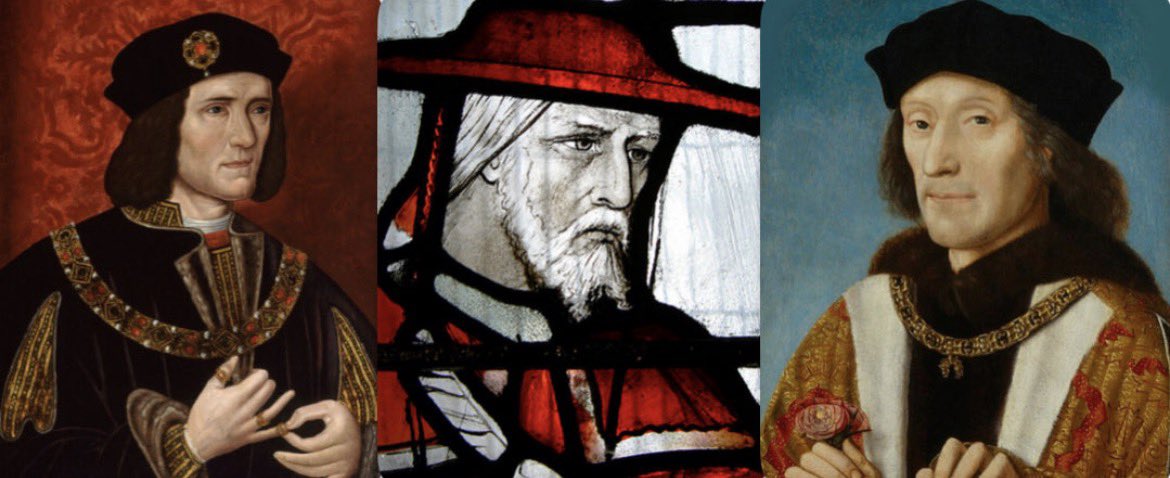
OTD in 1486 - John Morton was appointed Archbishop of Canterbury. An apt reward for having engineered the Lancastrian revival which culminated in the death of his arch-enemy #RichardIII at the Battle of Bosworth in 1485 & his replacement with Henry Tudor as #HenryVII.
Morton was a longstanding Lancastrian who was devoted to #HenryVI & his Queen Margaret of Anjou. He was one of the lawyers who drew up the attainders against the Yorkist lords at the 1459 Parliament of Devils, & was imprisoned after #EdwardIV’s victory at Towton in 1461. He escaped & joined Margaret of Anjou in France, becoming her Keeper of the Privy Seal.
He was pardoned by Edward IV after Margaret of Anjou’s final defeat at the Battle of Tewkesbury in 1471. With the Lancastrian cause seemingly lost forever he re-entered royal service. He was instrumental in negotiating the 1475 Treaty of Picquigny with Louis XI following Edward’s brief invasion of France & was rewarded with a French pension of over 600 crowns per annum. He became Bishop of Ely in 1479.
With Edward IV’s sudden death in April 1483 the wheel of fortune turned again. Did Morton see an opportunity for a Lancastrian revival in the power struggle between Edward’s widow, Elizabeth Woodville & Edward’s brother Richard, Duke of Gloucester (later Richard III)? He soon would.
Morton was one of the three men arrested for plotting against Richard’s life, while Richard was Lord Protector, at the dramatic council meeting at the Tower of London on 13 June 1483. The other two were William, Lord Hastings & Archbishop Rotherham. Morton’s subsequent involvement in every plot against Richard strengthens the likelihood that there was a genuine threat to his safety on 13 June, & that he hadn’t concocted the entire thing as the traditional narrative (written in large part by Morton’s protege Thomas More) would have us believe.
Hastings was executed on 13 June 1483. Rotherham & Morton were imprisoned- their clerical status protecting them from the axe. Rotherham like his close ally Elizabeth Woodville would reconcile with Richard, but Morton would not.
He was transferred to the custody of Richard’s ally the Duke of Buckingham & sent to Brecon Castle in Wales. This proved to be a mistake. He turned his captor & was the principal architect behind Buckingham’s Rebellion against Richard in autumn 1483. The rebellion was quashed. Buckingham was captured & executed, but Morton escaped to Flanders where he continued to ferment opposition. He sent Christopher Urswick to Brittany to warn Henry Tudor of Richard’s plan to return him to England, enabling Henry to escape over the border to France.
Morton was attainted in Richard’s 1484 Parliament. He received an unsolicited pardon in December 1484, but refused to return to England. Instead, by 31 January 1485 he was in Rome seeking a Papal dispensation for Henry Tudor’s proposed marriage to Elizabeth of York.
Morton returned to England after Henry’s victory at Bosworth. He was the King’s most trusted advisor & present at every recorded Council meeting. He was made Lord Chancellor in March 1486 & became a Cardinal in September 1493 after sustained lobbying from Henry.
Morton was also the mentor of the humanist Sir Thomas More. There is even a theory that Morton may have been the secret author of More’s History of Richard III. I’m not convinced that he was, but it is undeniable that Morton’s views shaped More’s, & no coincidence that when More was looking for a monarch to use as an exemplar in his case against tyranny he selected his mentor’s old adversary.
On his death in 1500 Morton left funding for 20 poor scholars at Oxford & 10 poor scholars at Cambridge for 20 years. He made multiple bequests to King Henry & his family, further demonstrating his closeness to them. He was also responsible for building the Old Palace at Hatfield (#ElizabethI’s childhood home) & the gatehouse known as Morton Tower at Lambeth Palace.
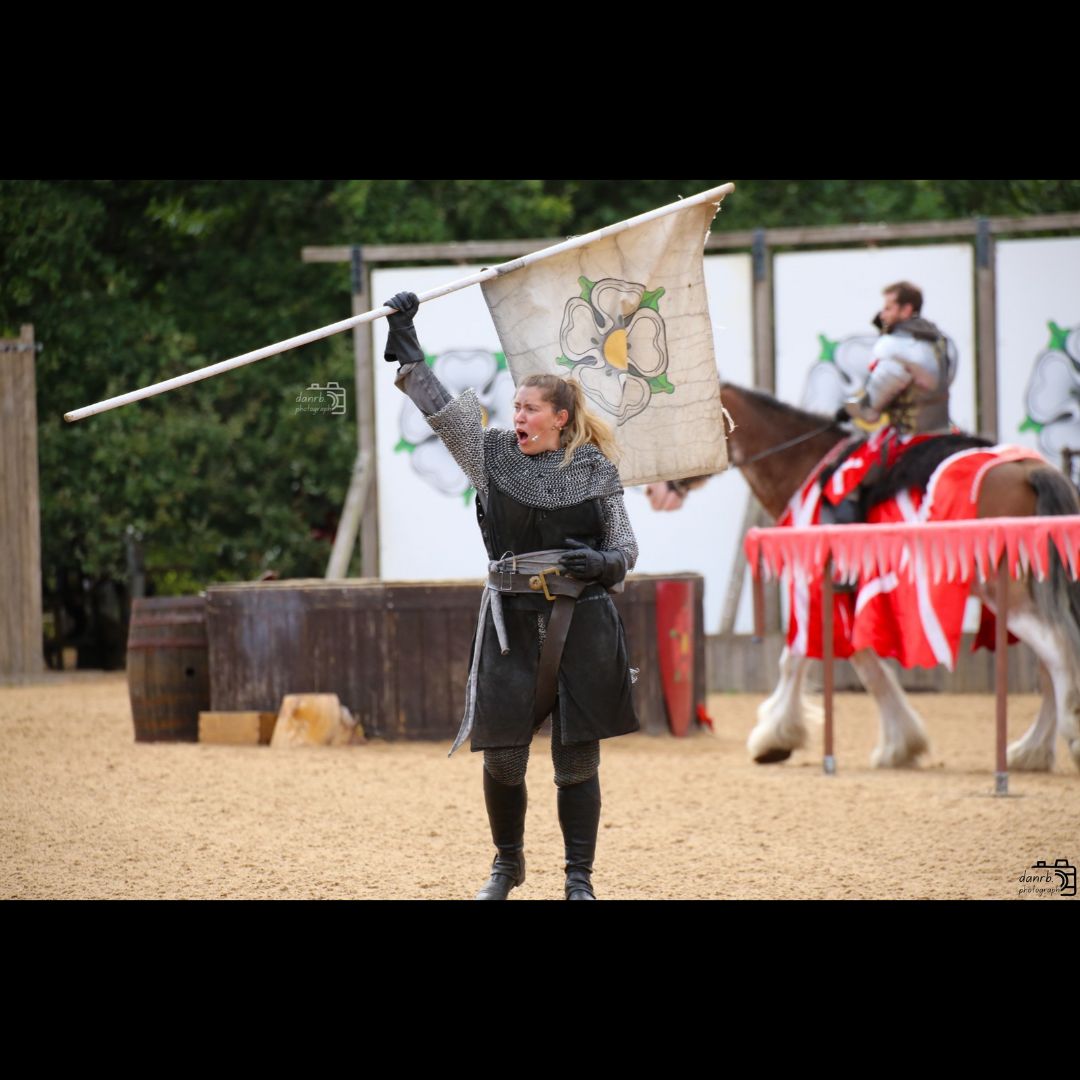
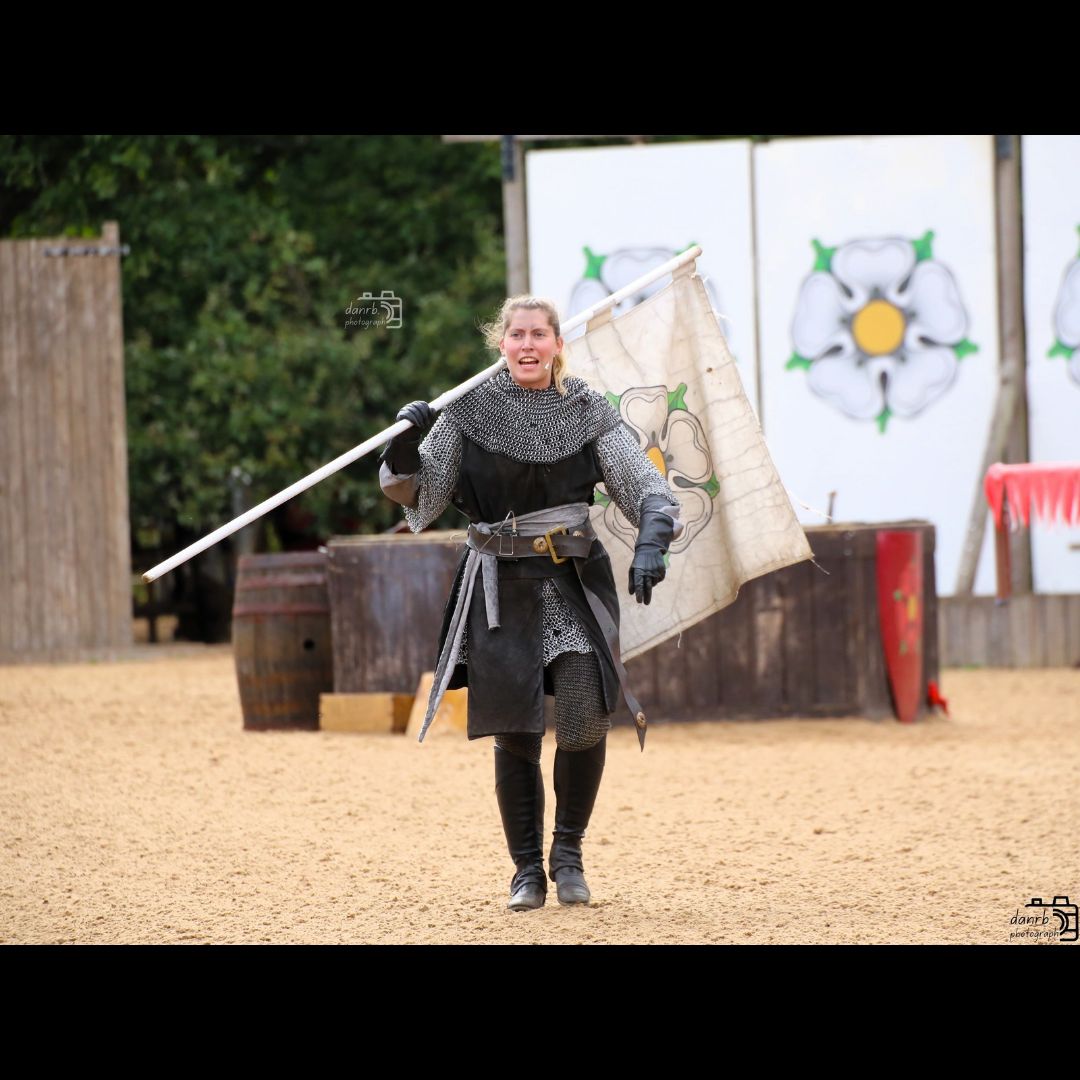
Wars of the Roses Live with The Knights of Middle England at Warwick Castle!
#warsoftheroses #theknightsofmiddleengland #warwickcastle #history #horses
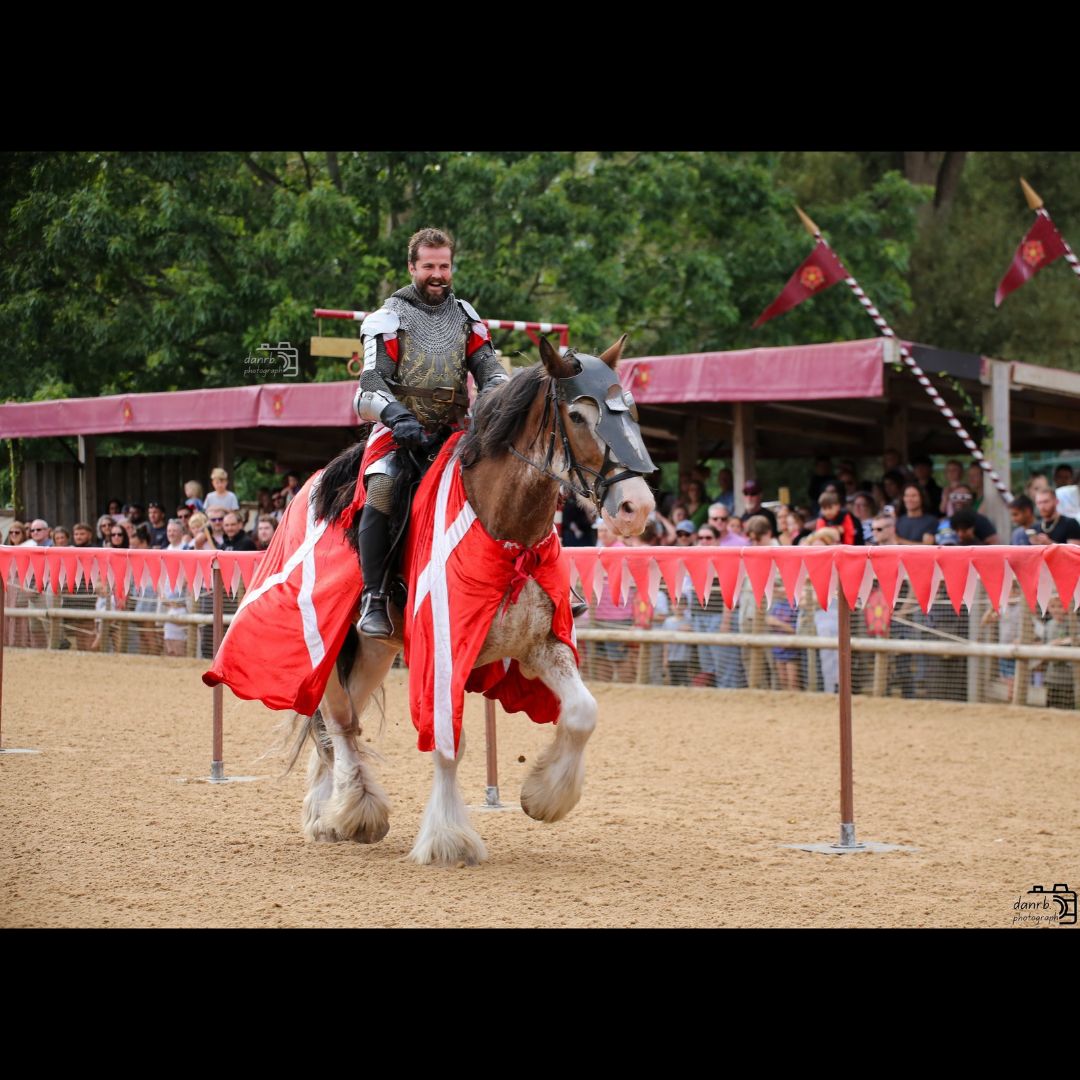
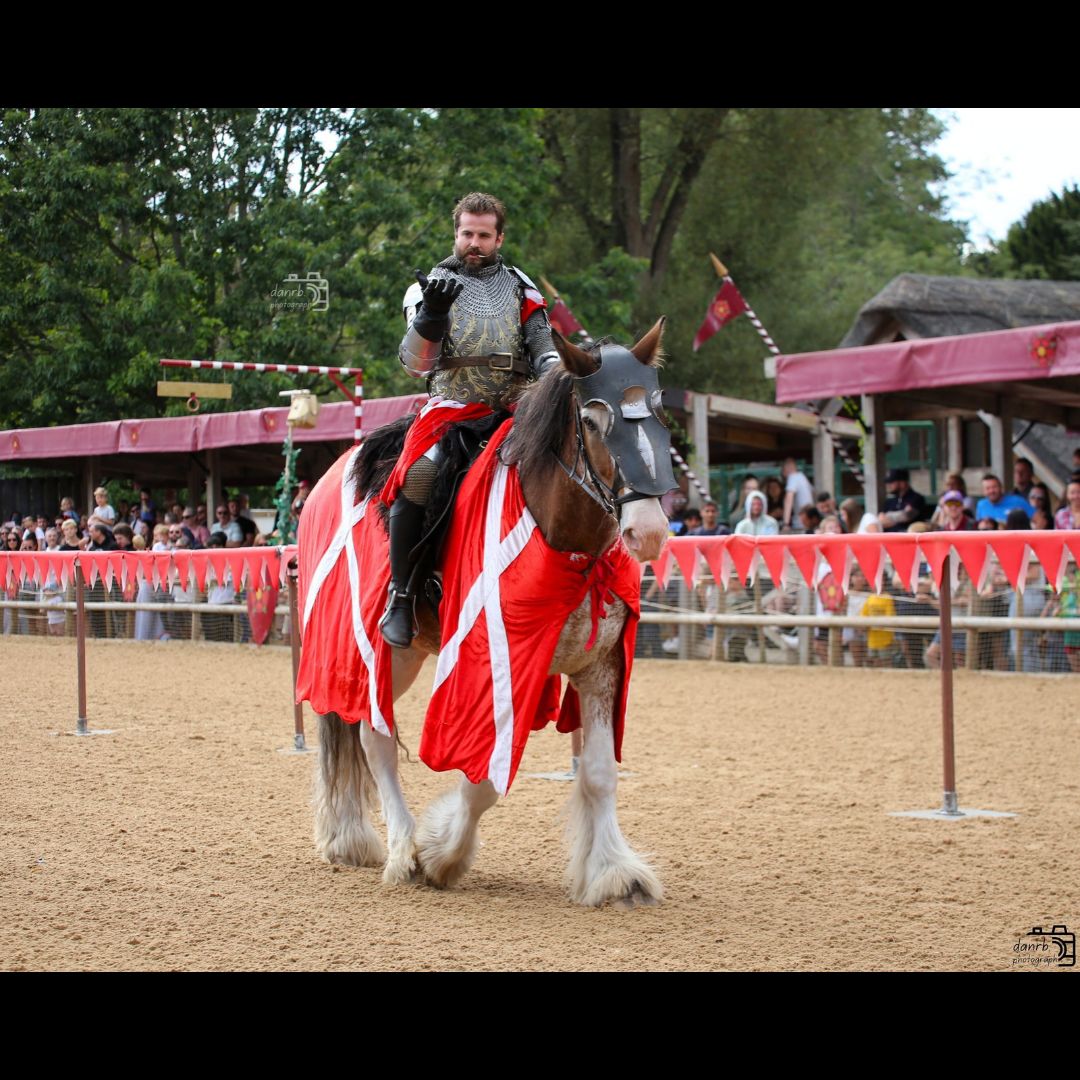
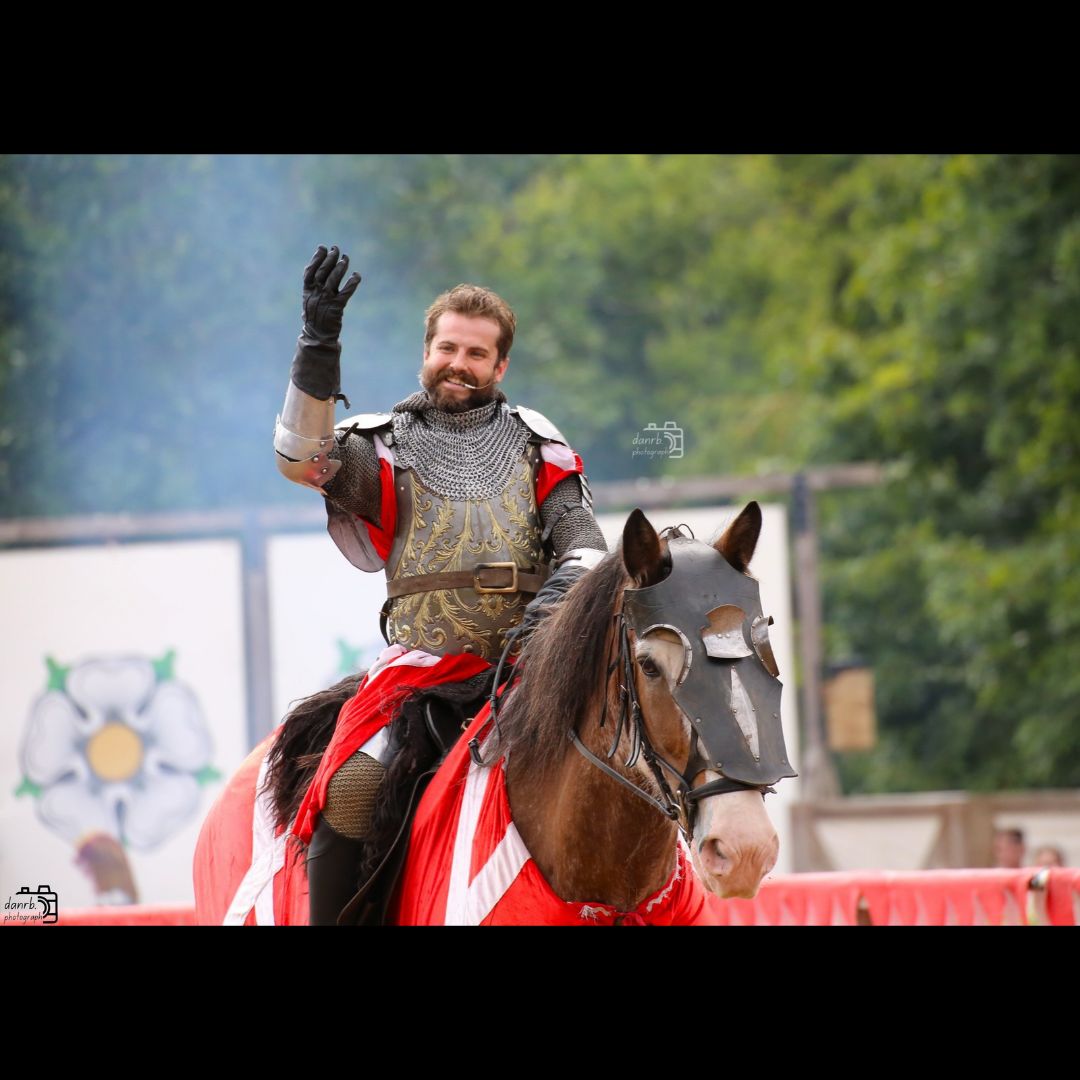
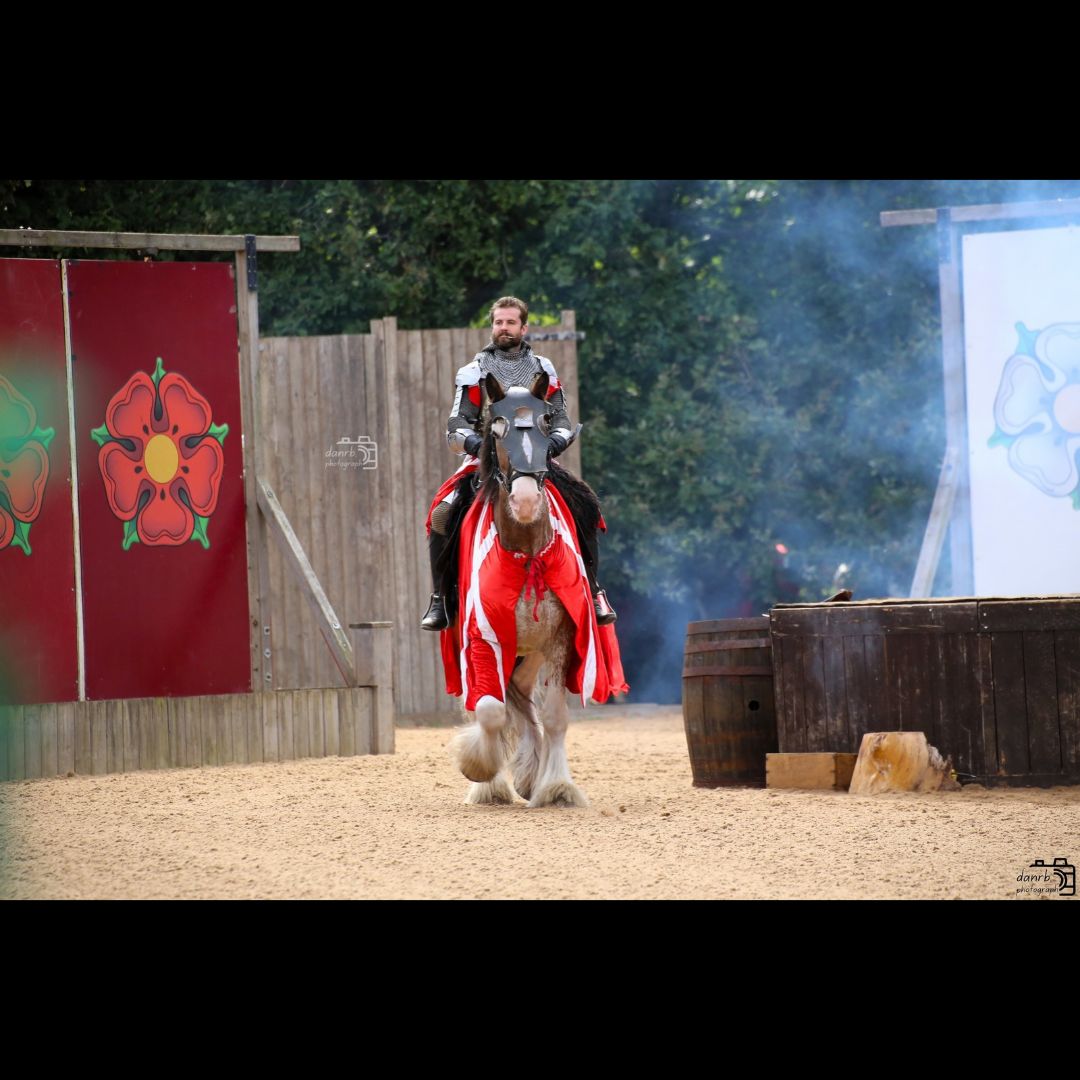
Wars of the Roses Live with The Knights of Middle England at Warwick Castle!
#warsoftheroses #theknightsofmiddleengland #warwickcastle #history #horses



"It is not often that a book renders me speechless, but A Song of Sixpence: The Story of Elizabeth of York and Perkin Warbeck by Judith Arnopp, has done just that." - #TheCoffeePotBookClub
#HistoricalFiction #WarsoftheRoses #Tudors
https://t.co/AIXNuJlQ2n


https://t.co/jWuw0HP7iz
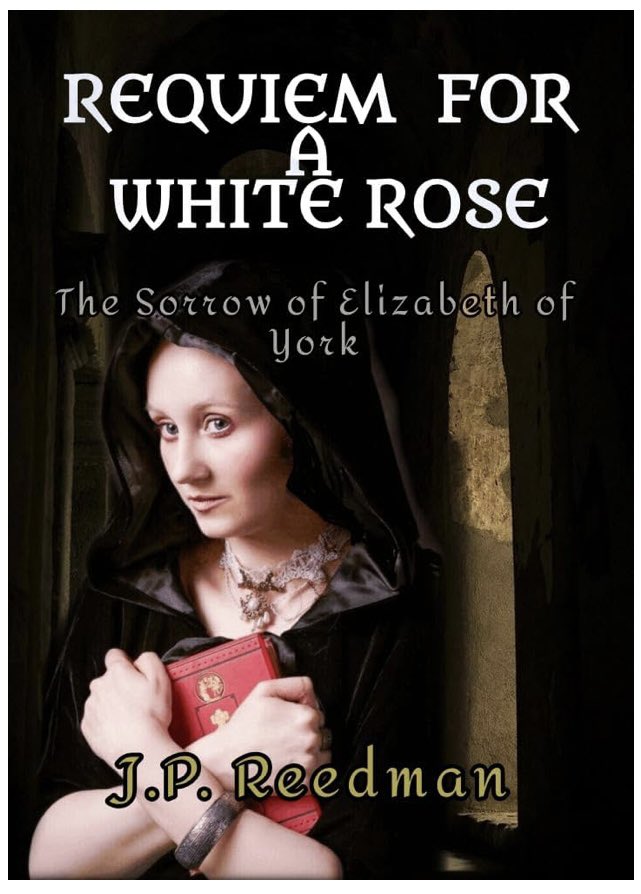
NEW SHORT STORY RELEASE. Historical fiction
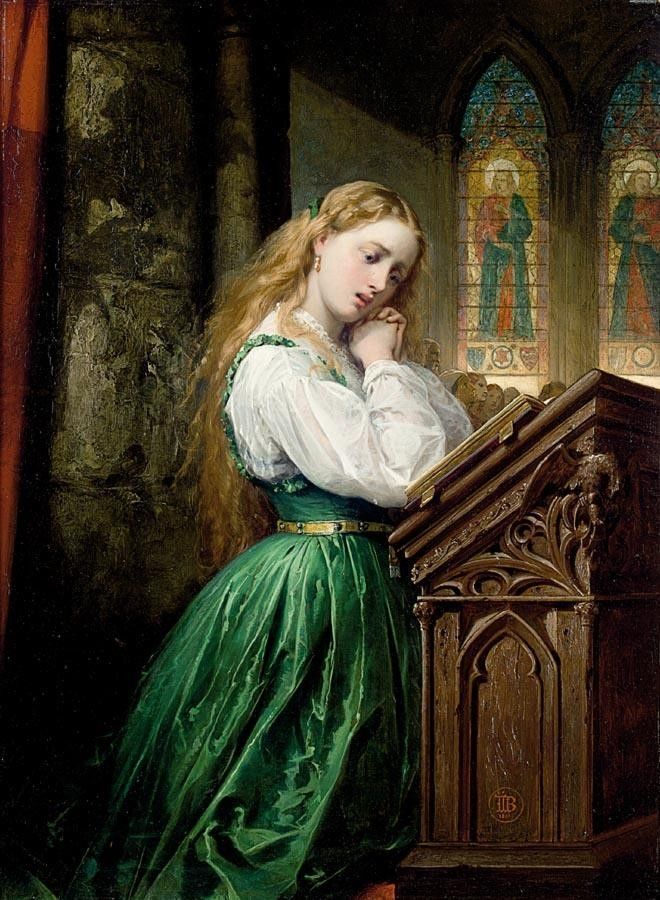
Requiem for a White Rose. Elizabeth of York, 16 year old daughter of Edward IV & Elizabeth Woodville, defies royal protocol to attend her sister Mary's burial.
#warsoftheroses #Tudor #kindleunlimited
#WarsoftheRoses
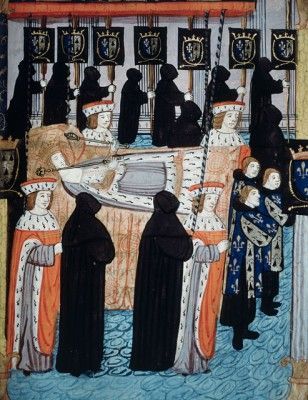
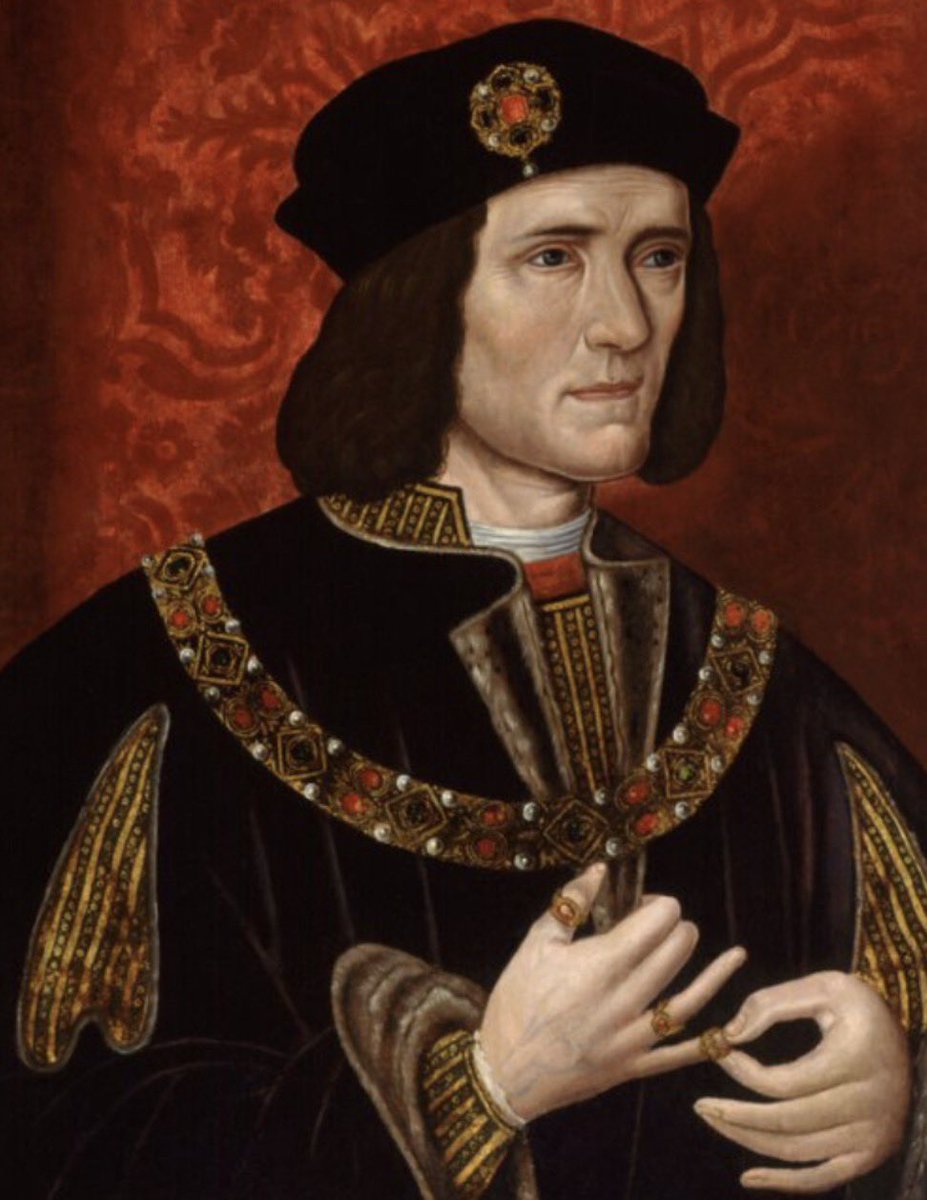
OTD in 1452 - Birth of #RichardIII. The youngest son of #HenryVI’s dynastic rival the Duke of York, Richard was never expected to become King. His achievements are all the more remarkable as a disabled man in an intolerant age.
Vilified by Shakespeare, Richard’s disability became a critical part of his ‘black legend’ after his death as much as the crimes his enemies alleged he committed.
Richard was the eleventh child of Richard, 3rd Duke of York & Cecily Neville. We only know his birth date because he recorded it for us himself in his prayer book.
Writing after Richard’s death John Rous claimed he had been born with teeth & shoulder length hair after a two year gestation in his mother’s womb! (The latter a biological impossibility & further disproved by the short gap between the birth of elder sibling Thomas who died in infancy & Richard’s own birth.) Rous also referenced Richard’s physical deformity as an adult, his twisted spine & uneven shoulders; details which we know to be true following the discovery of Richard’s remains at Leicester.
Examination of Richard’s skeleton confirmed he had scoliosis, a deformity of the spine which caused him to have uneven shoulders & experience physical pain. It is impressive that he managed to lead a highly active life (including demonstrating proficiency in physical combat) in an era when no treatment was available.
Richard was born into a turbulent world. He never knew anything other than the Wars of the Roses. Earlier in 1452 his father had assembled armed men to challenge King Henry VI at Dartford & been forced into a humiliating surrender. Before Richard’s third birthday his father, uncle the Earl of Salisbury & cousin the Earl of Warwick (the Kingmaker) won the first Battle of St Albans in May 1455. He was left behind with his mother & brother George when the Yorkist lords fled after the rout of Ludford Bridge in 1459. He was sent away with George to safety overseas after their father’s death at Wakefield in December 1460 & only returned to England in 1461 once his brother #EdwardIV seized the throne & secured his position as the first Yorkist King.
Aged only 18 Richard was his brother’s primary lieutenant in his successful campaign to regain the crown of England in March-May 1471 after the Lancastrian restoration of 1470-71. He commanded the vanguards in the Yorkist victories at Barnet & Tewkesbury. At Barnet heavy fog was the main determinant of the outcome, whereas at Tewkesbury Richard’s response to an attempted counter-attack by the Duke of Somerset proved crucial.
Richard married the heiress Anne Neville (daughter of the Earl of Warwick) & through a talent for estate management built on her inheritance & his own holdings to amass the most extensive property portfolio of any contemporary magnate. He endowed more chantry chapels & colleges than any contemporary noble.
He wanted to restart the Hundred Years War to regain England’s lost possessions in France & unlike other English nobles refused to accept a French pension as part of the 1475 Treaty of Picquigny. He led the English invasion of Scotland in 1482 which captured Berwick & established the border line which has remained unchanged to this day.
Richard was invited to become King by the three estates on 25 June 1483 after the revelation that his brother already had a wife at the time of his marriage to Elizabeth Woodville, rendering their children illegitimate. There was broad support for his accession including from later enemies,Thomas Stanley, Margaret Beaufort & the Duke of Buckingham, who all played prominent roles at his coronation. His Parliament of 1484 passed 33 reforming acts which delivered a fairer justice system by outlawing the practice of packed juries, introducing bail for the accused & preventing their goods being seized before a conviction, Corrupt officials were dismissed & clerks were ordered to pursue payment of unpaid dues to prevent the need for additional taxation.
#WarsoftheRoses
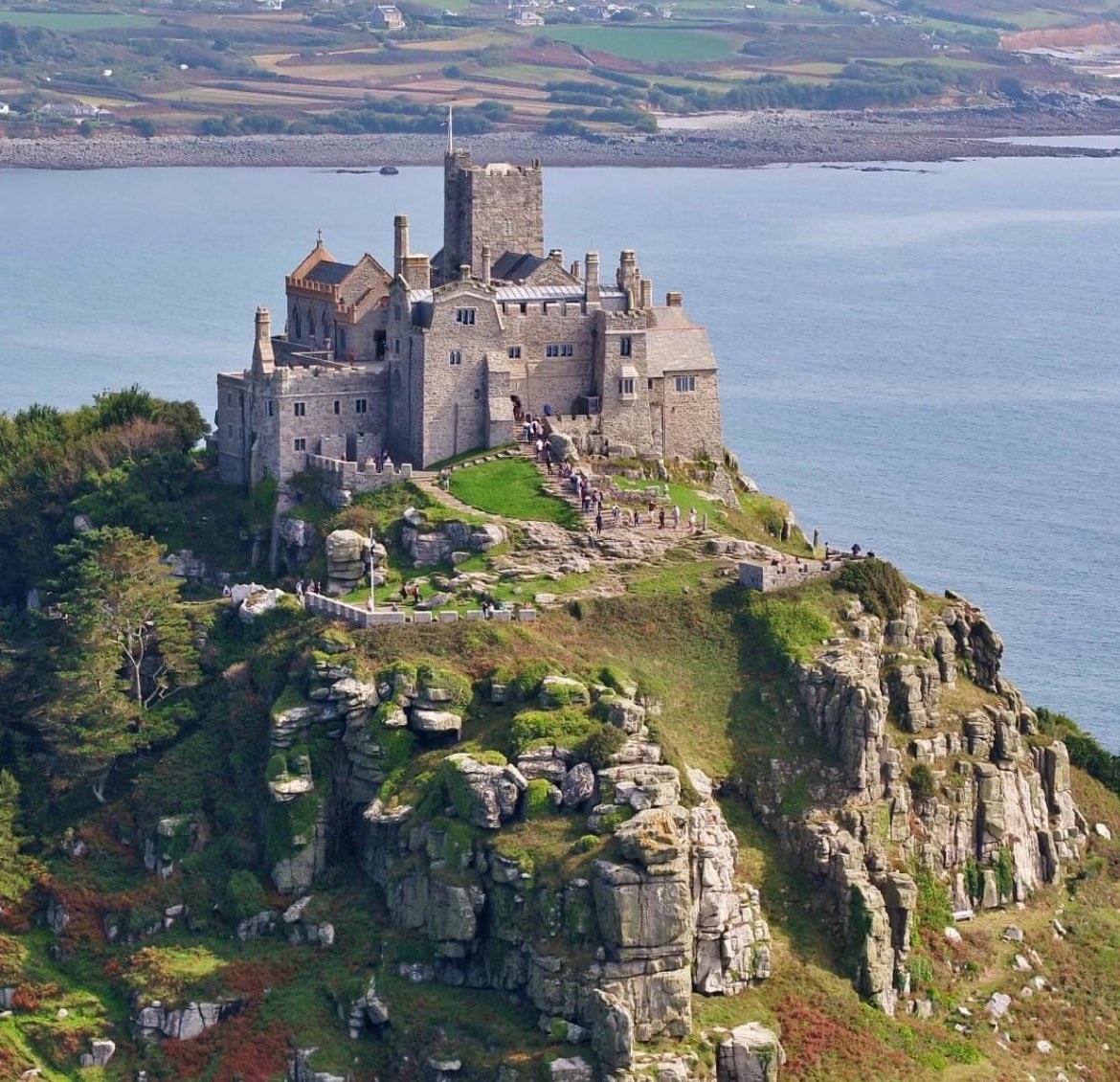
OTD in 1473 - The Lancastrians were occupying St Michael’s Mount. This followed the celebrated Lancastrian commander, the Earl of Oxford, launching a surprise assault on St Michael’s Mount & taking the castle on the previous day. He was accompanied by Lord Beaumont & 400 men.
Oxford was funded by Louis XI of France. #EdwardIV needed Oxford removed to preserve the comprehensive victory the Yorkists had won at the Battle of Tewkesbury on 4 May 1471.
Oxford & Beaumont had fled to Scotland following the Lancastrian defeat at the Battle of Barnet on 14 April 1471. They then travelled to France & secured the support of Louis XI. After a period of piracy in the South West they identified St Michael’s Mount as the perfect target to give them a foothold & safe haven on English soil.
Edward IV initially attempted to blockade the island & starve the Lancastrians out. When this failed he resorted to overwhelming force, dispatching John Fortesque with 6,000 men in December 1473, along with the royal fleet & John Wode from the Royal Armouries who had heavy artillery under his command.
This show of force combined with the offer of pardons for any defenders who voluntarily left the castle broke the Lancastrian resistance. In February 1474 Oxford & Beaumont surrendered & were imprisoned.
But this wouldn’t be the last the Yorkists saw of Oxford. He was imprisoned near Calais. #RichardIII intended to move him to more secure confinement in the Tower of London, but Oxford escaped before he could be returned to England & was the most experienced commander in Henry Tudor’s army at the Battle of Bosworth on 22 August 1485.

The castle is open! Myth, legend and over a thousand years of history await… See 🔗 to plan your visit and book tickets. https://t.co/oUZPZPtHmb
https://t.co/jWuw0HP7iz
NEW SHORT STORY RELEASE. Historical fiction
Requiem for a White Rose. Elizabeth of York, 16 year old daughter of Edward IV & Elizabeth Woodville, defies royal protocol to attend her sister Mary's burial.
#warsoftheroses #Tudor #kindleunlimited

Last Seen Hashtags on Sotwe
lasirena69
Seen from Netherlands
大摆锤
Seen from United States
Teenageee()**********filter:videos
Seen from Indonesia
Öpüşme
Seen from Turkey
masturbation()
Seen from United States
editan
Seen from Indonesia
chudai
Seen from Vietnam
minichat
Seen from United States
snapchat () + filter:native_video
Seen from Korea
แตกใส่รูป
Seen from Thailand
Most Popular Users

Elon Musk 
@elonmusk
241.5M followers

Barack Obama
@barackobama
118.9M followers

Cristiano Ronaldo
@cristiano
114.6M followers

Donald J. Trump
@realdonaldtrump
111.8M followers

Narendra Modi
@narendramodi
107.1M followers

Rihanna
@rihanna
98.7M followers

NASA
@nasa
92.3M followers

Justin Bieber
@justinbieber
91.8M followers

KATY PERRY
@katyperry
90M followers

Taylor Swift
@taylorswift13
84M followers

Lady Gaga
@ladygaga
75.5M followers

Virat Kohli
@imvkohli
73.5M followers

Kim Kardashian
@kimkardashian
70.9M followers

YouTube
@youtube
68.8M followers

Neymar Jr
@neymarjr
66.5M followers

Bill Gates
@billgates
65.2M followers

Selena Gomez
@selenagomez
63.1M followers

The Ellen Show
@theellenshow
62.2M followers

CNN
@cnn
61.8M followers

X
@x
60.7M followers