

Top Tweets for #iFPI

นักร้องตัวจริงยิ้มออก “ออสเตรเลีย” แบนเพลง AI หวั่นกระทบอาชีพศิลปิน
อ่านข่าว https://t.co/uSZ26t62VD
#ออสเตรเลีย #ARIA #สำนักข่าวexpose #IFPI #แบนเพลงAI


O prazo de inscrição do concurso do IFPI já começou e termina em 13 de setembro.
O edital do instituto foi publicado com vagas para TA.
🆕 Leia mais: https://t.co/x9sDN9dBKq
#ConcursoIFPI #IFPI #Concursos #ConcursosPI #Piauí #PI #ConcursosPúblicos #LsConcursos
O edital do IFPI foi publicado com 52 vagas para a carreira de TAE.
O prazo de inscrição do concurso começa em 24 de agosto.
🆕 Leia mais: https://t.co/x9sDN9dBKq
#ConcursoIFPI #IFPI #Concursos #ConcursosPI #Piauí #PI #ConcursosPúblicos #LsConcursos

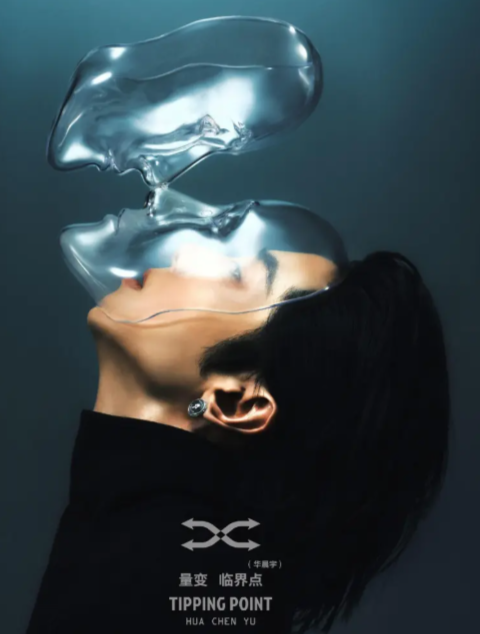
🏆 A new chapter for Chinese pop!
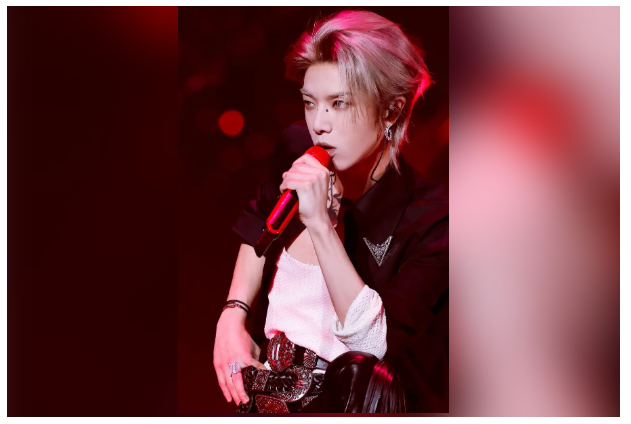
At IFPI 2025, #huachenyu's all-original album "Critical Point" hits #1 China chart + #8 Global Year-End.
First Chinese mainland artist ever in Global Top 10 — and the only Mandarin album there. Breaking barriers, making history! ✨
#IFPI #music
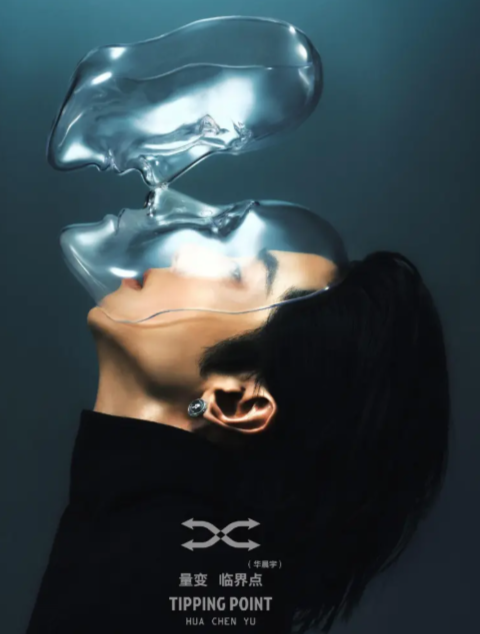
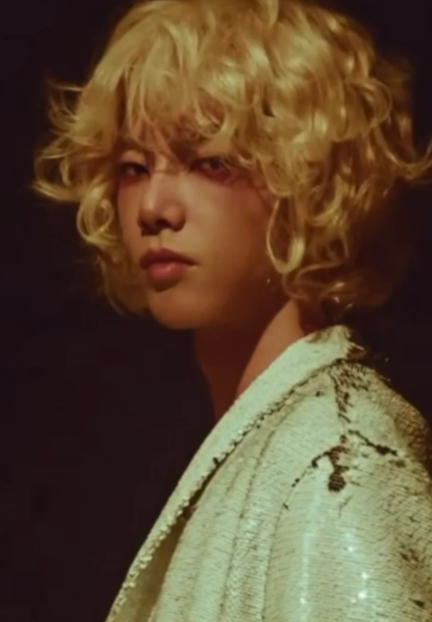
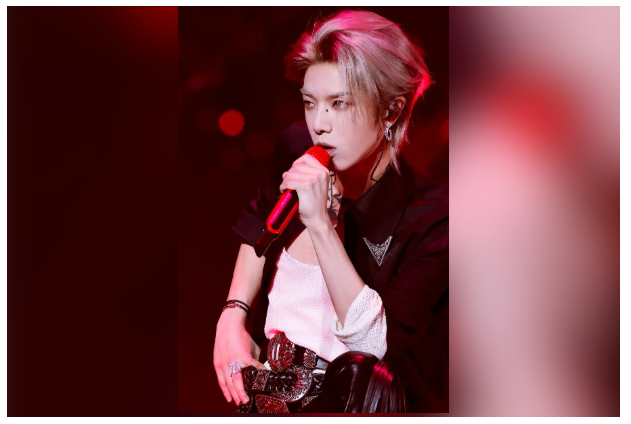
【🏆 華語樂壇寫下新歷史!】
IFPI 2025榜單揭曉🔥華晨宇《量變臨界點》全原創專輯,勇奪中國榜榜首+全球實銷年榜第8名!
不僅是雙榜佳績,更創紀錄:首位闖入全球前十的中國內地歌手,也是前十唯一華語專輯!打破海外長期壟斷,讓世界聽見華語原創的力量✨
#华晨宇 #華晨宇 #huachenyu #IFPI #music

# Popcorn #Spotify #IFPI #NVPI #Afraid
An essay on a hundred years of "that isn't real music"
I. The warning nobody heard
In 1969, a German-born American composer named Gershon Kingsley sat down at a Moog and recorded a two-minute instrumental for an album with the almost comically modest title *Music to Moog By*. The track was called "Popcorn." It did nothing at first. Three years later, a studio group called Hot Butter cut their own version, Stan Free's fingers bouncing over that ping-pong lead line, and it went around the world — top ten in a dozen countries, one of the first electronic instrumentals ever to become a genuine global pop hit.
People heard a novelty. A gimmick. Kitsch for a supermarket. Something you'd hear behind a commercial for margarine.
What it actually was, was an announcement.
It said: from here on, a sound does not require a body. It does not require a reed, a string, a column of air, a room, a player with calluses. A machine can produce a tone that has never existed in nature, and a listener will hum it in the shower the next morning and not care in the slightest where it came from.
Kingsley lived to 97. He died in 2019 — long enough to see every single implication of his little popcorn kernel play out. He watched the industry that once filed him under "novelty" spend the next fifty years quietly building its entire economy on the premise he had demonstrated in two minutes.
Nobody pulled an #emergency brake in 1972.
II. Change upon change, and everybody came along
The pattern repeats so reliably that it stops being a coincidence and starts being a law.
1968 Wendy Carlos releases *Switched-On Bach*. Purists are apoplectic: Bach played on a *machine*. It wins three Grammys and becomes one of the best-selling classical records ever made. The purists buy it.
1979 The Fairlight CMI arrives, and with it, sampling. For the first time you can capture a real sound — a real orchestra hit, a real breath, a real drummer — and play it back on a keyboard. Kate Bush, Peter Gabriel, Trevor Horn build cathedrals with it. Session musicians begin to notice that the phone rings less often.
**1983.** MIDI. Machines agree on a common language. One person in one room can now conduct an ensemble that does not exist.
1989–1997 Pro Tools. Cubase. FruityLoops, which became FL Studio, which cost less than a decent microphone and put a full production suite in a teenager's bedroom. The studio — that cathedral of gatekeeping, that place you could only enter with a record company's money and a record company's permission — evaporated.
1997 Auto-Tune, invented by a man who had been using the same math to find oil underground. A year later "Believe" is number one in twenty-three countries and the effect is so obviously artificial that it becomes a *style*. Within a decade there is essentially no commercial vocal on radio that has not been corrected, nudged, tuned, timed.
2000s onward The sample libraries mature. Vienna. East West. Spitfire. Real orchestras, recorded in real halls — Abbey Road, Air Lyndham — sliced into tens of thousands of articulations. Every string swell in every streaming series you watched last year, every soaring cue in every trailer, every "orchestral" pop ballad: overwhelmingly not an orchestra. A laptop. A single person, at 2 a.m., with a mouse.
Here is the part that matters, and the part the user of this history is right to insist on:
Nobody put it on the sleeve.
There was never a sticker that said *contains no violins*. There was never a press release announcing that the strings on your favourite record were played by a man in Croydon dragging notes into a piano roll. The credits said "Strings arranged by —" and left it there. The industry did not merely permit the substitution; it *concealed* it, sold it at full price, and pocketed the difference between a session orchestra's fee and a €400 software license.
Musicians who lost that work were told, correctly and coldly, that this is what technology does. Adapt. Learn the software. Diversify. Get on with it.
III. Suno
And then, in 2023, a text box appeared.
You type a sentence. Ninety seconds later there is a song: verse, chorus, bridge, a voice with breath in it, a mix that sits comfortably next to whatever else is on the playlist. Not a good song, necessarily. Often a deeply mediocre one. But a *song*, complete, in less time than it takes to tune a guitar.
The reaction was not adaptation. The reaction was the emergency brake.
Within a year the three majors — Universal, Sony, Warner — were in court against Suno and Udio, alleging copyright infringement on a historic scale. Streaming platforms began building filters and purge mechanisms, deleting AI-generated uploads by the tens of thousands. Trade bodies that had spent thirty years explaining that technological disruption is simply the weather now discovered a principle.
And the irony is so thick you could stand a stick in it. These are the companies that:
- monetised the Fairlight while the string players it displaced were told to retrain;
- sold you sampled orchestras as orchestras;
- built the entire modern pop vocal on pitch correction and never once mentioned it;
- pay artists a fraction of a cent per stream on a platform whose economics they themselves designed and own equity in.
For fifty years, "the machine can do it cheaper" was progress. It became theft on precisely the day the machine could do *their* job.
IV. But — and this is where honesty is required
The cynicism is earned. It is not, however, the whole picture, and a serious account has to say so.
There is a real distinction hiding under the hypocrisy, and it is worth naming clearly:
A synthesiser generates. A sampler reproduces what someone consented to record and was paid for. A generative model ingests.
When Vienna Symphonic Library recorded its strings, it hired players, paid them, signed contracts, and built a product out of material it had lawfully acquired. You can argue the fees were too low, that the buyout terms were brutal, that the players were selling the rope — all fair. But there was a transaction.
The generative models were trained on the recorded output of the last century, at scale, largely without licence, without payment, and without asking. The industry's argument in court isn't "this sounds fake." It is "you built your factory out of our bricks." That is a different complaint from the one the violinists made in 1985, and it is, on its merits, a stronger one.
The tragedy is that the industry has almost no standing to make it. You cannot spend five decades treating creative labour as a cost line to be automated away and then, at the moment of your own automation, appeal to the dignity of the artist. The moral vocabulary has been spent. The workers you refused to protect are not going to be an army you can summon now.
And the artists themselves — the ones who actually lost the sessions, the ones who watched their fee schedule get replaced by a keyswitch — are entitled to watch this fight with something other than sympathy.
V. How it ends
It ends the way it always ends, and by 2025 the shape of it was already visible: not with a ban, but with a deal. The lawsuits started converting into licensing agreements. Universal and Warner moved from suing the AI companies to partnering with them, negotiating training licences, artist opt-ins, revenue splits. The emergency brake was never a brake. It was a bargaining position.
Which means the outcome is not "AI music is stopped." The outcome is: **AI music becomes licensed, and the licence revenue flows to the rights holders.** Whether a meaningful share of it reaches the humans who made the training data is a question of contract law, and history offers no encouragement whatsoever.
So the honest forecast:
The tools will get better, as they always have. The disclosure will not happen, as it never has. Somewhere in the next few years a song will chart that nobody made, and it will be a while before anyone admits it, and when they do the reaction will be a shrug — the same shrug that greeted the news that the violins were fake.
And the thing that will still matter, the only thing that has ever survived every one of these transitions, is the same as it was when a 45-year-old composer in New York pressed a key on a Moog and made a sound like corn hitting hot oil:
Somebody has to want to say something.
The machine has never once had that problem, because the machine has never once had that need. It generates because it is asked to. Kingsley made "Popcorn" because he wanted to hear what the future sounded like — and then he made us all hum it, for fifty years, without ever knowing we were listening to a warning.
The industry finally heard it in 2024.
Fifty-five years late, and only when the bill arrived.


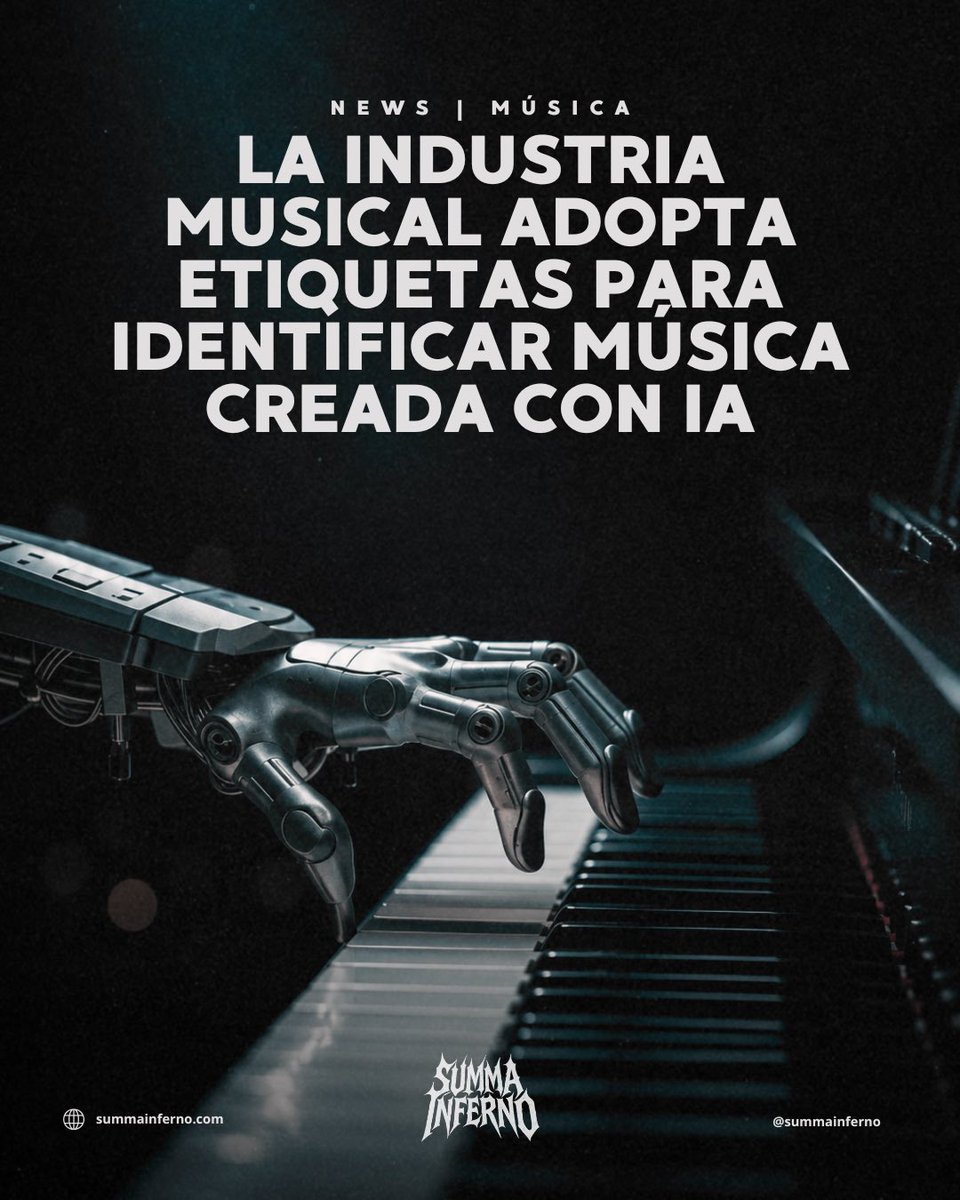
IFPI, RIAA y otras organizaciones anunciaron un sistema voluntario de etiquetas para diferenciar grabaciones “AI-Generated” y “AI-Assisted”. La iniciativa busca ofrecer mayor transparencia sobre el uso de inteligencia artificial en la música.
#AI #MusicIndustry #IFPI

🎶🌎 Adriana Restrepo asegura que la música es una herramienta de transformación social, capaz de generar oportunidades, fortalecer comunidades y convertirse en un motor económico para América Latina.
#IFPI #IndustriaMusical #EconomiaCreativa
🎶✨ Adriana Restrepo, de IFPI, asegura que la inteligencia artificial puede generar música, pero no replicar la conexión emocional que surge entre artistas y miles de personas en un concierto en vivo.
#IFPI #IndustriaMusical #InteligenciaArtificial


Sooooo is this still a goal?
We were supposedly at 32 million album sales back in 2021- as Arirang continues to sell, do we know where we are now? I haven’t seen this mentioned in a long while….? 🤔💎
#BTS #IFPI #DiamondAward

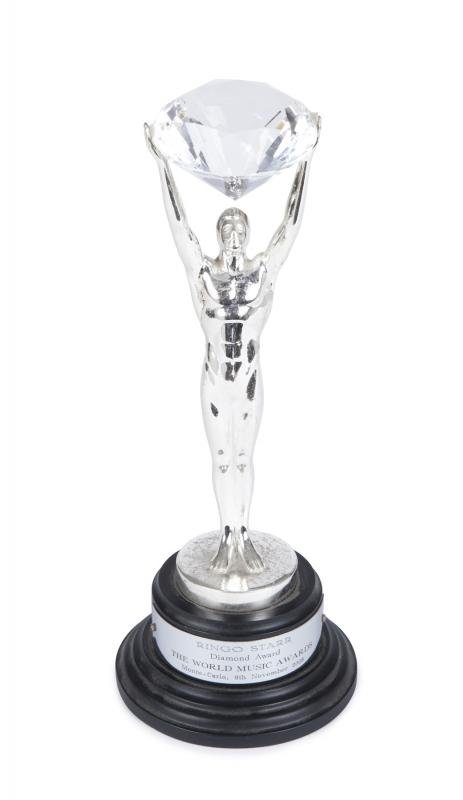
The Chopard Diamond Award is given by the world music awards to the artists who have sold 100 million albums throughout their career.
The data is collected by IFPI
BTS can become the 7th artist ever to have achieved this! 💜🤞

The global music industry is uniting against streaming fraud.
#RIAA & #IFPI represent rights holders, while distributors and platforms like Spotify, Apple Music, Amazon Music, YouTube, Tidal & Deezer face criticism for enabling bot networks to drain royalties.
#endstreamingfraud


Fully AI-generated music should not be copyrightable, #IFPI CEO #VictoriaOakley tells @vanitakohlik
Edited excerpts 👉 https://t.co/sxnh2BBoCU
#Music #MusicIndustry #AI #AIInMusic #Copyrights


@IFPiaui Inadmissível a organização do concurso. Textos enormes incompatíveis com o tempo de prova e, para piorar, fiscais errando o controle do tempo! Um desrespeito com os candidatos que se prepararam.
#ConcursoIFPI #IFPI #Filosofia #Piauí

@PopCornRanksHQ @MotokiOhmoriMGA Mrs. GREEN APPLE, the incredible power of steaming in Japan being reflected in the global chart!! Truly amazing🫶🫶🫶
世界のランキングにも反映されるほどの強さ🌎
#MrsGREENAPPLE
#IFPI
#Top20Albums

@PopCornRanksHQ @MotokiOhmoriMGA #11🇯🇵
✨#MrsGREENAPPLE✨おめでとう💐
Great! I love their music. One example is "Kusushiki", the theme song for the anime "The Apothecary Diaries
https://t.co/7SiCPSgRiy
#クスシキ
#MusicRanking #GlobalStreaming #IFPI #PopCornRanksHQ #Top20Albums


Most Popular Users

Elon Musk 
@elonmusk
241.5M followers

Barack Obama
@barackobama
119.1M followers

Cristiano Ronaldo
@cristiano
113.7M followers

Donald J. Trump
@realdonaldtrump
111.8M followers

Narendra Modi
@narendramodi
107.2M followers

Rihanna
@rihanna
98.6M followers

NASA
@nasa
92.4M followers

Justin Bieber
@justinbieber
91.7M followers

KATY PERRY
@katyperry
89.6M followers

Taylor Swift
@taylorswift13
83.5M followers

Lady Gaga
@ladygaga
75M followers

Virat Kohli
@imvkohli
72.7M followers

Kim Kardashian
@kimkardashian
70.7M followers

YouTube
@youtube
68.8M followers

Neymar Jr
@neymarjr
65.7M followers

Bill Gates
@billgates
64.9M followers

Selena Gomez
@selenagomez
62.7M followers

The Ellen Show
@theellenshow
62.3M followers

CNN
@cnn
61.8M followers

X
@x
60.8M followers