

Top Tweets for #interesting_case

#Interesting_case
#Dermatology #Surgery
What is the diagnosis or differential diagnosis?!
#MEDHM #MedX @IhabFathiSulima

#Interesting_case
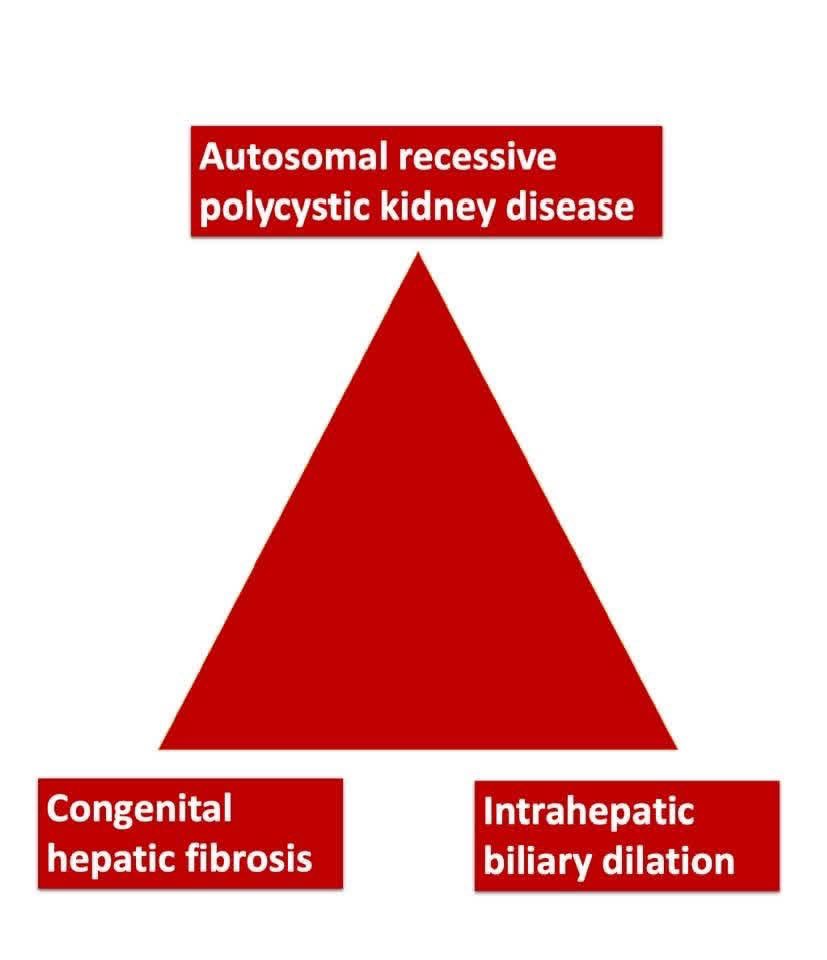
A patient presents with abdominal pain and recurrent urinary tract infections.
What is the most likely diagnosis?

#Interesting_case
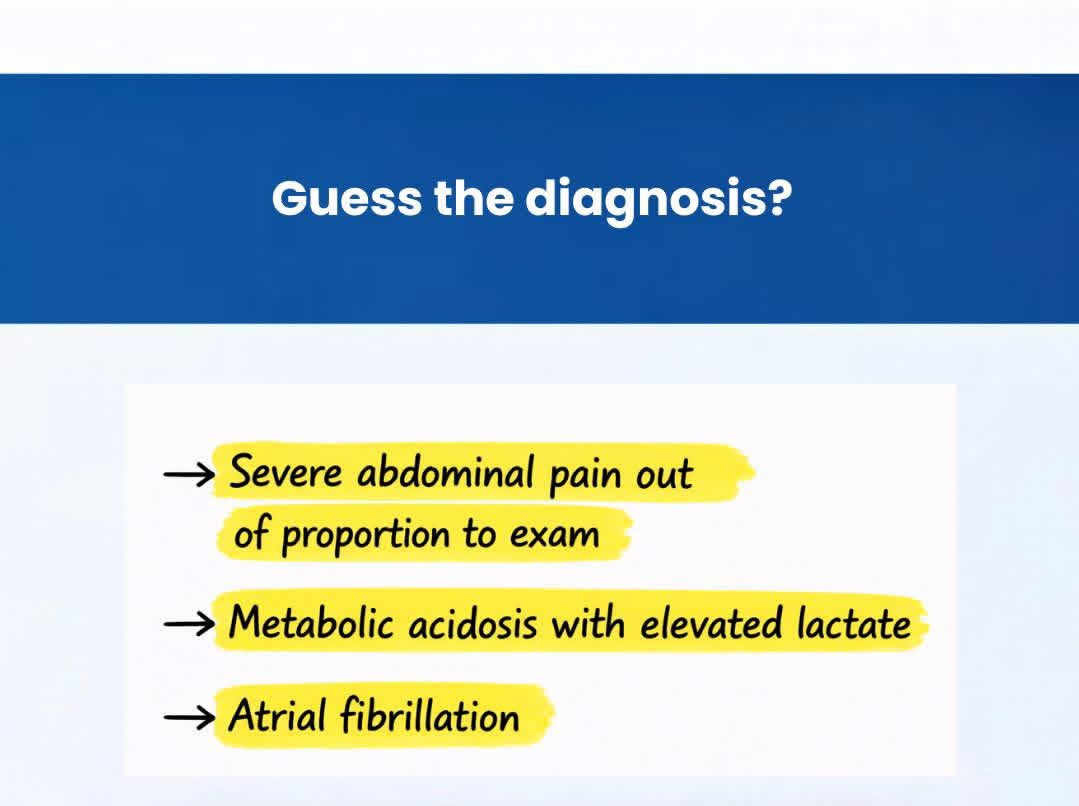
Guess the diagnosis?
#Interesting_case
Preterm neonate with respiratory distress admitted to the NICU.
What is the most likely diagnosis


Schatzki Ring (Schatzki–Gary Ring)
Overview
A Schatzki ring is a narrow band of mucosal or muscular tissue forming in the lower esophagus, causing a structural narrowing (stricture) that can impede food passage into the stomach.
Diagnostic Features
Endoscopic View:
•Appears as a smooth, concentric narrowing of the esophageal lumen.
•Looks like a circular shelf of pinkish tissue.
Barium Swallow (X-ray):
•The ring shows as a sharp, thin, symmetrical indentation at the distal esophagus, just above the stomach.
•This “ring-like” constriction is characteristic of Schatzki rings.
Symptoms
Many patients are asymptomatic, but when symptoms occur, they include:
•Intermittent Dysphagia: Difficulty swallowing solid foods.
•Steakhouse Syndrome: Complete food bolus obstruction (often meat), causing chest pain and requiring emergency endoscopic removal.
•Sticking Sensation: Feeling that food is temporarily “stuck” in the lower chest.
Causes and Associations
•Gastroesophageal Reflux Disease (GERD): Chronic acid exposure may contribute to ring formation.
•Hiatal Hernia: Frequently coexists with Schatzki rings.
•Iron Deficiency Anemia: Sometimes associated with intermittent dysphagia; while this triad (with esophageal webs) is called Plummer-Vinson Syndrome, Schatzki rings are a distinct lower esophageal finding.


@hemo_shk #Interesting_case
#Very_rare_case
Primary amebic meningoencephalitis (PAM) is a rapidly progressive CNS infection caused by Naegleria fowleri after freshwater exposure, presenting with acute headache, fever, neck stiffness, confusion, and CSF mimicking bacterial meningitis.
#Interesting_case
Fulminant Pseudomonas Endophthalmitis
Traditional lens couching is a high-risk, non-sterile procedure that can lead to acute fulminant endophthalmitis, a catastrophic intraocular infection. When caused by Pseudomonas aeruginosa, the clinical course is explosive due to the pathogen's rapid proliferation and toxin production.
• Pathophysiology: P. aeruginosa releases proteases and exotoxins that rapidly destroy corneal and retinal tissues.
• Key Signs: Patients typically present with sudden vision loss, severe pain, and a characteristic greenish hypopyon within hours to days of the procedure.
• Emergency Management: Treatment requires immediate intravitreal broad-spectrum antibiotics and often urgent pars plana vitrectomy to prevent globe destruction.
• Prognosis: While aggressive therapy can occasionally preserve the globe and some vision (e.g., 6/60), the overall visual prognosis remains poor.
#MEDHM #Ophthalmology

#UnusualLocation
A 35‑year‑old man presented with progressive swelling of the right lower leg for 6 months. On exam, there was a firm, non‑tender, non‑warm swelling in the leg.
What’s the diagnosis?!
#Rare @IhabFathiSulima
#Interesting_case

#Interesting_case
#Unusual_obstruction
Elderly woman, prior laparotomy, later developed bowel obstruction.
What happened?!
Diagnosis?!
#MEDHM #MedX @IhabFathiSulima

#Interesting_case
⁉️Spotter-A middle aged👨🦲presents with-dysuria and low grade fever for 6 months
Urine R/E-pyuria Urine c/s- sterile
Diagnosis ⁉️⁉️

#Interesting_case
Most likely diagnosis?!

#Interesting_case
Teenager with recurrent self-limiting fever episodes. Father also had similar problems and died with renal failure.
What is this classic sign?
What is the diagnosis?!

#Interesting_case
#Rare_case
A patient presents with vision changes and lens changes’
What is the most likely diagnosis?!
#MEDHM #MedX @IhabFathiSulima

#Interesting_case
Abdominal compartment syndrome (ACS) is a life-threatening condition where sustained intra-abdominal pressure exceeds 20 mmHg, causing new organ dysfunction or failure.
Definition
ACS develops from intra-abdominal hypertension (IAH), classified as primary (abdominal pathology like distension), secondary (extra-abdominal like fluid overload), or recurrent. In the prior case, massive gastric dilatation from anorexia-related pyloric obstruction drove primary ACS, compressing vessels and viscera.
Pathophysiology
Rising pressure reduces abdominal wall compliance, collapsing organs and vessels: kidneys face parenchymal compression (oliguria at 15-20 mmHg, anuria >30 mmHg); lungs suffer elevated diaphragm and atelectasis; cardiovascular effects include IVC/aortic compression, reducing venous return and cardiac output. Systemic inflammation (SIRS) worsens capillary leak, perpetuating the cycle; lactate elevation and acidosis signal hypoperfusion, as seen with pH 7.02 and lactate 16.5.
Clinical Features
Signs include tense/distended abdomen, oliguria, high peak airway pressures, and limb ischemia from iliac compression���mirroring the case’s absent femoral pulses and neurology deficits. Diagnosis relies on bladder pressure measurement (gold standard) plus organ failure evidence; imaging shows compressed IVC, aortic narrowing, and organ hypoperfusion.
Management Overview
Urgent decompression via laparotomy is definitive, as in the case’s gastrotomy evacuating 15L content, restoring pulses. Supportive steps: fluids judiciously, sedation/paralysis, NG tube; monitor IAP serially. Mortality remains high (up to 50%) from multiorgan failure despite intervention.

Female, 26 years old
History: anorexia nervosa, depression. Admitted with complaints of diffuse abdominal pain.
On examination: the abdomen is distended, tender to palpation, and there is tension in the anterior abdominal wall muscles.
Weight: 27.2 kg, BMI: 9.71. The patient is dehydrated and unable to take small sips of water.
Both lower extremities show signs of irreversible ischemia: femoral pulses are undetectable, and ultrasound Doppler imaging shows no blood flow.
Neurological examination: complete loss of sensation in both legs, muscle strength 0/5 on the right and 3/5 on the left.
Lab tests: white blood cell count: 17.9, acute kidney injury. Acid-base balance: pH 7.02, base deficit -19.5, lactate 16.5.
Radiography and CT scan revealed a severely dilated stomach (reaching the pelvic cavity), no pneumoperitoneum.
Signs of abdominal compartment syndrome were identified: hypoperfusion of the liver, spleen, and kidneys, severe aortic compression, and the inferior vena cava was not visualized. The left common iliac artery was compressed, with no visible distal vessels. On the right, the common femoral artery was visualized down to the popliteal artery.
A diagnosis of pyloric obstruction was made. A nasogastric tube was inserted for decompression, along with a urinary catheter, and broad-spectrum antibiotics were initiated.
Emergency decompression (laparotomy) was performed: a severely dilated, ischemic stomach, localized perforation, and duodenal dilation were visualized. A gastrotomy was performed, evacuating 15 liters of undigested food. Perfusion of the lower extremities was immediately restored, and the femoral pulse was restored.
A temporary abdominal closure was performed, and a fasciotomy was performed to prevent compartment syndrome in the extremities after revascularization.
Despite the treatment, the patient developed multiple organ failure and later died.

#Interesting_case
#Rare_case
#Dermatology
A male patient presented with an 8-year history of chest and axillary papules, previously misdiagnosed as Tinea Versicolor and unresponsive to antifungals.
What is the most likely diagnosis?!
#MEDHM #MedX @IhabFathiSulima

#Interesting_case
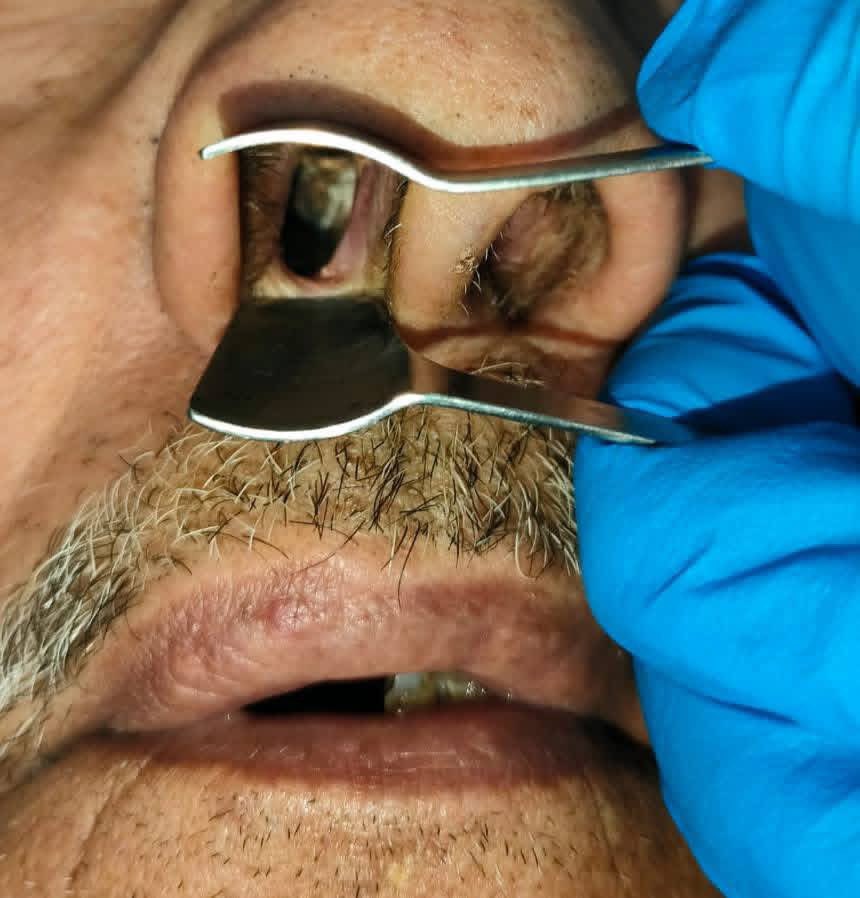
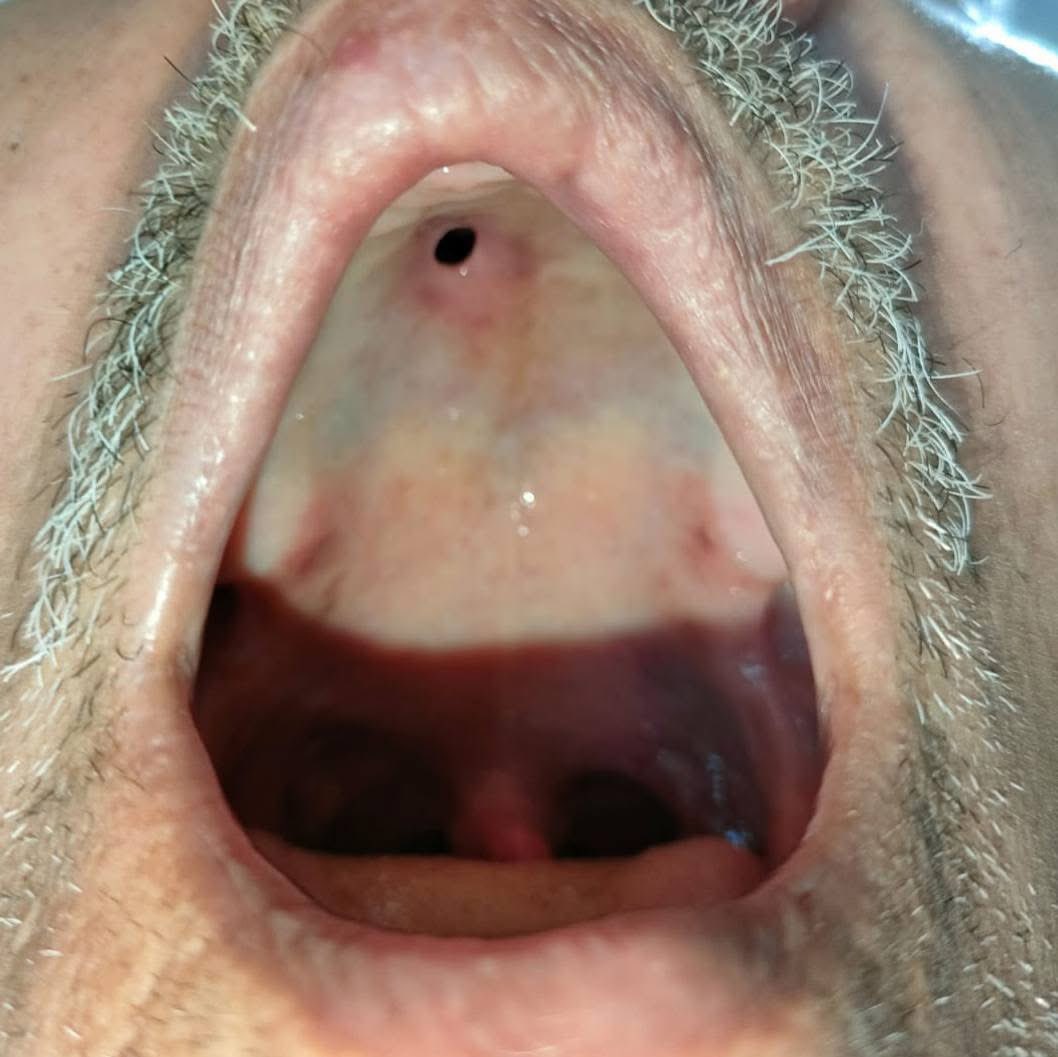
A 50-year-old male presented with nasal regurgitation of food and fluids.
What’s your opinion?!
#MedX #MEDHM @IhabFathiSulima

#Interesting_case
#Rare
A male patient presents with hypertension, flank discomfort, and oliguria. No history of trauma.
What is the most likely diagnosis?!
Radiological findings?!
#MedX #MedTwitter #MEDHM @IhabFathiSulima
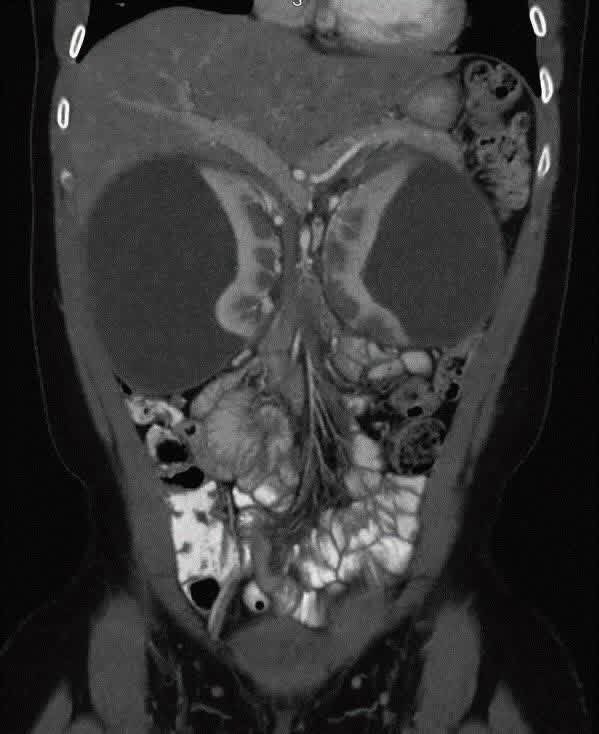
#Interesting_case
Clue: High impact deceleration accident.
Name radiological sign?!
#MedX #MEDHM @IhabFathiSulima #MedTwitter

Last Seen Hashtags on Sotwe
wh4t1w0uldntd0
Seen from Austria
直男体育生
Seen from United States
momson #omegle
leaked
Seen from United States
pojokan28
Seen from Indonesia
แอบถ่ายสาวอาบน้ำ
Seen from Thailand
foodie
Seen from United States
HinduWife
Seen from United Arab Emirates
aigayvideos
Seen from Spain
Momson() +filter:native_video
Seen from Algeria
Trends for you
Most Popular Users

Elon Musk 
@elonmusk
241M followers

Barack Obama
@barackobama
119.2M followers

Cristiano Ronaldo
@cristiano
112M followers

Donald J. Trump
@realdonaldtrump
111.8M followers

Narendra Modi
@narendramodi
107.1M followers

Rihanna
@rihanna
98M followers

NASA
@nasa
92.2M followers

Justin Bieber
@justinbieber
91.2M followers

KATY PERRY
@katyperry
88.4M followers

Taylor Swift
@taylorswift13
82.3M followers

Lady Gaga
@ladygaga
73.8M followers

Virat Kohli
@imvkohli
71.1M followers

Kim Kardashian
@kimkardashian
70.2M followers

YouTube
@youtube
68.7M followers

Bill Gates
@billgates
64.3M followers

Neymar Jr
@neymarjr
64M followers

The Ellen Show
@theellenshow
62.4M followers

CNN
@cnn
61.8M followers

Selena Gomez
@selenagomez
61.5M followers

X
@x
60.8M followers