

Top Tweets for #prescriptivewill

Those who look to Him are radiant— Psalm 34
#IWillWorship
#Psalm34
#PrescriptiveWill
#ILookToYou
#TheNumberOfYourDays
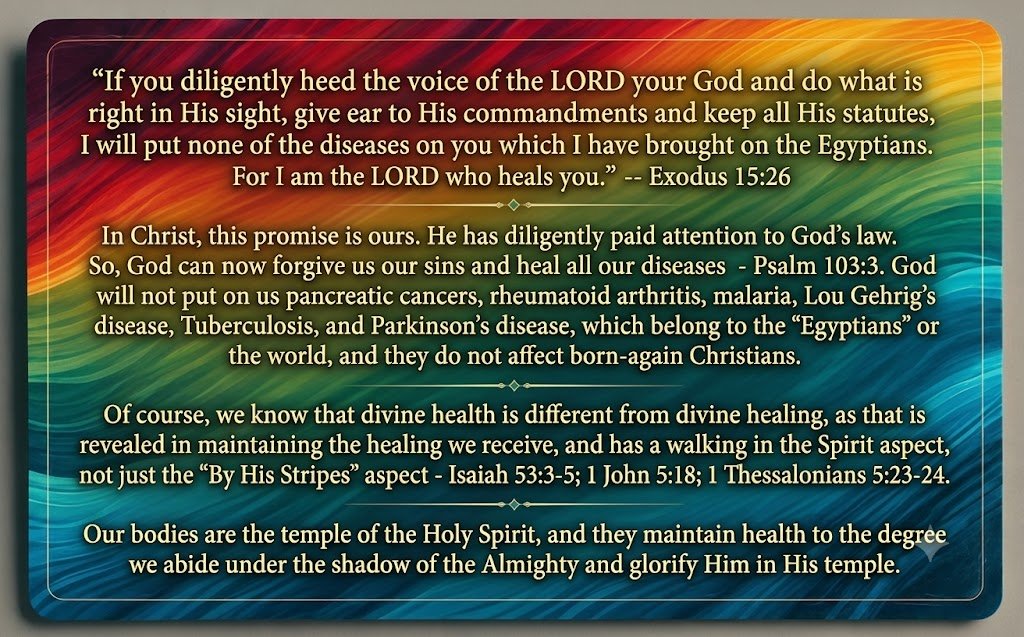
#Exodus23V26
#InSpiritAndInTruth
#TheEldersAndAngelsBow

#PrescriptiveWill
#PreceptiveWill
#TheWillOfGod
Exodus 23:25-26.
Worship the Lord your God, and his blessing will be on your food and water. I will take away sickness from among you, and none will miscarry or be barren in your land. I will give you a full life span.

#PreceptiveWill
#PrescriptiveWill
This guy's Hindu parents ended up being born again 3-6 months after he himself was saved and baptized.
Initially, they were shocked he converted to Christianity from Hinduism, but later they actually understood the Gospel and their lost estate apart from Christ and received Jesus
#PreceptiveWill
#PrescriptiveWill
#TheWillOfGod
A student who was a Hindu before he became born again at our university once asked me during a Bible challenge discussion:
"My parents are good people and they are Hindus, why would God send them to hell if they never had the opportunity to hear the Gospel ?"
I was like, well, if they never had the opportunity, God would judge them with the light they had according to Romans 2, however, it is most likely they will be found guilty before God beyond any reasonable defense apart from Christ's atoning sacrifice.
They must be born again, otherwise they will perish, because there's only one good enough-- and that is God alone.


#PreceptiveWill
#PrescriptiveWill
#TheWillOfGod
A student who was a Hindu before he became born again at our university once asked me during a Bible challenge discussion:
"My parents are good people and they are Hindus, why would God send them to hell if they never had the opportunity to hear the Gospel ?"
I was like, well, if they never had the opportunity, God would judge them with the light they had according to Romans 2, however, it is most likely they will be found guilty before God beyond any reasonable defense apart from Christ's atoning sacrifice.
They must be born again, otherwise they will perish, because there's only one good enough-- and that is God alone.
Let's clean up the mess- this is the updated version after fixing the typos.
#TheWillOfGod
#MosesTheManOfGod
#SevenThelematologyDoctrines
2/7 𝑷𝒓𝒆𝒄��𝒑𝒕𝒊𝒗𝒆 𝑾𝒊𝒍𝒍
INTRODUCTION
On Tuesday, as I was pulling into the parking lot of our healthcare facility, I had this in mind: "I don't feel like I will be able to work on the '𝑷𝒓𝒆𝒔𝒄𝒓𝒊𝒑𝒕𝒊𝒗𝒆 𝑾𝒊𝒍𝒍 𝒐𝒇 𝑮𝒐𝒅'- until Saturday."
Then I went like- ooops-- "Preceptive will of God, not prescriptive will of God. What am I talking about ?"
Then I went like, but why not ?
The preceptive will of God is the prescriptive will of God.
Think about it.
Ephesians 6:2-3 says:
𝑯𝒐𝒏𝒐𝒓 𝒚𝒐𝒖𝒓 𝒇𝒂𝒕𝒉𝒆𝒓 𝒂𝒏𝒅 𝒎𝒐𝒕𝒉𝒆𝒓"—𝒘𝒉𝒊𝒄𝒉 𝒊𝒔 𝒕𝒉𝒆 𝒇𝒊𝒓𝒔𝒕 𝒄𝒐𝒎𝒎𝒂𝒏𝒅𝒎𝒆𝒏𝒕 𝒘𝒊𝒕𝒉 𝒂 𝒑𝒓𝒐𝒎𝒊𝒔𝒆—“𝒔𝒐 𝒕𝒉𝒂𝒕 𝒊𝒕 𝒎𝒂𝒚 𝒈𝒐 𝒘𝒆𝒍𝒍 𝒘𝒊𝒕𝒉 𝒚𝒐𝒖 𝒂𝒏𝒅 𝒕𝒉𝒂𝒕 𝒚𝒐𝒖 𝒎𝒂𝒚 𝒆𝒏𝒋𝒐𝒚 𝒍𝒐𝒏𝒈 𝒍𝒊𝒇𝒆 𝒐𝒏 𝒕𝒉𝒆 𝒆𝒂𝒓𝒕𝒉.
A- The precept --> Honor your father and mother
B. The prescription--> So that it may go well with you and you may enjoy long life on earth.
We often call doctors in America, "the prescribing authority."
This is the person who may be contacted by pharmacists or other physicians if there are questions about a medication order, especially if it looks like outside of the normal/regular prescription orders or there are some issues to enquire about.
The prescribing authority would know why such an order was written in the first place and why the doses seem to be outside of the usual parameters.
The truth is that God doesn't just give us precepts, but they are also prescriptions.
Jehovah is the prescribing authority of His commands.
And why ?
Because they are for our good.
It will go well with you if you honor your parents.
You will live long- 80 years, 90 years, 100 years-- etc- for no other reason but honoring your biological parents.
It's actually interesting that I was able to get #ExperiencingTheFullnessOfGod by #CharlesPrice
right about the same time.
In the first episode of this sermon, he asks the question while addressing Matthew 5:17-20 saying:
"Why did God give the 10 commandments ?
On what criterion was He based on ?
Why didn't He make the commandments 6 or 15 ?"
And you remember he concludes that it was because this was an expression of his moral character, after comparing what 1 John 3:4 and Romans 3: 23 have to say about humanity's failure to keep the law was.
Sin was lawlessness.
Sin was falling short of the glory of God.
So, by understanding what sin is, what missing the mark of God's law is, we can conclude that the law revealed the glory of God or the excellencies of His moral character and image.
If we simply said that God gave the laws because he wanted our good- we would not necessarily be entirely accurate, as we would be turning God's commands into something that serves us-- that makes us healthy and gives us a long life-- rather than something that is Christ-centered and God-centered- that exhibits God's nature and His character.
So, God gave the law obviously for God-reasons, as saying: "This is who I am."
Do we get benefits in obedience ?
Are there prescriptions for our good in the law ?
Yes!
But that is not where we start from and not why it was primarily given.
Our benefits from God's law are a second step/second order reason. The first reason is God Himself.
So, the preceptive will of God precedes the prescriptive will of God.
What God commands comes before what we will get if we obey [Exodus 15:26; Exodus 23:25; Proverbs 9:11; Psalm 91:16; Deuteronomy 28].
What it is God commands comes before what's in it for us.
𝑬𝒅𝒆𝒏: 𝑻𝒉𝒆 𝑭𝒊𝒓𝒔𝒕 𝑷𝒓𝒆𝒄𝒆𝒑𝒕
Genesis 2:16–17
God’s first command to Adam shows that preceptive will existed before Moses, Sinai, Israel, or written law.
“You may freely eat…”
“But of the tree of the knowledge of good and evil you shall not eat….. 𝒇𝒐𝒓 𝒊𝒏 𝒕𝒉𝒆 𝒅𝒂𝒚 𝒕𝒉𝒂𝒕 𝒚𝒐𝒖 𝒆𝒂𝒕 𝒐𝒇 𝒊𝒕 𝒚𝒐𝒖 𝒔𝒉𝒂𝒍𝒍 𝒔𝒖𝒓𝒆𝒍𝒚 𝒅𝒊𝒆”
Here we see:
-Liberty
-Limitation
-Obedience
-Consequence
The command was not arbitrary.
It revealed 𝑮𝒐𝒅’𝒔 𝒓𝒊𝒈𝒉𝒕 𝒕𝒐 𝒅𝒆𝒇𝒊𝒏𝒆 𝒈𝒐𝒐𝒅 𝒂𝒏𝒅 𝒆𝒗𝒊𝒍 .
In that we see, man does not actually determine what is right and wrong; God does.
𝑪𝒂𝒊𝒏 𝒂𝒏𝒅 𝑨𝒃𝒆𝒍: 𝑺𝒊𝒏 𝒂𝒕 𝒕𝒉𝒆 𝑫𝒐𝒐𝒓
Genesis 4:6–7
Before the Law of Moses, God warned Cain:
“Sin is crouching at your door… but you must rule over it.”
Apostle Paul tells us that without the law there's no knowledge of sin [Romans 3:20; Galatians 3:24]. So, how could have Cain possibly known that sin was reaching out to his doorstep if he had no written code to know divine standards ?
Yet, from that message given to Cain, we can see that God’s preceptive will includes moral warning, self-control, and responsibility-- arising from His indwelling light that existed within every man at creation, whether before the fall or after the fall [John 1:4].
Cain did not need "thou shalt not kill" written on a tablet of stone on Mount Sinai, he already had God's image with that inscription in his heart [1 John 3:12].
𝑵𝒐𝒂𝒉: 𝑹𝒊𝒈𝒉𝒕𝒆𝒐��𝒔𝒏𝒆𝒔𝒔 𝒊𝒏 𝒂 𝑪𝒐𝒓𝒓𝒖𝒑𝒕 𝑮𝒆𝒏𝒆𝒓𝒂𝒕𝒊𝒐𝒏
Genesis 6:9, 6:22, 9:1–7
Noah lived before Sinai too, yet he obeyed God’s commands.
-Build the ark
-Preserve life
-Do not shed innocent blood
-Be fruitful and multiply.
We learn from Noah that God’s precepts may involve moral instruction, practical obedience, and survival-preserving wisdom.
There is a certain unhealthy talk of eternity vs temporal life that I have seen in modern Christendom.
It is true that some prosperity messages of the 1940s-to-the-2000s went overboard, but still, Jesus had a ministry of healing and did miracles like multiplying bread.
Why would Jesus feed people who were going to die anyway ?
Shouldn't he have let them collapse infront of Him [Mark 8:3] ? After all, they were sinners and sin is very ugly. It deserves judgment.
But that is the implication you can only get from modern Calvinism in how it criticizes against Pentecostalism.
According to Reformed Calvinists today, provisions and healing don't matter because Christ's primary goal is to get us to heaven and give us eternal life.
However, that not only contradicts Christ's ministration and perfect life as a representative of the Father's moral character that preserves life on earth, it contradicts the entire Biblical revelation, going back to Noah.
God does not actually delight in death or wiping out humanity; He delights in life and seeing humans flourish and multiply.
There has to be a way for that preservation of life to be fulfilled and it includes blessings and provisions to sustain life. Seed-time and harvest time are ingrained in nature for that reason [Genesis 8:22].
It is a divine law established to help humans have hope that there will be a return for every worthy effort they invest their energy and resources into. If they sow beans in the fall, they may expect a harvest by late springtime.
We see that laws are being introduced going beyond mere moral character. They are actually establishing order on how the universe and the earth operate. They reflect unseen laws and order God set in motion at creation that Adam and Eve may not have known
[Job 38:12-13; Job 38:8-11; Job 38:31-33; Job 38:34-35; Job 38:22-23; Job 38:32; Job 42:2; Jonah 1:4; Matthew 8:27].
The celestial, atmospheric, earth physics, agricultural, economics, and natural laws teach us one thing: we depend upon God more than we realize. God's right to rule us goes beyond matters of moral submission into subsistence dependence, which one may say is the prescriptive will of God arising from His sovereign will.
We owe Him allegiance because He owns us by creation. This is why wherever there are concerns of divine care, there is inevitably an issue of surrender. Humans are more valuable than flowers, there's no reason why God would neglect taking care of them. But have they actually surrendered their lives to Him [Matthew 6:19-34] ?
𝑨𝒃𝒓𝒂𝒉𝒂𝒎: 𝑪𝒐𝒎𝒎𝒂𝒏𝒅, 𝑪𝒐𝒗𝒆𝒏𝒂𝒏𝒕, 𝒂𝒏𝒅 𝑶𝒃𝒆𝒅𝒊𝒆𝒏𝒕 𝑭𝒂𝒊𝒕𝒉
Genesis 12:1–4; Genesis 17:1; Genesis 18:19; Genesis 22:1–18
God commanded Abraham before Sinai.
Examples:
-“Go from your country…”
-“Walk before Me and be blameless.”
-Circumcision as covenant sign.
-Offering Isaac as a test of obedience
Abraham shows that preceptive will can be personal, covenantal, costly, and faith-demanding.
Abraham did not challenge God in any of the commands the Lord gave him.
Imagine if he were to say:
"𝑾𝒉𝒆𝒓𝒆 𝒊𝒔 𝒊𝒕 𝒘𝒓𝒊𝒕𝒕𝒆𝒏 𝑰 𝒉𝒂𝒗𝒆 𝒕𝒐 𝒐𝒇𝒇𝒆𝒓 𝒖𝒑 𝒎𝒚 𝒔𝒐𝒏 𝒐𝒏 𝒂𝒏 𝒂𝒍𝒕𝒂𝒓 ? "
"𝑾𝒉𝒐 𝒂𝒓𝒆 𝒚𝒐𝒖 𝒕𝒐 𝒆𝒙𝒑𝒆𝒄𝒕 𝒎𝒆 𝒕𝒐 𝒑𝒖𝒕 𝒂 𝒌𝒏𝒊𝒇𝒆 𝒊𝒏𝒕𝒐 𝒎𝒚 𝒔𝒐𝒏'𝒔 𝒄𝒉𝒆𝒔𝒕 𝒂𝒏𝒅 𝒃𝒖𝒓𝒏 𝒉𝒊𝒎 𝒖𝒑 ?"
But of course we know that in that very command was hidden Isaac as a type of Christ. God was preparing humanity the offering of His own Son for our sins.
𝑺𝒊𝒏𝒂𝒊: 𝑻𝒉𝒆 𝑭𝒐𝒓𝒎𝒂𝒍 𝑪𝒐𝒅𝒊𝒇𝒊𝒄𝒂𝒕𝒊𝒐𝒏 𝒐𝒇 𝑮𝒐𝒅’𝒔 𝑷𝒓𝒆𝒄𝒆𝒑𝒕𝒔
Exodus 20; Deuteronomy 5
At Sinai, God’s preceptive will becomes nationally codified.
The Ten Commandments reveal:
-God’s holiness
-God’s moral order
-Man’s duty toward God
-Man’s duty toward neighbor
-How a nation can thrive based on theonomy
The law was not merely regulation.
It was revelation.
It said: “This is who God is, and this is how His covenant people must live.”
𝑻𝒉𝒆 𝑷𝒓𝒆𝒔𝒄𝒓𝒊𝒑𝒕𝒊𝒗𝒆 𝑩𝒆𝒏𝒆𝒇𝒊𝒕𝒔 𝒐𝒇 𝑶𝒃𝒆𝒅𝒊𝒆𝒏𝒄𝒆
Exodus 15:26; Exodus 23:25; Deuteronomy 28; Ephesians 6:2–3
God’s precepts also function as prescriptions.
Examples:
-Healing
-Protection
-Long life
-Blessing
-Freedom from curses
-Well-being
-Fruitfulness
But these benefits are second-order reasons. The first reason for obedience is God Himself.
It is not a sin to obey because you want to stay healthy or not die prematurely, but it shows defective love, that you are after your own-self, not God's own glory.
I have heard a number of people criticize seed-faith teachings of Pentecostals and Charismatics saying:
"Where does the Bible say we are supposed to give in order to get ?"
And I am like- Luke 6:38 says that.
Malachi 3:10 says that.
Proverbs 3:9-10 says that.
Hey, even says Jesus Christ said that "𝒕𝒉𝒊𝒔 𝒚𝒐𝒖 𝒐𝒖𝒈𝒉𝒕 𝒕𝒐 𝒉𝒂𝒗𝒆 𝒅𝒐𝒏𝒆 " in Matthew 23:23.
And that has a practical reason: "the Lord has commanded that those who preach the gospel should receive their living from the gospel"- 1 Corinthians 9:14.
Giving to the work of God is how the church is supported. It is how the Levites were meant to be financially sustained. It is one thing to decry abuse of seed-faith for luxurious expenses; it is something totally different to divorce giving from blessing.
God says to expect blessings and receiving when people give. If someone is motivated enough to give without expecting anything back, that is good for them. But they have no right to change Scripture. They cannot teach that it is wrong to give hoping to receive something back.
God already said that is OK.
𝑷𝒓𝒆𝒄𝒆𝒑𝒕 𝑼𝒑𝒐𝒏 𝑷𝒓𝒆𝒄𝒆𝒑𝒕
Isaiah 28: 9-10
"Whom will he teach knowledge? And whom will he make to understand the message? Those just weaned from milk? Those just drawn from the breasts? For precept must be upon precept, precept upon precept, Line upon line, line upon line, Here a little, there a little."
"To the law and to the testimony! If they do not speak according to this word, it is because there is no light in them."- Isaiah 8:20
God instructs His people line by line.
-God’s will is not vague
-God teaches, repeats, warns, corrects, and builds understanding.
Precepts are accumulated divine instruction.
I have noticed that sometimes once I start developing a Bible study, I get to see clearer and clearer as I go along [Proverbs 4:18]. Light shines brighter and brighter as I start my "sunesis" or inductive reasoning of what God is saying.
One line builds from the previous line.
A train of thought emerges from prior thinking.
It is like how some people have hilariously quipped from Acts 19:20, "so mightily grew the Word and prevailed."
Though what they want to say is not the intentional meaning of that verse from the context of the 19th chapter of the book of Acts; it is certainly not false from the entire biblical revelation of Scripture.
In its context, Acts 19:20 means that Paul's ministry exerted a dominant force on the whole Asia Minor as disciples multiplied. The Word of God kept spreading non-stop, until it was the most powerful force of the region.
However, there's an inherent theological development and thought maturity that occurs in preaching and teaching in that intensive style of the School of Tyrannus that Paul was doing.
Think of it as the Mark 4:26-29 full corn in the ear parable and suddenly it makes sense.
The Word of God is a seed [Luke 8:11; 1 Peter 1:23].
It can germinate and grow as a tree. Then a humongous tree.
As people begin to understand and apply the Word, they start to see new things and develop newer methods.
So, the Word of God can indeed prevail, as it grows with precept upon precept.
There are philosophical reinforcements that come when you add one new teaching in follow up to the previous teaching. This is why it also becomes easier for those who are more mature to become holy because of "the renewing of the mind."-- Romans 12:2. Sanctified thought processes actually build up to the point sin finds it difficult to enter.
Hence, my love for exploring topics in-depth.
By the end of this section on the will of God, you will end up knowing more about the will of God than all the other pastors had taught you from age 10 up to now. Not that I am claiming to be better, rather that digging one topic so deep and hammering it until you master it has a way of just exceeding scattered methods of addressing an issue. If you wanted to study healing, perhaps it is not a good idea to discredit it from just reading 2 Timothy 4:20. But that may be all you will get from spending 12 months studying 2 Timothy. I am not particularly trying to argue against exegetical Bible preaching book by book, I am just saying that this should be done in tandem with topical studies.
𝑻𝒉𝒆 𝑺𝒆𝒓𝒎𝒐𝒏 𝒐𝒏 𝒕𝒉𝒆 𝑴𝒐𝒖𝒏𝒕: 𝑻𝒉𝒆 𝑷𝒓𝒆𝒄𝒆𝒑𝒕𝒊𝒗𝒆 𝑾𝒊𝒍𝒍 𝑺𝒕����𝒊𝒌𝒆𝒔 𝑨𝒕 𝑻𝒉𝒆 𝑯𝒆𝒂𝒓𝒕
Matthew 5–7
Jesus does not abolish the law.
He fulfills it.
Matthew 5:17–20
He moves from external compliance to inward righteousness.
Examples:
-You have heard it said "do not murder" → Now I say: "control your anger"
-You have heard "do not commit adultery" →Now I say do not look lustfully
You have heard: "fulfill your oaths" → Now I say "just practice truthfulness"
You have heard you are allowed to inflict proportional retaliation → Now I say, in meekness, turn the other cheek
You have heard that you are allowed to have hatred for your enemies → Now I command you to show your enemies great love
Jesus shows that God’s preceptive will aims at the heart, motives, desires, speech, and imagination.
It is no longer just what you do, but what you are thinking and desiring.
𝑪𝒉𝒓𝒊𝒔𝒕 𝒂𝒔 𝒕𝒉𝒆 𝑪𝒆𝒏𝒕𝒆𝒓 𝒐𝒇 𝒕𝒉𝒆 𝑷𝒓𝒆𝒄𝒆𝒑𝒕𝒊𝒗𝒆 𝑾𝒊𝒍𝒍: 𝑻𝒉𝒆 𝑮𝒐𝒔𝒑𝒆𝒍 𝑨𝒔 𝑻𝒉𝒆 𝑵𝒆𝒘 𝑳𝒂𝒘
It can sound paradoxical to say that Jesus has not come to abolish the law and then add that if you were to attempt to obey the Sermon on the Mount and succeed at 99%, you would still be damned by the 1% you have failed to keep [James 2:10].
But that is the reality.
This is why Christ's perfect obedience in fulfillment of the law matters more than how we understand the instructions of the law.
Our obedience can only stem from His own.
There is only One person in all of history who has obeyed God completely and only One who ever will be able to: Jesus Christ.
John 5:39–40; John 6:40 tell us:
𝒀𝒐𝒖 𝒔𝒕𝒖𝒅𝒚 𝒕𝒉𝒆 𝑺𝒄𝒓𝒊𝒑𝒕𝒖𝒓𝒆𝒔 𝒅𝒊𝒍𝒊𝒈𝒆𝒏𝒕𝒍𝒚 𝒃𝒆𝒄𝒂𝒖𝒔𝒆 𝒚𝒐𝒖 𝒕𝒉𝒊𝒏𝒌 𝒕𝒉𝒂𝒕 𝒊𝒏 𝒕𝒉𝒆𝒎 𝒚𝒐𝒖 𝒉𝒂𝒗𝒆 𝒆𝒕𝒆𝒓𝒏𝒂𝒍 𝒍𝒊𝒇𝒆. 𝑻𝒉𝒆𝒔𝒆 𝒂𝒓𝒆 𝒕𝒉𝒆 𝒗𝒆𝒓𝒚 𝑺𝒄𝒓𝒊𝒑𝒕𝒖𝒓𝒆𝒔 𝒕𝒉𝒂𝒕 𝒕𝒆𝒔𝒕𝒊𝒇𝒚 𝒂𝒃𝒐𝒖𝒕 𝒎𝒆, 𝒚𝒆𝒕 𝒚𝒐𝒖 𝒓𝒆𝒇𝒖𝒔𝒆 𝒕𝒐 𝒄𝒐𝒎𝒆 𝒕𝒐 𝒎𝒆 𝒕𝒐 𝒉𝒂𝒗𝒆 𝒍𝒊𝒇𝒆.
𝑨𝒏𝒅 𝒕𝒉𝒊𝒔 𝒊𝒔 𝒕𝒉𝒆 𝒘𝒊𝒍𝒍 𝒐𝒇 𝑯𝒊𝒎 𝒘𝒉𝒐 𝒔𝒆𝒏𝒕 𝑴𝒆, 𝒕𝒉𝒂𝒕 𝒆𝒗𝒆𝒓𝒚𝒐𝒏𝒆 𝒘𝒉𝒐 𝒔𝒆𝒆𝒔 𝒕𝒉𝒆 𝑺𝒐𝒏 𝒂𝒏𝒅 𝒃𝒆𝒍𝒊𝒆𝒗𝒆𝒔 𝒊𝒏 𝑯𝒊𝒎 𝒎𝒂𝒚 𝒉𝒂𝒗𝒆 𝒆𝒗𝒆𝒓𝒍��𝒔𝒕𝒊𝒏𝒈 𝒍𝒊𝒇𝒆; 𝒂𝒏𝒅 𝑰 𝒘𝒊𝒍𝒍 𝒓𝒂𝒊𝒔𝒆 𝒉𝒊𝒎 𝒖𝒑 𝒂𝒕 𝒕𝒉𝒆 𝒍𝒂𝒔𝒕 𝒅𝒂𝒚.
The whole point of God's precept is "you shall live"- but later we find out that eternal life is not actually attained in what we do, but whom we believe [ 1 John 5:11; John 3:16; Colossians 3:1-4].
Christ is the preceptive and prescriptive will of God in the New Covenant [John 7:17; John 10:34-36; John 17:14; John 15:15; John 14:9; John 6:28-29; Romans 10:4]. He is the end, the culmination, the fulfillment, and the glory of the Law.
The will of the Father is for us to believe in the Son.
It is only those who believe in Jesus Christ who shall have eternal life [Acts 4:12; John 14:6; Romans 6:23].
The Sermon on the Mount gives us a standard against which repentance may be objectively measured, and the kingdom of God does demand repentance [Acts 17:30; Luke 13:22-30], but life is received by faith and that life is in the Son of God [Galatians 2:20; 1 John 1:2; John 10:28].
God gave us a Book to lead us to a Person.
The preceptive will is no longer merely centered on the Law of Moses.
It is centered on Christ.
The Scriptures point to Him.
The ultimate command is not merely “keep rules,” but:
-Come to Christ
-Believe in Christ
-Look to Christ
-Follow Christ
Walk with Christ
-Abide in Christ
-Love Christ
Grow in Christ
Put on Christ
Obey Christ
Preach Christ
𝑻𝒉𝒆 𝑵𝒆𝒘 𝑪𝒐𝒗𝒆𝒏𝒂𝒏𝒕: 𝑷𝒓𝒆𝒄𝒆𝒑𝒕𝒔 𝑾𝒓𝒊𝒕𝒕𝒆𝒏 𝒐𝒏 𝒕𝒉𝒆 𝑯𝒆𝒂𝒓𝒕
Jeremiah 31:33; Ezekiel 36:26–27; Hebrews 8:10
In the New Covenant, God does not discard His preceptive will.
He internalizes it
The law moves: From tablets to hearts [2 Corinthians 3:2-4]
From external command to inward desire
From mere obligation to Spirit-empowered obedience
𝑪𝒐𝒏𝒄𝒍𝒖𝒔𝒊𝒐𝒏: 𝑻𝒉𝒆 𝑫𝒊𝒗𝒊𝒏𝒆 𝑷𝒉𝒚𝒔𝒊𝒄𝒊𝒂𝒏’𝒔 𝑶𝒓𝒅𝒆𝒓𝒔
God’s precepts are His prescriptions, but His prescriptions are first revelations of Himself.
The preceptive will of God is:
-The command of the King
-The wisdom of the Father
-The prescription of the Physician
-The holiness of the Judge
-The character of Christ
-The pathway of life
Therefore, obedience is not legalism when it flows from faith, love, and union with Christ.
It is life under the healing authority of God and resurrection power of Jesus Christ.
Do you know anyone without Christ and without hope in the world ?
Anyone who is truly dead in trespasses and sins ?
Anyone whom the devil lied to:
“You will not die”
But they are morally, spiritually, and conscientiously dead ☠️??
#PrescriptiveWill
#TheWillOfGod
#Aliens

#PreceptiveWill
#PrescriptiveWill
#TheWillOfGod
"Of the tree of knowledge of good and evil you shall not eat.... for in the day that you eat of it 𝒚𝒐𝒖 𝒔𝒉𝒂𝒍𝒍 𝒔𝒖𝒓𝒆𝒍𝒚 𝒅𝒊𝒆"-
Genesis 2:16-17


#PreceptiveWill
#PrescriptiveWill
#TheWillOfGod
"Of the tree of knowledge of good and evil you shall not eat.... for in the day that you eat of it 𝒚𝒐𝒖 𝒔𝒉𝒂𝒍𝒍 𝒔𝒖𝒓𝒆𝒍𝒚 𝒅𝒊𝒆"-
Genesis 2:16-17
Let's clean up the mess- this is the updated version after fixing the typos.
#TheWillOfGod
#MosesTheManOfGod
#SevenThelematologyDoctrines
2/7 𝑷𝒓𝒆𝒄��𝒑𝒕𝒊𝒗𝒆 𝑾𝒊𝒍𝒍
INTRODUCTION
On Tuesday, as I was pulling into the parking lot of our healthcare facility, I had this in mind: "I don't feel like I will be able to work on the '𝑷𝒓𝒆𝒔𝒄𝒓𝒊𝒑𝒕𝒊𝒗𝒆 𝑾𝒊𝒍𝒍 𝒐𝒇 𝑮𝒐𝒅'- until Saturday."
Then I went like- ooops-- "Preceptive will of God, not prescriptive will of God. What am I talking about ?"
Then I went like, but why not ?
The preceptive will of God is the prescriptive will of God.
Think about it.
Ephesians 6:2-3 says:
𝑯𝒐𝒏𝒐𝒓 𝒚𝒐𝒖𝒓 𝒇𝒂𝒕𝒉𝒆𝒓 𝒂𝒏𝒅 𝒎𝒐𝒕𝒉𝒆𝒓"—𝒘𝒉𝒊𝒄𝒉 𝒊𝒔 𝒕𝒉𝒆 𝒇𝒊𝒓𝒔𝒕 𝒄𝒐𝒎𝒎𝒂𝒏𝒅𝒎𝒆𝒏𝒕 𝒘𝒊𝒕𝒉 𝒂 𝒑𝒓𝒐𝒎𝒊𝒔𝒆—“𝒔𝒐 𝒕𝒉𝒂𝒕 𝒊𝒕 𝒎𝒂𝒚 𝒈𝒐 𝒘𝒆𝒍𝒍 𝒘𝒊𝒕𝒉 𝒚𝒐𝒖 𝒂𝒏𝒅 𝒕𝒉𝒂𝒕 𝒚𝒐𝒖 𝒎𝒂𝒚 𝒆𝒏𝒋𝒐𝒚 𝒍𝒐𝒏𝒈 𝒍𝒊𝒇𝒆 𝒐𝒏 𝒕𝒉𝒆 𝒆𝒂𝒓𝒕𝒉.
A- The precept --> Honor your father and mother
B. The prescription--> So that it may go well with you and you may enjoy long life on earth.
We often call doctors in America, "the prescribing authority."
This is the person who may be contacted by pharmacists or other physicians if there are questions about a medication order, especially if it looks like outside of the normal/regular prescription orders or there are some issues to enquire about.
The prescribing authority would know why such an order was written in the first place and why the doses seem to be outside of the usual parameters.
The truth is that God doesn't just give us precepts, but they are also prescriptions.
Jehovah is the prescribing authority of His commands.
And why ?
Because they are for our good.
It will go well with you if you honor your parents.
You will live long- 80 years, 90 years, 100 years-- etc- for no other reason but honoring your biological parents.
It's actually interesting that I was able to get #ExperiencingTheFullnessOfGod by #CharlesPrice
right about the same time.
In the first episode of this sermon, he asks the question while addressing Matthew 5:17-20 saying:
"Why did God give the 10 commandments ?
On what criterion was He based on ?
Why didn't He make the commandments 6 or 15 ?"
And you remember he concludes that it was because this was an expression of his moral character, after comparing what 1 John 3:4 and Romans 3: 23 have to say about humanity's failure to keep the law was.
Sin was lawlessness.
Sin was falling short of the glory of God.
So, by understanding what sin is, what missing the mark of God's law is, we can conclude that the law revealed the glory of God or the excellencies of His moral character and image.
If we simply said that God gave the laws because he wanted our good- we would not necessarily be entirely accurate, as we would be turning God's commands into something that serves us-- that makes us healthy and gives us a long life-- rather than something that is Christ-centered and God-centered- that exhibits God's nature and His character.
So, God gave the law obviously for God-reasons, as saying: "This is who I am."
Do we get benefits in obedience ?
Are there prescriptions for our good in the law ?
Yes!
But that is not where we start from and not why it was primarily given.
Our benefits from God's law are a second step/second order reason. The first reason is God Himself.
So, the preceptive will of God precedes the prescriptive will of God.
What God commands comes before what we will get if we obey [Exodus 15:26; Exodus 23:25; Proverbs 9:11; Psalm 91:16; Deuteronomy 28].
What it is God commands comes before what's in it for us.
𝑬𝒅𝒆𝒏: 𝑻𝒉𝒆 𝑭𝒊𝒓𝒔𝒕 𝑷𝒓𝒆𝒄𝒆𝒑𝒕
Genesis 2:16–17
God’s first command to Adam shows that preceptive will existed before Moses, Sinai, Israel, or written law.
“You may freely eat…”
“But of the tree of the knowledge of good and evil you shall not eat….. 𝒇𝒐𝒓 𝒊𝒏 𝒕𝒉𝒆 𝒅𝒂𝒚 𝒕𝒉𝒂𝒕 𝒚𝒐𝒖 𝒆𝒂𝒕 𝒐𝒇 𝒊𝒕 𝒚𝒐𝒖 𝒔𝒉𝒂𝒍𝒍 𝒔𝒖𝒓𝒆𝒍𝒚 𝒅𝒊𝒆”
Here we see:
-Liberty
-Limitation
-Obedience
-Consequence
The command was not arbitrary.
It revealed 𝑮𝒐𝒅’𝒔 𝒓𝒊𝒈𝒉𝒕 𝒕𝒐 𝒅𝒆𝒇𝒊𝒏𝒆 𝒈𝒐𝒐𝒅 𝒂𝒏𝒅 𝒆𝒗𝒊𝒍 .
In that we see, man does not actually determine what is right and wrong; God does.
𝑪𝒂𝒊𝒏 𝒂𝒏𝒅 𝑨𝒃𝒆𝒍: 𝑺𝒊𝒏 𝒂𝒕 𝒕𝒉𝒆 𝑫𝒐𝒐𝒓
Genesis 4:6–7
Before the Law of Moses, God warned Cain:
“Sin is crouching at your door… but you must rule over it.”
Apostle Paul tells us that without the law there's no knowledge of sin [Romans 3:20; Galatians 3:24]. So, how could have Cain possibly known that sin was reaching out to his doorstep if he had no written code to know divine standards ?
Yet, from that message given to Cain, we can see that God’s preceptive will includes moral warning, self-control, and responsibility-- arising from His indwelling light that existed within every man at creation, whether before the fall or after the fall [John 1:4].
Cain did not need "thou shalt not kill" written on a tablet of stone on Mount Sinai, he already had God's image with that inscription in his heart [1 John 3:12].
𝑵𝒐𝒂𝒉: 𝑹𝒊𝒈𝒉𝒕𝒆𝒐��𝒔𝒏𝒆𝒔𝒔 𝒊𝒏 𝒂 𝑪𝒐𝒓𝒓𝒖𝒑𝒕 𝑮𝒆𝒏𝒆𝒓𝒂𝒕𝒊𝒐𝒏
Genesis 6:9, 6:22, 9:1–7
Noah lived before Sinai too, yet he obeyed God’s commands.
-Build the ark
-Preserve life
-Do not shed innocent blood
-Be fruitful and multiply.
We learn from Noah that God’s precepts may involve moral instruction, practical obedience, and survival-preserving wisdom.
There is a certain unhealthy talk of eternity vs temporal life that I have seen in modern Christendom.
It is true that some prosperity messages of the 1940s-to-the-2000s went overboard, but still, Jesus had a ministry of healing and did miracles like multiplying bread.
Why would Jesus feed people who were going to die anyway ?
Shouldn't he have let them collapse infront of Him [Mark 8:3] ? After all, they were sinners and sin is very ugly. It deserves judgment.
But that is the implication you can only get from modern Calvinism in how it criticizes against Pentecostalism.
According to Reformed Calvinists today, provisions and healing don't matter because Christ's primary goal is to get us to heaven and give us eternal life.
However, that not only contradicts Christ's ministration and perfect life as a representative of the Father's moral character that preserves life on earth, it contradicts the entire Biblical revelation, going back to Noah.
God does not actually delight in death or wiping out humanity; He delights in life and seeing humans flourish and multiply.
There has to be a way for that preservation of life to be fulfilled and it includes blessings and provisions to sustain life. Seed-time and harvest time are ingrained in nature for that reason [Genesis 8:22].
It is a divine law established to help humans have hope that there will be a return for every worthy effort they invest their energy and resources into. If they sow beans in the fall, they may expect a harvest by late springtime.
We see that laws are being introduced going beyond mere moral character. They are actually establishing order on how the universe and the earth operate. They reflect unseen laws and order God set in motion at creation that Adam and Eve may not have known
[Job 38:12-13; Job 38:8-11; Job 38:31-33; Job 38:34-35; Job 38:22-23; Job 38:32; Job 42:2; Jonah 1:4; Matthew 8:27].
The celestial, atmospheric, earth physics, agricultural, economics, and natural laws teach us one thing: we depend upon God more than we realize. God's right to rule us goes beyond matters of moral submission into subsistence dependence, which one may say is the prescriptive will of God arising from His sovereign will.
We owe Him allegiance because He owns us by creation. This is why wherever there are concerns of divine care, there is inevitably an issue of surrender. Humans are more valuable than flowers, there's no reason why God would neglect taking care of them. But have they actually surrendered their lives to Him [Matthew 6:19-34] ?
𝑨𝒃𝒓𝒂𝒉𝒂𝒎: 𝑪𝒐𝒎𝒎𝒂𝒏𝒅, 𝑪𝒐𝒗𝒆𝒏𝒂𝒏𝒕, 𝒂𝒏𝒅 𝑶𝒃𝒆𝒅𝒊𝒆𝒏𝒕 𝑭𝒂𝒊𝒕𝒉
Genesis 12:1–4; Genesis 17:1; Genesis 18:19; Genesis 22:1–18
God commanded Abraham before Sinai.
Examples:
-“Go from your country…”
-“Walk before Me and be blameless.”
-Circumcision as covenant sign.
-Offering Isaac as a test of obedience
Abraham shows that preceptive will can be personal, covenantal, costly, and faith-demanding.
Abraham did not challenge God in any of the commands the Lord gave him.
Imagine if he were to say:
"𝑾𝒉𝒆𝒓𝒆 𝒊𝒔 𝒊𝒕 𝒘𝒓𝒊𝒕𝒕𝒆𝒏 𝑰 𝒉𝒂𝒗𝒆 𝒕𝒐 𝒐𝒇𝒇𝒆𝒓 𝒖𝒑 𝒎𝒚 𝒔𝒐𝒏 𝒐𝒏 𝒂𝒏 𝒂𝒍𝒕𝒂𝒓 ? "
"𝑾𝒉𝒐 𝒂𝒓𝒆 𝒚𝒐𝒖 𝒕𝒐 𝒆𝒙𝒑𝒆𝒄𝒕 𝒎𝒆 𝒕𝒐 𝒑𝒖𝒕 𝒂 𝒌𝒏𝒊𝒇𝒆 𝒊𝒏𝒕𝒐 𝒎𝒚 𝒔𝒐𝒏'𝒔 𝒄𝒉𝒆𝒔𝒕 𝒂𝒏𝒅 𝒃𝒖𝒓𝒏 𝒉𝒊𝒎 𝒖𝒑 ?"
But of course we know that in that very command was hidden Isaac as a type of Christ. God was preparing humanity the offering of His own Son for our sins.
𝑺𝒊𝒏𝒂𝒊: 𝑻𝒉𝒆 𝑭𝒐𝒓𝒎𝒂𝒍 𝑪𝒐𝒅𝒊𝒇𝒊𝒄𝒂𝒕𝒊𝒐𝒏 𝒐𝒇 𝑮𝒐𝒅’𝒔 𝑷𝒓𝒆𝒄𝒆𝒑𝒕𝒔
Exodus 20; Deuteronomy 5
At Sinai, God’s preceptive will becomes nationally codified.
The Ten Commandments reveal:
-God’s holiness
-God’s moral order
-Man’s duty toward God
-Man’s duty toward neighbor
-How a nation can thrive based on theonomy
The law was not merely regulation.
It was revelation.
It said: “This is who God is, and this is how His covenant people must live.”
𝑻𝒉𝒆 𝑷𝒓𝒆𝒔𝒄𝒓𝒊𝒑𝒕𝒊𝒗𝒆 𝑩𝒆𝒏𝒆𝒇𝒊𝒕𝒔 𝒐𝒇 𝑶𝒃𝒆𝒅𝒊𝒆𝒏𝒄𝒆
Exodus 15:26; Exodus 23:25; Deuteronomy 28; Ephesians 6:2–3
God’s precepts also function as prescriptions.
Examples:
-Healing
-Protection
-Long life
-Blessing
-Freedom from curses
-Well-being
-Fruitfulness
But these benefits are second-order reasons. The first reason for obedience is God Himself.
It is not a sin to obey because you want to stay healthy or not die prematurely, but it shows defective love, that you are after your own-self, not God's own glory.
I have heard a number of people criticize seed-faith teachings of Pentecostals and Charismatics saying:
"Where does the Bible say we are supposed to give in order to get ?"
And I am like- Luke 6:38 says that.
Malachi 3:10 says that.
Proverbs 3:9-10 says that.
Hey, even says Jesus Christ said that "𝒕𝒉𝒊𝒔 𝒚𝒐𝒖 𝒐𝒖𝒈𝒉𝒕 𝒕𝒐 𝒉𝒂𝒗𝒆 𝒅𝒐𝒏𝒆 " in Matthew 23:23.
And that has a practical reason: "the Lord has commanded that those who preach the gospel should receive their living from the gospel"- 1 Corinthians 9:14.
Giving to the work of God is how the church is supported. It is how the Levites were meant to be financially sustained. It is one thing to decry abuse of seed-faith for luxurious expenses; it is something totally different to divorce giving from blessing.
God says to expect blessings and receiving when people give. If someone is motivated enough to give without expecting anything back, that is good for them. But they have no right to change Scripture. They cannot teach that it is wrong to give hoping to receive something back.
God already said that is OK.
𝑷𝒓𝒆𝒄𝒆𝒑𝒕 𝑼𝒑𝒐𝒏 𝑷𝒓𝒆𝒄𝒆𝒑𝒕
Isaiah 28: 9-10
"Whom will he teach knowledge? And whom will he make to understand the message? Those just weaned from milk? Those just drawn from the breasts? For precept must be upon precept, precept upon precept, Line upon line, line upon line, Here a little, there a little."
"To the law and to the testimony! If they do not speak according to this word, it is because there is no light in them."- Isaiah 8:20
God instructs His people line by line.
-God’s will is not vague
-God teaches, repeats, warns, corrects, and builds understanding.
Precepts are accumulated divine instruction.
I have noticed that sometimes once I start developing a Bible study, I get to see clearer and clearer as I go along [Proverbs 4:18]. Light shines brighter and brighter as I start my "sunesis" or inductive reasoning of what God is saying.
One line builds from the previous line.
A train of thought emerges from prior thinking.
It is like how some people have hilariously quipped from Acts 19:20, "so mightily grew the Word and prevailed."
Though what they want to say is not the intentional meaning of that verse from the context of the 19th chapter of the book of Acts; it is certainly not false from the entire biblical revelation of Scripture.
In its context, Acts 19:20 means that Paul's ministry exerted a dominant force on the whole Asia Minor as disciples multiplied. The Word of God kept spreading non-stop, until it was the most powerful force of the region.
However, there's an inherent theological development and thought maturity that occurs in preaching and teaching in that intensive style of the School of Tyrannus that Paul was doing.
Think of it as the Mark 4:26-29 full corn in the ear parable and suddenly it makes sense.
The Word of God is a seed [Luke 8:11; 1 Peter 1:23].
It can germinate and grow as a tree. Then a humongous tree.
As people begin to understand and apply the Word, they start to see new things and develop newer methods.
So, the Word of God can indeed prevail, as it grows with precept upon precept.
There are philosophical reinforcements that come when you add one new teaching in follow up to the previous teaching. This is why it also becomes easier for those who are more mature to become holy because of "the renewing of the mind."-- Romans 12:2. Sanctified thought processes actually build up to the point sin finds it difficult to enter.
Hence, my love for exploring topics in-depth.
By the end of this section on the will of God, you will end up knowing more about the will of God than all the other pastors had taught you from age 10 up to now. Not that I am claiming to be better, rather that digging one topic so deep and hammering it until you master it has a way of just exceeding scattered methods of addressing an issue. If you wanted to study healing, perhaps it is not a good idea to discredit it from just reading 2 Timothy 4:20. But that may be all you will get from spending 12 months studying 2 Timothy. I am not particularly trying to argue against exegetical Bible preaching book by book, I am just saying that this should be done in tandem with topical studies.
𝑻𝒉𝒆 𝑺𝒆𝒓𝒎𝒐𝒏 𝒐𝒏 𝒕𝒉𝒆 𝑴𝒐𝒖𝒏𝒕: 𝑻𝒉𝒆 𝑷𝒓𝒆𝒄𝒆𝒑𝒕𝒊𝒗𝒆 𝑾𝒊𝒍𝒍 𝑺𝒕����𝒊𝒌𝒆𝒔 𝑨𝒕 𝑻𝒉𝒆 𝑯𝒆𝒂𝒓𝒕
Matthew 5–7
Jesus does not abolish the law.
He fulfills it.
Matthew 5:17–20
He moves from external compliance to inward righteousness.
Examples:
-You have heard it said "do not murder" → Now I say: "control your anger"
-You have heard "do not commit adultery" →Now I say do not look lustfully
You have heard: "fulfill your oaths" → Now I say "just practice truthfulness"
You have heard you are allowed to inflict proportional retaliation → Now I say, in meekness, turn the other cheek
You have heard that you are allowed to have hatred for your enemies → Now I command you to show your enemies great love
Jesus shows that God’s preceptive will aims at the heart, motives, desires, speech, and imagination.
It is no longer just what you do, but what you are thinking and desiring.
𝑪𝒉𝒓𝒊𝒔𝒕 𝒂𝒔 𝒕𝒉𝒆 𝑪𝒆𝒏𝒕𝒆𝒓 𝒐𝒇 𝒕𝒉𝒆 𝑷𝒓𝒆𝒄𝒆𝒑𝒕𝒊𝒗𝒆 𝑾𝒊𝒍𝒍: 𝑻𝒉𝒆 𝑮𝒐𝒔𝒑𝒆𝒍 𝑨𝒔 𝑻𝒉𝒆 𝑵𝒆𝒘 𝑳𝒂𝒘
It can sound paradoxical to say that Jesus has not come to abolish the law and then add that if you were to attempt to obey the Sermon on the Mount and succeed at 99%, you would still be damned by the 1% you have failed to keep [James 2:10].
But that is the reality.
This is why Christ's perfect obedience in fulfillment of the law matters more than how we understand the instructions of the law.
Our obedience can only stem from His own.
There is only One person in all of history who has obeyed God completely and only One who ever will be able to: Jesus Christ.
John 5:39–40; John 6:40 tell us:
𝒀𝒐𝒖 𝒔𝒕𝒖𝒅𝒚 𝒕𝒉𝒆 𝑺𝒄𝒓𝒊𝒑𝒕𝒖𝒓𝒆𝒔 𝒅𝒊𝒍𝒊𝒈𝒆𝒏𝒕𝒍𝒚 𝒃𝒆𝒄𝒂𝒖𝒔𝒆 𝒚𝒐𝒖 𝒕𝒉𝒊𝒏𝒌 𝒕𝒉𝒂𝒕 𝒊𝒏 𝒕𝒉𝒆𝒎 𝒚𝒐𝒖 𝒉𝒂𝒗𝒆 𝒆𝒕𝒆𝒓𝒏𝒂𝒍 𝒍𝒊𝒇𝒆. 𝑻𝒉𝒆𝒔𝒆 𝒂𝒓𝒆 𝒕𝒉𝒆 𝒗𝒆𝒓𝒚 𝑺𝒄𝒓𝒊𝒑𝒕𝒖𝒓𝒆𝒔 𝒕𝒉𝒂𝒕 𝒕𝒆𝒔𝒕𝒊𝒇𝒚 𝒂𝒃𝒐𝒖𝒕 𝒎𝒆, 𝒚𝒆𝒕 𝒚𝒐𝒖 𝒓𝒆𝒇𝒖𝒔𝒆 𝒕𝒐 𝒄𝒐𝒎𝒆 𝒕𝒐 𝒎𝒆 𝒕𝒐 𝒉𝒂𝒗𝒆 𝒍𝒊𝒇𝒆.
𝑨𝒏𝒅 𝒕𝒉𝒊𝒔 𝒊𝒔 𝒕𝒉𝒆 𝒘𝒊𝒍𝒍 𝒐𝒇 𝑯𝒊𝒎 𝒘𝒉𝒐 𝒔𝒆𝒏𝒕 𝑴𝒆, 𝒕𝒉𝒂𝒕 𝒆𝒗𝒆𝒓𝒚𝒐𝒏𝒆 𝒘𝒉𝒐 𝒔𝒆𝒆𝒔 𝒕𝒉𝒆 𝑺𝒐𝒏 𝒂𝒏𝒅 𝒃𝒆𝒍𝒊𝒆𝒗𝒆𝒔 𝒊𝒏 𝑯𝒊𝒎 𝒎𝒂𝒚 𝒉𝒂𝒗𝒆 𝒆𝒗𝒆𝒓𝒍��𝒔𝒕𝒊𝒏𝒈 𝒍𝒊𝒇𝒆; 𝒂𝒏𝒅 𝑰 𝒘𝒊𝒍𝒍 𝒓𝒂𝒊𝒔𝒆 𝒉𝒊𝒎 𝒖𝒑 𝒂𝒕 𝒕𝒉𝒆 𝒍𝒂𝒔𝒕 𝒅𝒂𝒚.
The whole point of God's precept is "you shall live"- but later we find out that eternal life is not actually attained in what we do, but whom we believe [ 1 John 5:11; John 3:16; Colossians 3:1-4].
Christ is the preceptive and prescriptive will of God in the New Covenant [John 7:17; John 10:34-36; John 17:14; John 15:15; John 14:9; John 6:28-29; Romans 10:4]. He is the end, the culmination, the fulfillment, and the glory of the Law.
The will of the Father is for us to believe in the Son.
It is only those who believe in Jesus Christ who shall have eternal life [Acts 4:12; John 14:6; Romans 6:23].
The Sermon on the Mount gives us a standard against which repentance may be objectively measured, and the kingdom of God does demand repentance [Acts 17:30; Luke 13:22-30], but life is received by faith and that life is in the Son of God [Galatians 2:20; 1 John 1:2; John 10:28].
God gave us a Book to lead us to a Person.
The preceptive will is no longer merely centered on the Law of Moses.
It is centered on Christ.
The Scriptures point to Him.
The ultimate command is not merely “keep rules,” but:
-Come to Christ
-Believe in Christ
-Look to Christ
-Follow Christ
Walk with Christ
-Abide in Christ
-Love Christ
Grow in Christ
Put on Christ
Obey Christ
Preach Christ
𝑻𝒉𝒆 𝑵𝒆𝒘 𝑪𝒐𝒗𝒆𝒏𝒂𝒏𝒕: 𝑷𝒓𝒆𝒄𝒆𝒑𝒕𝒔 𝑾𝒓𝒊𝒕𝒕𝒆𝒏 𝒐𝒏 𝒕𝒉𝒆 𝑯𝒆𝒂𝒓𝒕
Jeremiah 31:33; Ezekiel 36:26–27; Hebrews 8:10
In the New Covenant, God does not discard His preceptive will.
He internalizes it
The law moves: From tablets to hearts [2 Corinthians 3:2-4]
From external command to inward desire
From mere obligation to Spirit-empowered obedience
𝑪𝒐𝒏𝒄𝒍𝒖𝒔𝒊𝒐𝒏: 𝑻𝒉𝒆 𝑫𝒊𝒗𝒊𝒏𝒆 𝑷𝒉𝒚𝒔𝒊𝒄𝒊𝒂𝒏’𝒔 𝑶𝒓𝒅𝒆𝒓𝒔
God’s precepts are His prescriptions, but His prescriptions are first revelations of Himself.
The preceptive will of God is:
-The command of the King
-The wisdom of the Father
-The prescription of the Physician
-The holiness of the Judge
-The character of Christ
-The pathway of life
Therefore, obedience is not legalism when it flows from faith, love, and union with Christ.
It is life under the healing authority of God and resurrection power of Jesus Christ.
#PrescriptiveWill
#PreceptiveWill
#TheWillOfGod
Exodus 23:25-26.
Worship the Lord your God, and his blessing will be on your food and water. I will take away sickness from among you, and none will miscarry or be barren in your land. I will give you a full life span.
#PreceptiveWill
#PrescriptiveWill
Jehovah is the prescribing authority of His commands.
And why ?
Because they are for our good.
-----------------------------------
It's Satan's ruse to convince humanity that God wants to take away your fun. He did it to Eve and has not changed ever since Eden.
It's man's discontentment to go looking for happiness outside of God's will. The Lord knows better than we do, but more importantly, He wants what is best for us.

I have figured out we live once.
Before I die I want to taste all the glorious promises the Bible grants.
If God said we shall raise the dead and prophesy — I want that.
If it says we can live up to age 100 disease free — I want that.
#PrescriptiveWill
#PreceptiveWill
"𝑩𝒚 𝑯𝒊𝒔 𝒔𝒕𝒓𝒊𝒑𝒆𝒔 𝒚𝒐𝒖 𝒉𝒂𝒗𝒆 𝒃𝒆𝒆𝒏 𝒉𝒆𝒂𝒍𝒆𝒅"-- 1 Peter 2:24
#PreceptiveWill
#PrescriptiveWill
#TheWillOfGod
lol 😂
Terminal illness if he has become #TheFivePointsCalvinist
He should sing #ISurrenderAll
That’s God’s #PrescriptiveWill to get rid of #LimitedAtonement he may have acquired along the way.


About 67,000 people in the United States currently have pancreatic cancer.
Given its high mortality, they could use a revelation of #JehovahRapha, who heals all diseases [Psalm 103]
It's high time the church gave them hope.
#ChristOurHope
#PrescriptiveWill
#PreceptiveWill
![ChristOurHopeM's tweet photo. About 67,000 people in the United States currently have pancreatic cancer.
Given its high mortality, they could use a revelation of #JehovahRapha, who heals all diseases [Psalm 103]
It's high time the church gave them hope.
#ChristOurHope
#PrescriptiveWill
#PreceptiveWill https://t.co/KL3fqM1b5y](https://pbs.twimg.com/media/HMETNbWWQAAi8bM.png)
"𝑩𝒚 𝑯𝒊𝒔 𝒔𝒕𝒓𝒊𝒑𝒆𝒔 𝒚𝒐𝒖 𝒉𝒂𝒗𝒆 𝒃𝒆𝒆𝒏 𝒉𝒆𝒂𝒍𝒆𝒅"-- 1 Peter 2:24
#PreceptiveWill
#PrescriptiveWill
#TheWillOfGod
"𝑩𝒚 𝑯𝒊𝒔 𝒔𝒕𝒓𝒊𝒑𝒆𝒔 𝒚𝒐𝒖 𝒉𝒂𝒗𝒆 𝒃𝒆𝒆𝒏 𝒉𝒆𝒂𝒍𝒆𝒅"-- 1 Peter 2:24
#PreceptiveWill
#PrescriptiveWill
#TheWillOfGod
Let's clean up the mess- this is the updated version after fixing the typos.
#TheWillOfGod
#MosesTheManOfGod
#SevenThelematologyDoctrines
2/7 𝑷𝒓𝒆𝒄��𝒑𝒕𝒊𝒗𝒆 𝑾𝒊𝒍𝒍
INTRODUCTION
On Tuesday, as I was pulling into the parking lot of our healthcare facility, I had this in mind: "I don't feel like I will be able to work on the '𝑷𝒓𝒆𝒔𝒄𝒓𝒊𝒑𝒕𝒊𝒗𝒆 𝑾𝒊𝒍𝒍 𝒐𝒇 𝑮𝒐𝒅'- until Saturday."
Then I went like- ooops-- "Preceptive will of God, not prescriptive will of God. What am I talking about ?"
Then I went like, but why not ?
The preceptive will of God is the prescriptive will of God.
Think about it.
Ephesians 6:2-3 says:
𝑯𝒐𝒏𝒐𝒓 𝒚𝒐𝒖𝒓 𝒇𝒂𝒕𝒉𝒆𝒓 𝒂𝒏𝒅 𝒎𝒐𝒕𝒉𝒆𝒓"—𝒘𝒉𝒊𝒄𝒉 𝒊𝒔 𝒕𝒉𝒆 𝒇𝒊𝒓𝒔𝒕 𝒄𝒐𝒎𝒎𝒂𝒏𝒅𝒎𝒆𝒏𝒕 𝒘𝒊𝒕𝒉 𝒂 𝒑𝒓𝒐𝒎𝒊𝒔𝒆—“𝒔𝒐 𝒕𝒉𝒂𝒕 𝒊𝒕 𝒎𝒂𝒚 𝒈𝒐 𝒘𝒆𝒍𝒍 𝒘𝒊𝒕𝒉 𝒚𝒐𝒖 𝒂𝒏𝒅 𝒕𝒉𝒂𝒕 𝒚𝒐𝒖 𝒎𝒂𝒚 𝒆𝒏𝒋𝒐𝒚 𝒍𝒐𝒏𝒈 𝒍𝒊𝒇𝒆 𝒐𝒏 𝒕𝒉𝒆 𝒆𝒂𝒓𝒕𝒉.
A- The precept --> Honor your father and mother
B. The prescription--> So that it may go well with you and you may enjoy long life on earth.
We often call doctors in America, "the prescribing authority."
This is the person who may be contacted by pharmacists or other physicians if there are questions about a medication order, especially if it looks like outside of the normal/regular prescription orders or there are some issues to enquire about.
The prescribing authority would know why such an order was written in the first place and why the doses seem to be outside of the usual parameters.
The truth is that God doesn't just give us precepts, but they are also prescriptions.
Jehovah is the prescribing authority of His commands.
And why ?
Because they are for our good.
It will go well with you if you honor your parents.
You will live long- 80 years, 90 years, 100 years-- etc- for no other reason but honoring your biological parents.
It's actually interesting that I was able to get #ExperiencingTheFullnessOfGod by #CharlesPrice
right about the same time.
In the first episode of this sermon, he asks the question while addressing Matthew 5:17-20 saying:
"Why did God give the 10 commandments ?
On what criterion was He based on ?
Why didn't He make the commandments 6 or 15 ?"
And you remember he concludes that it was because this was an expression of his moral character, after comparing what 1 John 3:4 and Romans 3: 23 have to say about humanity's failure to keep the law was.
Sin was lawlessness.
Sin was falling short of the glory of God.
So, by understanding what sin is, what missing the mark of God's law is, we can conclude that the law revealed the glory of God or the excellencies of His moral character and image.
If we simply said that God gave the laws because he wanted our good- we would not necessarily be entirely accurate, as we would be turning God's commands into something that serves us-- that makes us healthy and gives us a long life-- rather than something that is Christ-centered and God-centered- that exhibits God's nature and His character.
So, God gave the law obviously for God-reasons, as saying: "This is who I am."
Do we get benefits in obedience ?
Are there prescriptions for our good in the law ?
Yes!
But that is not where we start from and not why it was primarily given.
Our benefits from God's law are a second step/second order reason. The first reason is God Himself.
So, the preceptive will of God precedes the prescriptive will of God.
What God commands comes before what we will get if we obey [Exodus 15:26; Exodus 23:25; Proverbs 9:11; Psalm 91:16; Deuteronomy 28].
What it is God commands comes before what's in it for us.
𝑬𝒅𝒆𝒏: 𝑻𝒉𝒆 𝑭𝒊𝒓𝒔𝒕 𝑷𝒓𝒆𝒄𝒆𝒑𝒕
Genesis 2:16–17
God’s first command to Adam shows that preceptive will existed before Moses, Sinai, Israel, or written law.
“You may freely eat…”
“But of the tree of the knowledge of good and evil you shall not eat….. 𝒇𝒐𝒓 𝒊𝒏 𝒕𝒉𝒆 𝒅𝒂𝒚 𝒕𝒉𝒂𝒕 𝒚𝒐𝒖 𝒆𝒂𝒕 𝒐𝒇 𝒊𝒕 𝒚𝒐𝒖 𝒔𝒉𝒂𝒍𝒍 𝒔𝒖𝒓𝒆𝒍𝒚 𝒅𝒊𝒆”
Here we see:
-Liberty
-Limitation
-Obedience
-Consequence
The command was not arbitrary.
It revealed 𝑮𝒐𝒅’𝒔 𝒓𝒊𝒈𝒉𝒕 𝒕𝒐 𝒅𝒆𝒇𝒊𝒏𝒆 𝒈𝒐𝒐𝒅 𝒂𝒏𝒅 𝒆𝒗𝒊𝒍 .
In that we see, man does not actually determine what is right and wrong; God does.
𝑪𝒂𝒊𝒏 𝒂𝒏𝒅 𝑨𝒃𝒆𝒍: 𝑺𝒊𝒏 𝒂𝒕 𝒕𝒉𝒆 𝑫𝒐𝒐𝒓
Genesis 4:6–7
Before the Law of Moses, God warned Cain:
“Sin is crouching at your door… but you must rule over it.”
Apostle Paul tells us that without the law there's no knowledge of sin [Romans 3:20; Galatians 3:24]. So, how could have Cain possibly known that sin was reaching out to his doorstep if he had no written code to know divine standards ?
Yet, from that message given to Cain, we can see that God’s preceptive will includes moral warning, self-control, and responsibility-- arising from His indwelling light that existed within every man at creation, whether before the fall or after the fall [John 1:4].
Cain did not need "thou shalt not kill" written on a tablet of stone on Mount Sinai, he already had God's image with that inscription in his heart [1 John 3:12].
𝑵𝒐𝒂𝒉: 𝑹𝒊𝒈𝒉𝒕𝒆𝒐��𝒔𝒏𝒆𝒔𝒔 𝒊𝒏 𝒂 𝑪𝒐𝒓𝒓𝒖𝒑𝒕 𝑮𝒆𝒏𝒆𝒓𝒂𝒕𝒊𝒐𝒏
Genesis 6:9, 6:22, 9:1–7
Noah lived before Sinai too, yet he obeyed God’s commands.
-Build the ark
-Preserve life
-Do not shed innocent blood
-Be fruitful and multiply.
We learn from Noah that God’s precepts may involve moral instruction, practical obedience, and survival-preserving wisdom.
There is a certain unhealthy talk of eternity vs temporal life that I have seen in modern Christendom.
It is true that some prosperity messages of the 1940s-to-the-2000s went overboard, but still, Jesus had a ministry of healing and did miracles like multiplying bread.
Why would Jesus feed people who were going to die anyway ?
Shouldn't he have let them collapse infront of Him [Mark 8:3] ? After all, they were sinners and sin is very ugly. It deserves judgment.
But that is the implication you can only get from modern Calvinism in how it criticizes against Pentecostalism.
According to Reformed Calvinists today, provisions and healing don't matter because Christ's primary goal is to get us to heaven and give us eternal life.
However, that not only contradicts Christ's ministration and perfect life as a representative of the Father's moral character that preserves life on earth, it contradicts the entire Biblical revelation, going back to Noah.
God does not actually delight in death or wiping out humanity; He delights in life and seeing humans flourish and multiply.
There has to be a way for that preservation of life to be fulfilled and it includes blessings and provisions to sustain life. Seed-time and harvest time are ingrained in nature for that reason [Genesis 8:22].
It is a divine law established to help humans have hope that there will be a return for every worthy effort they invest their energy and resources into. If they sow beans in the fall, they may expect a harvest by late springtime.
We see that laws are being introduced going beyond mere moral character. They are actually establishing order on how the universe and the earth operate. They reflect unseen laws and order God set in motion at creation that Adam and Eve may not have known
[Job 38:12-13; Job 38:8-11; Job 38:31-33; Job 38:34-35; Job 38:22-23; Job 38:32; Job 42:2; Jonah 1:4; Matthew 8:27].
The celestial, atmospheric, earth physics, agricultural, economics, and natural laws teach us one thing: we depend upon God more than we realize. God's right to rule us goes beyond matters of moral submission into subsistence dependence, which one may say is the prescriptive will of God arising from His sovereign will.
We owe Him allegiance because He owns us by creation. This is why wherever there are concerns of divine care, there is inevitably an issue of surrender. Humans are more valuable than flowers, there's no reason why God would neglect taking care of them. But have they actually surrendered their lives to Him [Matthew 6:19-34] ?
𝑨𝒃𝒓𝒂𝒉𝒂𝒎: 𝑪𝒐𝒎𝒎𝒂𝒏𝒅, 𝑪𝒐𝒗𝒆𝒏𝒂𝒏𝒕, 𝒂𝒏𝒅 𝑶𝒃𝒆𝒅𝒊𝒆𝒏𝒕 𝑭𝒂𝒊𝒕𝒉
Genesis 12:1–4; Genesis 17:1; Genesis 18:19; Genesis 22:1–18
God commanded Abraham before Sinai.
Examples:
-“Go from your country…”
-“Walk before Me and be blameless.”
-Circumcision as covenant sign.
-Offering Isaac as a test of obedience
Abraham shows that preceptive will can be personal, covenantal, costly, and faith-demanding.
Abraham did not challenge God in any of the commands the Lord gave him.
Imagine if he were to say:
"𝑾𝒉𝒆𝒓𝒆 𝒊𝒔 𝒊𝒕 𝒘𝒓𝒊𝒕𝒕𝒆𝒏 𝑰 𝒉𝒂𝒗𝒆 𝒕𝒐 𝒐𝒇𝒇𝒆𝒓 𝒖𝒑 𝒎𝒚 𝒔𝒐𝒏 𝒐𝒏 𝒂𝒏 𝒂𝒍𝒕𝒂𝒓 ? "
"𝑾𝒉𝒐 𝒂𝒓𝒆 𝒚𝒐𝒖 𝒕𝒐 𝒆𝒙𝒑𝒆𝒄𝒕 𝒎𝒆 𝒕𝒐 𝒑𝒖𝒕 𝒂 𝒌𝒏𝒊𝒇𝒆 𝒊𝒏𝒕𝒐 𝒎𝒚 𝒔𝒐𝒏'𝒔 𝒄𝒉𝒆𝒔𝒕 𝒂𝒏𝒅 𝒃𝒖𝒓𝒏 𝒉𝒊𝒎 𝒖𝒑 ?"
But of course we know that in that very command was hidden Isaac as a type of Christ. God was preparing humanity the offering of His own Son for our sins.
𝑺𝒊𝒏𝒂𝒊: 𝑻𝒉𝒆 𝑭𝒐𝒓𝒎𝒂𝒍 𝑪𝒐𝒅𝒊𝒇𝒊𝒄𝒂𝒕𝒊𝒐𝒏 𝒐𝒇 𝑮𝒐𝒅’𝒔 𝑷𝒓𝒆𝒄𝒆𝒑𝒕𝒔
Exodus 20; Deuteronomy 5
At Sinai, God’s preceptive will becomes nationally codified.
The Ten Commandments reveal:
-God’s holiness
-God’s moral order
-Man’s duty toward God
-Man’s duty toward neighbor
-How a nation can thrive based on theonomy
The law was not merely regulation.
It was revelation.
It said: “This is who God is, and this is how His covenant people must live.”
𝑻𝒉𝒆 𝑷𝒓𝒆𝒔𝒄𝒓𝒊𝒑𝒕𝒊𝒗𝒆 𝑩𝒆𝒏𝒆𝒇𝒊𝒕𝒔 𝒐𝒇 𝑶𝒃𝒆𝒅𝒊𝒆𝒏𝒄𝒆
Exodus 15:26; Exodus 23:25; Deuteronomy 28; Ephesians 6:2–3
God’s precepts also function as prescriptions.
Examples:
-Healing
-Protection
-Long life
-Blessing
-Freedom from curses
-Well-being
-Fruitfulness
But these benefits are second-order reasons. The first reason for obedience is God Himself.
It is not a sin to obey because you want to stay healthy or not die prematurely, but it shows defective love, that you are after your own-self, not God's own glory.
I have heard a number of people criticize seed-faith teachings of Pentecostals and Charismatics saying:
"Where does the Bible say we are supposed to give in order to get ?"
And I am like- Luke 6:38 says that.
Malachi 3:10 says that.
Proverbs 3:9-10 says that.
Hey, even says Jesus Christ said that "𝒕𝒉𝒊𝒔 𝒚𝒐𝒖 𝒐𝒖𝒈𝒉𝒕 𝒕𝒐 𝒉𝒂𝒗𝒆 𝒅𝒐𝒏𝒆 " in Matthew 23:23.
And that has a practical reason: "the Lord has commanded that those who preach the gospel should receive their living from the gospel"- 1 Corinthians 9:14.
Giving to the work of God is how the church is supported. It is how the Levites were meant to be financially sustained. It is one thing to decry abuse of seed-faith for luxurious expenses; it is something totally different to divorce giving from blessing.
God says to expect blessings and receiving when people give. If someone is motivated enough to give without expecting anything back, that is good for them. But they have no right to change Scripture. They cannot teach that it is wrong to give hoping to receive something back.
God already said that is OK.
𝑷𝒓𝒆𝒄𝒆𝒑𝒕 𝑼𝒑𝒐𝒏 𝑷𝒓𝒆𝒄𝒆𝒑𝒕
Isaiah 28: 9-10
"Whom will he teach knowledge? And whom will he make to understand the message? Those just weaned from milk? Those just drawn from the breasts? For precept must be upon precept, precept upon precept, Line upon line, line upon line, Here a little, there a little."
"To the law and to the testimony! If they do not speak according to this word, it is because there is no light in them."- Isaiah 8:20
God instructs His people line by line.
-God’s will is not vague
-God teaches, repeats, warns, corrects, and builds understanding.
Precepts are accumulated divine instruction.
I have noticed that sometimes once I start developing a Bible study, I get to see clearer and clearer as I go along [Proverbs 4:18]. Light shines brighter and brighter as I start my "sunesis" or inductive reasoning of what God is saying.
One line builds from the previous line.
A train of thought emerges from prior thinking.
It is like how some people have hilariously quipped from Acts 19:20, "so mightily grew the Word and prevailed."
Though what they want to say is not the intentional meaning of that verse from the context of the 19th chapter of the book of Acts; it is certainly not false from the entire biblical revelation of Scripture.
In its context, Acts 19:20 means that Paul's ministry exerted a dominant force on the whole Asia Minor as disciples multiplied. The Word of God kept spreading non-stop, until it was the most powerful force of the region.
However, there's an inherent theological development and thought maturity that occurs in preaching and teaching in that intensive style of the School of Tyrannus that Paul was doing.
Think of it as the Mark 4:26-29 full corn in the ear parable and suddenly it makes sense.
The Word of God is a seed [Luke 8:11; 1 Peter 1:23].
It can germinate and grow as a tree. Then a humongous tree.
As people begin to understand and apply the Word, they start to see new things and develop newer methods.
So, the Word of God can indeed prevail, as it grows with precept upon precept.
There are philosophical reinforcements that come when you add one new teaching in follow up to the previous teaching. This is why it also becomes easier for those who are more mature to become holy because of "the renewing of the mind."-- Romans 12:2. Sanctified thought processes actually build up to the point sin finds it difficult to enter.
Hence, my love for exploring topics in-depth.
By the end of this section on the will of God, you will end up knowing more about the will of God than all the other pastors had taught you from age 10 up to now. Not that I am claiming to be better, rather that digging one topic so deep and hammering it until you master it has a way of just exceeding scattered methods of addressing an issue. If you wanted to study healing, perhaps it is not a good idea to discredit it from just reading 2 Timothy 4:20. But that may be all you will get from spending 12 months studying 2 Timothy. I am not particularly trying to argue against exegetical Bible preaching book by book, I am just saying that this should be done in tandem with topical studies.
𝑻𝒉𝒆 𝑺𝒆𝒓𝒎𝒐𝒏 𝒐𝒏 𝒕𝒉𝒆 𝑴𝒐𝒖𝒏𝒕: 𝑻𝒉𝒆 𝑷𝒓𝒆𝒄𝒆𝒑𝒕𝒊𝒗𝒆 𝑾𝒊𝒍𝒍 𝑺𝒕����𝒊𝒌𝒆𝒔 𝑨𝒕 𝑻𝒉𝒆 𝑯𝒆𝒂𝒓𝒕
Matthew 5–7
Jesus does not abolish the law.
He fulfills it.
Matthew 5:17–20
He moves from external compliance to inward righteousness.
Examples:
-You have heard it said "do not murder" → Now I say: "control your anger"
-You have heard "do not commit adultery" →Now I say do not look lustfully
You have heard: "fulfill your oaths" → Now I say "just practice truthfulness"
You have heard you are allowed to inflict proportional retaliation → Now I say, in meekness, turn the other cheek
You have heard that you are allowed to have hatred for your enemies → Now I command you to show your enemies great love
Jesus shows that God’s preceptive will aims at the heart, motives, desires, speech, and imagination.
It is no longer just what you do, but what you are thinking and desiring.
𝑪𝒉𝒓𝒊𝒔𝒕 𝒂𝒔 𝒕𝒉𝒆 𝑪𝒆𝒏𝒕𝒆𝒓 𝒐𝒇 𝒕𝒉𝒆 𝑷𝒓𝒆𝒄𝒆𝒑𝒕𝒊𝒗𝒆 𝑾𝒊𝒍𝒍: 𝑻𝒉𝒆 𝑮𝒐𝒔𝒑𝒆𝒍 𝑨𝒔 𝑻𝒉𝒆 𝑵𝒆𝒘 𝑳𝒂𝒘
It can sound paradoxical to say that Jesus has not come to abolish the law and then add that if you were to attempt to obey the Sermon on the Mount and succeed at 99%, you would still be damned by the 1% you have failed to keep [James 2:10].
But that is the reality.
This is why Christ's perfect obedience in fulfillment of the law matters more than how we understand the instructions of the law.
Our obedience can only stem from His own.
There is only One person in all of history who has obeyed God completely and only One who ever will be able to: Jesus Christ.
John 5:39–40; John 6:40 tell us:
𝒀𝒐𝒖 𝒔𝒕𝒖𝒅𝒚 𝒕𝒉𝒆 𝑺𝒄𝒓𝒊𝒑𝒕𝒖𝒓𝒆𝒔 𝒅𝒊𝒍𝒊𝒈𝒆𝒏𝒕𝒍𝒚 𝒃𝒆𝒄𝒂𝒖𝒔𝒆 𝒚𝒐𝒖 𝒕𝒉𝒊𝒏𝒌 𝒕𝒉𝒂𝒕 𝒊𝒏 𝒕𝒉𝒆𝒎 𝒚𝒐𝒖 𝒉𝒂𝒗𝒆 𝒆𝒕𝒆𝒓𝒏𝒂𝒍 𝒍𝒊𝒇𝒆. 𝑻𝒉𝒆𝒔𝒆 𝒂𝒓𝒆 𝒕𝒉𝒆 𝒗𝒆𝒓𝒚 𝑺𝒄𝒓𝒊𝒑𝒕𝒖𝒓𝒆𝒔 𝒕𝒉𝒂𝒕 𝒕𝒆𝒔𝒕𝒊𝒇𝒚 𝒂𝒃𝒐𝒖𝒕 𝒎𝒆, 𝒚𝒆𝒕 𝒚𝒐𝒖 𝒓𝒆𝒇𝒖𝒔𝒆 𝒕𝒐 𝒄𝒐𝒎𝒆 𝒕𝒐 𝒎𝒆 𝒕𝒐 𝒉𝒂𝒗𝒆 𝒍𝒊𝒇𝒆.
𝑨𝒏𝒅 𝒕𝒉𝒊𝒔 𝒊𝒔 𝒕𝒉𝒆 𝒘𝒊𝒍𝒍 𝒐𝒇 𝑯𝒊𝒎 𝒘𝒉𝒐 𝒔𝒆𝒏𝒕 𝑴𝒆, 𝒕𝒉𝒂𝒕 𝒆𝒗𝒆𝒓𝒚𝒐𝒏𝒆 𝒘𝒉𝒐 𝒔𝒆𝒆𝒔 𝒕𝒉𝒆 𝑺𝒐𝒏 𝒂𝒏𝒅 𝒃𝒆𝒍𝒊𝒆𝒗𝒆𝒔 𝒊𝒏 𝑯𝒊𝒎 𝒎𝒂𝒚 𝒉𝒂𝒗𝒆 𝒆𝒗𝒆𝒓𝒍��𝒔𝒕𝒊𝒏𝒈 𝒍𝒊𝒇𝒆; 𝒂𝒏𝒅 𝑰 𝒘𝒊𝒍𝒍 𝒓𝒂𝒊𝒔𝒆 𝒉𝒊𝒎 𝒖𝒑 𝒂𝒕 𝒕𝒉𝒆 𝒍𝒂𝒔𝒕 𝒅𝒂𝒚.
The whole point of God's precept is "you shall live"- but later we find out that eternal life is not actually attained in what we do, but whom we believe [ 1 John 5:11; John 3:16; Colossians 3:1-4].
Christ is the preceptive and prescriptive will of God in the New Covenant [John 7:17; John 10:34-36; John 17:14; John 15:15; John 14:9; John 6:28-29; Romans 10:4]. He is the end, the culmination, the fulfillment, and the glory of the Law.
The will of the Father is for us to believe in the Son.
It is only those who believe in Jesus Christ who shall have eternal life [Acts 4:12; John 14:6; Romans 6:23].
The Sermon on the Mount gives us a standard against which repentance may be objectively measured, and the kingdom of God does demand repentance [Acts 17:30; Luke 13:22-30], but life is received by faith and that life is in the Son of God [Galatians 2:20; 1 John 1:2; John 10:28].
God gave us a Book to lead us to a Person.
The preceptive will is no longer merely centered on the Law of Moses.
It is centered on Christ.
The Scriptures point to Him.
The ultimate command is not merely “keep rules,” but:
-Come to Christ
-Believe in Christ
-Look to Christ
-Follow Christ
Walk with Christ
-Abide in Christ
-Love Christ
Grow in Christ
Put on Christ
Obey Christ
Preach Christ
𝑻𝒉𝒆 𝑵𝒆𝒘 𝑪𝒐𝒗𝒆𝒏𝒂𝒏𝒕: 𝑷𝒓𝒆𝒄𝒆𝒑𝒕𝒔 𝑾𝒓𝒊𝒕𝒕𝒆𝒏 𝒐𝒏 𝒕𝒉𝒆 𝑯𝒆𝒂𝒓𝒕
Jeremiah 31:33; Ezekiel 36:26–27; Hebrews 8:10
In the New Covenant, God does not discard His preceptive will.
He internalizes it
The law moves: From tablets to hearts [2 Corinthians 3:2-4]
From external command to inward desire
From mere obligation to Spirit-empowered obedience
𝑪𝒐𝒏𝒄𝒍𝒖𝒔𝒊𝒐𝒏: 𝑻𝒉𝒆 𝑫𝒊𝒗𝒊𝒏𝒆 𝑷𝒉𝒚𝒔𝒊𝒄𝒊𝒂𝒏’𝒔 𝑶𝒓𝒅𝒆𝒓𝒔
God’s precepts are His prescriptions, but His prescriptions are first revelations of Himself.
The preceptive will of God is:
-The command of the King
-The wisdom of the Father
-The prescription of the Physician
-The holiness of the Judge
-The character of Christ
-The pathway of life
Therefore, obedience is not legalism when it flows from faith, love, and union with Christ.
It is life under the healing authority of God and resurrection power of Jesus Christ.
#PreceptiveWill
#PrescriptiveWill
Jehovah is the prescribing authority of His commands.
And why ?
Because they are for our good.
-----------------------------------
It's Satan's ruse to convince humanity that God wants to take away your fun. He did it to Eve and has not changed ever since Eden.
It's man's discontentment to go looking for happiness outside of God's will. The Lord knows better than we do, but more importantly, He wants what is best for us.
Let's clean up the mess- this is the updated version after fixing the typos.
#TheWillOfGod
#MosesTheManOfGod
#SevenThelematologyDoctrines
2/7 𝑷𝒓𝒆𝒄��𝒑𝒕𝒊𝒗𝒆 𝑾𝒊𝒍𝒍
INTRODUCTION
On Tuesday, as I was pulling into the parking lot of our healthcare facility, I had this in mind: "I don't feel like I will be able to work on the '𝑷𝒓𝒆𝒔𝒄𝒓𝒊𝒑𝒕𝒊𝒗𝒆 𝑾𝒊𝒍𝒍 𝒐𝒇 𝑮𝒐𝒅'- until Saturday."
Then I went like- ooops-- "Preceptive will of God, not prescriptive will of God. What am I talking about ?"
Then I went like, but why not ?
The preceptive will of God is the prescriptive will of God.
Think about it.
Ephesians 6:2-3 says:
𝑯𝒐𝒏𝒐𝒓 𝒚𝒐𝒖𝒓 𝒇𝒂𝒕𝒉𝒆𝒓 𝒂𝒏𝒅 𝒎𝒐𝒕𝒉𝒆𝒓"—𝒘𝒉𝒊𝒄𝒉 𝒊𝒔 𝒕𝒉𝒆 𝒇𝒊𝒓𝒔𝒕 𝒄𝒐𝒎𝒎𝒂𝒏𝒅𝒎𝒆𝒏𝒕 𝒘𝒊𝒕𝒉 𝒂 𝒑𝒓𝒐𝒎𝒊𝒔𝒆—“𝒔𝒐 𝒕𝒉𝒂𝒕 𝒊𝒕 𝒎𝒂𝒚 𝒈𝒐 𝒘𝒆𝒍𝒍 𝒘𝒊𝒕𝒉 𝒚𝒐𝒖 𝒂𝒏𝒅 𝒕𝒉𝒂𝒕 𝒚𝒐𝒖 𝒎𝒂𝒚 𝒆𝒏𝒋𝒐𝒚 𝒍𝒐𝒏𝒈 𝒍𝒊𝒇𝒆 𝒐𝒏 𝒕𝒉𝒆 𝒆𝒂𝒓𝒕𝒉.
A- The precept --> Honor your father and mother
B. The prescription--> So that it may go well with you and you may enjoy long life on earth.
We often call doctors in America, "the prescribing authority."
This is the person who may be contacted by pharmacists or other physicians if there are questions about a medication order, especially if it looks like outside of the normal/regular prescription orders or there are some issues to enquire about.
The prescribing authority would know why such an order was written in the first place and why the doses seem to be outside of the usual parameters.
The truth is that God doesn't just give us precepts, but they are also prescriptions.
Jehovah is the prescribing authority of His commands.
And why ?
Because they are for our good.
It will go well with you if you honor your parents.
You will live long- 80 years, 90 years, 100 years-- etc- for no other reason but honoring your biological parents.
It's actually interesting that I was able to get #ExperiencingTheFullnessOfGod by #CharlesPrice
right about the same time.
In the first episode of this sermon, he asks the question while addressing Matthew 5:17-20 saying:
"Why did God give the 10 commandments ?
On what criterion was He based on ?
Why didn't He make the commandments 6 or 15 ?"
And you remember he concludes that it was because this was an expression of his moral character, after comparing what 1 John 3:4 and Romans 3: 23 have to say about humanity's failure to keep the law was.
Sin was lawlessness.
Sin was falling short of the glory of God.
So, by understanding what sin is, what missing the mark of God's law is, we can conclude that the law revealed the glory of God or the excellencies of His moral character and image.
If we simply said that God gave the laws because he wanted our good- we would not necessarily be entirely accurate, as we would be turning God's commands into something that serves us-- that makes us healthy and gives us a long life-- rather than something that is Christ-centered and God-centered- that exhibits God's nature and His character.
So, God gave the law obviously for God-reasons, as saying: "This is who I am."
Do we get benefits in obedience ?
Are there prescriptions for our good in the law ?
Yes!
But that is not where we start from and not why it was primarily given.
Our benefits from God's law are a second step/second order reason. The first reason is God Himself.
So, the preceptive will of God precedes the prescriptive will of God.
What God commands comes before what we will get if we obey [Exodus 15:26; Exodus 23:25; Proverbs 9:11; Psalm 91:16; Deuteronomy 28].
What it is God commands comes before what's in it for us.
𝑬𝒅𝒆𝒏: 𝑻𝒉𝒆 𝑭𝒊𝒓𝒔𝒕 𝑷𝒓𝒆𝒄𝒆𝒑𝒕
Genesis 2:16–17
God’s first command to Adam shows that preceptive will existed before Moses, Sinai, Israel, or written law.
“You may freely eat…”
“But of the tree of the knowledge of good and evil you shall not eat….. 𝒇𝒐𝒓 𝒊𝒏 𝒕𝒉𝒆 𝒅𝒂𝒚 𝒕𝒉𝒂𝒕 𝒚𝒐𝒖 𝒆𝒂𝒕 𝒐𝒇 𝒊𝒕 𝒚𝒐𝒖 𝒔𝒉𝒂𝒍𝒍 𝒔𝒖𝒓𝒆𝒍𝒚 𝒅𝒊𝒆”
Here we see:
-Liberty
-Limitation
-Obedience
-Consequence
The command was not arbitrary.
It revealed 𝑮𝒐𝒅’𝒔 𝒓𝒊𝒈𝒉𝒕 𝒕𝒐 𝒅𝒆𝒇𝒊𝒏𝒆 𝒈𝒐𝒐𝒅 𝒂𝒏𝒅 𝒆𝒗𝒊𝒍 .
In that we see, man does not actually determine what is right and wrong; God does.
𝑪𝒂𝒊𝒏 𝒂𝒏𝒅 𝑨𝒃𝒆𝒍: 𝑺𝒊𝒏 𝒂𝒕 𝒕𝒉𝒆 𝑫𝒐𝒐𝒓
Genesis 4:6–7
Before the Law of Moses, God warned Cain:
“Sin is crouching at your door… but you must rule over it.”
Apostle Paul tells us that without the law there's no knowledge of sin [Romans 3:20; Galatians 3:24]. So, how could have Cain possibly known that sin was reaching out to his doorstep if he had no written code to know divine standards ?
Yet, from that message given to Cain, we can see that God’s preceptive will includes moral warning, self-control, and responsibility-- arising from His indwelling light that existed within every man at creation, whether before the fall or after the fall [John 1:4].
Cain did not need "thou shalt not kill" written on a tablet of stone on Mount Sinai, he already had God's image with that inscription in his heart [1 John 3:12].
𝑵𝒐𝒂𝒉: 𝑹𝒊𝒈𝒉𝒕𝒆𝒐��𝒔𝒏𝒆𝒔𝒔 𝒊𝒏 𝒂 𝑪𝒐𝒓𝒓𝒖𝒑𝒕 𝑮𝒆𝒏𝒆𝒓𝒂𝒕𝒊𝒐𝒏
Genesis 6:9, 6:22, 9:1–7
Noah lived before Sinai too, yet he obeyed God’s commands.
-Build the ark
-Preserve life
-Do not shed innocent blood
-Be fruitful and multiply.
We learn from Noah that God’s precepts may involve moral instruction, practical obedience, and survival-preserving wisdom.
There is a certain unhealthy talk of eternity vs temporal life that I have seen in modern Christendom.
It is true that some prosperity messages of the 1940s-to-the-2000s went overboard, but still, Jesus had a ministry of healing and did miracles like multiplying bread.
Why would Jesus feed people who were going to die anyway ?
Shouldn't he have let them collapse infront of Him [Mark 8:3] ? After all, they were sinners and sin is very ugly. It deserves judgment.
But that is the implication you can only get from modern Calvinism in how it criticizes against Pentecostalism.
According to Reformed Calvinists today, provisions and healing don't matter because Christ's primary goal is to get us to heaven and give us eternal life.
However, that not only contradicts Christ's ministration and perfect life as a representative of the Father's moral character that preserves life on earth, it contradicts the entire Biblical revelation, going back to Noah.
God does not actually delight in death or wiping out humanity; He delights in life and seeing humans flourish and multiply.
There has to be a way for that preservation of life to be fulfilled and it includes blessings and provisions to sustain life. Seed-time and harvest time are ingrained in nature for that reason [Genesis 8:22].
It is a divine law established to help humans have hope that there will be a return for every worthy effort they invest their energy and resources into. If they sow beans in the fall, they may expect a harvest by late springtime.
We see that laws are being introduced going beyond mere moral character. They are actually establishing order on how the universe and the earth operate. They reflect unseen laws and order God set in motion at creation that Adam and Eve may not have known
[Job 38:12-13; Job 38:8-11; Job 38:31-33; Job 38:34-35; Job 38:22-23; Job 38:32; Job 42:2; Jonah 1:4; Matthew 8:27].
The celestial, atmospheric, earth physics, agricultural, economics, and natural laws teach us one thing: we depend upon God more than we realize. God's right to rule us goes beyond matters of moral submission into subsistence dependence, which one may say is the prescriptive will of God arising from His sovereign will.
We owe Him allegiance because He owns us by creation. This is why wherever there are concerns of divine care, there is inevitably an issue of surrender. Humans are more valuable than flowers, there's no reason why God would neglect taking care of them. But have they actually surrendered their lives to Him [Matthew 6:19-34] ?
𝑨𝒃𝒓𝒂𝒉𝒂𝒎: 𝑪𝒐𝒎𝒎𝒂𝒏𝒅, 𝑪𝒐𝒗𝒆𝒏𝒂𝒏𝒕, 𝒂𝒏𝒅 𝑶𝒃𝒆𝒅𝒊𝒆𝒏𝒕 𝑭𝒂𝒊𝒕𝒉
Genesis 12:1–4; Genesis 17:1; Genesis 18:19; Genesis 22:1–18
God commanded Abraham before Sinai.
Examples:
-“Go from your country…”
-“Walk before Me and be blameless.”
-Circumcision as covenant sign.
-Offering Isaac as a test of obedience
Abraham shows that preceptive will can be personal, covenantal, costly, and faith-demanding.
Abraham did not challenge God in any of the commands the Lord gave him.
Imagine if he were to say:
"𝑾𝒉𝒆𝒓𝒆 𝒊𝒔 𝒊𝒕 𝒘𝒓𝒊𝒕𝒕𝒆𝒏 𝑰 𝒉𝒂𝒗𝒆 𝒕𝒐 𝒐𝒇𝒇𝒆𝒓 𝒖𝒑 𝒎𝒚 𝒔𝒐𝒏 𝒐𝒏 𝒂𝒏 𝒂𝒍𝒕𝒂𝒓 ? "
"𝑾𝒉𝒐 𝒂𝒓𝒆 𝒚𝒐𝒖 𝒕𝒐 𝒆𝒙𝒑𝒆𝒄𝒕 𝒎𝒆 𝒕𝒐 𝒑𝒖𝒕 𝒂 𝒌𝒏𝒊𝒇𝒆 𝒊𝒏𝒕𝒐 𝒎𝒚 𝒔𝒐𝒏'𝒔 𝒄𝒉𝒆𝒔𝒕 𝒂𝒏𝒅 𝒃𝒖𝒓𝒏 𝒉𝒊𝒎 𝒖𝒑 ?"
But of course we know that in that very command was hidden Isaac as a type of Christ. God was preparing humanity the offering of His own Son for our sins.
𝑺𝒊𝒏𝒂𝒊: 𝑻𝒉𝒆 𝑭𝒐𝒓𝒎𝒂𝒍 𝑪𝒐𝒅𝒊𝒇𝒊𝒄𝒂𝒕𝒊𝒐𝒏 𝒐𝒇 𝑮𝒐𝒅’𝒔 𝑷𝒓𝒆𝒄𝒆𝒑𝒕𝒔
Exodus 20; Deuteronomy 5
At Sinai, God’s preceptive will becomes nationally codified.
The Ten Commandments reveal:
-God’s holiness
-God’s moral order
-Man’s duty toward God
-Man’s duty toward neighbor
-How a nation can thrive based on theonomy
The law was not merely regulation.
It was revelation.
It said: “This is who God is, and this is how His covenant people must live.”
𝑻𝒉𝒆 𝑷𝒓𝒆𝒔𝒄𝒓𝒊𝒑𝒕𝒊𝒗𝒆 𝑩𝒆𝒏𝒆𝒇𝒊𝒕𝒔 𝒐𝒇 𝑶𝒃𝒆𝒅𝒊𝒆𝒏𝒄𝒆
Exodus 15:26; Exodus 23:25; Deuteronomy 28; Ephesians 6:2–3
God’s precepts also function as prescriptions.
Examples:
-Healing
-Protection
-Long life
-Blessing
-Freedom from curses
-Well-being
-Fruitfulness
But these benefits are second-order reasons. The first reason for obedience is God Himself.
It is not a sin to obey because you want to stay healthy or not die prematurely, but it shows defective love, that you are after your own-self, not God's own glory.
I have heard a number of people criticize seed-faith teachings of Pentecostals and Charismatics saying:
"Where does the Bible say we are supposed to give in order to get ?"
And I am like- Luke 6:38 says that.
Malachi 3:10 says that.
Proverbs 3:9-10 says that.
Hey, even says Jesus Christ said that "𝒕𝒉𝒊𝒔 𝒚𝒐𝒖 𝒐𝒖𝒈𝒉𝒕 𝒕𝒐 𝒉𝒂𝒗𝒆 𝒅𝒐𝒏𝒆 " in Matthew 23:23.
And that has a practical reason: "the Lord has commanded that those who preach the gospel should receive their living from the gospel"- 1 Corinthians 9:14.
Giving to the work of God is how the church is supported. It is how the Levites were meant to be financially sustained. It is one thing to decry abuse of seed-faith for luxurious expenses; it is something totally different to divorce giving from blessing.
God says to expect blessings and receiving when people give. If someone is motivated enough to give without expecting anything back, that is good for them. But they have no right to change Scripture. They cannot teach that it is wrong to give hoping to receive something back.
God already said that is OK.
𝑷𝒓𝒆𝒄𝒆𝒑𝒕 𝑼𝒑𝒐𝒏 𝑷𝒓𝒆𝒄𝒆𝒑𝒕
Isaiah 28: 9-10
"Whom will he teach knowledge? And whom will he make to understand the message? Those just weaned from milk? Those just drawn from the breasts? For precept must be upon precept, precept upon precept, Line upon line, line upon line, Here a little, there a little."
"To the law and to the testimony! If they do not speak according to this word, it is because there is no light in them."- Isaiah 8:20
God instructs His people line by line.
-God’s will is not vague
-God teaches, repeats, warns, corrects, and builds understanding.
Precepts are accumulated divine instruction.
I have noticed that sometimes once I start developing a Bible study, I get to see clearer and clearer as I go along [Proverbs 4:18]. Light shines brighter and brighter as I start my "sunesis" or inductive reasoning of what God is saying.
One line builds from the previous line.
A train of thought emerges from prior thinking.
It is like how some people have hilariously quipped from Acts 19:20, "so mightily grew the Word and prevailed."
Though what they want to say is not the intentional meaning of that verse from the context of the 19th chapter of the book of Acts; it is certainly not false from the entire biblical revelation of Scripture.
In its context, Acts 19:20 means that Paul's ministry exerted a dominant force on the whole Asia Minor as disciples multiplied. The Word of God kept spreading non-stop, until it was the most powerful force of the region.
However, there's an inherent theological development and thought maturity that occurs in preaching and teaching in that intensive style of the School of Tyrannus that Paul was doing.
Think of it as the Mark 4:26-29 full corn in the ear parable and suddenly it makes sense.
The Word of God is a seed [Luke 8:11; 1 Peter 1:23].
It can germinate and grow as a tree. Then a humongous tree.
As people begin to understand and apply the Word, they start to see new things and develop newer methods.
So, the Word of God can indeed prevail, as it grows with precept upon precept.
There are philosophical reinforcements that come when you add one new teaching in follow up to the previous teaching. This is why it also becomes easier for those who are more mature to become holy because of "the renewing of the mind."-- Romans 12:2. Sanctified thought processes actually build up to the point sin finds it difficult to enter.
Hence, my love for exploring topics in-depth.
By the end of this section on the will of God, you will end up knowing more about the will of God than all the other pastors had taught you from age 10 up to now. Not that I am claiming to be better, rather that digging one topic so deep and hammering it until you master it has a way of just exceeding scattered methods of addressing an issue. If you wanted to study healing, perhaps it is not a good idea to discredit it from just reading 2 Timothy 4:20. But that may be all you will get from spending 12 months studying 2 Timothy. I am not particularly trying to argue against exegetical Bible preaching book by book, I am just saying that this should be done in tandem with topical studies.
𝑻𝒉𝒆 𝑺𝒆𝒓𝒎𝒐𝒏 𝒐𝒏 𝒕𝒉𝒆 𝑴𝒐𝒖𝒏𝒕: 𝑻𝒉𝒆 𝑷𝒓𝒆𝒄𝒆𝒑𝒕𝒊𝒗𝒆 𝑾𝒊𝒍𝒍 𝑺𝒕����𝒊𝒌𝒆𝒔 𝑨𝒕 𝑻𝒉𝒆 𝑯𝒆𝒂𝒓𝒕
Matthew 5–7
Jesus does not abolish the law.
He fulfills it.
Matthew 5:17–20
He moves from external compliance to inward righteousness.
Examples:
-You have heard it said "do not murder" → Now I say: "control your anger"
-You have heard "do not commit adultery" →Now I say do not look lustfully
You have heard: "fulfill your oaths" → Now I say "just practice truthfulness"
You have heard you are allowed to inflict proportional retaliation → Now I say, in meekness, turn the other cheek
You have heard that you are allowed to have hatred for your enemies → Now I command you to show your enemies great love
Jesus shows that God’s preceptive will aims at the heart, motives, desires, speech, and imagination.
It is no longer just what you do, but what you are thinking and desiring.
𝑪𝒉𝒓𝒊𝒔𝒕 𝒂𝒔 𝒕𝒉𝒆 𝑪𝒆𝒏𝒕𝒆𝒓 𝒐𝒇 𝒕𝒉𝒆 𝑷𝒓𝒆𝒄𝒆𝒑𝒕𝒊𝒗𝒆 𝑾𝒊𝒍𝒍: 𝑻𝒉𝒆 𝑮𝒐𝒔𝒑𝒆𝒍 𝑨𝒔 𝑻𝒉𝒆 𝑵𝒆𝒘 𝑳𝒂𝒘
It can sound paradoxical to say that Jesus has not come to abolish the law and then add that if you were to attempt to obey the Sermon on the Mount and succeed at 99%, you would still be damned by the 1% you have failed to keep [James 2:10].
But that is the reality.
This is why Christ's perfect obedience in fulfillment of the law matters more than how we understand the instructions of the law.
Our obedience can only stem from His own.
There is only One person in all of history who has obeyed God completely and only One who ever will be able to: Jesus Christ.
John 5:39–40; John 6:40 tell us:
𝒀𝒐𝒖 𝒔𝒕𝒖𝒅𝒚 𝒕𝒉𝒆 𝑺𝒄𝒓𝒊𝒑𝒕𝒖𝒓𝒆𝒔 𝒅𝒊𝒍𝒊𝒈𝒆𝒏𝒕𝒍𝒚 𝒃𝒆𝒄𝒂𝒖𝒔𝒆 𝒚𝒐𝒖 𝒕𝒉𝒊𝒏𝒌 𝒕𝒉𝒂𝒕 𝒊𝒏 𝒕𝒉𝒆𝒎 𝒚𝒐𝒖 𝒉𝒂𝒗𝒆 𝒆𝒕𝒆𝒓𝒏𝒂𝒍 𝒍𝒊𝒇𝒆. 𝑻𝒉𝒆𝒔𝒆 𝒂𝒓𝒆 𝒕𝒉𝒆 𝒗𝒆𝒓𝒚 𝑺𝒄𝒓𝒊𝒑𝒕𝒖𝒓𝒆𝒔 𝒕𝒉𝒂𝒕 𝒕𝒆𝒔𝒕𝒊𝒇𝒚 𝒂𝒃𝒐𝒖𝒕 𝒎𝒆, 𝒚𝒆𝒕 𝒚𝒐𝒖 𝒓𝒆𝒇𝒖𝒔𝒆 𝒕𝒐 𝒄𝒐𝒎𝒆 𝒕𝒐 𝒎𝒆 𝒕𝒐 𝒉𝒂𝒗𝒆 𝒍𝒊𝒇𝒆.
𝑨𝒏𝒅 𝒕𝒉𝒊𝒔 𝒊𝒔 𝒕𝒉𝒆 𝒘𝒊𝒍𝒍 𝒐𝒇 𝑯𝒊𝒎 𝒘𝒉𝒐 𝒔𝒆𝒏𝒕 𝑴𝒆, 𝒕𝒉𝒂𝒕 𝒆𝒗𝒆𝒓𝒚𝒐𝒏𝒆 𝒘𝒉𝒐 𝒔𝒆𝒆𝒔 𝒕𝒉𝒆 𝑺𝒐𝒏 𝒂𝒏𝒅 𝒃𝒆𝒍𝒊𝒆𝒗𝒆𝒔 𝒊𝒏 𝑯𝒊𝒎 𝒎𝒂𝒚 𝒉𝒂𝒗𝒆 𝒆𝒗𝒆𝒓𝒍��𝒔𝒕𝒊𝒏𝒈 𝒍𝒊𝒇𝒆; 𝒂𝒏𝒅 𝑰 𝒘𝒊𝒍𝒍 𝒓𝒂𝒊𝒔𝒆 𝒉𝒊𝒎 𝒖𝒑 𝒂𝒕 𝒕𝒉𝒆 𝒍𝒂𝒔𝒕 𝒅𝒂𝒚.
The whole point of God's precept is "you shall live"- but later we find out that eternal life is not actually attained in what we do, but whom we believe [ 1 John 5:11; John 3:16; Colossians 3:1-4].
Christ is the preceptive and prescriptive will of God in the New Covenant [John 7:17; John 10:34-36; John 17:14; John 15:15; John 14:9; John 6:28-29; Romans 10:4]. He is the end, the culmination, the fulfillment, and the glory of the Law.
The will of the Father is for us to believe in the Son.
It is only those who believe in Jesus Christ who shall have eternal life [Acts 4:12; John 14:6; Romans 6:23].
The Sermon on the Mount gives us a standard against which repentance may be objectively measured, and the kingdom of God does demand repentance [Acts 17:30; Luke 13:22-30], but life is received by faith and that life is in the Son of God [Galatians 2:20; 1 John 1:2; John 10:28].
God gave us a Book to lead us to a Person.
The preceptive will is no longer merely centered on the Law of Moses.
It is centered on Christ.
The Scriptures point to Him.
The ultimate command is not merely “keep rules,” but:
-Come to Christ
-Believe in Christ
-Look to Christ
-Follow Christ
Walk with Christ
-Abide in Christ
-Love Christ
Grow in Christ
Put on Christ
Obey Christ
Preach Christ
𝑻𝒉𝒆 𝑵𝒆𝒘 𝑪𝒐𝒗𝒆𝒏𝒂𝒏𝒕: 𝑷𝒓𝒆𝒄𝒆𝒑𝒕𝒔 𝑾𝒓𝒊𝒕𝒕𝒆𝒏 𝒐𝒏 𝒕𝒉𝒆 𝑯𝒆𝒂𝒓𝒕
Jeremiah 31:33; Ezekiel 36:26–27; Hebrews 8:10
In the New Covenant, God does not discard His preceptive will.
He internalizes it
The law moves: From tablets to hearts [2 Corinthians 3:2-4]
From external command to inward desire
From mere obligation to Spirit-empowered obedience
𝑪𝒐𝒏𝒄𝒍𝒖𝒔𝒊𝒐𝒏: 𝑻𝒉𝒆 𝑫𝒊𝒗𝒊𝒏𝒆 𝑷𝒉𝒚𝒔𝒊𝒄𝒊𝒂𝒏’𝒔 𝑶𝒓𝒅𝒆𝒓𝒔
God’s precepts are His prescriptions, but His prescriptions are first revelations of Himself.
The preceptive will of God is:
-The command of the King
-The wisdom of the Father
-The prescription of the Physician
-The holiness of the Judge
-The character of Christ
-The pathway of life
Therefore, obedience is not legalism when it flows from faith, love, and union with Christ.
It is life under the healing authority of God and resurrection power of Jesus Christ.
Last Seen Hashtags on Sotwe
Teenager()*
Seen from United States
ديوت_بدوي
Seen from Netherlands
nolimit #nolimit #momson
contentseller
Seen from United Kingdom
tuzlatravesti
Seen from Turkey
whiteextinction
Seen from United Kingdom
beylikduzutraveſti
Seen from Turkey
meilingzhou
Seen from Indonesia
TikTokライブ
Seen from Japan
trannymilk
Seen from Germany
Most Popular Users

Elon Musk 
@elonmusk
240.7M followers

Barack Obama
@barackobama
119.2M followers

Donald J. Trump
@realdonaldtrump
111.7M followers

Cristiano Ronaldo
@cristiano
110.9M followers

Narendra Modi
@narendramodi
107M followers

Rihanna
@rihanna
97.7M followers

NASA
@nasa
92.2M followers

Justin Bieber
@justinbieber
91M followers

KATY PERRY
@katyperry
87.8M followers

Taylor Swift
@taylorswift13
81.7M followers

Lady Gaga
@ladygaga
73.2M followers

Virat Kohli
@imvkohli
70.2M followers

Kim Kardashian
@kimkardashian
69.9M followers

YouTube
@youtube
68.7M followers

Bill Gates
@billgates
64M followers

Neymar Jr
@neymarjr
62.9M followers

The Ellen Show
@theellenshow
62.4M followers

CNN
@cnn
61.9M followers

Selena Gomez
@selenagomez
60.9M followers

X
@x
60.8M followers