

Top Tweets for #rsvce

@RipJalens What abt Yee bro? Doesn't it have a good one too?


@ShaneSchaetzel RSVCE....🙏♥️

@ShaneSchaetzel @Pontifex @USCCB Correct ❤️43 The sojourner who is among you shall mount above you higher and higher; and you shall come down lower and lower. 44 He shall lend to you, and you shall not lend to him; he shall be the head, and you shall be the tail. Deuteronomy 28:43–44, RSVCE

“Let your speech always be gracious, seasoned with salt, so that you may know how you ought to answer every one.”
— Colossians 4:6 (RSVCE)
The words that cross our lips or screens carry weight. Each one bears the mark of the heart. The tongue was made to bless, to proclaim, to confess, and it can also wound, distort, and scatter. In this age, our speech flows through wires and light, multiplying its reach beyond sight or hearing. The command of Christ who is the Logos remains: let every word carry truth and mercy.
The Logos sanctifies language by His Incarnation. In Him, the Word became flesh so that speech might again be creative and pure. Each post, comment, or message becomes a place where intention is weighed. Wisdom, Sophia, moderates zeal and softens the heart. She teaches discernment: when to speak, when to be silent, when to kindle the word, and when to guard it.
Today, practice the consecration of your speech. Before you write, pause and breathe the Name inwardly. Ask that your words build and heal; ask that they be rooted in peace and free of reaction. Let one post today be a benediction offered with clarity and charity.
“What comes out of your mouth will defile you.”
— Gospel of Thomas, Saying 14

"Peter said to him, ‘You shall never wash my feet.’ Jesus answered him, ‘If I do not wash you, you have no part in me.’”
— John 13:8 (RSVCE)
Beloved, to receive help is a holy act. The proud heart resists the basin and the towel, yet the Lord Himself takes the servant’s place and teaches us to accept care as communion. When we allow others to steady our weakness and share their strength, we give their gifts a home and we let God bind the household together.
The Christ who is the Logos kneels before His friends and shows the way. He invites us to let grace come from outside our own power, to welcome the hands that God sends, and to call this humility a sharing in His life. Wisdom, whom the ancients named Sophia, trains the soul for this gentle art. She loosens the fear of needing others, she teaches gratitude without shame, and she turns receiving into a seed of mutual love that ripens into service.
Take up a small rule for this week. Name one real need and ask for help plainly. Receive it with a blessing and a thank you. Write the person’s name in your prayer and ask God to reward what they offered. When strength returns, offer a quiet work of mercy to another, so the grace you received keeps moving through the body.
“The soul has grown arrogant, thinking she belongs to herself alone. But when she is humbled, and begins to call upon her Father, then He will have mercy on her.”
— Exegesis on the Soul
May the Lord wash our reluctance away. May He give us hearts that ask, hands that receive, and lives that return every kindness as praise.

“And they sat with him on the ground seven days and seven nights, and no one spoke a word to him, for they saw that his suffering was very great.”
— Job 2:13 (RSVCE)
Beloved, holy presence is a mercy that speaks before one opens their mouth. A chair drawn close, a candle set alight, a hand that steadies the cup, a listening silence held without hurry. In such simple fidelity the suffering are not left alone, and the house of grief becomes a small sanctuary where God is near.
The Christ who is the Logos keeps vigil with the afflicted and gathers the broken into His own patience. He lends His constancy to our staying and His peace to our quiet. Sophia tutors the manner of this ministry. She grants a sparing tongue, a soft gaze, a patient heart, and the discernment that knows when prayer should be whispered and when tears should be shared. Under this companionship of Word and Wisdom, ones presence becomes healing and restoration.
Practice a rule of presence for those in sorrow. Arrive on time and enter gently. Sit and breathe until the room grows calm. Offer a psalm or a prayer if invited. Wash a dish, fold a blanket, keep the door, prepare a simple meal, and let the small services preach your love. When words come, keep them honest and few. End with a blessing that places the sufferer within the keeping of God. This quiet craft restores dignity and strengthens hope.
Hold in your heart the elder and the child, the friend and the stranger, the one in the sickroom and the one at the graveside. The Church learns again to be a family when her members watch together through the night and greet the morning with prayer.
“Love your brother as your soul; guard him as the pupil of your eye.”
— Gospel of Thomas, Saying 25

"Seven times a day I praise thee for thy righteous ordinances.”
— Psalm 119:164 (RSVCE)
Beloved, set your hours like lamps along a path. Morning can rise with a brief thanksgiving, midday can remember the Presence with a single prayer, evening can return the day to God in a quiet examen. Time then becomes a temple, and the wandering mind learns to dwell within holy measure.
The Christ who is the Logos gathers the day into order: He steadies the will at first light, He keeps the conscience clear at noon, He receives the work and the weariness at night. Wisdom, whom the ancients called Sophia, shapes the portion of each hour with a gentle hand, trimming excess, granting patience, and teaching a pace that lets prayer breathe within the task. Under this companionship of Word and Wisdom, rule stays small, love grows steady, and peace takes root.
Begin simply. Choose three bells for the heart: one sentence of praise on waking, one pause at midday to lift a name before God, one examen at night to confess, to give thanks, and to commend tomorrow into mercy. Keep the same times for one week. Write them where you pray. Let the habit become a hymn.
“If they ask you, ‘What is the sign of your Father in you?’ say, ‘It is movement and repose.’”
— Gospel of Thomas, Saying 50

“The Lord God took the man and put him in the garden of Eden to till it and keep it.”
— Genesis 2:15 (RSVCE)
Beloved, tending the place entrusted to us is a daily liturgy. Soil, water, seed, and neighbor become a holy place of contemplation when the heart offers its labor to the true God with gratitude and care. The hand that mends a fence, clears a stream, plants a tree, or shares a harvest enters a priesthood of the earth, and creation learns again to praise.
The Logos orders this ministry. He formed all things by the Word, and He gave each to their keeping. In His pattern of creation, stewardship heals what neglect has harmed; gardens become schools of peace, and neighborhoods learn justice through shared bread and clean water. Work done with honesty and mercy draws the world back into harmony.
Sophia, holy Wisdom, teaches restraint and right portion. She appoints seasons, guides the hand to take with humility and to return with generosity, and instructs the soul in the patience of growth. Under her counsel, sufficiency replaces unnecessary excess, restoration follows use, and care for land becomes care for one's neighbor.
Hear the Gnostic witness that opens the eye of the heart:
“The Kingdom of the Father is spread out upon the earth, and people do not see it.”
— Gospel of Thomas, Saying 113
Creation care becomes an act of revelation. As we till and keep, the hidden Kingdom comes into view. The arrogance that once claimed rule in ignorance yields to service under the Light. In this obedience we honor the transmutation of Yaldabaoth, for governance shaped by pride becomes workmanship consecrated to the Father, and matter receives its abundance of Light.
Beloved, plant where you live, mend what is broken, protect the waters, share your portion as you can, and teach the young to bless the ground beneath their feet. Let the house, the block, and the watershed become a witness to the Glory of God.

“Truly, I say to you, unless you turn and become like children, you will never enter the kingdom of heaven.”
— Matthew 18:3 (RSVCE)
Beloved, keep a child’s heart. Wonder softens the soul and makes room for grace. The world grows heavy when the eye forgets to marvel and the ear forgets to listen. Awe returns when we receive the ordinary as gift and the next breath as mercy. Gratitude follows, and the heart becomes light again.
The Logos opens the mind to clear seeing. He teaches the soul to notice what is true and to rejoice in what is given. When we thank Him for small things, vision widens and joy becomes steady. In His presence, the day turns bright and the common hour becomes a teacher.
Sophia, gentle Wisdom, forms holy simplicity within us. She steadies our pace, cleanses our intention, and teaches delight without grasping. Under her care, a bird in flight becomes a lesson, a kind word becomes a sacrament, and the face of a friend becomes a window for the Light.
“The man old in days will not hesitate to ask a small child seven days old about the place of life, and he will live. For many who are first will become last, and they will become a single one.”
— Gospel of Thomas, Saying 4
Seek the place of life with a child’s courage. Bless the meal before you. Step outside and praise the sky. Ask simple questions. Laugh without shame. Forgive quickly. Let awe keep your heart soft so that grace may enter freely.

“I planted, Apollos watered, but God gave the growth. So neither he who plants nor he who waters is anything, but only God who gives the growth.”
— 1 Corinthians 3:6–7 (RSVCE)
Beloved, work with faithful hands and release the results into the Father’s care. Sow the seed, tend the field, speak the truth, keep the promise. Let the harvest belong to God. Detachment does not weaken effort; it purifies it. The heart grows free when it labors for love rather than for control, and peace descends when the outcome rests in the Lord.
The Logos orders the work and grants increase according to His wisdom. He teaches steady diligence and quiet trust. Offer the day to Him at its beginning and its end. Thank Him for strength to labor. Thank Him for whatever fruit He wills to bring.
Sophia, holy Wisdom, trains the soul to hold lightly what it cannot command. She roots intention in charity, keeps zeal from anxiety, and teaches patience while the seed is hidden. Under her guidance, waiting becomes worship and gratitude rises even before the first sheaf appears.
“Become passers-by.”
— Gospel of Thomas, Saying 42
Walk the road without clutching at the prizes of the hour. Do the next faithful thing. Bless the field, bless the weather, bless the Lord who sends the rain and the sun in their season. The harvest will come when He wills, and the soul will stand at rest.

“We were gentle among you, like a nurse taking care of her children. So, being affectionately desirous of you, we were ready to share with you not only the gospel of God but also our own selves.”
— 1 Thessalonians 2:7–8 (RSVCE)
Beloved, parenthood and spiritual parenthood are icons of the Father’s care. Patience steadies the young. Correction safeguards the path. Tenderness heals what fear has broken. The elder, the mentor, and the parent offer presence that does not falter, counsel that does not flatter, and prayer that does not grow weary. In such fidelity the household learns the shape of divine love.
The Logos gives measure to this sacred task. He teaches truthful speech, firm boundaries, and promises kept. He trains the hand to bless, the tongue to instruct, and the heart to endure. In His pattern, correction becomes medicine, encouragement becomes bread, and example becomes a lamp for those who follow.
Sophia, holy Wisdom, grants timing and tone. She softens severity, strengthens gentleness, and joins clarity to compassion. She shows when to speak and when to be silent. She teaches the guide to rejoice in small growth, to forgive readily, and to hope patiently until the seed matures.
From the Gospel of Thomas we receive a simple rule for those who form souls:
“Do not tell lies, and do not do what you hate.”
— Gospel of Thomas, Saying 6
Let your home, your classroom, and your counsel reflect this integrity. Pray with your children and those you mentor. Admit fault quickly. Praise what is true. Correct with peace. Keep watch at the door of your words and deeds, for those who learn from you will remember more than your teachings, they will remember your manner of life.

“All this is from God, who through Christ reconciled us to himself and gave us the ministry of reconciliation.”
— 2 Corinthians 5:18 (RSVCE)
Beloved, when families, friends, or churches fracture, the wound reaches deep into the body of Christ. Peacemaking requires courage that speaks truth, patience that bears hardship, and love that refuses to abandon the brethren. The heart that seeks reconciliation offers prayer, confession, and listening, and then walks the hard road that leads to restored communion.
The Logos establishes the pattern. He reconciles enemies to the Father, teaches the tongue to confess fault, gives the will strength to repair harm, and sets justice and mercy in one accord. In His light the lie yields to truth, resentment yields to forgiveness, and scattered members gather again around a common hope.
Sophia, holy Wisdom, tutors the soul in the art of peace. She grants gentle words that do not wound, steady timing that does not rush, and discernment that keeps charity joined to clarity. Under her care the offended receive healing, the offender embraces repentance, and the whole household learns again to choose unity.
From the Gospel of Thomas we receive a clear word on the power that follows concord:
“If two make peace with each other in a single house, they will say to the mountain, ‘Move from here,’ and it will move.”
— Gospel of Thomas, Saying 48
Reconciliation carries a grace that moves obstacles once thought immovable. Begin with prayer for the one who hurt you. Speak truth without cruelty. Seek counsel from the wise. Offer restitution where you can. Bless those who oppose you. Persevere until peace takes root.

“Whatever your task, work heartily, as serving the Lord and not men, knowing that from the Lord you will receive the inheritance as your reward; you are serving the Lord Christ.”
— Colossians 3:23–24 (RSVCE)
Beloved, excellence is a form of prayer. The careful stitch, the clean line, the word spoken with precision, the meal prepared with care, each act offered to God becomes praise. The small task completed with integrity gathers the heart, steadies the mind, and teaches the soul to love what is true.
The Logos gives form to this devotion. He is measure, pattern, and proportion. He orders the hand and trains the will, so that labor becomes a liturgy and craft becomes a quiet hymn. In His light, diligence grows into constancy, and skill becomes a gift laid upon the altar.
Sophia, radiant Wisdom, instructs the artisan of the everyday. She grants patience for repetition, purity of intention, and joy in hidden work. She adorns skill with humility and fills the ordinary with beauty, until the day itself becomes a seamless offering.
The Gospel of Truth bears witness to how the eternal meets us through formed work:
“Truth did not come into the world naked, but it came in types and images. The world will not receive truth in any other way.”
— Gospel of Truth (Nag Hammadi Library)
Craft becomes one of these garments. When a deed is shaped with care and offered with love, truth passes through it and reaches the heart.
Beloved, let your tools be clean, your words be precise, your commitments be kept. Set your intention before you begin, and give thanks when the work is done. In this discipline the soul grows clear, communities are blessed, and God is honored.
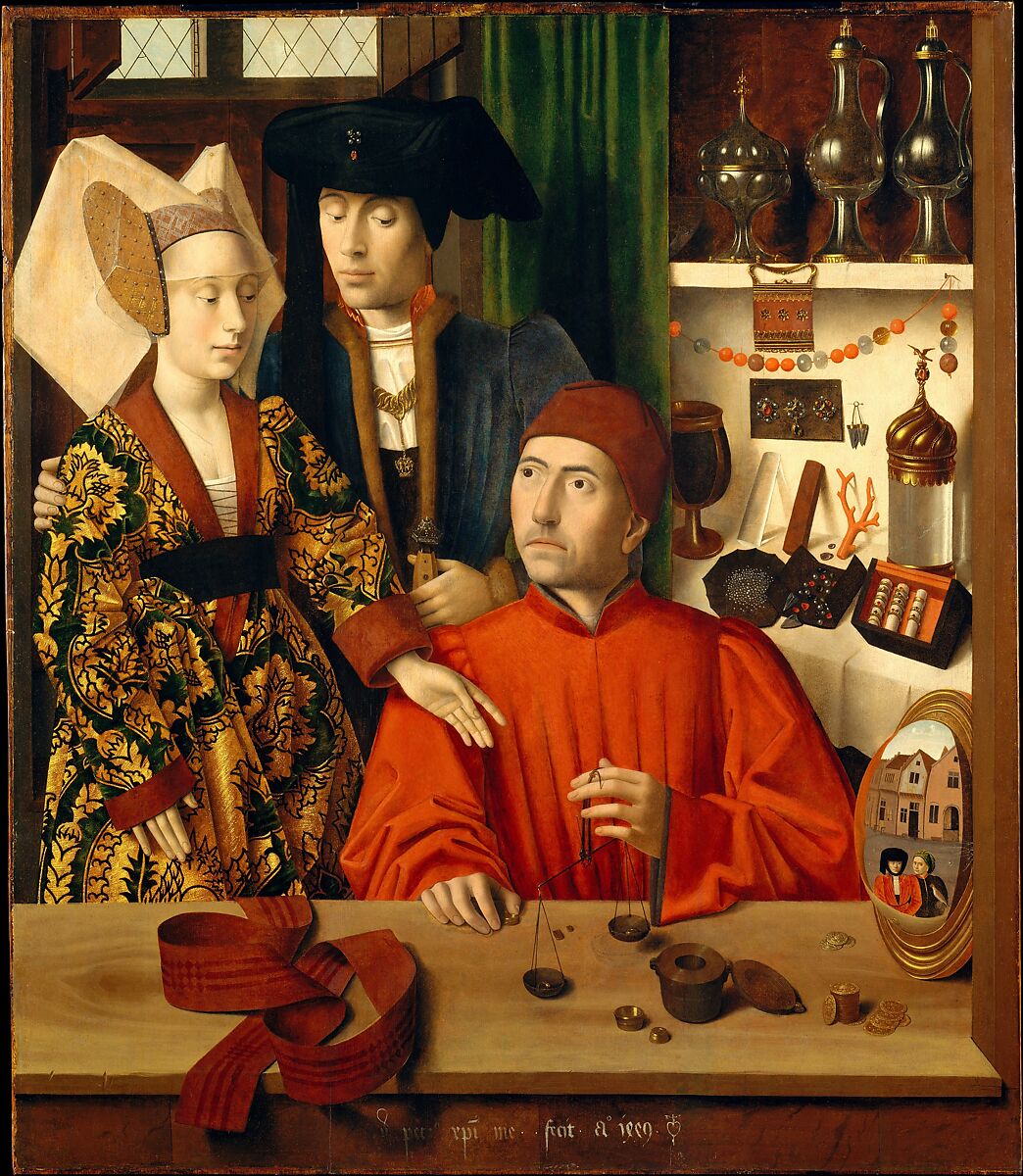
"They are to do good, to be rich in good deeds, generous and ready to share, thus laying up for themselves a good foundation for the future, so that they may take hold of the life which is life indeed.”
— 1 Timothy 6:18–19 (RSVCE)
Beloved, wealth becomes light when it serves mercy. Coins and accounts turn to blessing when they pass through open hands. Stewardship guards the heart from greed, simplicity clears the gaze, and generous alms mend what poverty has torn in the body of the community. Money offered in love becomes a medicine that heals both the giver and the receiver.
The Logos hallows the gift and steadies the will. He teaches honest work, faithful tithes, and hidden generosity. He turns private abundance into public relief, so that the hungry eat and the forgotten stand with dignity. In His pattern, wealth becomes a tool for communion.
Sophia, holy Wisdom, instructs the soul in right measure. She sets a rule for daily spending, grants contentment, and guides the hand to give where the wound is deepest. She keeps the heart free from display and joins prudence to compassion, so that mercy remains strong and steady.
From the Gospel of Thomas comes a clear warning against hoarding that never serves love:
“Jesus said, ‘There was a rich man who had much money. He said, “I shall use my money so that I may sow, reap, plant, and fill my storehouse with produce, so that I shall lack nothing.” Such were his intentions, but that same night he died. He who has ears, let him hear.’”
— Gospel of Thomas, Saying 63
Beloved, turn wealth into mercy. Set aside a portion for the poor. Cancel a debt you can forgive. Fund the quiet work that lifts a neighbor. In this way the community is healed, the soul grows free, and treasure is laid up where rust cannot touch it.

“I was hungry and you gave me food, I was thirsty and you gave me drink, I was a stranger and you welcomed me.”
— Matthew 25:35 (RSVCE)
Beloved, hospitality is a sacrament of presence. The door that opens to the overlooked becomes an altar. Bread set before a stranger becomes offering. A listening chair becomes a place of peace. When we welcome the one who arrives without claim, we receive Christ who stands at the threshold.
The Logos sanctifies the household and the street. He blesses the cup of water, the clean place at table, the cloak placed on cold shoulders. He gathers a people by such simple mercies and builds communion from ordinary kindness.
Sophia, holy Wisdom, teaches the manner of welcome. She grants a gentle word, a steady gaze, and a heart free of calculation. She adorns hospitality with purity of intention, so that service is given for God and not for praise.
The Gospel of Thomas commends generosity that asks for nothing in return:
“If you have money, do not lend it at interest, but give it to one from whom you will not get it back.”
— Gospel of Thomas, Saying 95
Give without debt. Receive without suspicion. Let your doorway become a sign of the Kingdom. Visit the sick, greet the newcomer, share a meal with the quiet soul who carries heavy burdens. Communities are healed when Christ is welcomed at the door in the person of the stranger.

Good morning brothers a d sisters of the Light!
The Eucharist is the work of the whole Body. Christ gathers many members into one act of love, and in that holy communion bread and wine are changed, and we are changed with them.
“The cup of blessing which we bless, is it not a participation in the blood of Christ? The bread which we break, is it not a participation in the body of Christ? Because there is one bread, we who are many are one body.” (1 Corinthians 10:16–17, RSVCE)
“For just as the body is one and has many members, and all the members of the body, though many, are one body.” (1 Corinthians 12:12)
“They told what had happened on the road, and how he was known to them in the breaking of the bread.” (Luke 24:35)
At the altar the Church offers herself with the gifts. The grain and the grape carry our labor, our tears, and our praise. The priest speaks the words of Christ and the Spirit descends. The Amen of the faithful is the seal of the Body. It is the consent of the Bride.
In this mystery there is true transubstantiation by the word of Christ and the breath of the Spirit. There is also transmutation of the people who belong to Him. We hand over fear and resentment, and they do not return. We receive the Body, and a new body is formed among us. We receive the Blood, and a new heart begins to beat with the rhythm of mercy.
The Great Work within the MON sees this as the marriage of earth and heaven. Logos speaks and matter obeys. Sophia crowns the act with wisdom and peace. The Pleroma pours into a single chalice, yet nothing overflows. The Archons find no entry where charity and beauty reigns. The congregation is the living temple that makes room for the Fire.
Your listening is part of the miracle. Your posture of reverence is part of the miracle. Your Amen is part of the miracle. The Lord chooses to make Himself known in the breaking of the bread, and He chooses to break that bread in the midst of His gathered Body. Many faces, one feast. Many voices, one doxology. Many wounds, one healing.
Leave the liturgy as a single loaf for a hungry world. Carry peace to those who are anxious. Carry patience to those who are difficult to love. Carry joy to those who have forgotten the sound of their own song. Become what you have received and let your day become an altar that does not close.
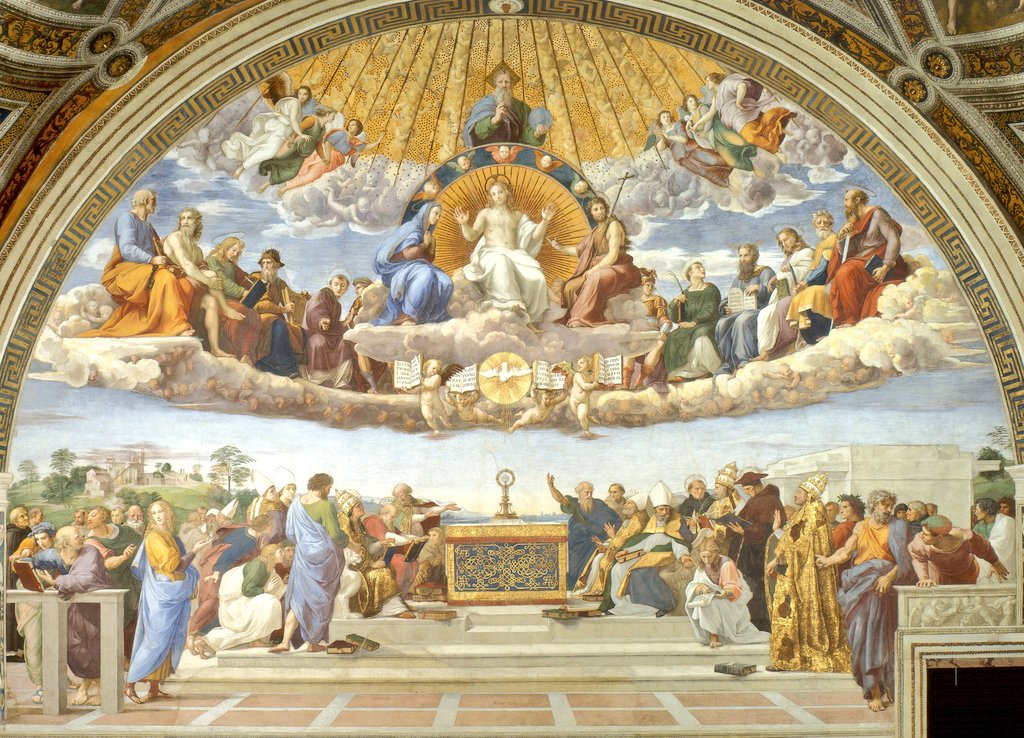
“He withdrew to the wilderness and prayed.”
— Luke 5:16 (RSVCE)
Beloved, practice a fast of the eyes and the ears. Step back from the glow that scatters attention and surrender the hour to God. When screens grow quiet, the soul gathers its strength and learns again to hear the still voice. Presence returns, prayer deepens, and the mind recovers clarity for love.
The Logos teaches holy withdrawal. He leads the disciple into intervals of silence so that speech may be truthful and work may be pure. When the heart rests before Him without noise, He arranges thought, heals distraction, and gives a single purpose for the day.
Sophia, gentle Wisdom, orders this fast with mercy. She grants a rule for rising and resting, seasons for speech and intervals for quiet. She steadies the gaze, cleanses the appetite for endless novelty, and crowns the reclaimed attention with peace. Under her guidance, presence becomes a gift offered to God and to neighbor.
From the Gospel of Thomas comes a clear word for this vigil of attention:
“I took my stand in the midst of the world, and in flesh I appeared to them. I found them all drunk; I found none of them thirsty.”
— Gospel of Thomas, Saying 28
Set down the cup of restless consumption and drink from the spring that gives life. Choose an hour without devices. Walk in silence. Read the Word slowly. Look into the face of a friend with undivided gaze. Offer the reclaimed attention as worship.
“Let what you say be simply ‘Yes’ or ‘No’; anything more than this comes from evil.”
— Matthew 5:37 (RSVCE)
Beloved, holy boundaries guard the peace that God entrusts to the heart. A clear no protects a truer yes. When the soul honors its vocation with steady limits, the day regains order, the mind regains clarity, and the will becomes strong for the work appointed.
The Logos teaches truthful speech and single purpose. He grants courage to decline what disperses the heart and strength to embrace the task He has given. In His pattern the disciple chooses a straight path, keeps a clean promise, and preserves the quiet in which prayer flourishes.
Sophia, holy Wisdom, shapes the art of boundary. She instructs the soul to measure its portion, to guard its time, and to keep its attention pure. Under her counsel, a gentle no becomes an act of charity, a shield for the interior life, and a gift to the community that depends on our faithful yes.
From the Gospel of Thomas comes a clear word for undivided living:
“It is impossible for a person to mount two horses or to draw two bows; and a servant cannot serve two masters.”
— Gospel of Thomas, Saying 47
Choose one master. Choose one work for this hour. Say no to the currents that scatter, and the soul will find the strength to love well.
Let every true no make room for God’s yes.
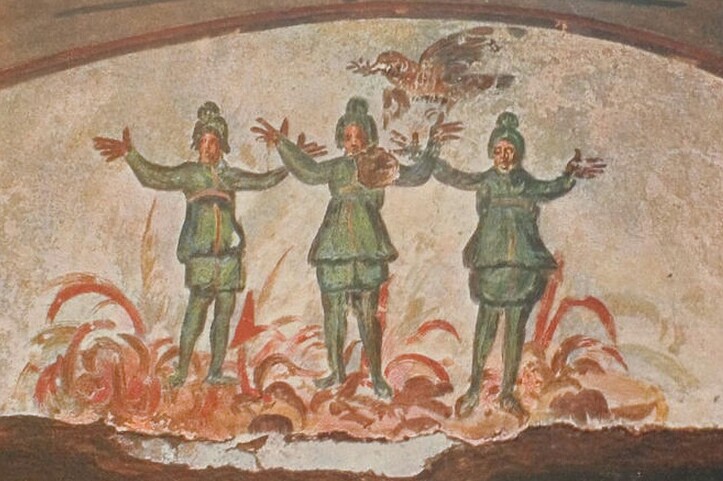
“We were buried therefore with him by baptism into death, so that as Christ was raised from the dead by the glory of the Father, we too might walk in newness of life.”
— Romans 6:4 (RSVCE)
Beloved, resurrection begins here. Each act of repentance opens the tomb within the heart. Each word of forgiveness rolls away a stone. Each new beginning clothes the soul in brightness. These daily risings do not replace the final triumph; they foreshadow it and train the will to greet it with joy.
The Logos breathes life into what seemed finished. He gathers the fragments, restores the image, and sets the feet on a fresh path. In His presence, contrition becomes strength, restitution becomes peace, and perseverance becomes the steady walk of one already raised.
Sophia, holy Wisdom, teaches the art of beginning again. She steadies desire, purifies intention, and weaves yesterday’s lessons into tomorrow’s courage. Under her guidance, the soul learns to carry no bitterness into its future and to rise without hatred from its past.
From the Treatise on the Resurrection comes a clear word for the pilgrim who rises daily:
“Do not think the resurrection is an illusion. It is rather the case that the world is an illusion.”
— Treatise on the Resurrection
Receive this mystery with courage. Confess and rise. Forgive and rise. Start again and rise. The life of the age to come touches the present hour each time the heart returns to God.


Always give people a Catholic Bible. Never give out Protestant Bibles. A Catholic Bible will always have everything a Protestant Bible has, plus more. We don’t want to promote Protestant Bibles and we don’t want to encourage their habits of truncating Scripture.
Now, when it comes to electronic versions, I always recommend the one-and-done $50 Ignatius Study Bible, because I don’t like paying for subscriptions.
When it comes to paper versions however, you have some more options. The Revised Standard Version Catholic Edition (RSVCE) is the gold standard for modern English translations around the world. The only exception is the United States, which uses the New American Bible Revised Edition (NABRE) for liturgy. You can get either one and either one is good. Lots of different publishers are available and each has their own version for different kinds of readers. The only other version I would recommend would be the Good News Translation Catholic Edition (GNT-CE) for people with reading comprehension problems. It’s geared more towards young people or people who have trouble understanding English.

@ShaneSchaetzel Love the RSVCE! Hard to find, these days. Everywhere has the RSV2CE, which lost a lot of that ancient beauty.

@ShaneSchaetzel I have both RSVCE and DRB.

@ZeldaAGabriel I’m still digesting this information. I see that KJV says should.
I use RSVCE as well.
“Look carefully then how you walk, not as unwise men but as wise, making the most of the time, because the days are evil.”
— Ephesians 5:15–16 (RSVCE)
Beloved, time is not a neutral vessel. It is either consecrated or wasted, received as gift or consumed in illusion. The soul that learns to sanctify time walks no longer as one distracted, but as one aligned with the Eternal. Time is the scroll upon which our devotion is written, each moment a word, each breath a decision.
The Logos is the Master of all time, not subject to its decay yet entering its confines to redeem what man has made common. He bids us not merely to believe, but to respond immediately, inwardly, and with totality. The invitation is not perpetual; it is present. Delay is denial when the banquet is now.
Sophia, the holy rhythm of the Divine, draws the soul into a deeper awareness of the present hour. She calls not with a thunderous voice, but in pauses in quiet signs to turn the gaze upward, to listen again, to return. She dwells with those who guard their time with reverence, who treat the ordinary as a veil waiting to be parted.
“A person had guests. And when he had prepared the dinner, he sent his servant, so that he might invite the guests… But each made excuse: business, property, obligation, delay. And the master said, ‘Go out on the roads. Bring whomever you find, so they might have dinner… Dealers and merchants will not enter the places of my Father.’”
— Paraphrased from the Gospel of Thomas 64:1–12
The table of God is set, but the hearts of men are elsewhere. Time is offered, yet they barter it away for dust: rent, profit, reputation, routine. Thus the kingdom does not wait upon the busy but is received by the willing. The hour cannot be hoarded. The call will not echo forever.
Beloved, the true disciple does not delay love, does not postpone repentance, does not excuse prayer for profit. He rises when called. He clears the table of lesser things and sits where Wisdom prepares her wine.
Last Seen Hashtags on Sotwe
Trends for you
Most Popular Users

Elon Musk 
@elonmusk
239.7M followers

Barack Obama
@barackobama
118.6M followers

Cristiano Ronaldo
@cristiano
114.3M followers

Donald J. Trump
@realdonaldtrump
111.7M followers

Narendra Modi
@narendramodi
106.9M followers

Rihanna
@rihanna
98.6M followers

NASA
@nasa
92.1M followers

Justin Bieber
@justinbieber
91.7M followers

KATY PERRY
@katyperry
89.9M followers

Taylor Swift
@taylorswift13
83.9M followers

Lady Gaga
@ladygaga
75.4M followers

Virat Kohli
@imvkohli
73.3M followers

Kim Kardashian
@kimkardashian
70.8M followers

YouTube
@youtube
68.6M followers

Neymar Jr
@neymarjr
66.3M followers

Bill Gates
@billgates
65.1M followers

Selena Gomez
@selenagomez
63M followers

The Ellen Show
@theellenshow
62.1M followers

CNN
@cnn
61.7M followers

X
@x
60.6M followers