Two out of every three AKU alumni are women — leading change in communities around the world.
Connect with us: https://t.co/6QN4DFXX67
#InternationalWomensDay#WomensDay#WomenAtAKU
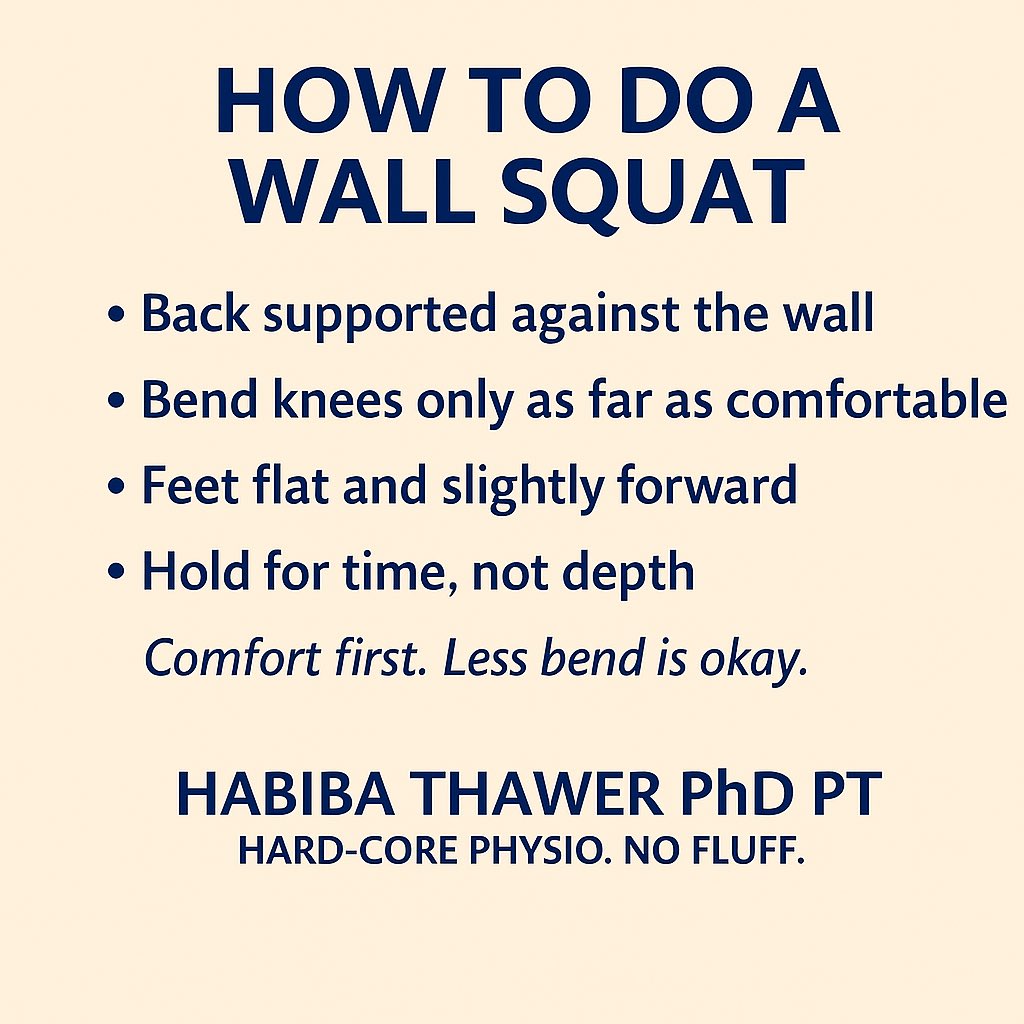
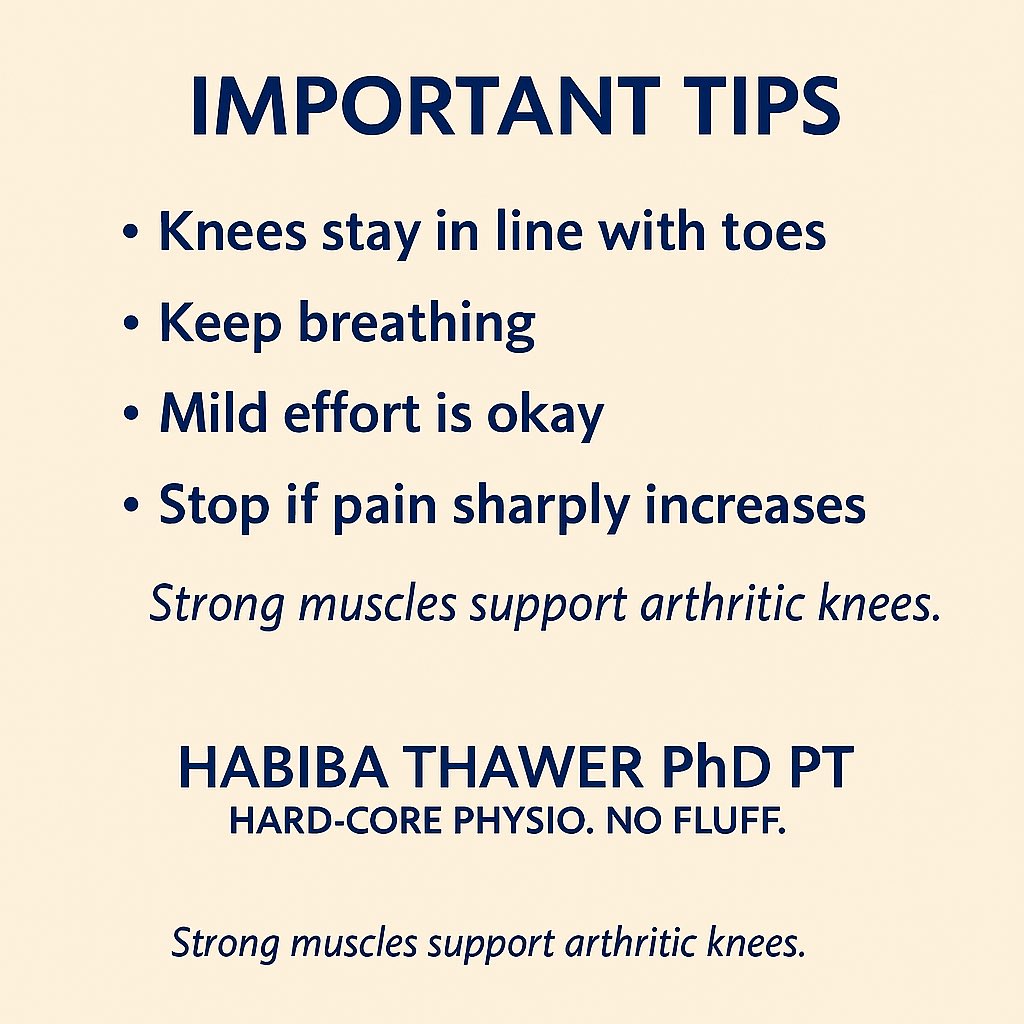
Wall squats are underrated — and powerful.
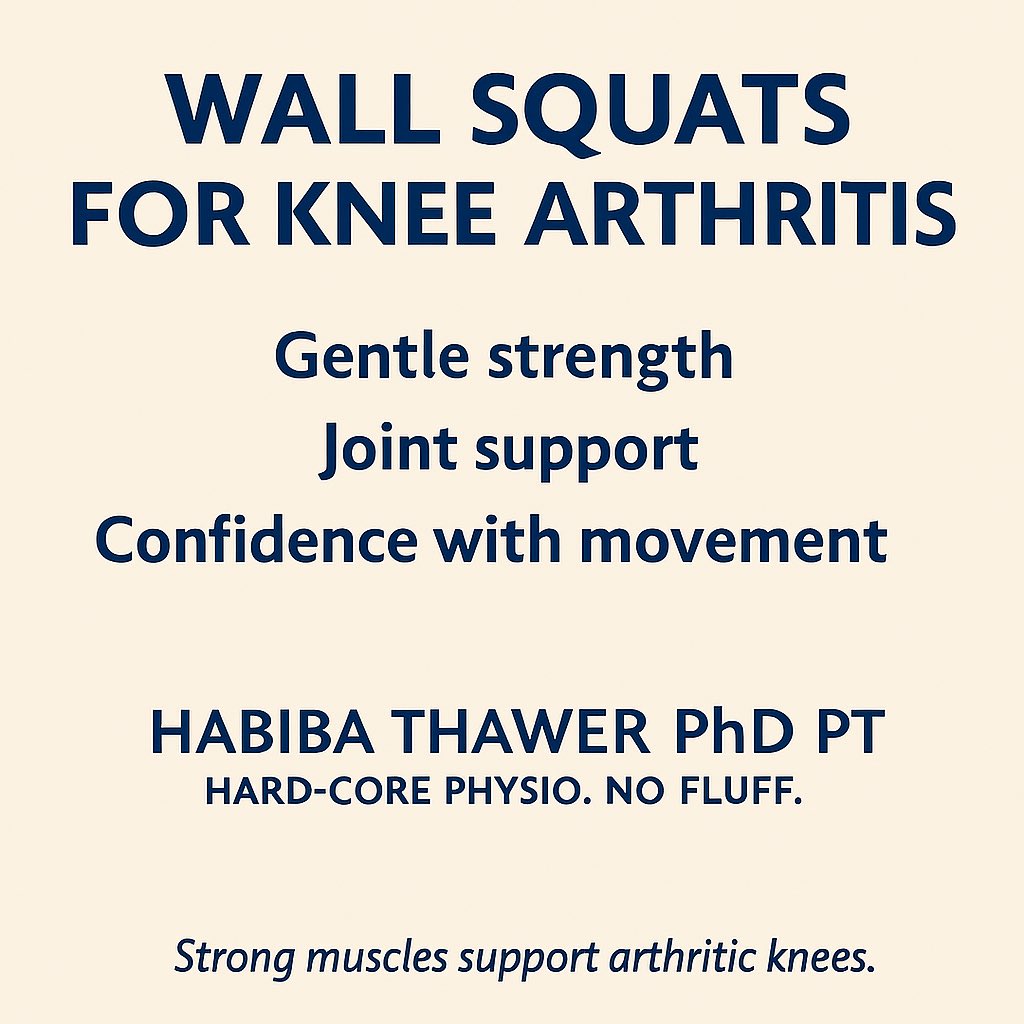
For knee osteoarthritis, they build leg strength with support, reduce joint stress, and improve confidence with movement.
Technique > depth.
#WallSit#IsometricStrength#LegDay#QuadsOnFire
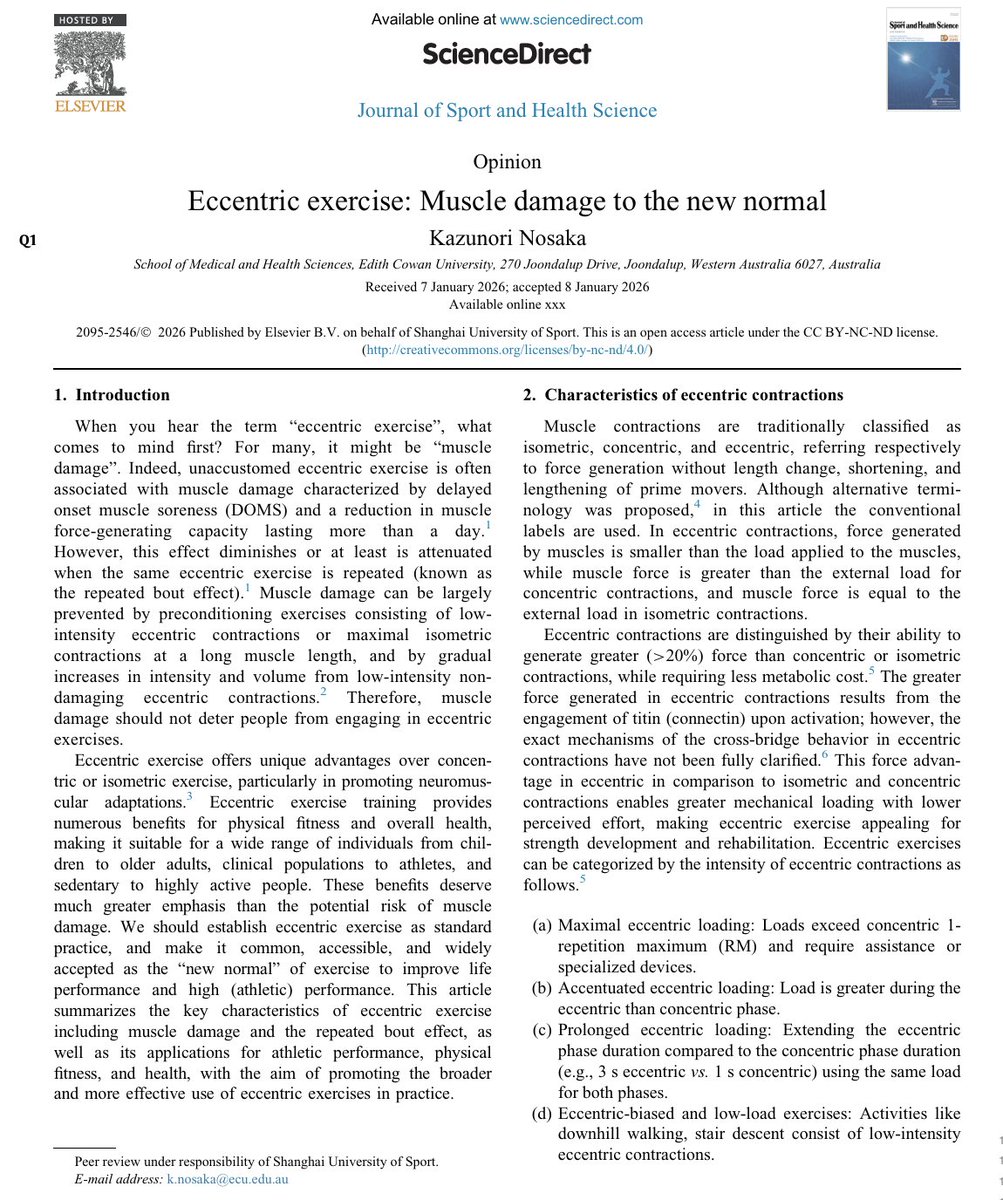
🆕"ECC training is essential for ⬆️ strength, power, speed & COD performance, as well as reducing injury risk"
➡️It induces neuromusc & connective tissue adaptations, relevant for DEC & force absorption ⚽️
👉K. Nosaka 2026 🇦🇺
📂@JSHS_MedHealth Open Access: https://t.co/DvcRy2cBHv
ZONE 2 TRAINING: A WASTE OF TIME FOR PEOPLE WHO AREN'T RACING
A new analysis just torched the zone 2 hype. The conclusion? Current evidence doesn't support zone 2 as optimal for mitochondrial function or fat oxidation.
This matters because the biggest health influencers have been pushing zone 2 as some kind of metabolic sweet spot. Turns out the data doesn't back that up. Not for regular people, anyway.
Zone 2 gets defined as exercise where lactate stays under 2 millimoles per liter. That's the technical version. The practical version is the talk test: you can hold a conversation while moving.
The supposed benefits? Better mitochondria and improved fat burning. Two things worth caring about, sure. But zone 2 isn't the magic bullet people claim it is.
THE MITOCHONDRIAL MYTH
Proponents say zone 2 builds mitochondrial capacity better than anything else. The evidence says otherwise. When researchers looked at the actual signaling pathways that trigger mitochondrial growth, zone 2 barely registered.
Your cells need stress to adapt. Zone 2 doesn't provide enough stress. Not unless you're doing it for hours at a time, which most people aren't.
One study found meaningful cellular stress from zone 2 exercise. After two hours. If you've got two hours a week total for exercise, spending it all in zone 2 means you're leaving serious gains on the table.
High intensity work triggers stronger mitochondrial responses in less time. Multiple studies confirm this. A meta-analysis showed that for non-endurance athletes, zone 2 intensity didn't improve mitochondrial function at all.
High intensity training did.
THE FAT BURNING CONFUSION
What about fat oxidation? The research is thin. One study found zone 2 training increased maximum fat oxidation rates after a year. A year.
Other studies comparing intensities gave conflicting results. Some showed low intensity winning, others showed high intensity winning. A recent meta-analysis of 13 studies found both intensities improved fat oxidation equally.
So zone 2 isn't superior for fat burning either. At best, it's equivalent to higher intensities. At worst, it's a waste of time you could spend on training that delivers multiple benefits simultaneously.
THE REAL PAYOFF: VO2 MAX AND INTENSITY
Here's what actually matters for health and longevity: cardiorespiratory fitness. VO2 max measures how much oxygen your body can use during intense exercise.
It predicts mortality quite good, although it is debatable how influencers intepret the data. One study tracking heart disease patients for eight years found those with the best VO2 max scores had 84% lower mortality risk than those with the worst.
The link between VO2 max and mortality crushes the link between mitochondrial health and mortality. And guess what increases VO2 max most effectively?
High intensity exercise. Not zone 2.
SPRINT TRAINING: THE EFFICIENT ALTERNATIVE
You can trigger mitochondrial biogenesis with repeated sprint intervals. No need for hours of zone 2.
Sprint protocols work in multiple formats. Ten seconds on, fifty seconds off. Or work-to-rest ratios of one to four with maximum thirty-second work periods. These short bursts create the metabolic stress your body needs to adapt.
The beauty of sprint training? It improves mitochondrial function, increases VO2 max, and builds power. Three critical adaptations from one type of training.
Zone 2 can't match that efficiency. It only puts stress on your body.
Elite athletes do large volumes of zone 2 because they're already training twenty-plus hours a week.
They need low intensity work for recovery between their high intensity sessions. They're optimizing performance for competition.
That's not your goal.
Your goal is health and functionality. Different objectives require different strategies.
ZONE 2 CREATES STRESS TOO
Even low intensity exercise loads stress on your body. It takes time. It requires recovery. If you're spending four to six hours a week doing zone 2, that's four to six hours you're not spending on strength training or sprint work. Both deliver better returns for longevity and function.
Strength training builds muscle mass, which declines with age and predicts mortality independent of cardiovascular fitness. It improves insulin sensitivity. It strengthens bones. It makes daily tasks easier. Sprint training does all that plus maximizes cardiovascular adaptation in minimal time.
THE PRACTICAL REALITY
Most people struggle to find seventy-five minutes a week for vigorous exercise. The standard recommendation. If you've got limited time, zone 2 crowds out the training that matters most.
The analysis authors acknowledge this. When you're not an elite athlete with unlimited training time, you need to prioritize efficiency.
Focus on high intensity work done safely. Build up gradually to avoid injury. Include power training with heavier weights and explosive movements.
This combination delivers the mitochondrial benefits zone 2 supposedly provides, plus improvements in VO2 max, strength, and power that zone 2 can't touch.
If you've got extra time after hitting your high intensity targets, sure, add some zone 2. But for most people, that's a hypothetical. The reality is choosing between training methods. The data says choose intensity over duration.
FUNCTIONALITY OVER ENDURANCE
Can you sprint if you need to? This practical measure of fitness predicts independence in old age better than your ability to jog for an hour.
Zone 2 training makes sense for ambitious athletes preparing for endurance events. Cyclists, marathoners, triathletes. People who need to sustain moderate effort for hours.
If you're not racing, you don't need that adaptation. You need the ability to produce force quickly and recover from intense efforts. That comes from sprints and strength work, not steady-state cardio.
The zone 2 hype reflects a fundamental misunderstanding of how to translate elite athlete protocols to regular people optimizing for health.
Elite athletes optimize for performance within their sport. You're optimizing for longevity and function across all of life.
PMID: 40560504
YOUR FASTEST TICKET TO A HIGHER VO2MAX WITHOUT WRECKING YOURSELF WITH STRESS/CORTISOL
Most people grinding away at zone two training or Norwegian 4x4 intervals don't know they're leaving gains on the table.
There's a faster and easier way to spike your VO2max that takes ten minutes and doesn't flood your system with cortisol the way long threshold sessions do.
Repeated sprint training. Short bursts, incomplete recovery, done. No one talks about it because it doesn't fit the narrative that aerobic capacity requires suffering through hour-long slogs or gureling threshold intervals.
THE MECHANISM EVERYONE IGNORES
Your muscles store about 100-150 grams of phosphocreatine. When you sprint all-out for 5-10 seconds, you burn through maybe 60% of those stores.
The phosphate group from phosphocreatine instantly recharges ADP back to ATP. Fast energy, no oxygen required, no cortisol spike.
Here's where it gets interesting. Give yourself 30-60 seconds of rest instead of the typical 2-4 minutes between sprints, and your phosphocreatine stores can't fully recover.
First sprint might hit 800-900 watts. By sprint six, you're down to maybe 600 watts because the tank isn't refilling.
Your body doesn't just give up. It shifts gears. Phosphocreatine contribution drops with each successive sprint. Aerobic metabolism picks up the slack.
By the final sprints, you're hitting near-maximal oxygen uptake even though you're only working for 10 seconds at a time.
That's the trick. You tax your VO2max without the extended cortisol exposure of traditional interval work. Short stress, incomplete recovery, aerobic system forced to contribute more each round.
THE DATA HOLDS UP
A meta-analysis of 51 studies covering 1,261 athletes compared different interval protocols. Repeated sprint training was slightly higher than high-intensity interval training for VO2max improvements, both showing large effect sizes around 1.0. 1.01 vs. 1.04.
That's statistically and biologically significant.
Sprint interval training (30-40 second sprints with 4-5 minute rest) came in third. Continuous endurance training dead last for short-term VO2max gains.
The Norwegian method works, but it requires 4-5 minute intervals at near-VO2max intensity with 2-3 minute recovery periods.
You're looking at 30-40 minutes of total work time. Repeated sprint training gets slightly better results in 10 minutes.
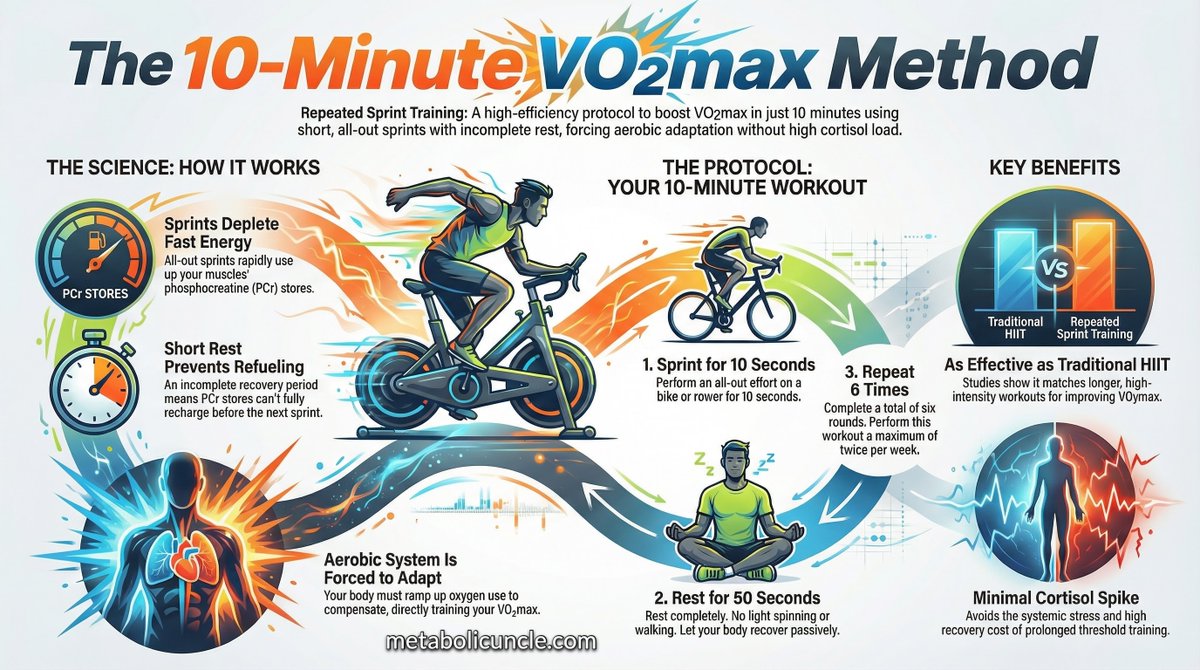
Six rounds of 10-second sprints with 50-second rest. Done. Your aerobic system gets hammered without the prolonged cortisol dump of threshold work.
THE LONG GAME CAVEAT
Short-term studies favor high-intensity intervals. Over longer periods, traditional endurance training builds more capillaries around muscle fibers. Better oxygen delivery to cells. VO2max continues climbing past the initial plateau you hit with pure interval work.
The smart approach combines both. Use repeated sprint training for efficient VO2max stimulus without wrecking your recovery capacity. Add zone two work to build the vascular infrastructure that supports long-term aerobic development.
Only doing sprints caps your potential. Only doing slow cardio wastes time in the first 8-12 weeks. Mix them.
FIBER TYPE FINGERPRINTING
Here's something useful. Track your power output across six sprints. High first sprint that drops off hard indicates more fast-twitch fibers and well-developed phosphocreatine systems.
Flatter power curve across sprints suggests better aerobic development and possibly more slow-twitch dominance.
Someone who hits 1000 watts on sprint one but crashes to 700 watts by sprint six has different physiology than someone who goes 800-750-730-740-720-700.
First athlete has explosive power but limited aerobic backup. Second athlete has better sustained output through aerobic contribution.
Neither is better. Just different. Your training should match your fiber type distribution and your sport demands.
THE PRACTICAL PROTOCOL
Ten-second all-out sprints. Fifty seconds complete rest. Six rounds total. Ten minutes start to finish.
If you only have access to ERGs that have limitations regarding intervals (like the Concept2 rower, which I think starts at 20 seconds), you can adjust accordingly.
Personally, I use a Rogue Echo Bike where I can sprint for 7 or 10 seconds, but it depends on what you are doing (such as running).
If you have a minimum interval size, just use a 1:4 or 1:5 work-to-rest ratio:
1. 10-second sprint: 50 seconds rest
2. 20-second sprint: 80 to 100 seconds rest
You can increase the aerobic training demand by shortening the rest, but this will definitely drop your wattage faster.
Record average watts for all six intervals. Note first interval watts and last interval watts. Calculate percentage drop. That's your fatigue index.
This gives you a physiological profile without expensive lab testing. You learn whether you need more aerobic development or more explosive power capacity.
THE CORTISOL ANGLE
Extended threshold work elevates cortisol for hours. Four-minute intervals at 90% max heart rate, repeated four times with short rest, creates significant systemic stress. Recovery takes longer. Sleep quality often suffers. Appetite regulation gets disrupted.
Ten-second sprints with 50-second rest don't trigger the same hormonal cascade. Brief stress, extended recovery between efforts, total session under 15 minutes including warmup. Your HPA axis doesn't get hammered the way it does with traditional HIIT.
For people already dealing with life stress, sleep debt, or metabolic issues, repeated sprint training provides aerobic stimulus without compounding cortisol load. You get the adaptation signal without the recovery cost.
Ray Peat would have loved this format. He always emphasized that cellular energy production depends on efficient metabolism, not chronic stress exposure.
Repeated sprints align with that principle. Brief, intense demand on energy systems followed by adequate recovery. The opposite of grinding through long intervals that deplete glycogen and elevate stress hormones for extended periods.
IMPLEMENTATION NOTES
Start with four sprints if you're new to this. Work up to six. The protocol loses effectiveness if you can't maintain effort across all intervals.
I have been doing this for a while now and am using a block format. I do 3 blocks, each with 4 repeated sprint intervals… rest between blocks is 4 minutes.
Rest should be complete rest. Not light spinning, not walking around. Sit. Breathe. Let phosphocreatine resynthesize as much as possible in the limited window.
Do this twice per week maximum. More frequent doesn't improve results and interferes with other training. This is a potent stimulus. Treat it accordingly.
Track your numbers. If your fatigue index improves over weeks, your aerobic system is developing better support for repeated efforts. If your first-sprint power increases, your phosphocreatine capacity is expanding.
Both adaptations matter. Both happen with this protocol. Neither requires destroying yourself with cortisol-spiking threshold sessions.
The fastest route to higher VO2max isn't always the longest workout. Sometimes it's the smartest application of metabolic stress in the shortest window.
Shallow squats get shallow results.
Squat depth matters—for strength, mobility, joint health, and actually using your hips like they were designed to be used.
Not hitting depth yet? Use wedges.
HARD-core physio. No fluff. 🦵🏋🏽♀️
#SquatDepth#TrainTheRange#BuildStrength
𝗔𝗞𝗨 𝗖𝗼𝗻𝘃𝗼𝗰𝗮𝘁𝗶𝗼𝗻 𝟮𝟬𝟮𝟲| 𝗠𝗲𝘀𝘀𝗮𝗴𝗲 𝗳𝗿𝗼𝗺 𝘁𝗵𝗲 𝗖𝗵𝗮𝗻𝗰𝗲𝗹𝗹𝗼𝗿
In a message from AKU’s Chancellor, His Highness the Aga Khan, he congratulated the graduates of the Aga Khan University across all its campuses, including Uganda, Tanzania, Kenya, the United Kingdom, Afghanistan, and Pakistan.
Reflecting on the power of education to transform lives, he emphasised that this moment places upon AKU and its graduates both an extraordinary responsibility and an extraordinary opportunity — to create, share, and apply knowledge in ways that improve the quality of human life. #AKUPowerOfOpportunity
Watch his full message here: https://t.co/ZkrWy3bYV8
#AKU25 #AKU2025 #AKUConvocationPakistan
Admissions are open for our medicine, media and education leadership, nursing and midwifery programmes at our Kenya campus.
Visit https://t.co/0pzHqsiIUT to submit your application.
For more information
E: [email protected]
T: +254 780 521 089
#AKUAdmissions
Big win for physiotherapy in Canada. 🇨🇦
Physiotherapists are now eligible for Canada Student Loan Forgiveness—recognition long overdue and hard earned.
This is what advocacy, persistence, and valuing our profession looks like. 👏
#Physiotherapy#StudentLoanForgiveness
Another milestone for AKU!
AKU’s Research Office in Pakistan has achieved GFGP Gold Tier Certification, joining a highly select group of institutions globally recognised for excellence in financial governance and grant management.
With AKU now the only Gold-certified institution in Asia—and following our Kenya Research Office’s Platinum certification in 2025—this milestone reflects AKU’s commitment to transparency, accountability, and internationally benchmarked research administration across regions.
Read more about this achievement and what it means for global research governance: https://t.co/CYE0guY6Cl