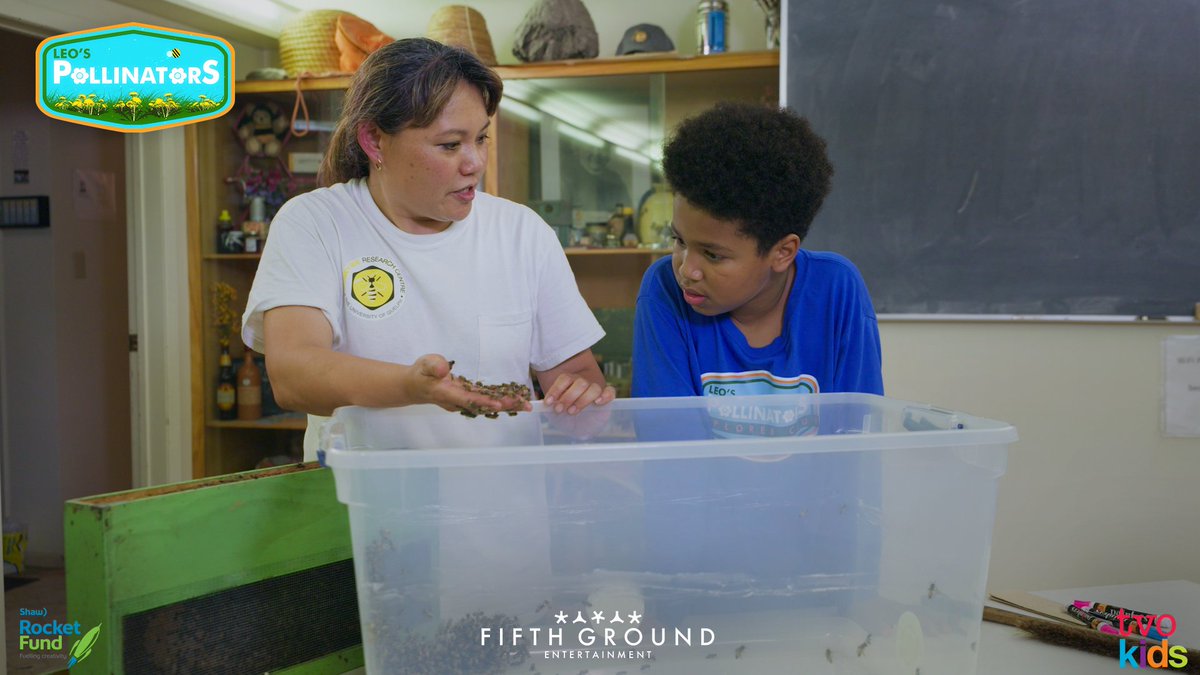
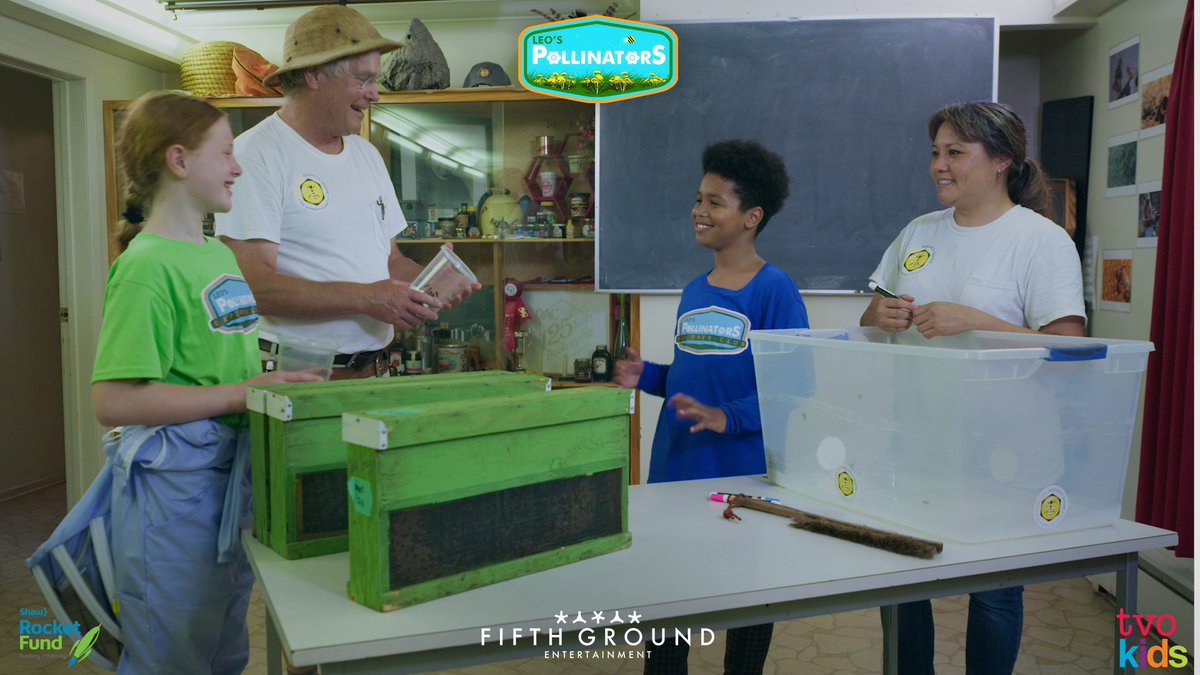
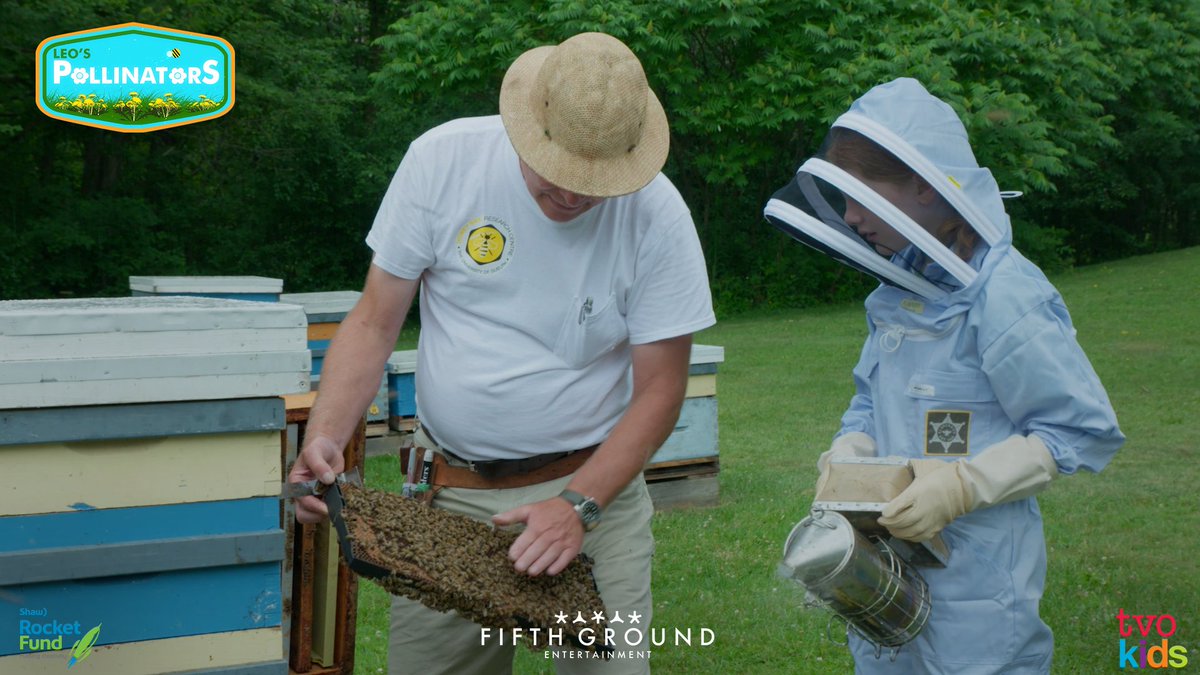
Are you tuning into #TVOkids tonight at 6:30pm EDT? The honey bees are in big trouble and they need our help!
Join us tonight as the Explorer Club works with Paul and Janet from the @HBRC1 who are looking at ways to help the bees live a long, healthy and sweet life 🐝
#honeybee
Severe honeybee colony losses across Canada due to Varroa destructor mite.
Mite reproductive rates depend on spring weather conditions, says Paul Kelly (@HBRC1). An early 2021 spring meant they could wipe out colonies over the fall and winter.
https://t.co/nEiZi3zCNK
Meet Paul Kelly! He works at the #UofG Honey Bee Research Centre (@HBRC1) and, with the help of Alliance funding, is creating educational beekeeping videos and online outreach. Learn more about his KTT project. https://t.co/3Na44NPsBM
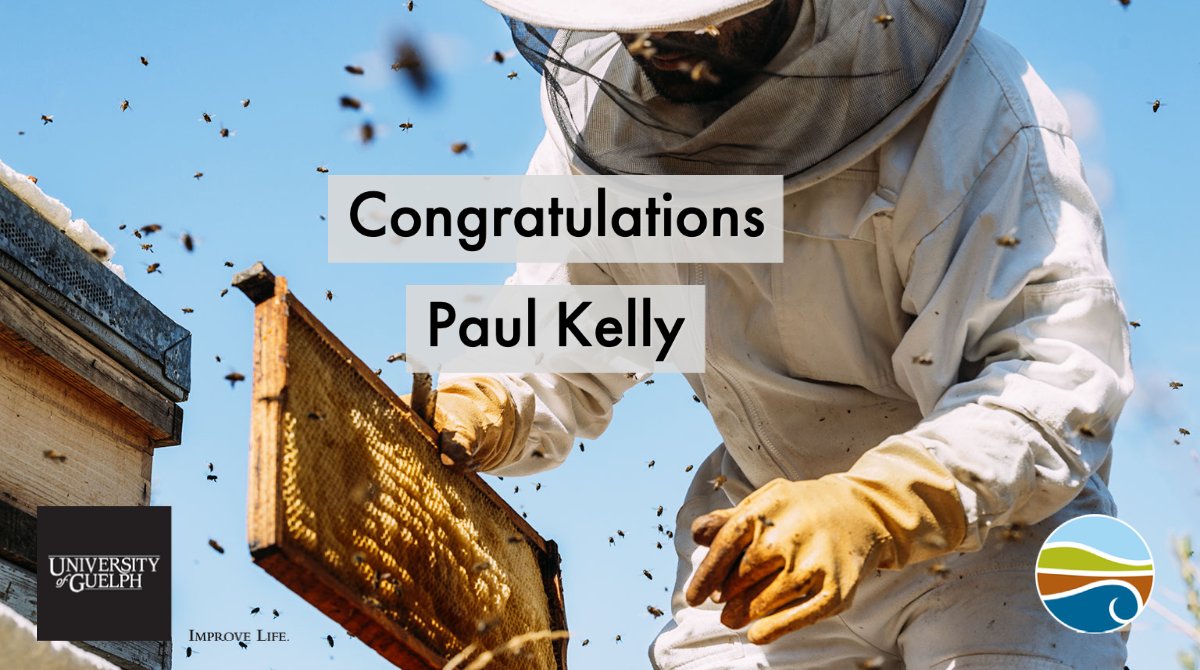
Congratulations to our own Paul Kelly for being among the 4 @UofGuelphOAC alumni inducted into the Ontario Agricultural Hall of Fame! 🐝
Paul has managed the @HBRC1 since 1987 and is a leading #bee expert and an outstanding teacher.
https://t.co/XDFEVIsgUO
#SESProud#Honeybee
Amitraz caused a significantly higher mite mortality (92%) and was classified as “mostly effective” (90–97%), whereas flumethrin and tau-fluvalinate were classified as “minimally effective” (< 80%) for Varroa control in the mite populations studied -in Ontario
Are you an undergraduate in the US interested in an international research experience?
Join us for our 2022 NSF-IRES: Pollinators in Changing Climates Colombia https://t.co/3iinXMhjVV
@jdfuents @Stephanidae_ @PSUPollinators@PSU_Entomology@AgSciResearch
First insights into the honey bee (Apis mellifera) brain lipidome and its neonicotinoid-induced alterations associated with reduced self-grooming behavior. https://t.co/mFFcp4RUgE
Lipids play a crucial role in the performance of neural processes and behaviors.
The use of untargeted lipidomics was used to describe the lipid composition of bee brains, and to study how lipids are altered in bees exposed to a neurotoxin.