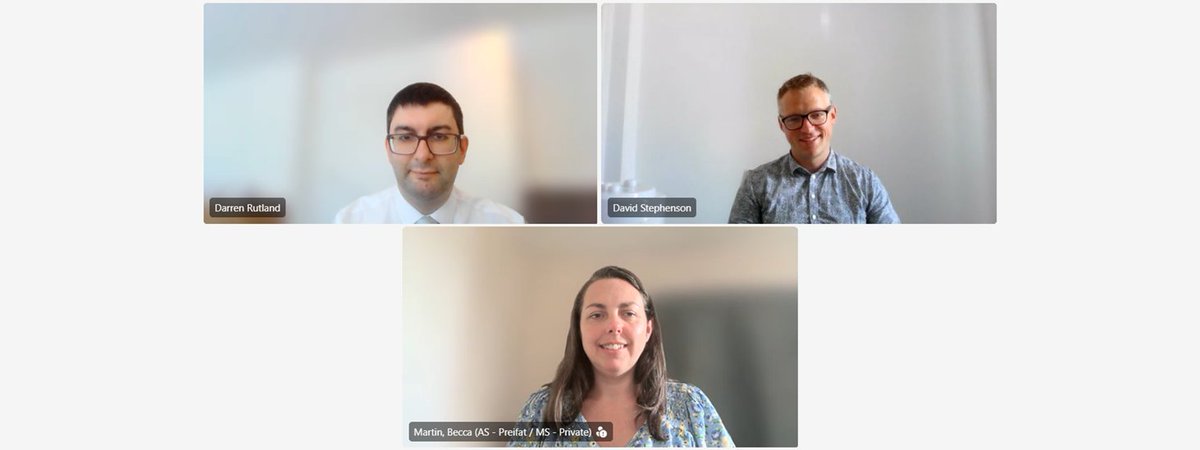
Thank you to Becca Martin MS for meeting us to talk about improving access to mental health services and the importance of a single point of contact for people with Huntington's and other neurological conditions, and for offering to follow up with the Welsh Government
As we welcome @YvetteCooperMP, the new Secretary of State for Health and Social Care, if you're able, please make sure you've added your name to our open letter calling for a national plan for neuro. Add your name here: https://t.co/MwDyiAAVk5 Thank you
Show your support for a national plan for neurological conditions now. If you are able, please sign our open letter to the Secretary of State for Health and Social Care here: https://t.co/w33q60NPo7 Thank you. Anyone in the UK can sign and show their support.
Thank you Gwyn Williams MS and Safa Elhassan MS for meeting us to discuss mental health services and care coordination for people with Huntington's in Gwyr Abertawe, and for your offers to follow up on our behalf
At least 1 in 6 people in England has a neurological condition. The Government's neighbourhood health programme must work for people with complex, long-term conditions, including neurological conditions. Learn more about https://t.co/t21R7WjFGx
🧘 Join our seated yoga session with Amanda Turner.
This gentle 15-minute practice is designed to support your wellbeing and can be done from the comfort of a chair. https://t.co/Xoqva9oDc1
People living with Huntington’s disease on the highest rates of PIP should not face anxiety-provoking, unnecessary reassessments — but too many still do.
This has to change.
Read our response to the government’s PIP review here: https://t.co/lEssGWJ9PO
Thank you Peredur Owen Griffiths MS @PeredurPlaid for taking the time to meet us to talk about mental health services and care coordination for people with Huntington's in Casnewydd Islwyn and throughout Wales, and for offering to follow up with the Welsh Government
A person with Huntington’s disease may seem reluctant to join in activities due to changes in the brain that affect motivation and initiative. It’s not laziness or a lack of interest. Understanding this can help families offer the right support. Here are some tips. 💚
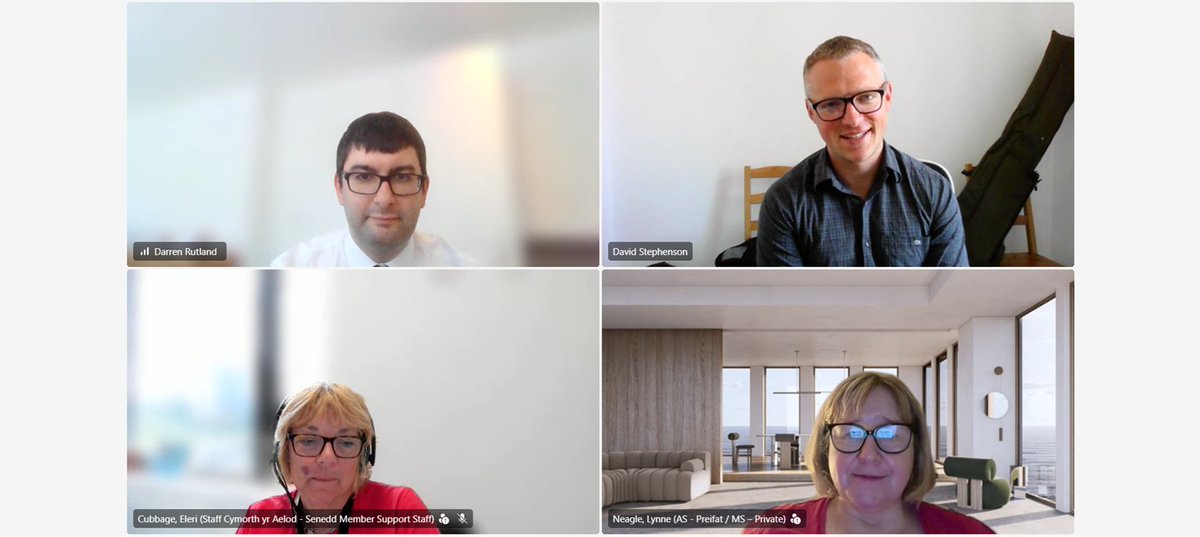
Thank you @Lynne_Neagle MS for meeting us to discuss care coordination support and access for people with Huntington's to mental health services in Sir Fynwy Torfaen and across Wales, and for agreeing to follow up with the Welsh Government on these issues
Stanley family without you & immediate family battling @HDA_tweeting for Mrs Contingent life would be very hard so lovely seeing her smile so much in Rhodes thanks to all hotel Tui blue Lindos bay & James from uncharted escapes today thank you for making memories
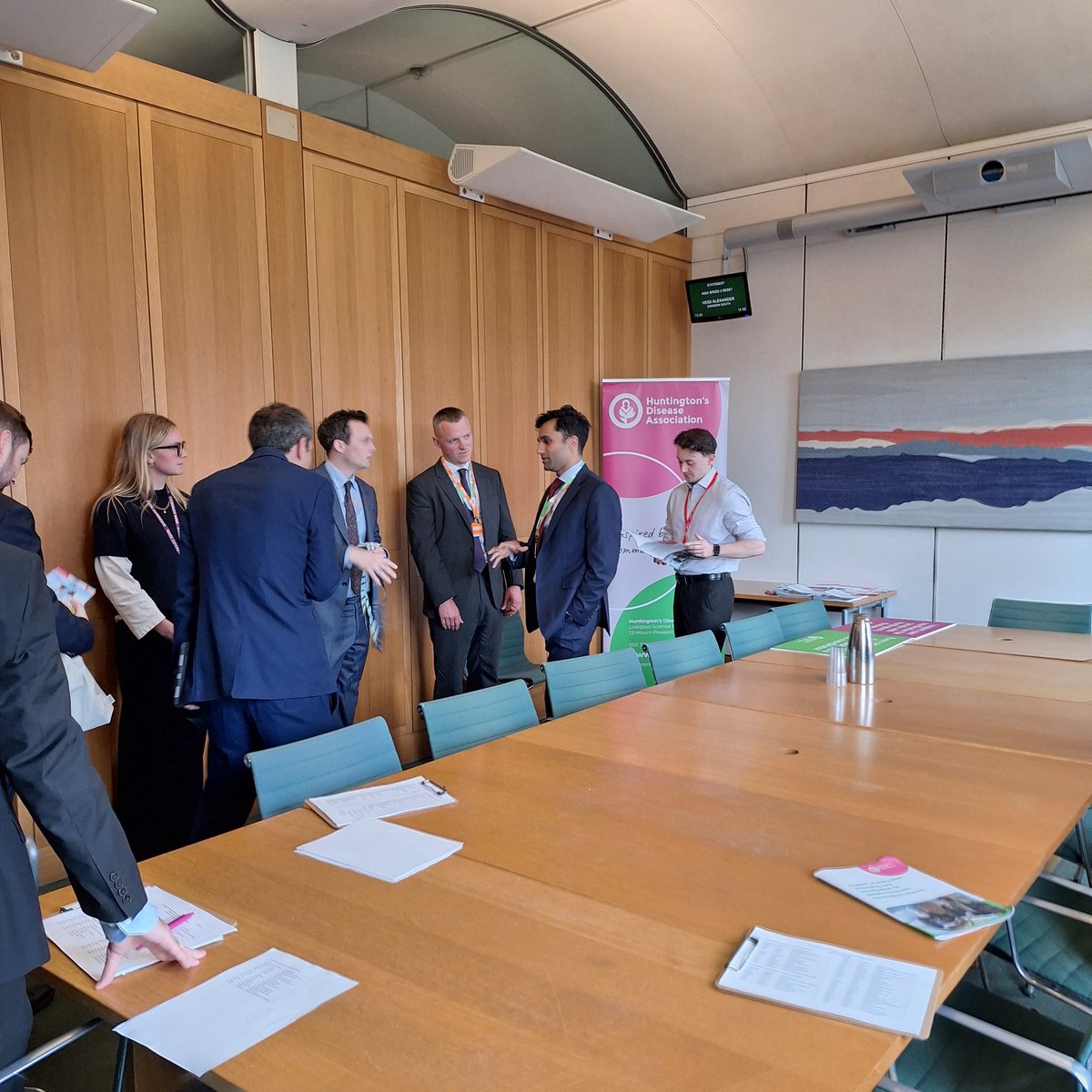
Following a recent meeting with the Huntington's Disease Association, I was delighted to host them in Parliament last week.
The event marked the launch of their report on care coordination, entitled 'Support at every step: Improving care coordination for people living with Huntington's disease'.
There are at least 8,000 people in the UK living with Huntington's disease, with a further 32,000 at risk. Because it is hereditary, with each child of an affected parent carrying a 50% chance of inheriting it, the condition ripples across entire families and generations.
People with Huntington's disease need a dedicated care coordinator, yet too many are left without one. Research shows care coordinators are present in only 40% of English counties, and where professional support is absent, family members are pressured to fill the gap themselves, increasing the risk of crisis care.
People with access to a care coordinator report a much better care experience which makes the current postcode lottery all the more unacceptable. Decision-makers must act now to make coordinated care universal, especially as new treatments bring fresh hope to those affected.
Anyone in Maidstone and Malling who is affected by Huntington's disease can ask for support from the Huntington's Disease Association locally: https://t.co/2KbWmm9Yrw
@HDA_tweeting
In a single moment, she realised her mother-in-law had it, her husband Tracy could have it, and their two-year-old daughter has a 50/50 chance of inheriting it. What happened next would define the next 25 years of her life.
Read Susan's story below: https://t.co/rV2NJI7usq
"My heart stopped. Three generations in a flash, literally within that day."
Susan was sitting with her mother-in-law at a routine doctor's appointment when she first heard the word Huntington's disease.