The official X account of Health Economics. Featuring theoretical contributions, empirical studies and analyses of health policy from the economic perspective.
📢 June is for summer reading, and the new issue of Health Economics did not come to play! From opioids and urban health sorting to vaping, alcohol, financing, and HIV spillovers, Volume 35 Issue 7 brings range and bite. https://t.co/i3IrSof6Og
🧠 Does cutting interstate licensing barriers boost mental health supply?
A new Health Economics study finds PSYPACT increased psychologist listings by 7.7%, but the gain came from in-state incumbents listing for the first time, not out-of-state entry.
https://t.co/Z65GKRRZiQ
💊 Did banning Rx rebates help local pharmacies in Germany?
A new Health Economics study finds offline Rx sales rose 1.42%–1.67%, but the smallest pharmacies gained too little to meaningfully stop closures.
https://t.co/UB7rDt9OfI
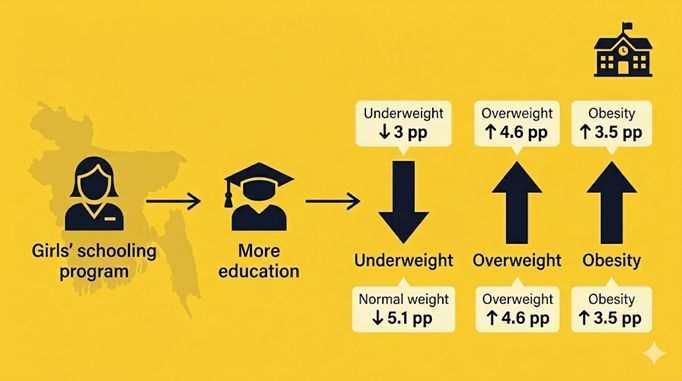
📚 Education can fight malnutrition, but not always the way you expect.
A new Health Economics study finds Bangladesh’s girls’ schooling program reduced underweight, but also increased overweight and obesity later in life.
https://t.co/QXEedjZ68M
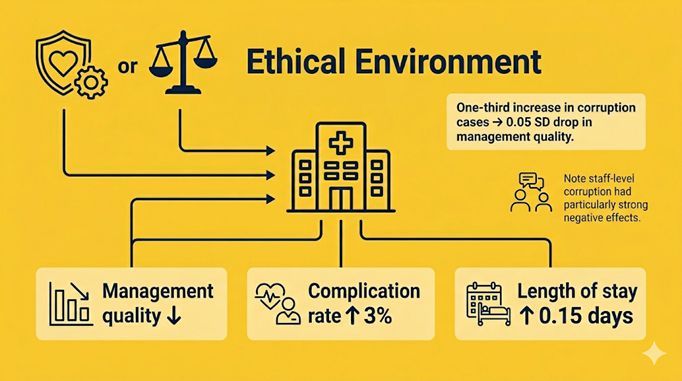
🏥 Can an unethical environment quietly damage hospital care?
A new Health Economics study of 500+ hospitals in China links more medical corruption to worse management, more complications, and longer hospital stays.
https://t.co/JePZLmqx1g
👶 Can budget cuts cost babies’ lives?
A new Health Economics study finds Greece’s post-2010 austerity was linked to a 43% rise in infant mortality, with larger effects for boys and in the neonatal period.
https://t.co/e0kmnnumBJ
🧠 Universal pre-K may do more than help kids.
A new Health Economics study finds NYC’s expansion was linked to fewer pain-relief and hormone prescriptions among some low-income mothers, especially single moms with no younger children at home.
https://t.co/YCQH5134ZI
💊 A new Health Economics study reframes global drug pricing: pharmaceutical R&D behaves like a global public good, and cross-country price differences may reflect how differently nations support future innovation. https://t.co/knxeDUKp8G
Can easier access to legal marijuana save lives?
A new Health Economics study finds recreational dispensary openings were linked to lower suicide rates among adults 45+, with especially clear effects for older White adults.
https://t.co/Mm2q07wFT2
📢 New Issue Alert: Health Economics June 2026 is out.
This issue spans sports betting, maternal care access, physician decision-making, long-term care, Medicare Advantage, mental health, and drug coverage strategy.
Read it here: https://t.co/NPL3o2leNY
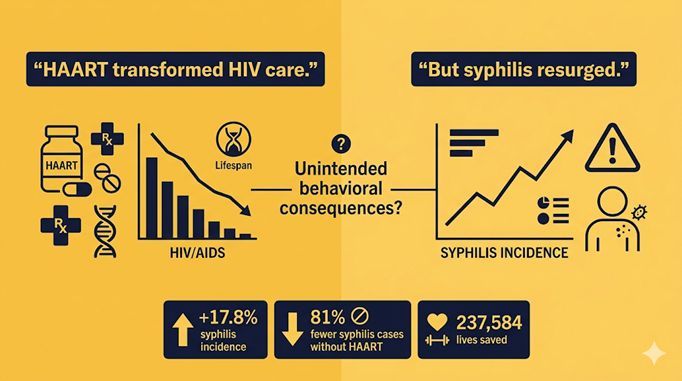
Medical breakthroughs save lives, but they can also change behaviors in unexpected ways. 💊
Research shows HAART for HIV led to a major resurgence in syphilis—responsible for an 81% increase in cases.
The lesson? Policy must anticipate behavioral shifts. https://t.co/ZVqG7nbZYL
What happens when vaping gets more expensive?
A new Health Economics study finds higher e-cigarette prices and taxes reduce vaping, but users may switch across device types rather than to cigarettes.
Policy design matters. https://t.co/R9PMU495Ov
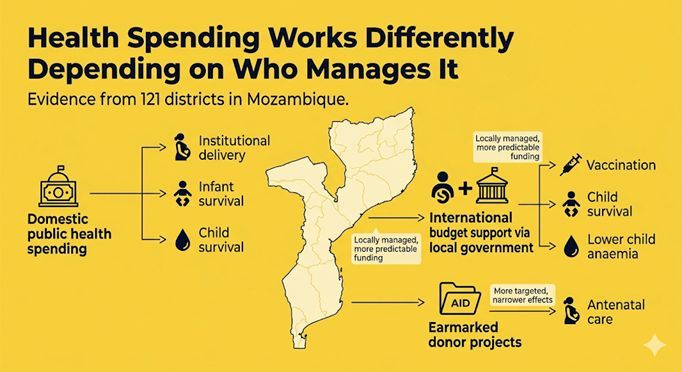
Not all health spending is equal. 🌍
New data from 121 districts in Mozambique shows that domestic funds + local budget support are the keys to child survival. 🏥
The secret? Local governance makes international aid more effective.
https://t.co/hOA4hxDQIv
End-of-life care shouldn't bankrupt families.
A new study in China shows Long-Term Care Insurance cuts catastrophic spending by up to 52% and ⬇️ out-of-pocket costs by 73%! 📉
The secret? Shifting from aggressive interventions to dignified support.
https://t.co/XsTjdreF8W
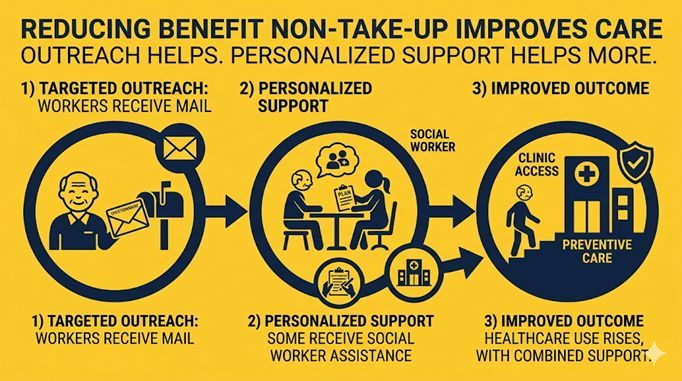
Can a simple letter improve health? ✉️🏥
New research in France shows proactive outreach to retired self-employed workers increased healthcare use by 0.6%.
When paired with a social worker, that effect ⬆️ to 2%.
https://t.co/NrDevHVrhB
Can health campaigns drive up your rent? 🍎🏙️
New NYC research shows "health sorting" spikes demand for homes near parks, raising rents by ~2% and displacing the low-income residents these policies aim to help. https://t.co/XJPiTPu7D6
📢 New Issue Alert: Health Economics May 2026 is out. From health dynamics and insurance markets to suicide, antimicrobial resistance, maternal education, free drugs, and PROMs, this issue has range.
Dive in! ⬇️
https://t.co/wYxWFZSdt2
Why does it take so long for new drugs to be funded? 💊⏳
It’s not just red tape—it’s strategic bargaining. A study of 634 submissions in Australia found a 16-month median delay.
High costs + uncertainty = Longer waits. https://t.co/2GxZySzPT9
Is a child’s time worth "nothing" in healthcare cost calculations? 🧒⏳
Economic evaluations often ignore the opportunity cost of a child's time because they don't earn wages. New research calls for a change.
Time is a finite resource—regardless of age. https://t.co/uiFh6ot6vW
Did frontline health workers suffer worse mental health during COVID-19? 🧠
New evidence from UK suggests their mental health declined—but not more than other workers. The pandemic’s psychological toll was broad, not confined to healthcare alone.
https://t.co/H4oOSl4pJE