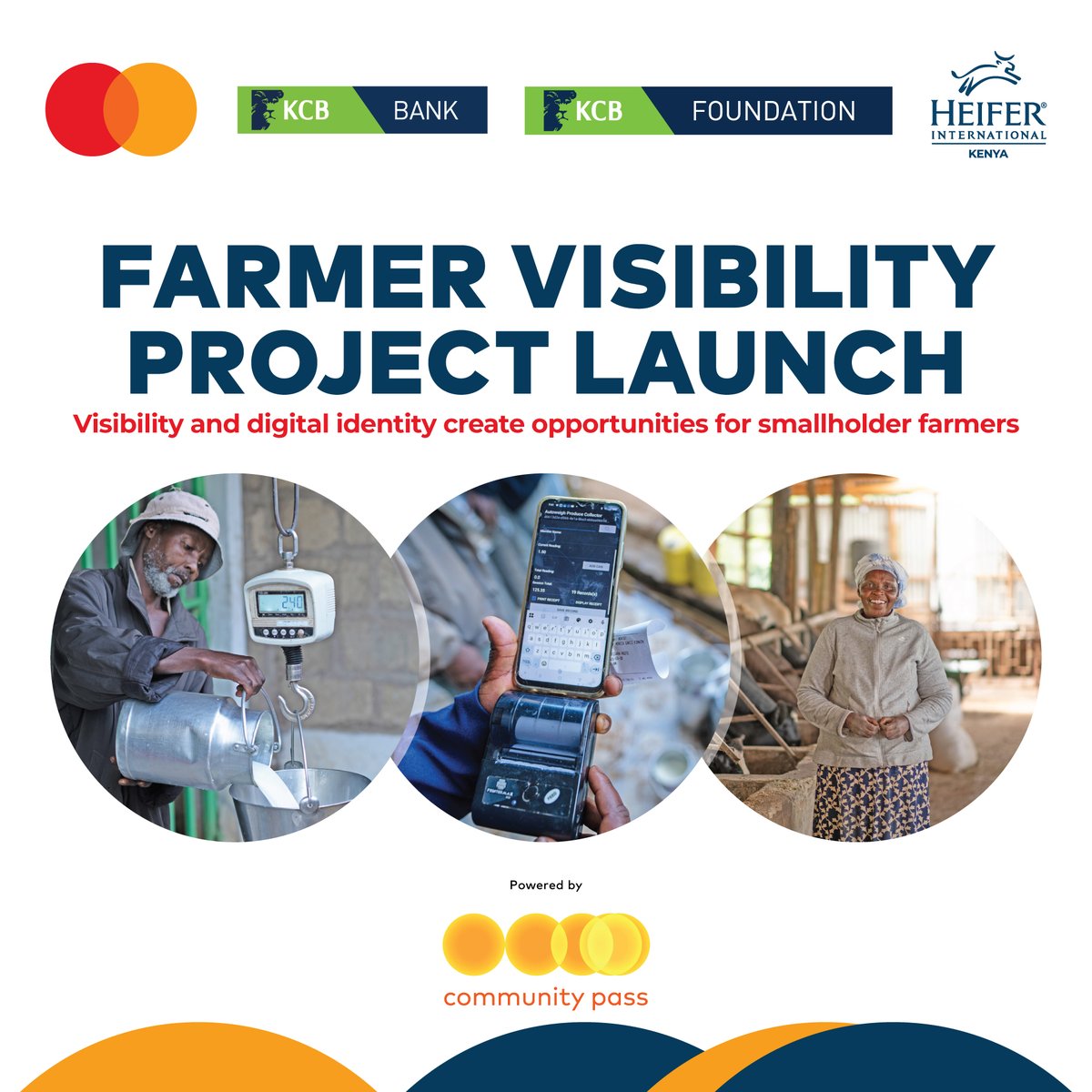
𝐑𝐞𝐥𝐢𝐯𝐢𝐧𝐠 𝐬𝐨𝐦𝐞 𝐨𝐟 𝐭𝐡𝐞 𝐯𝐨𝐢𝐜𝐞𝐬 𝐟𝐫𝐨𝐦 𝐨𝐮𝐫 𝐫𝐞𝐜𝐞𝐧𝐭 𝐥𝐚𝐮𝐧𝐜𝐡 𝐨𝐟 𝐭𝐡𝐞 𝐅𝐚𝐫𝐦𝐞𝐫 𝐕𝐢𝐬𝐢𝐛𝐢𝐥𝐢𝐭𝐲 𝐏𝐫𝐨𝐣𝐞𝐜𝐭.
When smallholder farmers become visible within formal financial systems, new opportunities open up.
Through a partnership between @Mastercard, Heifer International, KCB Foundation and KCB Bank Kenya, the initiative aims to connect 30,000 smallholder dairy farmers to trusted digital transaction records, greater financial inclusion, improved access to financing and stronger market linkages.
#FarmerVisibility #FinancialInclusion #TheFutureIsFarmers @Heifer@HeiferAfrica@KCBInKenya
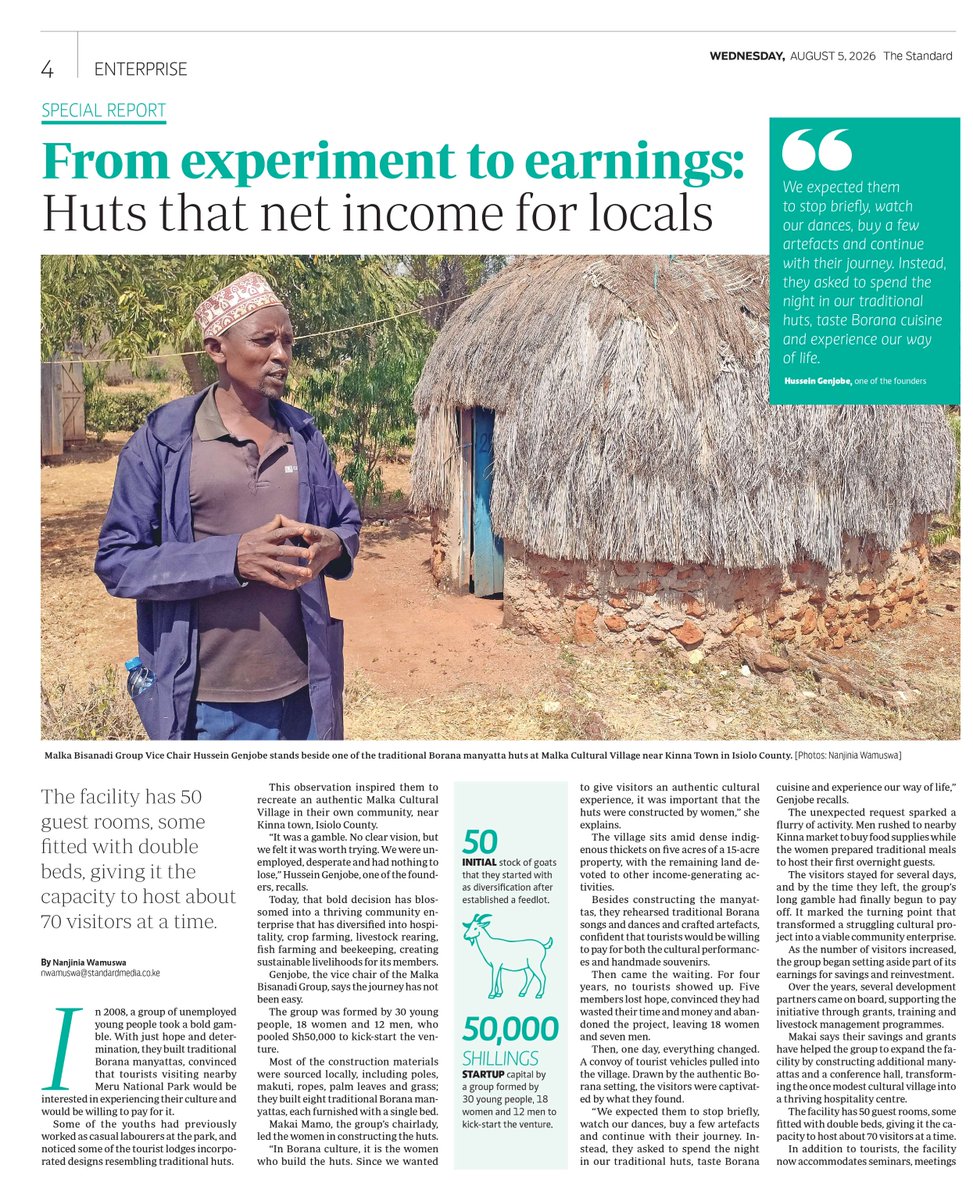
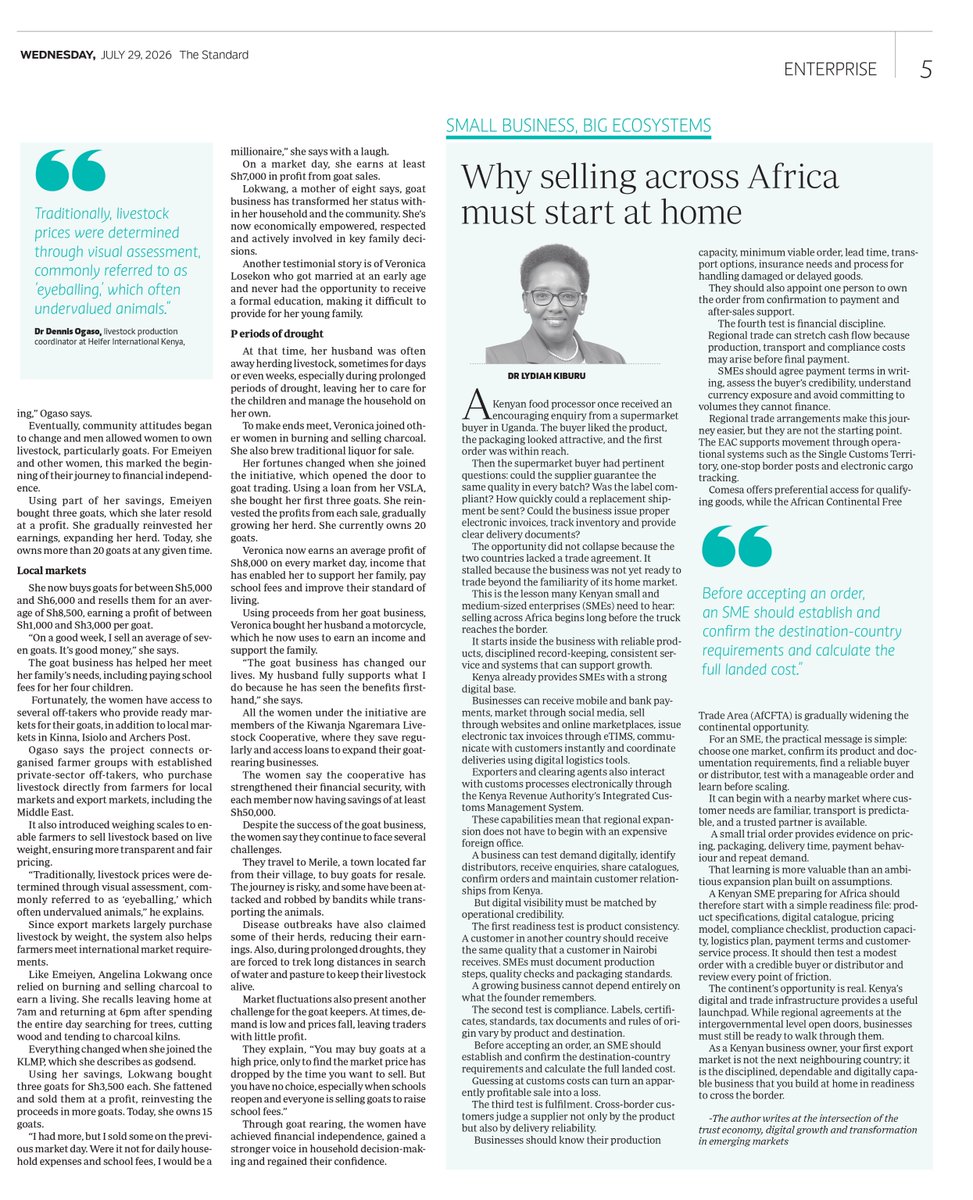
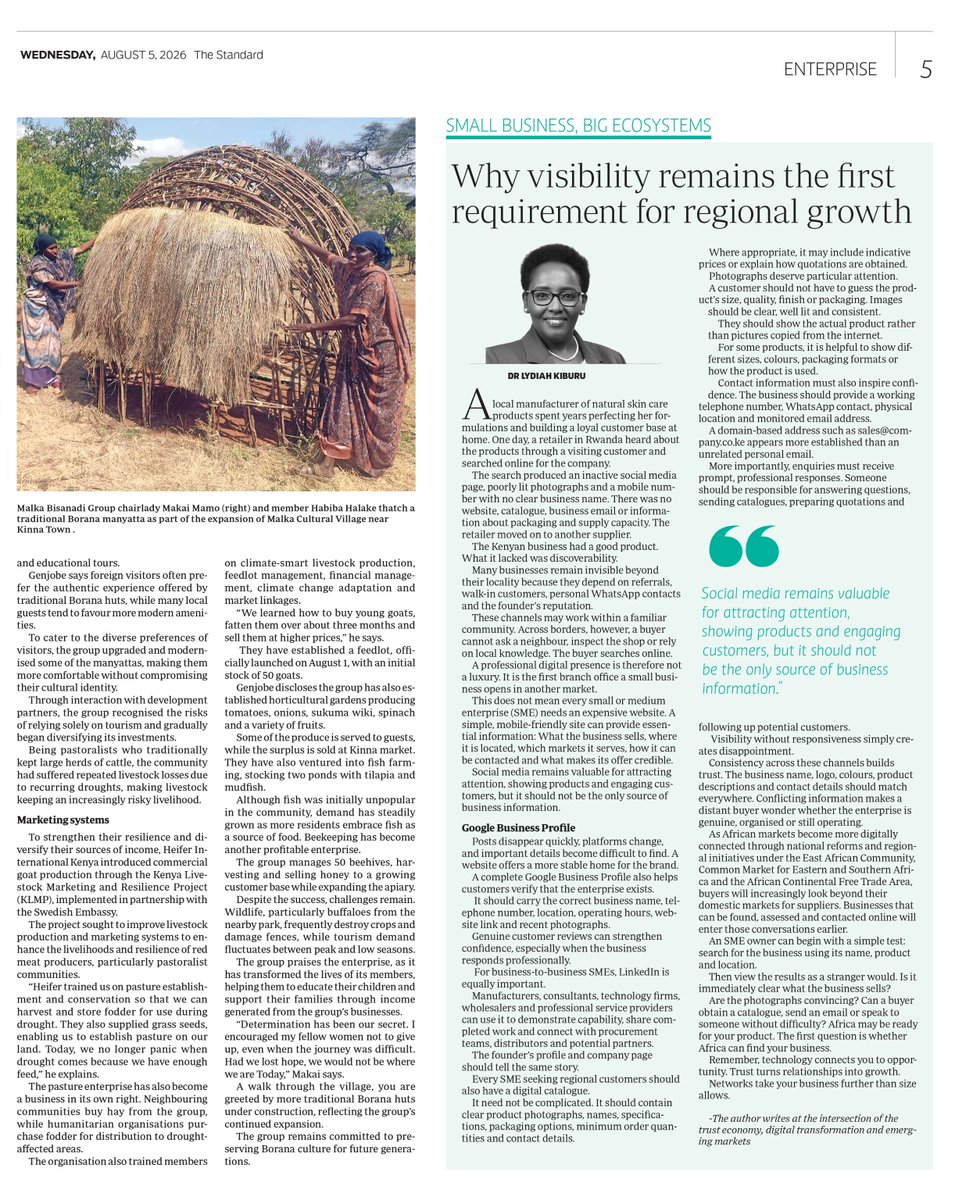
#HeiferInTheNews: Discover our work through the Kenya Livestock Marketing & Resilience Project (KLMP), featured in the latest media stories that showcase how strategic partnerships are transforming Kenya's red meat value chain.
Co-created by the Embassy of Sweden in Nairobi and Heifer International Kenya, KLMP is strengthening livestock production, market systems, and resilience to improve the livelihoods of pastoralist and agro-pastoralist households.
https://t.co/AJjBJ2YQab
https://t.co/SlPrY5swCu
https://t.co/Qan4p0eQAG
#TheFutureisFarmers #LivestockProduction #RedMeatValueChain @Heifer@Heifer_Africa@SwedeninKE
𝐁𝐮𝐢𝐥𝐝𝐢𝐧𝐠 𝐏𝐚𝐫𝐭𝐧𝐞𝐫𝐬𝐡𝐢𝐩𝐬 𝐭𝐨 𝐓𝐫𝐚𝐧𝐬𝐟𝐨𝐫𝐦 𝐊𝐞𝐧𝐲𝐚'𝐬 𝐑𝐞𝐝 𝐌𝐞𝐚𝐭 𝐕𝐚𝐥𝐮𝐞 𝐂𝐡𝐚𝐢𝐧
Heifer International Kenya has signed Memoranda of Understanding (MoUs) with the County Governments of Samburu and Laikipia, strengthening a shared commitment to transform the red meat value chain through the Kenya Livestock Marketing & Resilience Project (KLMP).
The partnership will strengthen livestock production, expand access to markets and finance, and create sustainable economic opportunities for smallholder farmers and pastoralist communities.
Implemented by Heifer International Kenya with support from the Embassy of Sweden in Nairobi, KLMP will work closely with both county governments to build resilient livestock production systems, strengthen livestock marketing, and unlock greater value across the red meat value chain.
By bringing together county governments and development partners, this collaboration lays the foundation for more inclusive, resilient, and market-driven livestock systems that improve livelihoods and contribute to sustainable economic growth in Samburu and Laikipia counties.
#TheFutureisFarmers #RedMeatValueChain #MarketSystems @Heifer@Heifer_Africa@SwedeninKE
𝐂𝐚𝐭𝐚𝐥𝐲𝐳𝐢𝐧𝐠 𝐛𝐞𝐡𝐚𝐯𝐢𝐨𝐮𝐫 𝐜𝐡𝐚𝐧𝐠𝐞 𝐭𝐡𝐫𝐨𝐮𝐠𝐡 𝐥𝐨𝐜𝐚𝐥 𝐜𝐡𝐚𝐦𝐩𝐢𝐨𝐧𝐬: 𝐇𝐨𝐰 𝐌𝐞𝐫𝐭𝐢 𝐢𝐬 𝐞𝐦𝐛𝐫𝐚𝐜𝐢𝐧𝐠 𝐜𝐥𝐢𝐦𝐚𝐭𝐞-𝐬𝐦𝐚𝐫𝐭 𝐟𝐨𝐝𝐝𝐞𝐫 𝐩𝐫𝐨𝐝𝐮𝐜𝐭𝐢𝐨𝐧
In the arid landscapes of Merti, Isiolo County, what was once considered an impossible venture is now inspiring pastoral communities to view fodder production as a practical climate adaptation strategy to recurring drought and livestock feed shortages.
Through the Kenya Livestock Marketing and Resilience Project (KLMP), implemented by Heifer Kenya with support from the Embassy of Sweden in Nairobi, the project demonstrates that lasting behavior change begins when communities have the knowledge, resources, and confidence to lead it themselves.
Leading this change is Sheikh Hassan Duba, a member of the Merti Livestock Cooperative Society, who has emerged as a local champion for climate-smart fodder production.
The cooperative received Maasai Love Grass and African Foxtail seeds through KLMP to establish a five-acre fodder demonstration farm. The site, once overrun by the invasive Prosopis juliflora, a plant infamously known locally as Mathenge, was cleared by cooperative members and transformed into a productive pasture and learning hub for the community.
For the cooperative and its members, the intervention has already exceeded expectations. The successful production of quality hay bales and silage has demonstrated that fodder production can thrive even in drylands.
Inspired by the results, Sheikh Hassan built on the technical knowledge gained through Heifer International Kenya's support through continuous self-learning, becoming a trusted local resource on fodder production. Today, farmers from across Merti regularly seek his guidance on fodder production, management, and conservation. Through peer-to-peer learning and practical demonstrations, he is encouraging fellow pastoralists to adopt improved feed and fodder practices, illustrating how local champions can accelerate behaviour change.
His influence now extends well beyond the cooperative. Communities that were once hesitant to invest in fodder production are changing their perceptions after witnessing firsthand results. Recognizing this growing momentum, village elders allocated an additional 50 acres to the cooperative to expand fodder production, enabling more households to access quality livestock feed while strengthening resilience to climate shocks.
Merti's experience demonstrates that lasting behaviour change is most powerful when it is driven by local champions and reinforced through practical results. By investing in community leadership and practical demonstration, the Kenya Livestock Marketing and Resilience Project is helping pastoral communities adopt resilient, climate-smart livestock production systems that strengthen livelihoods and resilience for the future.
#TheFutureIsFarmers #ClimateResilience #FeedandFodder @Heifer@Heifer_Africa@SwedeninKE
#HeiferInTheNews: How the press covered the launch of the Farmer Visibility Project, highlighting its goal of connecting 30,000 smallholder dairy farmers to trusted digital transaction records, financial inclusion, improved access to financing and stronger market linkages.
KTN News Kenya
Digital finance initiative targets 30,000 dairy farmers across Kenya
https://t.co/17XVPmOtwq
Dairy Business Middle East & Africa
Heifer, Mastercard & KCB launch digital payments initiative for dairy farmers
https://t.co/zBYm05kL7p
Farmers Review Africa
Heifer, Mastercard and KCB launch digital payments initiative for dairy farmers
https://t.co/nQZq6v1Xsx
#TheFutureisFarmers #FarmerVisibility #FinancialInclusion @Heifer@Mastercard@Heifer_Africa@KCBInKenya
Financial literacy is key to building resilient livestock businesses. Through #KLMP, @HeiferKenya is supporting access to financial literacy training and market linkages for pastoralist farmers in Isiolo, strengthening financial management skills and market confidence.
𝐔𝐧𝐥𝐨𝐜𝐤𝐢𝐧𝐠 𝐍𝐞𝐰 𝐎𝐩𝐩𝐨𝐫𝐭𝐮𝐧𝐢𝐭𝐢𝐞𝐬 𝐟𝐨𝐫 𝐊𝐞𝐧𝐲𝐚'𝐬 𝐒𝐦𝐚𝐥𝐥𝐡𝐨𝐥𝐝𝐞𝐫 𝐃𝐚𝐢𝐫𝐲 𝐅𝐚𝐫𝐦𝐞𝐫𝐬
Today marked an exciting milestone as Heifer International, Mastercard, KCB Foundation, and KCB Bank Kenya launched the project in Nairobi. The new initiative is designed to help smallholder dairy farmers build trusted digital transaction records, strengthen financial inclusion, and improve access to markets and financing.
Under the partnership, Mastercard is funding Heifer International as the lead implementing partner responsible for the overall delivery and coordination of the Farmer Visibility Project, which aims to reach 30,000 smallholder dairy farmers over a nine-month pilot period and has the potential to scale across Kenya. Heifer International is implementing the project in partnership with KCB Foundation and KCB Bank Kenya as subgrantees.
By digitizing milk deliveries, payments, savings, and input purchases, the initiative will help create more transparent transaction records, improve access to quality inputs, formal markets, and financing, and enable financial institutions to design solutions that better match dairy farmers’ cash flow and production cycles.
Speaking during the launch, Daniel Huba, Vice President, Growth Segments, Mastercard, said, “Through our investment and the deployment of our Farm Pass solution, farmer transactions will be digitized, their traceability strengthened, and access to payments and financial services improved. This pilot is a proof of concept for a business model we believe can be scaled across Kenya.”
Wairimu Munyinyi-Wahome, Country Director, Heifer International Kenya, hailed the important contribution by smallholder farmers in economic development, “Smallholder farmers are entrepreneurs. They are business owners, suppliers, employers and investors in their communities. Yet many remain invisible to the financial systems and markets that could help them grow. Through this initiative, we want to change that by making farmers more visible and better connected to finance, markets and the opportunities they need to thrive.”
Mendi Njonjo, KCB Foundation, Managing Director, added that the partnership will create a pathway for economic inclusion. “Sustainable community development begins by creating opportunities that enable people to participate meaningfully in the economy. We are combining digital innovation, financial inclusion and practical agricultural support to help smallholder dairy farmers build resilient businesses, increase productivity and improve household incomes.”
Heifer International is grateful to Mastercard for its partnership and investment in advancing digital and financial inclusion for Kenya's smallholder dairy farmers.
#TheFutureisFarmers #FarmerVisibility#FinancialInclusion @Heifer@kcbinkenya@Mastercard@Heifer_Africa
𝐄𝐱𝐜𝐢𝐭𝐢𝐧𝐠 𝐍𝐞𝐰𝐬!
Visibility creates economic opportunities for smallholder farmers.
Tomorrow, 28 July 2026, Heifer International Kenya, Mastercard, KCB Foundation, and KCB Bank Kenya will officially launch the Farmer Visibility Project, supporting 30,000 smallholder dairy farmers in building trusted digital transaction records, strengthening financial inclusion, and unlocking greater access to markets and financing.
#TheFutureisfarmers @Heifer@Heifer_Africa@KCBInKenya
𝐏𝐚𝐬𝐭𝐨𝐫𝐚𝐥 𝐂𝐨𝐦𝐦𝐮𝐧𝐢𝐭𝐢𝐞𝐬: 𝐏𝐚𝐬𝐭𝐮𝐫𝐞 𝐢𝐬 𝐧𝐨𝐭 𝐣𝐮𝐬𝐭 𝐠𝐫𝐚𝐬𝐬, 𝐢𝐭 𝐢𝐬 𝐨𝐮𝐫 𝐦𝐞𝐚𝐧𝐬 𝐨𝐟 𝐥𝐢𝐯𝐞𝐥𝐢𝐡𝐨𝐨𝐝
For pastoralist communities in Kajiado County, livestock is more than a source of income; it is a way of life. So how can pastoralists earn more from the animals they raise? This question brought together pastoralists, county leaders, cooperatives, financial institutions, researchers, development partners, and private-sector actors at the Kajiado County Livestock and Fodder Market Systems Dialogue to explore practical solutions to strengthen livestock markets and fodder systems.
Some of the challenges facing livestock marketing systems in Kajiado County include inadequate market infrastructure, fragmented market linkages, limited value addition, inconsistent quality standards, and constrained access to finance. Together, these challenges weaken pastoralists' bargaining power and limit opportunities for commercialization and income growth.
Recognizing these challenges, the County Government of Kajiado convened the Kajiado County Livestock and Fodder Market Systems Dialogue in Inkiito Village, bringing together development partners, private sector actors, producer organizations, community-based organizations, financial institutions, and research institutions. Heifer International Kenya, through the Kenya Livestock Marketing and Resilience Project (KLMP) and the Transforming Yields Through Feed and Fodder Access for Dairy (TYFFAD) initiatives, participated in the dialogue alongside Enkakenya Sidai Initiative, @ForumCiv, the Kenya Meat Commission, and other stakeholders. It was a platform for participants to identify investment opportunities, strengthen partnerships, and agree on practical actions for building more resilient and commercially viable fodder and livestock market systems.
Held at a fodder demonstration farm in Inkiito Village, the forum also allowed pastoralists to exchange experiences and learn from one another on quality fodder production and preservation, mechanization, livestock breed improvement, and emerging market opportunities.
"Pastoral communities need to benefit from the livestock business just as other value chains do. Today, pasture is not just grass; it is our means of livelihood. Quality fodder means better prices for our livestock, better health, education, and improved living standards for pastoral communities," said Eve Merin, Executive Director of Enkakenya Sidai Initiative, a community-based organization that works with women and youth on fodder production, livestock marketing, and other livelihood interventions.
The event concluded with a commitment to strengthen partnerships, improve market linkages, and invest in quality fodder as the foundation for a more resilient and commercially competitive livestock sector.
#TheFutureIsFarmers #FodderandFeeds #MarketSystems @SwedeninKE@Heifer@Heifer_Africa
Access to finance remains one of the biggest barriers to agricultural growth across Africa. Our experience shows that expanding access is not simply about making more capital available; it is about ensuring finance works for farmers and agribusinesses.
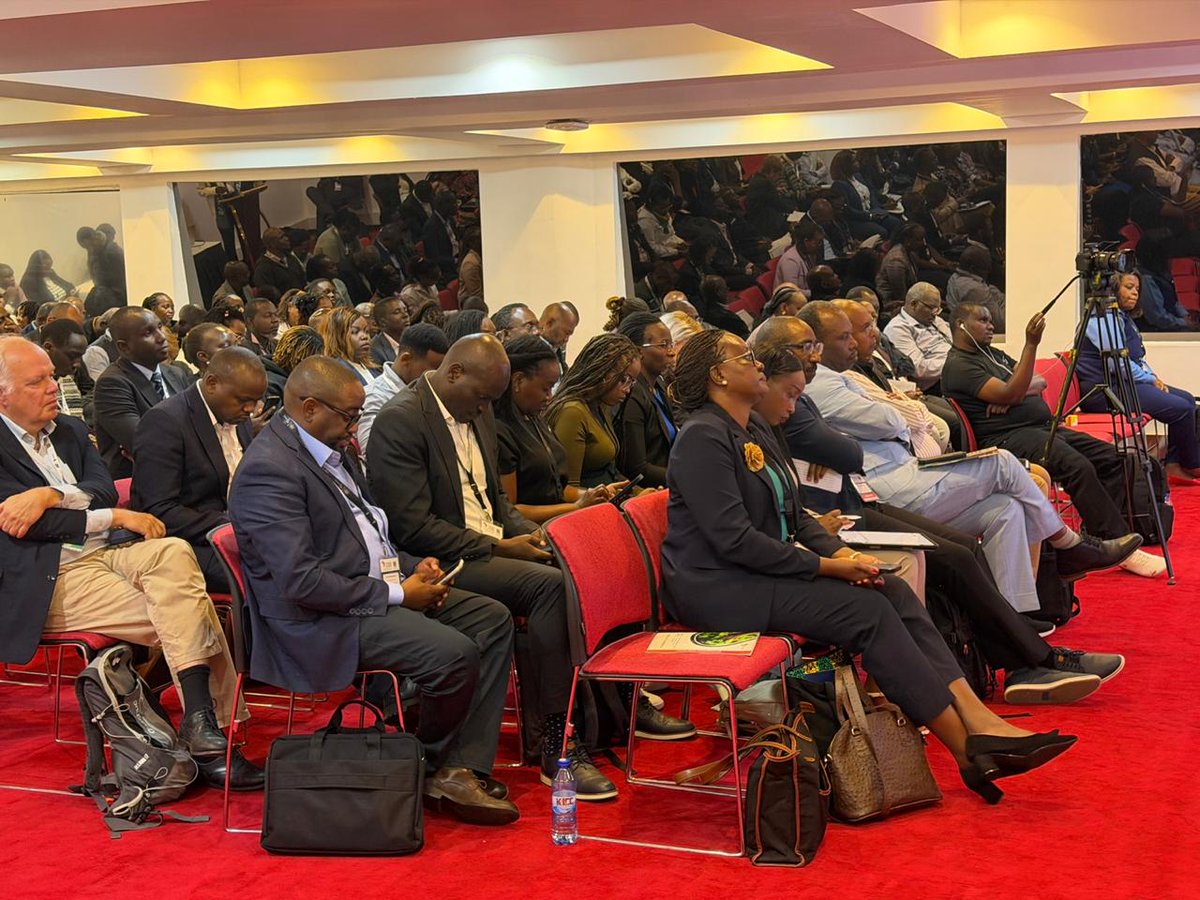
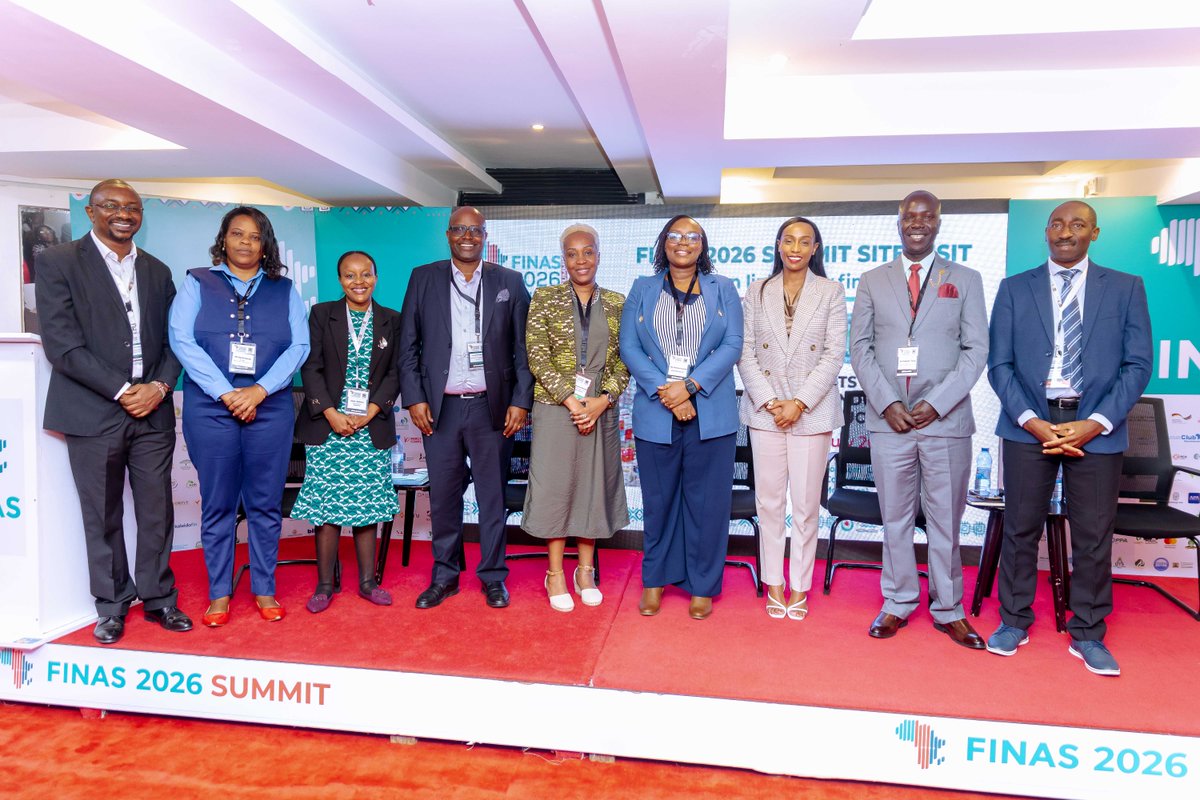
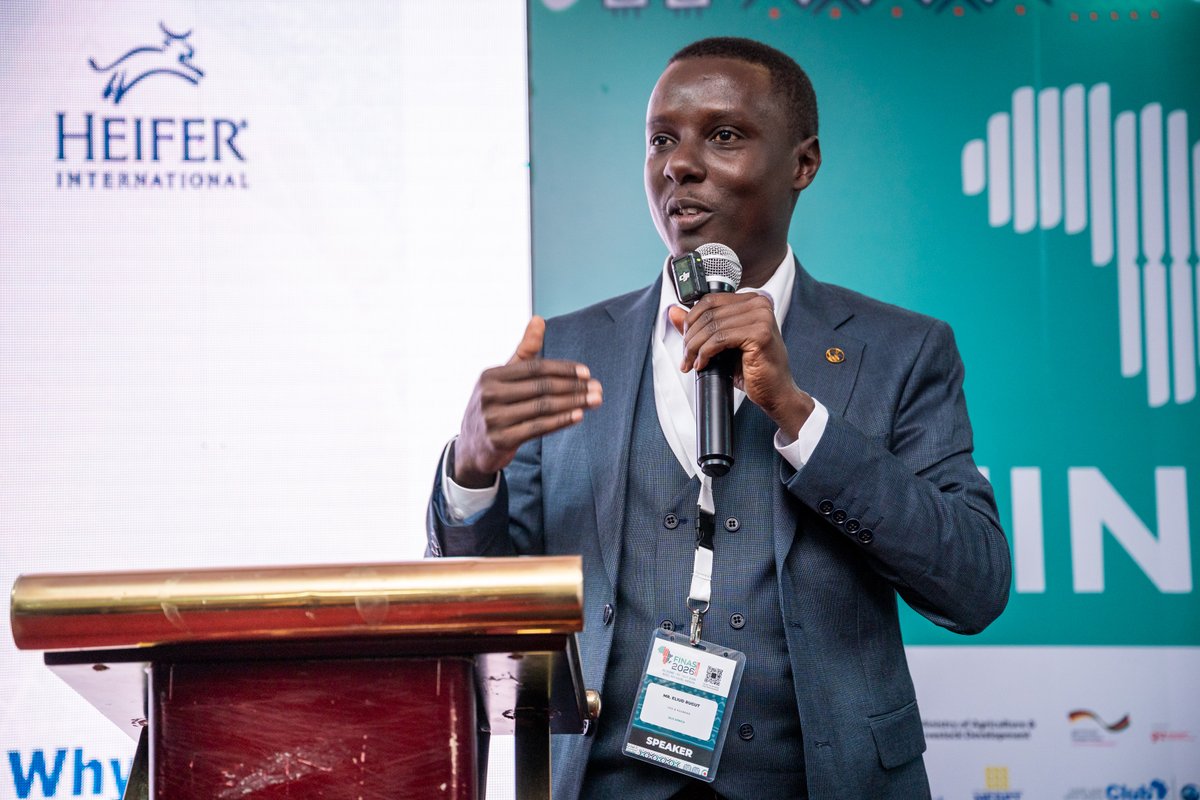
#FINAS2026 in Nairobi gave us the opportunity to bring evidence from our work across eight African countries into the conversation on expanding access to finance for smallholder farmers and young agripreneurs.
Throughout the summit, we co-convened discussions on skills-backed finance, gender-responsive financing and financing Africa's next generation of agripreneurs. We also shared evidence from the Kenya Capital for Agri-Investment Platform (KCAP), Farmer Visibility and AYuTe Africa NextGen, showing how blended finance, digital innovation and strategic partnerships can expand financial inclusion.
Our experience and the discussions at FINAS reinforced four lessons:
✅ Business development, technical assistance and market access help farmers and agribusinesses become investment ready.
✅ Financial products designed for agriculture can better respond to seasonal production cycles, alternative forms of creditworthiness and the needs of women, young people and smallholder farmers.
✅ Digital identities and enterprise records can give financial institutions greater confidence to lend to underserved farmers and agribusinesses.
✅ Blended finance and strategic partnerships can reduce investment risk and attract more investment into agriculture.
Access to finance is an outcome, not a starting point. When farmers and agribusinesses are investment ready, connected to markets and supported by the right partnerships, they are better positioned to grow sustainable businesses.
Learn more about Heifer's work to increase access to finance across Africa: https://t.co/192xfWOc1i
#FINAS2026 #AgriculturalFinance #FinancialInclusion #SmallholderFarmers #YouthInAgriculture #Agribusiness #Africa #BlendedFinance #HeiferInternational #HeiferAfrica
Through the #TYFFAD Project, @HeiferKenya is working with county government, the private sector and farmer institutions to strengthen dairy systems that reach 50,000 smallholder farmers.
In Nandi County, discussions with county leaders focused on aligning priorities around farmer capacity, mechanization, market access, storage and digital advisory services, to build solutions that last beyond the project.
𝐁𝐮𝐢𝐥𝐝𝐢𝐧𝐠 𝐟𝐢𝐧𝐚𝐧𝐜𝐞 𝐬𝐲𝐬𝐭𝐞𝐦𝐬 𝐟𝐨𝐫 𝐬𝐦𝐚𝐥𝐥𝐡𝐨𝐥𝐝𝐞𝐫 𝐟𝐚𝐫𝐦𝐞𝐫𝐬
Agricultural finance will become more inclusive when it reflects how farmers and agribusinesses actually operate.
At #FINAS2026, Wairimu Munyinyi-Wahome, Country Director of Heifer International Kenya, called for financing models built around production cycles, trusted data, functioning markets, and shared risk.
Farmers, cooperatives, and agri-enterprises should not remain excluded because their businesses do not fit conventional lending models. The task ahead is to design financial systems that recognize their performance, reduce risk, and support their growth into resilient, investable enterprises.
#TheFutureisFarmers #AgriculturalFinance #FinancialInclusion #HeiferAtFINAS @Heifer@Heifer_Africa
𝐀𝐟𝐫𝐢𝐜𝐚’𝐬 𝐦𝐢𝐬𝐬𝐢𝐧𝐠 𝐦𝐢𝐝𝐝𝐥𝐞 𝐢𝐬 𝐧𝐨𝐭 𝐬𝐢𝐦𝐩𝐥𝐲 𝐚 𝐟𝐢𝐧𝐚𝐧𝐜𝐢𝐧𝐠 𝐠𝐚𝐩. 𝐈𝐭 𝐢𝐬 𝐚 𝐩𝐚𝐭𝐡𝐰𝐚𝐲 𝐠𝐚𝐩.
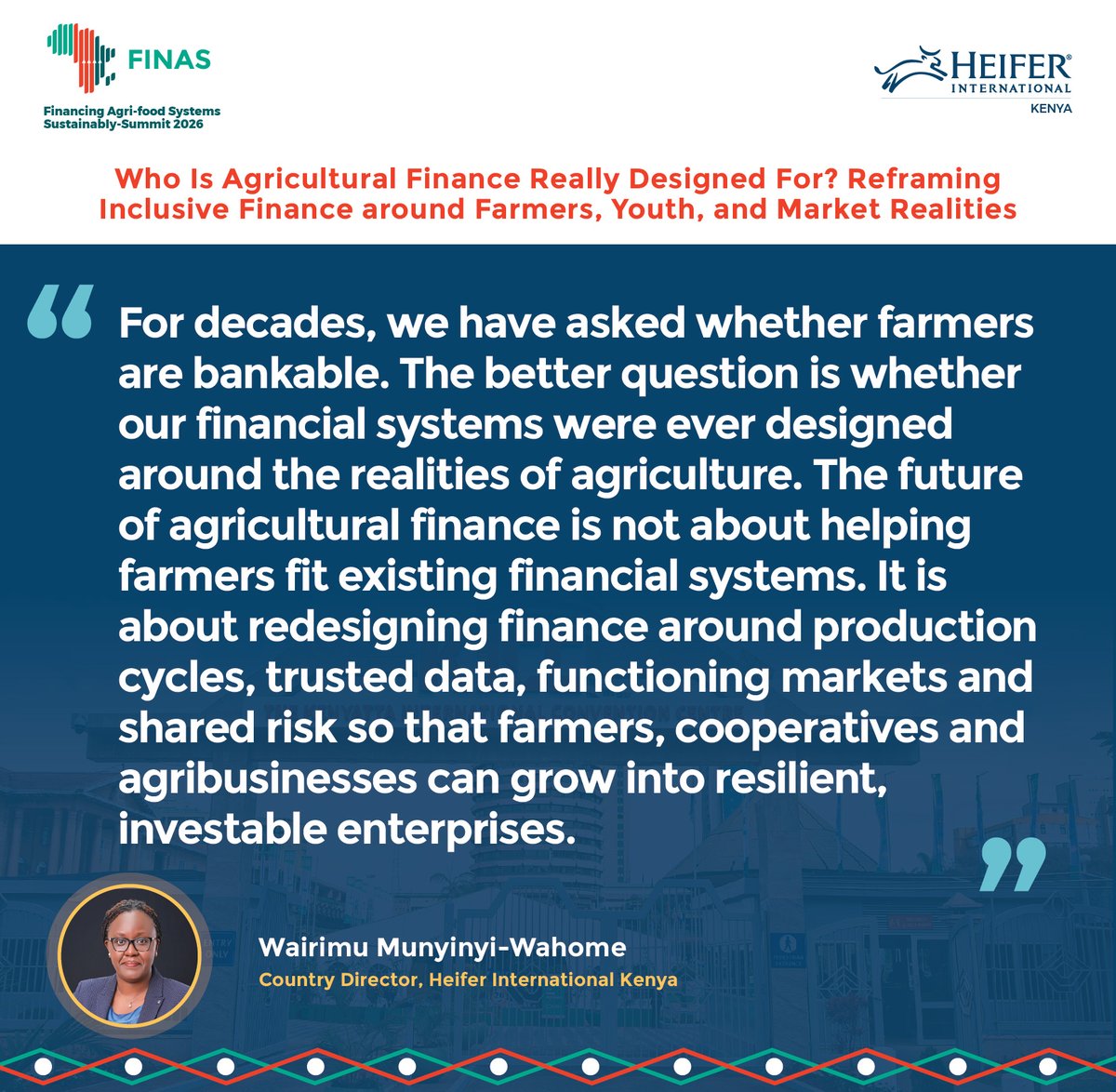
"For too long, we have asked whether farmers are bankable. The better question is whether our financial systems were ever designed around the realities of agriculture."
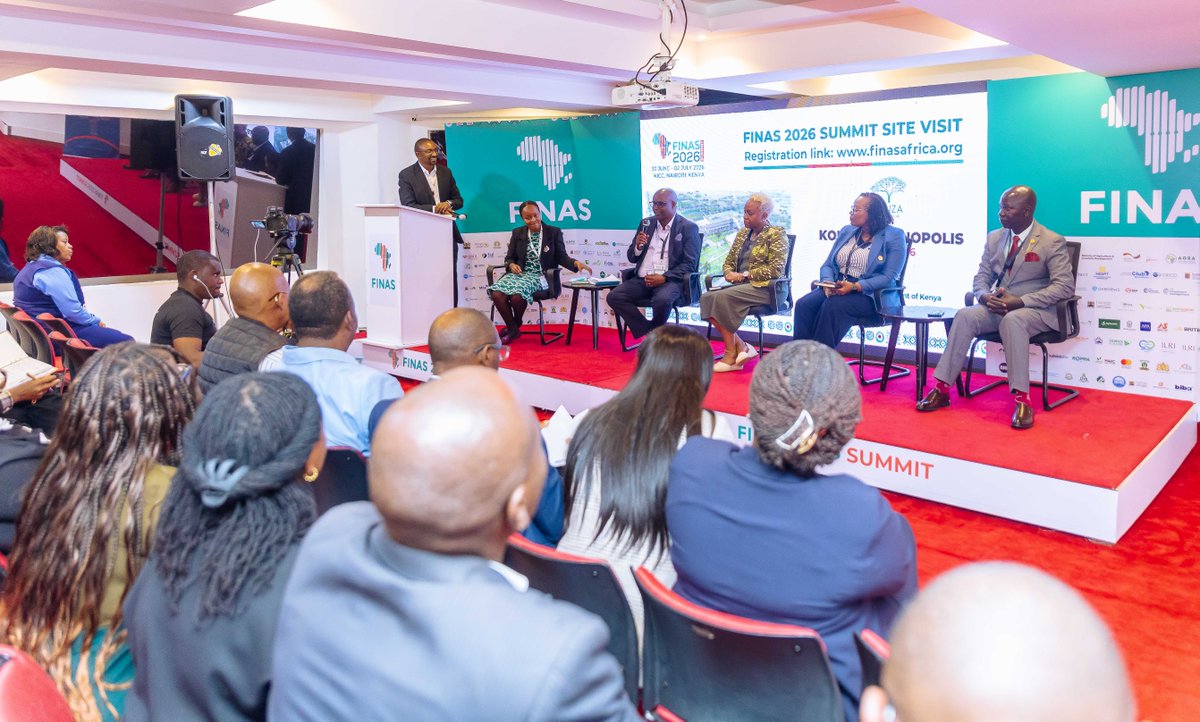
That question shaped one of the most compelling discussions at #FINAS2026. Hosted by Heifer International, the session 𝘉𝘦𝘺𝘰𝘯𝘥 𝘵𝘩𝘦 𝘔𝘪𝘴𝘴𝘪𝘯𝘨 𝘔𝘪𝘥𝘥𝘭𝘦: 𝘉𝘶𝘪𝘭𝘥𝘪𝘯𝘨 𝘍𝘪𝘯𝘢𝘯𝘤𝘦 𝘗𝘢𝘵𝘩𝘸𝘢𝘺𝘴 𝘧𝘰𝘳 𝘈𝘧𝘳𝘪𝘤𝘢'𝘴 𝘕𝘦𝘹𝘵 𝘎𝘦𝘯𝘦𝘳𝘢𝘵𝘪𝘰𝘯 𝘰𝘧 𝘈𝘨𝘳𝘪𝘱𝘳𝘦𝘯𝘦𝘶𝘳𝘴 explored how stronger markets, better data, risk-sharing, and partnerships can prepare farmers and agripreneurs for commercial finance.
Opening the session, William Matovu, Country Director of Heifer International Uganda, reminded participants that smallholder farmers are entrepreneurs whose success depends on markets, partnerships, and financial products designed around the realities of agriculture.
In her keynote address, Wangui Muna, Director of Innovative Finance – Africa at Heifer International Africa, challenged participants to rethink the "missing middle" as a progression rather than a financing gap.
"The missing middle is a journey. It starts with access to markets, followed by early capital, risk-sharing, stronger business records, and eventually commercial finance. Farmers cannot jump from zero to bankability overnight."
Florence Kariuki, Partnerships Lead for East Africa in Mastercard's Growth Segments division, highlighted how digital platforms and alternative data are helping make farmers' businesses more visible to financial institutions. Sarah Gicheru, Head of Finance at VunaPay, added, "We have to keep the farmer at the center of innovation. Finance should work with agricultural cash flows and reduce the friction farmers face when accessing working capital and making repayments."
Titianne Donde, Managing Director, Policy at Aceli Africa, noted, "The agriculture sector is not short of data. The real opportunity lies in how we translate data into actionable evidence that informs policies and risk-adjusted regulatory frameworks."
Sarah Kendi, Manager of Magati Dairy Farmers Co-operative Society Limited, shared how investments in productive assets, digital systems, and farmer support increased daily milk collection from 1,700 litres to 9,000 litres, demonstrating how finance can improve productivity and strengthen rural enterprises.
Closing Africa's financing pathway gap will require stronger market systems, better use of data, innovative financial products, enabling policies, and partnerships that help farmers and agripreneurs grow into commercial finance.
Kevin Gituma, moderator, closed with a simple but important reminder: "The goal is not to finance more transactions. It is to finance more productivity."
#FINAS2026 #AccesstoFinance #AgricultureFinancing #TheFutureisFarmers @Heifer@Heifer_Africa@Heifer_Uganda@Mastercard@VunaPay@AceliAfrica
𝐁𝐨𝐫𝐧 𝐭𝐨 𝐅𝐞𝐞𝐝 𝐭𝐡𝐞 𝐅𝐮𝐭𝐮𝐫𝐞: 𝐑𝐞𝐟𝐥𝐞𝐜𝐭𝐢𝐨𝐧𝐬 𝐟𝐫𝐨𝐦 𝐃𝐢𝐚𝐥𝐨𝐠𝐮𝐞𝐍𝐄𝐗𝐓 𝐢𝐧 𝐀𝐟𝐫𝐢𝐜𝐚 𝟐𝟎𝟐𝟔
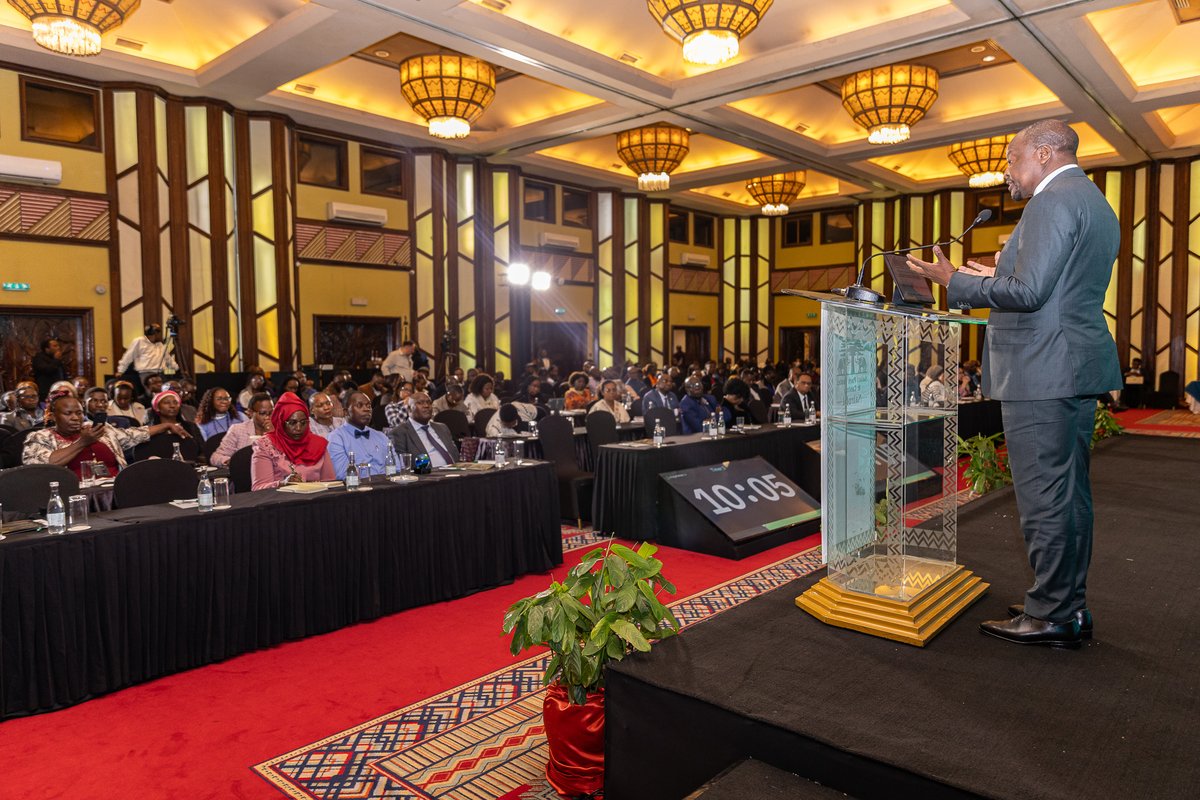
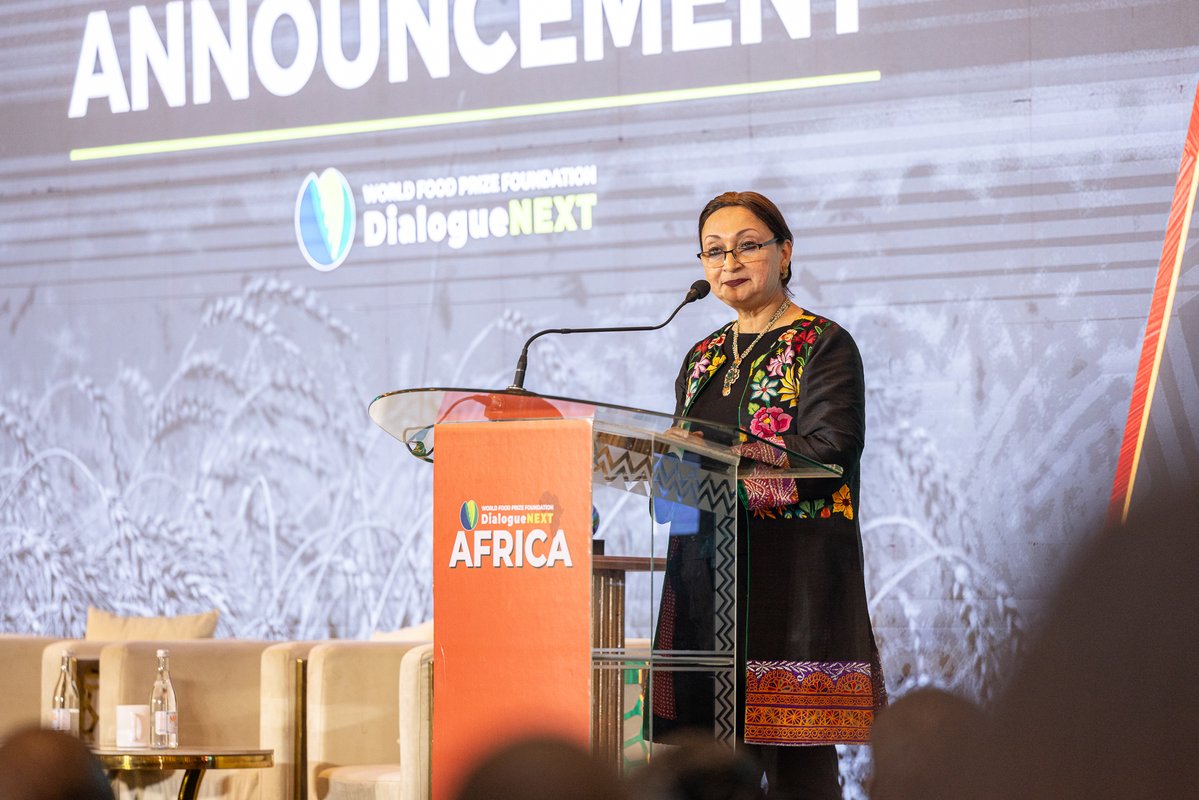
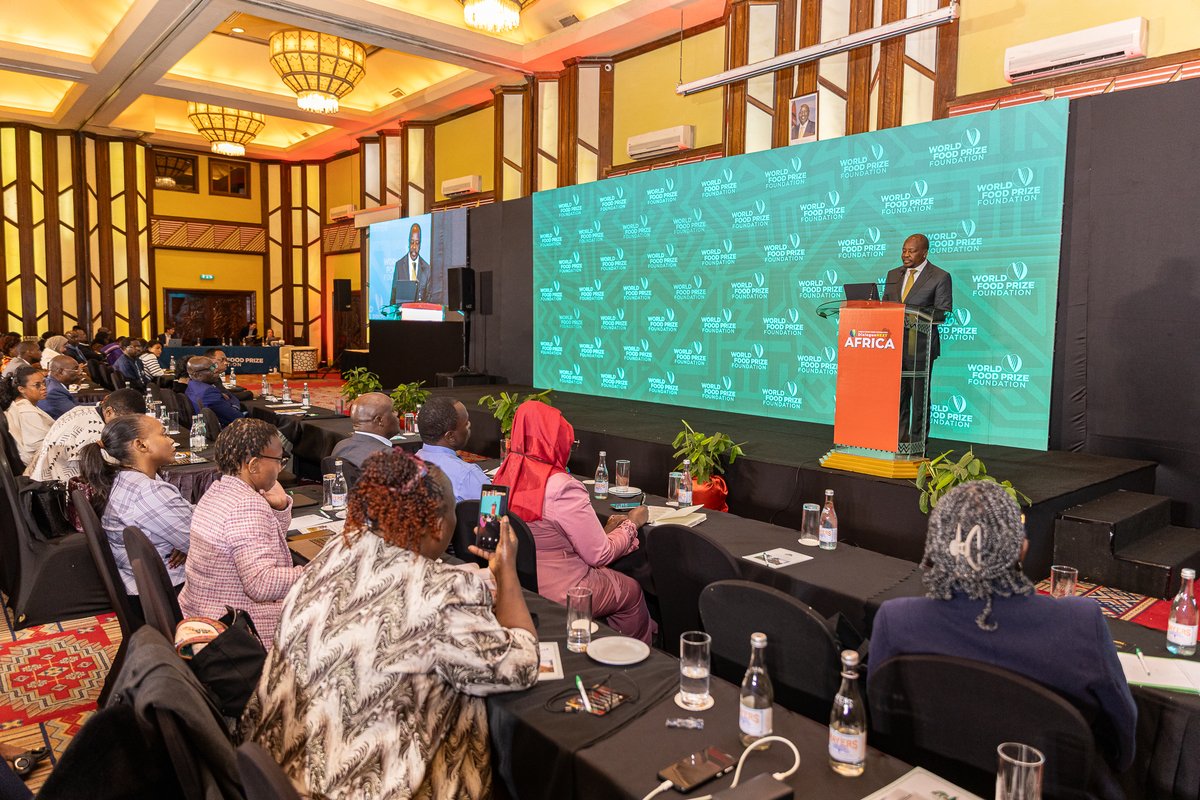
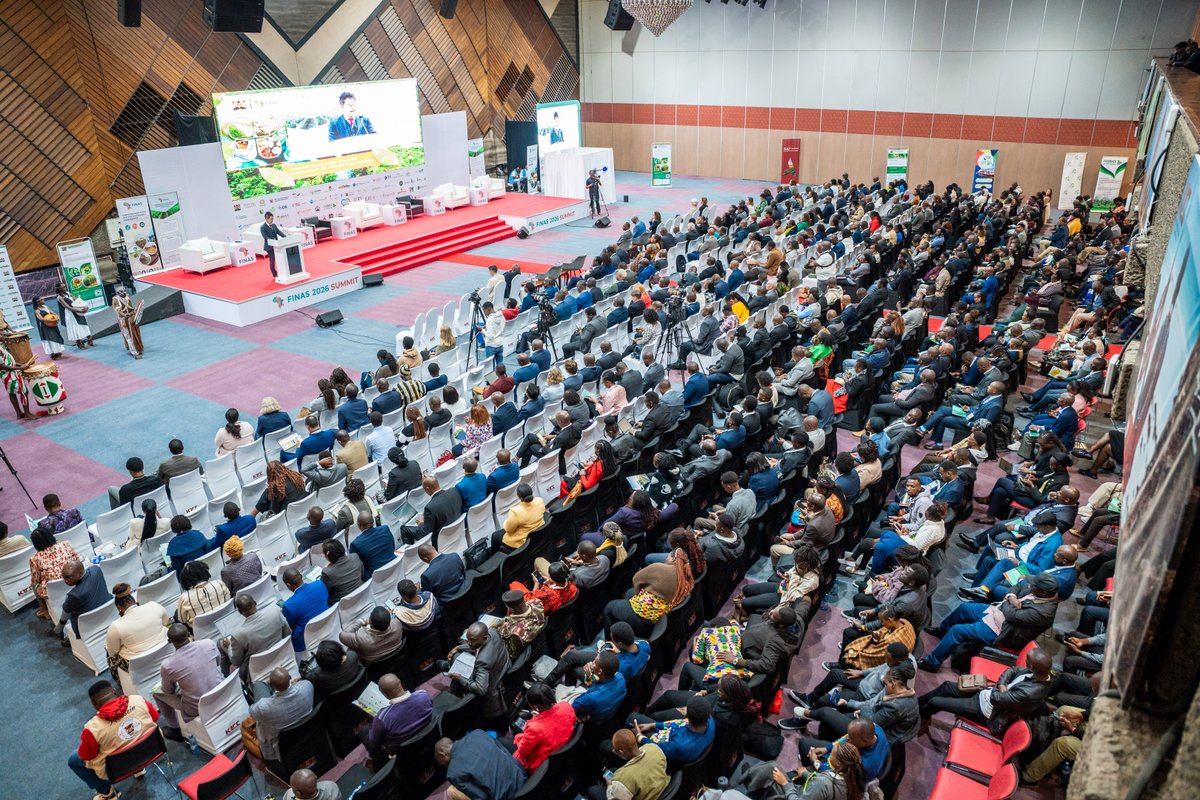
Last week, policymakers, scientists, agripreneurs, development institutions, farmers, and private-sector leaders convened in Nairobi for #DialogueNEXT Africa, hosted by the World Food Prize Foundation under the theme “Born to Feed the Future.”
Heifer International was represented by Wairimu Munyinyi-Wahome, Heifer International Kenya Country Director, in conversations focused on how innovation can better reach farmers, strengthen markets, and transform livelihoods.
A clear message emerged: Africa’s agricultural transformation must be African-led. Governments can create an enabling environment, but real progress happens when the private sector, researchers, civil society, and farmers work together.
The dialogue also reinforced the need for Africa to retain more value from its agricultural potential. In his keynote address, Kenya’s Cabinet Secretary for Agriculture and Livestock Development, Mutahi Kagwe, emphasized the importance of moving beyond raw commodity exports and investing in local processing, branding, packaging, and value addition.
Financing was another key theme. For agriculture to become a viable business, financial products must reflect the realities of farming through flexible repayments, grace periods, insurance, and farmer-centered models that allow smallholders and agribusinesses to invest and grow.
The discussions also challenged a common misconception: young people do not dislike agriculture. They dislike the lack of opportunity within it. The future lies in creating opportunities across the value chain, from agritech and logistics to processing, marketing, and enterprise development.
Technology, from artificial intelligence and weather forecasting to digital identities and farmer-owned data, featured prominently. Yet one message stood out clearly: technology cannot compensate for poor governance. Strong institutions and accountable partnerships remain essential.
Ultimately, DialogueNEXT Africa reminded us that Africa’s future lies in African food systems rooted in people, nature, resilient livestock systems, indigenous crops, and locally driven innovation.
That is what Heifer strives to do: work alongside governments, the private sector, and farming communities to ensure that innovation reaches smallholder farmers, strengthens livelihoods, and creates lasting change.
#DialogueNEXT #FoodSystems #TheFutureisFarmers @WorldFoodPrize@Heifer@Heifer_Africa
𝐖𝐡𝐨 𝐢𝐬 𝐚𝐠𝐫𝐢𝐜𝐮𝐥𝐭𝐮𝐫𝐚𝐥 𝐟𝐢𝐧𝐚𝐧𝐜𝐞 𝐫𝐞𝐚𝐥𝐥𝐲 𝐝𝐞𝐬𝐢𝐠𝐧𝐞𝐝 𝐟𝐨𝐫?
That was the powerful question posed by Wairimu Munyinyi-Wahome, Country Director, Heifer International Kenya, during her keynote address at #FINAS2026.
For too long, the conversation has focused on whether farmers are “bankable.” But Wairimu challenged us to ask a better question: were our financial systems ever designed around the realities of agriculture?
As she reminded us, “The issue is not that agriculture lacks opportunity. The issue is that our financial architecture does not fit rural realities.”
A dairy farmer with years of consistent cooperative supply, a horticulture enterprise with reliable export contracts, or a youth-led agribusiness with thousands of verified digital transactions should not remain invisible simply because they do not fit traditional definitions of creditworthiness.
The future of agricultural finance must be built around farmer visibility, trusted data, production cycles, functioning markets and shared risk.
At Heifer International, this is the thinking behind our Access-to-Finance work and platforms such as the Kenya Capital for Agri-Investment Platform, which are helping farmers, cooperatives and agri-SMEs become more investment-ready while giving financial institutions the confidence to lend sustainably.
Because the future is not about helping farmers fit financial systems.
It is about building financial systems that finally fit agriculture.
#FINAS2026
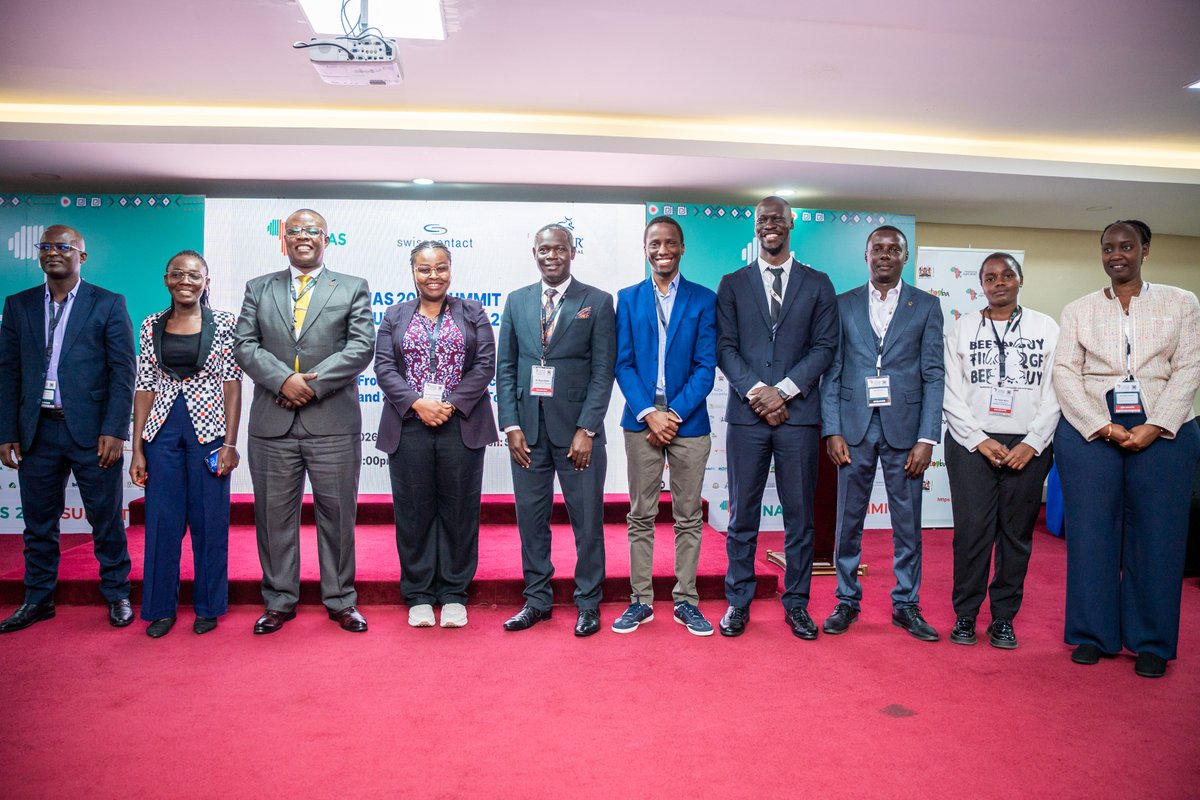
Dispatches from FINAS 2026: Finance, Skills and the Future of Africa's Agripreneurs
The conversation on transforming Africa's food systems often begins with access to finance. But one of the strongest messages emerging from today's discussions at FINAS 2026 was that finance alone is not enough.
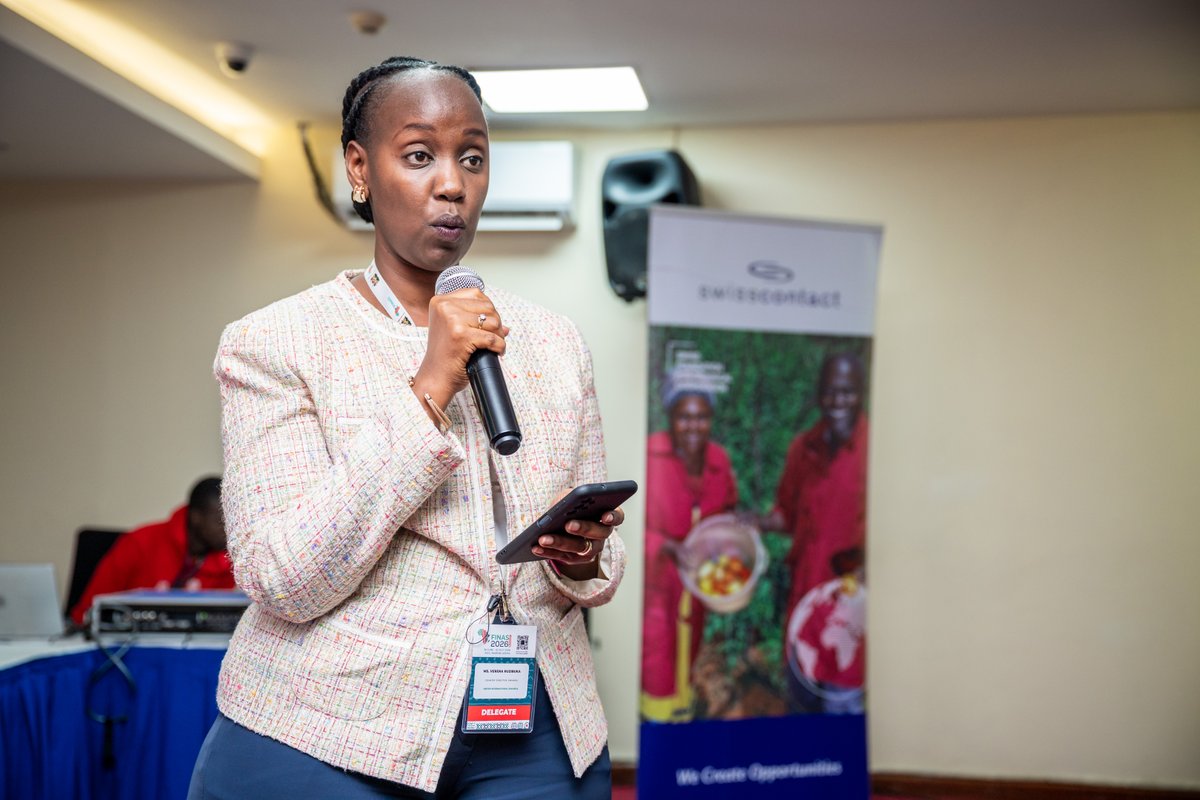
Co-hosted by Heifer International and Swisscontact, the side event, From Access to Productivity: Why Finance and Skills Must Work Together, brought together policymakers, financial institutions, development partners, private-sector leaders, and young entrepreneurs to explore what it really takes to help youth-led agribusinesses grow and thrive.
Throughout the session, one idea resonated across every discussion: capital creates opportunity, but capability creates productivity.
Young agripreneurs need more than financing. They need technical skills, mentorship, business development support, market linkages and an enabling ecosystem that helps transform promising ideas into resilient and investment-ready enterprises.
The conversation also highlighted that no single institution can achieve this alone. Governments, financial institutions, training providers, the private sector and development partners all have a role to play in building an ecosystem where innovation can flourish and young businesses can scale.
Through initiatives such as AYuTe Africa NextGen, Heifer International is working to identify, nurture and scale youth-led agritech innovations that address real challenges faced by smallholder farmers. By combining finance with incubation, mentorship, market linkages and strategic partnerships, AYuTe helps young innovators move from promising ideas to scalable businesses that strengthen Africa's food systems.
Verena Ruzibuka, Country Director, Heifer International Rwanda, reflected that "the challenge is not a lack of ideas. It is that too few promising innovations receive the finance and support they need to grow into businesses that transform food systems."
Transforming Africa's food systems will require more than financing enterprises. It will require building ecosystems where young innovators can access the skills, partnerships, markets and investment they need to grow and lead lasting change.
#FINAS2026 #HeiferAtFINAS #TheFutureisFarmers @Heifer_Africa@Heifer@HeiferRwanda@HeiferRwandaCD
Our Country Director @HeiferRwandaCD joins thought leaders at #FINAS2026 today to discuss how finance & skills must work together to move smallholder farmers from access to productivity,unlocking resilient livelihoods & more sustainable agri-food systems
🕦11:30–1:00PM (EAT)