If you want to read 100+ detailed articles (some are 70 pages long) with real scientific resources on topic such as gut health, hormonal health, brain health, supplements, peptides, fatigue, skin health, hair health, autoimmune conditions etc
Go here:
https://t.co/lvUVHB7ZKF
What if your depression was not caused by “low serotonin” but was caused by high quinolinic acid (its production outpaced its clearance, to be exact)?
Now quinolinic acid is just a metabolite of the kynurenine pathway (the primary route for metabolizing tryptophan).
Basically, the enzyme indoleamine 2,3-dioxygenase. or tryptophan 2,3-dioxygenase convert tryptophan into N-formylkynurenine which is quickly converted into kynurenine by formamidase.
Then, kynurenine is metabolized into:
-3-hydroxykynurenine by kynurenine 3-monooxygenase.
Which is broken down into 3-hydroxyanthranilic acid by kynureninase and finally 3-hydroxyanthranilate 3,4-dioxygenase (3-HAO) converts it into an unstable intermediate, which also forms quinolinic acid.
-Anthranilic acid by kynureninase.
Now, quinolinic acid has neurotoxic properties at excessive levels since it leads to:
1. NMDA overactivation.
2. Oxidative stress
3. Diverting tryptophan away from serotonin synthesis.
The most basic things that lead to elevated levels are liver issues, deficiencies in B2,B6, zinc and magnesium, high O6 diets and lack of sunlight.
FAD is essential for the activity of kynurenine 3-monooxygenase, B6 is a cofactor for kynureninase and kynurenine aminotransferase and a zinc deficiency activates indoleamine 2,3-dioxygenase.
For more on this: https://t.co/eXCNhiGzzm
"Just exercise if you are depressed".
Not that simple but it's great advice for many reasons.
Here's an underdiscussed one.
Quinolinic acid is a neurotoxic metabolite produced in the kynurenine pathway and it's strongly implicated in inflammation-driven depression and excitotoxicity.
Guess what helps shift the pathway away from QUIN toward neuroprotective metabolites?
Exercise.
More about the brain: https://t.co/eXCNhiGzzm
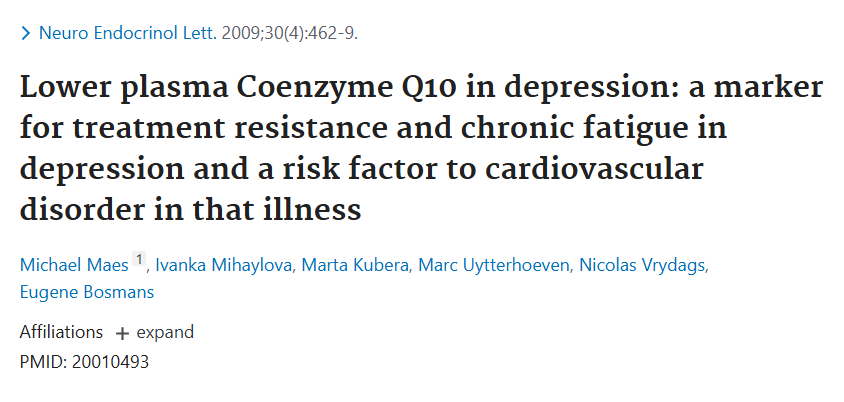
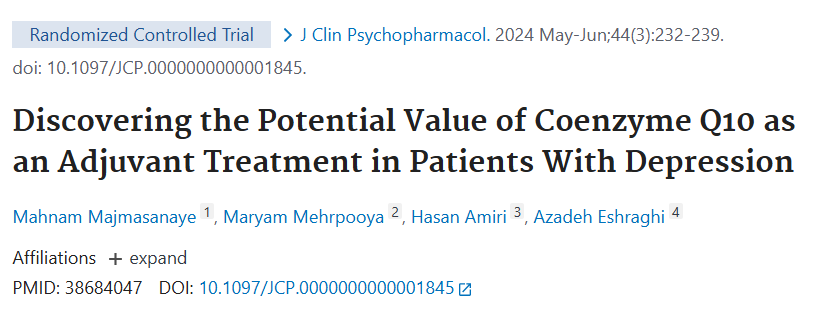
CoQ10 is quite underrated when it comes to helping win the battle against depression.
Overall, CoQ10 depletion is linked to mitochondrial supercomplex destabilization, ceramide accumulation effects on ETC stability, and conditions like insulin resistance, CVD, Graves, inflammatory disorders, post-viral fatigue, the fast progression of liver disease, muscle weakness, exercise intolerance, cramps, myalgia, elevated creatine kinase (CK) and much more.
Now coenzyme Q10 aka CoQ10, is a fat-soluble, vitamin-like molecule (*) that’s naturally present in every cell membrane throughout the body.
(*) An organic compound that supports bodily functions like vitamins K and E, but isn’t classified as a true vitamin because the body can often synthesize it. Another example is carnitine.
The total body pool is roughly 500–1500 mg, with a relatively fast turnover (estimated half-life around 4 days in tissues), meaning the body needs ongoing production and intake to maintain levels which is why the daily requirements are around 500 mg (they factor in both endogenous synthesis (main one) and dietary contributions (only about 3–6 mg per day on average from food)).
Your body synthesizes most of its CoQ10 endogenously primarily via the mevalonate pathway, (the same biochemical route used to produce cholesterol).
Now some early steps involve the endoplasmic reticulum and peroxisomes but overall, keep in mind that this process occurs primarily in the inner mitochondrial membrane/matrix face.
The pathway can be divided into three main phases:
-Production of the polyisoprenoid tail (via the mevalonate pathway).
-Synthesis and attachment of the benzoquinone head group (derived from aromatic amino acids).
-Post-attachment modifications to the head group (a series of hydroxylations, methylations, and decarboxylations).
The entire process involves at least 12 dedicated proteins (encoded by human COQ genes or their orthologs), which assemble into a multiprotein complex often called the CoQ-synthome or complex Q localized to the inner mitochondrial membrane.
Now let’s break down each phase a bit more.
1. Production of the polyisoprenoid tail.
The long isoprenoid side chain (there are 10 isoprene units in CoQ₁₀) provides the lipophilic tail that anchors CoQ10 in membranes and allows it to move within the mitochondrial inner membrane.
Starts with acetyl-CoA (from carbohydrate, fat, or protein metabolism).
Two acetyl-CoA molecules condense to form acetoacetyl-CoA.
Acetoacetyl-CoA + another acetyl-CoA → 3-hydroxy-3-methylglutaryl-CoA (HMG-CoA), catalyzed by HMG-CoA synthase.
HMG-CoA is reduced to mevalonate by HMG-CoA reductase — this is the main rate-limiting, regulated step (also the target of statin drugs, which inhibit it and can deplete CoQ10 levels).
Mevalonate is phosphorylated twice (by mevalonate kinase and phosphomevalonate kinase) → mevalonate-5-pyrophosphate.
Mevalonate-5-pyrophosphate is decarboxylated to isopentenyl pyrophosphate (IPP) by mevalonate diphosphate decarboxylase.
IPP isomerizes to dimethylallyl pyrophosphate (DMAPP).
IPP and DMAPP undergo sequential head-to-tail condensations (via prenyltransferases) to build longer chains: farnesyl pyrophosphate (FPP, 15 carbons/3 units), then geranylgeranyl pyrophosphate, and so on.
In humans, the enzyme complex PDSS1/PDSS2 (prenyl diphosphate synthase subunit 1 and 2; orthologs of yeast Coq1) polymerizes the chain to exactly decaprenyl pyrophosphate (C₅₀, 10 isoprene units) , the precise length for human CoQ₁₀.
This tail is synthesized in the cytosol/endoplasmic reticulum initially, then transferred to mitochondria.
*If all these were too “gibberish”, read the previous article/s about mitochondria.
2. Synthesis of the benzoquinone head group and attachment.
The quinone ring comes from the aromatic amino acid pathway (not from the mevalonate pathway).
Starts with phenylalanine (essential amino acid) → converted to tyrosine (via phenylalanine hydroxylase).
Tyrosine is further metabolized to 4-hydroxybenzoate (4-HB).
The decaprenyl tail attaches to the C3 position of 4-HB via an electrophilic aromatic substitution.
Catalyzed by COQ2 (4-hydroxybenzoate polyprenyltransferase), this step links the head and tail, forming the first committed intermediate: 3-decaprenyl-4-hydroxybenzoic acid (or polyprenyl-4-hydroxybenzoic acid, PHB).
3. Head group modifications.
After attachment, the ring undergoes a precise sequence of modifications to form the fully functional ubiquinone structure.
These steps occur in the mitochondrial inner membrane via the CoQ-synthome complex and include:
C5 hydroxylation: COQ6 (flavin-dependent monooxygenase) adds a hydroxyl group at position 5 forming a dihydroxy intermediate.
O-methylation at position 5: COQ3 (methyltransferase, requires S-adenosylmethionine).
Decarboxylation of the carboxyl group at position 1.
Further hydroxylations and methylations (positions 2 and 3) involving COQ7 (a monooxygenase, regulated by phosphorylation/dephosphorylation via COQ8/ADCK3 or ADCK4 kinases and possibly phosphatases).
Additional steps with COQ4, COQ5, COQ9, COQ10 (structural/lipid-binding roles), and others to complete the 2,3-dimethoxy-5-methyl-6-decaprenyl-1,4-benzoquinone structure.
Final reduction to ubiquinol (active antioxidant form) can occur via the electron transport chain or other reductases.
The order is roughly: attachment → C5 hydroxylation → methylation → decarboxylation → additional hydroxylations/methylations → final quinone formation.
Side note: the pathway requires cofactors like SAM (for methylation), FAD (for monooxygenases) and possibly ferredoxin systems.
Now CoQ10’s most critical and central role is as a key component of the mitochondrial electron transport chain (ETC) embedded in the inner mitochondrial membrane (IMM).
It functions as a mobile, lipid-soluble electron carrier that shuttles electrons between upstream complexes and downstream ones, enabling the efficient transfer of reducing equivalents from metabolic substrates to oxygen while coupling this to proton pumping for ATP generation.
Here’s the 101 when it comes to this:
From Complex I (NADH:ubiquinone oxidoreductase): Complex I accepts two electrons from NADH (produced mainly in the Krebs cycle).
These electrons flow through FMN and a series of iron-sulfur (Fe-S) clusters within Complex I, ultimately reducing ubiquinone (CoQ) to ubiquinol (CoQH₂).
This reduction occurs at the Q-binding site near the matrix side of the IMM.
Complex I translocates 4 protons (H⁺) from the matrix to the intermembrane space per two electrons transferred.
From Complex II (succinate:ubiquinone oxidoreductase / succinate dehydrogenase):
Complex II receives electrons from FADH₂ (generated in the Krebs cycle from succinate oxidation or from fatty acid β-oxidation via ETF).
These electrons pass through Fe-S clusters in Complex II and reduce ubiquinone to ubiquinol at its Q-site.
Unlike Complex I, Complex II does not pump protons itself.
This Q-cycle doubles the proton-pumping yield compared to a simple linear transfer, contributing significantly to the proton motive force.
Ubiquinol delivery to Complex III (cytochrome bc₁ complex / ubiquinol:cytochrome c oxidoreductase):
The reduced ubiquinol (CoQH₂) diffuses laterally within the IMM’s lipid bilayer (thanks to its long isoprenoid tail) to the Qo site (outer/positive side) of Complex III.
Here, the Q-cycle operates—a sophisticated, branched electron transfer mechanism that maximizes proton translocation efficiency.
The Q-cycle occurs in two half-turns per full cycle (processing two ubiquinol molecules):
First half-turn: CoQH₂ at the Qo site is oxidized in a bifurcated manner:
One electron travels to the Rieske iron-sulfur protein → cytochrome c₁ → cytochrome c (mobile carrier in intermembrane space).
The second electron goes to cytochrome b_L → cytochrome b_H → a second ubiquinone (CoQ) at the Qi site (inner/negative side), forming a semiquinone radical (CoQ⁻•).
Two protons are released into the intermembrane space from the oxidation of CoQH₂.
Second half-turn: A new CoQH₂ binds to Qo and repeats the process.
The second electron from this CoQH₂ reduces the semiquinone at Qi to ubiquinol (CoQH₂), which then dissociates.
Overall, per two CoQH₂ oxidized:
4 electrons are handled: 2 go to cytochrome c (reducing two cyt c molecules), and 2 recycle to reduce one CoQ back to CoQH₂.
4 protons are translocated to the intermembrane space (2 from each CoQH₂ oxidation).
Net: oxidation of one CoQH₂ effectively contributes to reducing two cyt c and pumping 4 H⁺ (due to the cycle’s efficiency).
Downstream flow: Reduced cytochrome c shuttles electrons to Complex IV (cytochrome c oxidase), which transfers them to O₂ (forming water) and pumps additional protons (4 H⁺ per two electrons).
The cumulative proton gradient (ΔpH and Δψ) across the IMM drives protons back through ATP synthase (Complex V), rotating its F₀ subunit to catalyze ADP + Pi → ATP in the matrix.
Now CoQ10 has some key antioxidant properties as well.
In its reduced form (ubiquinol, CoQH₂), CoQ10 serves as one of the body’s most potent lipid-soluble antioxidants, directly neutralizing a wide range of free radicals and reactive oxygen species (ROS) while preventing the chain reaction of lipid peroxidation aka the oxidative degradation of polyunsaturated fatty acids in cell membranes, lipoproteins, and other lipid structures that leads to membrane damage, loss of fluidity, and formation of toxic byproducts like malondialdehyde.
Some of its direct antioxidant mechanisms include:
Scavenging of free radicals.
Ubiquinol donates a hydrogen atom (or electrons) to neutralize highly reactive species such as peroxyl radicals, hydroxyl radicals, superoxide and singlet oxygen.
It reacts particularly efficiently with lipid peroxyl radicals during the propagation phase of lipid peroxidation, breaking the chain reaction faster than many other antioxidants (including α-tocopherol in some contexts).
This prevents the spread of oxidative damage across membrane lipids.
Protection of specific cellular compartments such as:
-Mitochondrial membranes.
Ubiquinol is concentrated in the inner mitochondrial membrane, where it directly quenches ROS generated as byproducts of electron transport (especially at Complexes I and III).
This stabilizes mitochondrial membrane potential, and preserves cardiolipin (a key mitochondrial phospholipid prone to peroxidation).
Plasma membranes and other extramitochondrial membranes.CoQ10 is present in nearly all cellular membranes, providing broad protection against oxidative insults from external sources such as UV radiation and pollutants or internal metabolism.
-Circulating lipoproteins (especially LDL).
Ubiquinol is a major antioxidant in low-density lipoprotein particles, where it inhibits LDL oxidation.
When it comes to its co-antioxidant role, ubiquinol acts synergistically within the antioxidant network by regenerating other key antioxidants from their radical forms, effectively amplifying the body’s overall defense.
For example, it reduces the α-tocopheroxyl radical (formed when vitamin E neutralizes a peroxyl radical) back to active α-tocopherol.
This “sparing” effect allows vitamin E to continue its chain-breaking activity in lipid environments.
In many studies, ubiquinol is more efficient than ascorbate (vitamin C) at regenerating vitamin E in mitochondrial and membrane settings, making the ubiquinol-vitamin E duo a primary lipophilic antioxidant system.
The things we discusses so far are the main reasons why so many people use CoQ10 supplements for:
Heart health
High blood pressure
Migraine prevention
Liver health
Brain health
Chronic fatigue
Statin-related side effects such as muscle pain (myopathy/myalgia)
Fertility support
Glycemic control in type 2 diabetes
and much more.
Now CoQ10 supplements primarily come in two main forms: ubiquinone (the oxidized form, often just called “CoQ10” or “ubidecarenone”) and ubiquinol (the reduced form).
These are not entirely different compounds but represent the two redox states of the same molecule (your body constantly interconverts them as neede).
Ubiquinone is the form most commonly produced endogenously and used in early supplement formulations, while ubiquinol is the “active” antioxidant state that’s predominant in blood (~95% of circulating CoQ10 is ubiquinol after absorption).
So ubiquinone has two fewer electrons/hydrogens than ubiquinol, making it the electron-accepting state in the ETC whule ubiquinol carries the extra electrons/hydrogens, enabling direct antioxidant activity (donating them to neutralize free radicals).
In the body:
Ubiquinone is reduced to ubiquinol during/after absorption (via enzymes like NADPH-dependent reductases in the gut/liver or during ETC cycling).
Ubiquinol can be oxidized back to ubiquinone as it shuttles electrons or scavenges ROS. This cycling happens efficiently, so taking either form ultimately supplies both states as needed.
Now if you are going to spend money on a CoQ10 supplement, opt for ubiquinol especially if you are on statins or have any genetic defects in any COQ gene.
When it comes to dosing, start with just 100mg taken with breakfast since it’s often sufficient to raise plasma levels meaningfully.
If you experience no side effects (the most common ones are just mild insomnia and GI upset) after 1 week consider increasing the dose to 200-300mg if you want to improve chronic fatigue, lower BP or want to support your cardiovascular system and if you want to prevent migraines the dose is usually 400mg (but most people will probably experience some side effects) and for fertility it’s even higher at 500-600mg.
Note: You can also use a high dose (500-600mg) once every 3-4 days since this anecdotally helps people with migraine prevention more than taking 200-300mg every day.
But again, it’s anecdotal.
When it comes to cycling, if you use it as a preventative intervention, do 8 weeks on 12 weeks off.
For anything else, consult your medical doctor since as always, nothing in there should be used as a substitute for medical advice.
That was it.
If you want to know more about brain health and supplements go here:
https://t.co/eXCNhiGzzm
-George
P.S: CoQ10 is structurally similar to vitamin K and may theoretically reduce the effectiveness of vitamin K antagonist anticoagulants like warfarin so once again, consult your medical doctor before adding it to your supplement stack.
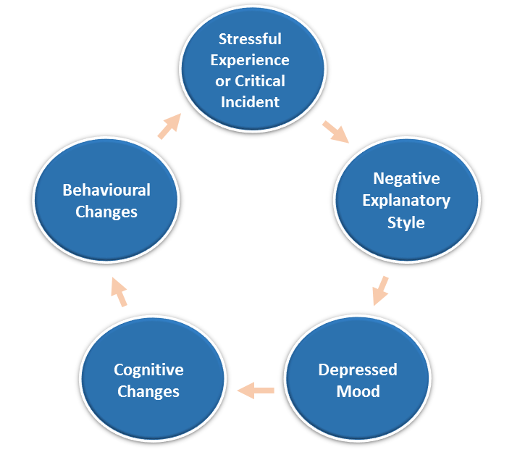
The first step for plenty of depressed people to get help is to stop trusting themselves so much.
It might sound dumb, but it's far more real than we'd like.
Depression is a master manipulator that fundamentally skews a person's perception of reality.
https://t.co/eXCNhiH7oU
I am actually surprised that incels don't talk about these more often and try to use them to make women fall in love with them.
https://t.co/SkICRJeVcD
The new algorithm shows the replies of mutuals instead of their posts.
Interesting.
Anyway.
Most people (who aren't lazy) do not get the results they can, often because they try to do everything on their own.
Let's take health for example.
Do you know how many people research material for THOUSANDS of hours just to:
A) Put together outdated fragments (some of which are not even real)
B) Put these fragments out of order
And thus create big blind spots + create more problems down the line?
Do you understand that people waste THOUSANDS of hours to create more problems and are unwilling to admit this because of a few minor improvements?
This is why every "do it yourself / i don't need help" person struggles with the same bullshit over and over and over most of the time.
Avoid these types and, most importantly, stop being this type yourself if you are.
Now of course what prevents a lot of people from working/hiring others is that they are afraid that they will lose money.
So allow me to say this: You will lose money a few times.
But this is preferable to the alternative of wasting years of your life trying to put together every piece of the map on your own (if you are skeptical of this and think that this won't happen to you, you are probably under 30).
Common sense note: You should never overspend on bs "coaches", "mentors" or whatever.
But there's a middle ground between wasting a month of your life to save $10 and giving to some Miami dude with a lambo 5K for 30 minutes of his time.
That's all.
P.S: If you need to operate at an elite mental level for prolonged periods (you are a trader, founder, executive, entrepreneur, etc) and you’ve already spent thousands on supplements, medications, and peptides without real results, i created a manual that covers the A-Z of brain optimization.
https://t.co/eXCNhiGzzm
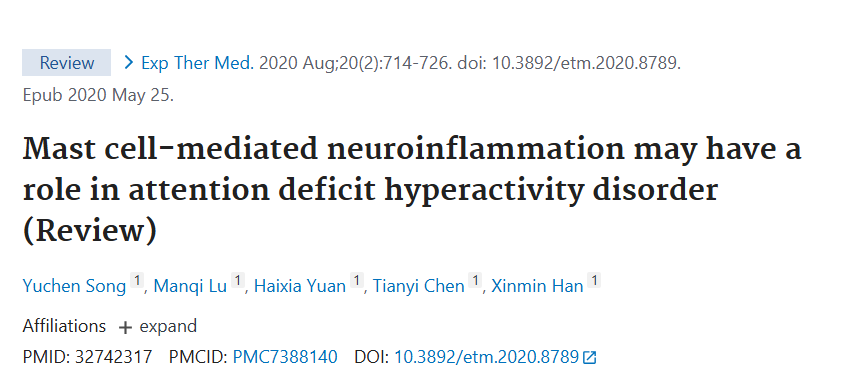
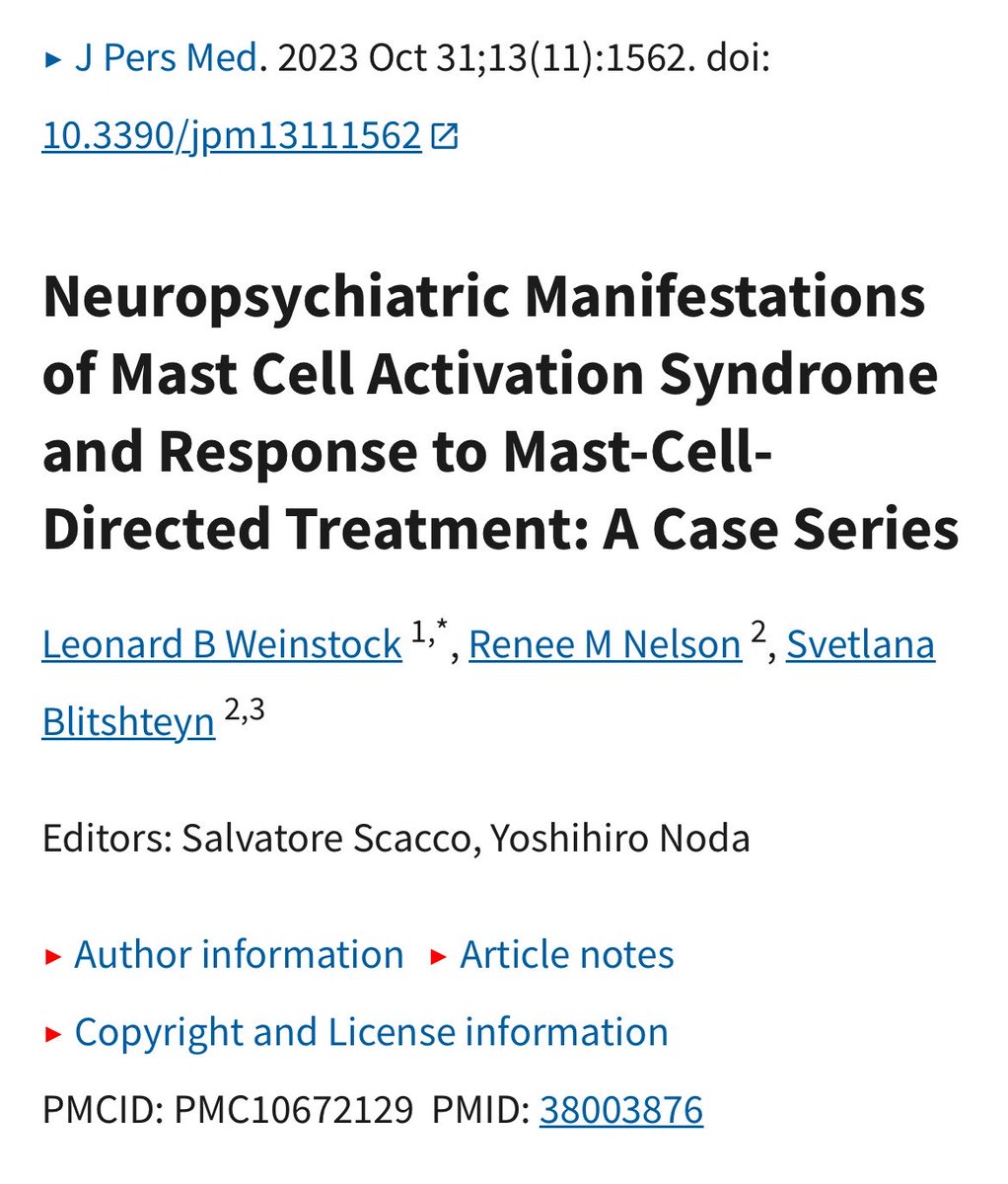
This is a small case series of patients with refractory neuropsychiatric disorders such as depression, anxiety, OCD, ADHD and more, who experienced significant improvement after subsequent diagnosis and treatment of MCAS.
While the average person still thinks that histamine for example is just something related to allergies, let’s not forget that histamine acts as a neurotransmitter in the brain, influencing things such as arousal, attention, mood, sleep, and motivation.
So when levels build up it can create:
-Restlessness and physical + mental hyperactivity
-Difficulty concentrating, brain fog, inattention
-Irritability, impulsivity, or agitation
-Sleep disturbances (insomnia or poor sleep quality)
-Anxiety or sensory sensitivities
-Hyper arousal
-Racing thoughts, anxiety/panic, or restlessness
-Insomnia or disrupted sleep cycles (common in manic phases)
-Depressive symptoms (fatigue, brain fog, low motivation) during crashes
-Emotional lability or energy fluctuations
Of course, we don’t pull all these out of our asses.
There are more reports noting that histamine flares can mimic manic/depressive episodes, and MCAS patients sometimes receive initial bipolar diagnoses.
Harmed methylation = poor histamine clearance?
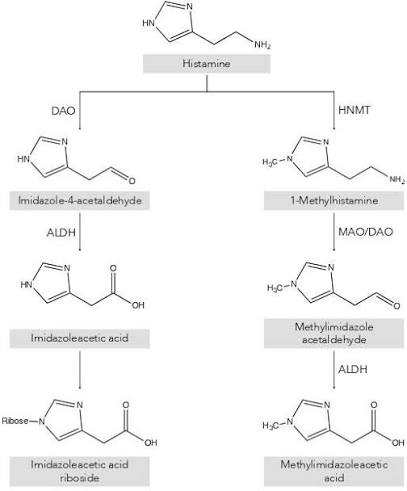
There are two main histamine-clearing enzymes with different locations and cofactors:
-DAO (diamine oxidase, AOC1 gene).
This is mostly extracellular, concentrated in the gut lining.
It is the primary barrier for dietary histamine (and other biogenic amines).
It is a copper-containing amine oxidase and vitamin B6 is also involved in its function/expression.
-HNMT (histamine N-methyltransferase)
This one is intracellular (cytosolic).
It is the main enzyme for clearing endogenous/intracellular histamine in tissues, including the brain (where it is essentially the only pathway that terminates histamine’s neurotransmitter action), airways, skin, liver, kidney, etc.
It works by methylating histamine to N-methylhistamine and requires SAMe (S-adenosylmethionine) as the methyl donor.
It does not use copper or B6 the way DAO does.
Histamine is inactivated inside cells by histamine N-methyltransferase (HNMT).
HNMT transfers a methyl group from SAMe onto the histamine molecule, converting it into the inactive metabolite N-methylhistamine (which is then further broken down and excreted).
The reaction is essentially: histamine + SAMe → N-methylhistamine + SAH (S-adenosylhomocysteine)
Because HNMT depends on SAMe, the methylation cycle (involving MTHFR, folate/methylfolate, B12, etc.) can influence its capacity in principle.
Impaired methylation can theoretically reduce SAMe availability and slow intracellular histamine clearance.
More: https://t.co/eXCNhiGzzm
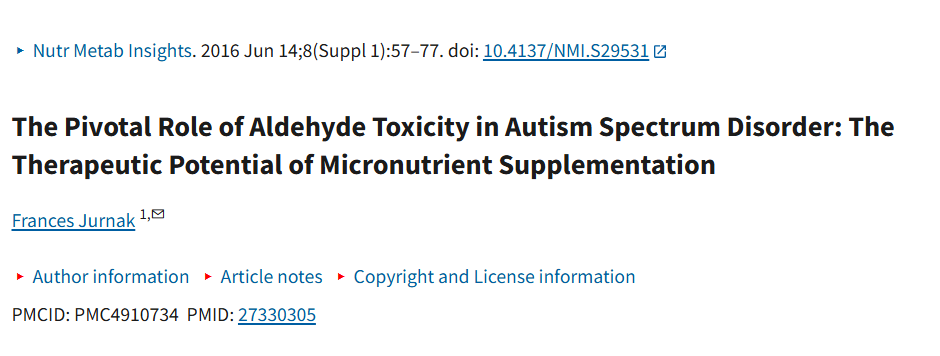
A common reason why a Candida overgrowth is often making ASD symptoms worse👇
Aldehydes are organic compounds that contain a carbonyl group (C=O) in which the carbon atom is double-bonded to oxygen, single-bonded to a hydrogen atom, and single-bonded to another atom or group.
Their general formula is R–CHO, where R can be hydrogen or a carbon-containing group.
The simplest aldehyde is formaldehyde (HCHO), where R is also hydrogen.
In all other aldehydes, R is a carbon-containing group (alkyl, aryl, etc).
Acetaldehyde (CH₃CHO) is the next simplest and the one produced by both alcohol metabolism and certain gut microbes.
Now certain aldehydes play essential physiological roles, for example:
Retinal (also called retinaldehyde) is crucial for vision.
This is the aldehyde form of vitamin A.
It binds to the protein opsin in the retina to form rhodopsin (and related photopigments).
When light hits it, retinal changes shape, triggering the signal that allows us to see.
Pyridoxal phosphate (PLP) which is crucial for transamination, decarboxylation and amino acid metabolism overall.
PLP is the active form of vitamin B6.
Aldoses (sugars that contain an aldehyde group in their open-chain form).
The most important is glucose (an aldohexose).
In its open-chain form it has a free aldehyde group.
Other aldoses such as glyceraldehyde, ribose, and galactose also participate in metabolic pathways.
But other aldehydes, such as formaldehyde or reactive α,β-unsaturated aldehydes formed during lipid perxidation, can be reactive with the classic examples being:
-4-Hydroxy-2-nonenal (4-HNE)
-Malondialdehyde (MDA)
-Acrolein
-4-Hydroxy-2-hexenal (4-HHE)
-4-Oxo-2-nonenal (4-ONE)
-Crotonaldehyde
-Other alkenals such as 2-heptenal, 2-octenal, and 2-nonenal
So not all aldehydes are bad and some play essential, beneficial roles in the body while others are highly reactive and can be harmful when they accumulate.
The difference comes down to the specific structure, concentration, location, and how well the body can metabolize or clear each aldehyde.
For example, i will proceed and assume that most people who read this have experienced a hangover in their lives, and as you can probably remember, it is not a pleasant experience to say the least, because, well, your body is fighting quite hard to get rid of a poison.
A significant player in the overall symptoms you were experiencing during that time, was acetaldehyde.
Acetaldehyde is one of the most reactive and overlooked compounds produced in the human body.
It is a metabolic byproduct/toxic intermediate formed when the liver breaks down alcohol and is produced when yeast and certain bacteria ferment sugars in the gut.
This is partly why if you have a pathogen overgrowth, you can struggle with symptoms that feel exactly like a low grade hangover or very intense brain fog.
Yet most people with chronic gut issues have never heard of this toxin.
Now high levels of it can cause a lot of issues since, as a small aldehyde with an electrophilic carbonyl group, it readily attacks nucleophilic sites on biological molecules (amino groups, thiols, DNA bases, etc.).
For example, it forms adducts with proteins, DNA, and other macromolecules, generates reactive oxygen/nitrogen species, promotes lipid peroxidation, induces oxidative stress, inflammation and much more.
These are also some of the mechanisms that underlie many hangover-like symptoms after alcohol intake or during certain pathogenic overgrowths.
In the liver, alcohol dehydrogenase (ADH) first oxidizes ethanol to acetaldehyde.
Aldehyde dehydrogenase (mainly the mitochondrial enzyme ALDH2) then converts that acetaldehyde into acetate, which is far less toxic.
Now when it comes to microbial production, Candida, along with several other fungi and common gut bacteria, actively produce acetaldehyde as an intermediate byproduct when they ferment carbohydrates like glucose.
During glycolysis (the breakdown of sugar), these microbes convert pyruvate into acetaldehyde before further reducing it into ethanol.
The primary yeast species and fermenting bacteria responsible for producing trace amounts of acetaldehyde in the human digestive tract include:
-Candida albicans, glabrata and tropicalis
All of these are highly capable of generating acetaldehyde from dietary sugars (especially albicans through its pyruvate-bypass pathway).
To understand just how problematic they can be, there’s a significant positive association between the ability of Candida to metabolize alcohol to acetaldehyde with their ability to promote oral cancer development.
-Saccharomyces cerevisiae.
This one is commonly known as baker’s yeast and is a single-celled fungus that we use to make bread rise, brew beer, and make wine.
It’s also in our gut microbiomes and since it can rapidly ferment simple sugars into acetaldehyde and ethanol, it is frequently implicated alongside Candida in auto-brewery syndrome.
-Lactobacillus acidophilus.
This one is a common lactic acid bacteria strain used in probiotics that creates acetaldehyde via carbohydrate shunt pathways.
-Lactobacillus casei.
This one is another common gut resident that can accumulate acetaldehyde in its growth environment because it makes this chemical faster than it breaks it down (its production enzymes outweigh its conversion enzymes).
-Lactobacillus fermentum.
Now this one is also found in our guts and fermented foods. It metabolizes sugars into lactic acid, carbon dioxide, acetic acid, and ethanol, rather than exclusively producing acetaldehyde or being a primary gut producer of it.
-Weissella confusa.
This one is a facultative anaerobic, Gram-positive lactic acid bacterium also found in fermented foods and our gastrointestinal tract.
It ferments various sugars primarily into lactic acid and acetic acid, and is notable for synthesizing high yields of exopolysaccharides like dextran.
Some streptococcus species such as Streptococcus mutans and Streptococcus salivarius.
While primarily colonizing the oral cavity, these bacteria frequently transition into the upper digestive tract/gut, converting glucose into acetaldehyde through microbial oxidation.
-Enterobacteriaceae such as Klebsiella pneumoniae.
And finally, certain pathogenic or opportunistic coliform bacteria in the gut possess fermentation pathways that generate mixed acids, ethanol, and intermediate aldehydes from carbohydrates.
Let’s say you have an overgrowth of acetaldehyde-producing yeasts and bacteria, and you eat some table sugar.
Your body and the microbes must first convert that sugar into the simple monosaccharides that the fermentation pathways actually use.
Yeasts and bacteria cannot ferment large, complex carbohydrates directly into acetaldehyde.
They can only perform the chemical steps of fermentation on literal simple sugars like glucose and fructose.
So first and foremost, table sugar is a disaccharide made of one glucose molecule linked to one fructose molecule (lactose, for example is glucose + galactose).
In your mouth and especially the small intestine, your own enzymes break these down:
Sucrase splits sucrose → glucose + fructose
Lactase splits lactose → glucose + galactose
Amylases and other enzymes break starches down to glucose
The resulting monosaccharides (glucose, fructose, galactose) are normally absorbed into your bloodstream through the small-intestinal wall.
Now if you eat a large amount of sugar, or if its absorption is incomplete, some of the sugar, still as disaccharides or already as monosaccharides, escapes into the large intestine (colon).
Once it is there:
Many gut microbes have their own enzymes that can further split any remaining disaccharides into monosaccharides.
The microbes then take up those monosaccharides (glucose, fructose, etc.) and ferment them.
Once these microbes take up the monosaccharides, these enter glycolysis (primarily the Embden–Meyerhof–Parnas (EMP) pathway in many gut organisms, or alternatives like the Entner–Doudoroff (ED) or pentose-phosphate (PP) pathways in others).
The EMP pathway is the main one and used by saccharomyces cerevisiae, Candida species, Aspergillus species, Cryptococcus neoformans, and essentially all other pathogenic fungi.
It breaks down one glucose into two pyruvate molecules, produces a net gain of two ATP molecules and does not require oxygen.
The ED pathway is almost exclusively used by certain gram-negative bacteria.
It yields only one ATP per glucose molecule and requires specific dehydratase and aldolase enzymes.
The PP pathway, is present and active in all fungi and yeasts.
It runs in parallel with EMP rather than replacing it.
Its main roles are the generation of NADPH and production of ribose-5-phosphate for nucleotides and cell-wall components.
Overall just keep in mind that the net result of glycolysis for one glucose is:
2 pyruvate
2 ATP (energy for the microbe)
2 NADH (reduced cofactor that must later be re-oxidized)
Now the next step is the key one: the conversion of pyruvate to acetaldehyde.
Microbes do this in two main ways:
1. Classic alcoholic/ethanolic fermentation
This is the pathway mainly used by yeasts such as Saccharomyces and Candida (and by a limited number of bacteria).
Pyruvate is decarboxylated by the enzyme pyruvate decarboxylase (PDC).
This reaction releases carbon dioxide (CO₂) and produces acetaldehyde.
PDC requires the cofactor thiamine pyrophosphate (TPP, a form of vitamin B1).
Importantly, human cells completely lack this enzyme.
We convert pyruvate to acetyl-CoA instead, only these fermenting microbes can turn pyruvate directly into acetaldehyde.
The acetaldehyde is then quickly reduced to ethanol by the enzyme alcohol dehydrogenase (ADH): acetaldehyde + NADH + H⁺ → ethanol + NAD⁺
This step serves two purposes:
It neutralizes the reactive and toxic acetaldehyde.
It regenerates NAD⁺ from NADH.
Regenerating NAD⁺ is essential, without it, glycolysis would stop because the cell would run out of the oxidized cofactor needed to keep breaking down sugar and producing ATP.
2. Bacterial routes via acetyl-CoA
This route is common in mixed-acid fermentation, heterolactic fermentation, and pathways used by many Enterobacteriaceae, some lactic acid bacteria, and other gut species.
In this pathway, pyruvate is first converted into acetyl-CoA (usually by the enzyme pyruvate formate-lyase under anaerobic conditions).
Acetyl-CoA is then reduced to acetaldehyde by an aldehyde dehydrogenase activity (often part of the bifunctional enzyme alcohol-acetaldehyde dehydrogenase, known as AdhE).
However, acetaldehyde can accumulate or leak out of the cells when:
The ADH step is slower than production
Oxygen conditions are microaerobic (near the mucosa) rather than fully anaerobic.
Downstream conversion to acetate is limited.
Certain yeasts produce high levels from glucose under low-oxygen conditions.
Some microbes can also reverse the ADH reaction (oxidize ethanol back to acetaldehyde) under more aerobic conditions, but the primary route from dietary sugar is the fermentative path above.
Now a fair question to ask is why microbes do this?
Why go in all this trouble?
Well under the low-oxygen environment of the gut, oxidative respiration is limited (or impossible).
Microbes therefore use fermentation to generate ATP via substrate-level phosphorylation in glycolysis.
To keep the process running, they must re-oxidize the NADH produced during glycolysis back to NAD⁺.
Reducing acetaldehyde to ethanol is one efficient way to do this (other options include making lactate, succinate, etc.).
Acetaldehyde itself is toxic to the microbes, so they normally convert it rapidly (incomplete conversion or release leads to local accumulation that the host can absorb).
Now the human ALDH superfamily contains 19 distinct enzymes.
For acetaldehyde specifically:
-ALDH2 (mitochondrial) is by far the most important enzyme for clearing the acetaldehyde produced from ethanol or absorbed from the gut.
-Other ALDHs (especially ALDH1A1 and ALDH1B1) can contribute to a lesser extent, but they have lower affinity or different primary substrates.
In addition to the ALDHs, the body also handles certain aldehydes through glutathione-dependent pathways:
Glutathione S-transferases (GSTs) conjugate reactive aldehydes with glutathione.
ADH5 (also called χ-ADH or formaldehyde dehydrogenase / S-nitrosoglutathione reductase) then processes the glutathione-aldehyde conjugates, playing a major role in formaldehyde detoxification and also contributing to the clearance of other aldehydes.
So once acetaldehyde is produced, whether from alcohol in the liver or from microbial fermentation in the gut, the body must rapidly convert it into something less harmful.
The primary enzyme responsible for this job as it was stated is ALDH2 (aldehyde dehydrogenase 2), a mitochondrial enzyme found mainly in the liver but also present in other tissues.
ALDH2 oxidizes acetaldehyde into acetate: Acetaldehyde + NAD⁺ + H₂O → Acetate + NADH + H⁺
Acetate is far less reactive and can be further metabolized into acetyl-CoA and used in normal energy pathways.
A common genetic variant called ALDH2*2 (rs671) dramatically reduces the enzyme’s activity.
This variant is especially prevalent in East Asian populations.
People who carry one or two copies of ALDH2*2 clear acetaldehyde far more slowly.
As a result, acetaldehyde builds up quickly after drinking alcohol (or after significant microbial production), leading to facial flushing, rapid heartbeat, nausea, and so on.
Now even in people with normal ALDH2 genetics, clearance can be slowed by several conditions:
High substrate load (large amounts of alcohol or heavy microbial acetaldehyde production)
Oxidative stress and depleted glutathione
Low levels of key cofactors and nutrients that support ALDH function and redox balance
Overall liver stress or inflammation
Microaerobic or dysbiotic gut conditions that increase the amount of acetaldehyde the body has to handle
So first, we have to lower the substrate supply and the microbial sources that generate acetaldehyde.
This means no alcohol and addressing any possible overgrowth of acetaldehyde-producing yeasts and certain bacteria.
Without this step, nothing else will really work since alcohol for example is a direct precursor to acetaldehyde via hepatic ADH, and it can also be oxidized to acetaldehyde by oral and gut microbes.
Then, we will move on to supporting clearance capacity that depends primarily on ALDH2 activity, adequate cofactors, and a favorable redox environment.
This means:
-Maintaining sufficient NAD⁺ availability and mitochondrial function, since ALDH2 is NAD⁺-dependent and located in the mitochondria.
-Supporting glutathione status.
Acetaldehyde both consumes glutathione and generates oxidative stress that further depletes it.
-Ensuring basic micronutrient sufficiency for aldehyde-metabolizing enzymes and related pathways (including B vitamins, particularly thiamine, riboflavin, niacin, and pantothenic acid derivatives, as well as minerals involved in redox and enzyme function).
-Reducing systemic oxidative stress through diet and lifestyle, because an oxidized cellular environment impairs ALDH efficiency and increases the formation of secondary reactive aldehydes from lipid peroxidation.
Then on top, you can consider:
-Pantethine (an active form related to pantothenic acid) supports coenzyme A availability.
CoA is required for the further metabolism of acetate (the product of ALDH activity). Some older human data (tap in the pic) show it can blunt the rise in blood acetaldehyde after alcohol exposure.
-Molybdenum that is a cofactor for aldehyde oxidase and certain other molybdoenzymes.
-Binders or adsorptive agents selectively during periods of higher microbial die-off.
-Zinc that is a cofactor for alcohol dehydrogenase (ADH) and supports overall alcohol-metabolizing enzyme systems and liver protein synthesis.
-DHM that is a flavonoid that may upregulate ADH and ALDH activity, helping the liver process ethanol and acetaldehyde more efficiently.
Got a question?
Read this next: https://t.co/eXCNhiGzzm
Kiwi maxing:
-Beats psyllium for constipation without the downsides (more constipation = more mental health issues)
-Mogs depression in 4 days (yes, 4 days)
-Actinidin maxing for better protein digestion since we are all eating high-ish protein
-Mogs skincare products
-Helps you fall asleep 35% faster
-Supports faecalibacterium prausnitzii (produces butyrate and low levels are closely linked to IBDs).
Etc etc
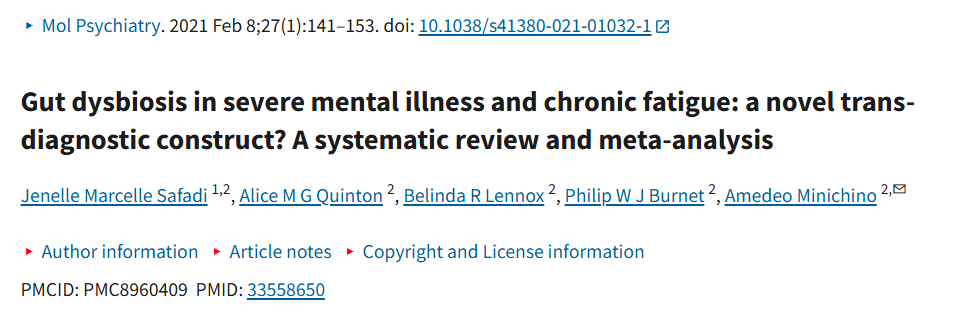
Elevated levels of gut dysbiosis markers are positively correlated with the severity of sickness behavior in patients with severe mental illness, such as bipolar disorder, depression, schizophrenia and chronic fatigue.
If you started having weird allergic like reactions to more and more foods or if your allergies have been worse this year, it might be SIBO.
*It causes damage to the microvilli in the small intestine are responsible for producing DAO (the enzyme that breaks down dietary histamine).
**Bacterial toxins from SIBO bombard the gut lining, causing local immune cells (and thus mast cells) to become hyperactive.
***This is also important for people with MCAS (meaning that if you have MCAS, SIBO can make it way worse).
https://t.co/eXCNhiGzzm
If you try to get educated through social media, you will end up thinking that there are 50 things wrong with you and everyone around you.
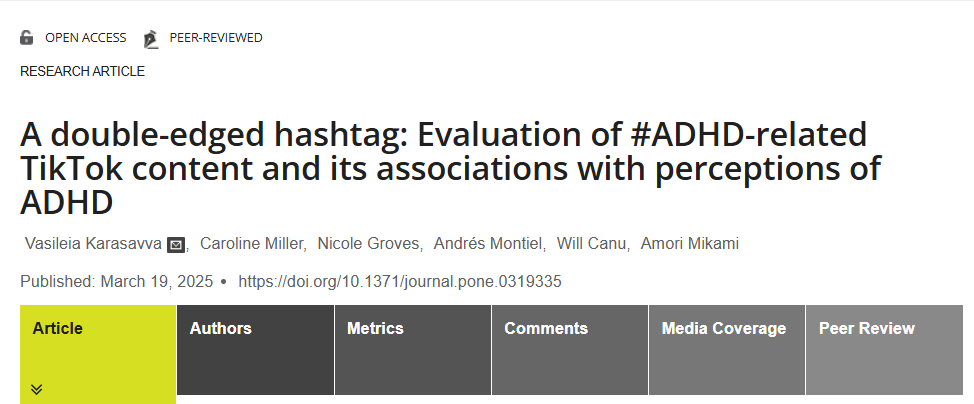
A study of the top 100 ADHD TikToks found that not even half the claims about symptoms matched clinical guidelines.
So many young people assume they have ADHD when in reality, they don't.
Don’t get me wrong, most young people struggle with many of the issues people with ADHD struggle with, such as the inability to focus, chronic procrastination and so on.
But they don’t have the full condition.
Let’s take a look at some numbers:
-Around 2.5-4% of adults have ADHD, which is far fewer than social media makes it seem, even though it keeps getting more popular as a topic of discussion.
-ADHD is largely heritable, with estimates of around 70-80%.
That means genes explain a large share of the differences between people.
It doesn’t mean your parents must have it, since many adults with ADHD were never diagnosed, but family history is one of the things a clinician asks about.
The thing is, there are many possible explanations for having a mind that’s all over the place, being unable to focus, having emotional ups and downs throughout the day, or interrupting someone before they even finish a sentence.
When a (good) clinician evaluates you for ADHD, the first things they rule out are:
-Poor sleep
-Stress and anxiety
-Depression
-Thyroid problems
-Anemia
-Heavy phone use
-Substance use
If any of these ring a bell, or worse, more than one, they should be your very first priority, since they can all produce attention and motivation problems.
Heavy phone use, for example, is linked to intermittent reward, and it’s associated with attention problems.
To understand what intermittent reward is, picture your ancestors thousands of years ago.
When they went out to hunt, they weren’t sure they’d find an animal, and they didn’t even know if they’d manage to kill it.
So when they finally did, the dopamine response was bigger than it would have been if they’d known beforehand that they’d find an animal and kill it.
This mechanism was likely preserved for thousands of years because, back then, it gave them the motivation to go out there and hunt without being certain they’d find food.
Now, the problem with today’s era is that this mechanism can easily be hijacked through:
-Scrolling
-Nicotine
-Stimulants
-P*rn
-Gaming
-Gambling
And many other situations
Let’s take scrolling as an example.
When you open a social media app and start scrolling, you don’t know when you’ll come across a post that makes you stay and watch or read it.
You might come across 5 boring posts, and the 6th is something that actually makes you stay, so you get the same kind of dopamine response your ancestors got when they hunted without knowing when, or even if, they’d find an animal.
This is intermittent reward learning and, according to Judson Brewer, a neuroscientist and psychiatrist, it’s one of the most effective ways to get hooked on something.
The point is that lack of focus, motivation, patience, or discipline can be caused by a ton of things, and simply attributing it to ADHD can send you looking for the wrong solution.
Still, there’s one thing that people with ADHD and people who simply lack focus, attention, or motivation tend to have in common:
Their dopamine and norepinephrine signaling is likely being affected by something.
Both chemicals are made on the same production line, called the catecholamine pathway, which starts with the amino acid tyrosine and runs through several enzymes.
We’ll get to it in a moment.
But what that “something” is can dramatically change what you should do to fix the practical problem, like a lack of focus.
ADHD stimulant medication mainly acts on dopamine and norepinephrine transporters (DAT and NET).
Methylphenidate, a common ADHD drug, blocks these transporters, so they can’t take the neurotransmitters back into the neuron as quickly.
That leaves more dopamine and norepinephrine available between neurons.
But transporters aren’t the only things controlling how much of these neurotransmitters stays available.
Enzymes like COMT and MAO also regulate their availability, through a different mechanism.
Instead of physically moving them back into the neuron, they chemically modify and break them down.
This means that dopamine and norepinephrine availability depends on several processes working together:
-How much is produced
-How much is released
-How quickly it’s taken back up by transporters
-How quickly it’s broken down by enzymes
Common ADHD medications work well for many people, but not for everyone.
Stimulants mainly influence reuptake and release, not the enzymes responsible for making and breaking down these neurotransmitters, so it’s possible that someone with an issue at those steps responds less.
Aside from ADHD, if we take focus as a whole, there’s likely some disruption happening in the catecholamine pathway too, and that’s the part almost nobody looks at.
Here’s the simple version.
It starts with the amino acid tyrosine, which comes from the protein you eat:
-Tyrosine hydroxylase turns it into L-DOPA.
It’s the slowest step, so it sets the pace for everything after it, and it needs iron.
-AADC turns L-DOPA into dopamine, the chemical tied to motivation, and it can’t work without vitamin B6.
-Dopamine β-hydroxylase turns dopamine into norepinephrine, the chemical tied to alertness and attention, and it depends on copper and vitamin C.
Each step needs specific nutrients to work, and each can be affected by things you may do every day, like sleeping badly, drinking heavily, smoking, or living under constant stress.
So when you say “I can’t focus” or “I have no motivation”, the cause could sit at any of those steps, or in a habit, or in how much you use your phone, and not necessarily in ADHD.
That’s actually good news, because many of these things are possible to check and change, and it explains why the same advice works for one person and does nothing for another.
So how do you actually tell?
You tell by first ruling out stress and anxiety, depression, poor sleep, anemia, heavy phone use, thyroid problems, and substance use.
If there is an issue in any of the above, that should be your first target.
Many of these also affect the pathway we just went through, including its steps, the nutrients each one needs, and the habits that quietly get in its way.
That’s why understanding it can help a few different kinds of people.
If you’re not sure whether you have ADHD, understanding the pathway helps you rule out the lookalikes and see which of your symptoms could come from somewhere else.
If you simply want to fix your focus, you’ll learn which habits and nutrients are worth your time, which ones aren’t, and why the advice that worked for a friend did nothing for you.
If you do have ADHD, medication works on one spot of a system with many spots.
Knowing the rest of that system, and what supports it, can help you make the most of any treatment you’re on.
In all three cases, you stop guessing and start understanding what’s going on underneath.
Inside the course, you’ll learn:
-How dopamine and norepinephrine are made, step by step, and what each step needs to work
-Why the same symptom, like trouble focusing, can come from very different places
-Which everyday habits quietly work against this system, from sleep loss to alcohol, nicotine, and heavy caffeine
-The supplement mistakes that can backfire, including a common one that drains the copper one of these enzymes depends on
-How ADHD medications act on this system, and why you should never start or stop one without a clinician
Here's your link for a few hours:
https://t.co/eXCNhiGzzm
Something worth understanding from now on is that a lot of this behavior is largely automatic.
You don't necessarily think, "Oh, let me grab my phone."
Your hand reaches for it before you've consciously decided to do so.
And this isn't necessarily a matter of having poor discipline.
It's related to the reward-learning systems in your brain, which are involved in:
-Motivation
-Reinforcement
-The formation of habits
The more different activities you combine on your phone, and the more emotional significance they carry, the more complicated this process becomes.
Let's start with a relatively simple example.
Imagine you only use social media to communicate with a few friends, something that seems like a science-fiction scenario nowadays.
You open the application, respond to some messages, have a conversation, and leave.
In this case, the main rewards come from:
-Communication
-Social interaction
-Maintaining relationships
These experiences can activate reward-related neural circuits, including pathways involving dopamine.
And here's something important to understand about dopamine.
It's not simply a chemical that makes you feel pleasure.
It's involved in:
-Motivation
-Reward learning
-Anticipation
-Assigning motivational importance to particular experiences and signals
When something turns out to be more rewarding than expected, dopamine neurons in areas such as the ventral tegmental area can generate what's called a positive reward prediction error.
In simple words, your brain receives information that something was better than expected.
This signal helps update your expectations and influences what you learn to seek out again.
Dopamine also participates in reinforcing the associations between specific signals, actions, and rewards.
If opening Instagram repeatedly leads to enjoyable conversations, your brain can gradually learn to associate the application itself with the possibility of receiving a social reward.
Now let's add something else to the equation.
Imagine you don't just use Instagram to talk to your friends.
You also scroll through Reels, which is probably something you do, like most people.
Now you're introducing another mechanism into the picture called intermittent reinforcement.
This is what neuroscientist and psychiatrist Dr. Judson Brewer describes as the most effective way to get addicted to something.
Of course, clinical addiction is a much more complicated process than simply experiencing intermittent rewards.
But even without calling it an addiction, we can certainly talk about it becoming something you get hooked on.
And intermittent reinforcement isn't exclusive to social media.
You can find similar principles in:
-Gambling
-Gaming
-Dating and romantic relationships
-Other activities involving unpredictable rewards
Let's look at why this mechanism is so powerful.
Back when our ancestors had to hunt for food, they didn't know whether they'd find an animal or whether they'd manage to catch it.
They had to keep searching without knowing when, or even if, they'd get the reward they were looking for.
The brain's dopamine-related reward and motivation systems evolved partly to support these survival behaviors, helping our ancestors recognize opportunities to:
-Obtain essential resources like food
-Learn which actions led to those rewards
-Stay motivated to pursue them even when success was uncertain
-When they finally managed to find and catch an animal, the reward could be much greater than expected.
Dopamine neurons are involved in this process through something called reward prediction error, which refers to the difference between what your brain expects to happen and what actually happens.
When something turns out to be better than expected, dopamine signaling helps reinforce the behaviors that led to that reward, making you more likely to repeat them.
In other words, you don't need to know that your next attempt will be successful to feel motivated to keep going.
The possibility that you might get the reward is sometimes enough to keep you searching.
And this is one of the mechanisms that makes unpredictable rewards so effective at maintaining behavior.
Now, let's bring this back to social media.
Imagine opening Instagram and going straight to the Reels section.
You have no idea whether the next video will be funny, interesting, exciting, or completely boring.
You might scroll through six videos that do nothing for you, encounter a seventh that makes you laugh, watch another three boring ones, and then find something genuinely interesting.
And you keep going.
Every time you encounter something unexpectedly rewarding, the experience can reinforce the behavior that brought you there.
More importantly, your brain can begin associating the scrolling process itself with the possibility of finding something rewarding.
This involves:
-Dopamine-dependent reward prediction errors
-Incentive salience
-Reinforcement learning
Let’s see what incentive salience actually means.
It refers to the motivational importance your brain assigns to particular signals.
Something doesn't have to be especially pleasurable to make you want it.
You can find yourself wanting to check something even when you already know that most of what you'll encounter is boring.
The anticipation itself can become motivating.
And the more frequently you repeat this process, the more opportunities your brain has to strengthen the associations between scrolling, the signals that trigger it, and the occasional rewards that follow.
There's another important detail.
Dopamine neurons don't simply release more dopamine every time you encounter something enjoyable.
Their activity depends on several factors, including:
-Novelty
-Learning
-Reward expectations
-Difference between what you expected and what actually happened
The relationship between dopamine and reward is considerably more complicated than a simple dopamine spike every time you watch a funny video.
But the underlying learning mechanisms are precisely what make unpredictable rewards so relevant to understanding compulsive scrolling.
Think about how much time you spend online every single day.
Scrolling through social media, watching videos, checking notifications, browsing different platforms, and constantly looking for something interesting to capture your attention.
These aren't isolated experiences.
They're repeated interactions with reward-learning systems that influence:
-Motivation
-Anticipation
-Reinforcement
-Habit formation
Researchers have identified measurable differences in dopamine-related systems among people who struggle with excessive internet and social media use.
For example, one PET imaging study found significantly reduced dopamine D2 receptor availability in several regions of the striatum in people with internet addiction.
Another study examining people with social networking site addiction found reduced expression of two dopamine receptor genes, D4 and D5, in their blood cells.
And researchers have even found that the proportion of smartphone interactions involving social applications was associated with lower dopamine synthesis capacity in certain regions of the brain.
In other words, we're not simply talking about spending too much time looking at funny videos.
We're talking about behaviors that engage the same reward-related systems responsible for motivation, reinforcement, and learning, with research identifying measurable differences in dopamine-related markers among people experiencing problematic use.
Break the cycle: https://t.co/eXCNhiGzzm
Doomscrolling is proven to ruin your potential and life in general.
But anyone can understand why for example every hour of social media use per day increases depression risk by 13% if they want to.
Yes, depression, the illness that makes a lot of people off themselves.
If i told you that a particular food increased your chances of depression by 13% you’d try to ban it.
So how is this possible?
Let’s start by discussing the more vulnerable groups (people who already battle conditions such as ADHD, OCD, depression, anxiety and so on).
If you have ADHD for example, scrolling social media is one of the worst things you can possibly do for the most part.
Here's why:
In a neurotypical brain, emotions are processed through a tightly managed loop between two main areas:
1. The amygdala: The brain's primitive emotional alarm system.
It detects frustration, fear, and threats, and fires off immediate, raw reactions (like anger or panic).
2. The Prefrontal Cortex (PFC): The logical, rational manager sitting at the front of the brain.
Its job is to look at the amygdala's alarm, evaluate it, and put a "brake" on the emotion if the reaction is too extreme for the situation.
But if you have ADHD, the structural connectivity between the prefrontal cortex and the amygdala is significantly impaired.
Furthermore, lower baseline levels of dopamine and norepinephrine mean the PFC is chronically under-activated.
When a frustration occurs, the amygdala fires instantly.
Because the PFC's "braking system" is sluggish, the raw emotion floods the nervous system before the logical brain can even register what is happening.
This is known as short emotional latency (the time between experiencing a feeling and physically reacting to it is incredibly compressed).
Most people experience a brief pause between a feeling and an action.
ADHD skips the pause and the more you overwhelm your system with doomscrolling, the more impulsive you'll be.
Navigating a neurotypical world with ADHD requires constant masking and mental over-exertion.
So your baseline stress level is often already close to capacity.
Adding social media on top of this, does not work.
When a neurotypical brain scrolls past an infuriating post, their prefrontal cortex can step in to say, "This is just an internet argument, don't engage."
But in your brain, that "brake" fails.
The amygdala fires instantly, dragging the individual into a state of intense, real-world anger over a digital interaction.
So just scroll 1/week and with intention (specific profiles for specific issues) and save your mental resources for something that's worth it.
Then, the overuse of tech can cook your brain when it comes to learning and retaining information quite a lot.
And if we can’t constantly learn and adapt to new information, we won’t make it in this day and age.
The primary cellular mechanism underlying memory formation, storage and updating, is synaptic plasticity.
This is the brain’s ability to strengthen or weaken the connections between neurons in response to activity patterns.
When two neurons are active at the same time (especially repeatedly) the synapse (a tiny gap where the presynaptic neuron releases neurotransmitters that bind to receptors on the postsynaptic neuron) between them becomes more efficient.
This makes it easier for the presynaptic neuron (*) to trigger the postsynaptic neuron (**) in the future.
(*) The sender.
(**) The receiver.
Conversely, if they fire out of sync or one is inactive while the other fires, the connection can weaken.
So this bidirectional change is what allows the brain to encode specific experiences as unique patterns of connections.
What happens at the synaptic level is that high-frequency or coincident activity (imagine learning the piano, a foreign language or something similar) causes strong depolarization of the postsynaptic neuron.
This unblocks NMDA receptors.
Then calcium ions rush in, triggering the following cascade:
-Activation of CaMKII which phosphorylates and inserts more AMPA receptors into the membrane (making the neuron more responsive).
-Structural changes such as larger dendritic spines, more receptors, and sometimes new synapses.
-Gene transcription via CREB, new protein synthesis such as BDNF etc.
That was long-term potentiation (LTP) in a nutshell.
*If all these sound gibberish, check the three previous articles, threads etc.
Now early LTP is protein-synthesis independent and shorter while late LTP involves lasting structural and molecular changes.
We also have to talk about long-term depression (LTD) (think of this as weakening (LTP and LTD often occur together in the same circuits, sculpting precise engrams)).
Low-frequency or asynchronous activity leads to modest calcium influx, activating different pathways that remove AMPA receptors or shrink spines.
LTD prevents synaptic saturation, refines memories, supports pattern separation (distinguishing similar experiences), and enables forgetting or updating.
So as you might be able to tell, a memory isn’t stored in one neuron but in a sparse network of neurons called an engram (or “memory trace”).
During an experience:
-Specific neurons activate together.
-Synaptic plasticity strengthens connections within this ensemble and between related ensembles.
-Later, partial cues reactivate the same pattern → you recall the memory.
Here’s a practical example.
Imagine that you go out for dinner with close friends to celebrate a birthday.
Phase 1: Encoding phase.
In this phase sensory information (sights, sounds, etc) from the environment is gathered and translated into a neural format.
This initially relies on short-term/sensory memory systems.
For example, glutamate release triggers NMDA receptors, calcium influx activates CaMKII and CREB, kicking off early LTP (long-term potentiation).
The amygdala also “tags” the event emotionally, making it more salient.
Phase 2: Consolidation phase.
Later that night, during deep slow-wave sleep and REM, your hippocampus “replays” the neural patterns at high speed.
This replay strengthens synapses and gradually transfers the memory to neocortical networks.
Over days/weeks, the full episode becomes a stable, detailed long-term memory you can vividly recall years later.
So in this phase, short-term memories are stabilized into longer-lasting ones.
This heavily involves the hippocampus (in the medial temporal lobe), which helps transfer information to cortical areas for long-term storage.
Phase 3: Storage.
Here, memories are distributed across brain regions.
The hippocampus is key for forming new declarative (facts/events) memories, while the prefrontal cortex, basal ganglia, cerebellum, and amygdala handle aspects like working memory, skills, and emotional tagging.
Long-term memories become less hippocampus-dependent over time.
Over time (hours to years, via replay during sleep), they transfer to neocortical networks for stable storage.
Phase 4: Retrieval.
Reactivating the specific neuron ensemble by cues or context.
Stronger synaptic connections make this easier.
Now here are some studies showing that tech can in fact interfere with these:
-Heavy media multitaskers show poorer working memory (WM) capacity, sustained attention, and long-term memory (LTM) discriminability.
They allocate attention more broadly (scattered mode), struggling to filter irrelevancies, leading to shallower encoding and weaker LTP induction.
Even the mere presence of a phone reduces cognitive resources (brain drain hypothesis).
-Heavy users exhibit lower recall accuracy and altered prefrontal/hippocampal activity.
Prospective memory (remembering future intentions) and episodic memory suffer due to attention lapses just before encoding events.
-Taking photos/videos reduces personal encoding because the brain offloads to the device.
Participants remember fewer details of museum objects or events when photographing vs. observing.
This weakens hippocampal-dependent consolidation; deeper engagement (not just snapping) mitigates it somewhat.
-Reliance on search/GPS similarly atrophies spatial memory circuits
Blue light from screens suppresses melatonin, delays sleep onset, reduces slow-wave sleep (SWS) and REM (critical for hippocampal replay, synaptic downscaling (homeostasis), and transferring memories to cortex).
-Heavy use is linked to reduced gray matter in hippocampus (memory), anterior cingulate (attention/control), prefrontal cortex (executive function), and amygdala (emotion).
-Lower hippocampal volume/activity impairs LTP/LTD balance.
-Dopamine-driven reward loops (likes, notifications) promote addiction-like behavior, increasing impulsivity and reducing deep processing needed for strong engrams.
-Increasing social media use in early adolescence predicts lower verbal memory (RAVLT), visuospatial attention, and overall cognitive scores.
In summary, tech fragments the sustained, focused neural firing and offline replay required for robust synaptic changes (LTP/LTD), protein synthesis, and systems-level transfer.
The effects are indeed dose-dependent and bidirectional (pre-existing traits may amplify use), but experimental and correlational evidence consistently links heavy habitual patterns to measurable deficits in attention, encoding, and consolidation.
Do these results make sense?
Of course.
With the amount of notifications that are available for example, your attention fragments every few seconds.
Each notification or urge to check triggers “brain drain” aka your prefrontal cortex uses resources just to suppress the impulse.
This prevents the sustained, high-frequency neural firing needed for robust LTP.
Instead of deep processing, you get shallow encoding and will struggle with pattern separation in the hippocampus.
Or when sleep onset is delayed, and deep sleep/REM is reduced, hippocampal replay will become weaker and less effective so there’s no strong protein synthesis or synaptic tagging to stabilize the memory.
AND all these without even mentioning the impact that tech can have when it comes to anxiety, depression, critical thinking/exposure to misinformation, lack of privacy etc etc.
"So what should i do?"
Here are 3 practical steps that might help you.
Step 1: Never check any device in the first or last hour of the day.
Step 2: Identify “optional technologies” (social media, YouTube, Instagram, Reddit, games, non-essential news/apps).
Step 3: Take a full 30-day break from the optional stuff. Delete apps, log out of accounts, or use blockers.
If this was too technical, let me give you another example when it comes to how social media mess up our minds.
It’s quite dumb but the couple of times i’ve shared it, it clicked with people.
If you fed your body junk food multiple times a day for years, you probably wouldn’t expect it to be healthy, no matter how good your starting point was.
You could be extremely healthy in the beginning and even have the best genes possible, but if you gave your body damaging fuel for extended periods, you would become sick.
That’s kind of obvious.
So why would things be different when it comes to our minds?
Yet that’s exactly what most of us are doing every single day by being exposed to content that’s just designed to utilize the primitive parts of our psychology against us.
On the one hand, we can access tremendously useful material for cheaper than ever before.
On the other hand, we are constantly bombarded with rage baits, made-up crises, drama, outrage etc
It’s everywhere to the point that we can no longer wonder why more and more people are developing mental health issues if we don’t wonder how a man who constantly eats junk food develops a physical disease.
We’ve reached a point where we can no longer tell where someone is experiencing social media-induced psychosis because it has become that common.
More and more people have developed extremely skewed and out-of-touch versions of reality that they truly believe to be real.
Examples:
-Men are rating other men’s eyebrows to see who can get laid easier? (or something like that) and pay $4000 in order to have other men rate their looks
-Some people actually want to shoot Elon Musk
-Dudes who think that manganese is a city in Asia are on test, tren, meth, Chinese peptides and put vitamin E on their nuts
-The same men who care about their eyebrows also somewhat think that they’ll never be able to get laid
-18 year olds with no skills think that they can become millionaires if they get in sales (they can not even hold eye contact)
-More and more people are promoting flat out gambling your savings away
-24 year old dudes think that it’s over and life is not worth it (i repeat 24 year old dudes think that it’s over)
-People believe more and more conspiracies that a toddler can disprove all the way that a FLAT EARTH app has a $1M/MRR
-Young men think that women suck and young women think that men suck
-When Elon had the revenue sharing program available, Indians, Nigerians etc,were making up profoundly serious lies to get paid $2.
It’s a shitshow detached from reality and we haven’t even discussed politics.
Of course, you might laugh at these or find them weird if you are still sane, but trust me, they are far more common than you think.
Overall, the way we see ourselves and the world greatly determines our actions.
So if we slowly but gradually adopt unhealthy views about either by being exposed to flat-out dumb and unhealthy material, our actions will become more and more damaging.
Do you think for example, that a genuine pessimistic attitude about yourself and the world will result in you discovering your unique strengths and the opportunities that you will encounter at some point?
Obviously not.
So overall, what can we practically do about this “epidemic”?
Step 1: Log off.
It’s better to do something that genuinely recharges you than it is to doomscroll social media.
Step 2: The $1 rule.
This is a concept i made up but works wonders for the common complaint of “there’s just so much information out there”.
Trust me, when people have to spend even $1 on something, they will quickly figure out what they want to spend it on.
Free content is almost always optimized to grab attention, not learning.
Paying even a small amount forces curation and commitment.
Step 3: The one core theme/week rule.
Each week, you are only allowed to primarily consume material about one thing.
It can be health-related material, finance-related material, psychology-related or whatever.
But it has to be one core theme.
Step 4: No breakthroughs = throw the material away.
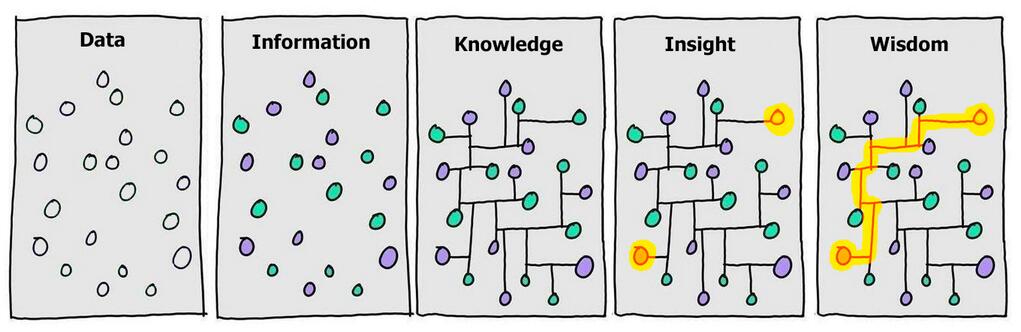
The point of consuming educational material is to have new breakthroughs/insights.
How these breakthroughs/insight will happen is irrelevant.
-George
If you want to read more, go here:
https://t.co/eXCNhiGzzm
If you started having weird allergic like reactions to more and more foods or if your allergies have been worse this year, it might be SIBO.
*It causes damage to the microvilli in the small intestine are responsible for producing DAO (the enzyme that breaks down dietary histamine).
**Bacterial toxins from SIBO bombard the gut lining, causing local immune cells (and thus mast cells) to become hyperactive.
***This is also important for people with MCAS (meaning that if you have MCAS, SIBO can make it way worse).
https://t.co/eXCNhiGzzm
Is blind trust in authorities, no matter what, a good thing?
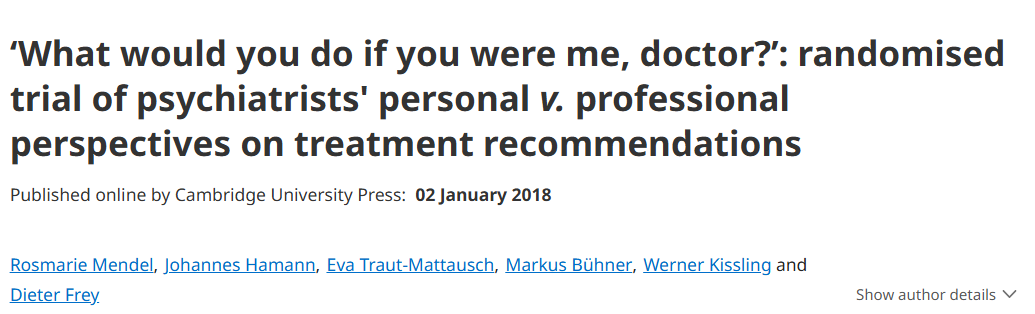
Did you know for example that 79% of psychiatrists would recommend immediate antidepressant treatment for an outpatient with depression, but only 39% of them would take one themselves immediately in the same scenario?
The remaining who declined immediate antidepressants for themselves chose watchful waiting/active monitoring aka the things we discuss here such as:
-Exercise (especially aerobic)
-Circadian rhythm/sleep stabilization
-Reducing alcohol and depressants
-Social activation
-Nutritional support
Etc
https://t.co/eXCNhiGzzm
I am still fascinated by how many people who suffer from issues such as anxiety refuse to do deep stretching.
You want to tell me that literally having your entire body tense to the gills is not exacerbating your breathing which causes even more anxiety for example?
Or let's say that you have ADHD for example.
Then most likely, you were forced to suppress your natural urges for years to fit into structured environments like schools.
This intense effort to hide symptoms and mimic neurotypical behavior is what's known as "masking."
But while you might appear to be sitting still on the outside, your brain was working overtime to maintain that appearance.
Then this suppression can manifest as:
-Internalized hyperactivity.
Instead of physical movement yourhyperactivity gets turned inward and manifests as a racing mind, constant mental restlessness, and chronic anxiety.
-Inconspicuous fidgeting.
To satisfy the urge to move without drawing negative attention, you might learned how to channel energy into micro-movements.
-Hyper-vigilance.
In this one, you may constantly monitor your own behavior, body language, and speech to ensure your are not acting "out of place," which requires immense conscious effort.
But this only leaves you chronically tired (for starters).
Down the line, the constant pressure to perform and suppress natural impulses frequently can lead to chronic anxiety, panic disorders, and depression.
Point being: Relax your body to relax your mind.
You'd be amazed by how much psychological discomfort breathing and stretching can release.
In fact, did you know that specific personality types develop specific patterns of chronic muscle tension?
Reich introduced the idea that psychological defense mechanisms manifest as physical symptoms:
On one hand, character armor refers to the rigid psychological traits a person develops (like being overly defensive, cold, or aggressive) to protect themselves from emotional pain.
This serves as a protective crust.
It keeps painful, repressed emotions (like terror, rage, or grief) locked in, while keeping external triggers locked out.
On the other hand, muscular armor refers to how these psychological defenses cause chronic, involuntary muscle tension.
When an emotion (like fear or rage) is triggered, the nervous system readies the body to fight, flee, or cry.
If this suppression happens repeatedly over years,
the contraction becomes chronic and unconscious.
The person completely forgets how to relax that muscle group.
For example, a person who constantly suppresses anger might develop a perpetually tight jaw or rigid shoulders.
If a person is conditioned to suppress that emotion, they must physically hold it back by contracting their muscles.
Reich realized that by physically working on the body to release this muscle tension, a therapist could unlock and resolve the deeply buried emotional trauma associated with it.
This concept directly inspired modern body-mind practices like TRE, Somatic Experiencing, and Bioenergetics.
Before Reich, psychoanalysis was strictly "Top-Down" (talk therapy).
The theory was that if we talk about the trauma, understand it intellectually, and bring it to the conscious mind, the symptoms will vanish.
Reich discovered a massive flaw in this approach which was that the armor prevents the therapy from working.
A patient could intellectually understand their childhood trauma perfectly, yet remain completely unhealed because their body was still physically holding onto the defensive pattern.
So he viewed the body as a hydraulic energy system.
When emotional trauma or stress is suppressed, it acts like a clamp on a hose, blocking the flow of life energy (biological excitation).
Now Reich also noticed that muscular armor does not develop randomly, it forms in seven distinct horizontal rings perpendicular to the spine.
Each segment governs specific organs, muscle groups, and emotional expressions.
There are:
1. The ocular segment (it involves the forehead, eyes, eyebrows, eyelids, and the back of the skull)
This armor develops when a person feels it is unsafe to truly see or perceive their reality.
It blocks the expression of tearless grief, horror, and profound mistrust.
Working on this segment often brings up sudden feelings of panic followed by deep crying.
2. The oral segment (it involves the mouth, jaw, tongue, chin, and the muscles at the base of the skull).
In this one there's suppressed rage, crying, and unmet primal needs.
The jaw holds back the urge to bite, scream, or demand affection.
It is heavily armored in people who were told to "stop crying" or who had to swallow their anger as children.
Working in this segment often triggers intense anger, sobbing, or the urge to yell.
3. The cervical segment (it involves deep neck muscles, throat, and tongue).
This is the barrier between mind and feeling.
The neck acts as a literal bottleneck.
It clamps down to prevent emotions rising from the chest from reaching the brain or being spoken aloud.
It blocks self-expression, deep vulnerability, and anger.
Working on this segment can cause gagging, coughing, and a sudden liberation of the voice.
4. The thoracic segment (it involves chest, shoulders, arms, hands, upper back, and intercostal muscles)
Reich called this the center of passive defense.
It blocks primary life feelings: love, longing, deep sadness, and fierce rage.
People armored here are terrified of vulnerability and emotional intimacy.
5. The diaphragmatic segment (it involves the diaphragm, stomach, solar plexus, and lower ribs)
This is the master switch of emotional suppression. It is almost impossible to feel strong emotion without moving the diaphragm.
Contracting this segment effectively cuts the body in half, separating the heart from the gut and pelvis.
It blocks extreme rage and agonizing dread.
6. The abdominal segment (it involves large abdominal muscles, flanks, and lower back muscles).
This segment guards the softest, most vulnerable front part of the human body.
It stores the fear of being attacked, deep-seated discomfort, and the suppression of spite or contempt.
7. The pelvic segment (it involves all muscles of the pelvis, hips, buttocks, groin, and legs).
Armor here completely blocks Reich’s concept of "orgastic potency", the ability to fully surrender to pleasure, ecstasy, and natural bodily movements.
It stores deep, ancient terror and historical trauma.
That's it.
Now Reich discovered that somatic therapy works best when you unburden these segments from the top down (Ocular down to Pelvic).
If you try to release the pelvis before the neck or chest are open, the rising energy will simply get trapped in the upper throat or head, causing severe anxiety or headaches.
Modern practices like TRE bypass this by using a bottom-up shaking mechanism that gently rattles the entire chain open naturally.
After 9 weeks of TREs, people with multiple sclerosis, went from 43.7 to 22.0 in all nine self-reported symptoms plus stress and fatigue (Modified Fatigue Impact Scale) for example.
That's it.
Disclaimer: This is a processing tool.
It's not a "this will get rid of an issue" tool.
https://t.co/eXCNhiGzzm