@Latterdaytruth "Latter-day Saints love the whole Bible."
That is false. Joseph Smith stated that the Song of Songs is not inspired, and Bruce R. McConkie said that “the Song of Songs is biblical trash.”
So no, you do not love the whole Bible.
"Latter-day Saints love the whole Bible."
That is false. Joseph Smith stated that the Song of Songs is not inspired, and Bruce R. McConkie said that “the Song of Songs is biblical trash.”
So no, you do not love the whole Bible.
He criticizes infant baptism as if his church doesn't baptize CHILDREN at 8 years old, arguing, without any biblical basis, that this is the "age of accountability." Pure hypocrisy.
We need to talk about baptism.
Not the tradition. Not the sentiment. The doctrine.
Baptism is for those who can choose Christ.
It’s tied to faith and repentance.
Infants don’t repent.
They haven’t sinned.
There’s nothing to cleanse.
Calling a child “in need of baptism” isn’t humility.
It quietly assumes Christ’s grace isn’t enough yet.
But it is.
Completely.
That’s the whole point of the Atonement.
God doesn’t require ordinances to fix innocence.
He gives ordinances to covenant with those who can act.
That’s why accountability matters.
That’s why choice matters.
And that’s why baptism belongs after both.
Moroni didn’t tiptoe around this.
He called infant baptism a denial of Christ’s mercy.
Strong language, because it touches the center of the gospel.
Baptism isn’t about making someone worthy of Christ.
It’s about someone choosing Him.
And that changes everything.
In his pinned post he says: "I have spent real time looking hard at Christianity, scripture, authority, history, and the claims people make about God." But he demonstrates his total ignorance with that cheap joke about the Holy Trinity.
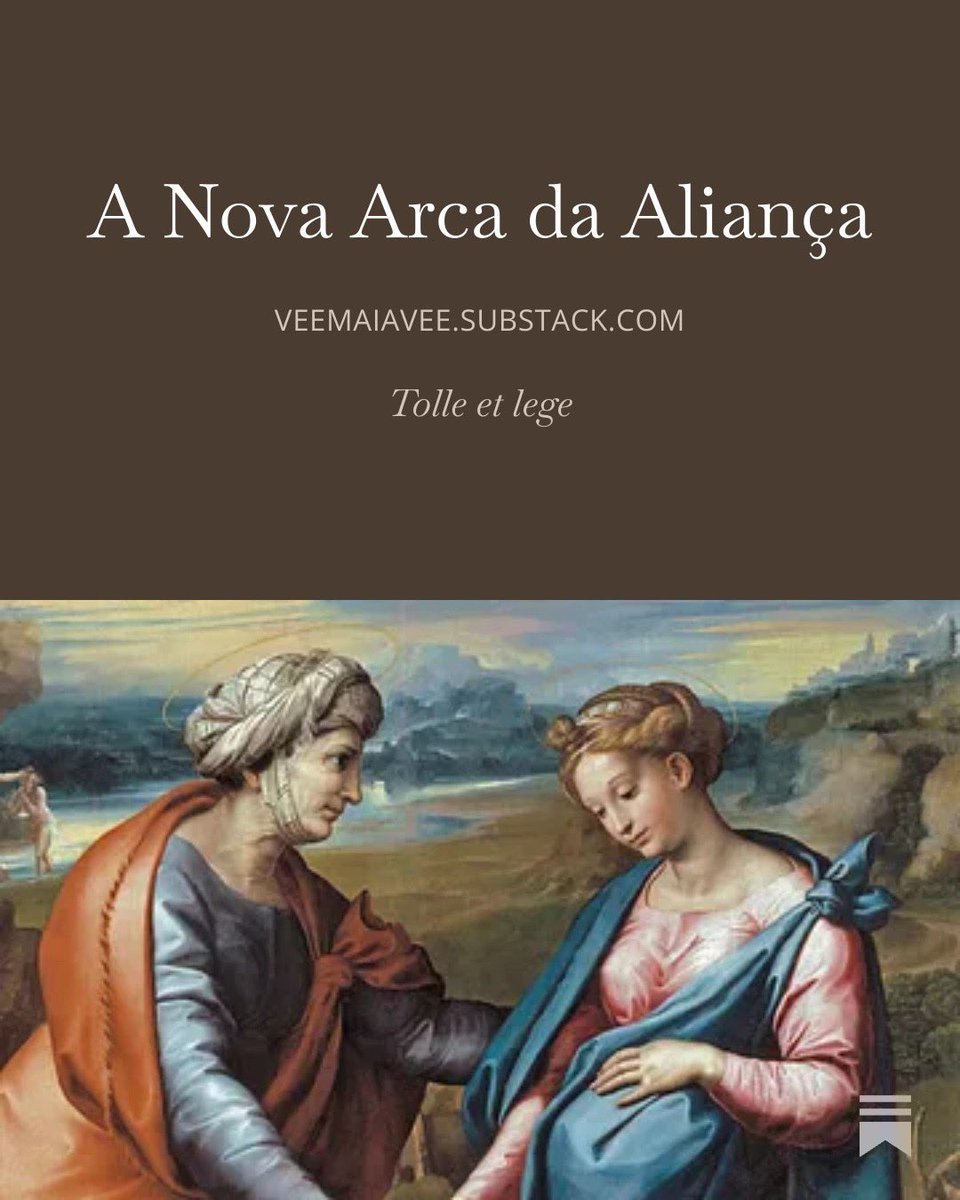
Olá, pessoal! Hoje publico meu primeiro artigo no Substack. Ele é breve e trata da Virgem Maria como a Nova Arca da Aliança. Para quem quiser ler, aqui está o link. Desde já, agradeço a todos que dedicarem um tempo à leitura! (link: https://t.co/0MJmUPMJ6B)
As always, the idolatry in the LDS Church is not centered on the person of Joseph Smith, but on the institution itself. It is extremely important that the Church be true, no matter what the Scriptures say about the plan of salvation.
In the first Saturday session of the LDS Church’s General Conference, they did not speak about the last week of Christ’s ministry on Earth. They did not talk about His suffering, His trial, or His death. Nor did they mention the purpose of the Atonement.
They only spoke about the current president and shared testimonies about people who got baptized, testimonies about the Church, about people who returned, and about tithing.
meu namorado pediu meu e-mail do kindle e disse que precisava fazer um teste com um arquivo. eu mandei. eis que minha biblioteca atualiza e
ele simplesmente escreveu UM LIVRO DO NOSSO 1 ANO DE NAMORO
EU TO CHORANDO 🥹🥹🥹
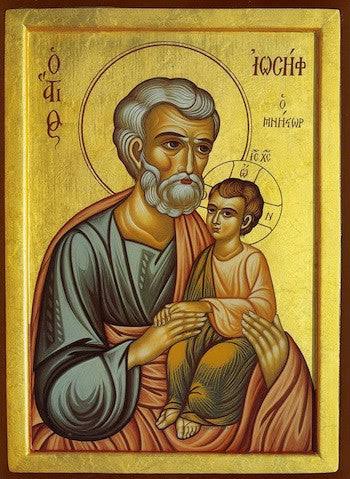
Agora que já passou a festa de São José (não comentei antes pois não quero estragar a devoção de um Santo legítimo), vou comentar aqui algumas coisas interessantes
É notório como São José ganhou um espaço que não tinha antes. Nos escritos antigos, São José nunca foi tratado (+)
I've been quietly building a Bible reading tracker — it's called Chapter by Chapter. Free, simple, works in your browser, no account needed. If you're trying to read more of the Bible and want something to mark your progress, this might help. Find it at https://t.co/cl16hYpzo9
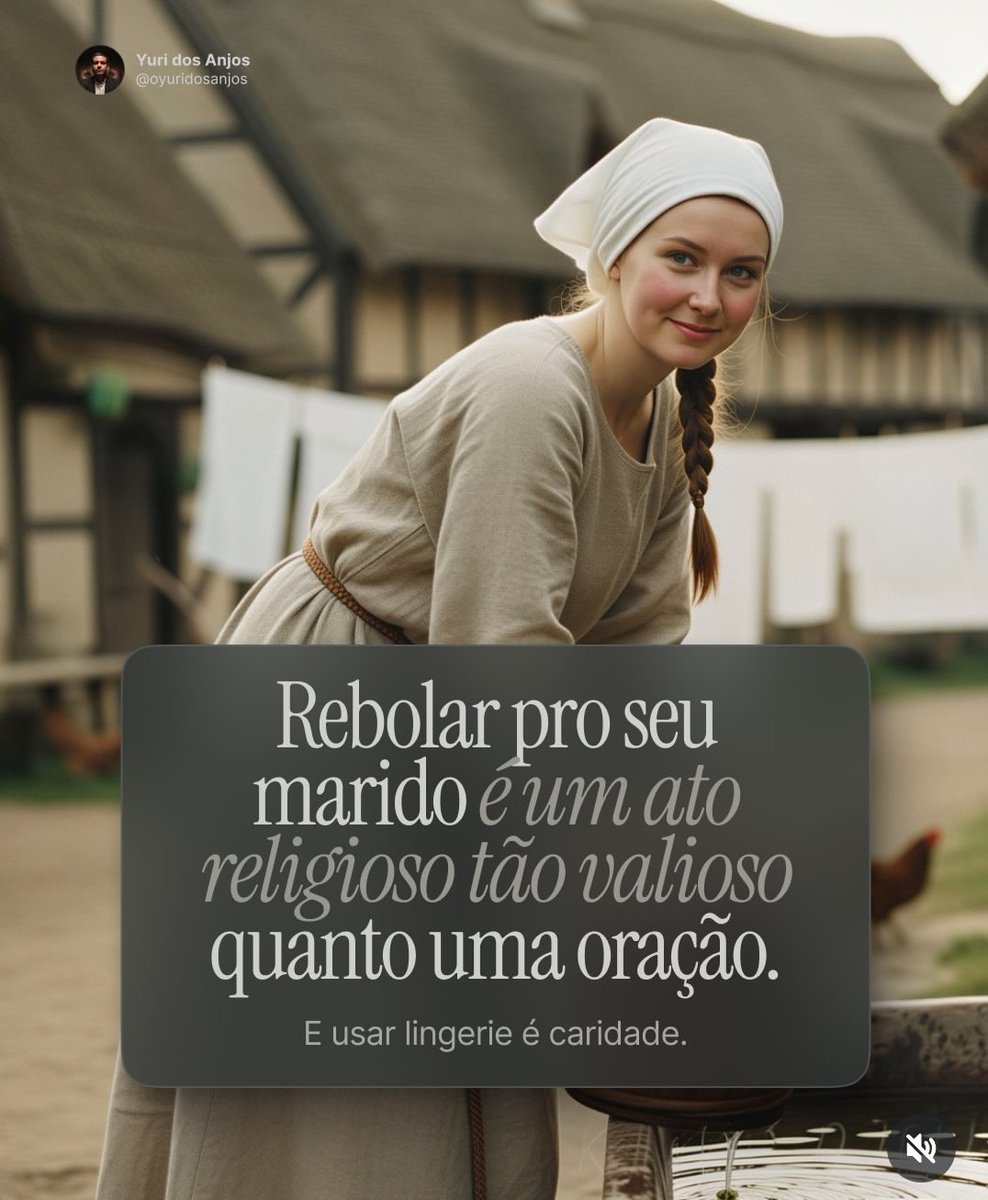
Nem sempre o sexo antes do casamento é pecado
O sexo casual é pecado por ir contra o mandamento do amor (1Jo 3:14), pois o outro se torna um meio para se satisfazer, não um fim amado em si mesmo.
Mas, se como Sto Tomás, crermos que o sexo entre não casados é sempre pecado por não haver uma relação duradoura e responsabilidade com a prole, como lidar com a relação entre pessoas que nunca casaram mas possuem tudo isso?
Na Bíblia, a contraposição de Paulo ao sexo fora do casamento não é qualquer sexo, mas o sexo prostituído/porneia (1Co 7:2), que se refere à prostituição (1Cor 6:15–16), ao incesto (1Cor 5:1) e a comportamentos sexualmente desordenados no geral (1Cor 6:18; Gl 5:19).
Ou seja, Paulo não tinha me mente um casal que se ama verdadeiramente, que tem uma relação duradoura e que tem ou pretende ter uma família com responsabilidade. Isso jamais seria sexo prostituído, pois isso é exatamente o que o evita.
E, como Paulo não exigia que os gentios convertidos cumprissem a Lei judaica (Gl 2:3–5), ele sequer tinha em mente um “casamento religioso” quando falava de casamento para os gentios.
Paulo não ordena os gentios a passarem por algum rito religioso reconhecido por cristãos, mas simplesmente ordena para permanecerem casados, até com um não crente (1Cor 7:2, 12–13).
Assim, Paulo estava tratando como legítimo o casamento reconhecido na sociedade greco-romana, que não era “religioso”.
E tal casamento possuía o que, essencialmente, um casal ainda não casado na Igreja hoje pode possuir: comprometimento duradouro e responsabilidade com os filhos (ou a genuína pretensão de constituir família).
No final das contas, a graça de Deus é derramada por meio do amor verdadeiro (Ef 5:25, 28; 1Jo 4:7-8).
De todo modo, o casamento religioso hoje é um comprometimento público que dá maior segurança ao amor do casal e, assim, garante a graça de Deus. Esse espaço seguro não deve ser negligenciado. Se você ama, case.