Even if with a publicity team, distribution, and the rest of the infrastructure, it’s you that needs to lead and own the marketing and sales. @RyanHoliday's Perennial Seller hits this home.
POUNDING THE PAVEMENT
I’m constantly reminded of how hard successful people work to get their work out there. A few years ago, I met up with a NYT-bestselling author who took an interview with me, and told me he’d been cold emailing people on TikTok offering...
They both understood the importance of every single post. Your work is never too precious to be pounding the pavement for it. More importantly, nobody else can do the hard work of promoting for you...
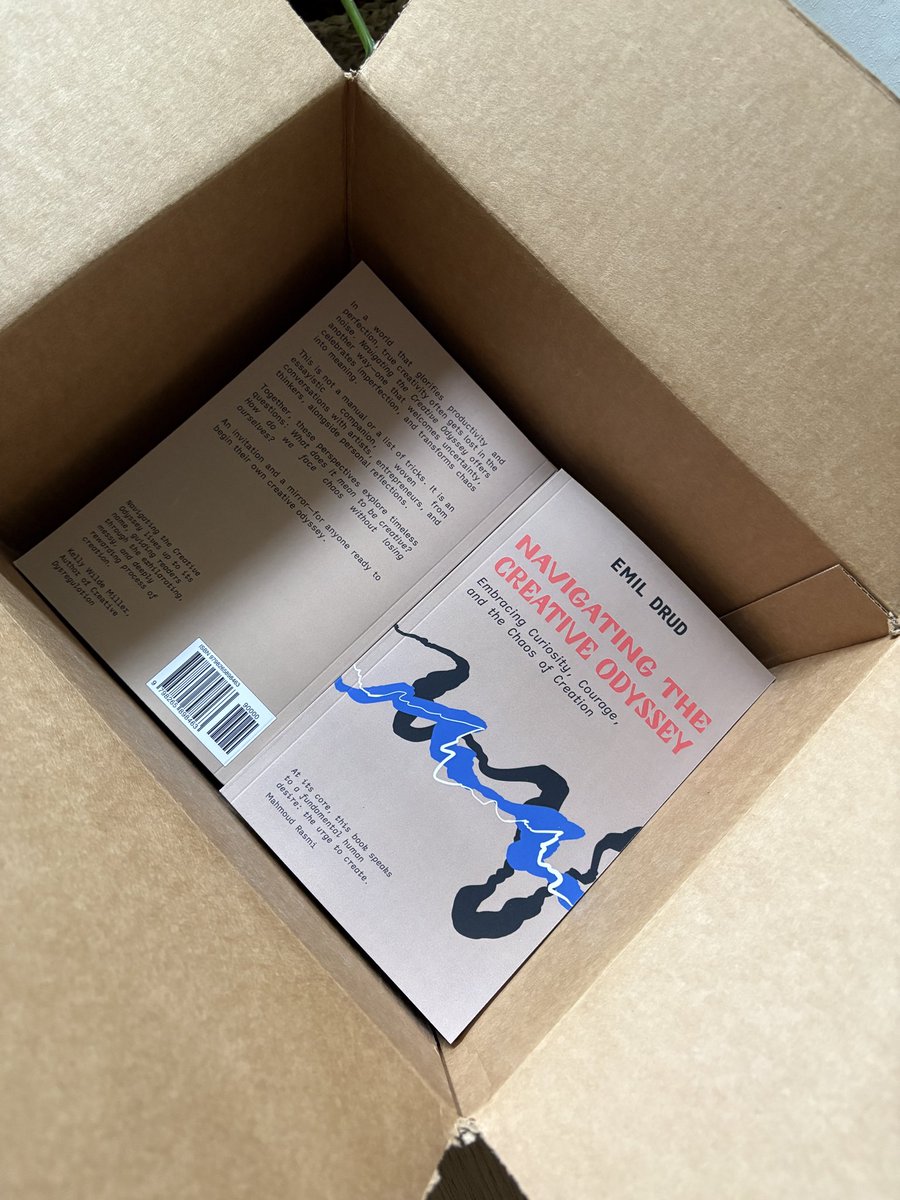
Launch day 🚀My very first book, “Navigating the Creative Odyssey: Embracing Curiosity, Courage and the Chaos of Creation" is out now internationally!
https://t.co/kdp2nJBft3
If a lot of people see your creative work all the time, then it’ll be more difficult for you to tinker and experiment.
Reaching a smaller audience used to be a bug, but now it’s a feature.
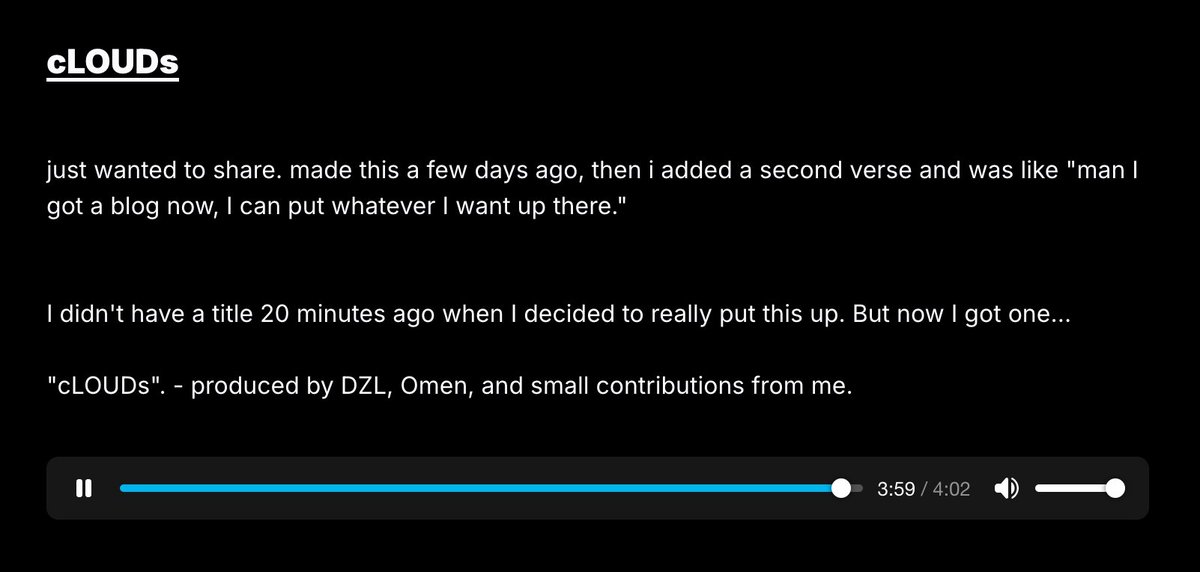
e.g., @JColeNC shipped a new song to his *blog* https://t.co/OkRgeWJK7C
“When I read the book there were so many ready-made scenes, and the great venue of the oil fields and all that. Those were kind of the obvious things that seemed worth making a film about.” — Paul Thomas Anderson on Upton Sinclair’s Oil!
If you work in film or the recording arts, sounds, scenes, and storyboards are references as well. Filmmaker David Lynch calls this “firewood,” and is constantly looking out for and stockpiling music to inspire his scenes in his films.
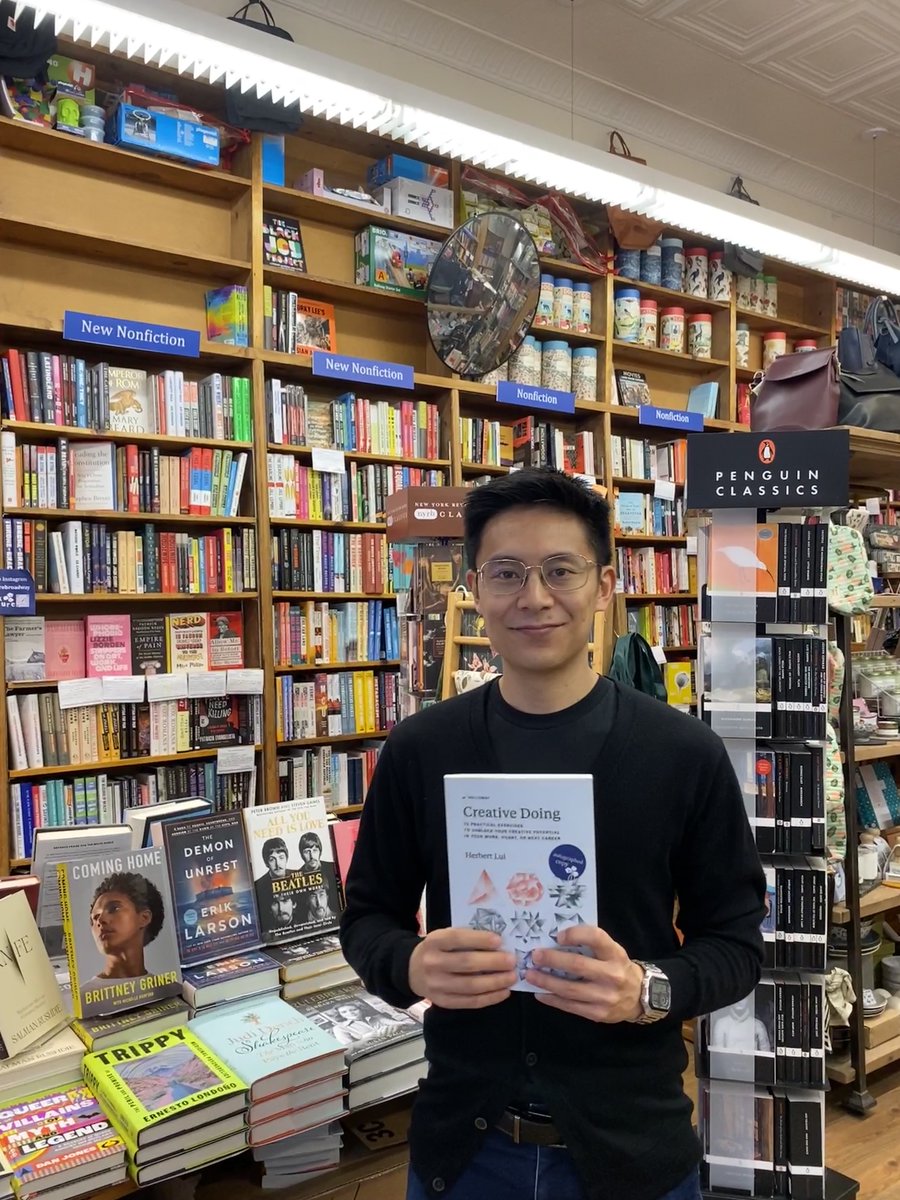
Creative Doing is on sale right now at Amazon for $0.99 as an ebook. And it just hit number 1 on Amazon’s Psychology bestseller list in the UK 🥳🇬🇧 https://t.co/v9lZGZyPp3
“If you get so good at drawing with your right hand that you can even make a beautiful sketch with your eyes closed, you should immediately change to your left hand to avoid repeating yourself.” — Krsto Hegedušić
Whatever your creative operation is, make it so you can complete it within a minute.
Nobody does anything well in a minute. Put that possibility out of your mind. Focus on the process.
There will be a time and place to care about results—but it’s not while you do the work.
If you're seeking inspiration:
Follow the first thing that pops into your head after 30 seconds.
Do the thing you think you want to do.
Write a list out and roll dice.
Don’t make your goal to “finish a thing”; make it to “start with anything.”
If you want to write a book, write at least one sentence today.
If you want to draw, sketch out a person or an object—something in front of you.
If you want to make music, record yourself humming a melody. Try to create it on an instrument or in your computer.
Do this daily.
In an art class, Richard Feynman was instructed to draw without looking at the paper.
He was impressed with the results, noticing a “funny, semi-Picasso like strength” in his work.
He knew that it would be impossible to draw well without looking at the paper, so he didn’t try
“I had thought that ‘loosen up’ meant ‘make sloppy drawings,’ but it really meant to relax and not worry about how the drawing is going to come out.” — Richard Feynman