Empathy starts with a simple question: What might this person be feeling?
In schools, that question can change a conversation. Students who feel understood are more likely to ask for help, work through conflict, and build stronger relationships with the people around them.
The same behavior shouldn't get three different responses.
Warning. Office referral. Nothing.
Same student. Same behavior. Different classrooms. Students notice. Teachers do too.
It's the problem we're building HighFive to solve.
#K12Education#ClassroomManagement
A little reminder for your Wednesday: not all minds learn the same way, and that's exactly how it should be. It’s not about finding a cure for how a student learns; it’s about embracing neurodiversity and adjusting our teaching to meet them where they are.
Wordy Wednesday: Punitive Punishment.
Punishment can stop a moment in the classroom. It rarely teaches a student what to do differently the next time. That's the gap worth closing.
We want to hear from educators, what's the biggest need in K-12 right now?
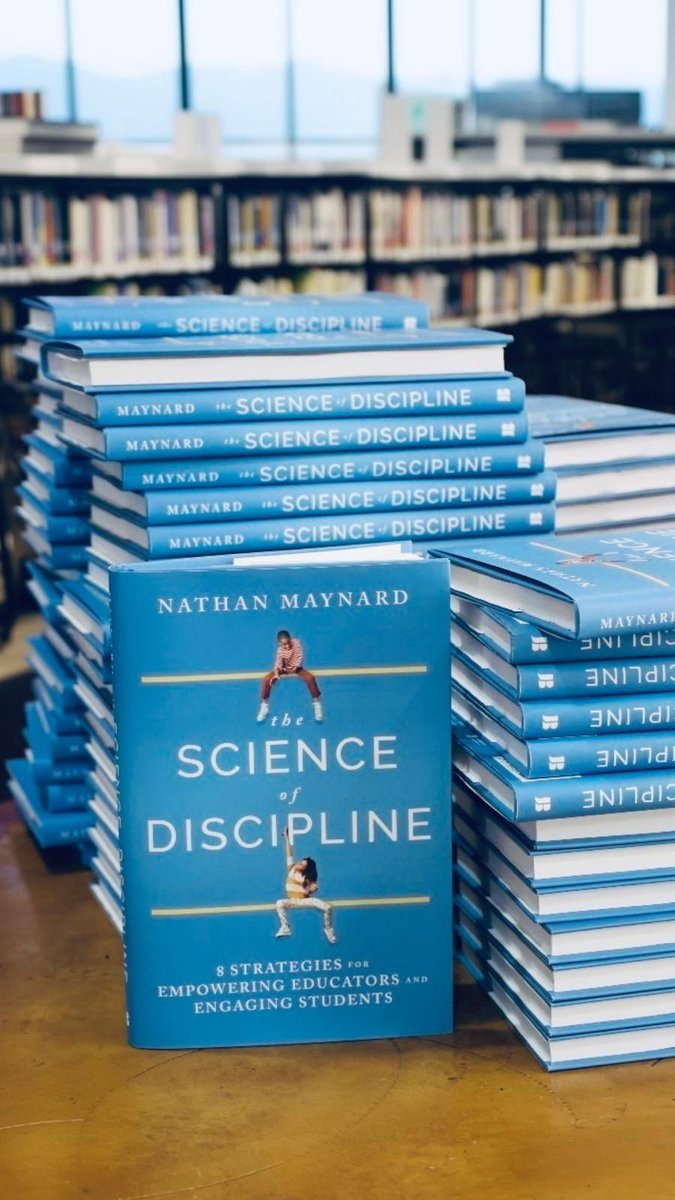
Take our 2-min survey for a chance to win a free copy of The Science of Discipline by Nathan Maynard 📚
🔗 https://t.co/1z4dhihHtY
#TheScienceOfDiscipline#K12#EdChat#SchoolDiscipline#TeacherVoice
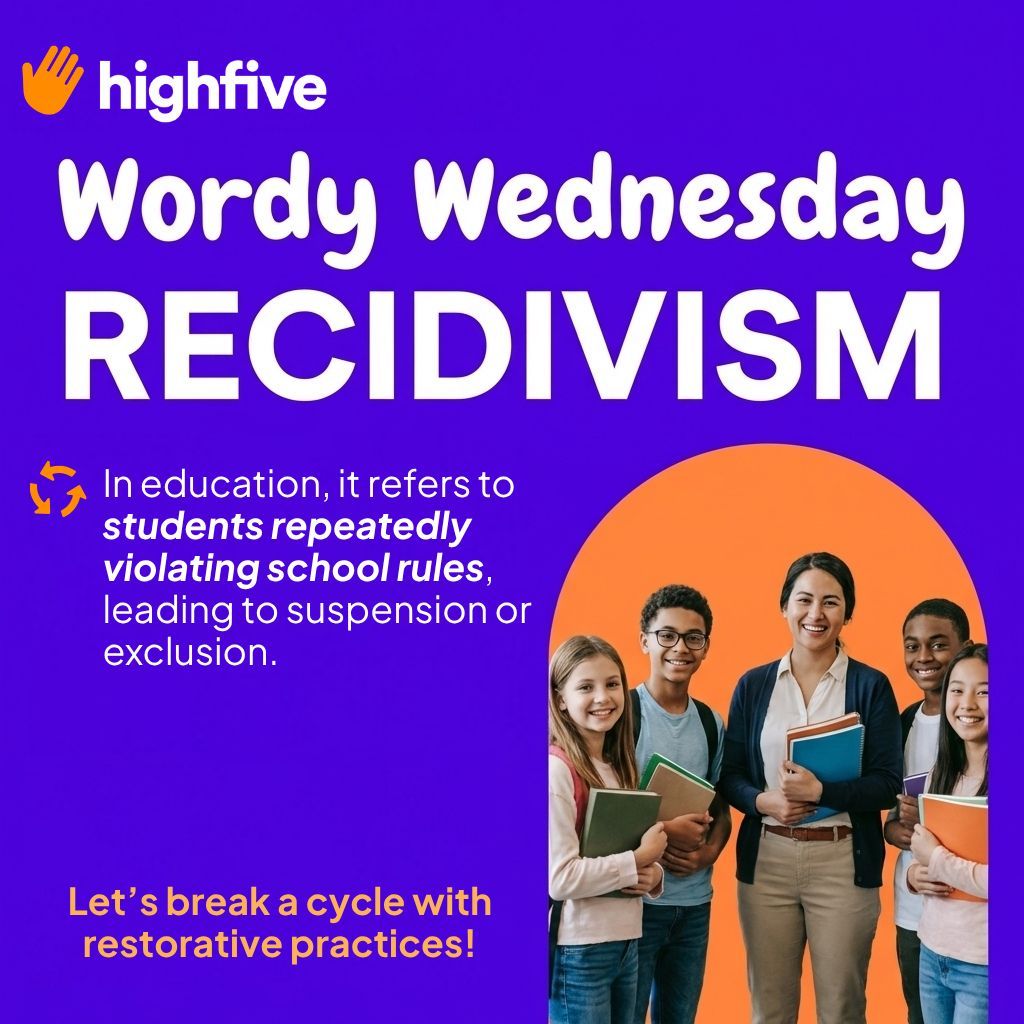
NEW: Wordy Wednesday - weekly breakdowns of words that shape school discipline.
First up: RECIDIVISM.
In prisons: returning to the system after punishment.
In schools: the same kid in the office every week.
If your discipline produces "repeat offenders," it's working as designed.
The Science of Discipline is officially out today!! 18 years of working in schools turned into one book for every educator who knows punishment isn’t working but needs something real to replace it with. Let’s go.
https://t.co/ra7YFwitqF
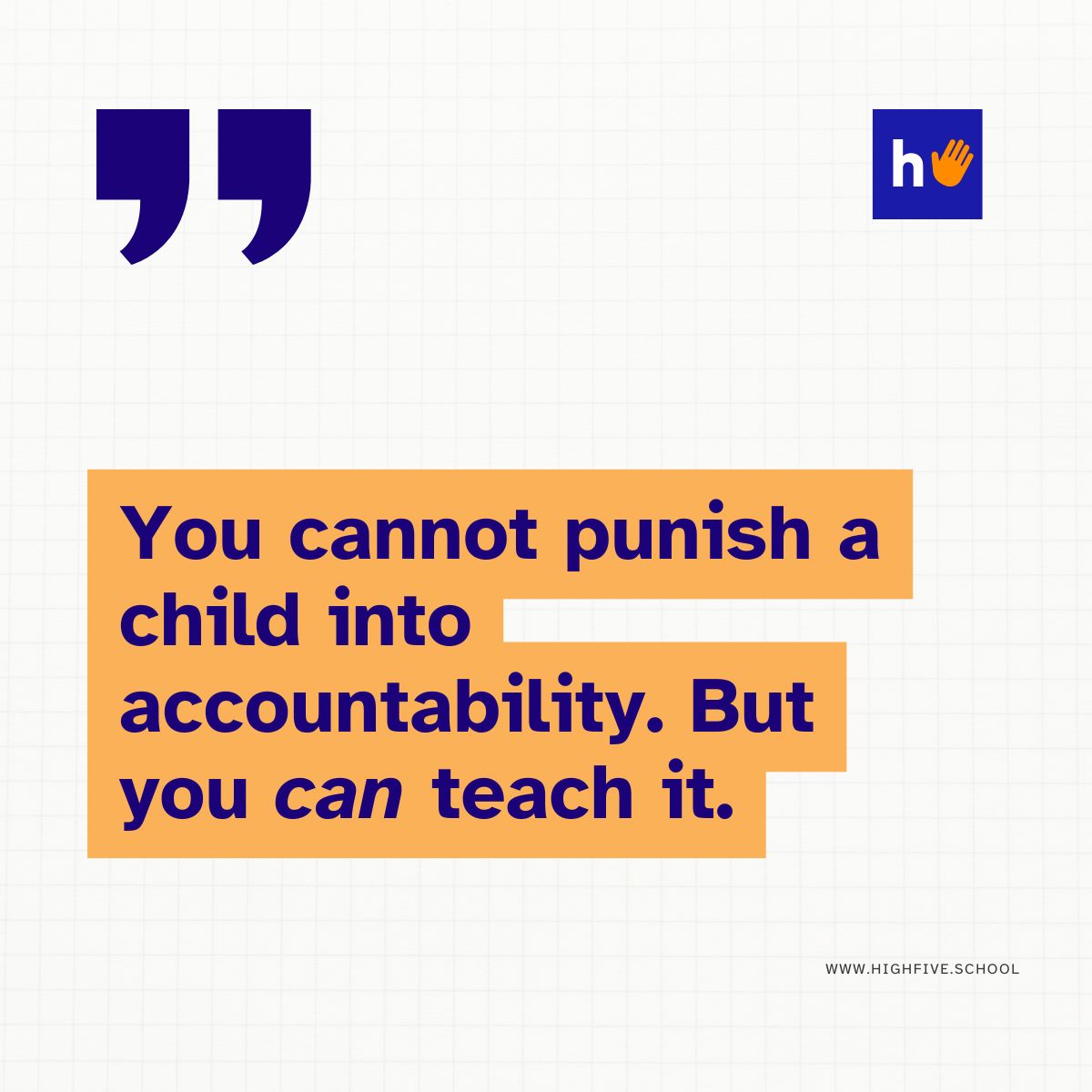
You can't punish a child into accountability. You have to teach it
Punishment asks "what's my penalty?" Accountability asks "how do I repair the harm?"
One creates resentment, the other creates growth. We believe in teaching kids how to make it right.
What are your thoughts? 👇
This one hits different when you're in the middle of a hard day.
The student who's testing every boundary. That's often the kid who's been given up on before. Your consistency, even when it's hard, might be the first time someone has stayed
Kids will master almost anything when they see why it matters.
The problem isn't student motivation. It's helping them see the relevance in the middle of a packed curriculum.
Students aren't unmotivated. Their psychological needs are unmet.
Three drivers that transform engagement:
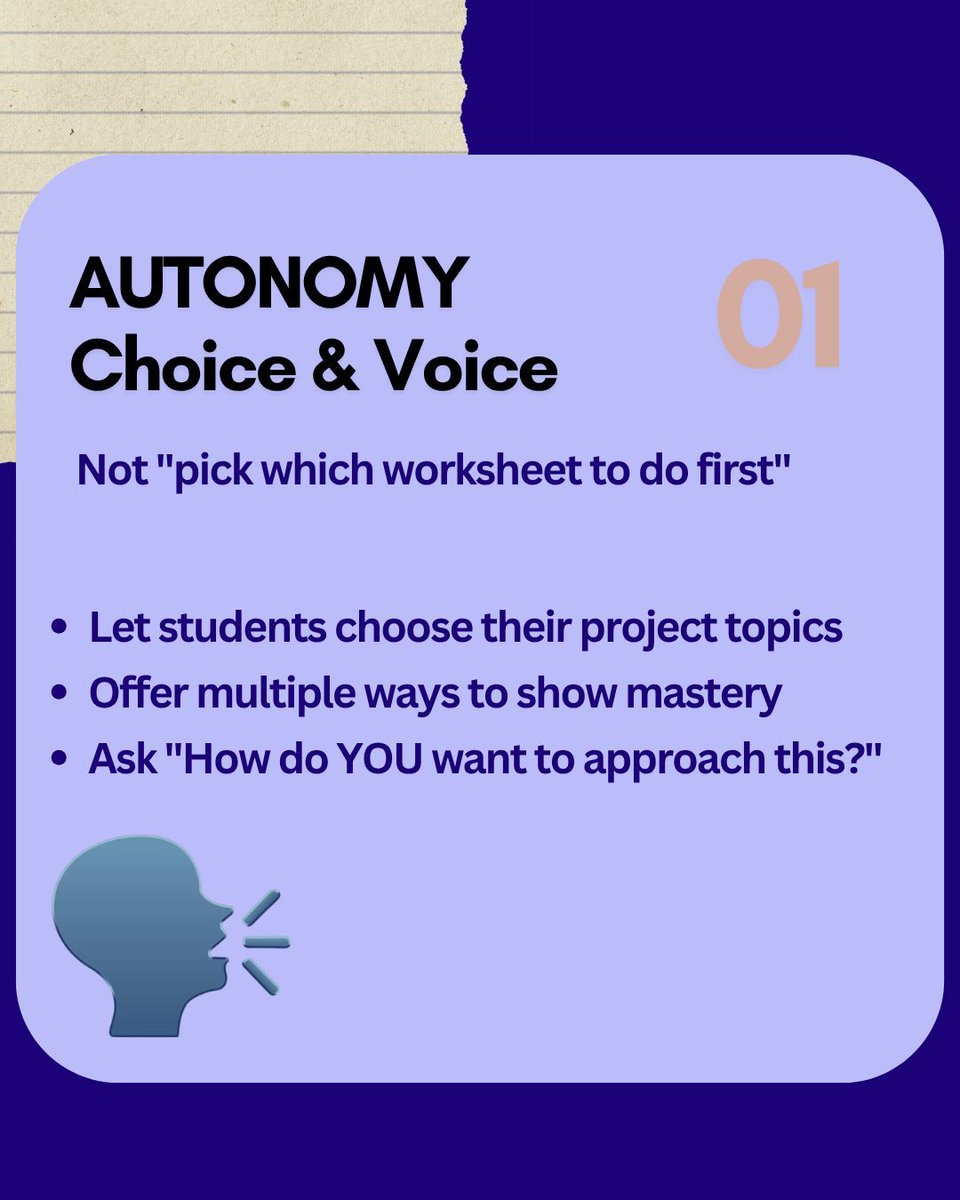
Autonomy: Real choices, not fake options
Competence: Visible progress, not invisible growth
Relatedness: Belonging isn't soft, it's fundamental
When schools get this right:
Principals are the glue, the backbone, and the heart of a school, all at once.
They hold impossible schedules, impossible expectations, and somehow still make every person feel like they matter
Last week of #PrincipalAppreciationMonth. Tag one who changed everything for you
The best 'classroom management' tool isn't a consequence chart.
It's four phrases that tell a dysregulated student: I see you, I'm here, and you're safe.
De-escalation > discipline. Every time
48% of teachers report high daily stress.
The hidden costs of punitive discipline: time lost to paperwork, talent walking out the door, trust that takes years to rebuild.
These aren't soft problems. They're operational failures.
There's a better way.
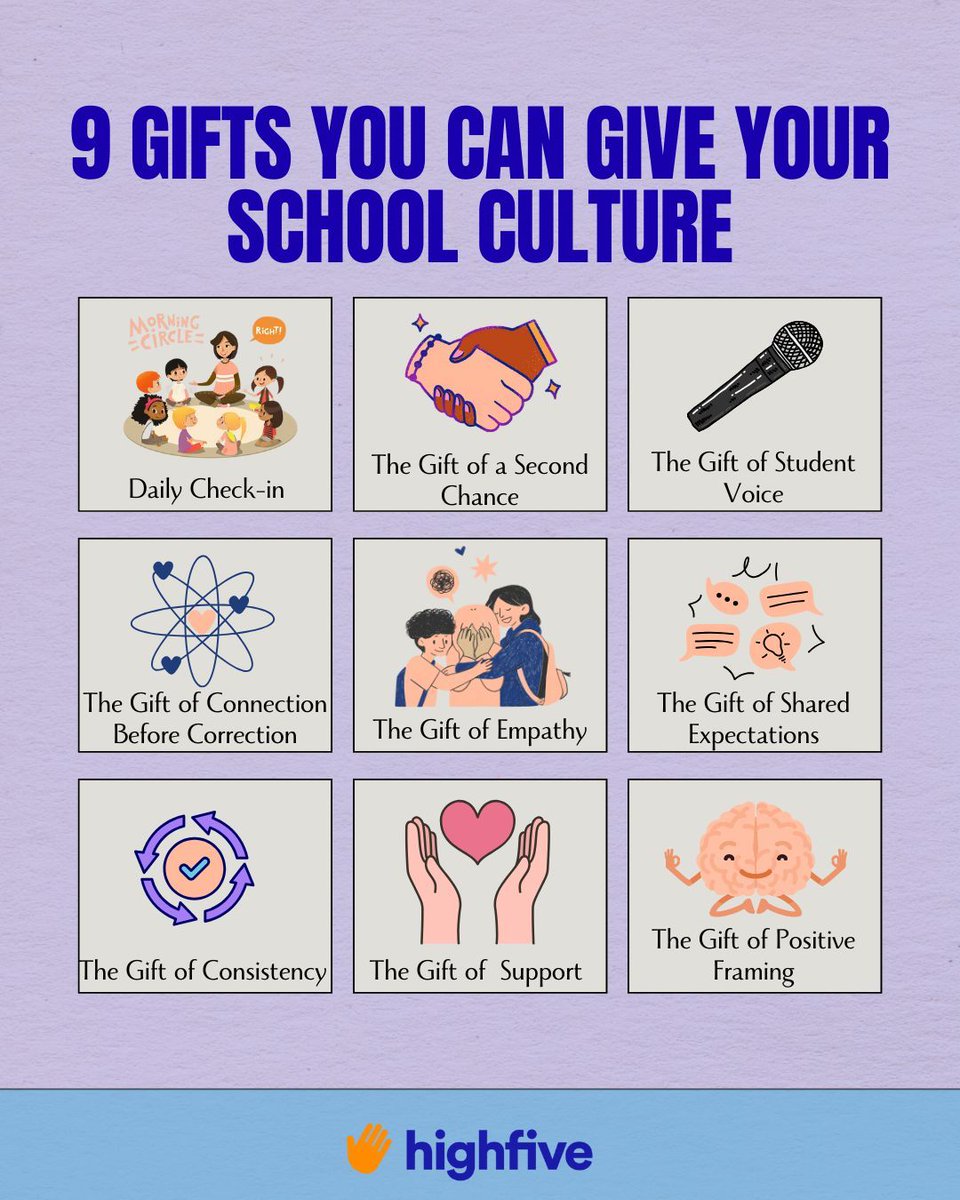
The best gifts aren't things you can buy. They're the connections we build and the culture we create, one intentional act at a time. Which gift will you focus on giving this week? 🌱 #SchoolCulture#ConnectionCentered#HighfiveSchools