We decode today and tomorrow through history, fractal patterns and global signals. Subscribe for early insight into the shifts most people notice too late.
Most people meet the future as a headline.
We prefer to meet it earlier as a pattern.
This page studies the quiet places where history, capital, geography and policy begin to rhyme.@Histcontext
1920s Prohibition to Underground Digital Economies: The Architecture of Parallel Markets👇
In 1920, the United States enacted the 18th Amendment, banning the manufacture, sale, and transportation of intoxicating liquors. Intended to enforce social order and moral compliance, the prohibition failed to eliminate consumer demand. Instead, it pushed an entire market into the shadows, giving rise to illicit speakeasies, sophisticated smuggling logistics, and organized financial networks operating completely outside state jurisdiction. Government intervention did not eradicate the trade; it merely reshaped its architecture, creating a hyper-lucrative shadow economy that rivaled official channels.
A century later, the exact same structural dynamic is playing out across global digital infrastructure. As states intensify financial surveillance, enforce strict capital controls, and deploy Central Bank Digital Currencies (CBDCs) to monitor individual capital flows, the demand for financial autonomy and transactional privacy is surging. Heavy-handed regulation is not suppressing gray-market activity it is accelerating the migration of value toward encrypted peer to peer protocols, privacy-focused networks, and decentralized exchange mechanisms.
When an authority attempts to suppress a fundamental economic drive or demand through rigid prohibition, the market does not vanish; it adapts into a more resilient, subterranean framework. The asymmetric opportunity lies not in directly confronting state led regulatory enforcement or surveillance tools, but in positioning within the infrastructure born from this friction specifically, uncensorable communication protocols, Zero-Knowledge (ZK) privacy systems, and decentralized peer to peer liquidity networks.
Tulipomania (1637) to AI Chips: The Anatomy of Speculative Fractals👇
In 1637, the Dutch Republic experienced one of history’s most profound speculative phenomena: Tulipomania. Rare tulip bulbs, such as the Semper Augustus, saw their value surge not because of changes in their intrinsic utility, but driven by forward contracts, emotional momentum, and an influx of speculative capital expecting infinite appreciation. When market liquidity inevitably dried up and sentiment shifted overnight, prices collapsed, leaving contractual commitments unfulfilled and unearthing the stark divide between narrative valuation and underlying fundamental utility.
Over three centuries later, this exact structural geometry played out during the 1990s Dot Com Bubble, where speculative capital flooded internet infrastructure providers and early domains based on raw forward expectations.
Today, we observe the exact same self-similar pattern a historical fractal unfolding across the Generative AI and semiconductor supply chain. Exponential demand for processing power has driven hardware valuations to historic heights. While the transformative capacity of the underlying technology is undeniable, market pricing frequently decouples from near term monetization rates, mirrors historical euphoria, and creates a concentration of capital around compute infrastructure.
In speculative bubble cycles, when the initial wave of narrative driven assets collapses, the surviving infrastructure forms the bedrock of the next economy. The asymmetric financial opportunity lies not in chasing overextended hardware vendors during peak euphoria, but in identifying and positioning within the "secondary infrastructure and application layer" the companies that will survive the valuation reset and extract long-term utility from the built-out compute ecosystem (analogous to the post Dot Com trajectory of Amazon).
The Dead Bees You See on the Sidewalk Are More Than a Natural Event: A Bio Crisis & the Emerging Growth Opportunities! 🧵👇
Have you noticed dead bumblebees on the sidewalks while walking down the street? There's more to this than just their natural 4 to 6 week lifespan. According to recent data from Nottingham Trent University, extreme heatwaves, pesticides, and habitat loss are pushing this issue into a full-blown crisis.
So, from a macro perspective, what is this bigger picture telling us?
1. The "Fractal Global Impact" (Micro Detail, Macro Crisis)When pollination the most critical link in the food supply chain is at risk of collapsing, it directly impacts crop yields and fuels global food inflation. A dead bee on the sidewalk today is the early signal of price hikes on supermarket shelves six months from now.
2. The Explosion of AgTech & Biological Alternatives As traditional chemical pesticides continue to devastate bee populations, international regulatory squeezes will tighten. This opens up two massive opportunity spaces:
• Biopesticides (Natural Crop Protection): Biological defense startups set to disrupt and replace chemical giants.
• Robotic & AI-Powered Pollination: Autonomous drones and vertical farming technologies accelerating to fill the void where natural pollinators fall short.
3. The Rise of ESG & Biodiversity Funds The green transition isn't just about carbon emissions anymore. Companies preserving biodiversity, supporting native flora, and implementing sustainable agriculture will become prime targets for institutional capital and government subsidies.
In short: Where a systemic crisis takes root, new market leaders are born. Pay attention to the sidewalks that’s where future trends are being written.
When Giants Are Cornered, Opportunities Emerge: What Does Johnson & Johnson’s $5.5 Billion Settlement Tell Us? ⚖️📉
US healthcare giant Johnson & Johnson (J&J) has proposed a $5.5 billion settlement to resolve approximately 76,000 lawsuits alleging its talc-based baby powder caused cancer.
While the company continues to maintain that its products are safe and do not cause cancer, the agreement structures the first payment for 2027 (capped at $3 billion). J&J had already pulled talc based baby powder from global sales in 2023.
Setting aside the headline numbers, what does this picture look like when we analyze the market from an opportunistic, strategic perspective? 👇
🔍 1. Pricing Uncertainty vs. De-Risking
Markets dislike bad news, but they hate open-ended uncertainty. For mega cap giants like J&J, an unquantified legal liability creates a persistent overhang on the stock price for years.
By proposing this settlement, the company caps its risk and brings predictability back to its balance sheet. While $5.5 billion sounds like a massive loss, it’s effectively a loud statement to Wall Street: "The balance sheet is being cleared, and the risk is contained."
📈 2. Fractal Opportunities and Bottom Formations
Mass litigation facing fundamentally strong conglomerates often creates an artificial price suppression:
The Opportunity Zone: Once the narrative pressure clears and the payment schedule is set, the primary catalyst weighing on the stock is removed.
Cash Flow Flexibility: Deferring the first major payout to 2027 protects the company’s short term liquidity, R&D budget, and dividend security.
J&J is effectively leaving its legacy legal baggage behind to shift 100% of its focus toward higher margin medtech and biotech segments.
🎯 Macro Playbook:
While short term headlines scare off retail investors, the exact moment legal uncertainty disappears for solid blue chip companies is often the most strategic window for long term value investors.
Markets digest defined bad news; they sell unpredictable chaos. J&J's move isn’t a defeat it’s a calculated balance sheet cleanup to pave the way for future growth.
Do you view multi billion dollar corporate settlements like this as long term accumulation opportunities, or a red flag to stay away? Let’s discuss in the comments! 💬
#JohnsonAndJohnson
🚨 AN AIRCRAFT IS ON SALE FOR €10! Yes, you heard that right: A Piper PA-23 Apache for the price of two coffees! ✈️☕️
The legendary twin engine Piper PA-23 Apache, sitting abandoned at Seville Airport since 2018 with no owner found in 8 years, has officially gone up for auction by decree of the Official State Gazette of Spain (BOE).
📌 So, what are the terms?
Starting Price: €10
Auction Deposit: Just €0.50!
Official notices were published 3 times to reach the owner, but no one claimed it. It passed to the state and is now open for bidding to anyone who meets the basic criteria.
🧐 Thinking "It doesn't fly, what good is it to me?"... YOU'RE MISSING THE OPPORTUNITY! 🧵👇
Authorities clearly state that due to years of neglect, this plane will never take to the skies again. But wait! Looking through the lens of a Fractal Opportunity Hunter, this isn't junk it's a goldmine!
Here is how you can turn a €10 aircraft into thousands of Euros in cash flow:
1️⃣ AirBnB / Glamping Concept: Got a plot of land in nature? Recondition the interior into a "Retro Aviation Suite" and rent it out for €150-€200 a night. Tourists go crazy for thematic stays like this!
2️⃣ Café / Bar Decor: "Instagrammable" venues are printing money these days. Placing this fuselage in the center or garden of a venue saves you hundreds of thousands in advertising costs. People will flock just for the photo op!
3️⃣ Collectibles & Parts Sales: Even if the airframe doesn't fly, gauges, seats, original badges, and vintage metals from these legendary 1950s aircraft are snapped up for small fortunes by collectors and aviation enthusiasts.
4️⃣ Market Value of Similar Models:• Airworthy/Standard condition: $60,000 – $130,000• Fully restored high end models: Up to $225,000!
Bottom line: You can't fly it, but you can convert it into brand value, decor, or spare parts. Aena officials say their inboxes are already overflowing! Get your move on before the bidding envelopes are opened. 😉
🌐 US Budget Surplus & Record Tariffs: Where Are the Fractal Opportunities in the Market?
Scott Bessent’s announcement of the first June budget surplus since 2015 and a monthly tariff collection of $27 billion is not just a win for domestic US politics it marks the beginning of a new fractal cycle in global capital flows.
So, how does this macro-level shift translate into micro and fractal-level opportunities for investors and global markets?
1. The US Dollar Index (DXY) & Fixed-Income Assets
Achieving a budget surplus and boosting government revenues directly through tariffs eases short-term US borrowing needs.
Opportunity: Expect short to medium term downward pressure on US 10 Year Treasury Yields (US10Y). This points to a strong fractal buying zone for bottom fishers in the bond market. Meanwhile, potential strength in the DXY will weigh on emerging market currencies, offering a strategic entry point into Dollar denominated assets.
2. Protectionist Trade & Supply Chain Fractals
A massive $27 billion in custom duties is concrete proof that the Trump administration’s trade policies will be enforced uncompromisingly.
Opportunity: US-based manufacturers (benefiting from nearshoring/onshoring) alongside logistics and automation leaders powering these supply chains are set for an upward trend. Conversely, sharp pullbacks in Asia-based export giants hit by high tariff barriers will generate attractive dip buying setups for long-term value investors.
3. Commodities & Safe Haven Rotations
While a budget surplus slightly cools inflationary pressure, the risk of tariffs slowing global trade remains on the table.
Opportunity: Any temporary pullbacks in safe-haven assets like gold and silver could offer ideal accumulation zones right before upper band fractal breakouts. Additionally, domestic US energy producers (oil & natural gas) stand to gain a direct advantage from these protective policies.
💡 The Bottom Line: Where to Focus?
The foundation of the Trump Bessent economic blueprint is simple: "Pull Liquidity In, Build Walls Out." In a structure where capital flows back into the US, domestic manufacturing equities, Dollar denominated liquidity instruments, and tariff resistant tech/automation sectors will be the main drivers of upcoming fractal uptrends.
NEW FRONT IN THE WAR! HOUTHIS STRIKE SAUDI ARABIA'S OIL FACILITIES :
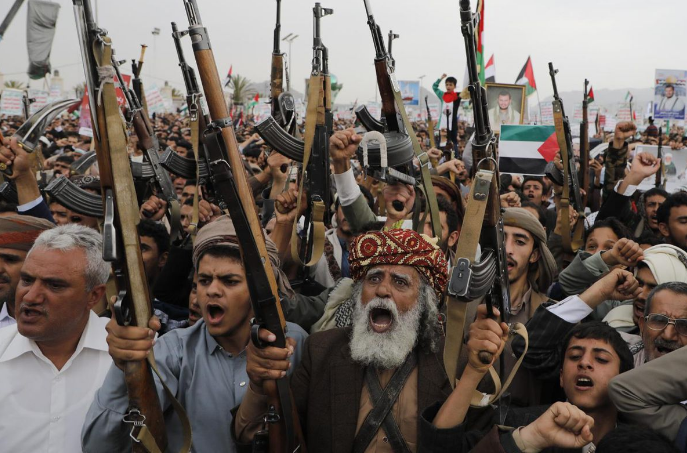
Cards are being reshuffled on the Middle Eastern chessboard. The missile and drone attack launched by the Iranian backed Houthis against Aramco oil facilities in Jizan and Yanbu, Saudi Arabia, has completely altered the scope of the crisis.
This move isn't just a regional conflict; it represents a major breaking point for global energy routes, supply chains, and financial markets.
So, what does this escalation on the ground tell us financially and geopolitically? Where lie the disruptions, and where are the opportunities?
1️⃣ "Dual Strait" Risk in Energy and Commodities By targeting Yanbu and Jizan, the Red Sea corridor is being directly squeezed. Beside the already tense Strait of Hormuz, the effective closure risk of the
Babel Mandeb Strait has now been added to the table. Diverting ships around the Cape of Good Hope means extended delivery times and skyrocketing freight rates.
• Opportunity/Impact: Short-term supply premium pricing in Brent crude and refined products; increased momentum in global maritime shipping and logistics sectors.
2️⃣ Defense Industry and Air Defense Demand The interception of ballistic missiles over Yanbu by Greek Patriot systems highlights how critical regional infrastructure has become entirely reliant on "air defense umbrellas."
• Opportunity/Impact: Growing strategic interest in defense industry giants manufacturing counter drone (C-UAS) systems, air defense munitions, and missile defense shields.
3️⃣ The Caspian Sea Shift: Ukraine Iran Front Ukraine targeting Iranian military cargo ships in the Caspian Sea proves that geographical boundaries of this warfare have completely dissolved. Long range operations and asymmetric warfare continue to make global trade routes vulnerable at every point.
In summary, despite ongoing diplomatic exchanges along the Washington Tehran axis, tensions on the ground are not cooling down. We are entering a period where those closely monitoring energy pricing, freight indices, and the defense sector stand to gain.
Do you think this escalation will trigger a new surge in oil prices?
#Oil
Uncontrolled Wildfires in France and Spain: The "Silent" Breakpoint in Markets and Macro Rotation
The military taking the field in southwestern France, a national state of emergency declared in Spain, and over 280,000 people evacuated. This scenario showing climate crisis at its harshest is not just a massive natural disaster. It is the harbinger of a new pricing cycle across energy, reinsurance, agriculture, and defense technologies.
Let’s look past the headlines at the macro fractals and opportunity areas catching the radar of smart money:
1️⃣ "Risk Premium" Spikes in Insurance and Reinsurance Giants
Over 280,000 evacuations, destroyed real estate, damaged infrastructure, and scorched farmland. Losses on this scale directly hit the balance sheets of global reinsurance firms.
Macro Impact: Expect policy premiums in high risk climate zones to hit record highs in the coming period, while fintech and risk analytics companies focused on climate data gain valuation.
2️⃣ Space Infrastructure and Early Warning Technologies
Even NASA's Deep Space Communications Complex near Madrid had to be evacuated proving just how vulnerable critical global infrastructure is to extreme weather events.
Opportunity Area: Defense and space tech firms developing satellite based thermal mapping, AI powered early warning systems, and autonomous firefighting tools will become primary targets for public subsidies and capital inflows.
3️⃣ Energy Grid Resilience and Smart Grids
As wildfires threaten regional transmission lines, extreme heatwaves push power demand to peak levels.
Opportunity Area: Legacy power grids cannot sustain these climate conditions. Underground high-voltage cabling, smart grid software, and regional microgrid developers are set to attract significant capital moving forward.
4️⃣ Agricultural Commodities and Food Inflation
Southwestern France (Gironde/Bordeaux) and Central Spain serve as key agricultural and logistical backbones for Europe. Wildfires piled on top of prolonged drought will trigger supply shocks and yield losses.
Commodity Outlook: Declining agricultural output will support a medium-term bullish trend in ag-commodities while intensifying upward pressure on food inflation.
💡 SUMMARY & PROJECTION:Markets don't just price in disasters; they price in the mandatory transformations forced by them. The scene unfolding in Europe where armies are deployed initiates a new macro capital rotation into Renewable Infrastructure, Space/Satellite Tech, Reinsurance, and AgTech.
Don't miss the big picture.
#ClimateCrisis #France #Spain
British Millionaires Call on Government: "Tax Us More"
In the UK, 120 millionaires have sent an open letter to the government making this exact demand. The group, which includes prominent figures like Gary Lineker and Brian Eno, is calling for a 2% wealth tax on fortunes exceeding £10 million.
On the surface, this might look like a simple story of "social solidarity" or mainstream financial news. However, through a macro lens, this development serves as a strong early signal of shifting global capital flows and market dynamics.
So, what do the underlying macro drivers and the opportunity map tell us? Let’s break it down:
1️⃣ Capital Arbitrage and Flight of Funds
While the "Patriotic Millionaires" group may be willing to pay higher taxes, pragmatic global capital will likely think differently. Increasing tax pressure in the UK naturally drives high net worth individuals (HNWIs) and capital funds toward alternative havens.
Opportunity: Liquidity exiting the UK market will likely migrate to tax-efficient jurisdictions like Dubai, Switzerland, Eastern Europe, and the Gulf region. Expect notable volume growth in real estate, private banking, and asset management firms operating in these areas.
2️⃣ British Pound (GBP) Volatility & Political Polarization
Conservative Party leader Kemi Badenoch’s sharp response "If they want to pay more tax, they can write a cheque to the Treasury" highlights how heated this debate will become leading up to the budget session. Meanwhile, Exchequer Secretary Emma Reynolds points toward the upcoming budget for formal announcements.
Opportunity: As the budget date approaches, leaks regarding the tax package will create direct pressure or sudden spikes on the British Pound. This presents clean short/long setups in GBP/USD and GBP/EUR for Forex and macro traders.
3️⃣ Public Investment & Sectoral Shifts
Governments are increasingly realizing that soaring public debt and budget deficits can no longer be covered solely by taxing the working class. The core theme of the coming era: Public infrastructure spending and wealth redistribution.
Opportunity: Sectors likely to be funded by higher tax revenues such as state-backed green energy, infrastructure modernization, and strategic technology are well-positioned to outperform the broader market over the medium to long term.
📌 The Bottom Line:Capital always flows to where it feels most efficient and secure. This debate in the UK is a harbinger of tightening wealth tax regimes across developed nations. Success belongs not to those who merely watch trends unfold, but to those who anticipate capital reallocations and position themselves early.
Do you think this tax pressure will trigger a mass capital flight from the UK, or is this becoming the new global norm? Let's discuss in the replies. 👇
Shifting Dynamics in the Middle East: What Does the US – Saudi Nuclear Agreement Really Mean? 🇸🇦🇺🇸
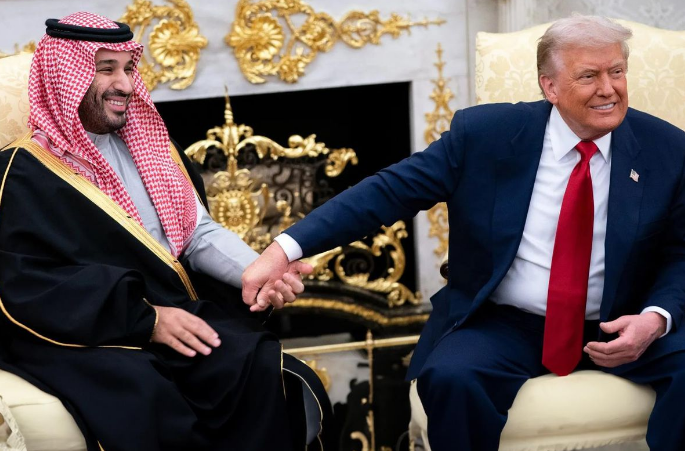
The recently signed "123 Agreement" between the United States and Saudi Arabia is far more than a routine civil nuclear partnership; it marks the first wave of a massive fractal opportunity pattern that will shape the next decade.
Behind this multi billion dollar deal lies a much deeper geopolitical and macroeconomic chess game than what headline news suggests.
So, what is changing behind the scenes, and what layered opportunities are emerging? Let’s break it down:
1️⃣ Geopolitical Chess: Checkmate to China & Russia
Riyadh had been actively courting Beijing and Moscow for nuclear technology integration. With this agreement, Washington effectively anchors Saudi Arabia back into its strategic orbit. A firm US barrier has now been established against China's push for "Petro Yuan" dominance and regional infrastructure expansion.
2️⃣ Energy Arbitrage & The "Petro Nuclear" Pivot
Saudi Arabia aims to replace the heavy volume of crude oil it currently burns for domestic power generation with nuclear energy. This pivot frees up significantly more crude for high margin exports, lowers domestic costs, and accelerates their Vision 2030 targets. Global energy supply dynamics will be recalibrated over the medium to long term.
3️⃣ Structural Shifts in Regional Power
In response to Iran’s nuclear program and broader regional posturing, Saudi Arabia securing US backed civil nuclear capabilities permanently alters the deterrence landscape. We are entering a new era of prolonged technological and security competition across the Middle East.
🌀 FRACTAL OPPORTUNITY MAP: Where to Look?
Major geopolitical shifts never remain isolated they ripple through markets and sub sectors in fractal layers. Key thematic plays emerging from this chain reaction include:
Uranium & The Nuclear Supply Chain: The "US Nuclear Renaissance" is officially underway. Uranium miners, enrichment/fuel technology firms, and nuclear reactor manufacturers (particularly US-based prime contractors) are looking at decades of guaranteed order books.
AI & The Data Center Energy Bottleneck: The ongoing AI revolution faces a global baseload power crisis. Saudi Arabia's ambition to become a global tech and AI hub, backed by stable nuclear power, positions the region as a primary data infrastructure destination.
Cybersecurity & Critical Infrastructure: Safeguarding nuclear facilities and digitized power grids will drive record breaking cybersecurity spending and defense contracts across the Gulf.
Foreign Direct Investment (FDI) & MENA Markets: A Gulf region with geopolitical tail risks mitigated by US security guarantees becomes a prime destination for institutional capital, sparking long-term liquidity and volume growth in regional equities.
While mainstream markets price in surface level headlines, those who track these secondary and tertiary layer effects stand to capture the real asymmetric upside.
Staying ahead of the curve. 👁️⚡
🛑 Ortega Officially Abolishes Elections; Swift and Harsh Response from the U.S.
Geopolitical fault lines are cracking in Latin America. Nicaragua’s President Daniel Ortega laid his cards on the table during the anniversary of the Sandinista Revolution: "Elections will never be held here again."
Ortega, 80, accused the opposition of "treason" and effectively declared a single party regime. Washington was quick to respond. U.S. Secretary of State Marco Rubio criticized the move, calling it a clear confirmation of "the regime's true authoritarian nature."
So, what does this development on the global chessboard mean from a financial and geopolitical perspective?
Here are the fractal opportunity windows beneath the surface of this crisis:
📉 1. Regional Capital Rotation (The Costa Rica & Honduras Opportunity)
The Ortega regime's expropriations and isolationist steps are driving foreign capital out of Central America.
The Opportunity: Capital, logistics, agriculture, and foreign direct investments fleeing Nicaragua will first land in neighboring Costa Rica and Honduras. This opens up positioning opportunities in regional funds and neighboring markets.
⚡ 2. Commodity & Supply Chain Pressures
Harsh rhetoric from the U.S. signals a new wave of upcoming sanctions against the Ortega regime and its commercial partners.
The Opportunity: Potential sanction-driven supply disruptions in Nicaragua's key export commodities such as coffee, gold, and sugar create short-term volatility opportunities in futures markets.
🌐 3. Censorship-Resistant Finance & Crypto Adoption
The seizure of assets belonging to NGOs, media outlets, and opposition figures is forcing local citizens and capital owners toward censorship resistant systems.
The Opportunity: Authoritarian pressure will accelerate the adoption of alternative financial tools like Stablecoins and Bitcoin in the region. Latin America focused peer to peer (P2P) financial solutions and crypto adoption metrics should be closely monitored.
A CITY WHERE HOUSES ARE SOLD FOR $100: VORKUTA 🧊
What if I told you that you could buy an entire apartment for the price of a single dinner? In Vorkuta, a ghost town on Russia���s Arctic border, the real estate market has completely collapsed.
So, is this a "steaI opportunity" or a financial trap?
1️⃣ What’s Behind the $100 Price Tag?Founded during the Soviet era as a mining hub, Vorkuta sees winter temperatures drop to -50°C (-58°F). When the mines closed, unemployment spiked and the population vanished. Under Russian law, even if you don't live in the apartment, you are REQUIRED to pay central heating and utility fees. People aren't selling for $100 because it's cheap they’re practically giving them away just to escape accumulating bills.
2️⃣ Fractal Opportunity & Market Logic:In financial markets, this is a classic "Value Trap." Just because an asset’s price drops significantly doesn't mean it's cheap. An asset with zero intrinsic value and negative cash flow is nothing more than a liability.
3️⃣ The Strategic Map of the Future:In the short term, buying these apartments is financial suicide. However, with global warming and the opening of the Northern Sea Route, the Arctic region could transform into a massive logistics hub over the next 30 to 50 years. Could today’s "worthless" real estate become tomorrow’s strategic stronghold?
In short: "If something is cheap, there's a reason; if it's worthless, it has no real price."
Would you take the risk and snap up an Arctic property title for $100, or are you in the "free cheese is only in a mousetrap" camp? 👇
#Vorkuta #RealEstate #Finance #Economy #Russia #Investing #Opportunity
🚨 THE $150 OIL SCENARIO AND THE GLOBAL SQUEEZE: WHERE ARE MARKETS HEADING?
Only 4 ships managed to pass through the Strait of Hormuz on Sunday.
When a choke point carrying nearly 20% of the world’s oil supply stalls, the pricing impact doesn't stop at the energy sector it ripples across every asset class. Brent crude breaking above $90 is just the beginning. So, what opportunity windows does this breakout open in the market?
📌 1. Macro Picture: Crisis Dynamics
Supply Bottleneck: As security risks in the Strait of Hormuz rise, Brent crossed $90 while WTI tested above $84.
$150 Warning: AMP Chief Investment Strategist Shane Oliver warned that a prolonged closure of the strait could surge prices to $150 per barrel. Barclays notes that markets have yet to fully price in these supply risks.
Return of Inflation: Spikes in logistics, transportation, and food costs threaten to delay expected interest rate cuts.
🌐 2. Fractal Opportunity Map: Where Will Capital Flow?
In financial markets, chaos is where new structural fractals (recurring chart patterns) form for disciplined investors. A pattern similar to the 2022 commodity shock is taking shape:
Energy & Commodity Producers (Direct Hedging):As oil climbs, energy stocks and commodity funds become the primary destination for short to medium term capital inflows. Backwardation in futures markets may deepen.
Safe Haven Rotation (Gold & Commodity Swaps):While emerging market currencies and high beta stocks face pressure, Precious Metals (Gold/Silver) and the US Dollar Index (DXY) act as short-term safe havens.
Supply Chain & Logistics Disruptions:Closure of Hormuz spikes freight rates and alternative routing costs, creating sharp price dislocations in logistics and alternative energy sectors.
💡 Summary & Watchlist
Risk Management Note: Geopolitical headlines generate high volatility. In news driven trading, keeping stop margins wider and positioning in directly correlated assets is critical.
Sustained levels above $90 in Brent crude will accelerate rotation from inflationary stocks into commodity backed assets.
Daily ship traffic in the Strait of Hormuz must be closely monitored; if the 4 ship bottleneck turns into a de facto blockade, the $150 fractal begins to play out.
#CrudeOil #Brent #StraitOfHormuz #Economy #Markets #Trading #Gold #Inflation #Geopolitics #Finance
🚨 BREAKING: Crisis in Jordan! Was the Patriot Missile System Hit?
2 soldiers confirmed dead and 1 missing after an attack on a US base in Jordan! Allegations suggest that billion dollar Patriot air defense batteries were hit, triggering massive secondary explosions. Is the world’s most advanced shield helpless against cheap kamikaze drones?
Here is the backdrop of this crisis and the global opportunity angles it creates:
🔍 BEHIND THE SCENES: Million dollar defense systems are being worn down by asymmetric drone strikes costing only a few thousand dollars. The breaching of the Patriot system will completely overhaul the air defense strategy of all military bases in the region.
📈 FRACTAL OPPORTUNITIES:
Markets & Commodities: With supply lines under threat, a sharp spike in Brent oil prices is on the horizon. Escalating global risk will drive demand for gold while triggering sudden volatility in crypto. Time to hedge portfolios.
Defense Industry & Tech: The perception that Patriots fell short could skyrocket stocks of companies producing laser weaponry, electronic warfare, and anti-drone (C-UAS) technologies.
Do you think the US will escalate its presence in the region after these losses, or back down? In this crisis, what is your safe haven oil or gold? 👇
🚨 THE OPPORTUNITY BEHIND THE BIG PICTURE: DRONE STRIKES AND THE SUPPLY CHAIN EARTHQUAKE :👇👇👇👇
Ukraine’s drone strikes on Wildberries warehouses in the Tambov and Moscow regions hit the headlines as "7 dead, 48 injured, and a massive fire." However, looking at this purely as a military action means missing the bigger picture. As a fractal opportunity chaser, we must look at the massive tectonic shifts this explosion has triggered in the capillaries (fractals) of commerce. Wildberries is not just an ordinary e commerce site for Russia; it is a quasi military logistics hub spanning from civilians' daily essentials to thermal socks and drone components for soldiers at the front. Striking this hub means paralyzing the country’s largest logistics network.
So, while everyone is watching the fire, what micro-opportunities are emerging from this crisis? Let’s dive into the sub layers of the system.
Finally, insuring logistics centers under war risk is now virtually impossible. This transforms "Crisis Risk Management" consulting, AI powered early warning logistics systems, and civilian anti drone barrier technologies for commercial warehouses into a brand new, billion-dollar market. Major explosions only feed the headlines; smart capital, however, chases the micro-business models that fill the supply chain gaps left in the wake of those explosions. In times of crisis, don't follow the status quo follow the fractals.d e commerce bots. This opens a historic growth window for tech startups offering independent software infrastructure (Shopify equivalents) that allow sellers to manage their own logistics and shipping.
Finally, insuring logistics centers under war risk is now virtually impossible. This transforms "Crisis Risk Management" consulting, AI powered early warning logistics systems, and civilian anti drone barrier technologies for commercial warehouses into a brand new, billion dollar market. Major explosions only feed the headlines; smart capital, however, chases the micro business models that fill the supply chain gaps left in the wake of those explosions. In times of crisis, don't follow the status quo follow the fractals.
#Wildberries #BreakingNews #ECommerce
🚨 BREAKING: Chabahar Has Fallen Global Trade Maps Are Being Rewritten! 🚨
Iranian media reports that the US has struck the marine traffic control tower at Chabahar Port for the third time in a week, causing the structure to completely collapse. This is not just a military escalation; it is the onset of a massive "Fractal Fracture" across global trade routes!
So, what opportunities does this macro shock unlock for smart money? Let’s look at the big picture:
📍 Why Is It Critical?Chabahar is Iran’s only oceanic port opening up to the Sea of Oman. Crucially, it served as India’s most strategic logistics huba multi billion dollar investment designed to bypass its
archrival Pakistan to access Afghanistan and Central Asia.
⚡ Fractal Opportunities & The Domino Effect:
🚢 Freight and Insurance Shock: With the control tower gone, maritime navigation safety has hit zero. Another major route for ships fleeing the Suez and Red Sea crises has taken a severe blow. Regional shipping risk premiums and insurance rates are bound to skyrocket; watch for major moves in the global logistics sector.
🗺️ Jeopolitic Shift: Knocking Chabahar out of play leaves China’s Gwadar Port in Pakistan virtually unrivaled. The regional balance of power is instantly shifting in China's favor.
🔄 Alternative Routes: Traffic inevitably shifting toward UAE and Oman ports. Logistics and infrastructure assets along the International North-South Transport Corridor (INSTC) and the Middle Corridor should be firmly on your radar.
🛢️ Commodity Spikes: This security vulnerability right next to the Strait of Hormuz could trigger short-term speculative breakouts in oil and commodity prices.
In an era where globalization is rapidly yielding to regional blocs, the destruction of a single tower is reshaping billion dollar trade routes. Smart money is already calculating exactly where this logistics capital will flow next.
Which country or sector do you think will emerge as the winner of this massive fracture? 👇
🚨 Even the King of Water Engineering, the Netherlands, is Running Dry: Where are the Fractal Opportunities?
The Netherlands, home to the world’s most advanced water engineering and famous for "claiming land from the sea," has officially declared a water scarcity. River flows are at historic lows, and drought is knocking on the door.
Is this just an environmental disaster, or is it a massive tipping point where global supply chains, technology, and capital will shift direction?
Let’s look at this through the lens of a Fractal Opportunity Seeker. Crisis starts at the macro level, but opportunities trickle down to the most microscopic veins. Here are the chain reactions and the emerging market opportunities:
1. Macro Level: Agritech & "Saline Agriculture"
The Netherlands is the world’s second-largest agricultural exporter after the US. As river levels drop, seawater intrudes inland, salinizing groundwater.
The Opportunity: Traditional freshwater agriculture is dying. All eyes are now on "Saline Agriculture" technologies. Biotech companies developing crop varieties (like potatoes, carrots, and cabbages) that thrive in salty water are poised to become the next decade's unicorns.
Investment/Startup Focus: Drought-resistant seed genetics and saline soil rehabilitation systems.
2. Meso Level: The "Shallow Draft" Opportunity Born from Logistics Crisis
When water levels in the Rhine River—the lifeblood of European inland shipping—drop, massive cargo barges cannot carry full loads because they risk scraping the riverbed. Barge capacities have plummeted by 30-40%.
The Opportunity: If river logistics stall, cargo must shift to roads or rail. But there is a much more creative opportunity: Shallow-water cargo vessel designs.
Startup Focus: Next-gen barge and logistics technologies capable of carrying high tonnage in extremely shallow waters are now worth their weight in gold. Additionally, smaller, hydrogen-powered autonomous river craft could dominate this new market.
3. Micro Level: "Greywater" and the Domestic Efficiency Revolution
While drinking water supplies in the Netherlands are not yet affected, bans on watering gardens and washing cars are on the horizon. This will fundamentally alter individual water consumption habits.
The Opportunity: Micro-filtration devices and smart home integrations that treat domestic wastewater (greywater from showers and sinks) for reuse in toilets or gardens.
Startup Focus: Just as smart thermostats (like Nest) boomed during the energy crisis, we are about to see an explosion in smart water meters and AI-powered leak detection software (B2C/B2B SaaS).
4. Content & Consulting Level (Our Playground!)
Companies have learned to calculate their carbon footprint, but very soon, "Water Footprint" auditing and compliance will become a legal mandate.
The Opportunity: Launching consulting startups that optimize water consumption for industrial plants, textile manufacturers, or agricultural businesses, or building high-authority niche content around this space.
In short: The drought in the Netherlands is the official inauguration of the global Water-nomics era. Water is no longer just a liquid flowing from the tap; it is the most strategic geopolitical and financial asset of our time.
Which sector do you think will grow the fastest in this crisis? Let’s discuss in the comments! 👇
The Invisible Geography of AI: The New Electricity Empire and Its Wild Opportunities 👇
AI is no longer just a software race; it is the electricity empire of the new century, and just as railroads once reshaped cities, ports, and capital flows, it is now redrawing the global energy map, triggering a quiet revolution far from the headlines in countries most people ignore. The ultimate winners will not merely be those with the best models, but the regions equipped with cheap power, strong grids, water access, land, and political leverage—where rising stars like Guyana, through its energy boom, and Rwanda, through stability and logistics, are quietly transforming into the new power centers. This massive shift is opening up wild, unprecedented geopolitical and financial arbitrage opportunities; those who recognize these invisible hubs early and invest in energy-rich data sanctuaries, sovereign computing fortresses, and foundational infrastructure will effectively become the co-founders of the next digital empire, turning once-overlooked territories into the ultimate power brokers of the modern world. This unprecedented rise mirrors the most explosive turning points in human history: just as 19th-century British towns situated near coal basins or desolate rail junctions suddenly birthed the new titans of the Industrial Revolution, and just as Standard Oil's pipelines redrew the global map to forge unstoppable dynasties, today's massive data fortresses erected directly adjacent to nuclear reactors and hydroelectric dams are staging the exact same brutal play of monopolization and wealth generation. Yesterday’s coal mines and oil wells have upgraded into today's gigawatt-scale AI oases, meaning this incredibly expensive historical pattern offers early-moving visionaries a wild, limitless geopolitical leverage and absolute dominance that would make the gold rush pioneers look small, ultimately forcing even sovereign nations to bow to this new infrastructure.
When you look from the past to the present through the lens of today's patterns, which historical events can enable us to seize opportunities right now or in the future? Waiting for your thoughts in the comments.
The Cocoa: The Sweet Illusion of a Bitter History👇
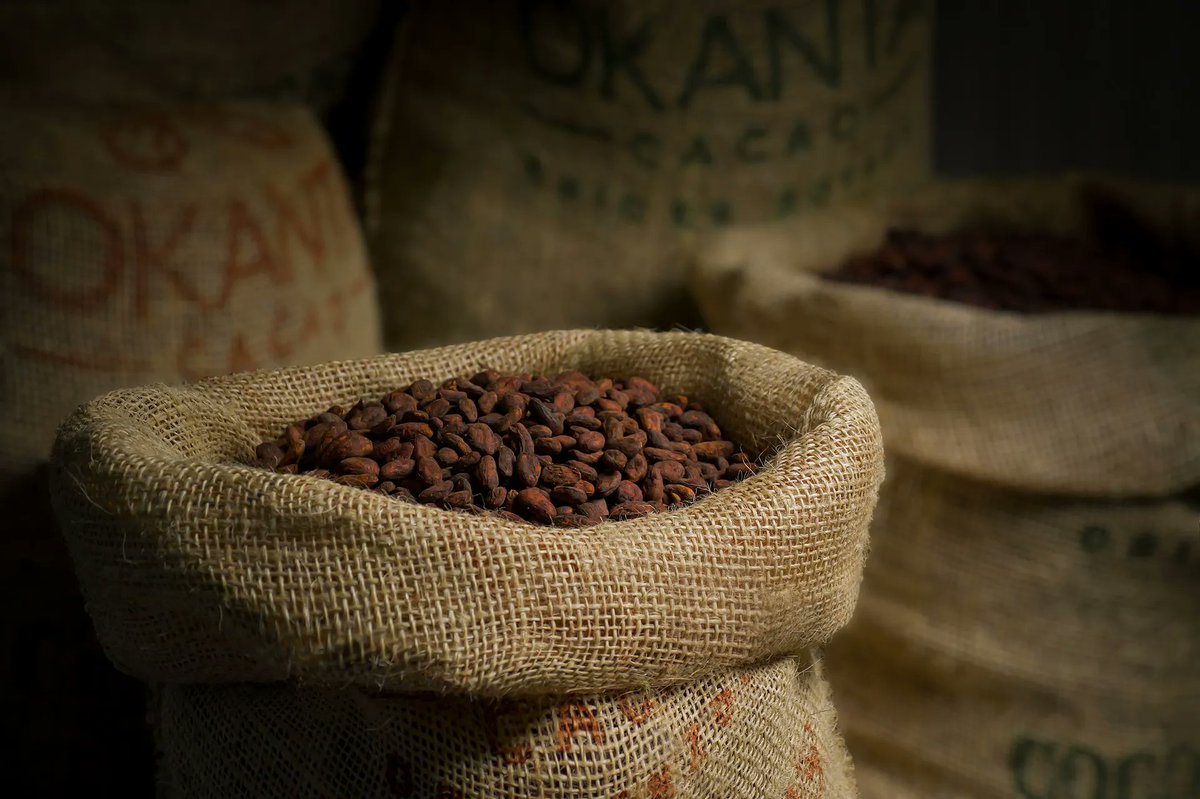
The sense of "inaccessibility" we feel today while looking at the display window of a luxury chocolate shop is not merely a modern economic crisis; what we are witnessing is the current reflection of a massive historical fractal where history endlessly repeats itself across different scales. When cocoa prices break records and chocolate turns into a "test of luxury," the ghosts of the past, human psychology, and the climate crises of the future actually melt into the same crucible. This ancient cycle first began in the palaces of the Aztecs and Mayans, where cocoa was used both as an elite status symbol and as actual currency; meaning cocoa was never just a "food," it was always a symbol of power, liquidity, and class. With the age of discovery in the 16th century, this historical pattern shifted direction, and to meet the mass demand for sweets brought by the Industrial Revolution, production moved from its native South America to West Africa (Ivory Coast and Ghana), where labor was virtually free. Today, West Africa, which shoulders the majority of global cocoa production, is the modern heir to this colonial plantation mindset established centuries ago, and the bill for luxury is always picked up by the peripheral countries, just as it has always been. While these wheels, which used to turn on overt slave labor in the past, reproduce themselves today as a child labor fractal, consumer psychology experiences a deep cognitive dissonance; the 18th-century British bourgeoisie sipping their tea while ignoring the tragedy in the sugar plantations is the exact same sociological blindness as modern consumers choosing to forget the children in West Africa while eating a beautifully packaged piece of chocolate. Moreover, nature's historical revenge is now being added to this exploitation chain; the droughts that destroyed empires in the past are hitting the cocoa belt today as global warming, adding to humanity's ecological debt ledger. Caught in a corner, global capital is shrinking the size of chocolate and altering its ingredients, displaying the exact same historical reflex as the Roman Empire when it reduced the silver content in its coins during times of economic crisis. Driven by a scarcity mindset, the consumer binds themselves to this inaccessible object with an even greater hedonistic desire. Ultimately, the high price we pay for a luxury chocolate today is not just the cost of an increasingly rare bean; it is the accumulated bill of justice, exploitation, nature, and distribution crises that humanity has failed to solve for centuries, returning to us in aesthetic packaging. It is precisely at this breaking point that immense opportunities born of crisis arise for visionary minds who decode the algorithm of the historical fractal; because every period where raw materials become inaccessible is a golden age where next-generation alternatives, fair-trade brands, and a sustainable perception of luxury are bound to explode. Entrepreneurs who recognize this pattern early can reshape the psychology of luxury consumption by positioning chocolate not just as a food item, but as a certified digital asset or a limited-edition micro-investment vehicle. Opening up geography-independent production zones through agricultural technologies and synthetic food laboratories offers the chance to completely break the colonial supply chain fractal of yesterday and create the most profitable monopoly of the new world. Remember that those who catch the rhythm of history will not be the ones lamenting today's crisis displays, but the playmakers who build the inaccessible luxury of tomorrow and extract their own fortune from this massive cycle.