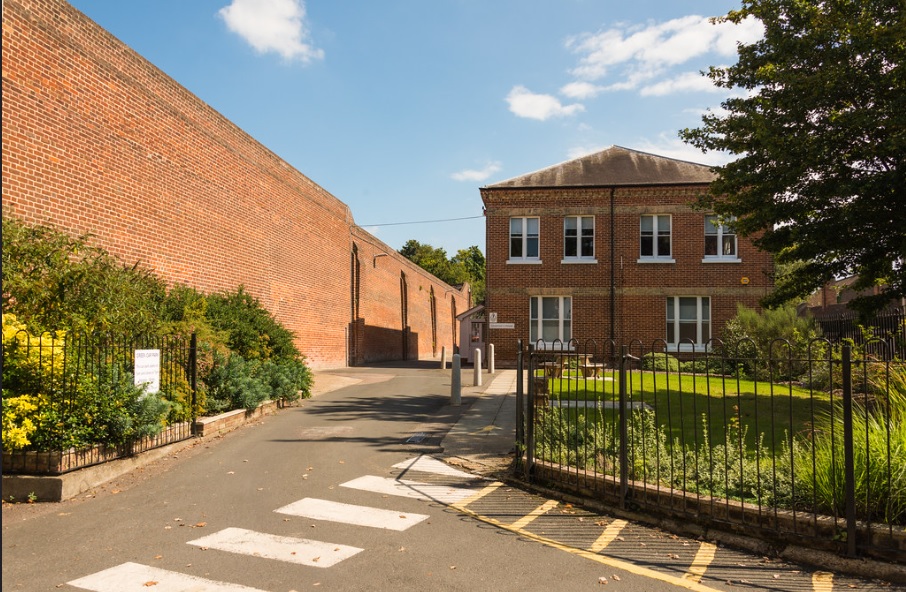
Attempts to escape occurred on many occasions in the history of #canterburyprison. They weren't always successful though. #OTD in 1957 two brothers were being transported from Chatham police station to the prison having been charged with burglary.
Herbert Rowse Armstrong was executed #OnThisDay in 1922. He became the only solicitor in the history of the UK to face a judicial execution.
Armstrong had been convicted of the murder of his wife, and was also arrested for the attempted to murder of a rival solicitor.
Miles Corbett (Yarmouth 1640-1653) was Chairman of the Committee for Examinations, which he used to prosecute the Long Parliament’s opponents. He was a key figure in the Cromwellian administration of Ireland. In 1662, he was executed as a regicide.
#HoPCivilWars MP 🧵1/2
The Habeas Corpus Act received royal assent #OnThisDay in 1679. The Act, which is still in force today, strengthened and extended the common law right for a detained person to be brought before a judge to examine the lawfulness of the prisoner’s detention.
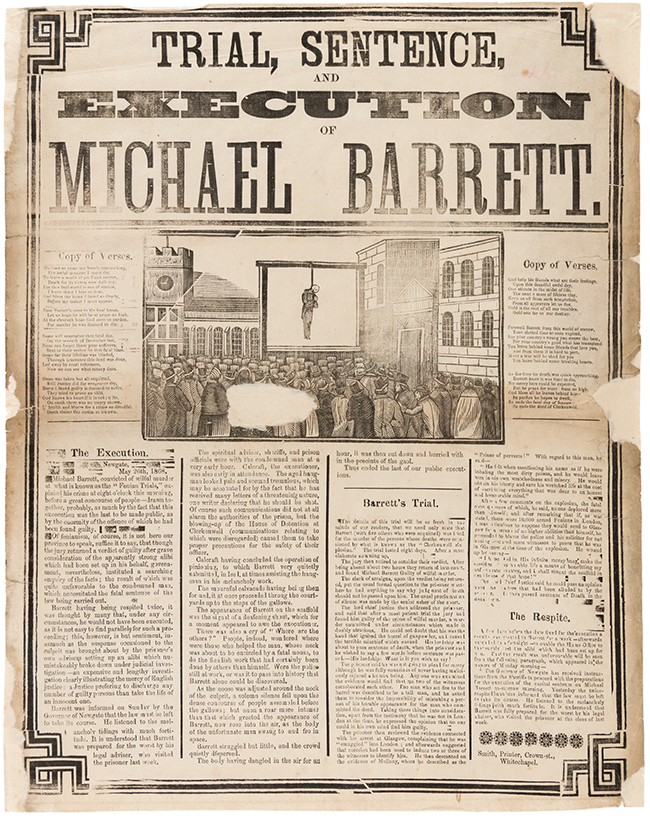
The last public execution took place outside of Newgate prison #OldBailey on this day in 1868.
Michael Barrett, an Irish activist, had been convicted of offences relating to the Clerkenwell Explosion that killed 12 people.
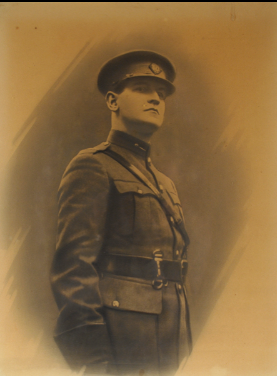
36 years after the shooting of Michael Collins, a jocose remark about the possible perpetrator leads to a slander action by a former comrade, 'Coneen'. The very capable barrister for the defendant? Collins's own nephew Sean! More here:- https://t.co/RTkHt4CnVh
Oscar Wilde was convicted of gross indecency #OnThisDay in 1895 and was sentenced to two years‘ hard labour. He was initially sent to Wandsworth and later to Reading Gaol.
#OTD in 1910 Mary Stuart Knox was born in the Governor’s House just outside the walls of #canterburyprison. She was the daughter of Major James Stuart Knox and his wife Ursula. They couple already had two sons, named John and George, but Mary was their first girl.
#otd 22 May 1816 – A mob in Littleport, Cambridgeshire, England, riots over high unemployment & rising grain costs, & the riots spread to Ely the next day.
#britishhistory
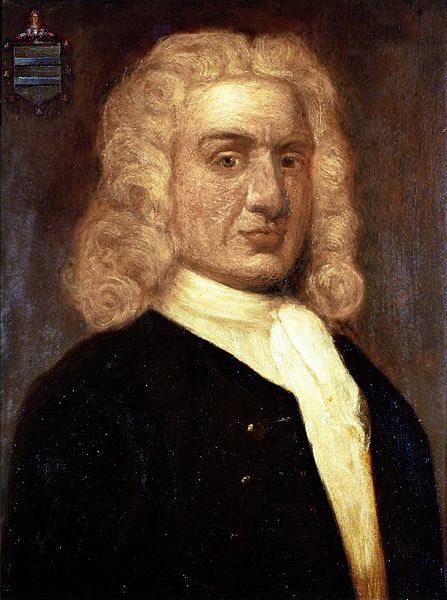
Privateer turn pirate, William Kidd, whose legacy helped romanticise the image of a pirate and stories of buried treasure.
Indicted for murder and piracy, convicted before the Old Bailey and executed in front of a crowd outside of Newgate Prison.
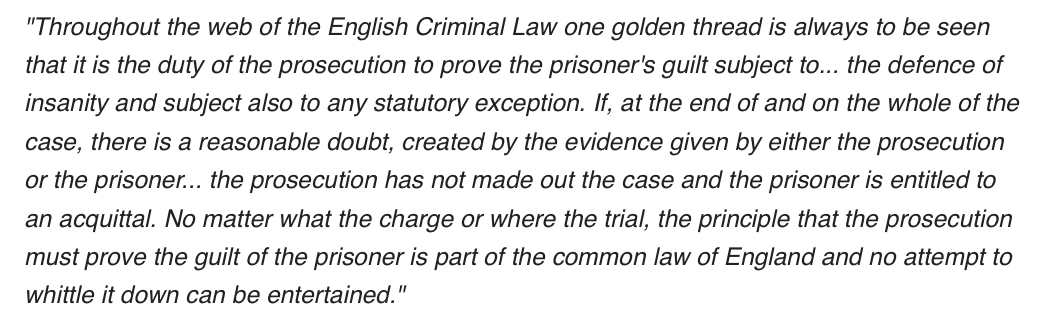
On this day in 1935, Viscount Sankey delivered the judgement of the Court of Criminal Appeal in the case of Woolmington v DPP in which he identified the “golden thread” running through the English Criminal Law.
At 9am in HMP Wandsworth #OnThisDay in 1905 the Stratton Brothers were executed. They had become the first men in Britain to be convicted of murder based on fingerprint evidence.
The so called “Mask Murders” were caught when a thumbprint was found on a cashbox at the murder.
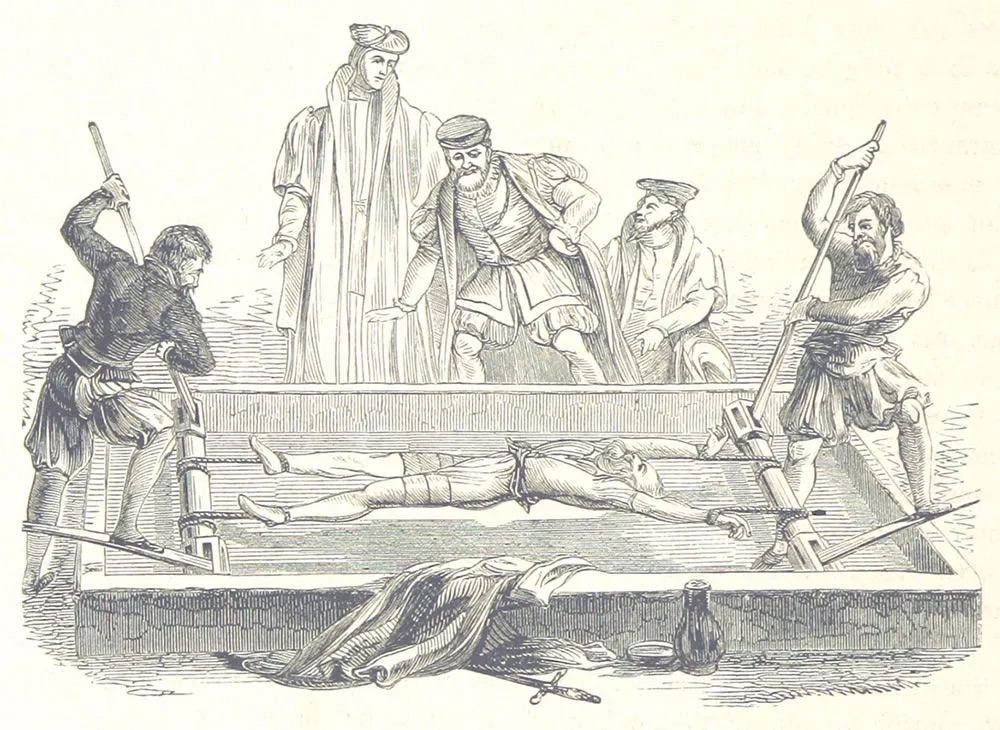
The last time a warrant for the employment of torture was issued was #OnThisDay in 1640 by Charles I. The torture device was the rack. The warrant was issued against John Archer, a glove maker, following the attack on Lambeth Palace in response to the dissolution of parliament.
The nineteenth century prison reformer, Elizabeth Fry, was born #OnThisDay in 1780. She was a key player behind the passing of the Gaols Act 1823 which, for the first time, mandated segregation of female prisoners.
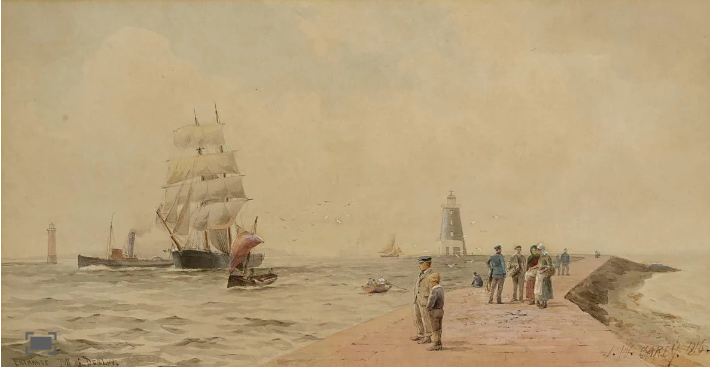
Entrance of Dublin Harbour, 1916, by Joseph William Carey (1859-1937). As decisions of Irish judges were liable to be overruled in London on appeal, the joke in the Four Courts was that the law could change with the packet boat. Image via Mutual Art: https://t.co/6yxJixLVDE
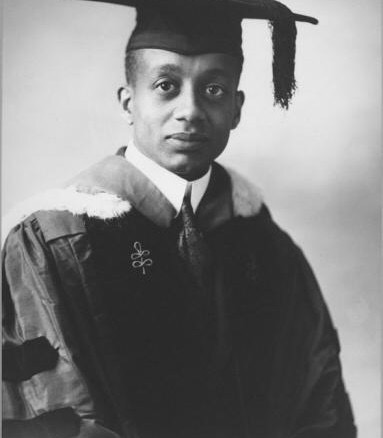
Christian Frederick Cole became the first black person to be called to the Bar of England and Wales #OnThisDay in 1883.
The grandson of a slave and a graduate of Oxford University, he was a member of @TheInnerTemple. Sadly, he died of smallpox in 1885 at the age of 33.
In 1948 the Criminal Justice Act abolished both penal servitude and hard labour. But what did this mean for the Canterbury prison? https://t.co/rx1aEMfsyR @MaryseTennant
Hadfield was tried for High Treason and pleaded insanity. His barrister, Thomas Erskine, successfully argued the defence and ensured an acquittal. Hadfield avoided a sentence of death, but remained detained in an asylum for the rest of his life. 2/2