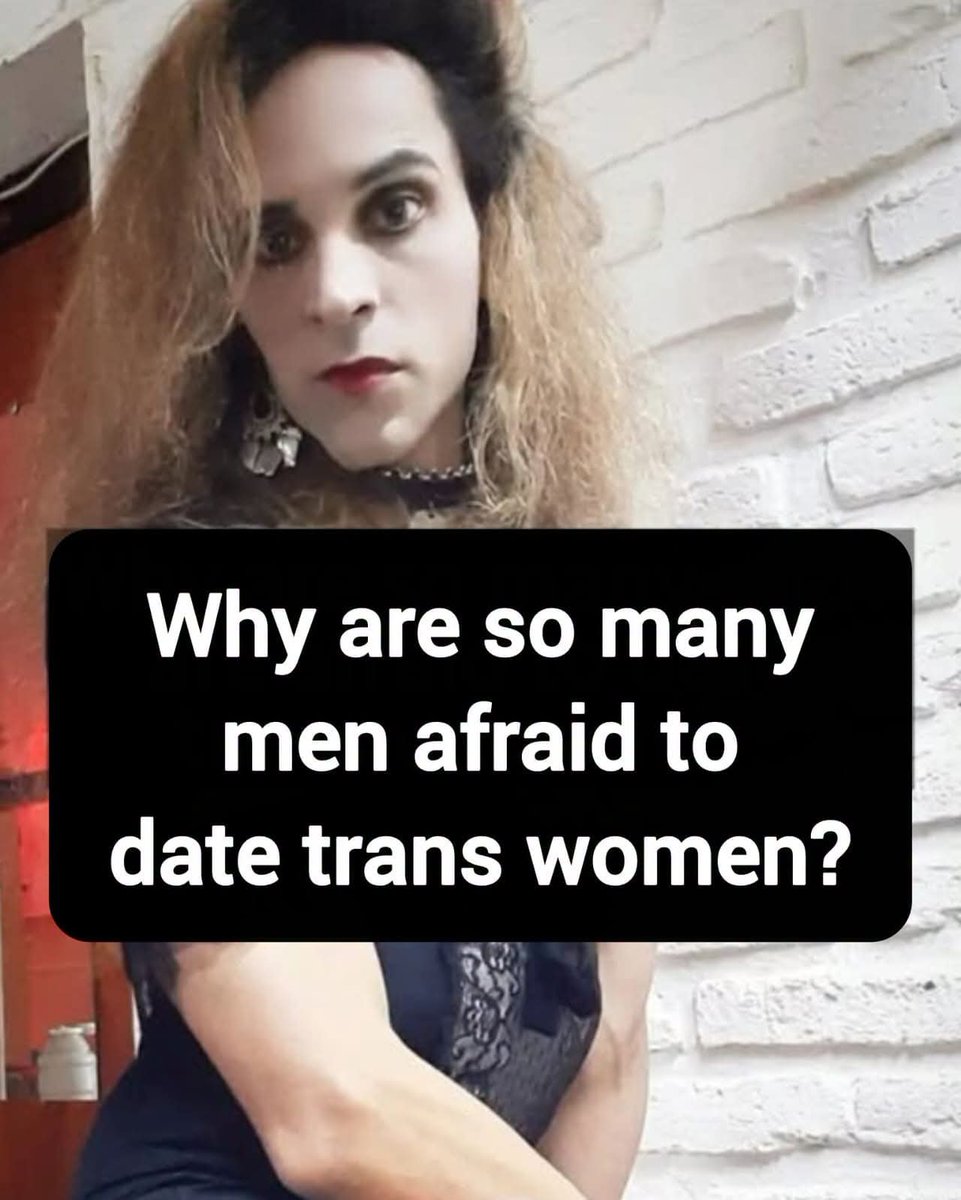
I don’t believe fear is the reason at all.
The question itself assumes that if a man doesn’t want to date a trans woman, there must be something psychologically wrong with him.
Why can’t it simply be personal preference? Respect works both ways. People are free to identify however they choose, and others are equally free to decide who they do or don’t want to date.
Assigning motives to people instead of listening to their reasons doesn’t create understanding. It creates division.
I understand why people feel that way, and honestly I feel the same frustration.
I don’t just think too few people speak out. I think we’ve reached a point where even when they do, many people have lost faith that anything meaningful will actually happen afterwards.
But why have we accepted that it’s the public’s responsibility to solve a failure of the state?
If the police fail, where do we report that? If a council fails, where do we report that? If a safeguarding board or government department fails, where does that complaint actually go? More importantly, how do ordinary people track whether anything was ever done about it?
Outrage without accountability is just noise.
I’m genuinely going to look into whether there’s a single place where institutional failures can be reported and tracked by the public. If there isn’t, then maybe that’s the conversation we should be having.
The more I see posts like this, the more I think we’re asking the wrong question.
Every time something like this happens, the conversation immediately turns to the individual involved. While accountability for individual crimes absolutely matters, why are we not asking how these situations keep arising in the first place?
If someone entered the country legally, what checks were carried out? If they entered illegally, how did that happen? If they had previous convictions, were they known to the authorities? If they didn’t, what limitations exist in the screening process?
We’ve become obsessed with blaming individuals while spending far less time examining the systems, decisions and policies that allowed the situation to develop.
If we genuinely want fewer tragedies, then we need to move further up the chain of accountability instead of stopping at the headline.
If we genuinely believe Britain is defined by better values, then our conduct should reflect those values.
We don’t strengthen our argument by abandoning the very standards we claim make this country worth defending.
We can’t ask others to respect Britain while lowering our own standards whenever we’re angry.
If we expect people to integrate into our values, then we should be setting the example ourselves.
If you support that backward terrorist shithole country full of low IQ inbreds then why are you here?
Please do move back there and support it as much as you want.
One thing I can’t stand is people who only care about injustice when it suits their politics.
We’ve lost the ability to think pragmatically. We’ve become far too comfortable deciding first and looking for evidence afterwards.
Years ago, while working as a chef, another chef and I were having a conversation about our outlook on life and how we viewed the world. We had different perspectives, and one of the older chefs overheard us.
He didn’t take either side. Instead, he simply said, “I’ve always tried to look at life pragmatically. Don’t decide first and look for evidence later. Look at the evidence first, then make your decision.”
That’s stuck with me ever since because it’s one of the best pieces of advice I’ve ever been given.
If this happened exactly as described, it’s disgusting and everyone involved should be held accountable.
But I want the same level of outrage for every victim, regardless of their race, religion or politics. Cherry-picking cases that fit one narrative while ignoring countless others only creates more division.
Show us the full footage. Show us the bodycam. Show us the facts.
Then make your mind up.
Think pragmatically.
I’ve worked as a chef for 12 years this year and I’m beyond proud to say I’ve worked alongside people from all over the world.
Their backgrounds have never mattered to me. Their character has.
England isn’t a place.
It’s a state of mind.
A shared set of morals, values and laws that anyone can choose to adopt regardless of where they were born.
So when people openly say they don’t belong here or have no respect for this country, the real question isn’t whether they’re the problem.
The question is why we’ve allowed integration to fail to the point where people can live here while feeling no attachment to the country at all.
Why is there still no clear long-term plan for immigration and integration? Ignoring those questions won’t make them disappear. It just leaves frustration to build until it turns into division.
@Dearme2_ No matter how badly you’ve been hurt, never stop being vulnerable. The pain you feel from opening up to the wrong person will never compare to the pain of making the right person climb walls that were built for someone else.
I believe it’s a classic example of what happens when a religion teaches tolerance and forgiveness—it often becomes the easiest target. It’s something I’ve noticed for years, especially in films and TV shows, where Jesus and Christianity are frequently mocked in ways that would cause outrage if they were directed at many other religions. Whether that’s because of cultural norms or fear of causing offence is up for debate, but I do think Christianity is often treated differently.
Of course there’s a difference. Where I think some feminists go wrong is when the actions of a minority of men are projected onto men as a whole. The vast majority of men also oppose violence, abuse, discrimination and victim blaming. Most decent men challenge that behaviour when they see it and want women to feel safe too. We should be working together against those who commit these acts, not creating division between men and women.
The more I scroll through X, the more disappointed I become.
We keep falling into the same trap that’s been used throughout history: turning ordinary people against each other while those in power quietly avoid accountability.
Why do we have so much fire in our bellies for the people who come here, but nowhere near the same level of anger for the politicians who created the policies, raised our taxes, and allowed these problems to grow in the first place? They’re the ones making the decisions that shape this country.
If you’re angry about illegal immigration, the cost of living, rising taxes, or the direction Britain is heading, ask yourself who’s actually responsible. We should be holding our MPs to account, writing to them, questioning them at public meetings, supporting campaigns for policy change, and voting based on results instead of empty promises. If enough people do that, politicians have no choice but to listen.
Stop letting yourselves be divided. A divided public is easier to govern. Hold the people with the power accountable—not just the people living with the consequences.
@Kangaroo7ya@TRobinsonNewEra My point isn’t that nobody should receive benefits. My point is: why have an immigration policy that allows people to enter if they’re expected to be long-term dependent on the welfare system rather than contributing through work and taxes?
@T3ZCATLIP0CA@Lyracutevibes That’s exactly why discipline matters. Enthusiasm is temporary. Standards are permanent. If you only do things well when you feel like it, you’ll spend most of your life underperforming.
Should those who shape the laws and future of a Christian country also be Christian? I believe they should. I don’t care if someone comes from a Muslim, Jewish, Hindu, or any other background, provided they’ve converted to Christ. To me, governing a Christian nation without sharing its faith creates a conflict of interest. I also think people lose trust when they feel those in power no longer reflect the country’s values. Why aren’t we having an honest conversation about immigration, religious demographics, or how many mosques, synagogues, and temples can be built before England ceases to be recognisably Christian? Whether you agree or not, I think these are legitimate questions that deserve to be debated.
Being nice doesn’t make you entitled to a relationship. If the only reason you’re being kind is because you expect something in return, you aren’t a good man—you’re just someone with expectations who didn’t get what he wanted. Then they turn around and blame women for their choice in men instead of looking in the mirror.