Thank you, dear book lovers, for making my book, #ForTheRecord, a best-selling tome in this year. I enjoyed the chats, the signing sessions, and your incisive questions about my story of political betrayal, legislation, nation-building, and leadership. I have received the invitations for additional book-signing sessions and for conversations with fellow authors. As soon as I get some breathing room, I will honour those. For now, I just want to say a big big thank you to all of you!
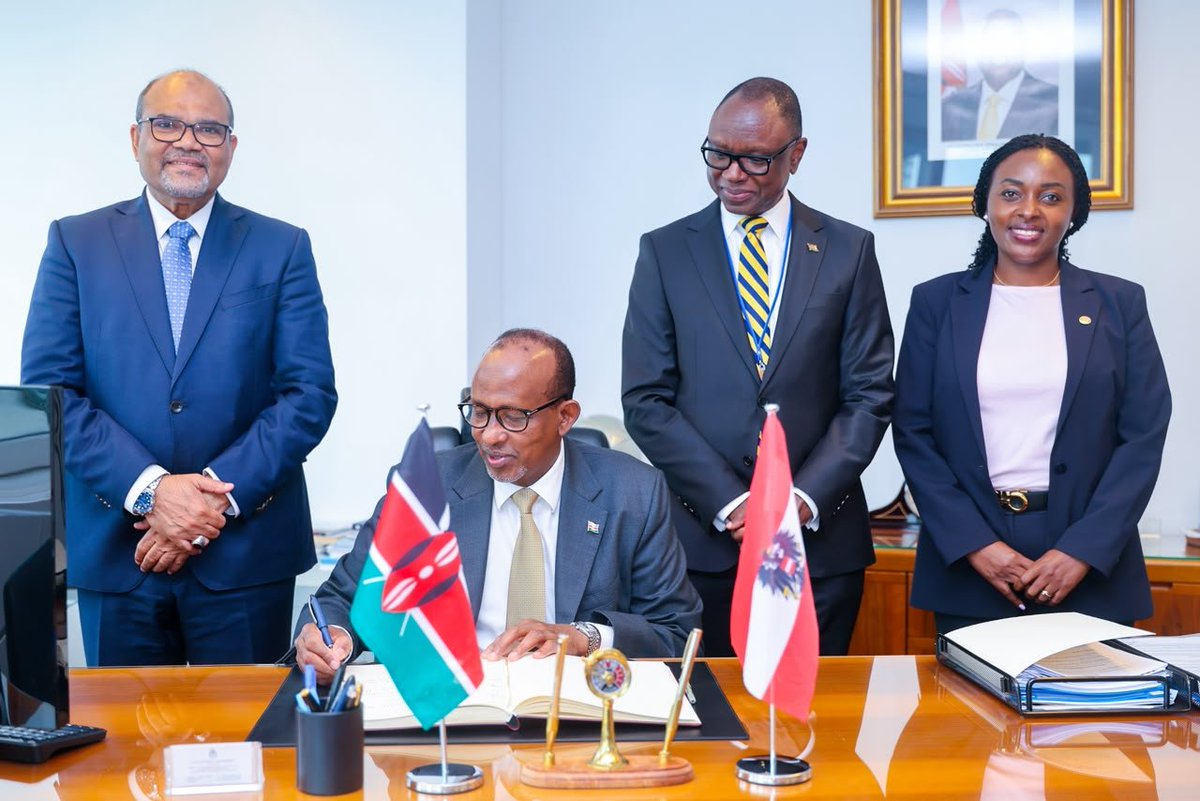
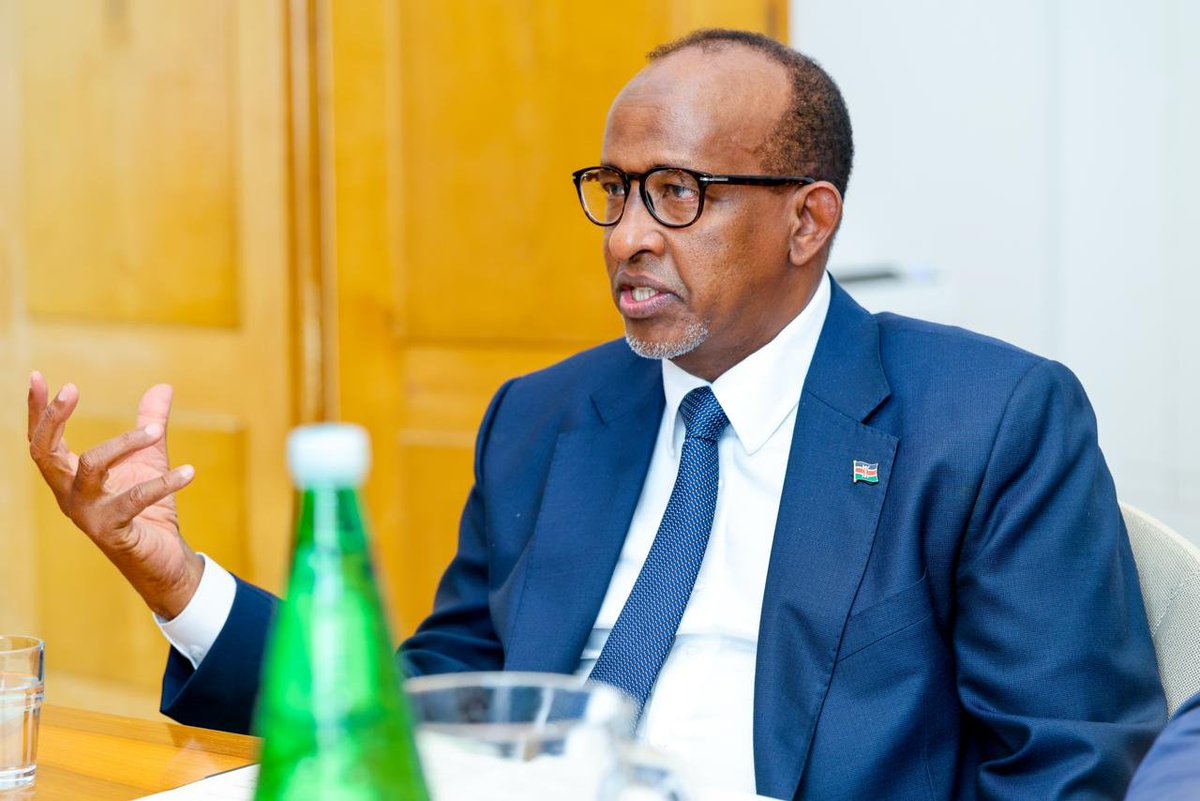
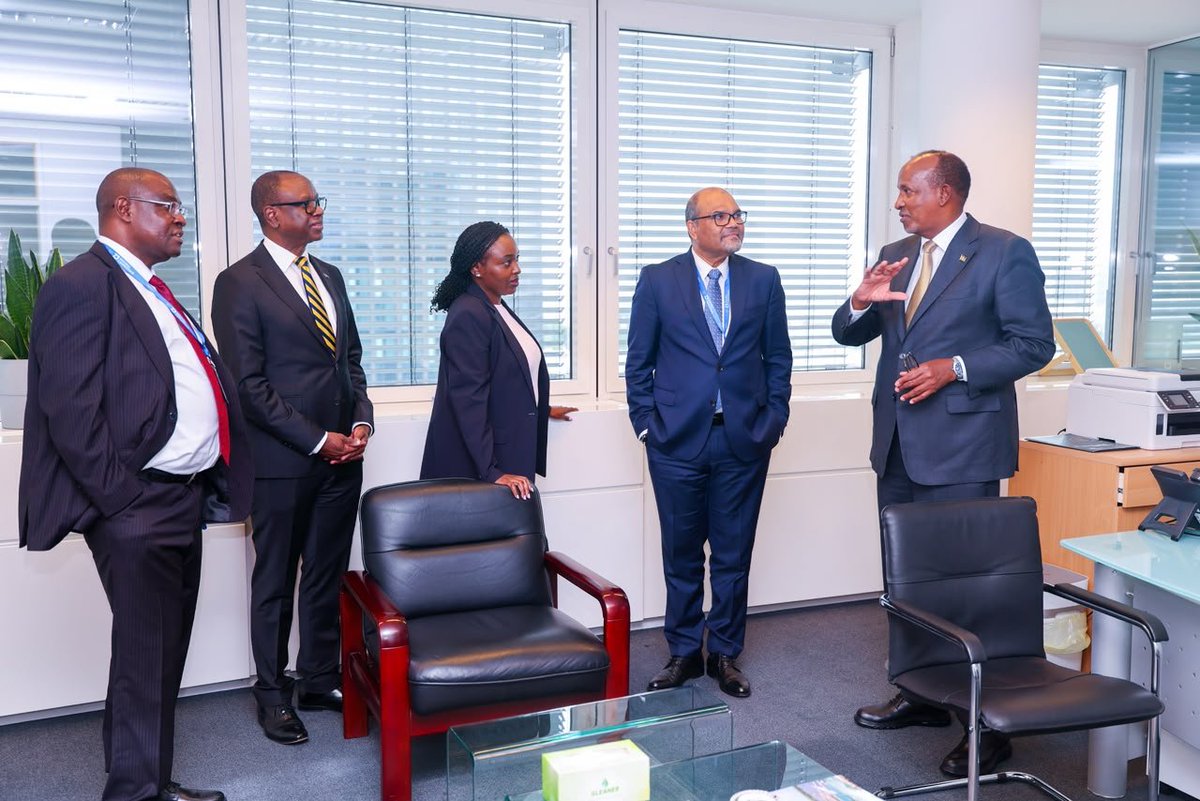
Hosted by H.E. Amb. Edwin Afande, Ambassador and Permanent Representative of Kenya to the UN in Vienna, and his Deputy, Amb. Valerie Rugene, I engaged staff at the Embassy of Kenya and Permanent Mission to the UN in Vienna, Austria, on the critical role of diplomacy in advancing Kenya's health agenda.
I urged the Mission to proactively leverage its position to pursue strategic partnerships and opportunities in health, including medical research, technology transfer, specialised training and capacity building.
I briefed the team on progress from recent bilateral and multilateral engagements, including cooperation with the US Government to strengthen health infrastructure, disease prevention and medical capacity.
I encouraged the diplomatic team to identify opportunities that support Kenya's Universal Health Coverage (UHC) goals and to effectively communicate the country's health priorities, achievements and emerging needs to international partners.
Really ? Who will do the aggregation of the results from the thousands of polling stations across the country , Mr Former CJ . Don’t think we are idiots . Read the Constitution and electoral laws. Bure Kabisa
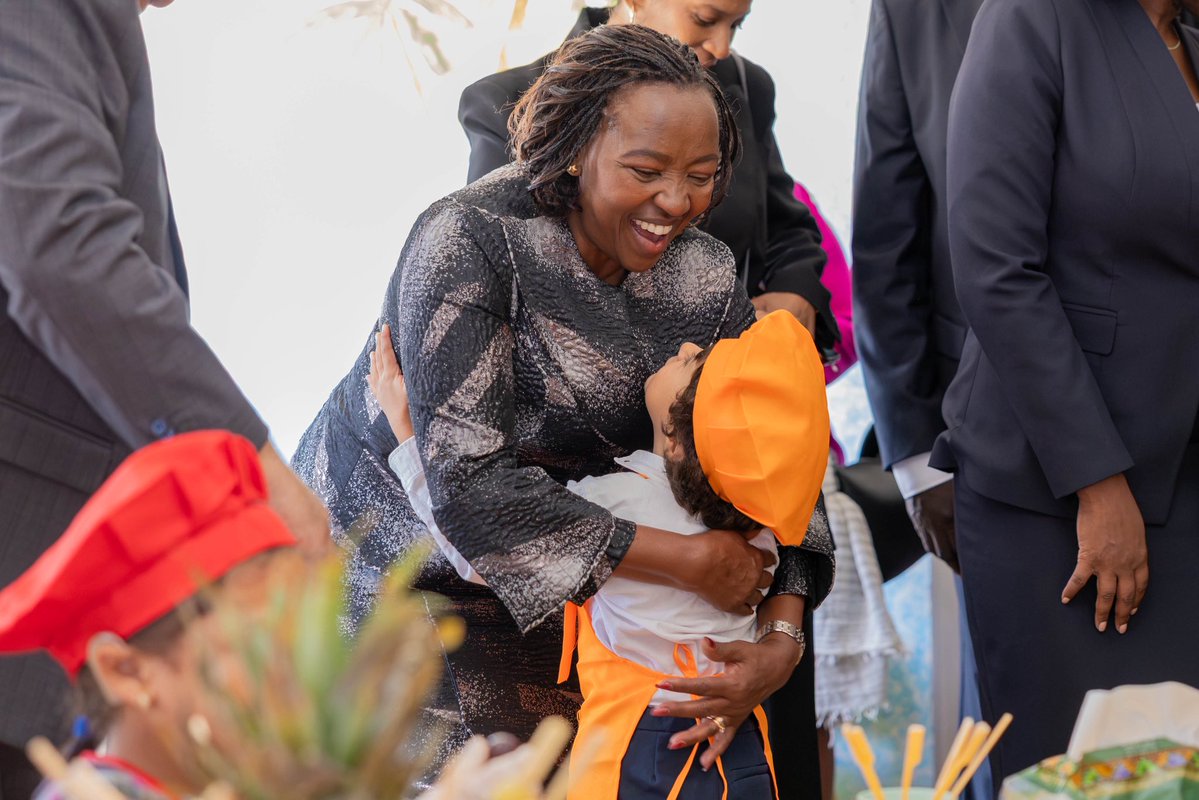
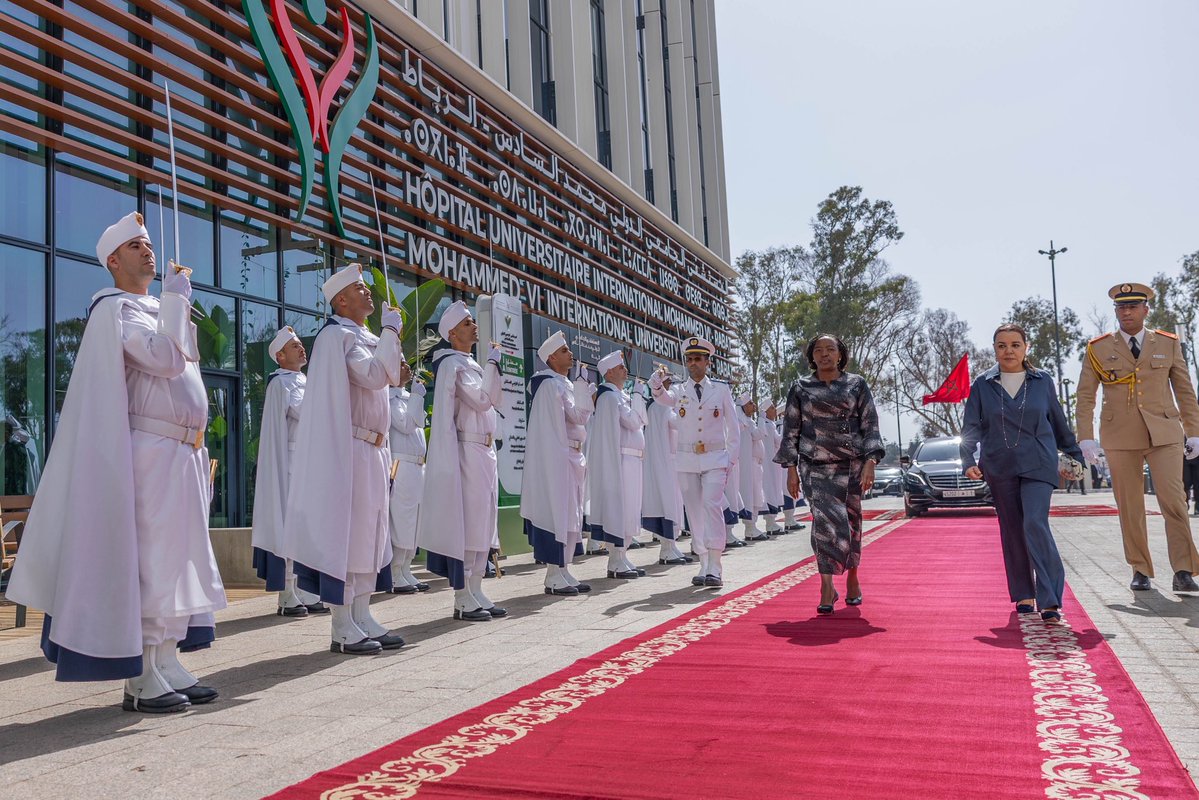
The work of the Lalla Asmaa Foundation demonstrates how specialised care, early intervention and rehabilitation can transform the lives of children and young people with hearing disabilities.
At the Mohammed VI International University Hospital in Rabat, I had the privilege of meeting Kenyan children who were airlifted to Morocco to receive cochlear implants through the generous support of the Princess Lalla Asmaa Foundation.
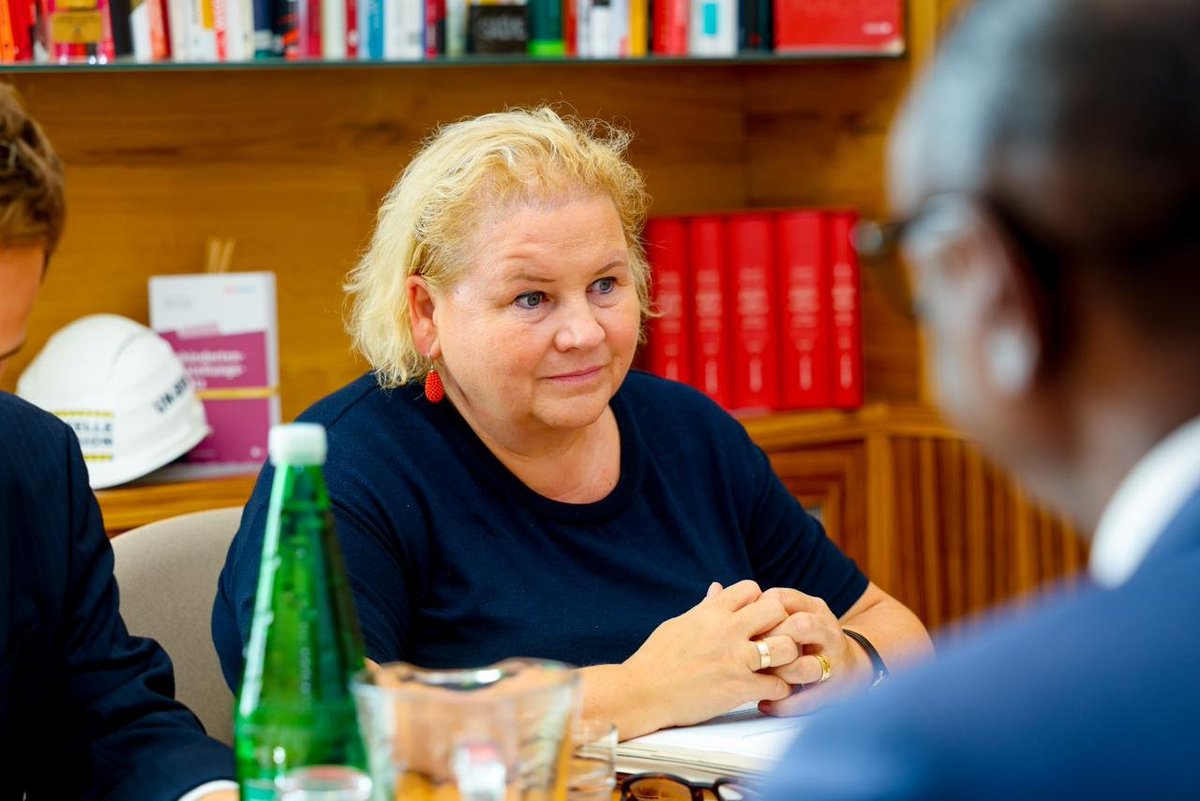
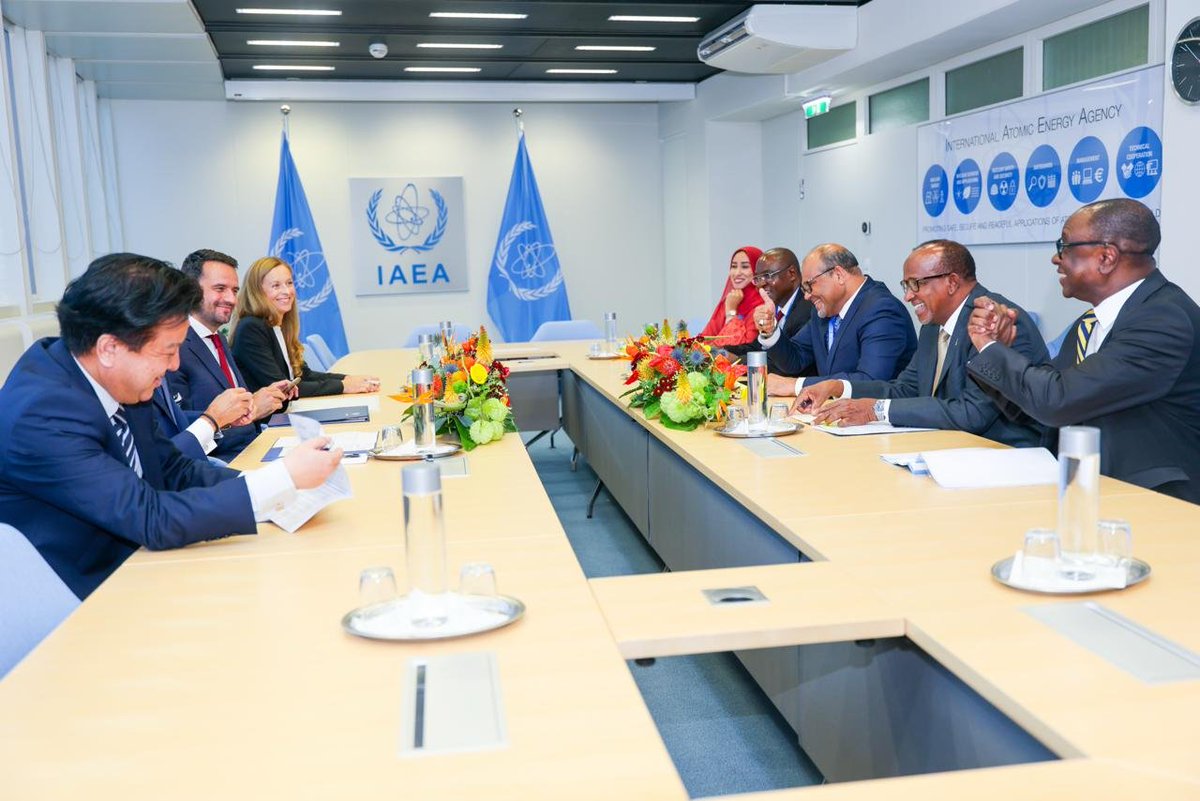
On the sidelines of the 70th Session of the International Atomic Energy Agency (IAEA) General Conference in Vienna, Austria, I held a bilateral meeting with Austrian Minister for Health Ms Korinna Schumann, to advance Kenya–Austria cooperation in maternal and neonatal healthcare.
Our discussions focused on accelerating the financing agreement for the second phase of the 'Mother and Child – Our Future' project, building on the gains made during the first phase.
Under the €6.4 million (KSh900 million) agreement signed in the 2018/2019 financial year, Austria supported Kenyatta National Hospital (KNH) with specialised medical equipment and staff training, strengthening paediatric emergency and intensive care, surgical theatres and maternity critical care services.
With KNH continuing to receive a high number of complex maternal and neonatal referrals, we emphasised the need to sustain and expand this support to ease pressure on infrastructure, reduce waiting times and strengthen the hospital's capacity as a regional centre of excellence for specialised care.
I was joined in the meeting by H.E Amb. Edwin Afande (Ambassador, Embassy of Kenya/ Permanent Mission to the UN, Vienna), PS Prof. Shaukat Abdulrazak (Science, Research and Innovation), Justus Wabuyabo (CEO Nuclear Power Energy Agency) and Dr.Nashat Fadhloon Noor (Director, Cancer prevention and Control - NCI).
On the second day of the 70th IAEA General Conference, I addressed delegates at the Scientific Forum, highlighting Kenya's progress in turning ambition into life-saving cancer care.
With more than 35,000 new cancer cases and nearly 23,000 deaths annually, Kenya is strengthening Universal Health Coverage (UHC), with more than 32 million people enrolled under the Social Health Authority (SHA), providing access to fully covered cancer screening and oncology care.
Through the IAEA's Rays of Hope initiative, Agency-donated Linear Accelerators have enabled regional cancer centres in Nakuru and Mombasa, bringing specialised treatment closer to patients. The two centres now serve up to 150 patients daily and have delivered more than 70,000 radiotherapy sessions.
Kenya has also expanded its nuclear medicine capacity, with six operational programmes and advanced theragnostic treatment for prostate cancer, supported by a growing skilled workforce trained through IAEA fellowships and expert missions.
Looking ahead, we plan to establish six more regional cancer centres and called for continued international partnership and co-investment to close Africa's diagnostic and treatment gaps.
Through digital health and sustainable health financing, Kenya is building a scalable model of cancer care that turns global cooperation into tangible hope for patients.
The forum steered by the director general IAEA, Rafael Grossi was also attended by Dr. Abdulhamid Alkhalifa (President, OPEC Fund for International Development), H.E Deogratius Ndejembi (Vice President, Tanzania) alongside Ministers of Health, Energy, Education and ICT from various member states.
I was joined by H.E Amb. Edwin Afande (Ambassador, Embassy of Kenya/ Permanent Mission to the UN, Vienna), PS Prof. Shaukat Abdulrazak (Science, Research and Innovation), Justus Wabuyabo (CEO Nuclear Power Energy Agency) and Amb. Valerie Rugene (Deputy Ambassador, Embassy of Kenya/ Permanent Mission to the UN, Vienna).
Presented Kenya's National Statement at the 70th International Atomic Energy Agency (IAEA) General Conference in Vienna, Austria, attended by delegates from 181 member states.
During the address, I reaffirmed Kenya's progress towards building its first nuclear power plant, with construction set to begin in 2027 in Siaya County and grid connection targeted for 2034.
Kenya is also advancing plans for a nuclear research reactor while finalising key international nuclear safety agreements.
I highlighted the expansion of cancer care, supported in part by the IAEA. Two IAEA-donated linear accelerators commissioned in Nakuru and Mombasa in May 2026 are now treating up to 150 patients daily, as the government establishes six additional regional cancer centres.
The Social Health Authority (SHA) provides coverage for primary cancer screening and specialised oncology care to more than 32 million enrolled Kenyans.
On food security, I highlighted Kenya's partnership with the IAEA through the Atoms4Food initiative, which has helped improve crop yields and reduce fertiliser costs by 20%.
Kenya is also establishing a Centre of Excellence in Food and Agriculture to advance the application of nuclear science in the sector.
I reaffirmed our commitment to nuclear safety and non-proliferation, while underscoring our strengthened regulatory capacity and role as a regional training hub.
I called for sustained international cooperation to harness nuclear science and technology as a driver of Kenya’s sustainable development.
The session chaired by the new IAEA President H.E. Ambassador Gustavo Zlauvinen from Argentina was also attended by H.E Amb. Edwin Afande (Ambassador, Embassy of Kenya/ Permanent Mission to the UN, Vienna), PS Prof. Shaukat Abdulrazak (Science, Research and Innovation) and Justus Wabuyabo (CEO Nuclear Power Energy Agency) among other senior state officials.
Dangote’s Fortune Set to Jump $23 Billion on Refinery IPO https://t.co/9OS8Wfe4XA
The 69-year-old tycoon’s net worth is projected to reach as much as $58.2 billion with the IPO of Dangote Petroleum Refinery and Petrochemicals Fze,
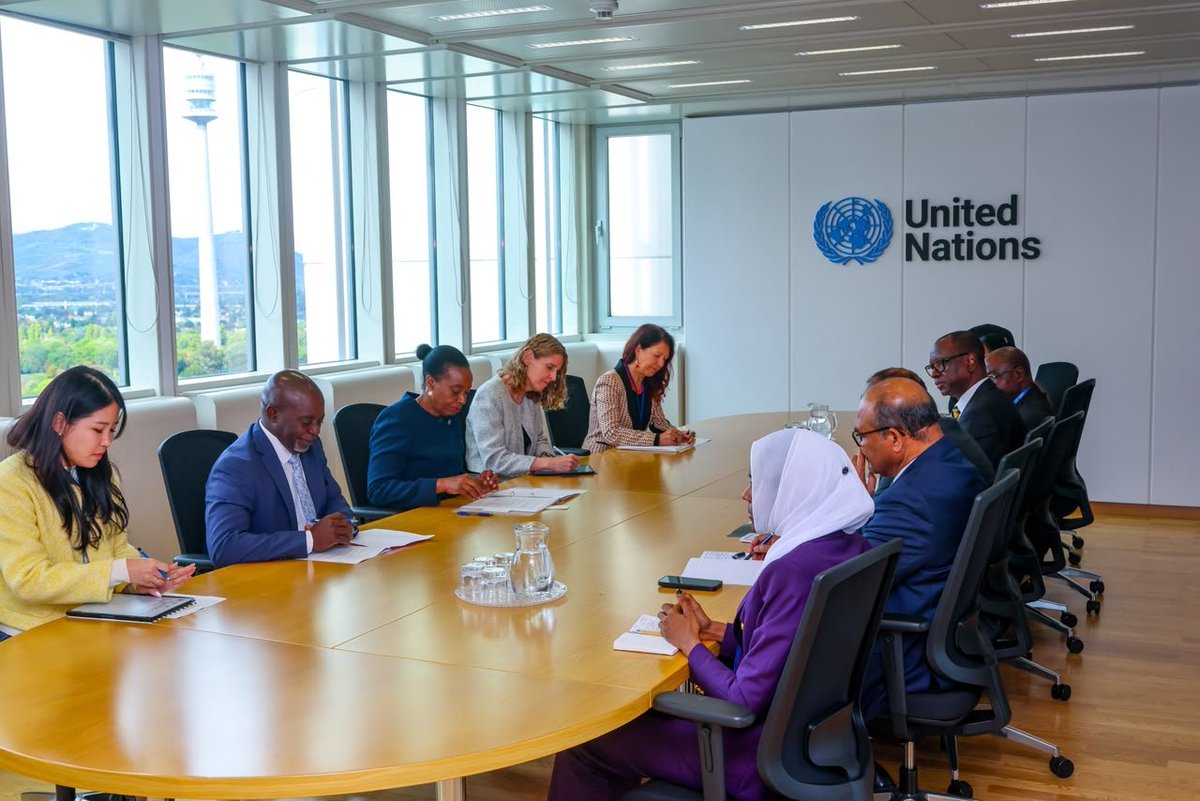
On the margins of the 70th International Atomic Energy Agency (IAEA) General Conference in Vienna, I held high-level discussions with H.E. Amb. Monica Juma, Director-General of the United Nations Office at Vienna (UNOV) and Executive Director of the United Nations Office on Drugs and Crime (UNODC).
Our discussions focused on deepening cooperation between Kenya and the UNODC in tackling transnational organised crime, drug trafficking, corruption and other emerging security threats.
I commended the UNODC for its support to Kenya's criminal justice reforms and reaffirmed our commitment to the five thematic pillars of its Regional Programme for Eastern Africa.
We also reviewed the impact of joint initiatives, including the Container Control Programme at the Port of Mombasa and the Airports Communication Programme at Jomo Kenyatta International Airport, which have strengthened border management and the interception of illicit goods.
On public health, I appreciated the UNODC's support for methadone clinics, which have provided treatment to more than 3,500 people and remain an important intervention in reducing HIV transmission among high-risk populations.
Looking ahead, we explored opportunities to scale up cooperation in areas such as cybercrime prevention and public health, with Kenya ready to share its experience and successful models with other countries in the region.
I was joined by H.E. Amb. Edwin Afande (Ambassador, Embassy of Kenya/Permanent Mission to the UN, Vienna), PS Prof. Shaukat Abdulrazak (Science, Research and Innovation), Justus Wabuyabo (CEO, Nuclear Power and Energy Agency) and Amb. Valerie Rugene (Deputy Ambassador, Embassy of Kenya/Permanent Mission to the UN, Vienna).
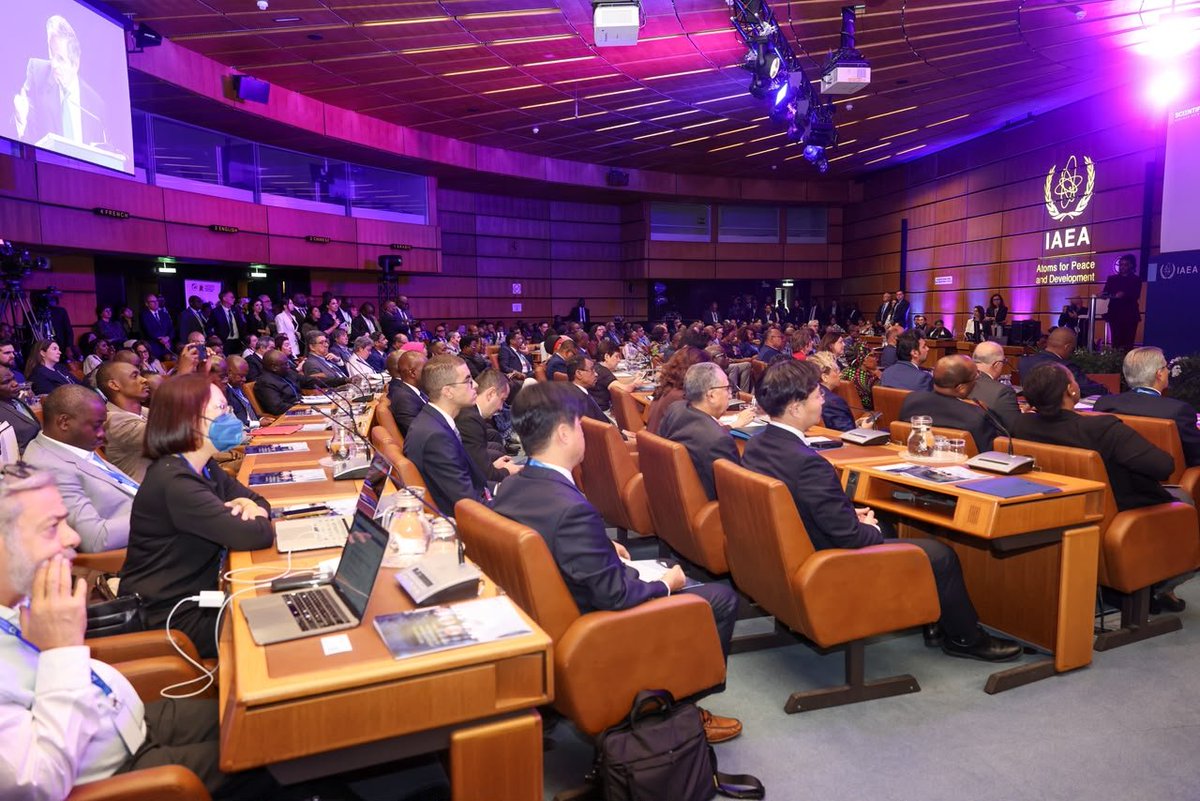
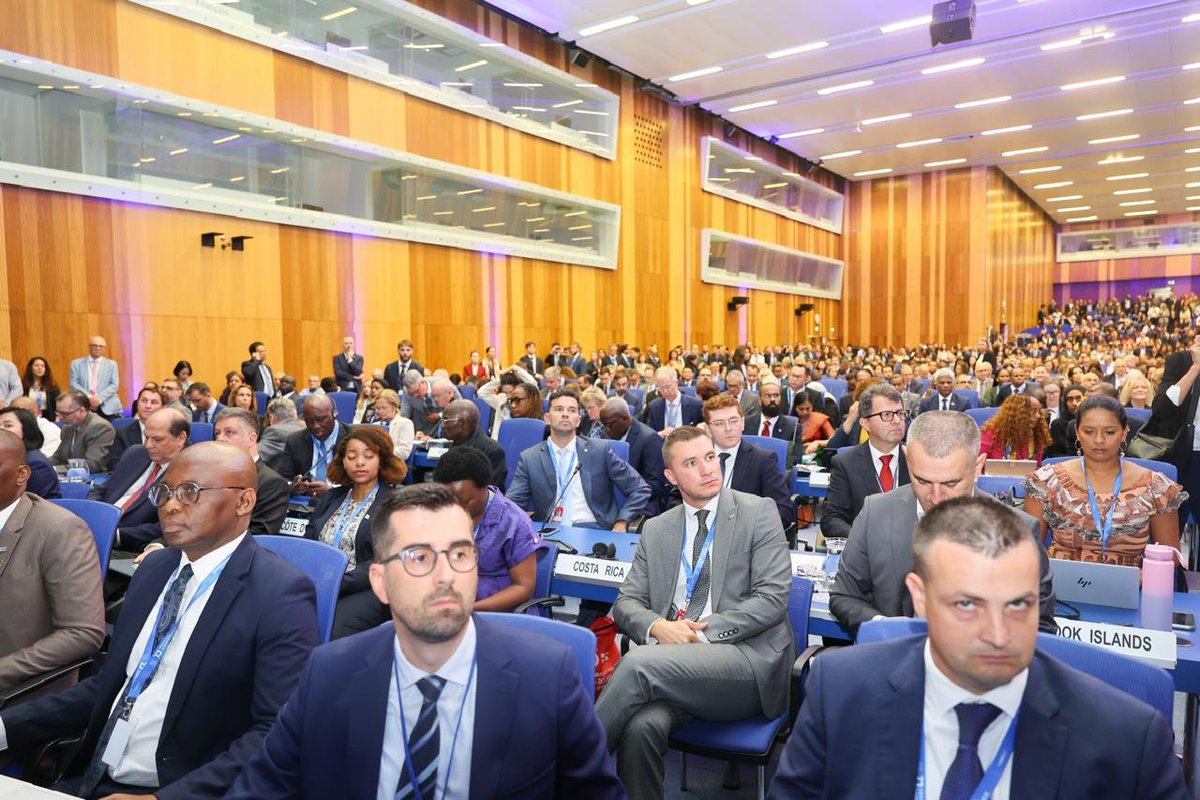
Leading the Kenyan delegation at the 70th International Atomic Energy Agency (IAEA) General Conference in Vienna, Austria, we joined high-level delegates from 181 countries for the opening ceremony at the Vienna International Centre.
Kenya is advancing the use of nuclear science to modernise healthcare, with a focus on strengthening cancer diagnosis and treatment through radiation medicine, radiotherapy and advanced medical imaging.
The conference provides a strategic platform to deliberate on the application of nuclear technology in development, sustainability and safety, while strengthening international partnerships and support for Kenya's healthcare priorities.
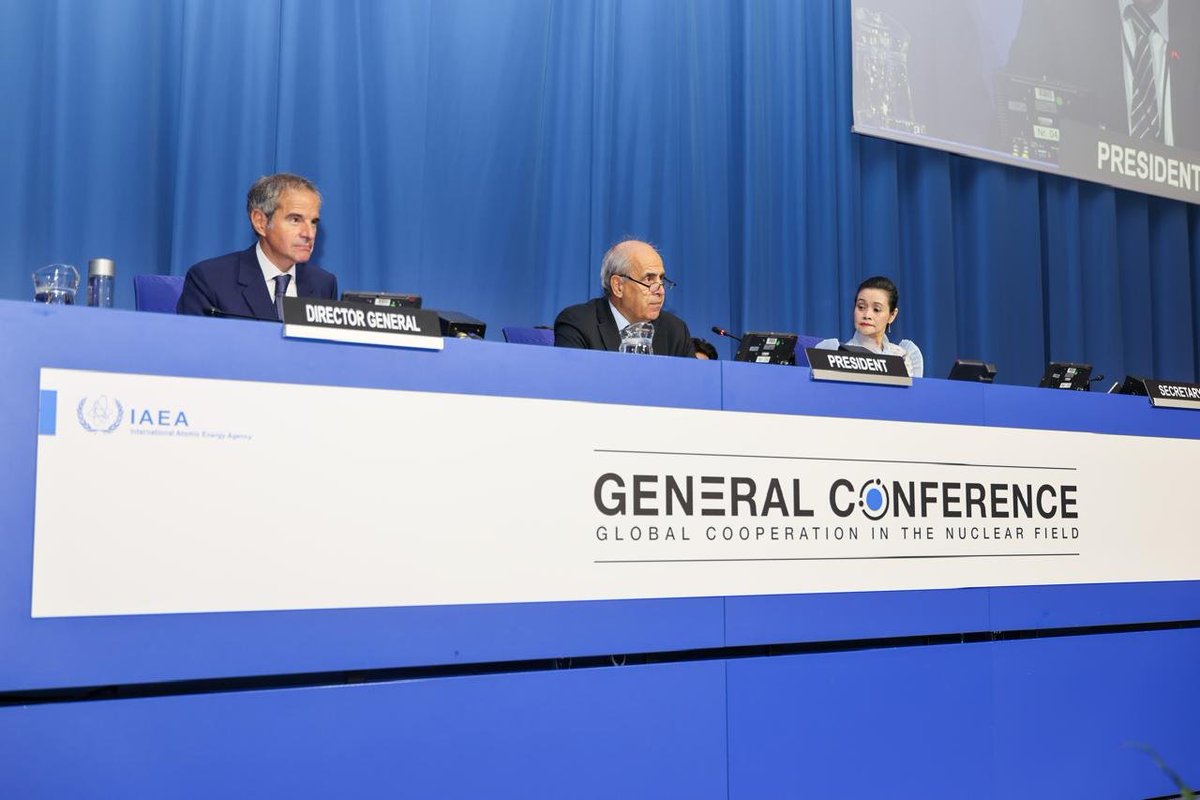
The opening session featured an address by IAEA Director General Rafael Mariano Grossi, alongside remarks by H.E. Amb. Monica Juma, Director-General of the United Nations Office at Vienna (UNOV) and Executive Director of the United Nations Office on Drugs and Crime (UNODC), who spoke on behalf of UN Secretary-General Ant��nio Guterres.
The conference also marked the transition of its presidency from Slovakia's H.E. Amb. Peter Burian to H.E. Ambassador Gustavo Zlauvinen of Argentina.
I was joined by H.E. Amb. Edwin Afande (Ambassador, Embassy of Kenya/Permanent Mission to the UN, Vienna), PS Prof. Shaukat Abdulrazak (Science, Research and Innovation), Justus Wabuyabo (CEO, Nuclear Power and Energy Agency) and Amb. Valerie Rugene (Deputy Ambassador, Embassy of Kenya/Permanent Mission to the UN, Vienna).
President Ruto: Every evening at 11 p.m., I receive a report on my phone showing how many women have given birth in Kenya, how many did not survive, and how many newborns survived or died. It is a stark reminder to me, and to all people in the health space, that we are dealing with a situation that is serious
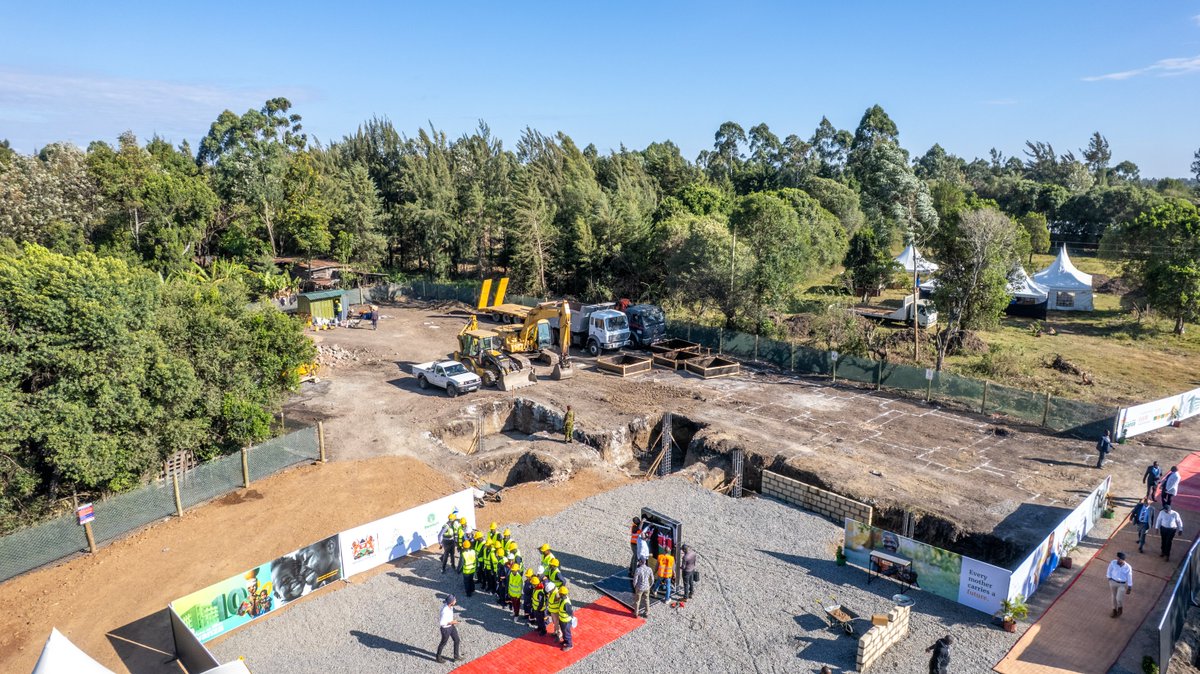
The construction of Chebunyo Amsons Mother and Baby Hospital in Bomet County, which we launched today, marks an important milestone in our efforts to reduce preventable maternal and newborn deaths in the country.