Long vs. short read sequencing for microbial ecology of sedimentary environments: a case study from Lake Arnon, Switzerland
#microbiology#sequencing#metagenomics@FEMSmicro
https://t.co/a7t28JS2Lo
Breaking aromaticity in the anaerobic degradation pathway of phenanthrene comprises only ATP-independent type III aryl-CoA reductases
#biochemistry#microbiology
https://t.co/AqqJjw2Kej
#MicrobiologyMonday: Many bacterial species contain specialized subcellular compartments that help organize and protect essential cellular functions. These structures may contribute to pathogen survival and virulence during infection. #mBio: https://t.co/j4Z8Ferxkt
In the environment, bacteria sense aromatic pollutants, move to them, adapt to toxicity, and use specialized uptake and catabolic systems. Genomic plasticity, metabolic versatility & division of labor within populations aid to remove persistent chemicals. https://t.co/JtfoqTK87d
Adapting Bacteria for Better Bioremediation. Evolving Dehalobacter on mixed substrates boosts 1,1-DCA dechlorination. Key mutations in TmrA enhance binding to xenobiotic pollutants, a new path to engineer more efficient cleanup microbes. Read Ren et al https://t.co/68e7U7r5hc
PET waste is tough to recycle, but Barriuso’s group upcycled it into biodegradable PHAs using a hybrid approach: fast glycolysis + engineered microbial consortium. By splitting tasks between microbes, they boost efficiency and valorize plastic waste. Read https://t.co/hFPKb0kX74
The time has come to move SYNBIO microbes outside the lab/fermentor & recognize them as allies to repair the env damage we have inflicted on the planet. Achieving this at a truly global scale demands fresh views beyond the very limited Western mindset of control and containment
Craig Venter redrew the boundaries of biology — sequencing DNA at unprecedented speed, engineering synthetic life and charting ocean microbes.
https://t.co/ZTV1a3RgI0
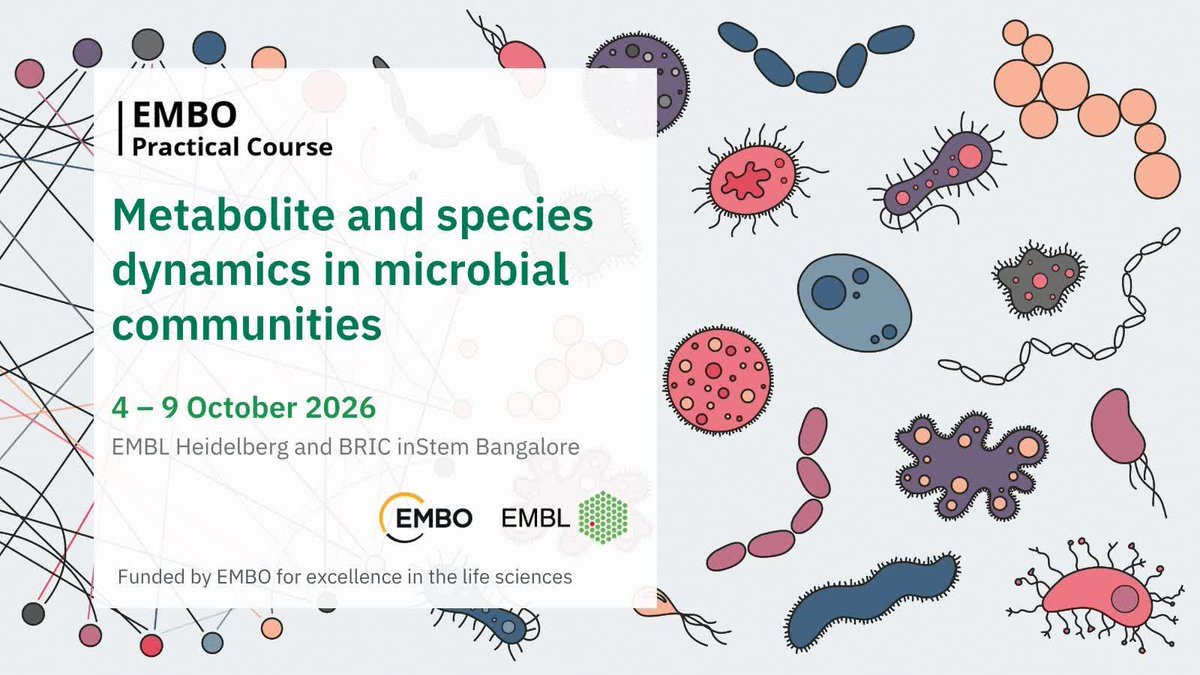
🦠🧫 Do you want to learn key tools and state-of-the-art concepts in microbial community dynamics? #EMBOMicroCom
Apply now for the EMBO Practical Course 'Metabolite and species dynamics in microbial communities', taking place in both Heidelberg and Bangalore 👉 https://t.co/rsQew8vHAf
Course modules include:
• Experimental design, culture set-up, and sampling
• 16S analysis of bacterial communities using Nanopore sequencing technology
• Metabolite changes during community growth using Metabolomics
• Interaction mapping plating experiment (optional)
• Computational analysis introduction using R-studio/Python
• 16S and metabolomics data analysis (computational)
• Metabolic modelling of community interactions (computational)
✍️ Apply by 5 July
🗓️ 4 – 9 October 2026
📍 EMBL Heidelberg, Germany and BRIC inStem Bangalore, India
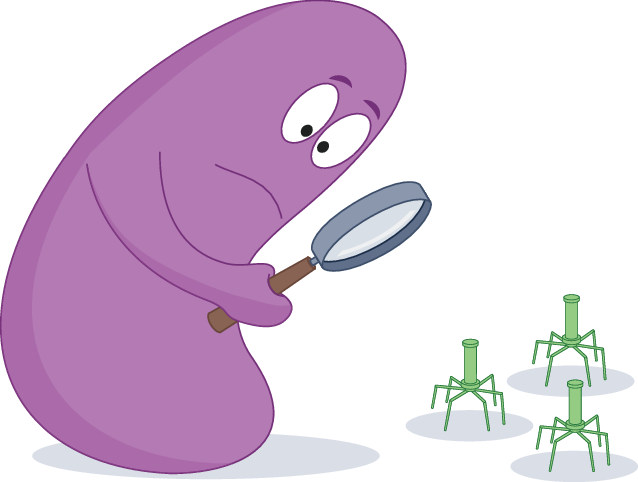
Bacteria have been fighting off viruses using a huge arsenal of molecular weaponry that scientists did not know about — until now. Researchers have identified proteins that could lead to virus-fighting drugs and technologies.
https://t.co/EzpKU9sXwG
Desde el Instituto de Fisiología Celular, rendimos homenaje a las mujeres académicas que han sido premiadas con el reconocimiento “Sor Juana Inés de la Cruz”.
Claudia Rodríguez Rangel destaca por su curiosidad, perseverancia y amabilidad.
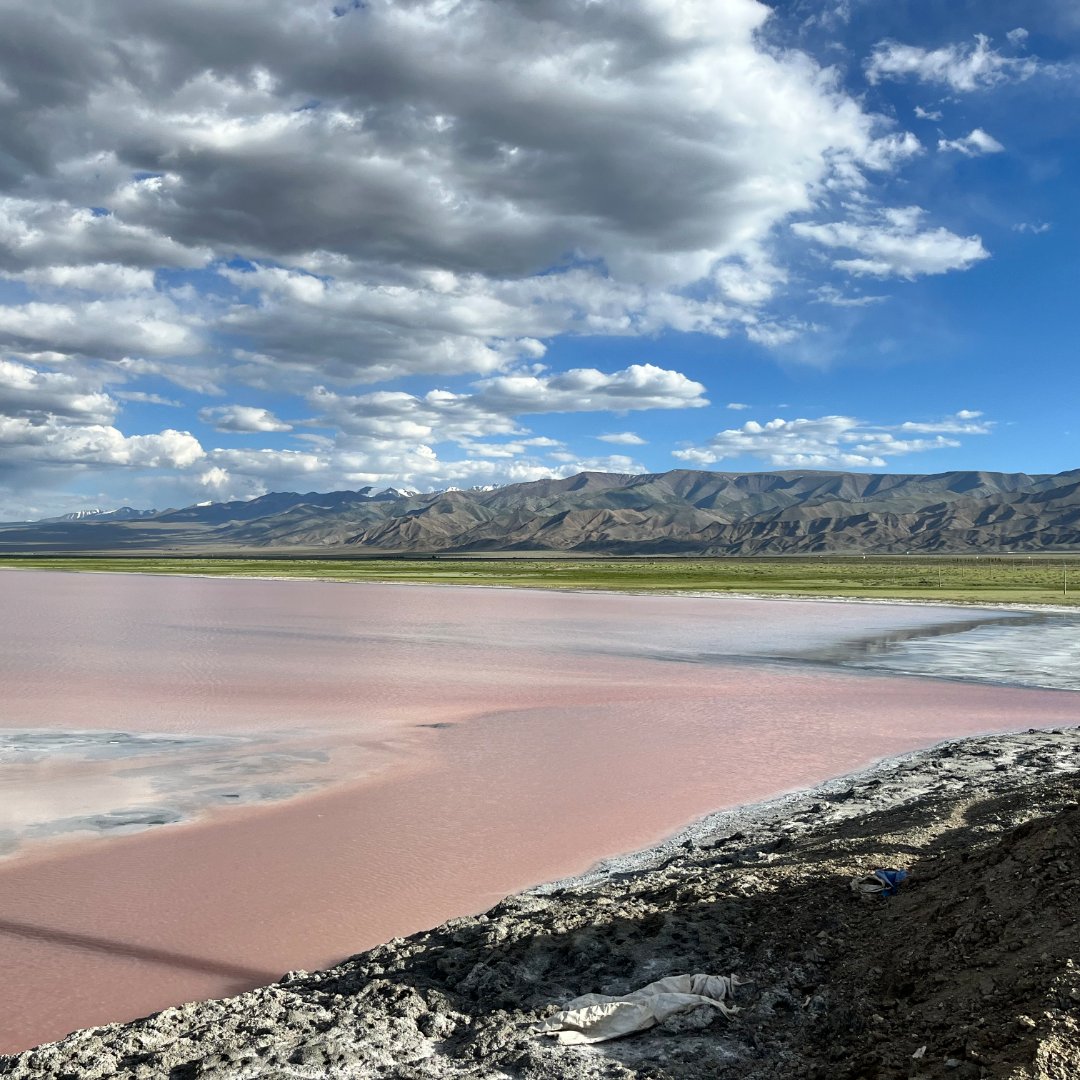
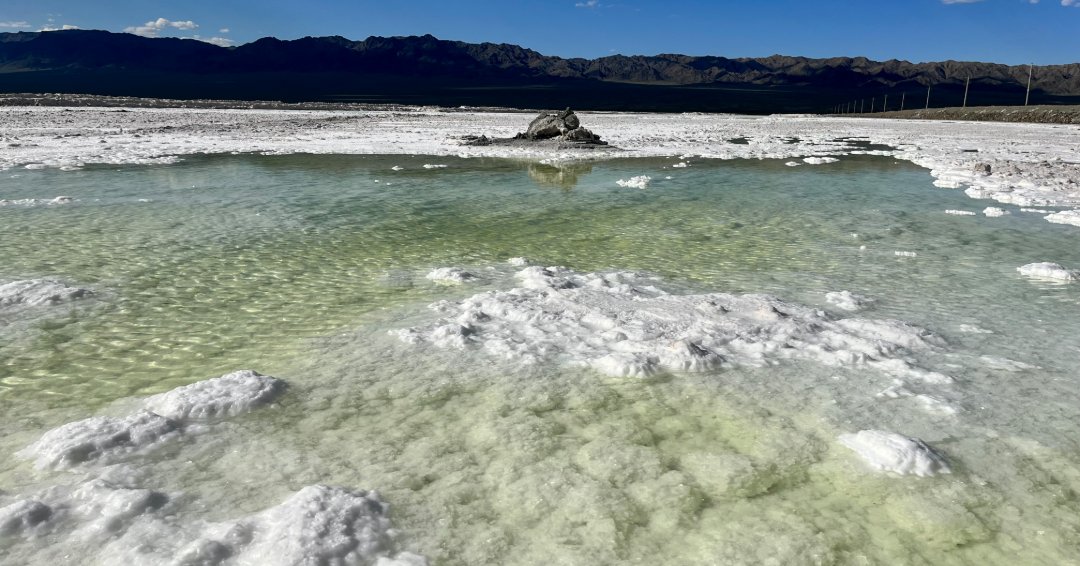
#MicrobiologyMonday: A new study from China’s Turpan–Hami Basin shows how microbes shift across deserts, wastelands and hypersaline lakes. 🌵🦠 Deserts are shaped by strong filtering, while hypersaline sites are driven by drift. Read more in #AppEnvMicro: https://t.co/9lcL1INzUw