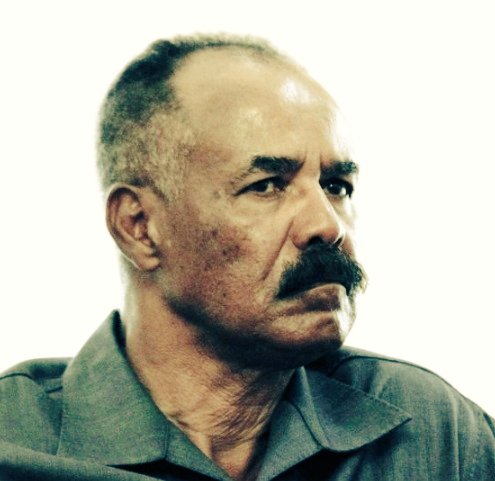
Eritrea deserves more than mere endurance. Its people deserve a system that not only protects the nation’s sovereignty but also unlocks its potential. Until that shift occurs, the country will remain trapped—secure, perhaps, but stagnant and increasingly alone.
#Eritrea today stands as a stark illustration of what happens when a state defines itself almost entirely by survival, control, and sovereignty—while neglecting the aspirations of its own people and alienating the wider world.
Isaias Afwerki, who has long relied on state-controlled media—including satellite broadcasts—to communicate with the Eritrean public, now faces growing unease as independent television channels based abroad begin reaching audiences inside the country via satellite. (1/4)
#Eritrea
Critics view these measures as an effort to maintain control over the flow of information and extend the government’s hold on power, while supporters may argue they are intended to preserve national stability and media sovereignty. (3/4)
As the country looks ahead, the central issue is no longer simply one of external challenge, but of internal transformation. The future of Eritrea may well depend on whether its leadership can adapt to changing realities and respond to the aspirations of its people.
A Leadership Narrative Under Scrutiny.
For more than three decades, Isaias Afwerki has projected an image of steady leadership and national resilience. (1/7)🧵 #Eritrea#Redsea#HornofAfrica
greater urgency. Observers note that sustained progress will likely depend not only on external conditions but also on internal policy choices, transparency, and a willingness to embrace meaningful reform.